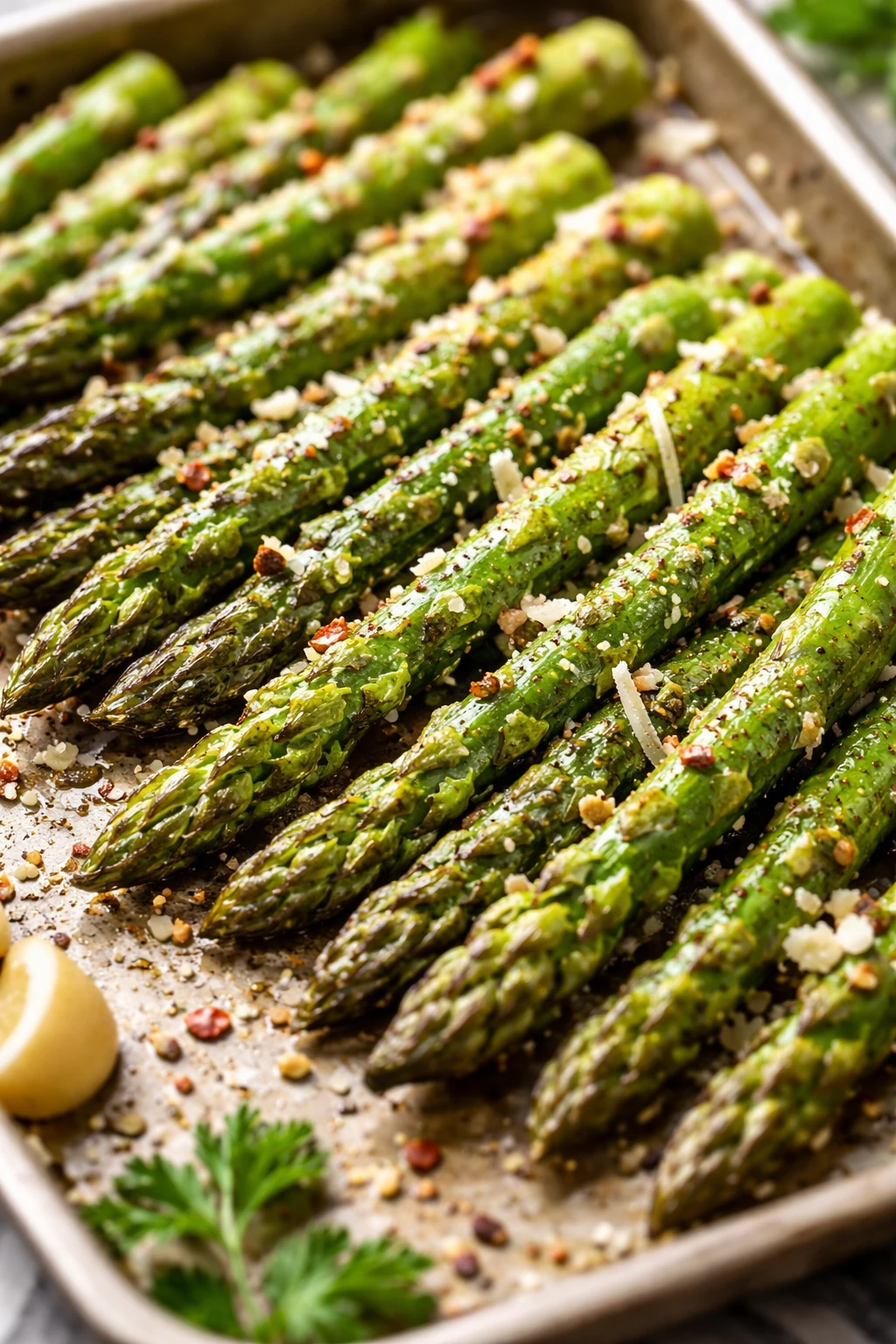
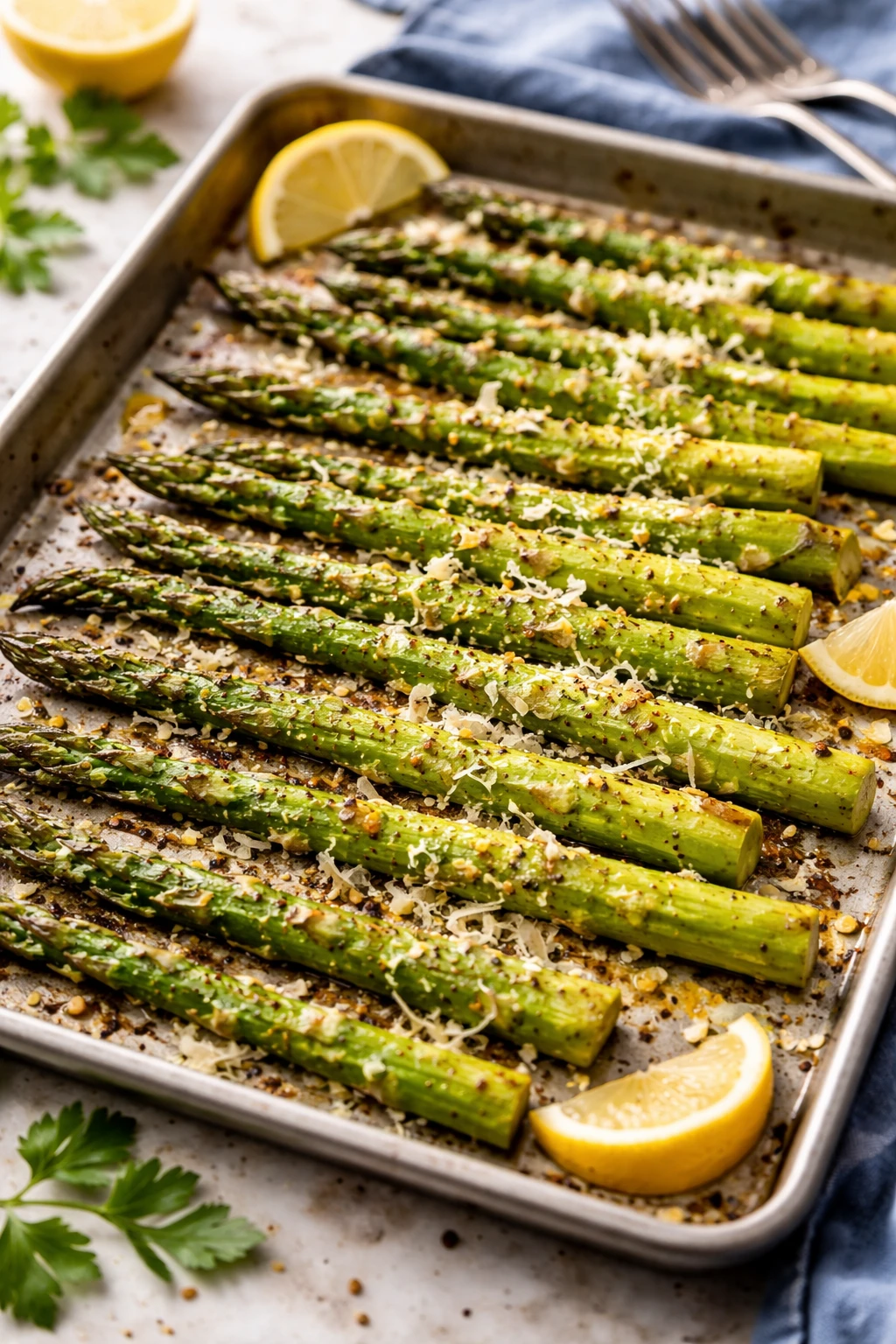
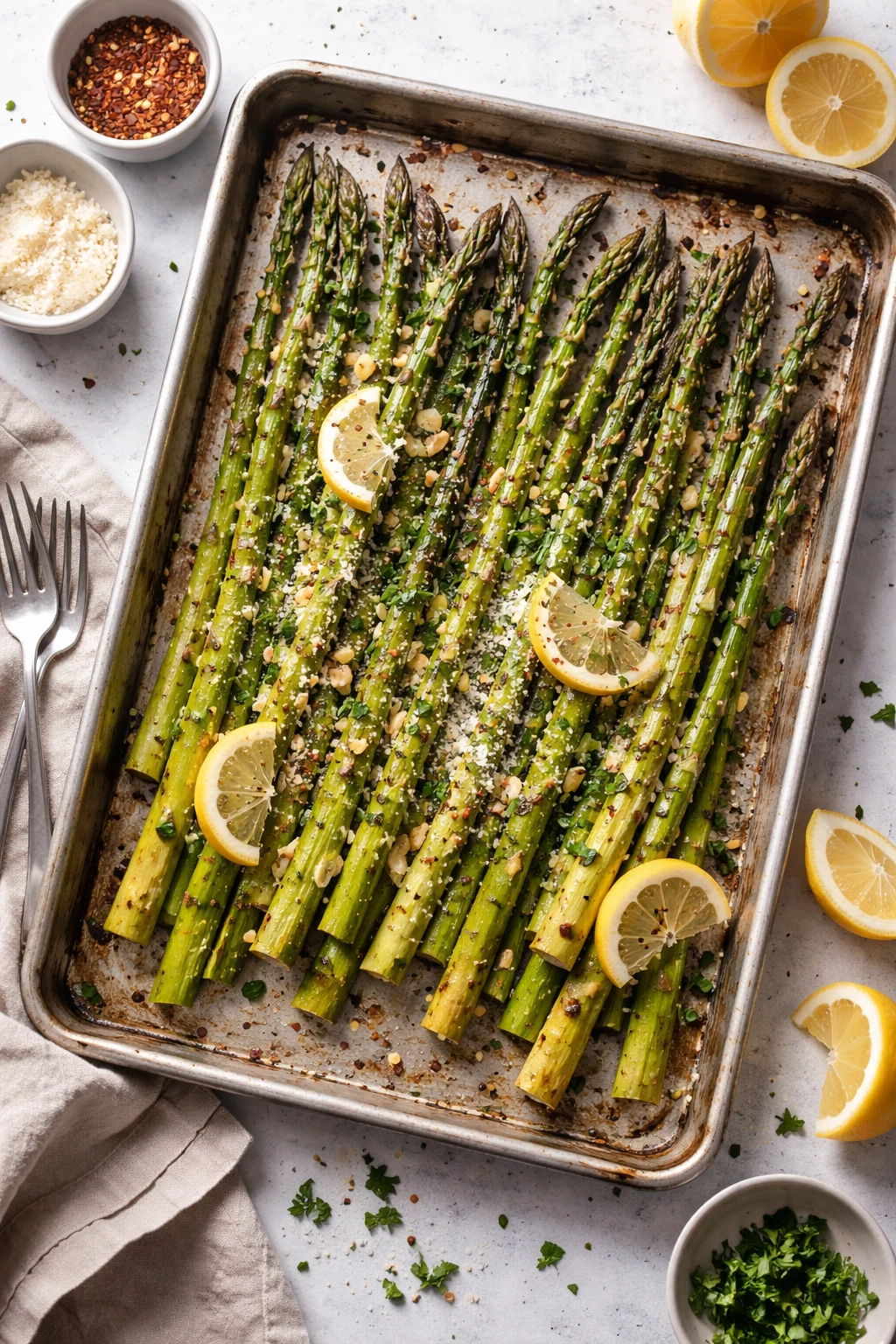
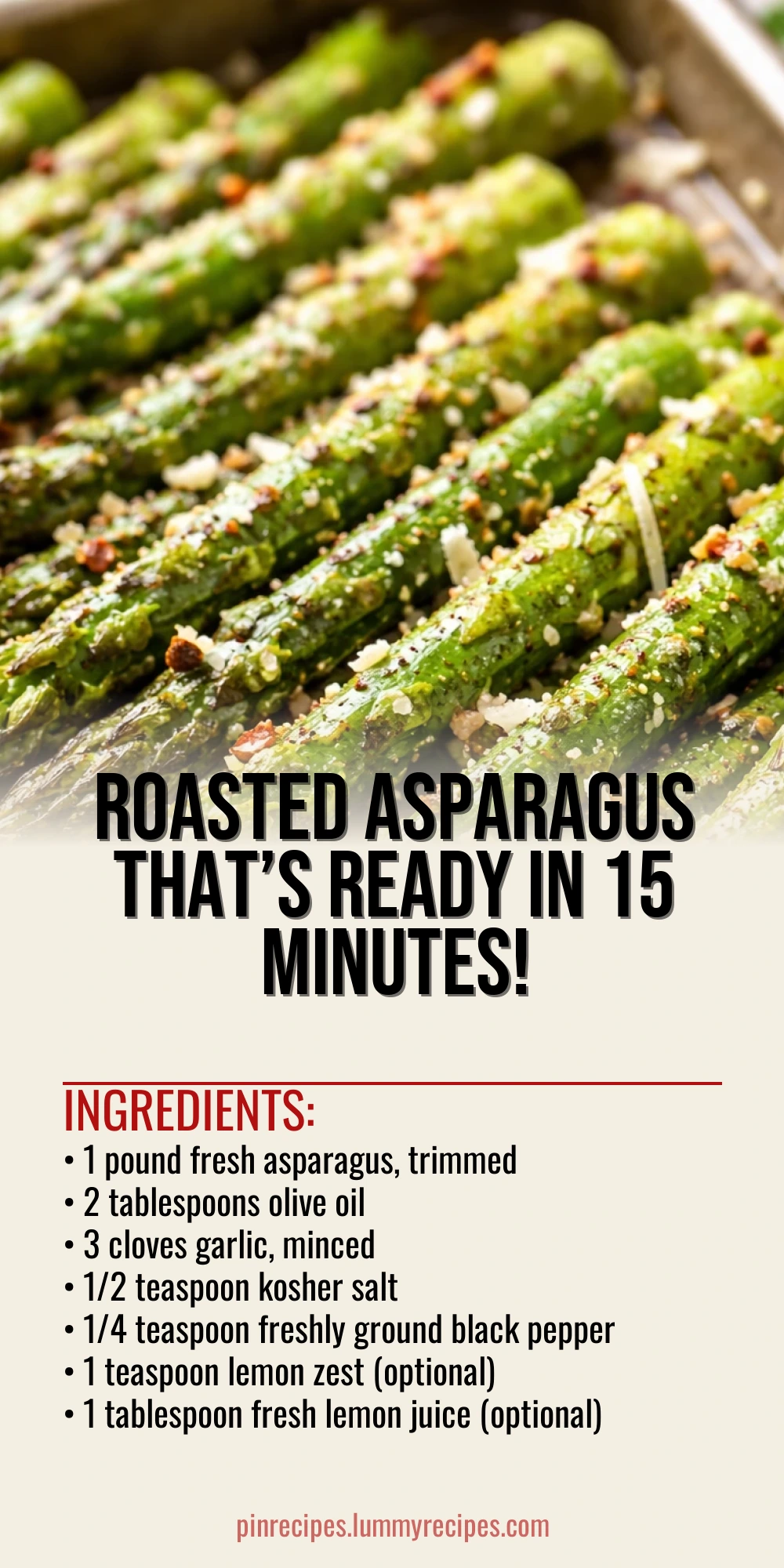
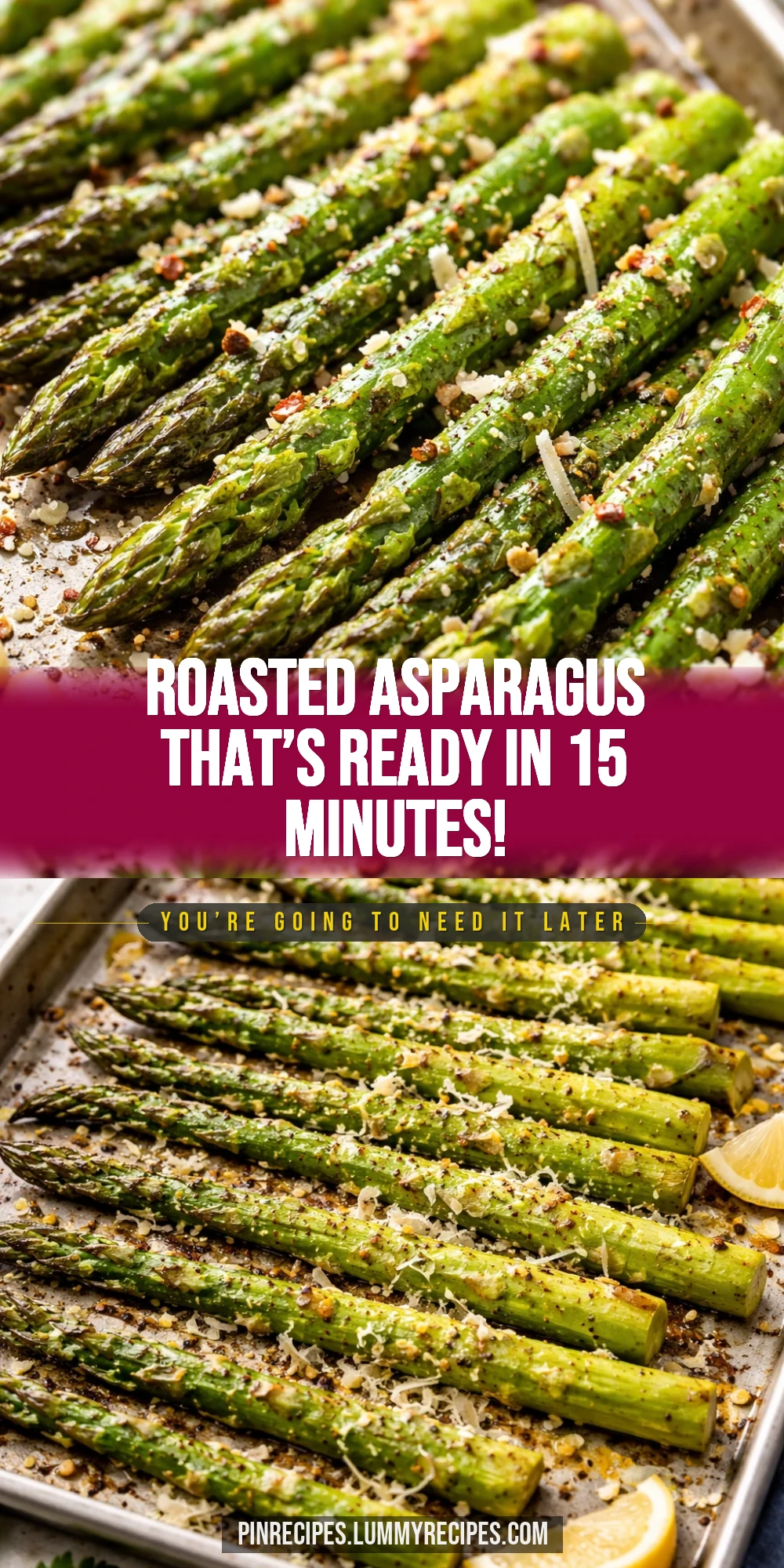
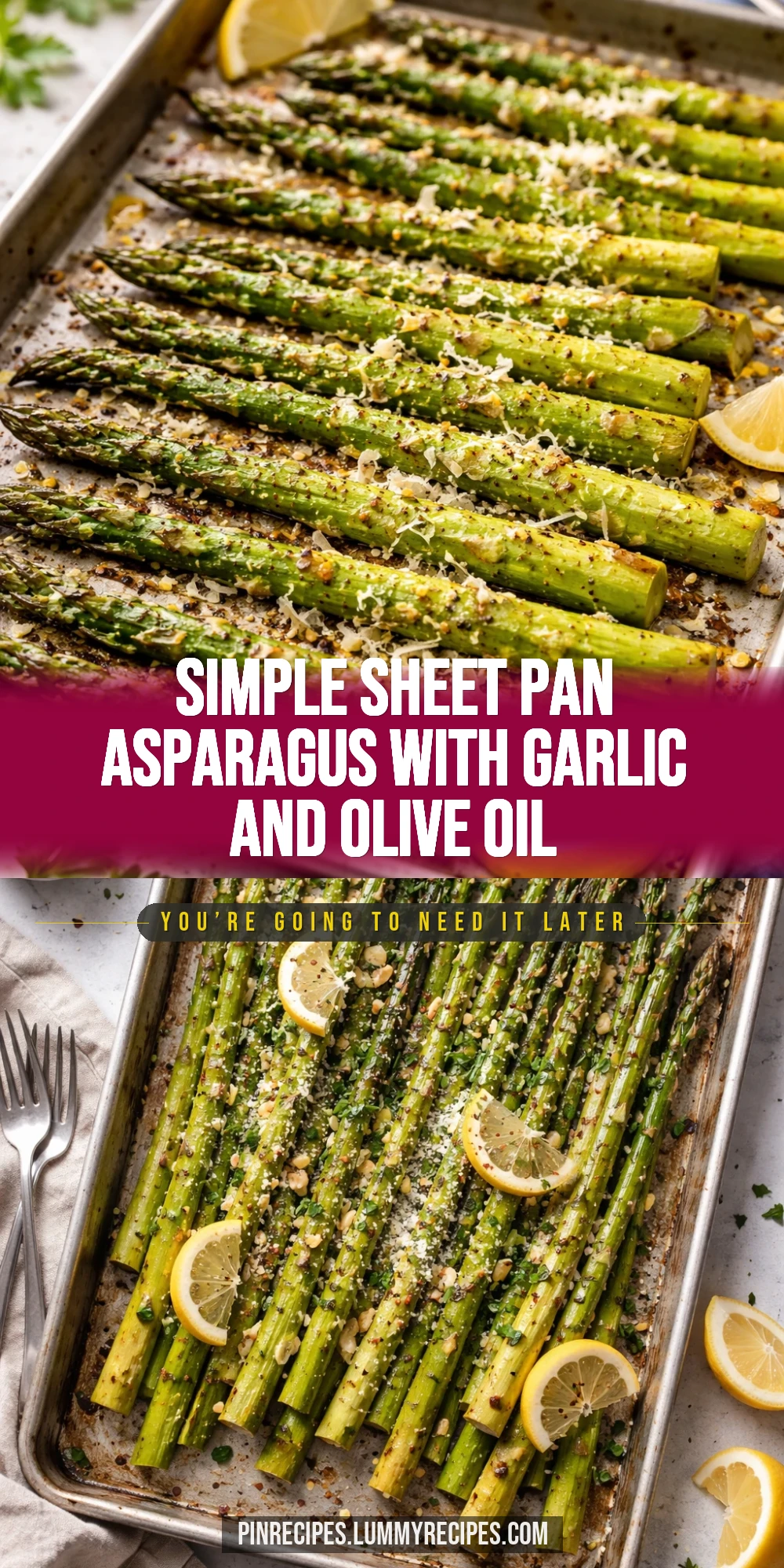
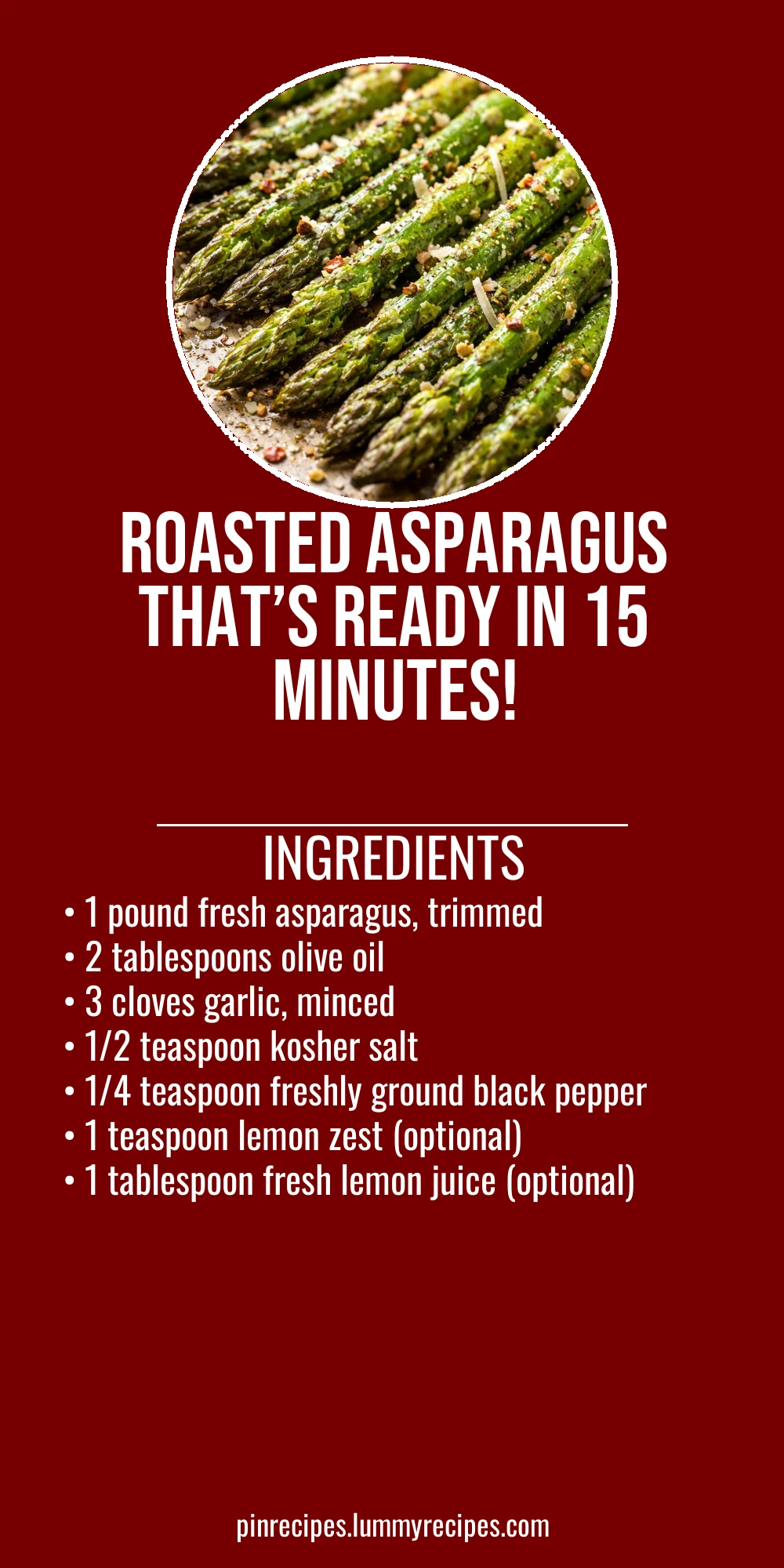
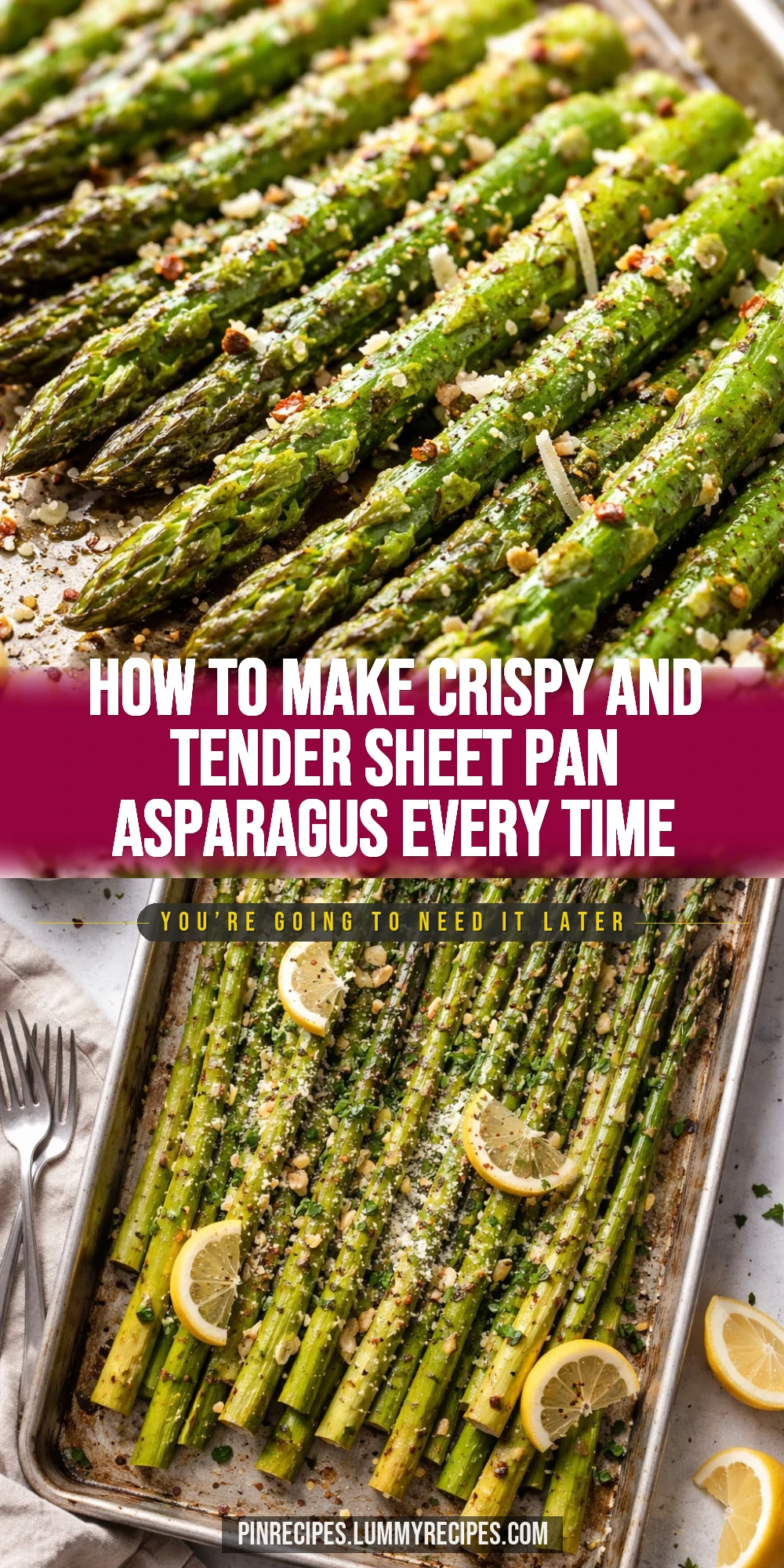
This sheet pan asparagus is super easy and brings out the veggie’s natural sweetness with a quick roast. Tossed with olive oil and garlic, it’s perfect alongside any dinner or for a quick healthy snack.
Introduction
I first made this sheet pan asparagus recipe when I needed a quick, no-fuss side for a busy weeknight dinner. I was surprised how roasting asparagus on a single pan with just olive oil and garlic could transform its flavor so beautifully. The trick I learned is to spread the asparagus out in a single layer so they roast evenly and get those nicely caramelized tips. Overcrowding the pan leads to steaming instead of roasting, which is a common mistake. This recipe is different from others because it keeps things simple but adds a fresh pop of lemon zest and juice at the end for brightness. The result is tender stalks with a little crispness on the edges and a garlicky, citrusy punch that pairs well with everything from grilled chicken to pasta. Plus, it’s ready in under 25 minutes, which is a lifesaver on hectic nights. I love how versatile it is—you can easily double it or add other veggies to the pan. Honestly, it’s become a staple in my kitchen, and I hope you’ll enjoy it as much as I do!
How To Do It
Step 1
Preheat your oven to 425°F (220°C). This high heat is crucial because it helps the asparagus roast quickly, developing caramelized edges without becoming mushy. While the oven warms, trim the woody ends off the asparagus — usually about an inch or so — by bending each stalk until it snaps naturally. This ensures you’re only cooking the tender parts. Make sure to spread the asparagus evenly on a large sheet pan; if they’re crowded, they’ll steam instead of roast, losing that lovely texture and flavor.
⏱ Time: 10 minutes
✓ Doneness: Asparagus should be evenly spaced and dry before roasting, with trimmed ends snapped off
Step 2
Drizzle the olive oil over the asparagus and sprinkle the minced garlic, salt, and pepper evenly. Toss everything gently with your hands or tongs to coat each stalk thoroughly. The olive oil not only adds flavor but also helps the asparagus crisp up in the oven. Garlic infuses the dish with a warm, aromatic note that’s subtle but essential. Avoid adding too much salt at this stage to prevent drawing out moisture prematurely, which can make the asparagus soggy.
⏱ Time: 5 minutes
✓ Doneness: All asparagus stalks should be evenly coated with oil and seasonings, with visible garlic pieces
Step 3
Place the sheet pan in the preheated oven and roast the asparagus for 12-15 minutes, depending on their thickness. Thinner stalks need less time, so start checking around 10 minutes. You want the asparagus to be tender when pierced with a fork but still have a slight snap. The tips should be slightly browned and caramelized, which adds a delicious nutty flavor. Keep an eye on them during the last few minutes to avoid burning the garlic bits.
⏱ Time: 12-15 minutes
✓ Doneness: Tips are golden brown, stalks are tender but not limp
Step 4
Once roasted, remove the pan from the oven and immediately sprinkle lemon zest and drizzle fresh lemon juice over the asparagus if using. This step adds a bright, fresh contrast to the roasted flavors and lifts the entire dish. Toss gently to combine, then transfer the asparagus to a serving platter. Lemon juice also helps balance the richness of the olive oil and garlic, making the dish feel light and fresh.
⏱ Time: 2 minutes
✓ Doneness: Asparagus glistens lightly with lemon juice and zest, aroma is fresh and citrusy
Step 5
Serve the asparagus warm as a side dish alongside your favorite main course. It pairs beautifully with grilled meats, fish, or pasta dishes. If you want to add a little extra, sprinkle some grated Parmesan or toasted almonds on top for texture and flavor. Just be sure to add any toppings right before serving to keep the asparagus crisp.
⏱ Time: Immediate
✓ Doneness: Asparagus is warm, tender, and ready to enjoy
Step 6
If you’re preparing this ahead, roast the asparagus as directed but wait to add lemon juice or any fresh toppings until just before serving. This keeps the flavors bright and the texture crisp. Reheat gently in a 350°F oven for 5-7 minutes or in a skillet over medium heat to avoid sogginess.
⏱ Time: 5-7 minutes reheating
✓ Doneness: Warm throughout without becoming limp or watery
Step 7
For an extra flavor twist, try tossing the asparagus with a teaspoon of balsamic vinegar or a sprinkle of red pepper flakes before roasting. These additions bring a sweet tang or subtle heat that complements the natural earthiness of the asparagus. Just be mindful not to overpower the delicate flavor of the vegetable.
⏱ Time: Optional prep time
✓ Doneness: Asparagus carries a balanced flavor with additional seasoning
Step 8
To get even cooking, shake the pan or turn the asparagus halfway through roasting. This ensures all sides get evenly roasted and caramelized. Uneven cooking can leave some stalks underdone or overly crispy. Use tongs to flip gently to avoid breaking the delicate stalks.
⏱ Time: 1-2 minutes midway
✓ Doneness: Asparagus shows even browning and texture across all stalks
Step 9
Clean your sheet pan promptly after roasting to avoid stuck-on garlic or oil residue. Soak the pan in warm soapy water for a few minutes before scrubbing. This helps maintain your equipment and keeps your kitchen running smoothly for the next recipe.
⏱ Time: 5 minutes
✓ Doneness: Sheet pan is clean and ready for next use
Pro Tips
Always trim the woody ends of asparagus before cooking.
The woody ends are tough and fibrous, which can ruin the texture of your dish. Removing them ensures every bite is tender and enjoyable. Plus, trimming helps the asparagus cook evenly since the tough ends take longer to soften.
Spread asparagus in a single layer on the sheet pan.
Crowding the pan traps moisture and causes steaming instead of roasting. This prevents the tips from caramelizing and results in limp asparagus. Giving each stalk space allows hot air to circulate and crisp the edges nicely.
Use fresh garlic minced finely to avoid burning.
Garlic burns quickly at high heat, turning bitter if too large or unevenly distributed. Minced garlic softens and sweetens during roasting, infusing the asparagus with flavor without overpowering it.
Add lemon zest and juice after roasting.
Adding lemon before roasting can cause it to dry out and lose brightness. Fresh lemon at the end adds a fresh, zesty note that balances the richness of olive oil and roasted garlic, enhancing overall flavor.
Check asparagus early if thin stalks are used.
Thin asparagus cooks faster and can become mushy if overcooked. Starting to check doneness around 10 minutes prevents over-roasting and preserves a pleasant snap in the stalks.
Flip asparagus halfway through roasting.
Turning the stalks ensures even browning on all sides. Without flipping, one side may burn while the other remains undercooked, affecting texture and flavor.
Use a rimmed baking sheet for roasting.
A rimmed pan prevents oil or juices from spilling in the oven and helps contain the asparagus for easy tossing. It also allows heat to circulate properly around the food.
Common Mistakes to Avoid
Overcrowding the pan
Why it happens People often try to roast too much asparagus at once to save time, but this traps moisture and causes steaming instead of roasting.
Fix Use a large enough sheet pan or roast in batches. Spread asparagus in a single layer with space between stalks to ensure they roast evenly and develop crispy tips.
Skipping trimming the woody ends
Why it happens It’s easy to overlook trimming, especially if you’re in a hurry or unfamiliar with asparagus preparation.
Fix Snap or cut off the bottom inch or so of each stalk before cooking. This removes tough, fibrous parts that don’t soften well and can ruin the texture.
Adding lemon juice before roasting
Why it happens Some think lemon juice adds flavor during cooking, but it can dry out and lose brightness when exposed to heat.
Fix Add lemon zest and juice only after roasting to preserve fresh citrus flavor and balance the dish.
Using pre-minced garlic from a jar
Why it happens Pre-minced garlic can burn quickly and taste harsh when roasted at high heat.
Fix Use fresh garlic cloves minced just before tossing with asparagus to get a mellow, aromatic flavor without bitterness.
Overcooking thin asparagus stalks
Why it happens Thin stalks cook quickly and can become mushy if not watched carefully.
Fix Start checking for doneness at 10 minutes and remove asparagus as soon as it’s tender-crisp to maintain texture.
Variations
Spicy Sheet Pan Asparagus
Add a pinch of red pepper flakes and a drizzle of smoked paprika to the olive oil before roasting. This gives the asparagus a smoky heat that pairs perfectly with grilled meats or burgers.
Note: Be careful with the amount of chili flakes; too much can overpower the delicate asparagus flavor.
Parmesan-Crusted Asparagus
Sprinkle grated Parmesan cheese over the asparagus during the last 5 minutes of roasting. The cheese melts and crisps up, adding a savory, cheesy crust that’s irresistible.
Note: Add cheese late in cooking to prevent burning and ensure a golden crust.
Sheet Pan Asparagus with Cherry Tomatoes
Toss halved cherry tomatoes with asparagus before roasting. The tomatoes roast down to a sweet, juicy burst that complements the earthy asparagus beautifully.
Note: Add tomatoes on top of asparagus to prevent them from overcooking and bursting too early.
Lemon Herb Asparagus
Mix chopped fresh herbs like thyme, rosemary, or dill into the olive oil before tossing with asparagus. The herbs add a fragrant, fresh note that elevates the simple dish.
Note: Use fresh herbs for best flavor and add after tossing to avoid burning.
Asian-Inspired Sheet Pan Asparagus
Replace olive oil with sesame oil and sprinkle toasted sesame seeds and a splash of soy sauce after roasting. This gives the asparagus an umami-rich, nutty twist.
Note: Add soy sauce after roasting to prevent steaming and maintain crispness.
Nutrition
Per Serving:
Nutritional values are estimates and may vary based on specific ingredients used.
Storage & Tips
Room Temperature
Roasted asparagus can be left at room temperature for up to 2 hours if covered loosely with foil or a clean kitchen towel. Beyond that time, it’s best to refrigerate to prevent spoilage.
Refrigerator
Store leftover asparagus in an airtight container in the fridge for up to 3 days. The flavor may mellow, and texture softens slightly when cold, so reheat gently or serve at room temperature.
Freezer
Freezing roasted asparagus is not recommended as it tends to become mushy when thawed. If necessary, freeze in a single layer on a tray first, then transfer to a freezer bag for up to 1 month.
Reheating
Reheat asparagus in a 350°F oven for 5-7 minutes or in a skillet over medium heat until warmed through. Avoid microwaving if possible, as it can make asparagus limp. Add a splash of olive oil or lemon juice to refresh flavors.
Make Ahead
Trim and season the asparagus up to 1 day ahead and keep covered in the fridge. Roast fresh just before serving for best texture and flavor. You can also prepare the lemon zest and garlic in advance to save time.
FAQ
Can I use frozen asparagus for this sheet pan recipe?
Frozen asparagus isn’t ideal for roasting because it releases a lot of moisture and tends to become soggy rather than crisp. If you must use frozen, thaw and pat dry thoroughly, then roast at a slightly lower temperature and watch closely to avoid burning.
How do I know when asparagus is perfectly roasted?
Look for tender stalks that still have a slight snap when bent, with tips that are golden brown and caramelized. The asparagus should not be limp or mushy. Testing with a fork should show it pierces easily but isn’t falling apart.
Can I add other vegetables to the sheet pan?
Yes! Cherry tomatoes, bell peppers, or sliced mushrooms work well alongside asparagus. Just add vegetables with similar roasting times or add them in stages to ensure everything cooks evenly.
What if my asparagus is thick or thin? How does that affect cooking time?
Thicker asparagus stalks need a few extra minutes to become tender, while thin stalks cook faster and can overcook easily. Check thin stalks as early as 10 minutes and thicker ones around 15 minutes to avoid mushiness.
Can I make this recipe vegan or dairy-free?
Absolutely! This recipe is naturally vegan and dairy-free when you skip optional toppings like Parmesan. Using olive oil and fresh ingredients keeps it plant-based and healthy.
Is it better to roast asparagus covered or uncovered?
Roasting uncovered is best because it allows moisture to evaporate, leading to caramelization and crispy edges. Covering traps steam and results in soggy asparagus.
How do I prevent garlic from burning during roasting?
Use fresh minced garlic and toss it evenly with the asparagus. Avoid large chunks and spread the garlic thinly. You can also add garlic halfway through roasting if you’re worried about burning.
Can I prepare this dish ahead of time?
You can trim and season the asparagus a day ahead, but roast it fresh for best texture. Add lemon juice and any fresh toppings just before serving to keep flavors bright.
Final Thoughts
I hope you enjoy this easy sheet pan asparagus as much as my family does. Give it a try and let me know how it turns out!