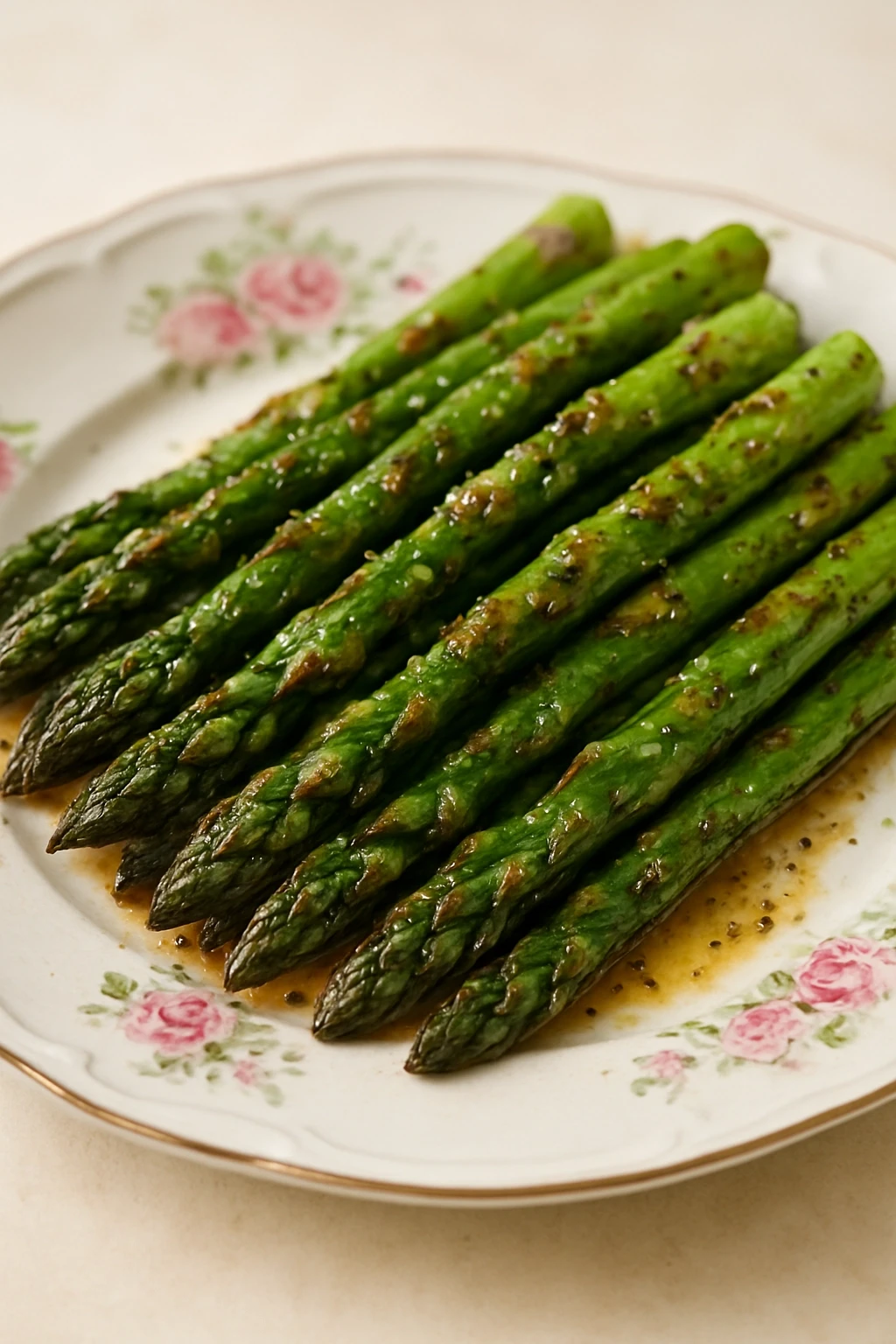
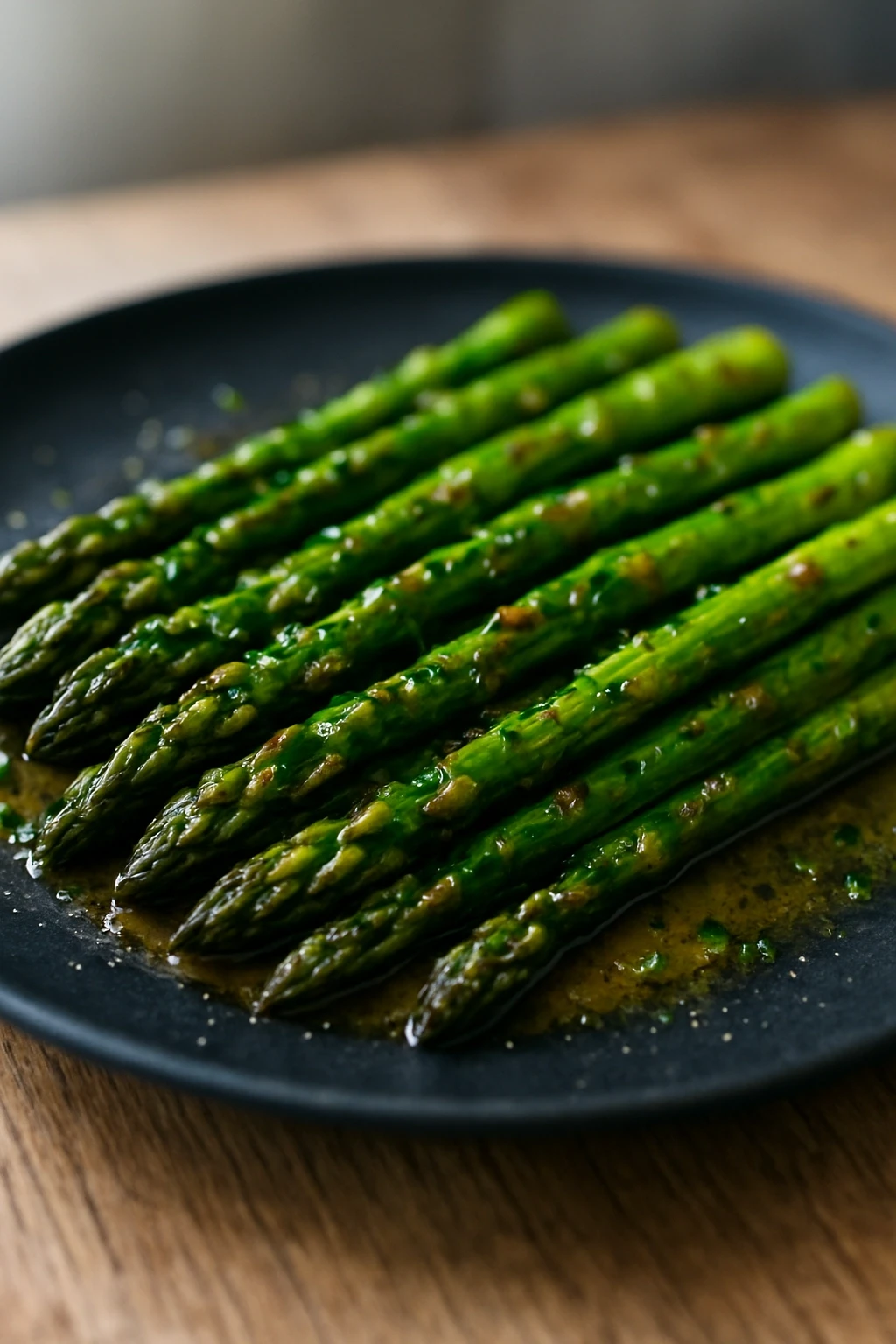
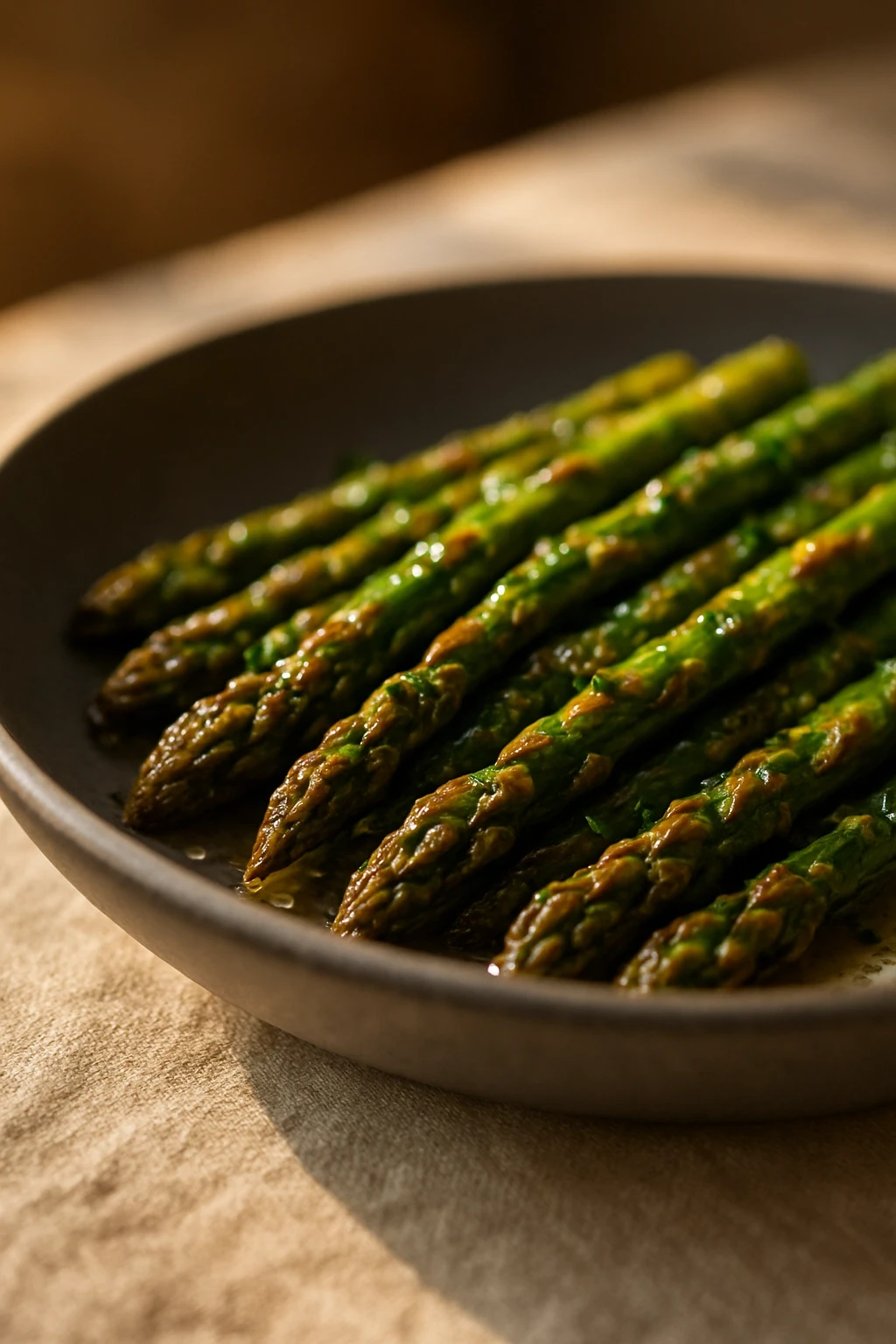
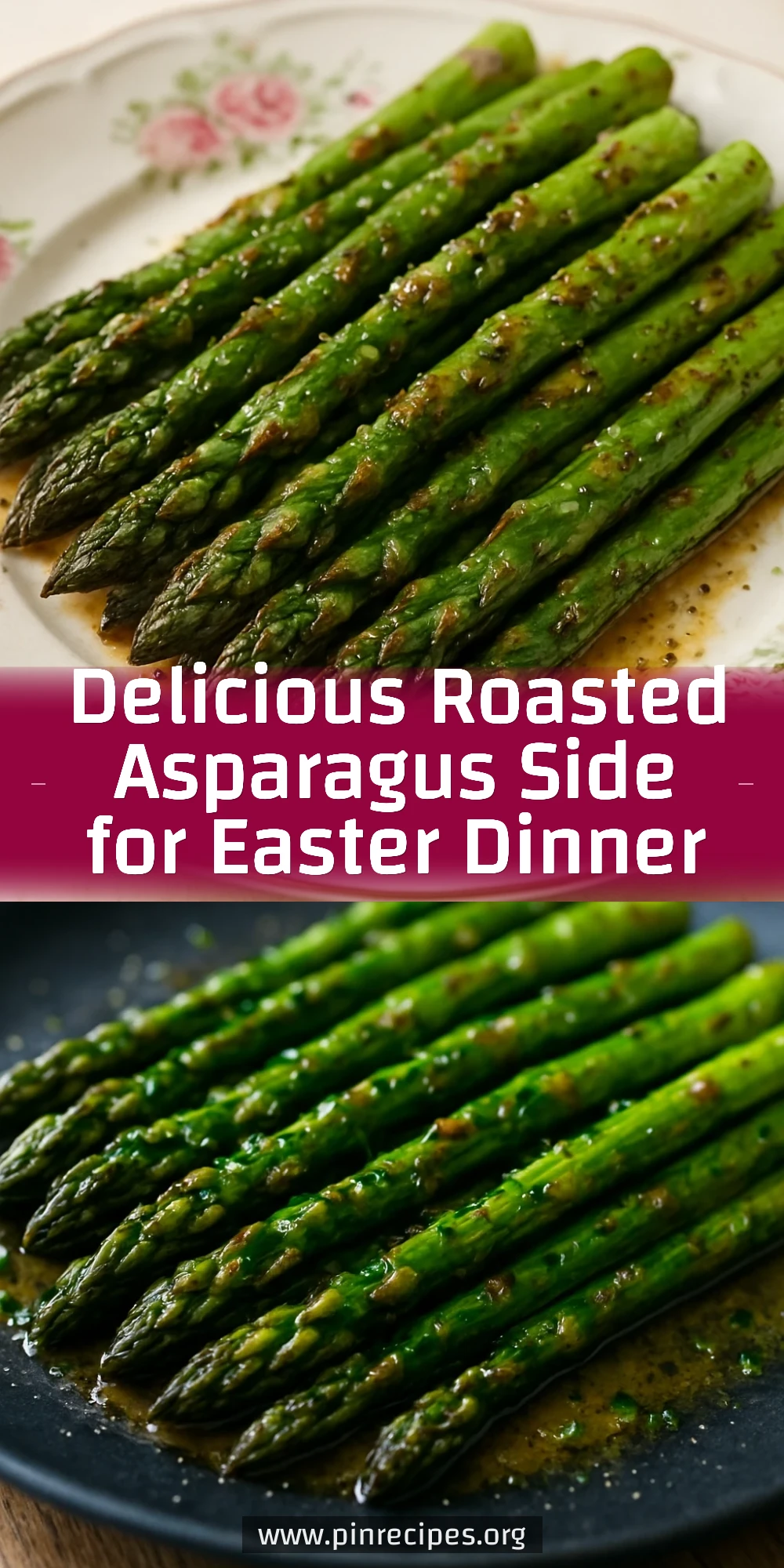
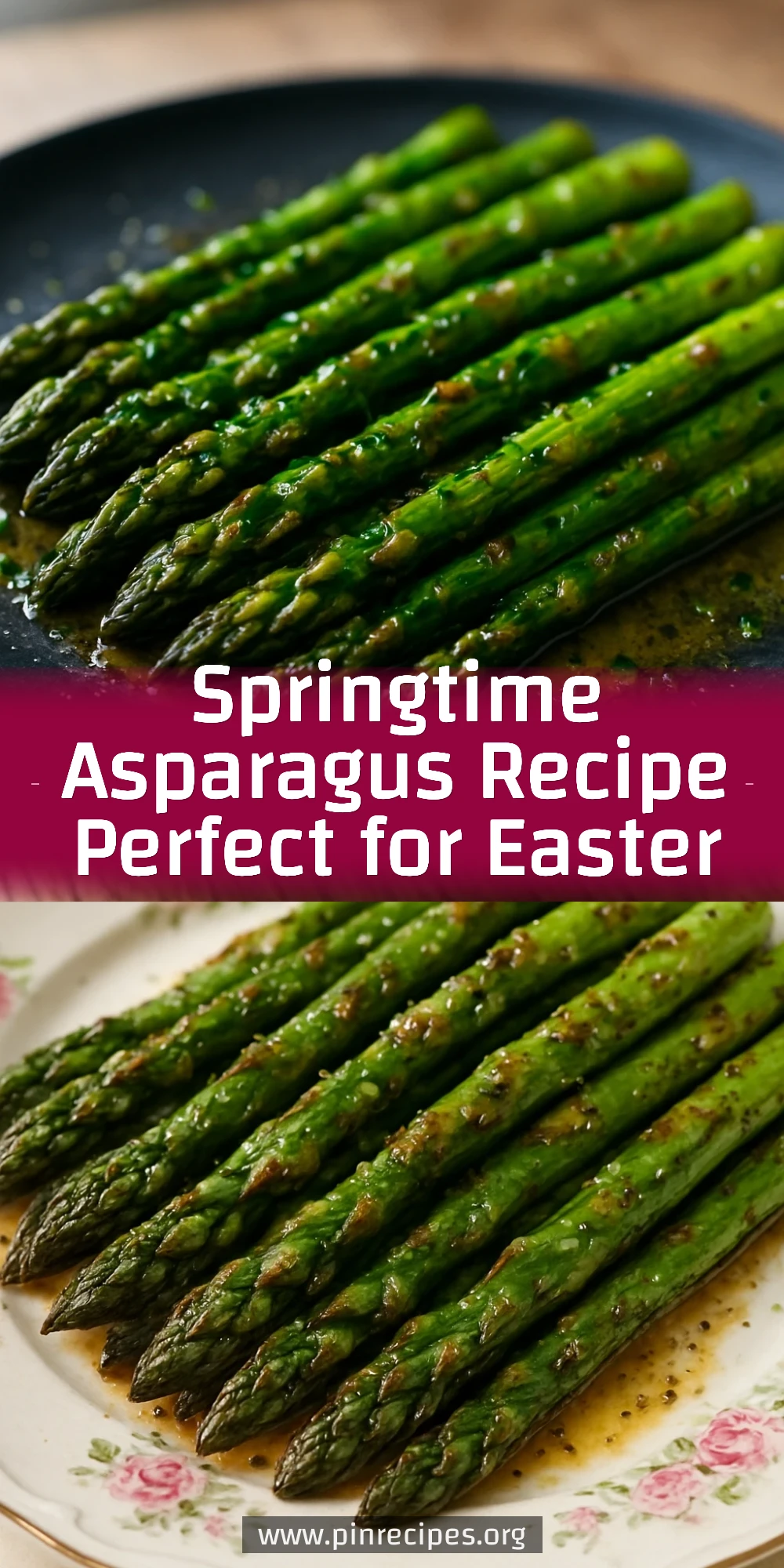
This vibrant asparagus side is fresh, simple, and full of spring flavor. Roasting with lemon zest brings out a bright, tangy note that pairs beautifully with holiday meals. A must-have for Easter dinner!
Introduction
I first made this asparagus side a couple of years ago when I wanted something bright and fresh for Easter dinner, and it quickly became a family favorite. What I love about this recipe is how simple it is, yet it really highlights the natural flavor of asparagus with a little zing from lemon zest. I used to just steam asparagus, but roasting it brings out a subtle nuttiness that pairs perfectly with the citrus notes. Plus, the slight crispiness on the tips adds a lovely texture contrast. The trick I learned is not to overcrowd the pan, so the asparagus roasts evenly and gets those little browned spots without steaming. Finished with a sprinkle of Parmesan, it feels special enough for a holiday but is quick enough for weeknights too. Every time I serve this, people ask for the recipe—it's just that good and so easy to throw together!
How To Do It
Step 1
Preheat your oven to 425°F (220°C). This high heat is key for roasting asparagus so it gets tender but also develops those delicious caramelized spots. Spread the trimmed asparagus in a single layer on a rimmed baking sheet to avoid steaming. If the spears are crowded, they’ll release moisture and steam instead of roasting, which dulls the flavor and texture.
⏱ Time: 10 minutes
✓ Doneness: Asparagus looks vibrant green with slightly browned tips and a tender but firm texture when pierced with a fork.
Step 2
Drizzle the asparagus with olive oil, then sprinkle with lemon zest, sea salt, and black pepper. Toss gently with your hands or tongs to coat evenly. The olive oil helps the seasonings stick and promotes browning, while the lemon zest adds fresh citrus aroma that brightens the dish. Be sure to use fresh lemon zest, not dried, for the best flavor.
⏱ Time: 5 minutes
✓ Doneness: Spears are evenly coated, glistening but not swimming in oil.
Step 3
Place the baking sheet in the oven and roast for 12-15 minutes, shaking the pan or turning the asparagus halfway through. This ensures even cooking and browning. Keep an eye on the tips so they don’t burn—roasted asparagus should be tender with a slight crispness, not mushy or charred.
⏱ Time: 12-15 minutes
✓ Doneness: Asparagus is tender when pierced but still has a slight snap, with golden brown spots on the tips.
Step 4
Remove from the oven and immediately sprinkle with grated Parmesan cheese while still hot, if using. The residual heat will slightly melt the cheese, adding a savory richness that complements the lemon and asparagus perfectly.
⏱ Time: 2 minutes
✓ Doneness: Parmesan softens slightly but doesn’t fully melt into a sauce.
Step 5
Transfer the asparagus to a serving platter. Taste and adjust seasoning with a pinch more salt or a squeeze of fresh lemon juice if you want extra brightness. Serve warm alongside your main dishes.
⏱ Time: 2 minutes
✓ Doneness: Dish is vibrant, fresh, and ready to eat.
Pro Tips
Don’t overcrowd the baking sheet when roasting asparagus.
Crowding traps steam, preventing the asparagus from roasting properly and developing those flavorful browned spots. Spacing the spears out allows hot air to circulate evenly, resulting in crisp-tender texture and enhanced flavor.
Use fresh lemon zest instead of lemon juice for seasoning.
Zest contains concentrated citrus oils that add bright aroma and flavor without extra moisture. Lemon juice can make the asparagus soggy or watery during roasting, whereas zest keeps the texture crisp and fresh.
Trim the woody ends of asparagus before cooking.
The bottom ends are tough and fibrous, which can ruin the texture of the dish. Snapping the stalks naturally where they break removes the woody part, ensuring every bite is tender and pleasant.
Add Parmesan cheese right after roasting while asparagus is hot.
The residual heat gently melts the cheese, creating a creamy finish without turning it into a greasy mess. Adding cheese too early can cause burning or uneven melting.
Use a rimmed baking sheet to catch any drips and prevent mess.
Olive oil and lemon zest can drip during roasting. A rimmed pan contains spills, making cleanup easier and keeping your oven clean.
Turn the asparagus halfway through roasting for even cooking.
Flipping the spears exposes all sides to heat, promoting uniform browning and preventing one side from burning or undercooking.
Serve the asparagus immediately after roasting for best texture.
Asparagus loses its crispness as it cools and can become limp. Serving hot maintains that perfect tender-crisp bite and vibrant flavor.
Common Mistakes to Avoid
Overcrowding the pan
Why it happens Many think packing the pan saves time or effort, but it causes steaming instead of roasting.
Fix Use two pans if needed or roast in batches. Give each spear enough space to brown and crisp up properly.
Using old or limp asparagus
Why it happens Sometimes we grab whatever’s on hand without checking freshness.
Fix Choose fresh, firm stalks with tight tips. If unsure, bend a stalk gently; it should snap cleanly.
Skipping lemon zest
Why it happens Some may think lemon juice is enough or forget the zest entirely.
Fix Always zest fresh lemon for that bright, aromatic pop. Avoid dried zest or juice alone.
Adding cheese before roasting
Why it happens Trying to save time by mixing cheese with asparagus before cooking.
Fix Add Parmesan only after roasting to prevent burning and ensure proper melting.
Roasting at too low a temperature
Why it happens People may set the oven lower to 'cook gently' but this prevents caramelization.
Fix Preheat oven to 425°F for proper browning and texture.
Variations
Garlic Roasted Asparagus
Add 2 minced garlic cloves tossed with the asparagus before roasting for a savory, aromatic twist. Garlic adds depth and pairs wonderfully with lemon and Parmesan.
Note: Add garlic at the same time as olive oil and seasonings to prevent burning; watch closely as garlic can brown quickly.
Asparagus with Balsamic Glaze
Drizzle a balsamic reduction over the roasted asparagus just before serving for a sweet and tangy flavor contrast. It adds a beautiful glossy finish and complexity.
Note: Prepare balsamic glaze separately by simmering balsamic vinegar until thickened; add after roasting to preserve texture.
Spicy Chili Asparagus
Sprinkle red chili flakes with the olive oil and lemon zest for a spicy kick. Great if you want to add some heat without overpowering the fresh flavors.
Note: Adjust chili flakes to taste; add cautiously to avoid overwhelming the delicate asparagus.
Asparagus with Toasted Almonds
After roasting, toss asparagus with toasted sliced almonds for extra crunch and a nutty flavor that complements the dish’s brightness.
Note: Toast almonds in a dry pan until golden, then add just before serving to keep them crisp.
Vegan Lemon Asparagus
Omit the Parmesan and finish with a sprinkle of nutritional yeast for a cheesy flavor without dairy. Perfect for vegan diets while keeping the brightness intact.
Note: Add nutritional yeast after roasting just like cheese to maintain flavor and texture.
Nutrition
Per Serving:
Nutritional values are estimates and may vary based on specific ingredients used.
Storage & Tips
Room Temperature
This roasted asparagus is best served fresh but can be kept at room temperature for up to 2 hours covered with foil or a clean kitchen towel to prevent drying out.
Refrigerator
Store leftovers in an airtight container for up to 3 days. The asparagus will soften and lose some crispness when cold, so reheat gently before serving to restore texture.
Freezer
Freezing roasted asparagus is not recommended as it becomes mushy upon thawing due to water content and delicate texture.
Reheating
Reheat gently in a 350°F oven for 5-7 minutes or in a skillet over medium heat with a splash of olive oil to revive crispness. Avoid microwave reheating as it can make asparagus rubbery.
Make Ahead
Trim and season asparagus a day ahead and keep refrigerated. Roast just before serving to maintain fresh flavor and texture.
FAQ
Can I use frozen asparagus for this recipe?
Frozen asparagus tends to be softer and wetter after thawing, which can prevent proper roasting and crispness. If using frozen, pat dry thoroughly and roast at a slightly lower temperature to avoid burning.
What if I don’t have Parmesan cheese?
You can omit Parmesan or substitute with nutritional yeast for a vegan option. Both add umami, but Parmesan provides a richer, creamier finish that’s hard to replicate exactly.
Can I prepare this dish ahead of time?
You can trim and season the asparagus a day ahead, but roast it just before serving to keep it fresh and crisp. Roasted asparagus loses texture if reheated multiple times.
Is it better to use thin or thick asparagus stalks?
Thin stalks roast faster and tend to be more tender, while thick ones have a meatier bite but require longer cooking. Adjust roasting time accordingly to avoid under or overcooking.
Can I add other seasonings or herbs?
Absolutely! Fresh thyme, rosemary, or a sprinkle of red pepper flakes work beautifully. Just add herbs before roasting and adjust quantities to your taste.
Why does my asparagus turn soggy after roasting?
Usually due to overcrowding the pan or using too much oil. Make sure asparagus is in a single layer with enough space and lightly coated with oil to allow proper roasting.
Can I grill the asparagus instead of roasting?
Yes! Grilling adds a smoky flavor and similar caramelization. Just brush with oil and season as usual, then grill over medium heat for 5-7 minutes, turning frequently.
How do I store leftover roasted asparagus?
Place cooled asparagus in an airtight container in the fridge for up to 3 days. Reheat gently before serving to avoid limp texture.
Final Thoughts
Give this roasted asparagus a try and brighten your spring meals with its fresh, vibrant flavors. I’d love to hear how it turns out for you!