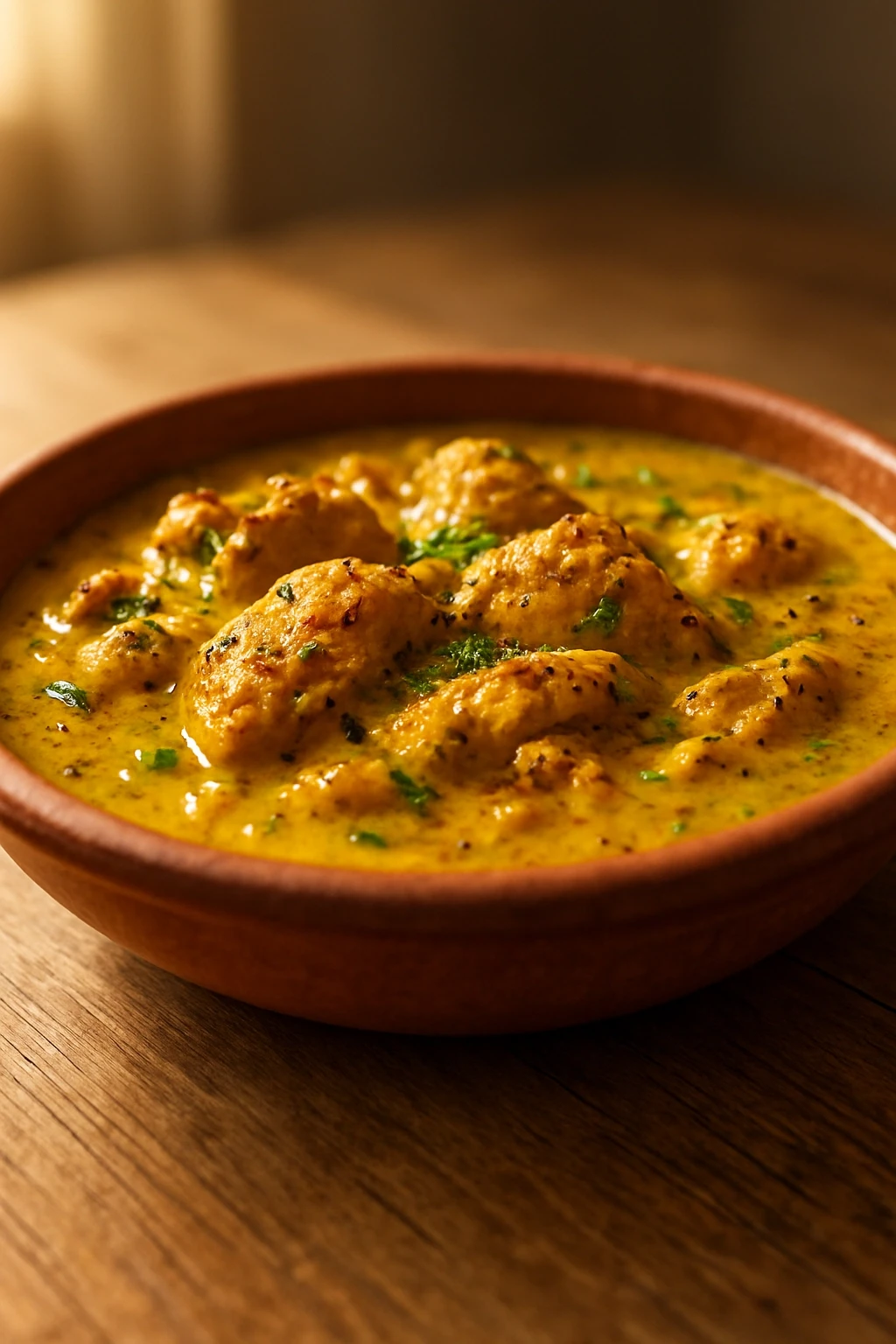
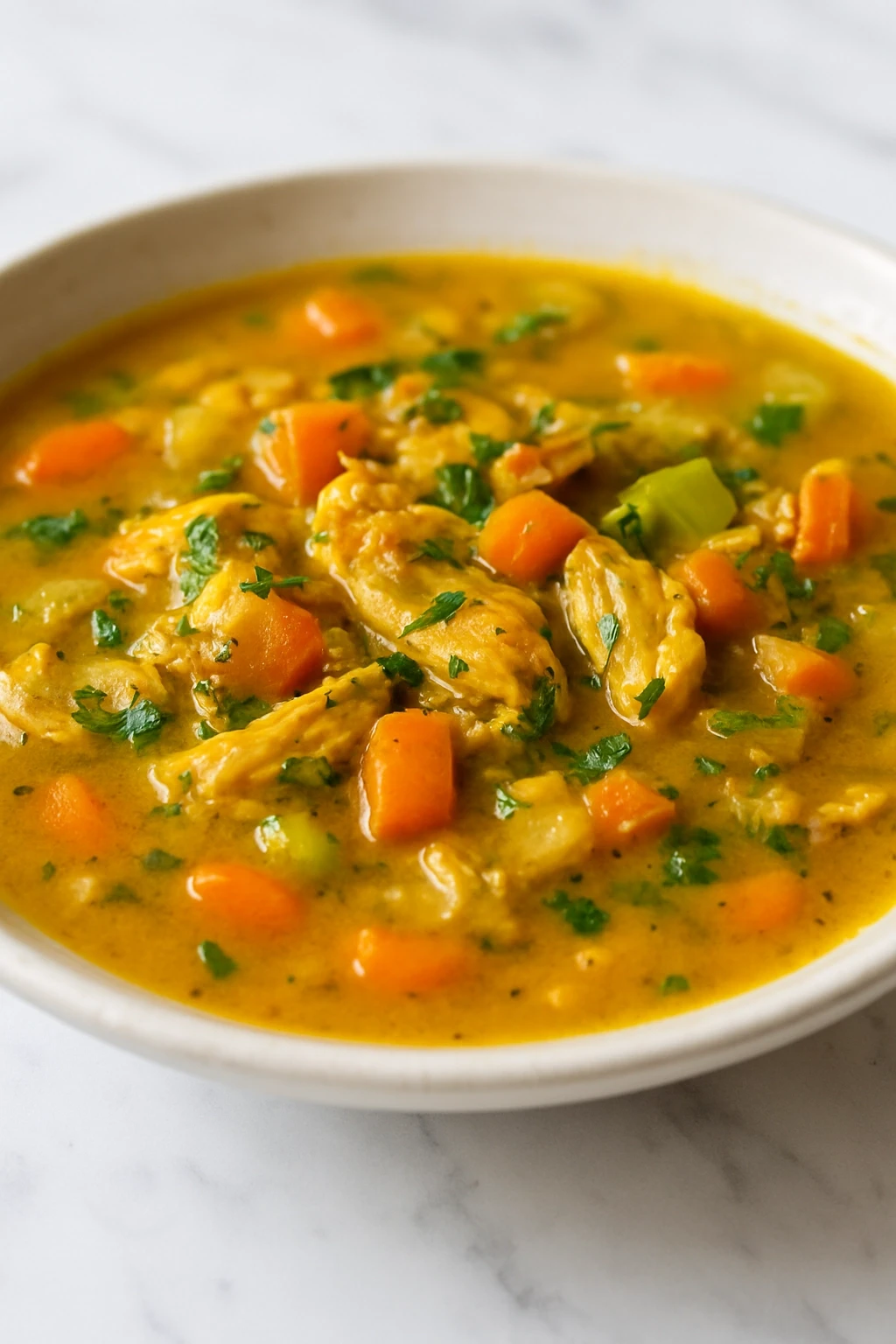
This golden chicken soup is packed with turmeric and fresh ginger, both known for their anti-inflammatory powers. It’s a comforting bowl perfect for chilly evenings or when you need a natural pick-me-up.
Introduction
I first stumbled upon this turmeric ginger chicken soup during a particularly rough cold season when I was desperate for something soothing yet nourishing. What makes this recipe stand out for me is the balance of bright, earthy turmeric and the zing of fresh ginger, which together pack a punch against inflammation. Over time, I’ve tweaked the spice levels and added kale for a bit of green goodness, making it both hearty and vibrant. The trick I learned is to gently sweat the aromatics in olive oil to coax out their flavors without burning, which keeps the broth clear and fragrant. When it’s ready, the soup is golden, warm, and comforting—perfect for unwinding after a long day or when you need a natural boost. Plus, it’s easy enough to whip up on a weeknight but special enough to impress guests.
What You'll Need
Approximately 6 cups, 4 servings
- 1 tablespoon olive oil, extra virgin
- 1 medium yellow onion, diced
- 3 cloves garlic, minced
- 1 tablespoon fresh ginger, grated
- 1 tablespoon ground turmeric
- 1 teaspoon ground cumin
- 6 cups low-sodium chicken broth
- 2 large carrots, peeled and sliced
- 2 celery stalks, sliced
- 2 cups cooked shredded chicken breast
- 1 cup kale, chopped
- Salt and black pepper to taste
- Juice of 1 lemon
- Fresh cilantro or parsley for garnish
How To Do It
Step 1
Heat the olive oil in a large pot over medium heat until shimmering but not smoking. Add the diced onion and a pinch of salt to help them sweat. Stir occasionally, cooking gently for about 5–7 minutes until the onions are soft and translucent. This slow cooking releases their sweetness without browning, which is key to a clean, bright broth flavor. Avoid rushing this step by turning the heat too high, as burnt onions can add bitterness.
⏱ Time: 7 minutes
✓ Doneness: Onions look translucent and soft but not browned
Step 2
Add the minced garlic, grated ginger, turmeric, and cumin to the pot. Stir constantly for 1–2 minutes until fragrant. Toasting the spices slightly in the oil helps unlock their essential oils, deepening the soup’s flavor. Be careful not to burn the garlic here; it should smell aromatic but not bitter. If it starts to brown quickly, lower the heat.
⏱ Time: 2 minutes
✓ Doneness: A warm, spicy aroma fills the kitchen without any burnt smell
Step 3
Pour in the chicken broth and bring the mixture to a gentle boil. This step dissolves all the flavorful bits stuck to the pan, integrating them into the broth. Once boiling, reduce heat to low and add the sliced carrots and celery. Simmer uncovered for 20 minutes to allow the vegetables to soften and the flavors to meld. Simmering gently rather than boiling vigorously keeps the broth clear and delicate.
⏱ Time: 20 minutes
✓ Doneness: Carrots are tender when pierced with a fork
Step 4
Stir in the shredded cooked chicken and chopped kale. Continue simmering for another 5 minutes until the kale wilts and the chicken is heated through. Adding the chicken late preserves its moisture and texture, while the kale adds a fresh, slightly bitter contrast that balances the soup. Overcooking the kale can make it mushy and dull the soup’s brightness.
⏱ Time: 5 minutes
✓ Doneness: Kale is vibrant green and tender; chicken is hot throughout
Step 5
Season the soup with salt and freshly ground black pepper to taste. Finish with a squeeze of fresh lemon juice to brighten and lift the flavors. The acidity cuts through the earthiness of the turmeric and adds a fresh zing. Taste carefully and adjust seasoning as needed; lemon juice can overpower if added too much.
⏱ Time: 2 minutes
✓ Doneness: Soup tastes balanced with a gentle tang and savory depth
Step 6
Ladle the soup into bowls and garnish with chopped fresh cilantro or parsley. The fresh herbs add a pop of color and a fragrant finish. Serve immediately while warm for the best experience. This final touch makes the soup feel special and inviting.
⏱ Time: 1 minute
✓ Doneness: Soup is visually vibrant with fresh green garnish
Step 7
If making ahead, cool the soup completely before storing in airtight containers. This prevents condensation and sogginess. When reheating, warm gently on the stovetop with a splash of broth to restore texture and flavor. Avoid boiling again to preserve the delicate spices and chicken tenderness.
⏱ Time: N/A
✓ Doneness: Soup reheated through without breaking or becoming cloudy
Step 8
For a creamier texture, stir in a dollop of plain yogurt or coconut milk just before serving. This adds richness and a silky mouthfeel that complements the spices. Add it off the heat to prevent curdling. This variation is perfect if you want a more indulgent bowl.
⏱ Time: 1 minute
✓ Doneness: Soup looks creamy and smooth without separation
Step 9
To make the soup vegan, substitute the chicken broth with vegetable broth and omit the chicken or use firm tofu cubes. The turmeric and ginger still shine through, and the veggies make it hearty. Adjust seasoning to taste since vegetable broth can be milder. This keeps it nourishing and anti-inflammatory without animal products.
⏱ Time: N/A
✓ Doneness: Soup maintains bright color and balanced flavor without chicken
Pro Tips
Use fresh turmeric if you can find it for a more vibrant flavor.
Fresh turmeric has a brighter, more complex flavor than powder but stains easily and can be hard to find. If you do use fresh, peel and grate it finely. Powdered turmeric is more convenient and still offers great health benefits when cooked with fat, but fresh can elevate the soup’s aroma and taste.
Don’t skip the sweating step for the onions.
Sweating onions slowly releases their natural sugars, which adds subtle sweetness and depth to the broth. If you rush this by cooking over high heat, the onions will brown or burn, introducing bitterness and clouding the broth. Patience here yields a cleaner, more balanced flavor.
Add kale at the very end to keep it vibrant and tender.
Kale’s texture and color degrade quickly when overcooked. Adding it late ensures it wilts just enough to be tender but still maintains its bright green color and slight crunch. This contrast adds freshness and visual appeal to the soup.
Use low-sodium broth to control the saltiness.
Broth can vary widely in salt content. Starting with low-sodium allows you to season gradually and avoid an overly salty soup. This also helps the turmeric and ginger flavors shine through without being masked by salt.
Toast the spices gently in oil to bring out their aroma.
Heating spices in oil releases their essential oils, intensifying flavor and aroma. This step is crucial for turmeric and cumin, which can taste flat if just added directly to liquid. Toasting also deepens the soup’s complexity without bitterness if done carefully.
Use cooked shredded chicken added at the end for tender meat.
Adding cooked chicken late prevents it from drying out or becoming tough. It warms through quickly, retaining moisture and texture. Raw chicken would require longer cooking and risk overcooking the vegetables and spices.
Add lemon juice just before serving for brightness.
Acidic ingredients lose their fresh brightness when cooked too long. Adding lemon juice at the end lifts the flavors and balances the earthiness of turmeric, making the soup taste fresher and more vibrant.
Common Mistakes to Avoid
Cooking onions too fast or at too high heat
Why it happens Many cooks rush the onion step to save time, not realizing that browning or burning onions can impart bitterness and cloud the broth.
Fix Cook onions slowly over medium or medium-low heat until translucent and soft, stirring occasionally. This gentle cooking releases sweetness that balances the turmeric and ginger flavors.
Adding kale too early
Why it happens It’s easy to think all vegetables should simmer together, but kale overcooks quickly and becomes mushy.
Fix Add kale in the last 5 minutes of cooking to keep it tender and vibrant. This preserves texture and color, enhancing the soup’s appeal.
Skipping the oil when cooking turmeric
Why it happens Some may try to reduce fat for health but miss that turmeric’s curcumin is fat-soluble and needs oil for best absorption.
Fix Always cook turmeric in a bit of oil to unlock its flavor and health benefits. Olive oil is a great choice here.
Using pre-minced or powdered ginger instead of fresh
Why it happens Pre-minced or powdered ginger is convenient but lacks the fresh zing and anti-inflammatory compounds of fresh ginger.
Fix Use freshly grated ginger for the best flavor and health impact. It adds brightness and complexity that powders can’t match.
Over-salting the soup
Why it happens Using salty broth and then adding more salt can make the soup too salty and overpower the delicate spices.
Fix Start with low-sodium broth and season gradually at the end. Taste as you go to maintain balance.
Variations
Vegan Turmeric Ginger Soup
Swap chicken broth for vegetable broth and omit the chicken or add cubed firm tofu. Use coconut oil instead of olive oil for a subtle tropical twist. The soup remains packed with anti-inflammatory goodness and is hearty enough for a vegan meal.
Note: Simmer tofu gently to keep it firm and avoid breaking apart. Timing remains similar but omit chicken addition.
Spicy Turmeric Ginger Chicken Soup
Add a diced jalapeño or a pinch of cayenne pepper with the garlic and ginger for a spicy kick. This version warms you up even more and adds depth to the flavor profile without overpowering the turmeric.
Note: Monitor spice levels carefully to balance heat with the soup’s earthiness. Adjust to taste.
Creamy Turmeric Ginger Chicken Soup
Stir in coconut milk or plain yogurt at the end for a creamy texture and richer mouthfeel. This variation softens the spices and adds a luscious finish, perfect for cooler days when you want extra comfort.
Note: Add dairy or coconut milk off the heat to prevent curdling. Adjust seasoning after adding.
Add Root Vegetables
Incorporate diced sweet potatoes or parsnips with the carrots and celery for more body and natural sweetness. These roots complement the turmeric’s earthiness and make the soup more filling.
Note: Increase simmer time by 5–10 minutes to ensure root vegetables are tender.
Herbal Boost
Add fresh herbs like thyme or rosemary early in the simmering stage for an aromatic lift. These herbs add complexity and pair beautifully with the ginger and turmeric flavors.
Note: Remove woody stems before serving to avoid bitterness.
Nutrition
Per Serving:
Nutritional values are estimates and may vary based on specific ingredients used.
Storage & Tips
Room Temperature
The soup can safely sit out covered for up to 2 hours. Beyond that, bacteria growth increases, so refrigerate promptly. Covering prevents contamination and moisture loss.
Refrigerator
Store in an airtight container for up to 4 days. The flavors deepen when chilled, but kale may wilt and chicken can firm up. Reheat gently on the stovetop with a splash of broth or water to refresh the texture.
Freezer
Freeze in airtight containers or heavy-duty freezer bags for up to 3 months. Cool completely before freezing to prevent ice crystals. Thaw overnight in the fridge for best texture. Reheat gently to avoid overcooking the vegetables and chicken.
Reheating
Warm the soup on the stovetop over medium-low heat, stirring occasionally. Add a little broth or water if it’s too thick. Avoid boiling as it can break down kale and toughen chicken. Microwave reheating is okay but stir halfway through for even warming.
Make Ahead
You can prepare the soup base and cook the vegetables and broth 1-2 days ahead. Store separately from the chicken and kale if possible, adding those fresh on the day of serving for best texture. This keeps everything tasting bright and fresh.
FAQ
Can I use dried turmeric instead of fresh?
Absolutely! This recipe uses ground turmeric powder, which is convenient and readily available. Fresh turmeric root can be used but stains easily and has a slightly different flavor. Ground turmeric needs to be cooked with oil for best absorption, which this recipe does. So feel confident using powdered turmeric here.
What if I don’t have kale? Can I use spinach?
Yes, spinach is a great substitute and cooks faster than kale. Add it in the last 2-3 minutes of cooking since it wilts quickly. Spinach will give a milder flavor and softer texture, so the soup will be a bit lighter but still nutritious.
How do I store leftovers safely?
Cool the soup completely before transferring to airtight containers. Refrigerate within 2 hours and consume within 4 days. For longer storage, freeze in portioned containers for up to 3 months. Reheat gently to preserve texture and flavor.
Can I make this soup in a slow cooker?
Yes, you can! Add all ingredients except kale and chicken to the slow cooker and cook on low for 6-8 hours or high for 3-4 hours. Add kale and cooked chicken in the last 15 minutes to avoid overcooking. This method is convenient but may yield a less vibrant broth color.
Is this soup spicy?
No, this version is mild with warm spices like turmeric and cumin. If you want heat, you can add chili flakes or fresh jalapeño as a variation. Otherwise, it’s gentle and soothing, perfect for sensitive stomachs or those avoiding spice.
Can I use chicken thighs instead of breast?
Definitely! Thighs add more richness and tenderness due to higher fat content. Cook them fully before shredding and adding to the soup. The flavor will be deeper, and the soup more comforting, but slightly higher in fat.
Why do I need to add oil with turmeric?
Curcumin, turmeric’s active compound, is fat-soluble, meaning it dissolves and absorbs better when cooked with fat. The olive oil in this recipe helps unlock turmeric’s health benefits and flavor. Without oil, turmeric’s effectiveness and taste are reduced.
How can I make this soup gluten-free?
This soup is naturally gluten-free as long as you use gluten-free chicken broth and check all spices for cross-contamination. It’s a safe, nourishing option for those avoiding gluten.
Final Thoughts
I hope you give this turmeric ginger chicken soup a try—it’s one of my go-to comfort meals when I want something nourishing and healing. Let me know how it turns out for you!