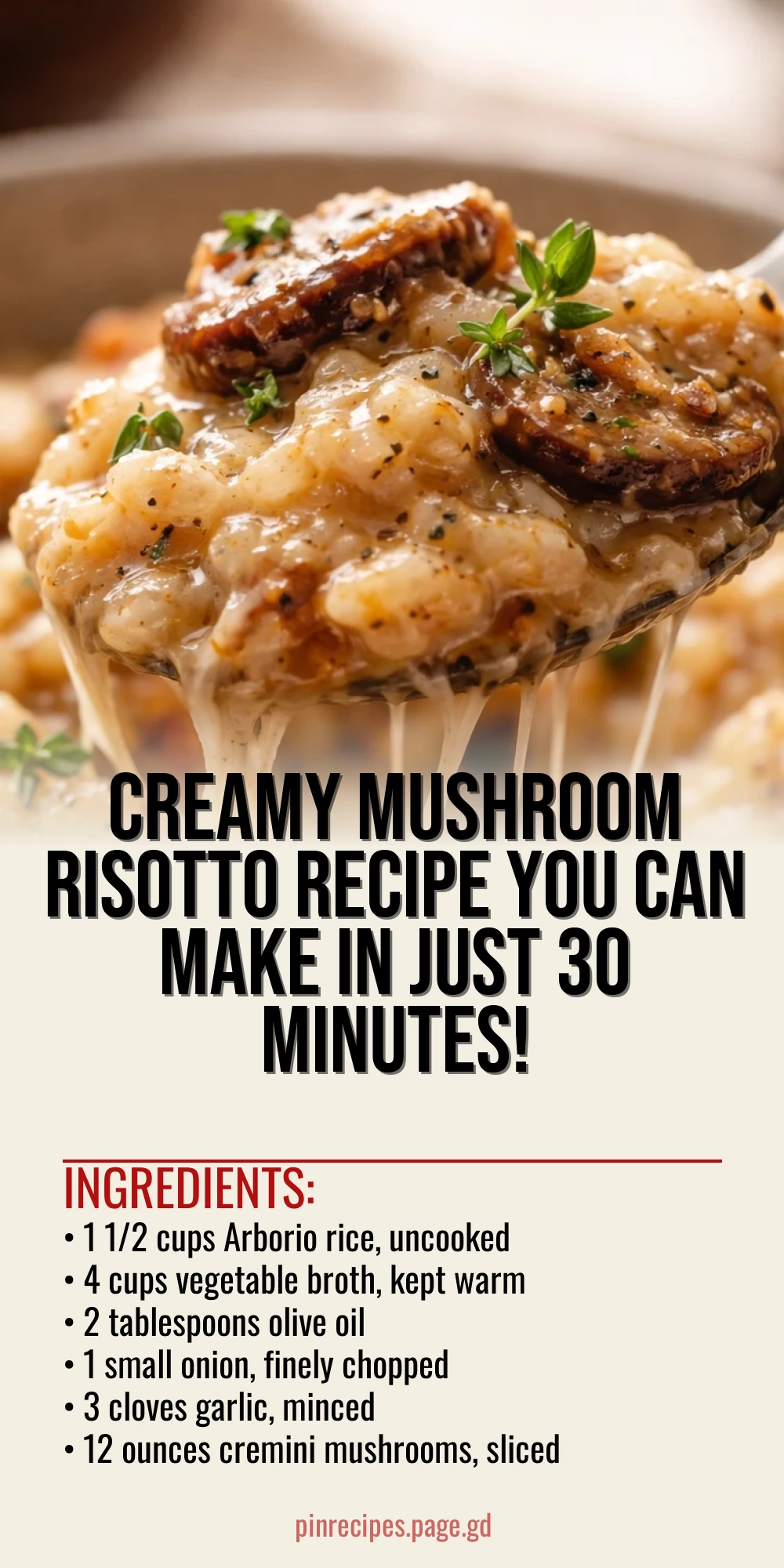
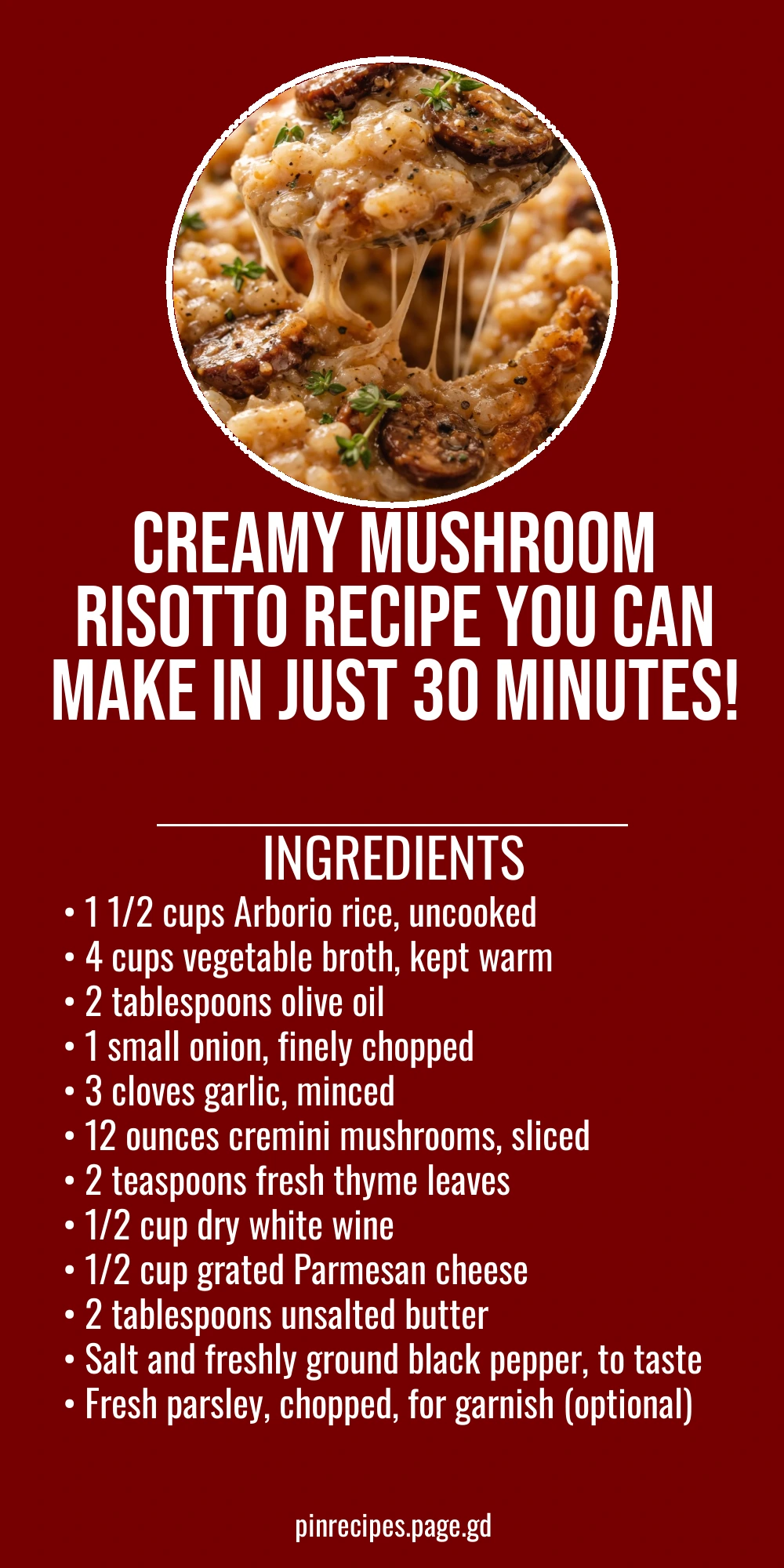
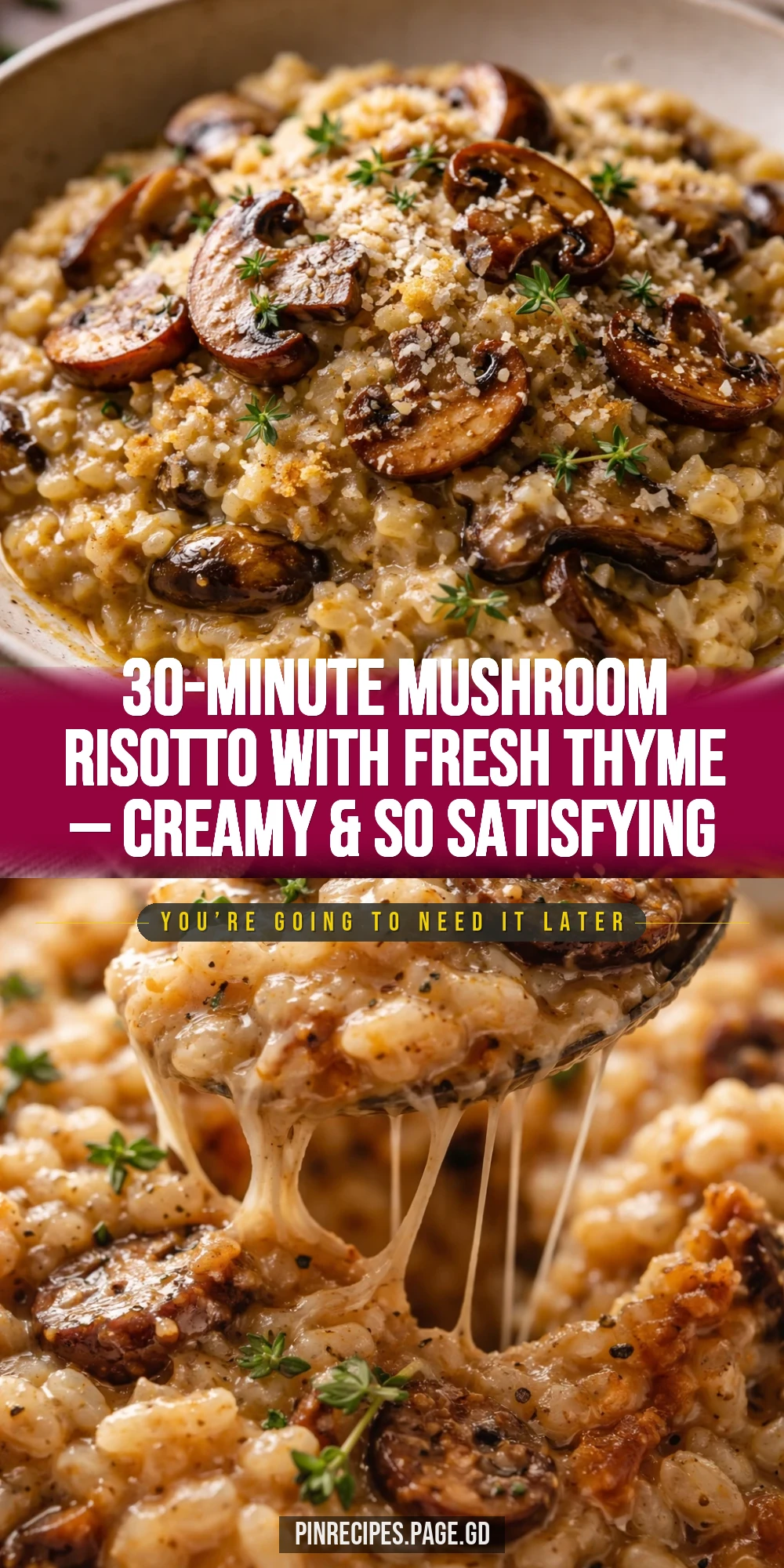
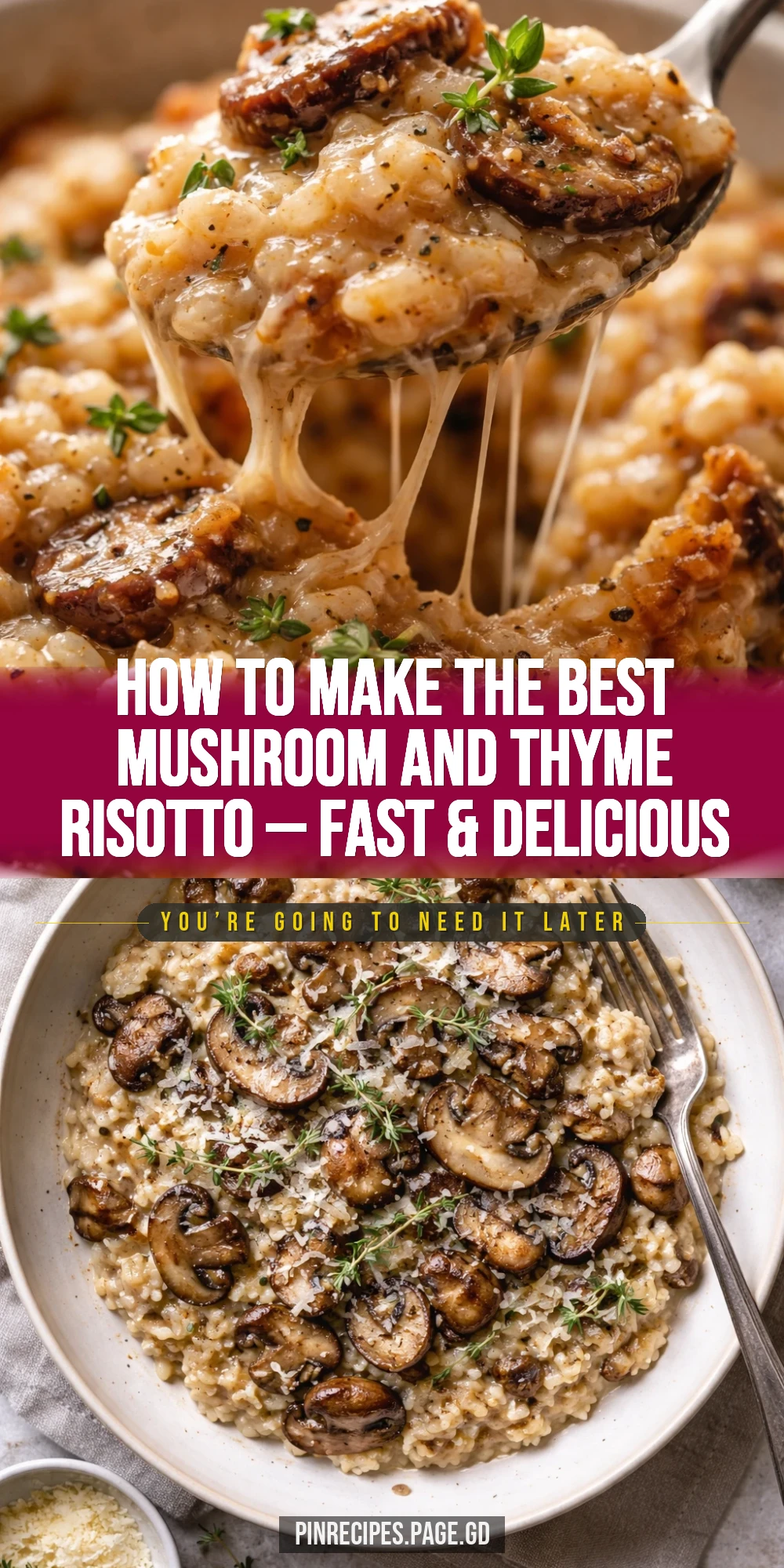
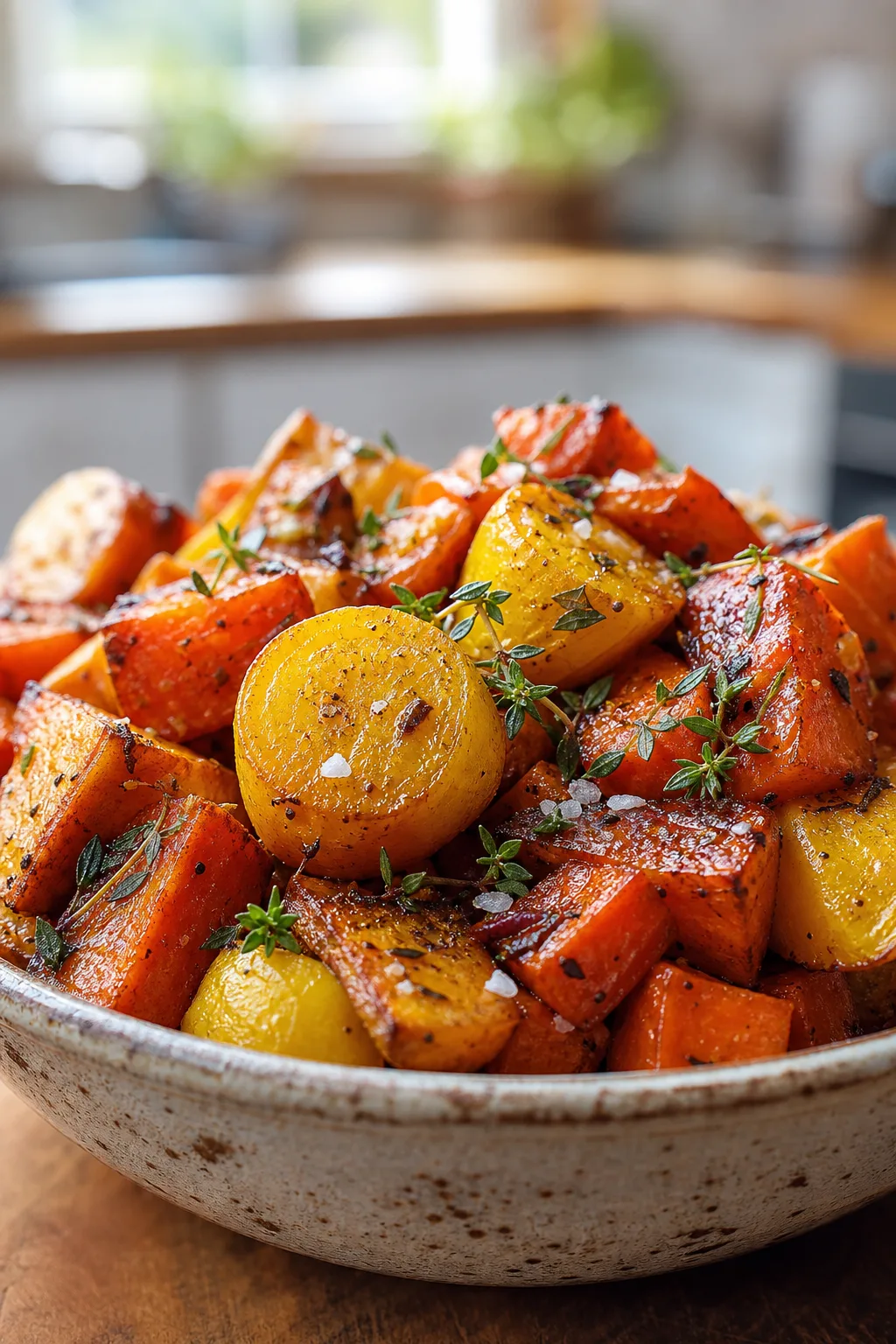
This mushroom and thyme risotto is the ultimate comfort food, creamy and packed with earthy flavor. Using fresh thyme and sautéed mushrooms gives it a fragrant twist. Perfect for a cozy dinner any night of the week!
Introduction
I still remember the first time I tried making risotto at home—it was a bit intimidating with all the stirring and timing. Over the years, I’ve perfected this creamy mushroom and thyme risotto that’s surprisingly quick and easy, ready in just 30 minutes. What makes this version special is the use of fresh thyme and cremini mushrooms, which add a lovely earthy aroma and depth of flavor. Plus, I like to toast the rice lightly before adding liquid; it helps the grains stay perfectly al dente and absorb the broth slowly for that signature creamy texture. This risotto isn’t just for special occasions—it’s my go-to cozy dinner when I want comfort food without spending hours in the kitchen. The finished dish is rich, velvety, and bursting with mushroom goodness, with the thyme adding a subtle herbal note that keeps it fresh. Whether you’re cooking for family or just treating yourself, I think you’ll love how effortless and satisfying this recipe is.
What You'll Need
Approximately 4 generous servings
- 1 1/2 cups Arborio rice, uncooked
- 4 cups vegetable broth, kept warm
- 2 tablespoons olive oil
- 1 small onion, finely chopped
- 3 cloves garlic, minced
- 12 ounces cremini mushrooms, sliced
- 2 teaspoons fresh thyme leaves
- 1/2 cup dry white wine
- 1/2 cup grated Parmesan cheese
- 2 tablespoons unsalted butter
- Salt and freshly ground black pepper, to taste
- Fresh parsley, chopped, for garnish (optional)
How To Do It
Step 1
Heat the olive oil in a large, heavy-bottomed skillet or saucepan over medium heat. Add the chopped onion and cook, stirring occasionally, until soft and translucent, about 5 minutes. This step is crucial because gently sweating the onion releases its natural sweetness without browning, which builds the flavor base for the risotto. Avoid turning the heat too high or the onion will burn and turn bitter, which would affect the final taste.
⏱ Time: 5 minutes
✓ Doneness: Onions are soft, translucent, and fragrant without any browning.
Step 2
Add the minced garlic and sliced mushrooms to the pan. Cook, stirring frequently, until the mushrooms release their moisture and begin to brown, about 7-8 minutes. This browning step, known as the Maillard reaction, intensifies the mushroom flavor and adds a savory depth to the risotto. Make sure to stir often so the mushrooms cook evenly and don’t stick or burn.
⏱ Time: 7-8 minutes
✓ Doneness: Mushrooms are golden brown and have reduced in size with a rich aroma.
Step 3
Stir in the Arborio rice and fresh thyme leaves, cooking for 2-3 minutes until the rice is well coated and slightly toasted. Toasting the rice before adding liquid helps the grains maintain their shape and creates the signature creamy yet slightly firm texture of risotto. You’ll notice the rice becomes a bit translucent around the edges—this means it’s ready for the next step.
⏱ Time: 2-3 minutes
✓ Doneness: Rice grains look glossy and slightly translucent at the edges.
Step 4
Pour in the white wine and stir continuously until it’s mostly absorbed by the rice. The wine adds acidity and complexity, balancing the richness of the mushrooms and butter. If you skip this step or rush it, the risotto can taste flat. Keep the heat at medium so the wine evaporates slowly without burning.
⏱ Time: 3-4 minutes
✓ Doneness: Wine is mostly absorbed and the pan looks nearly dry.
Step 5
Begin adding the warm vegetable broth one ladle at a time, stirring frequently and waiting until the liquid is mostly absorbed before adding the next ladle. This slow addition and constant stirring coax the rice to release its starches, creating that creamy risotto texture. Rushing this step or adding all the broth at once will result in uneven cooking and a less creamy dish.
⏱ Time: 18-20 minutes
✓ Doneness: Rice is tender but still slightly firm to the bite (al dente), and the mixture is creamy.
Step 6
Once the rice is cooked to your desired texture and most of the liquid is absorbed, remove the pan from heat. Stir in the butter and grated Parmesan cheese until melted and fully incorporated. This finishing step enriches the risotto, adding silkiness and a savory depth. Taste and adjust seasoning with salt and pepper. Avoid skipping the butter and cheese—they’re key to that classic creamy mouthfeel.
⏱ Time: 3-4 minutes
✓ Doneness: Risotto is glossy, creamy, and well seasoned.
Step 7
Let the risotto rest covered for 2 minutes off the heat to allow flavors to meld and the texture to settle. This brief rest helps the dish thicken slightly and makes it easier to serve. Don’t skip this step—serving immediately can make it too runny.
⏱ Time: 2 minutes
✓ Doneness: Risotto thickens slightly but remains creamy and not stiff.
Step 8
Serve the risotto hot, garnished with fresh parsley if desired. The herb adds a fresh pop of color and brightness that complements the earthy mushrooms and thyme. Pair with a simple green salad or crusty bread for a full meal.
⏱ Time: Immediate
✓ Doneness: Dish looks vibrant and inviting with fresh herb garnish.
Step 9
Clean your utensils and enjoy the leftovers within a day or two. Risotto is best fresh but can be gently reheated with a splash of broth or water to loosen the texture. Avoid overheating or it will become gluey. I like to reheat it slowly on the stove over low heat, stirring often.
⏱ Time: N/A
✓ Doneness: Leftovers are creamy and heated through without drying out.
Pro Tips
Keep your broth warm throughout cooking.
Adding warm broth keeps the cooking temperature steady, allowing the rice to absorb liquid evenly. Cold broth can lower the pan’s temperature and interrupt the starch release, resulting in unevenly cooked rice and a less creamy texture.
Stir frequently but not constantly.
Stirring helps release starch from the rice, which creates creaminess. However, over-stirring can break the grains and make the risotto gluey. Stir gently and regularly to encourage even cooking without damaging the rice structure.
Toast the rice before adding liquid.
Toasting the rice in oil or butter coats each grain, helping it stay firm and absorb liquid gradually. This step also adds a subtle nutty flavor that enhances the risotto’s depth.
Use fresh herbs and cheese for best flavor.
Fresh thyme and freshly grated Parmesan bring brightness and richness that pre-packaged or dried ingredients can’t match. Their quality directly affects the final taste and texture.
Don’t rush adding broth.
Adding liquid slowly ensures the rice cooks evenly and releases starch gradually. Pouring all the broth at once can cause uneven cooking and a watery texture.
Finish with butter and cheese off the heat.
Adding these at the end prevents overcooking and keeps the risotto silky and smooth rather than greasy or clumpy.
Rest the risotto before serving.
Letting it sit briefly allows the starches to settle and the flavors to meld, resulting in a creamier, more cohesive dish.
Common Mistakes to Avoid
Using cold broth when adding to rice.
Why it happens Many cooks don’t realize the importance of temperature and add broth straight from the fridge, thinking it won’t affect the process.
Fix Always keep your broth warm on a separate burner or in a thermos. This maintains the pan temperature and ensures smooth, even cooking.
Rushing the liquid absorption step.
Why it happens Impatience or time constraints often lead cooks to add too much broth at once, hoping to speed things up.
Fix Add broth gradually, one ladle at a time, stirring frequently. This slow absorption is what releases starch and creates creaminess.
Skipping the toasting of rice.
Why it happens Some skip this step to save time, unaware it impacts texture and flavor.
Fix Take 2-3 minutes to toast the rice in oil or butter—it helps keep grains separate and adds a subtle nutty flavor.
Over-stirring the risotto.
Why it happens Thinking constant stirring is required, some stir aggressively, breaking the grains.
Fix Stir gently and regularly but not constantly. This balances starch release with grain integrity.
Using pre-grated Parmesan cheese.
Why it happens Convenience leads many to use pre-grated cheese, not knowing it contains additives.
Fix Grate your own Parmesan fresh for better melting, flavor, and creaminess.
Variations
Vegan Mushroom and Thyme Risotto
Swap out butter for vegan margarine or olive oil, and use nutritional yeast instead of Parmesan to keep it creamy and cheesy without dairy. The mushrooms and thyme still shine, making this a delicious plant-based comfort meal.
Note: Use a bit more olive oil to replace butter’s richness and stir in nutritional yeast at the end for cheesy flavor.
Mushroom and Thyme Risotto with Crispy Pancetta
Add crispy pancetta bits on top for a salty crunch that contrasts beautifully with the creamy risotto. Cook the pancetta separately until crisp, then sprinkle just before serving for texture and flavor contrast.
Note: Reduce salt slightly in the risotto since pancetta adds saltiness.
Wild Mushroom and Thyme Risotto
Use a mix of wild mushrooms like chanterelles, shiitake, and oyster mushrooms for a more complex, earthy flavor. Sauté them carefully to preserve their unique textures and aromas.
Note: Wild mushrooms may require slightly longer cooking to soften fully—adjust sauté time accordingly.
Lemon Thyme Mushroom Risotto
Add a splash of lemon juice and a bit of zest at the end for a fresh, bright twist that cuts through the richness and complements the thyme beautifully.
Note: Add lemon juice off the heat to preserve brightness and avoid bitterness.
Cheesy Mushroom and Thyme Risotto with Gruyère
Swap Parmesan for Gruyère cheese for a nuttier, creamier flavor. It melts beautifully and adds a slightly sweet, sophisticated note to the dish.
Note: Add Gruyère at the end off heat to prevent curdling and maintain smooth texture.
Nutrition
Per Serving:
Nutritional values are estimates and may vary based on specific ingredients used.
Storage & Tips
Room Temperature
Risotto can safely sit at room temperature for up to 2 hours if covered. Beyond that, bacteria growth can occur, so refrigerate promptly to maintain food safety.
Refrigerator
Store leftover risotto in an airtight container for up to 3 days. The texture may thicken and become denser when cold, so gently reheat with a splash of broth or water to restore creaminess.
Freezer
Freeze risotto in a freezer-safe container for up to 2 months. Wrap tightly to prevent freezer burn. Thaw overnight in the refrigerator before reheating to preserve texture.
Reheating
Reheat risotto on the stovetop over low heat, stirring frequently and adding a splash of broth or water to loosen the texture. Avoid overheating or microwaving without stirring, as this can make it gluey.
Make Ahead
You can prepare the mushroom sauté and broth ahead of time, or cook the risotto up to the point before adding butter and cheese. Store covered in the fridge and finish the dish fresh on the day of serving for best texture.
FAQ
Can I use a different type of rice for risotto?
Arborio rice is best because of its high starch content, which creates the creamy texture. Using long grain or basmati rice won’t yield the same creaminess and can result in a dry or grainy dish. If Arborio isn’t available, Carnaroli or Vialone Nano are good alternatives.
What if I don’t have white wine?
You can substitute the white wine with an equal amount of warm broth plus a teaspoon of lemon juice or vinegar to add acidity. The flavor won’t be exactly the same, but it will still balance the richness nicely.
How do I know when the risotto is done?
Risotto should be tender but still slightly firm to the bite—al dente. The texture should be creamy and not dry or mushy. Taste the rice grains to check; they should have a slight bite without any hard center.
Can I make risotto ahead of time?
Risotto is best fresh, but you can make it ahead up to the final step before adding butter and cheese. Cool and refrigerate, then reheat gently with added broth. Avoid freezing if possible, as texture may suffer.
Why does my risotto sometimes turn out gluey?
Over-stirring or adding too much liquid too quickly can break down the rice grains excessively, releasing too much starch and causing a gluey texture. Stir gently and add broth slowly to avoid this.
Can I use dried thyme instead of fresh?
You can, but fresh thyme offers a brighter, more vibrant flavor. If using dried, reduce the amount by half and add it earlier in cooking so it has time to rehydrate and release flavor.
How do I store leftover risotto?
Store leftovers in an airtight container in the fridge for up to 3 days. Reheat gently with a bit of broth to restore creaminess. For longer storage, freeze for up to 2 months and thaw overnight before reheating.
What’s the best way to reheat risotto?
Reheat on the stovetop over low heat, stirring often and adding a splash of broth or water to loosen it up. Avoid microwaving without stirring as it can dry out or cook unevenly.
Final Thoughts
I hope you enjoy making this creamy mushroom and thyme risotto as much as I do. It’s a comforting dish that’s surprisingly quick and sure to impress—let me know how it turns out!