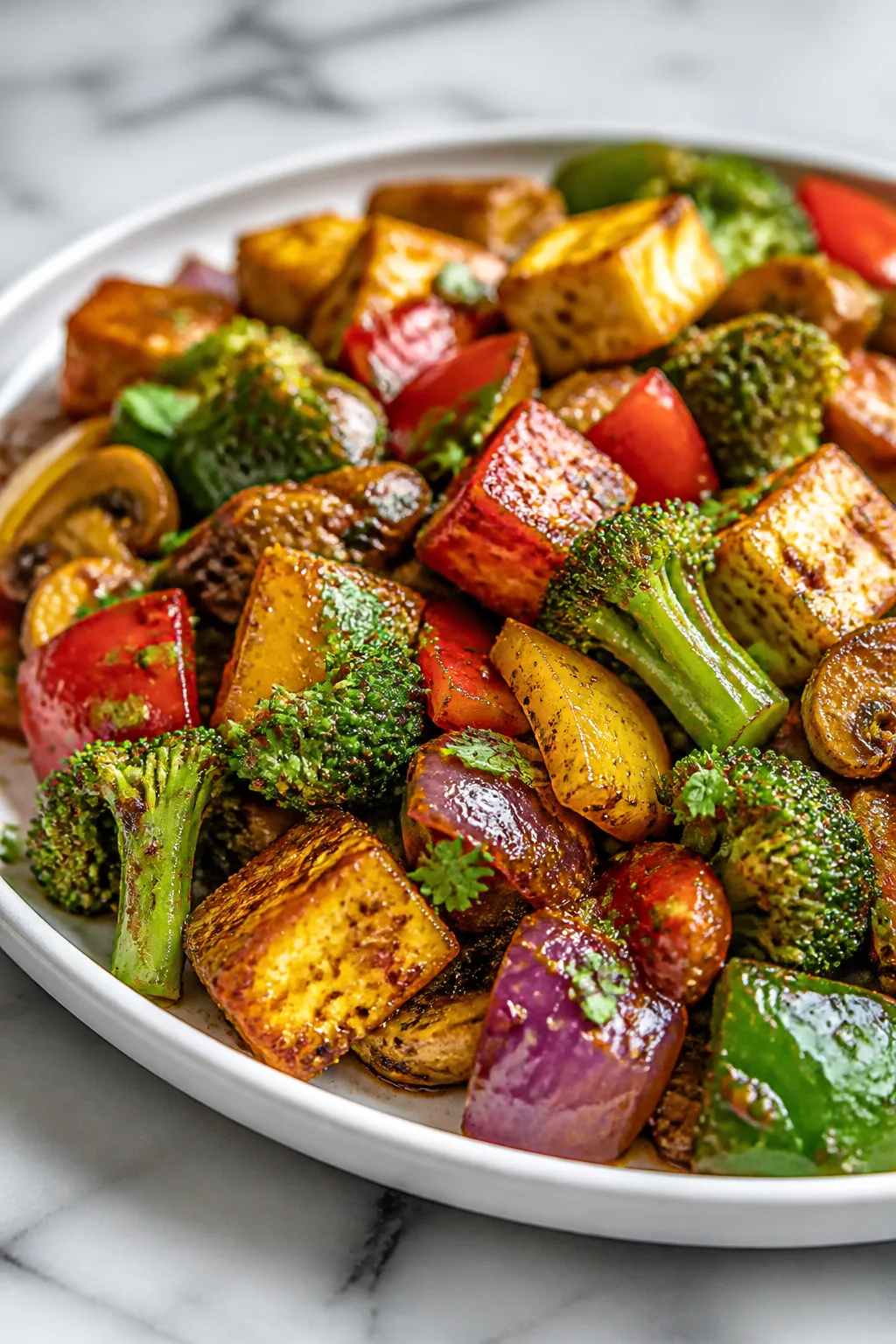
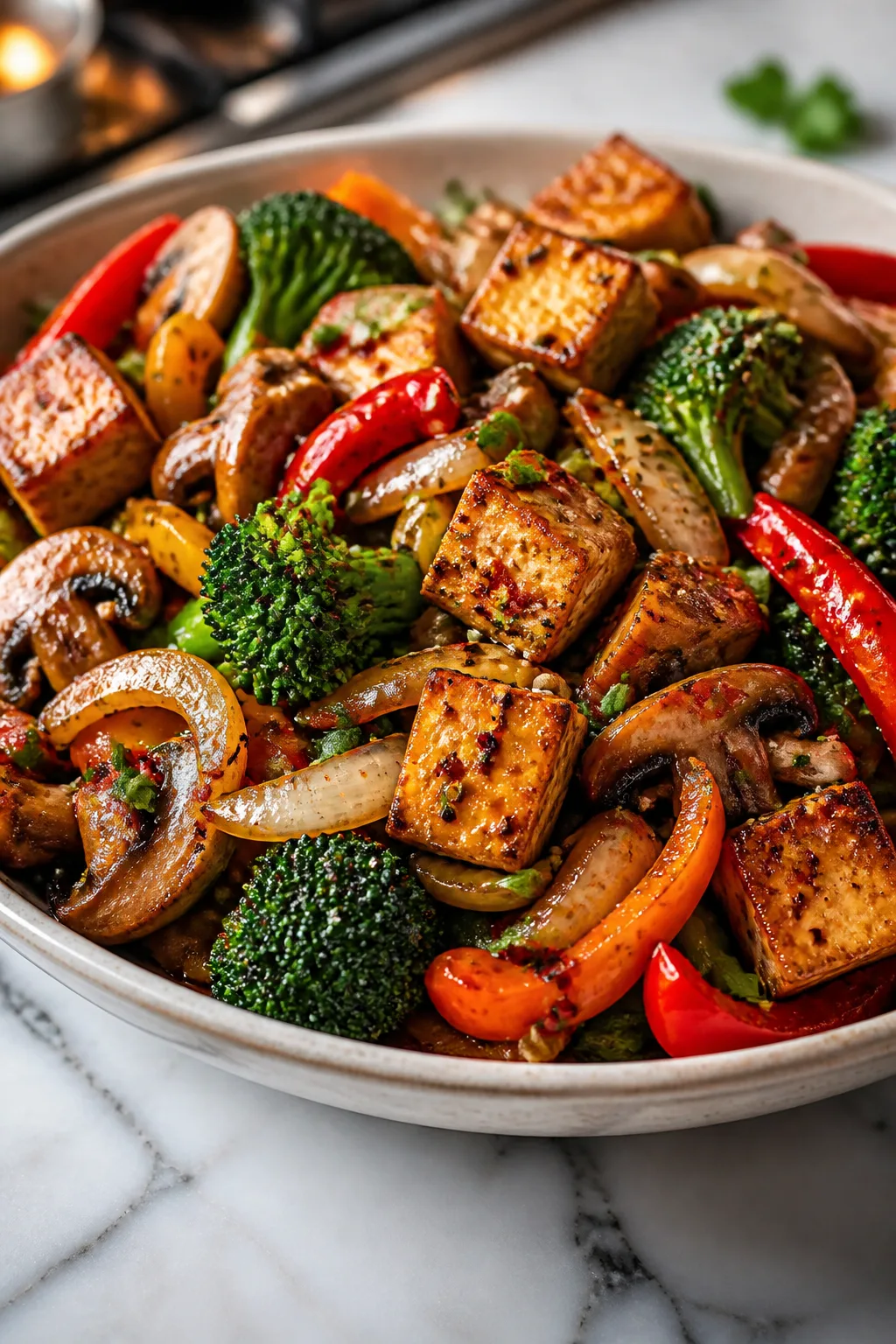
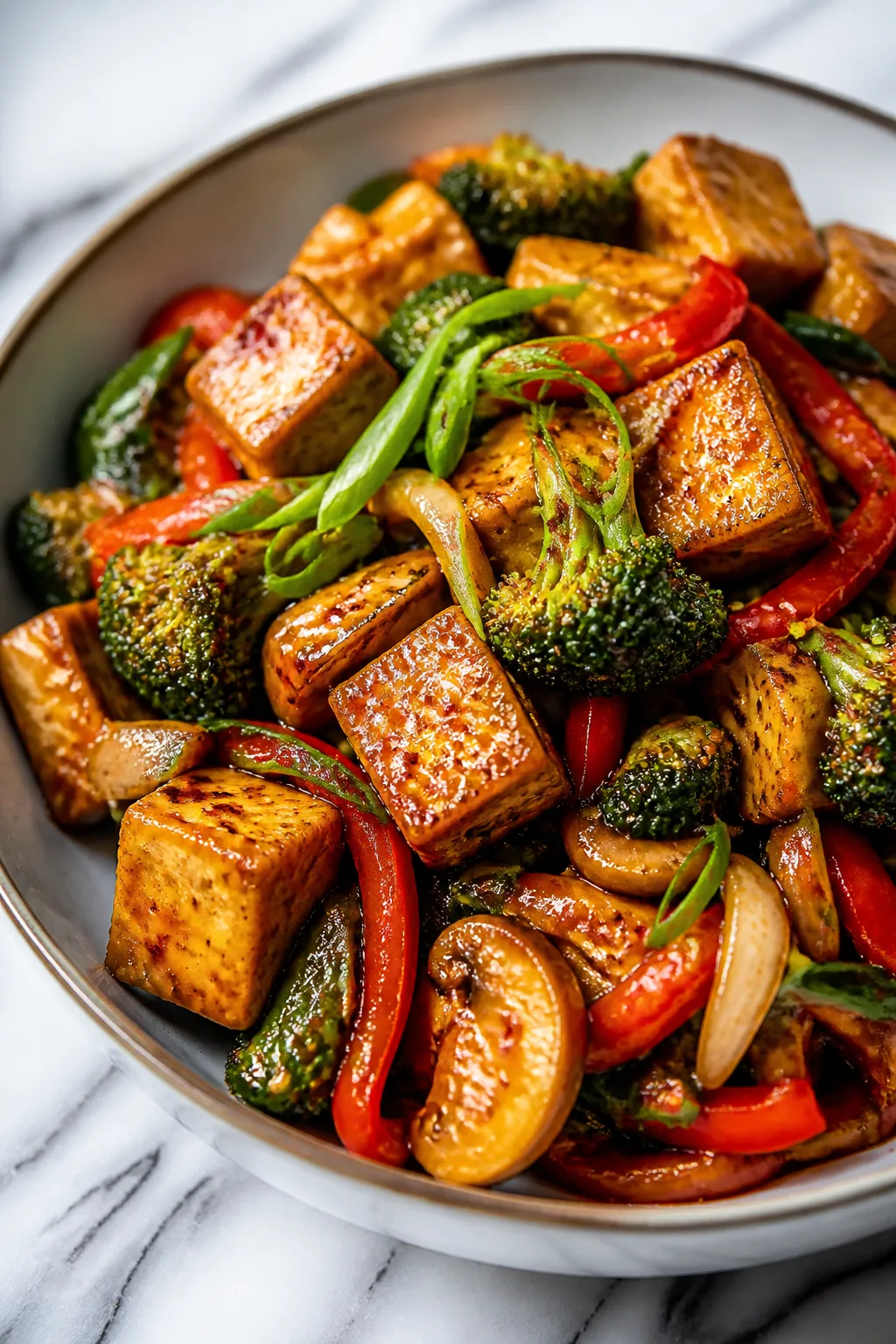
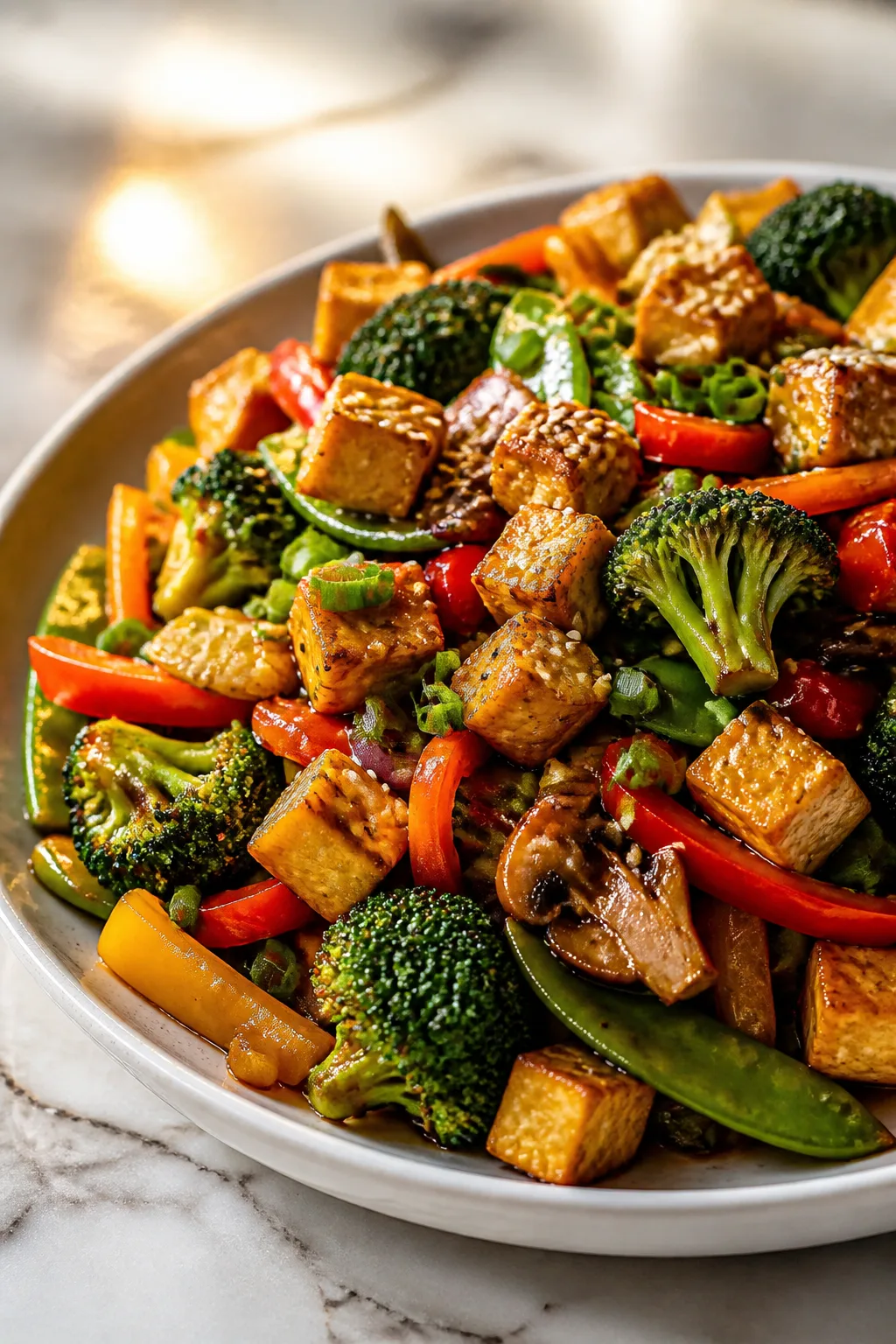
This vegan coconut curry bursts with fresh spring veggies and silky coconut milk for a creamy, comforting bowl. The trick? Toasting the spices first to unlock deep flavor. Perfect for a cozy weeknight dinner!
Introduction
I first stumbled upon a coconut curry recipe years ago when I wanted something comforting but dairy-free and packed with fresh veggies. Over time, I tweaked it to highlight spring vegetables like asparagus and snap peas, which add such a lovely crunch and brightness. What really sets this version apart is toasting the spices gently in coconut oil before adding the liquids — it releases all those warm, fragrant flavors that make curry so irresistible. I’ve also found that using full-fat coconut milk gives the sauce a luscious creaminess without needing any cream or dairy substitutes. When it’s all simmered together, you get a rich, velvety curry that’s both satisfying and fresh. It’s perfect for a weeknight dinner when you want something cozy but still light enough to feel good about. Plus, it’s vegan and packed with nutrients, so it’s a win-win for me and my family. I usually serve it over jasmine rice or with warm naan, and it’s always a hit. Honestly, the first time I made it, I undercooked the veggies and the texture was off, so I learned to add them in stages to keep that perfect balance of tender and crisp. This recipe has since become a staple in my kitchen, especially during spring when those veggies are at their peak.
How To Do It
Step 1
Heat the coconut oil in a large pan over medium heat. Add the chopped onion and sauté for about 5 minutes until it’s soft and translucent. This step is crucial because gently cooking the onion releases its sweetness, building the base flavor for your curry. Avoid rushing this part or turning up the heat too high, as you risk browning the onion too much, which can add bitterness instead of depth.
⏱ Time: 5 minutes
✓ Doneness: Onions are soft, translucent, and fragrant without any browning
Step 2
Stir in the minced garlic and grated ginger, cooking for another 1-2 minutes until aromatic. Then add the curry powder, turmeric, cumin, and chili flakes if using. Toast the spices gently in the oil and onion mixture to bloom their flavors. This step really makes a difference because heating spices releases their essential oils, which intensifies the curry’s aroma and taste. Be careful not to burn the spices; stirring constantly helps prevent that.
⏱ Time: 3 minutes
✓ Doneness: Spices smell fragrant and the mixture looks evenly coated without dark spots
Step 3
Pour in the coconut milk and vegetable broth, stirring well to combine. Bring the mixture to a gentle simmer over medium heat. This liquid base will carry the flavors and create that creamy texture we love. Avoid boiling vigorously, which can cause the coconut milk to separate and lose creaminess.
⏱ Time: 5 minutes
✓ Doneness: Sauce is smooth and gently bubbling around the edges
Step 4
Add the sliced carrot first, since it takes longer to cook. Let it simmer for about 5 minutes to start softening. Adding vegetables in stages ensures each one cooks perfectly without becoming mushy. Carrots need a bit more time to become tender but still hold shape.
⏱ Time: 5 minutes
✓ Doneness: Carrots are tender but not falling apart
Step 5
Next, toss in the snap peas and asparagus. These spring veggies cook quickly and should keep a slight crunch to add texture. Simmer everything together for another 5-7 minutes, stirring occasionally. Overcooking these can turn them mushy and dull their bright flavor, so watch closely.
⏱ Time: 7 minutes
✓ Doneness: Vegetables are vibrant in color and tender-crisp
Step 6
Stir in the baby spinach leaves last, cooking just until wilted—about 1-2 minutes. Spinach cooks fast and wilts down significantly, adding a lovely fresh green color and subtle flavor. Adding it too early will make it lose texture and nutrients.
⏱ Time: 2 minutes
✓ Doneness: Spinach is wilted but still bright green
Step 7
Remove the curry from heat and stir in fresh lime juice. This little acid brightens the rich coconut flavors and balances the spices perfectly. Taste and season with salt and pepper as needed. Don’t skip the lime juice—it really lifts the whole dish.
⏱ Time: 2 minutes
✓ Doneness: Sauce tastes balanced with a fresh, tangy note
Step 8
Serve the curry hot over cooked jasmine rice or with warm naan bread. Garnish with chopped fresh cilantro for a burst of herbal freshness. The contrast of creamy curry with fragrant rice or soft bread makes this dish a real crowd-pleaser.
⏱ Time: 5 minutes
✓ Doneness: Dish is plated attractively with vibrant colors
Step 9
Leftovers can be stored in an airtight container in the fridge for up to 3 days. When reheating, add a splash of water or broth to loosen the sauce if it thickens too much. Reheat gently on the stove or microwave to preserve texture and flavor.
⏱ Time: N/A
✓ Doneness: Reheated curry is warm and creamy without separation
Pro Tips
Toast the spices gently in coconut oil before adding liquids.
Toasting spices releases their essential oils, enhancing aroma and flavor. If you skip this, the curry might taste flat and less complex.
Add vegetables in stages according to their cooking times.
This ensures each vegetable is cooked perfectly—tender but not mushy—preserving texture and flavor contrasts.
Use full-fat coconut milk for creamy texture.
Full-fat coconut milk emulsifies well, giving richness without dairy. Using light versions results in a watery sauce.
Simmer the curry gently, don’t boil vigorously.
High heat can cause coconut milk to separate and curdle, ruining the smooth texture.
Add lime juice at the end to brighten flavors.
Acid balances richness and enhances the overall taste without cooking off the fresh citrus notes.
Serve with jasmine rice or warm naan for best experience.
These sides soak up the creamy sauce and provide a comforting carb base that complements the curry.
Garnish with fresh cilantro just before serving.
Cilantro adds a fresh herbal note and vibrant color that lifts the dish visually and flavor-wise.
Common Mistakes to Avoid
Skipping toasting the spices.
Why it happens Many cooks want to speed up the process and add spices directly to liquids, missing out on flavor development.
Fix Always toast spices in oil with onions for a few minutes until fragrant. This step is worth the extra time for deeper flavor.
Overcooking the vegetables.
Why it happens Rushing or adding all veggies at once can lead to mushy, dull-tasting vegetables.
Fix Add vegetables in order of cooking time and check for tender-crisp texture to maintain freshness.
Using light coconut milk instead of full-fat.
Why it happens Light coconut milk is often chosen to reduce calories but results in a thinner sauce.
Fix Use full-fat coconut milk for creaminess and richness essential to this curry’s texture.
Boiling the curry vigorously.
Why it happens High heat cooks faster but can cause coconut milk to break and separate.
Fix Simmer gently on medium-low heat to keep the sauce smooth and creamy.
Skipping fresh lime juice.
Why it happens Some forget to add acidity or rely on bottled juice, which lacks brightness.
Fix Add fresh lime juice at the end to balance flavors and enhance freshness.
Variations
Spicy Thai-Inspired Coconut Curry
Add chopped fresh red chili and a tablespoon of Thai red curry paste for a spicy twist. Use kaffir lime leaves and fresh basil for authentic Thai flavors. Expect a bolder, more aromatic curry with a spicy kick.
Note: Adjust chili heat carefully and add herbs at the end to preserve freshness.
Hearty Chickpea and Sweet Potato Curry
Incorporate cooked chickpeas and diced sweet potatoes for a filling, protein-rich version. The sweet potatoes add natural sweetness and creaminess, complementing the spices perfectly.
Note: Add sweet potatoes early to ensure they soften through simmering.
Green Curry with Broccoli and Zucchini
Swap out the curry powder for green curry paste and use broccoli florets and zucchini slices. This variation has a fresh, herbal flavor with a vibrant green color and crunchy vegetables.
Note: Use coconut milk as usual and add vegetables in stages for ideal texture.
Peanut Coconut Curry
Stir in 2 tablespoons of natural peanut butter with the coconut milk for a nutty depth. This adds richness and a slightly sweet, creamy texture that pairs well with spring vegetables.
Note: Whisk peanut butter thoroughly to avoid lumps and maintain sauce smoothness.
Low-Fat Vegetable Coconut Curry
Use light coconut milk and reduce oil to 1 tablespoon. Increase vegetable broth to keep sauce consistency. This version is lighter but still flavorful with a thinner texture.
Note: Simmer gently and adjust seasoning to compensate for reduced fat.
Nutrition
Per Serving:
Nutritional values are estimates and may vary based on specific ingredients used.
Storage & Tips
Room Temperature
This curry can safely sit covered at room temperature for up to 2 hours. Beyond that, bacteria growth risk increases, so refrigerate promptly.
Refrigerator
Store leftovers in an airtight container for up to 3 days. The flavors deepen overnight, but vegetables may soften. Reheat gently to preserve texture.
Freezer
Freeze in a sealed container for up to 2 months. To prevent freezer burn, cover tightly with plastic wrap before sealing. Thaw overnight in the fridge before reheating.
Reheating
Warm the curry on the stovetop over low heat, stirring occasionally. Add a splash of water or broth if sauce thickens too much. Avoid high heat to prevent coconut milk from separating.
Make Ahead
You can prepare the curry base and chop vegetables 1-2 days ahead, storing separately. Combine and cook vegetables fresh on serving day for best texture and flavor.
FAQ
Can I use other vegetables instead of spring vegetables?
Absolutely! Feel free to swap in any veggies you like or have on hand, such as bell peppers, cauliflower, or green beans. Just adjust cooking times accordingly to keep them tender-crisp.
Is it okay to use light coconut milk?
You can, but the curry will be less creamy and rich. Full-fat coconut milk provides the luscious texture and flavor that make this dish comforting and satisfying.
How spicy is this curry? Can I make it milder or hotter?
This recipe is mild by default but includes optional chili flakes. To make it hotter, add more chili or fresh peppers. For milder, omit chili and reduce curry powder slightly.
Can I prepare this curry ahead of time?
Yes! Make the curry base and chop veggies a day ahead. Add fresh vegetables and finish cooking just before serving to keep the texture fresh.
What can I serve with this curry?
Jasmine rice or warm naan bread are perfect to soak up the sauce. You could also try quinoa or cauliflower rice for a low-carb option.
How do I store leftovers properly?
Keep leftovers in an airtight container in the fridge for up to 3 days. Reheat gently with a splash of water to restore creaminess.
Can I freeze the curry?
Yes, freeze in a sealed container for up to 2 months. Thaw overnight in the fridge and reheat gently to maintain texture.
What if my curry sauce separates when reheating?
This can happen if overheated. Reheat gently over low heat and stir often. Adding a little water or broth helps bring the sauce back together.
Final Thoughts
I hope you enjoy this creamy vegan coconut curry as much as I do! It’s a comforting, fresh dish perfect for spring—give it a try and let me know how it turns out.