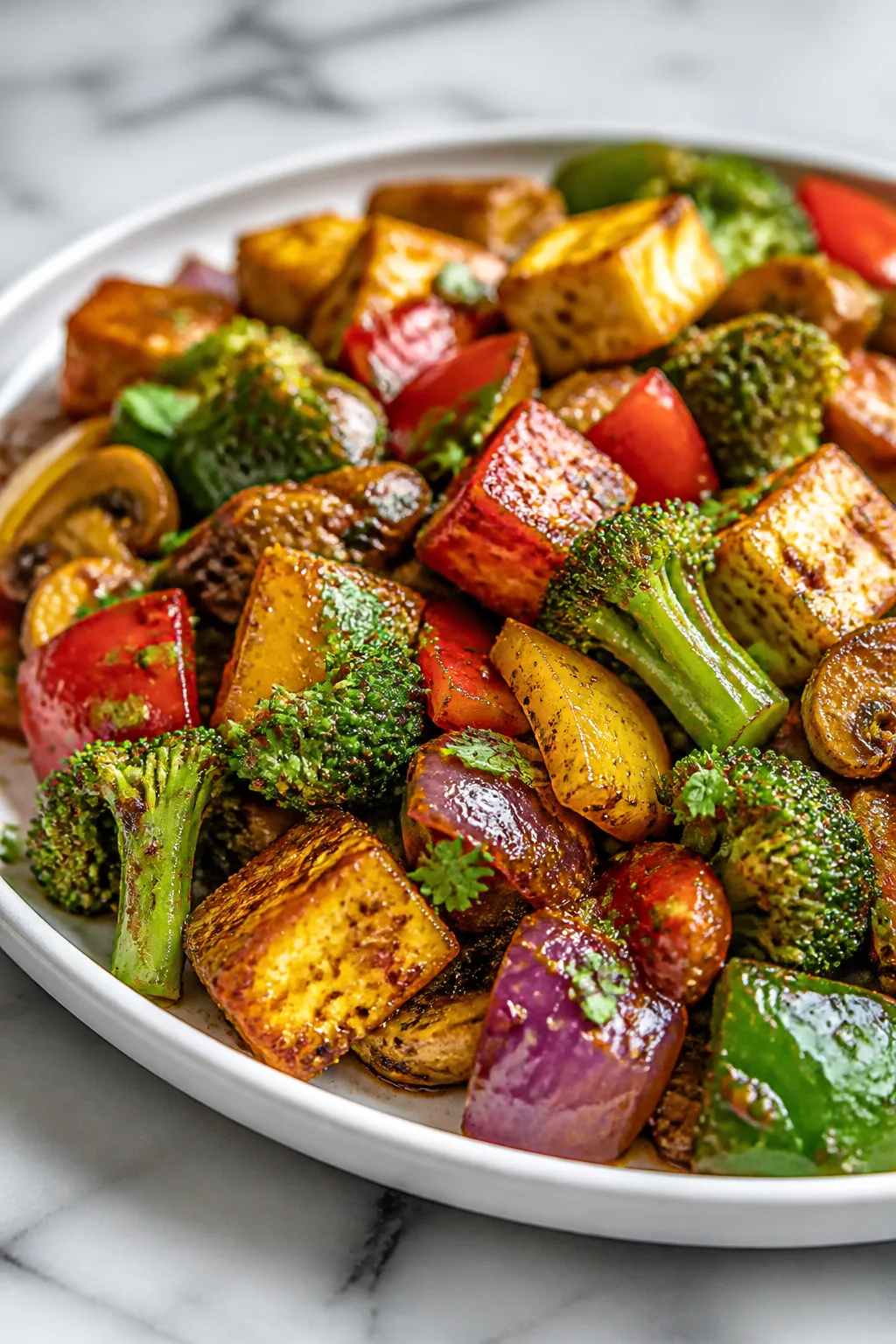
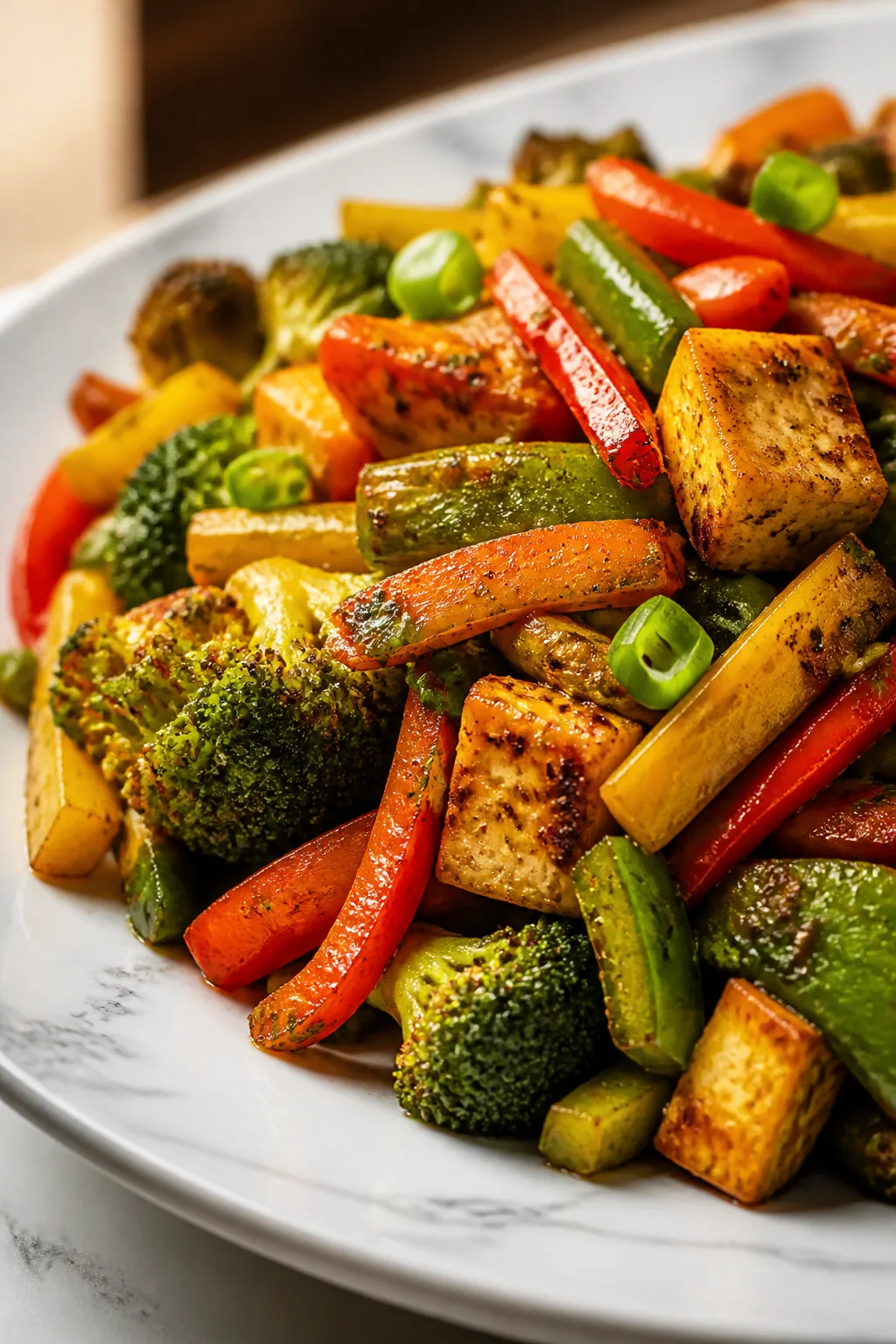
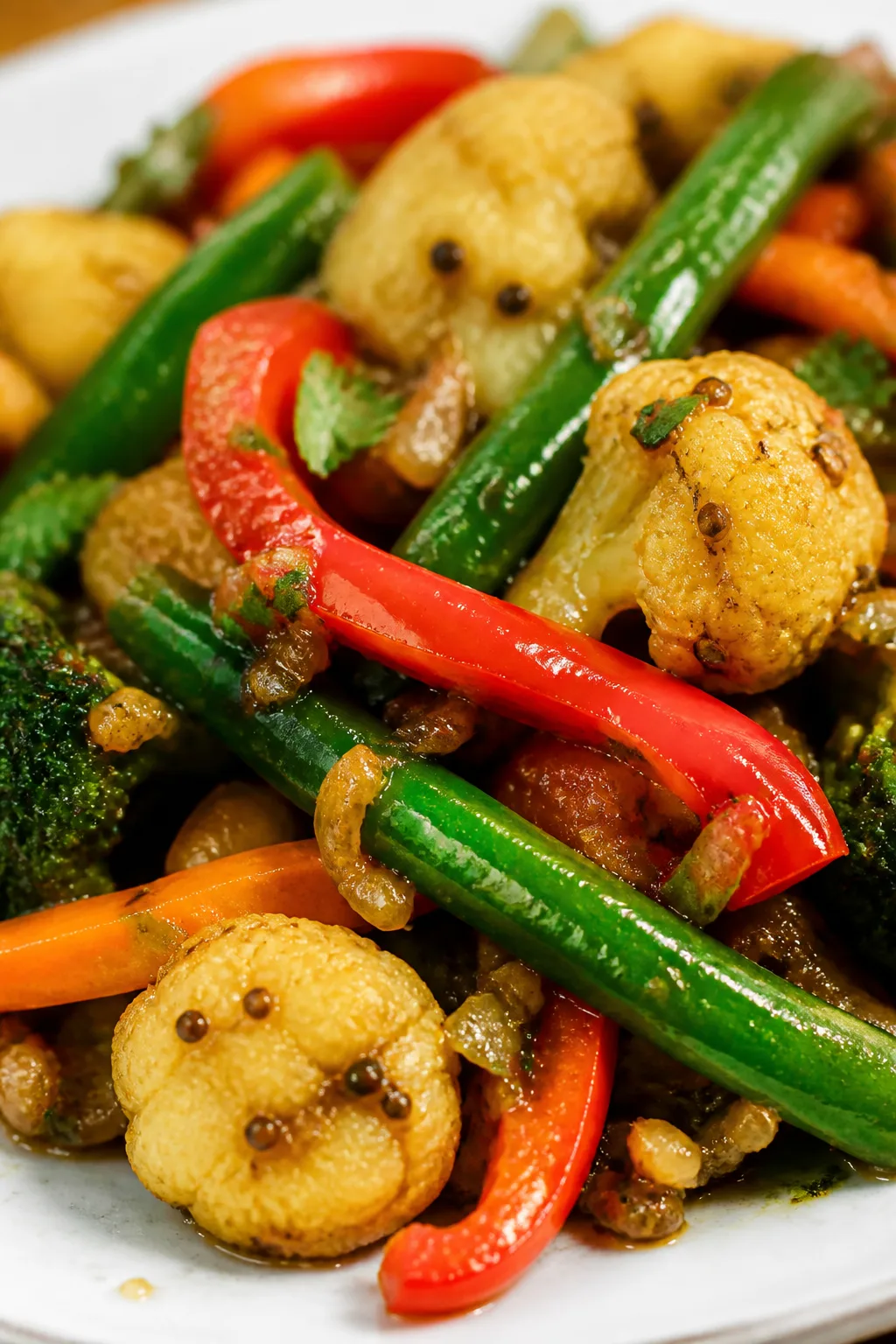
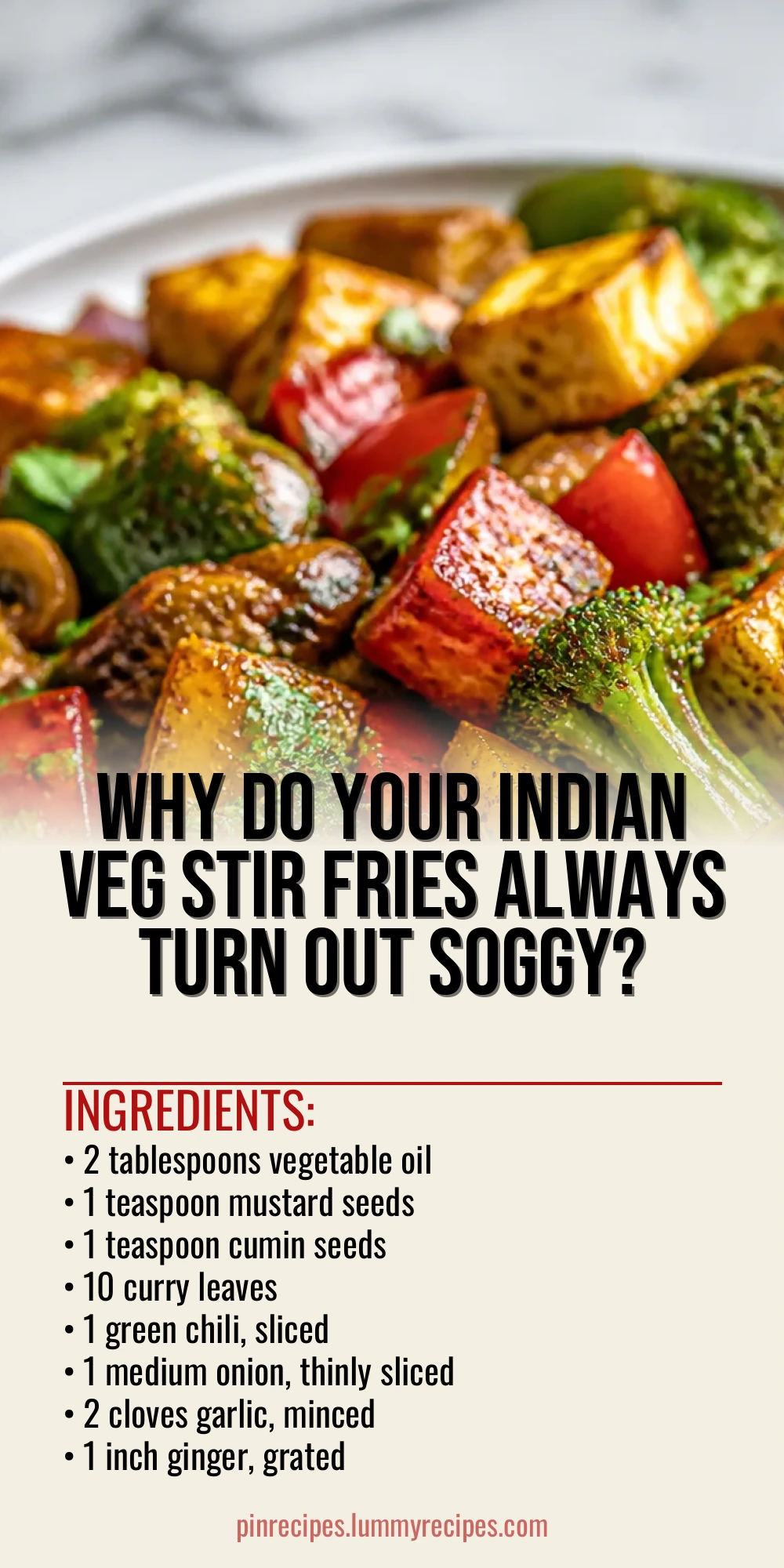
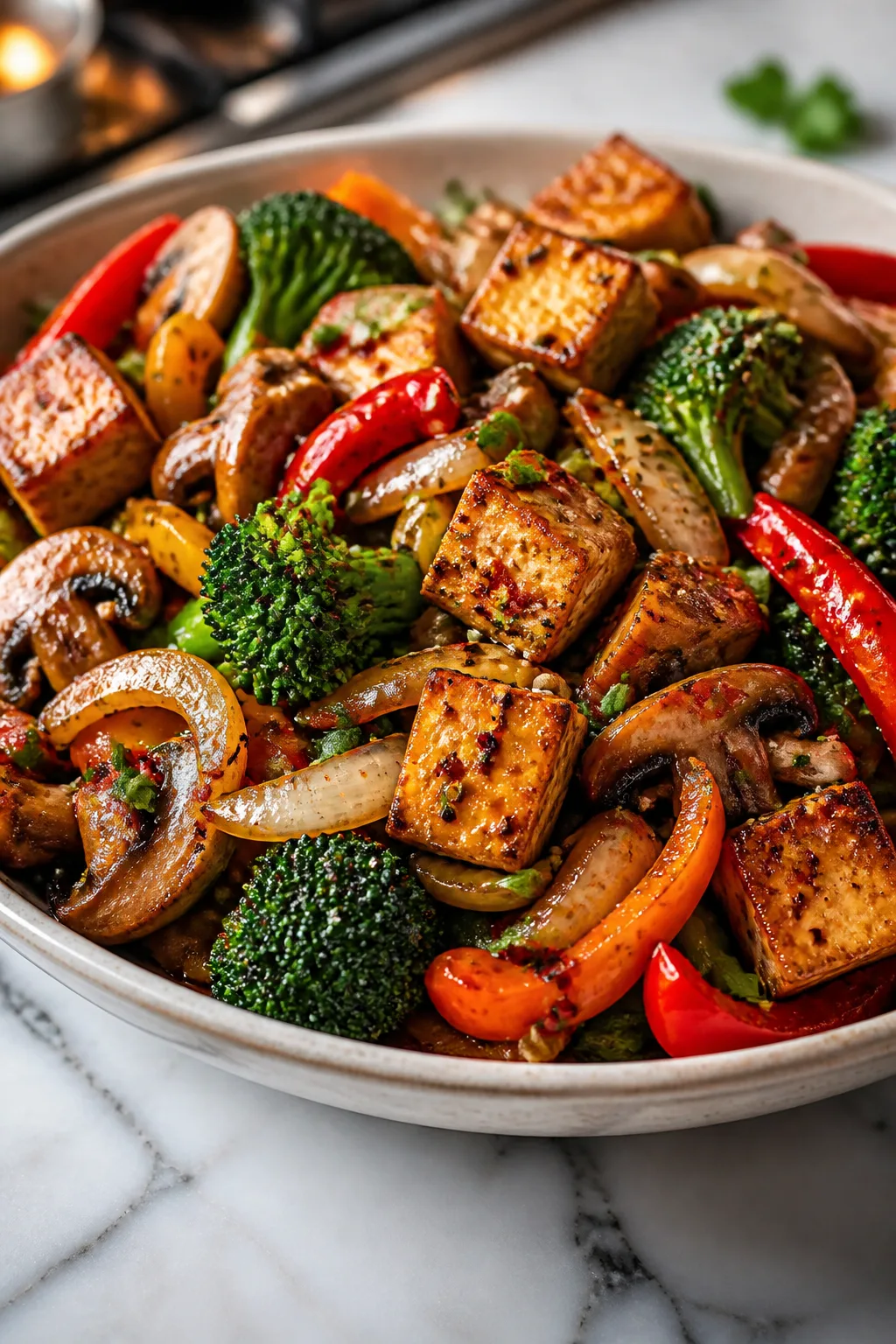
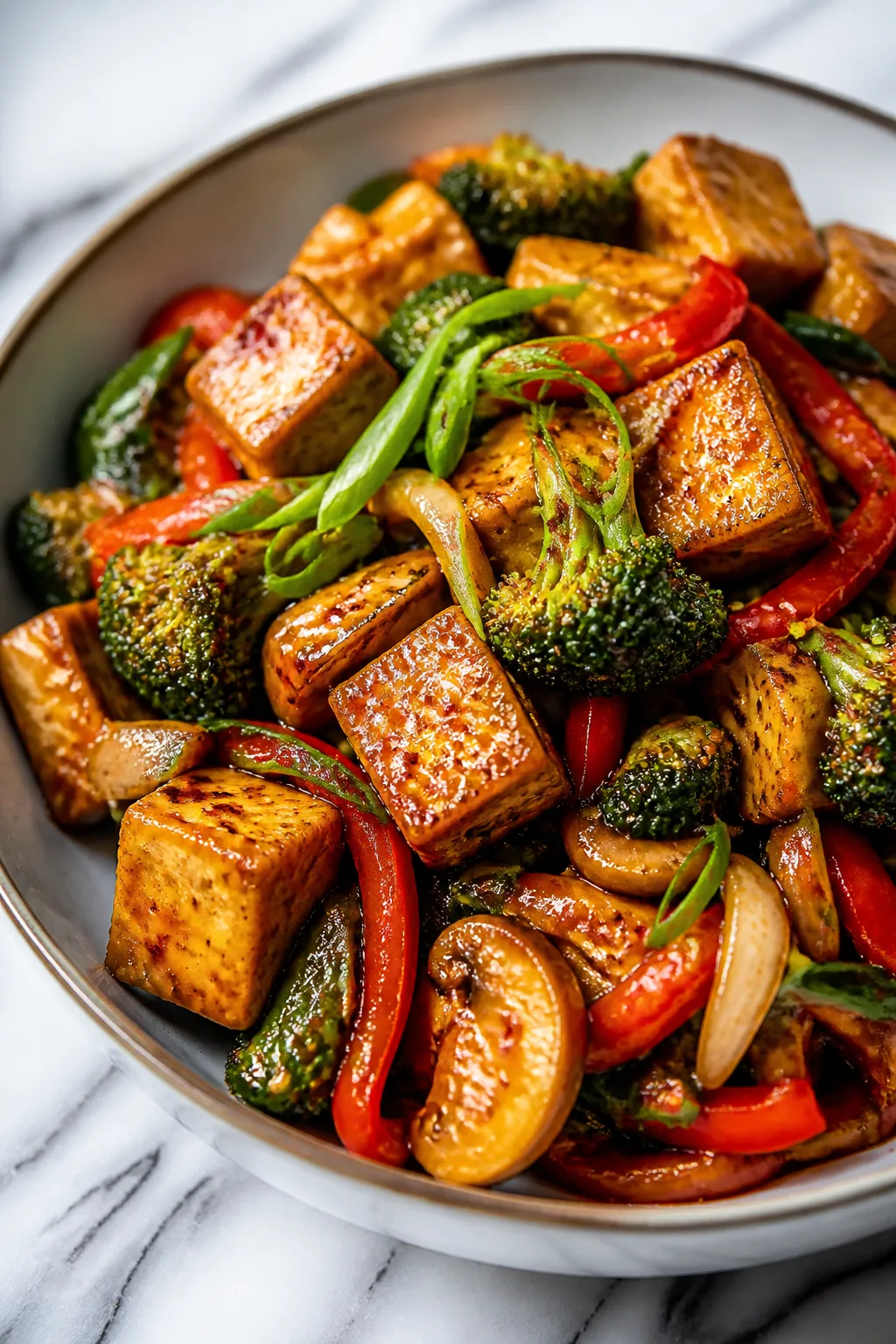
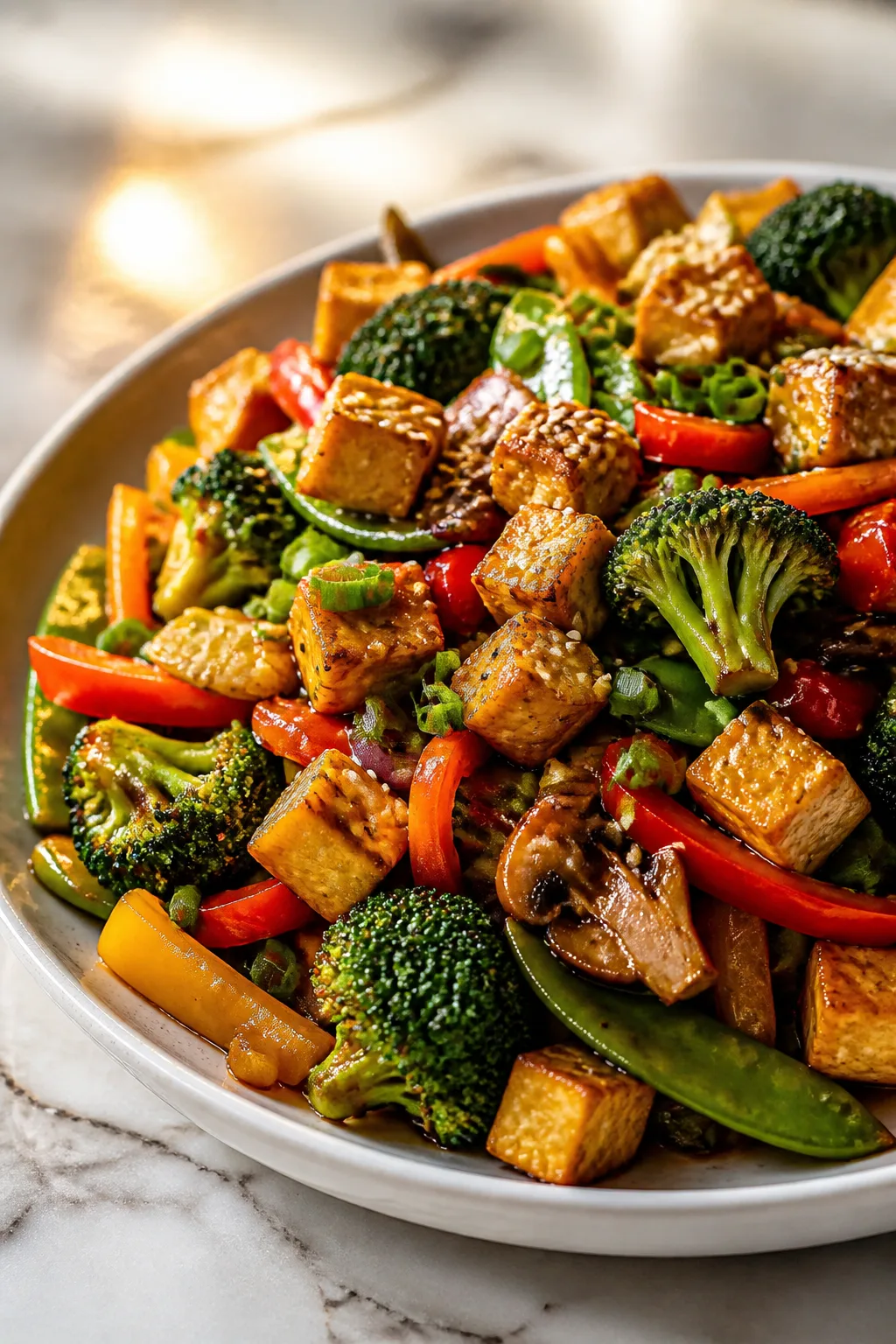
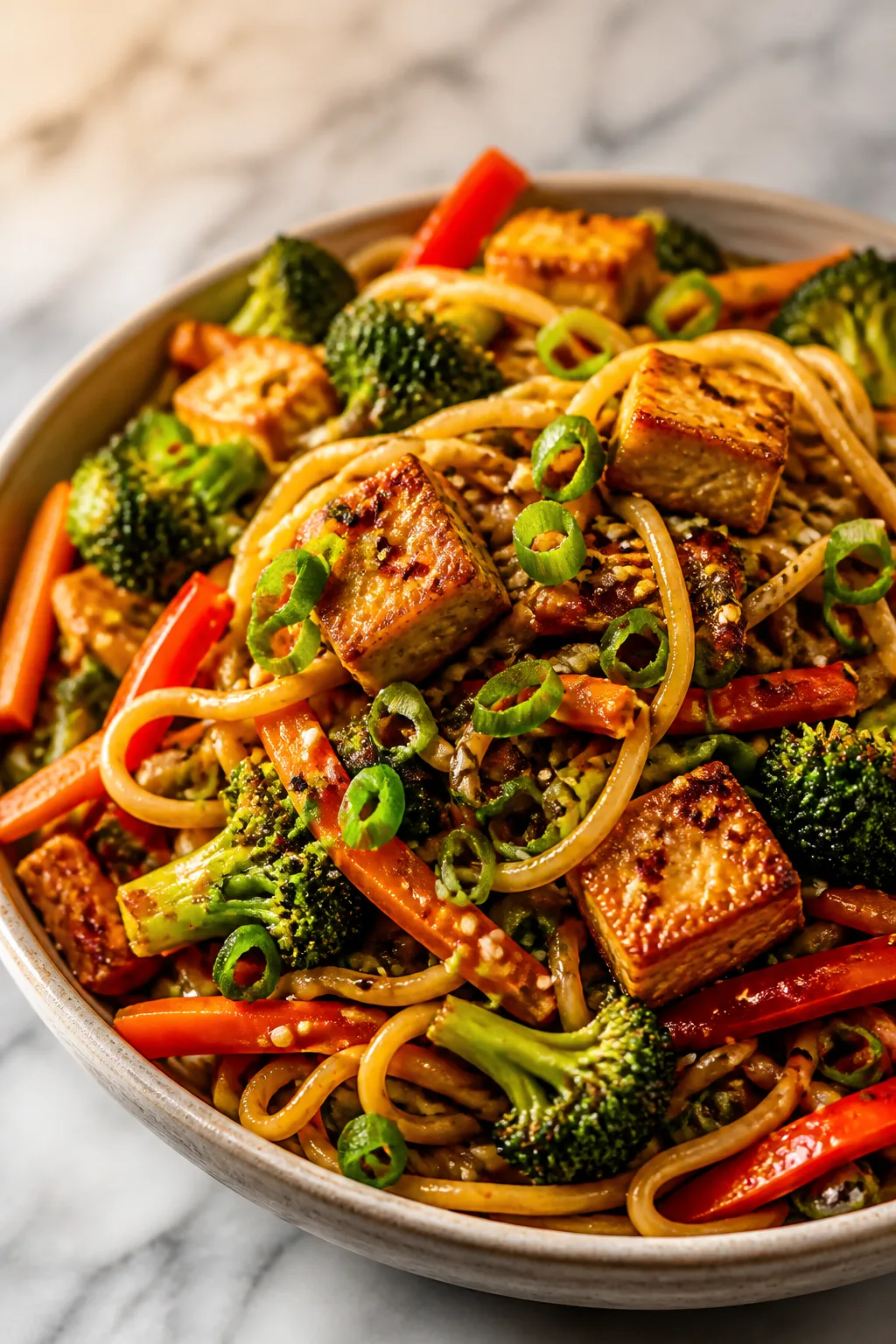
This Indian veg stir fry is a quick, vibrant dish packed with fresh spices and crisp veggies. I love how the mustard seeds and curry leaves add that authentic South Indian touch. Great for a speedy weeknight meal!
Introduction
I first stumbled upon this Indian veg stir fry recipe when I wanted a quick, healthy dinner that still packed a punch of flavor. Most stir fries I tried before felt bland or soggy, but this one changed everything. The trick I learned was tempering mustard seeds and curry leaves in hot oil first — it releases such an amazing aroma and flavor that infuses the whole dish. Plus, using a mix of fresh veggies like cauliflower, green beans, and carrots keeps it colorful and crunchy. This recipe is my go-to when I want something wholesome but don’t have hours to cook. The finished dish is vibrant with a gentle warmth from the spices, and the veggies stay crisp-tender, which I think is the perfect texture. I love serving it alongside steamed rice or flatbreads for a simple, satisfying meal.
How To Do It
Step 1
Heat the vegetable oil in a large skillet or wok over medium-high heat until shimmering. Add the mustard seeds and cumin seeds. As soon as they start to pop, add the curry leaves and sliced green chili. This tempering step is crucial because it releases the essential oils and flavors from these spices, creating a fragrant base for the stir fry. Be careful not to burn the seeds; once they start popping vigorously, add the next ingredients quickly.
⏱ Time: 3 minutes
✓ Doneness: Mustard seeds are popping and curry leaves look crisp and fragrant
Step 2
Add the sliced onions to the pan and sauté until they soften and turn translucent, about 5 minutes. Stir frequently to prevent burning. Then add the minced garlic and grated ginger, cooking for another minute until aromatic. This step builds the flavor foundation and ensures the rawness of garlic and ginger cooks off, blending smoothly with the spices.
⏱ Time: 6 minutes
✓ Doneness: Onions are soft and translucent; garlic and ginger smell fragrant but not burnt
Step 3
Add the cauliflower florets, green beans, and carrots to the pan. Stir well to coat the veggies with the spiced oil mixture. Cook over medium heat, stirring occasionally, so the vegetables start to soften but retain some crunch. This balance is key to a great stir fry texture.
⏱ Time: 8 minutes
✓ Doneness: Vegetables are bright in color and tender-crisp when pierced with a fork
Step 4
Sprinkle turmeric powder, coriander powder, garam masala, and salt over the vegetables. Mix thoroughly so the spices evenly coat the veggies. The turmeric gives a warm color and subtle earthiness, coriander adds freshness, and garam masala brings a complex spice blend that defines the dish.
⏱ Time: 2 minutes
✓ Doneness: Spices are evenly distributed and the dish has a warm golden hue
Step 5
Cover the pan and let the vegetables steam in their own moisture for 3-4 minutes on low heat. This helps the spices penetrate and the veggies cook through without losing their texture. Avoid overcooking, or the veggies will become mushy.
⏱ Time: 4 minutes
✓ Doneness: Vegetables are tender but still hold their shape and crunch
Step 6
Remove the lid and increase heat to medium-high to evaporate any excess moisture. Stir-fry for another 2 minutes to bring back some crispness and concentrate flavors. This final step ensures the dish isn't watery and gets a nice texture.
⏱ Time: 2 minutes
✓ Doneness: No excess liquid in pan; veggies have a slight sizzle and crisp edges
Step 7
Taste and adjust salt if needed. Finish by sprinkling freshly chopped cilantro over the stir fry for a burst of freshness and color.
⏱ Time: 1 minute
✓ Doneness: Bright green cilantro is evenly scattered and aroma is fresh
Step 8
Serve immediately with steamed basmati rice or warm roti. The dish is best enjoyed fresh to appreciate the contrasting textures and vibrant spices.
⏱ Time: Serve immediately
✓ Doneness: Dish is hot and aromatic, ready to eat
Step 9
If you want to make this vegan-friendly, just ensure your oil and sides are plant-based. This recipe naturally fits vegan diets and is perfect for a healthy, colorful meal.
⏱ Time: N/A
✓ Doneness: N/A
Pro Tips
Always temper your spices in hot oil first.
Tempering releases essential oils and aromas that transform the dish. Without this step, your stir fry will lack depth and authentic flavor. Skipping tempering often results in bland or flat-tasting food.
Cut vegetables uniformly to ensure even cooking.
When veggies are cut into similar sizes, they cook at the same rate. This prevents some pieces from being undercooked while others turn mushy. It also improves the dish’s presentation and texture.
Use medium heat to avoid burning spices or overcooking veggies.
High heat can scorch spices and make them bitter, while low heat causes soggy vegetables. Medium heat strikes the right balance, allowing spices to bloom and veggies to cook tender-crisp.
Add garam masala towards the end of cooking.
Garam masala’s delicate aromatic compounds dissipate quickly with prolonged heat. Adding it late preserves its fragrance and enhances the overall flavor profile.
Don’t overcrowd the pan when stir frying.
Overcrowding traps steam, making veggies soggy instead of crisp. Cooking in batches if needed ensures you get that perfect texture.
Finish with fresh cilantro for brightness.
Cilantro adds a fresh, herbaceous note that balances the warm spices. It also adds a pop of color, making the dish more appetizing.
Serve immediately for best texture and flavor.
Stir fries lose their crispness as they cool. Serving right away ensures you enjoy the vibrant texture and fresh flavors at their peak.
Common Mistakes to Avoid
Skipping tempering spices.
Why it happens Many cooks assume sautéing veggies is enough and overlook the tempering step, especially if unfamiliar with Indian cooking.
Fix Always start by heating oil and adding mustard seeds, cumin seeds, and curry leaves. This step releases flavorful oils that infuse the entire dish. Without it, the stir fry will taste bland.
Overcooking the vegetables.
Why it happens Rushing the cooking or leaving the lid on too long can lead to mushy veggies.
Fix Cook vegetables until just tender-crisp and avoid covering for too long. Stir occasionally and check texture frequently to maintain crunch.
Using too high heat.
Why it happens High heat can burn spices quickly and cause bitterness.
Fix Use medium heat for tempering and cooking veggies. It allows spices to bloom properly without burning and cooks vegetables evenly.
Adding spices too early or too late.
Why it happens Adding garam masala too early causes loss of aroma; adding turmeric too late means uneven color.
Fix Add turmeric and coriander powder earlier with the veggies, but reserve garam masala for the end to preserve fragrance.
Not cutting vegetables uniformly.
Why it happens Uneven pieces cook unevenly, causing inconsistent texture.
Fix Slice or chop vegetables to similar sizes to ensure even cooking and a balanced bite.
Variations
Add Paneer for Protein
For a heartier meal, toss in cubes of paneer cheese towards the end of cooking. It adds a creamy texture and mild flavor that complements the spices beautifully. This variation makes the dish more filling and protein-rich.
Note: Add paneer in the last 3 minutes of cooking to prevent it from breaking apart. Lightly frying paneer cubes before adding enhances texture.
Spicy Version with Red Chili Powder
If you like heat, sprinkle in some red chili powder along with the other spices. It gives the stir fry a fiery kick without overpowering the other flavors. Adjust quantity to your spice tolerance.
Note: Add red chili powder with turmeric and coriander for even spice distribution. Balance with a squeeze of lemon if too hot.
Use Seasonal Vegetables
Swap the veggies for whatever is fresh and in season — bell peppers, zucchini, or snap peas work well. This keeps the dish versatile and always fresh tasting.
Note: Adjust cooking time based on the firmness of new vegetables to maintain crispness.
Make it Gluten-Free
This recipe is naturally gluten-free, but ensure your spice powders don’t have additives. Serve with gluten-free rice or flatbreads for a safe meal if you have sensitivities.
Note: Check all packaged spices for gluten contamination.
Add Toasted Nuts
For extra crunch and richness, sprinkle toasted cashews or peanuts on top just before serving. It adds texture and a subtle nutty flavor that pairs well with the spices.
Note: Toast nuts in a dry pan over low heat until golden, watch closely to avoid burning.
Nutrition
Per Serving:
Nutritional values are estimates and may vary based on specific ingredients used.
Storage & Tips
Room Temperature
This stir fry can safely sit at room temperature for up to 2 hours if covered. Beyond that, it’s best to refrigerate to prevent spoilage.
Refrigerator
Store leftovers in an airtight container for up to 3 days. The veggies may soften slightly but reheating gently on the stove restores some texture. Avoid microwaving too long to preserve flavor.
Freezer
Freeze in a sealed container for up to 1 month. Thaw overnight in the fridge and reheat on the stovetop with a splash of water or oil. Texture may be a bit softer after freezing.
Reheating
Reheat gently on medium heat in a skillet with a splash of oil or water to prevent drying out. Stir frequently and heat until warmed through. Avoid overheating or microwaving for long to keep veggies crisp.
Make Ahead
Prep and chop all vegetables 1-2 days ahead and store in the fridge. You can also prepare the spice mix in advance. Cook the stir fry fresh on the day of serving for best flavor and texture.
FAQ
Can I use frozen vegetables for this stir fry?
Yes, you can use frozen veggies, but they tend to release more water and can make the stir fry soggy. To avoid this, thaw and drain them well before cooking, and cook uncovered to evaporate excess moisture.
What can I substitute for curry leaves if I can’t find them?
If fresh curry leaves aren’t available, you can omit them or use a small pinch of dried curry leaves or bay leaf for a mild substitute. The flavor won’t be exactly the same, but the dish will still be tasty.
How do I make this stir fry spicier?
Add finely chopped green chilies or sprinkle red chili powder along with the other spices. Adjust the amount gradually to suit your heat preference, and balance with a squeeze of lemon if needed.
Can I prepare this dish ahead of time?
You can chop the vegetables and prepare the spice mix a day ahead, but it’s best to cook the stir fry fresh to maintain crispness and vibrant flavors.
Is this dish vegan?
Yes, this recipe is naturally vegan as it uses only vegetables and spices cooked in oil. Just be sure to use plant-based oil and serve with vegan sides.
What oil is best for tempering spices?
Neutral oils with high smoke points like vegetable, canola, or sunflower oil are ideal. They allow the spices to pop without burning or adding strong flavors.
How do I prevent vegetables from becoming mushy?
Cook vegetables on medium heat and avoid covering the pan for too long. Stir occasionally and check doneness frequently to keep them tender-crisp.
Can I add protein to this stir fry?
Absolutely! Paneer cubes, tofu, or cooked chickpeas can be added to make the dish more filling. Add paneer or tofu towards the end to prevent breaking apart.
Final Thoughts
Give this Indian veg stir fry a try for a quick, flavorful, and healthy dinner. I’d love to hear how it turns out for you—don’t forget to share your tweaks and favorites!