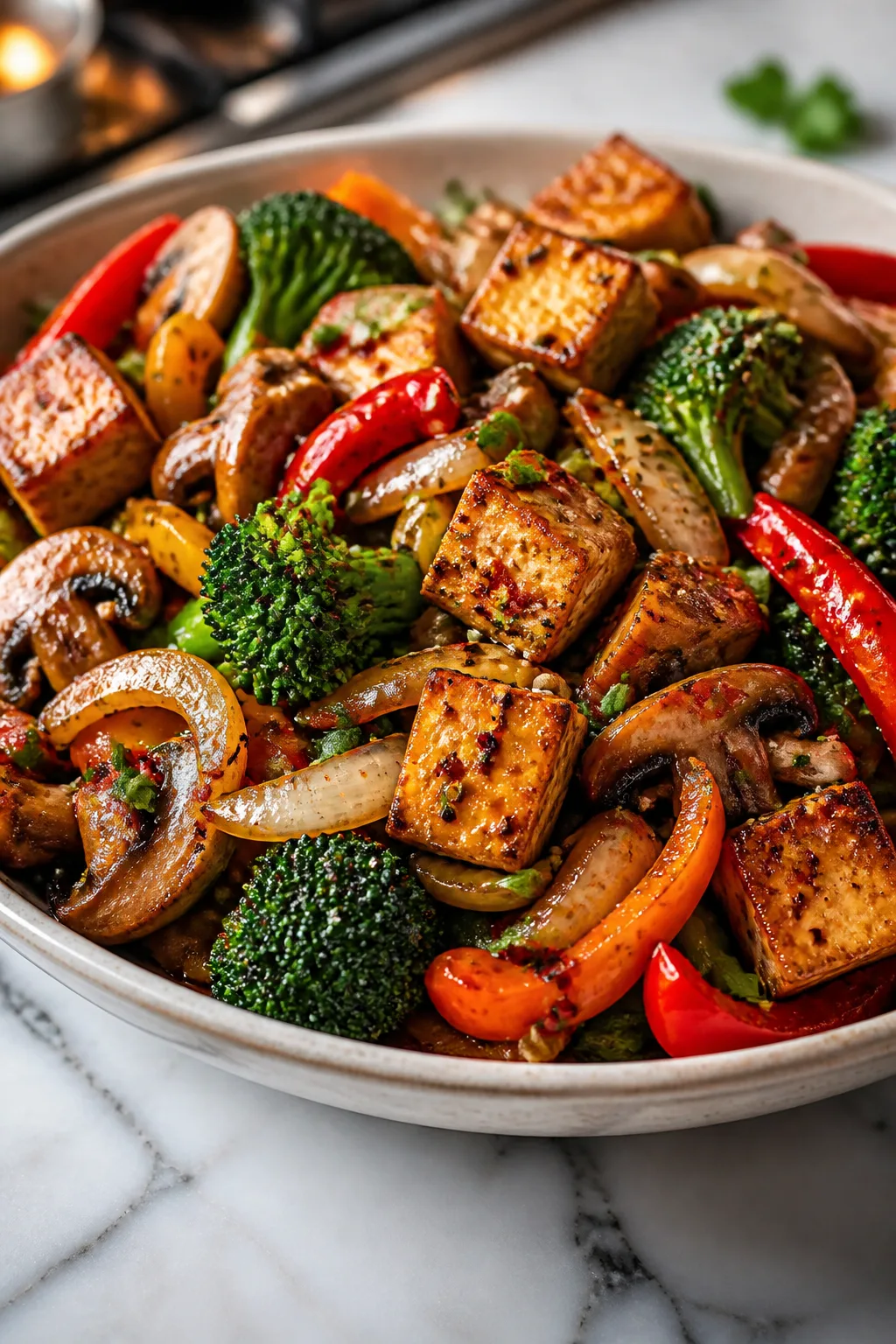
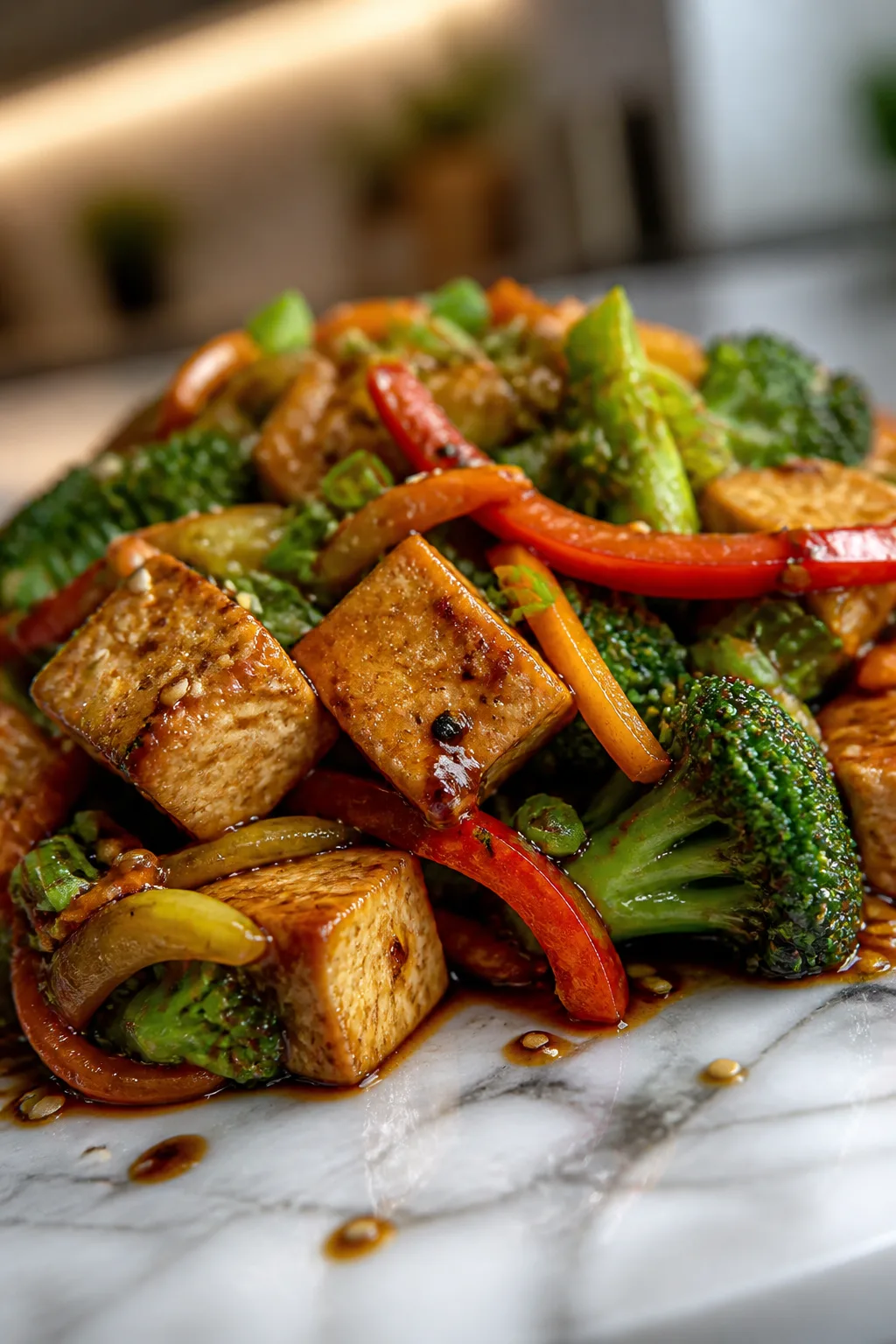
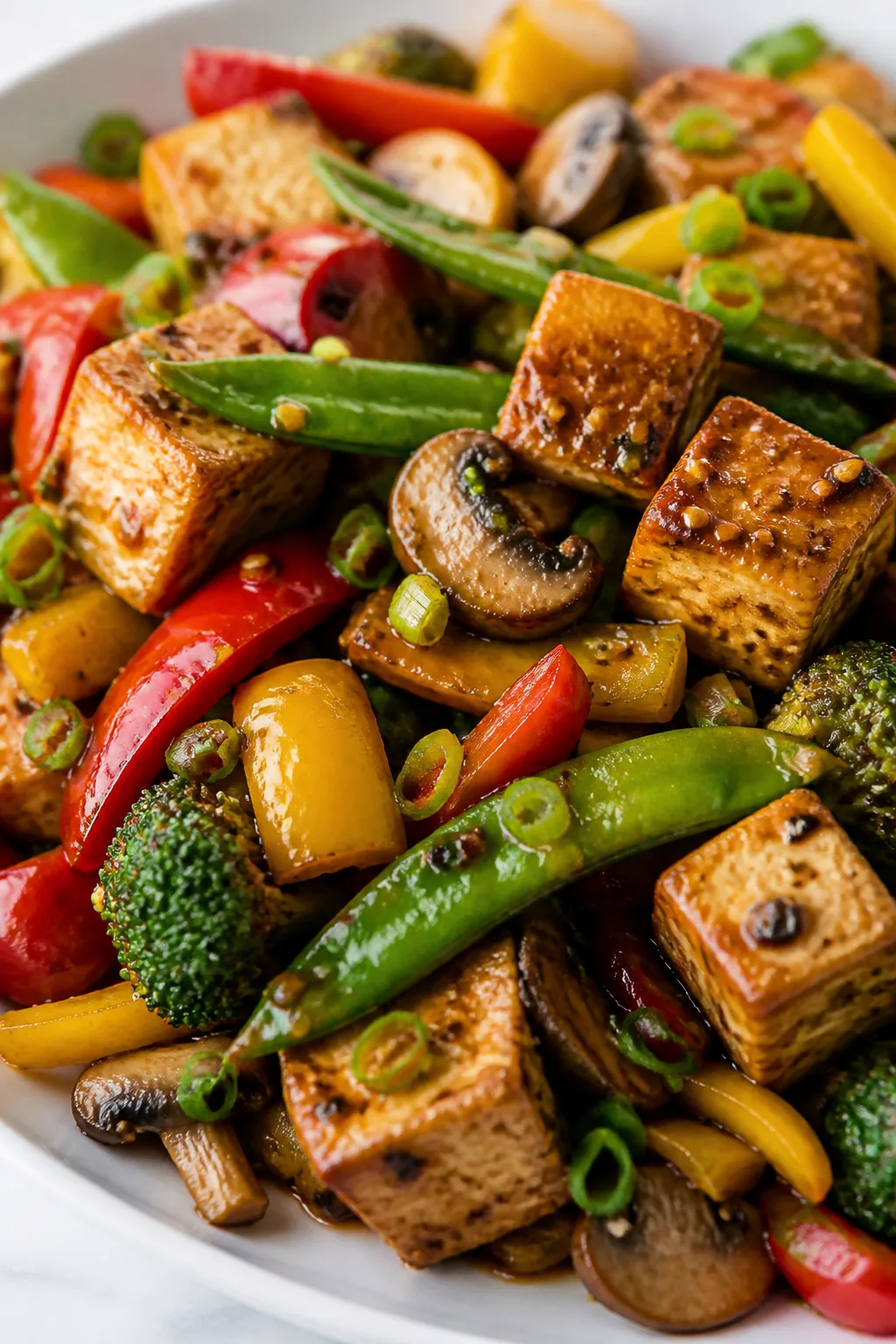
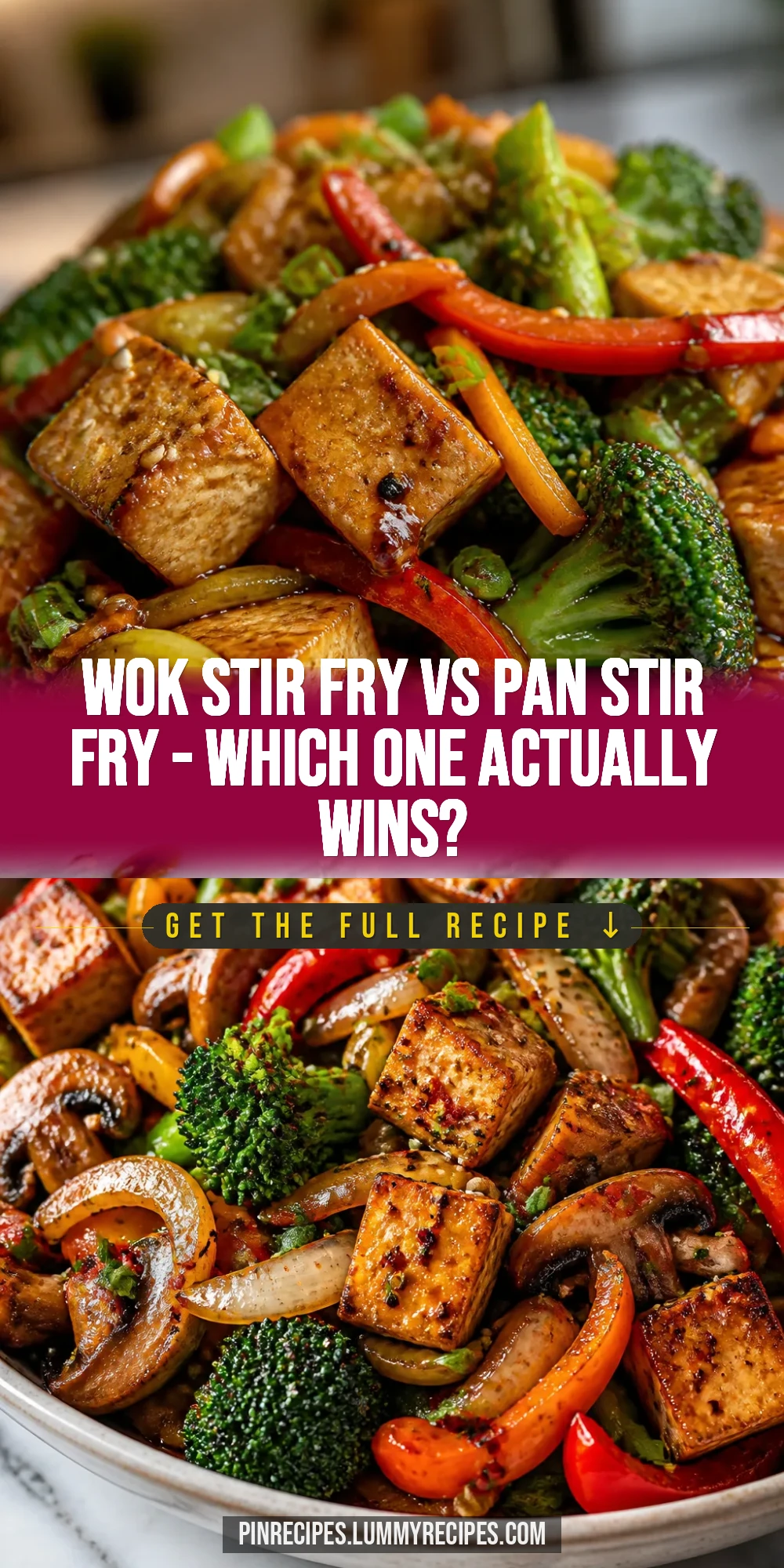
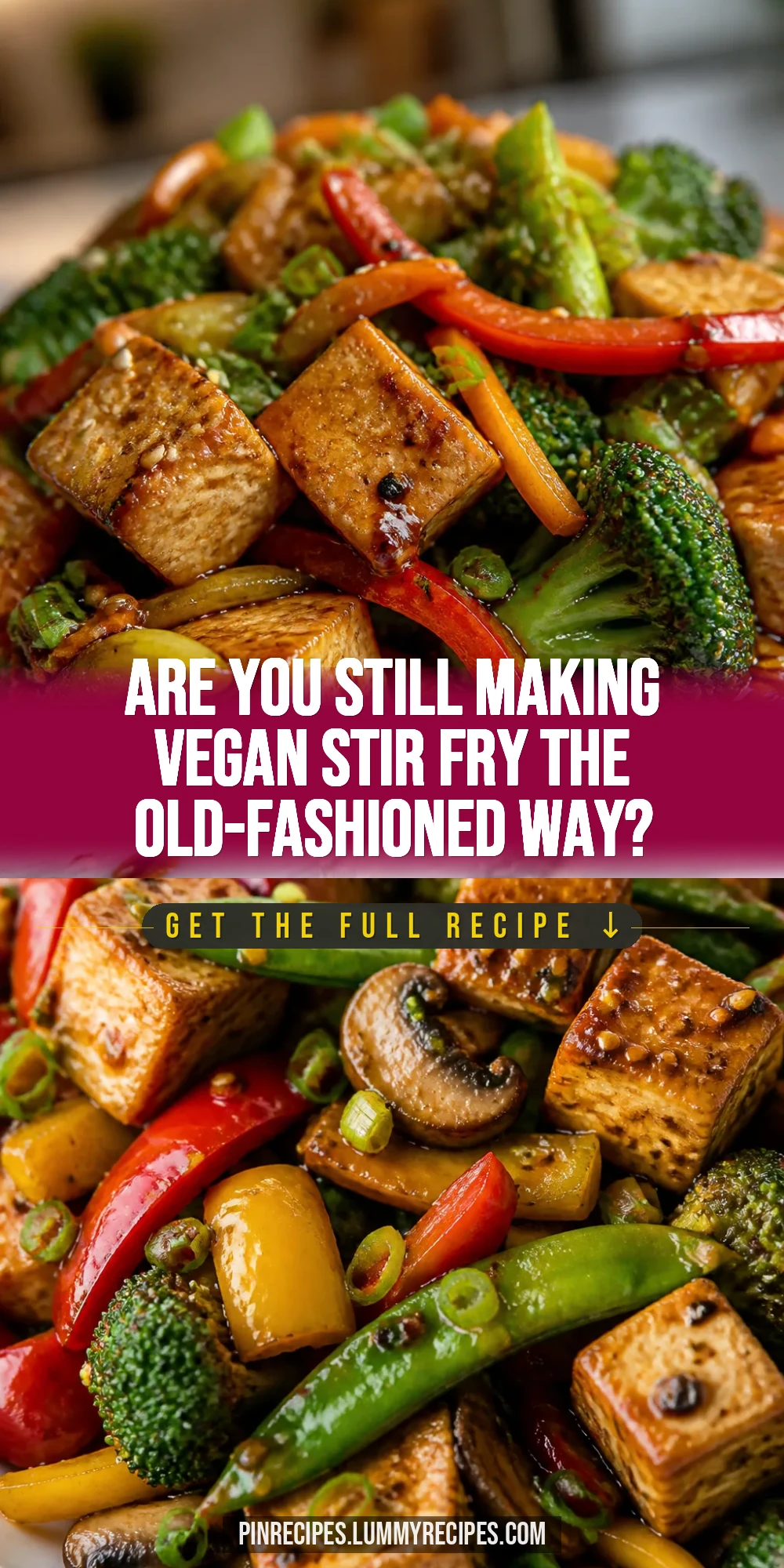
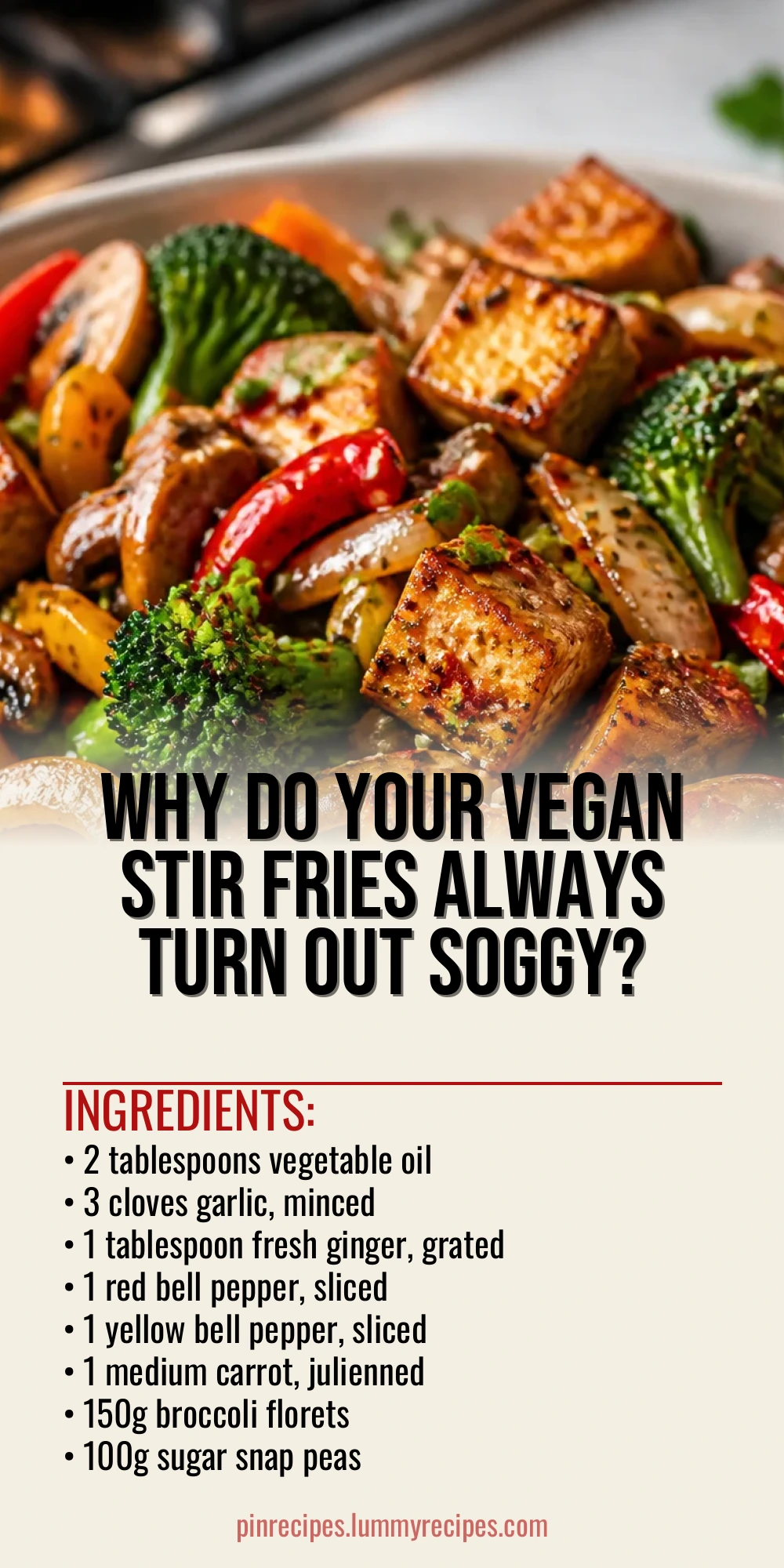
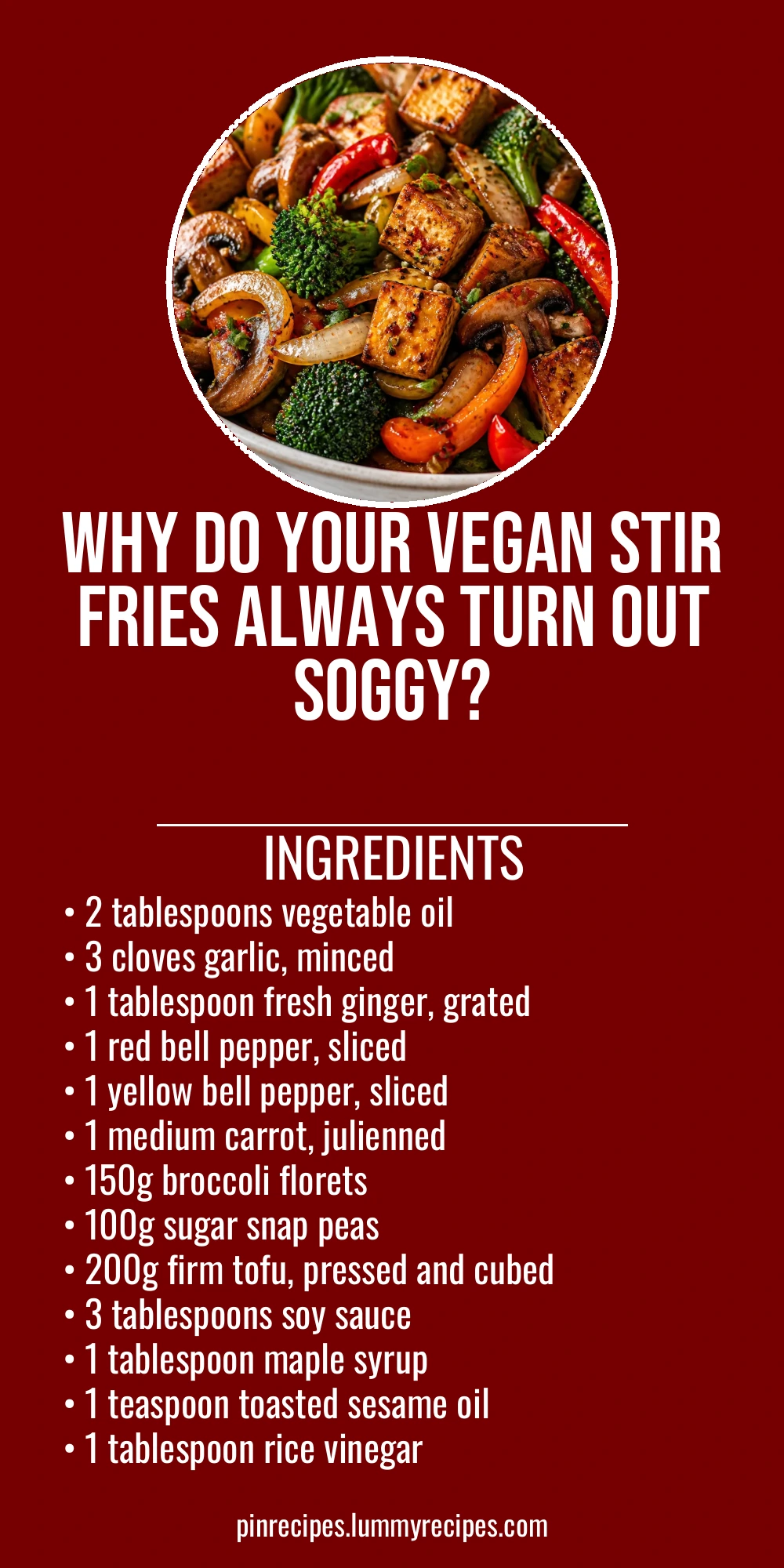
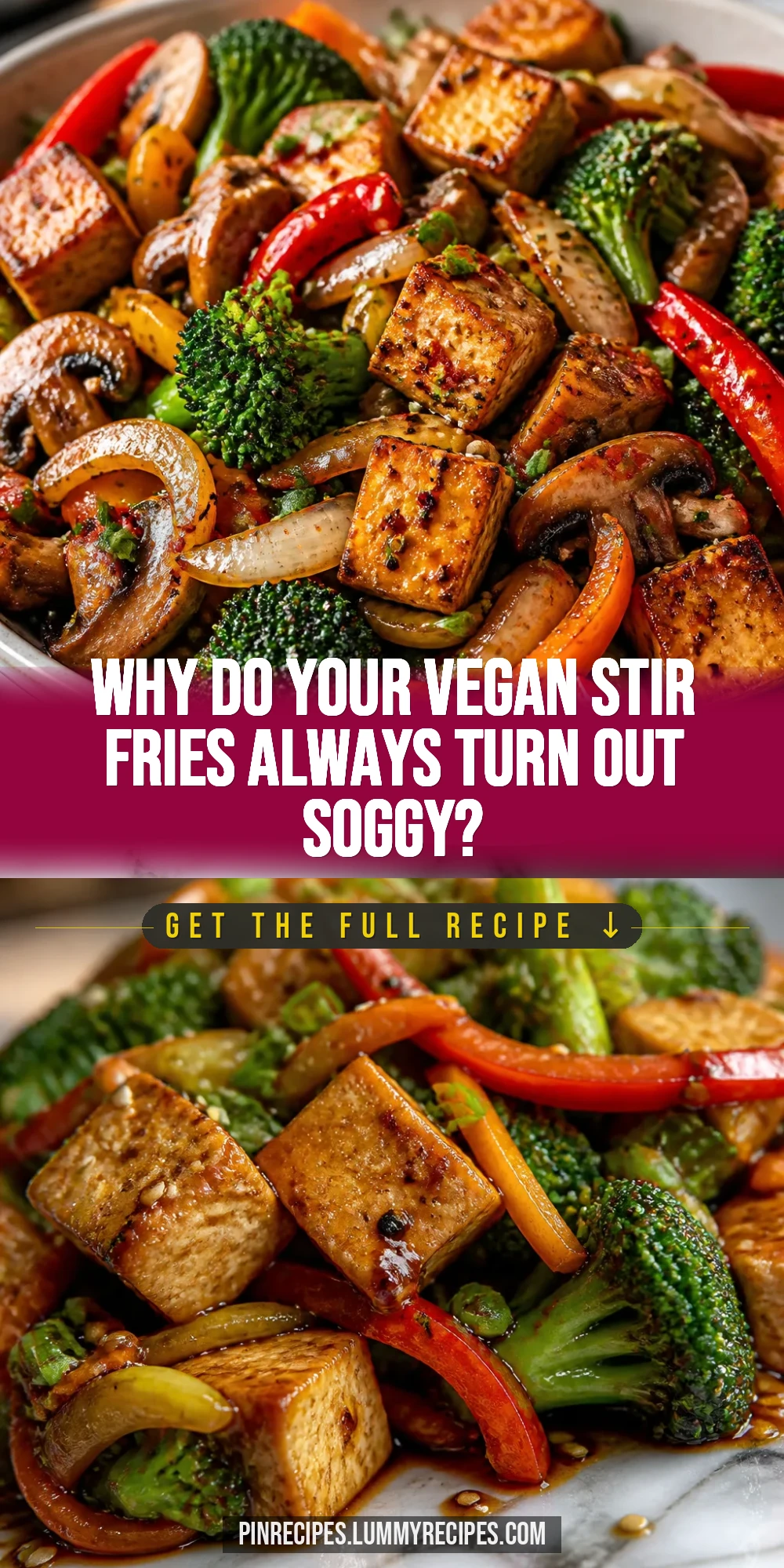
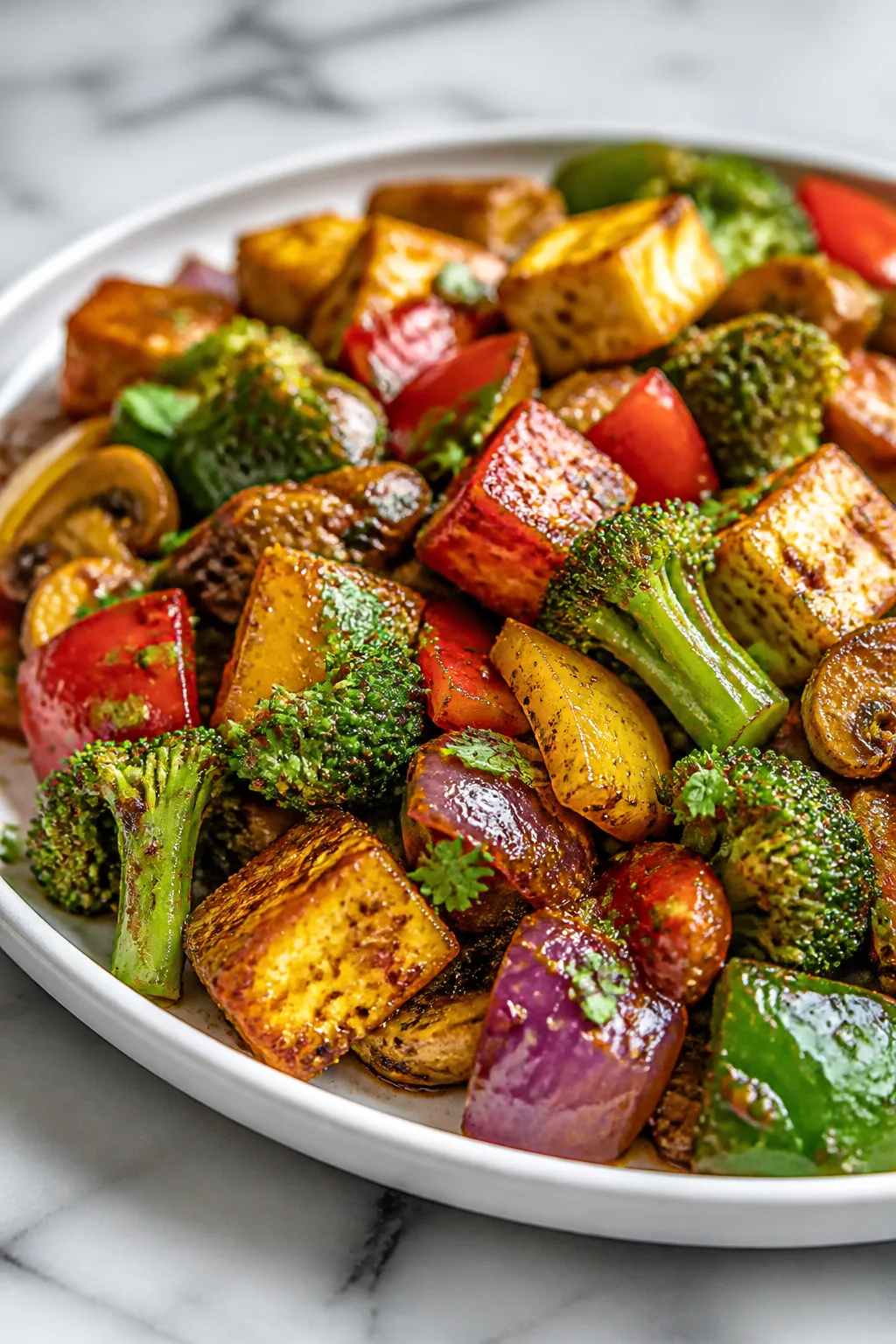
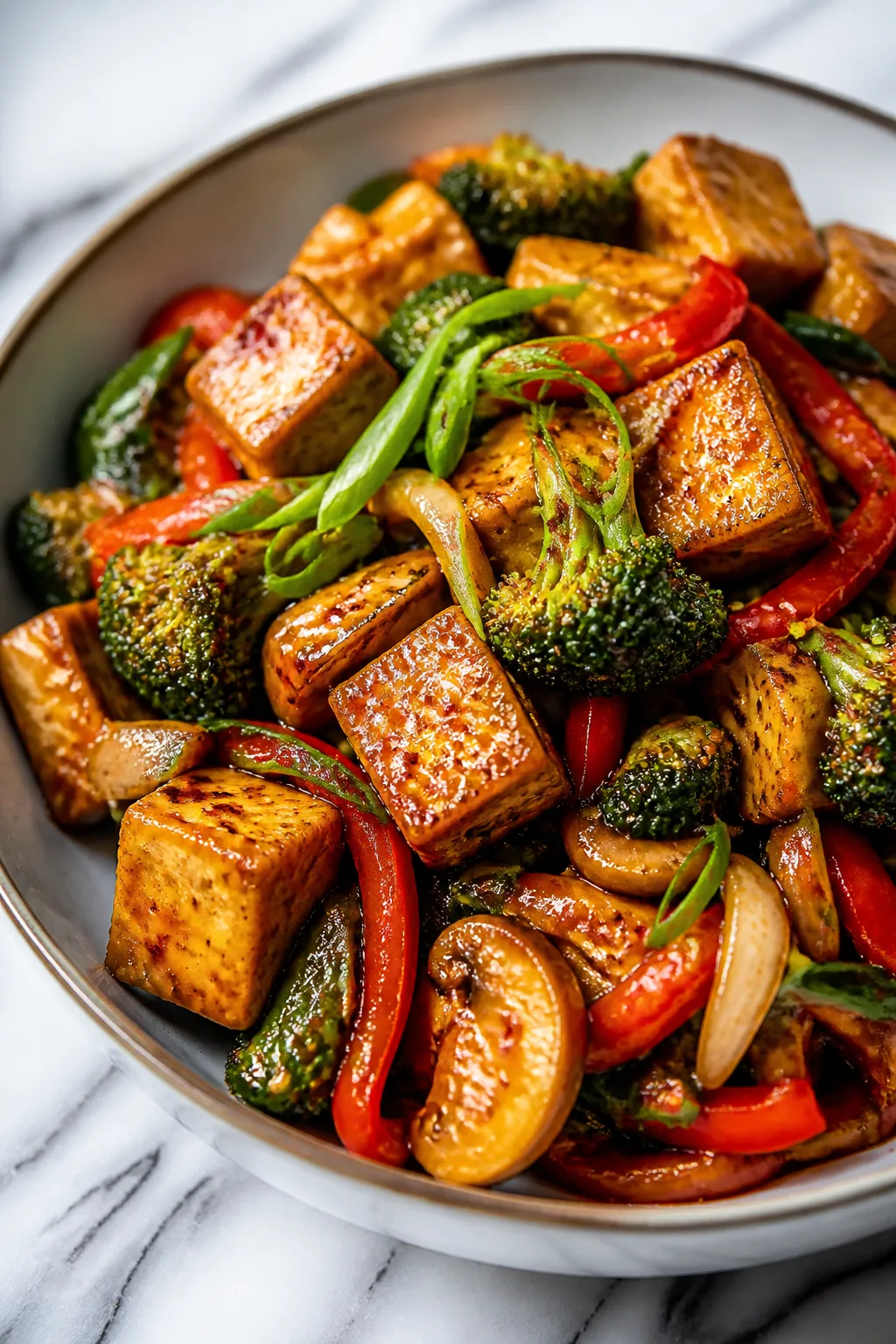
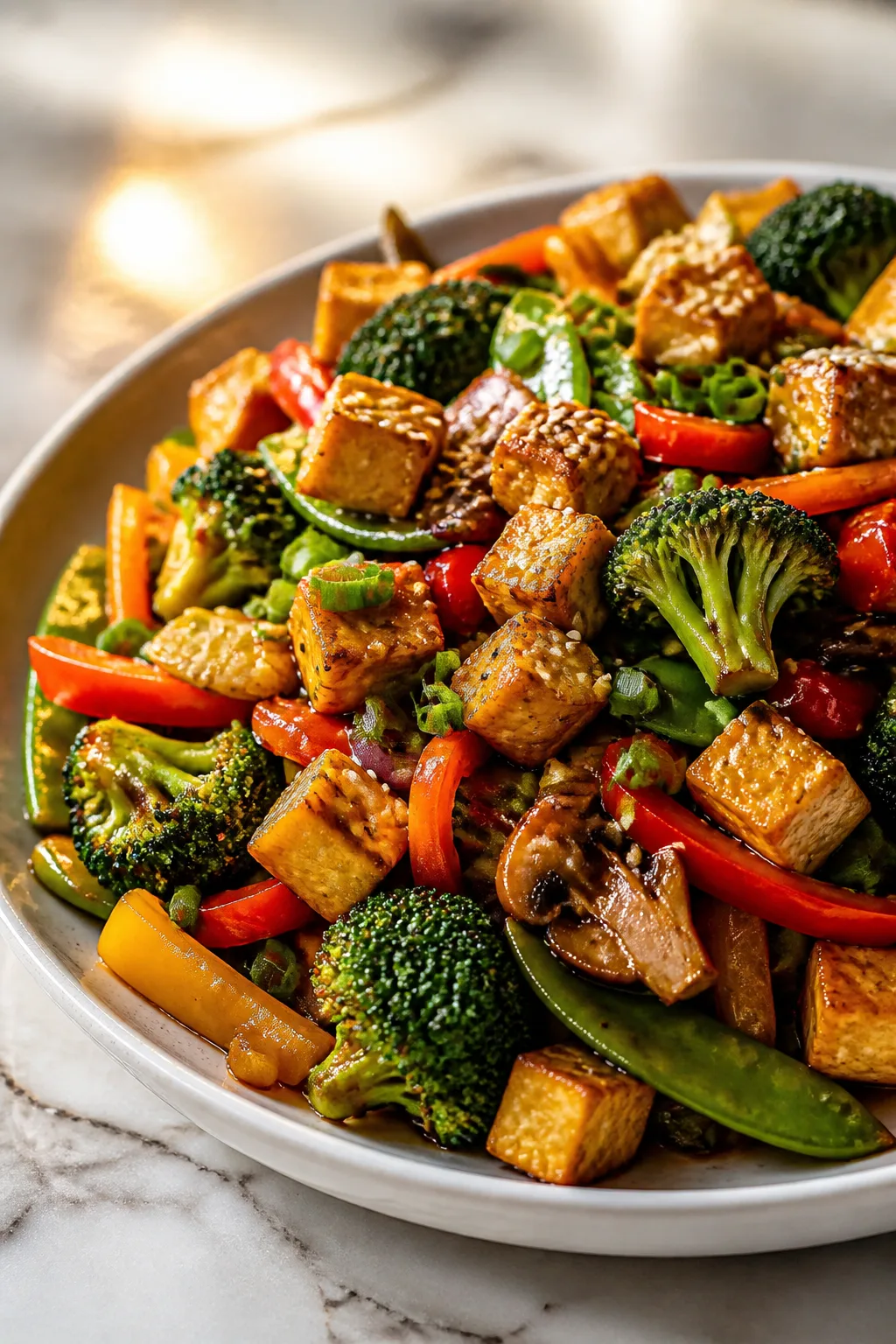
This vegan stir fry is a quick and tasty plant-based meal perfect for busy evenings. I love the fresh veggies and simple soy-ginger sauce that make it so flavorful. Great for a healthy family dinner!
Introduction
I first tried making this vegan stir fry recipe when I wanted a quick, healthy dinner that my whole family could enjoy—even the kids who usually prefer meat. What makes this version stand out is the balance of fresh, crunchy vegetables with a simple, flavorful sauce that’s not too salty or sweet. I learned that pressing the tofu well before cooking helps it crisp up beautifully instead of falling apart, which was a game changer for me. Plus, tossing the sauce in at just the right moment thickens it perfectly, coating everything without making it soggy. The finished dish is colorful, vibrant, and just the right mix of savory and slightly sweet. It’s become a go-to weeknight meal that’s easy to throw together but feels special enough to serve to guests. I love how versatile it is too—you can swap in your favorite veggies or add some chili flakes if you want a little heat. Honestly, it’s one of those dishes that feels comforting but fresh, and it’s so satisfying knowing it’s plant-based and packed with nutrients.
How To Do It
Step 1
Start by pressing the tofu to remove excess moisture. Wrap the tofu block in a clean kitchen towel and place a heavy pan on top for about 10 minutes. This step is crucial because it helps the tofu crisp up when cooked instead of steaming and becoming mushy. Once pressed, cut the tofu into bite-sized cubes and set aside.
⏱ Time: 10
✓ Doneness: Tofu feels firm and less watery when pressed
Step 2
Heat the vegetable oil in a large wok or frying pan over medium-high heat. When the oil is hot but not smoking, add the tofu cubes in a single layer. Let them cook undisturbed for 3-4 minutes until the bottoms are golden brown, then turn to brown all sides. This searing develops a crispy texture and deep flavor.
⏱ Time: 8
✓ Doneness: Tofu cubes are evenly golden and crisp on all sides
Step 3
Remove the tofu from the pan and set aside. In the same pan, add the minced garlic and grated ginger. Stir quickly for about 30 seconds until fragrant but not burnt. This infuses the oil with flavor that will coat the veggies.
⏱ Time: 1
✓ Doneness: Aromatic garlic and ginger scent fills the kitchen
Step 4
Add the sliced bell peppers, julienned carrot, broccoli florets, and sugar snap peas to the pan. Stir-fry over high heat, tossing frequently so the vegetables cook quickly and retain their crunch. Avoid overcrowding the pan to prevent steaming.
⏱ Time: 5
✓ Doneness: Vegetables are bright, tender-crisp, and slightly charred at edges
Step 5
While the veggies cook, mix together soy sauce, maple syrup, toasted sesame oil, and rice vinegar in a small bowl. This sauce balances salty, sweet, and tangy flavors that complement the fresh vegetables.
⏱ Time: 2
✓ Doneness: Sauce is well combined and glossy
Step 6
Return the tofu to the pan and pour the sauce over everything. Stir gently to coat all ingredients evenly. Let the mixture cook for another 2 minutes so the sauce heats through and flavors meld.
⏱ Time: 2
✓ Doneness: Sauce thickens slightly and clings to tofu and veggies
Step 7
Add the cornstarch slurry (cornstarch mixed with water) to the pan and stir quickly. This will thicken the sauce without making it gloopy, giving the stir fry a nice glossy finish. Cook for 1 minute until sauce consistency is perfect.
⏱ Time: 1
✓ Doneness: Sauce is thickened and shiny, coating the ingredients well
Step 8
Remove from heat and drizzle with a little extra toasted sesame oil for aroma. Give everything a final gentle toss, then transfer to serving plates over cooked jasmine rice for a complete meal.
⏱ Time: 1
✓ Doneness: Dish looks vibrant and glossy, ready to serve
Step 9
Garnish with toasted sesame seeds and sliced spring onions. These add a fresh crunch and nutty flavor that elevate the dish. Serve immediately to enjoy the crisp textures and warm sauce at their best.
⏱ Time: 1
✓ Doneness: Garnishes look fresh and add visual appeal
Pro Tips
Press tofu well before cooking.
Removing excess moisture from tofu ensures it crisps up when cooked instead of steaming. This step is crucial for achieving that perfect texture and preventing sogginess.
Cook veggies on high heat and don’t overcrowd the pan.
High heat cooks vegetables quickly, preserving crunch and color. Overcrowding traps steam, leading to soggy, dull veggies instead of the desired crisp texture.
Add sauce after veggies are nearly cooked.
Adding sauce too early can cause the vegetables to become limp. Tossing it in at the end allows the flavors to coat the ingredients without overcooking.
Use a cornstarch slurry to thicken the sauce.
Cornstarch thickens sauces quickly and gives a glossy finish without heaviness. Adding it last and cooking briefly activates the thickening without clumping.
Toast sesame seeds before garnishing.
Toasting sesame seeds enhances their nutty flavor and adds a crunchy texture that complements the soft tofu and crisp veggies.
Serve immediately after cooking.
Stir fry tastes best fresh. Waiting too long can cause veggies to lose their crunch and sauce to thicken excessively.
Experiment with different veggies seasonally.
Using seasonal vegetables keeps the dish fresh and interesting while taking advantage of peak flavors and textures.
Common Mistakes to Avoid
Not pressing tofu before cooking.
Why it happens Many assume tofu can be cooked straight from the package, but the excess water prevents crisping.
Fix Always wrap tofu in a towel and press under weight for at least 10 minutes to remove moisture and improve texture.
Overcrowding the pan.
Why it happens Trying to cook everything at once leads to steaming instead of stir frying.
Fix Cook in batches if needed to maintain high heat and crisp vegetables.
Adding sauce too early.
Why it happens Some add sauce at the start, causing veggies to become soggy.
Fix Add sauce only after vegetables are nearly cooked to preserve texture.
Skipping the cornstarch slurry.
Why it happens People often omit thickening, resulting in watery sauce.
Fix Mix cornstarch with water and add at the end to thicken sauce properly.
Cooking tofu too quickly or stirring too much.
Why it happens Rushing tofu cooking or constant stirring prevents browning.
Fix Let tofu brown undisturbed on each side before turning for best texture.
Variations
Spicy Vegan Stir Fry
Add chili flakes or a splash of sriracha to the sauce for a spicy kick. You can also toss in fresh sliced chili peppers with the garlic and ginger. This variation adds heat without overpowering the fresh veggies.
Note: Adjust sauce quantities slightly to balance the heat; cook chili gently to avoid bitterness.
Peanut Sauce Stir Fry
Swap the soy-maple sauce for a creamy peanut sauce made with peanut butter, soy sauce, lime juice, and a touch of maple syrup. This gives the stir fry a rich, nutty flavor that’s delicious with tofu and veggies.
Note: Thin the peanut sauce with warm water or vegetable broth to ensure it coats ingredients smoothly.
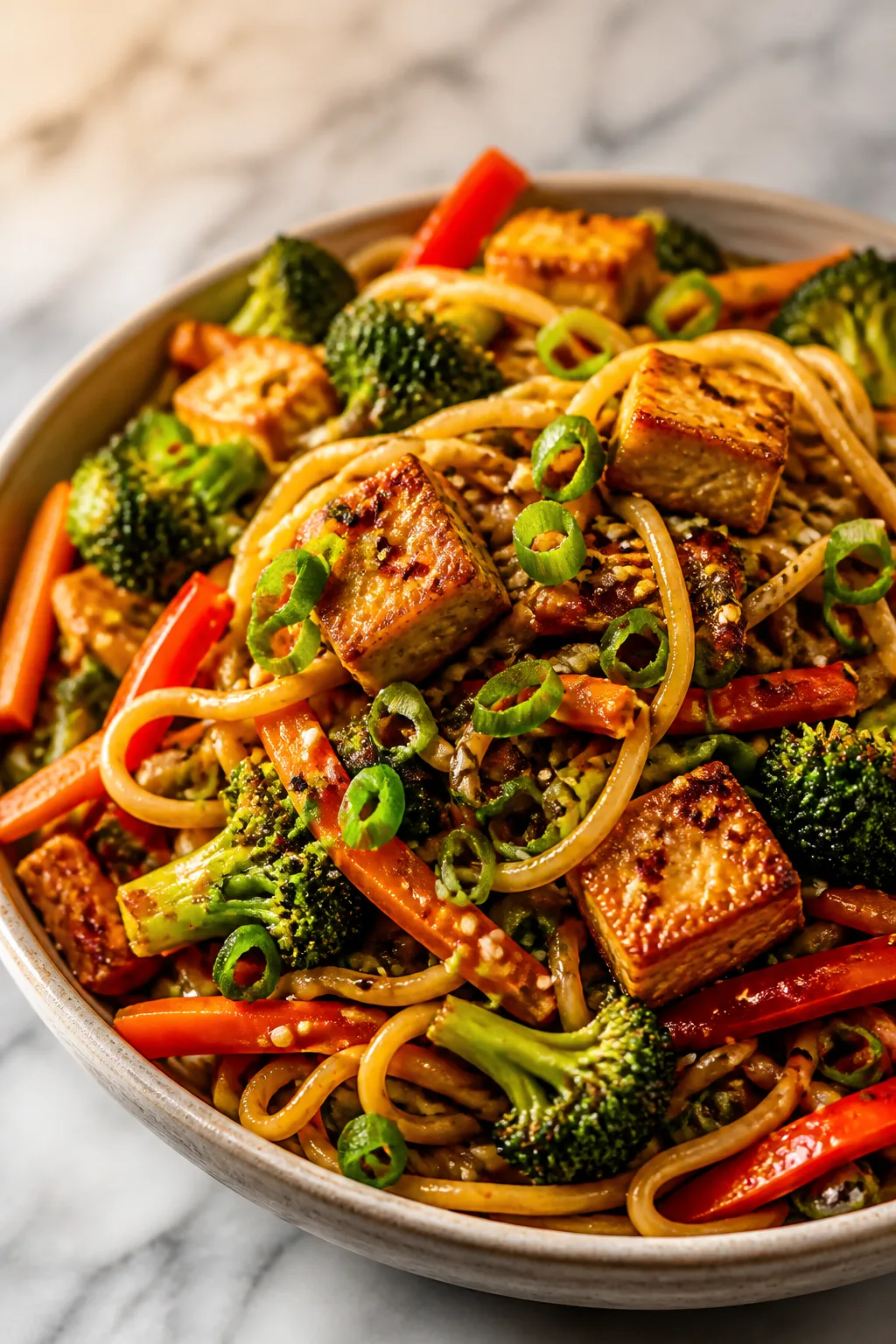
Noodle Stir Fry
Add cooked rice noodles or soba noodles to the stir fry for a heartier meal. Toss the noodles in with the sauce at the end to warm through and absorb flavors.
Note: Ensure noodles are drained and rinsed to prevent sticking before adding to the pan.
Seasonal Vegetable Stir Fry
Use whatever fresh vegetables are in season—like asparagus in spring or kale in winter. The sauce works well with a variety of produce, making this recipe adaptable year-round.
Note: Adjust cooking times for denser vegetables to ensure even doneness.
Cashew Stir Fry
Add roasted cashews for extra crunch and richness. Toss them in at the last minute to keep them crisp and add a lovely nutty flavor that complements the sauce.
Note: Use unsalted cashews and toast lightly for best texture and flavor.
Nutrition
Per Serving:
Nutritional values are estimates and may vary based on specific ingredients used.
Storage & Tips
Room Temperature
Keep the stir fry covered at room temperature for up to 2 hours. Beyond that, bacteria can grow, so it’s best to refrigerate promptly.
Refrigerator
Store leftovers in an airtight container for up to 3 days. The vegetables may soften slightly, but reheating gently on the stove with a splash of water helps refresh the texture.
Freezer
Freeze in airtight containers for up to 2 months. To prevent freezer burn, wrap tightly and remove as much air as possible. Thaw overnight in the fridge before reheating.
Reheating
Reheat on the stovetop over medium heat with a splash of water or vegetable broth to loosen the sauce. Avoid microwaving too long as it can make the tofu rubbery and veggies mushy.
Make Ahead
You can press and cube the tofu a day ahead and store it wrapped in the fridge. Chop vegetables in advance too, but keep them separate to avoid sogginess. Mix the sauce ingredients ahead and refrigerate in a sealed jar.
FAQ
Can I use frozen vegetables for this stir fry?
Frozen vegetables can be used in a pinch, but they tend to release more water, which can make the stir fry soggy. If using frozen, cook them separately to evaporate excess moisture before adding to the stir fry.
What can I substitute for tofu?
Tempeh or seitan are great plant-based alternatives that hold up well in stir fries. Chickpeas can also work but will change the texture and flavor profile.
How do I make this stir fry gluten-free?
Use tamari or a gluten-free soy sauce alternative. Also, check that your other ingredients, like rice vinegar and maple syrup, are certified gluten-free.
Is it okay to use olive oil instead of vegetable oil?
Olive oil has a lower smoke point and a stronger flavor that can overpower the dish. Vegetable or canola oil is preferred for high-heat stir frying to achieve crisp vegetables.
How can I make this dish more filling?
Serve it over rice, noodles, or quinoa to add bulk. Adding nuts like cashews or extra tofu also boosts protein and satiety.
Can I prepare this recipe ahead of time?
You can prep the tofu and chop vegetables a day ahead. However, it’s best to cook and combine everything fresh to keep the veggies crisp and flavors vibrant.
Why is my stir fry watery?
Wateriness often comes from overcrowding the pan or not pressing the tofu well. Cook in batches if needed and press tofu properly to avoid excess moisture.
How do I store leftovers properly?
Store in airtight containers in the fridge for up to 3 days. Reheat gently on the stovetop with a splash of water to restore texture.
Final Thoughts
I hope you enjoy making this vegan stir fry as much as my family does. It’s simple, satisfying, and perfect for any night you want a healthy, tasty meal. Let me know how it turns out!