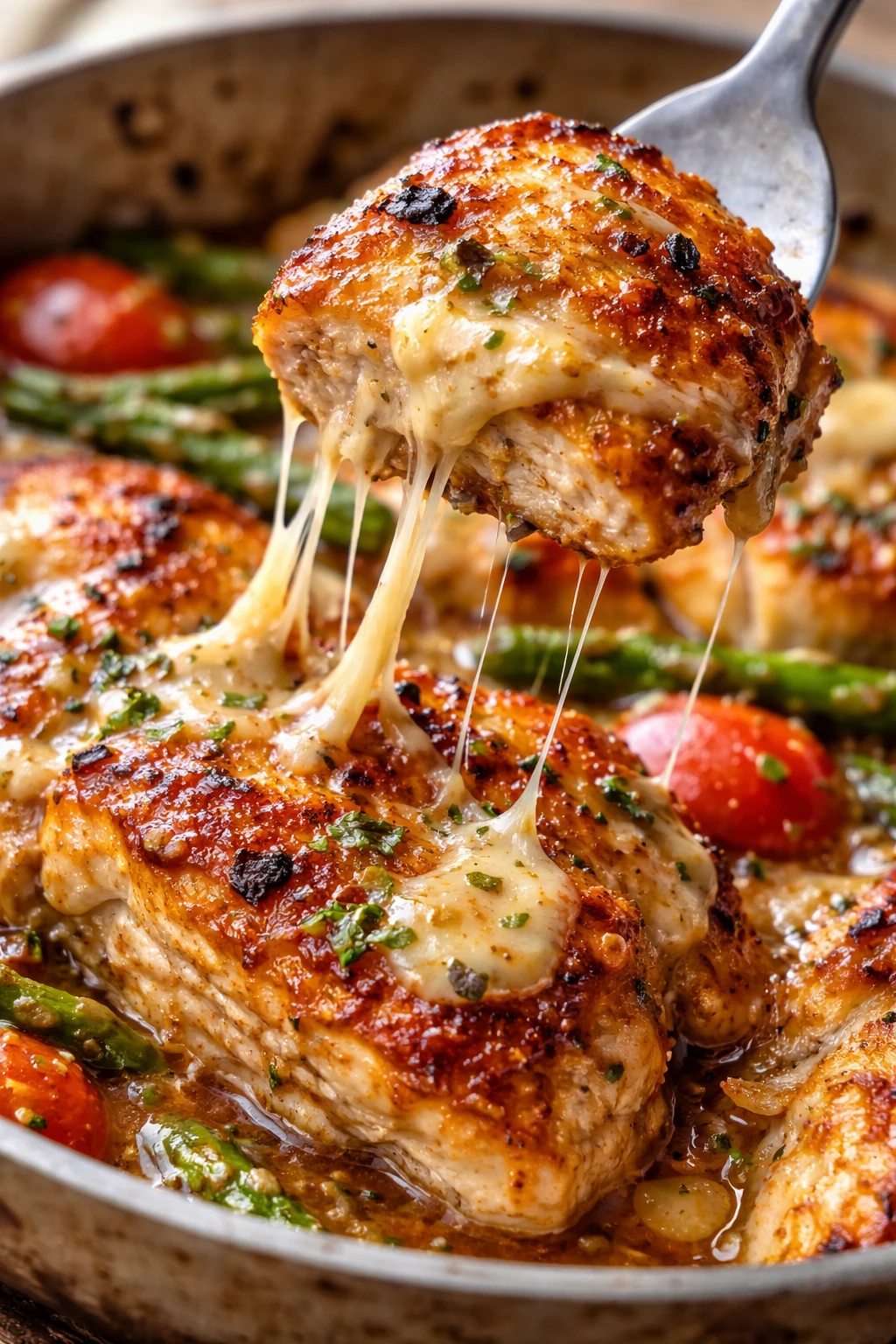
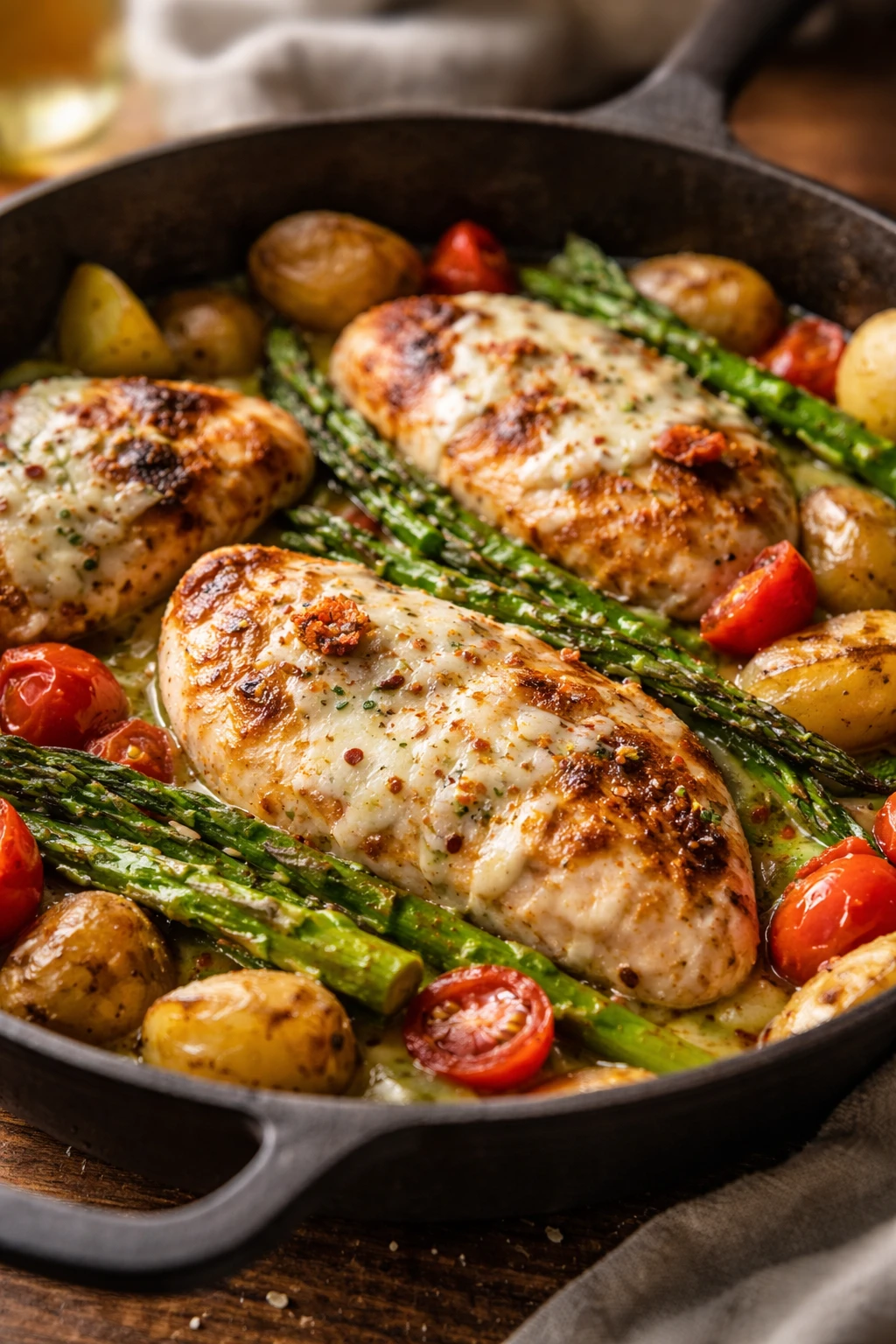
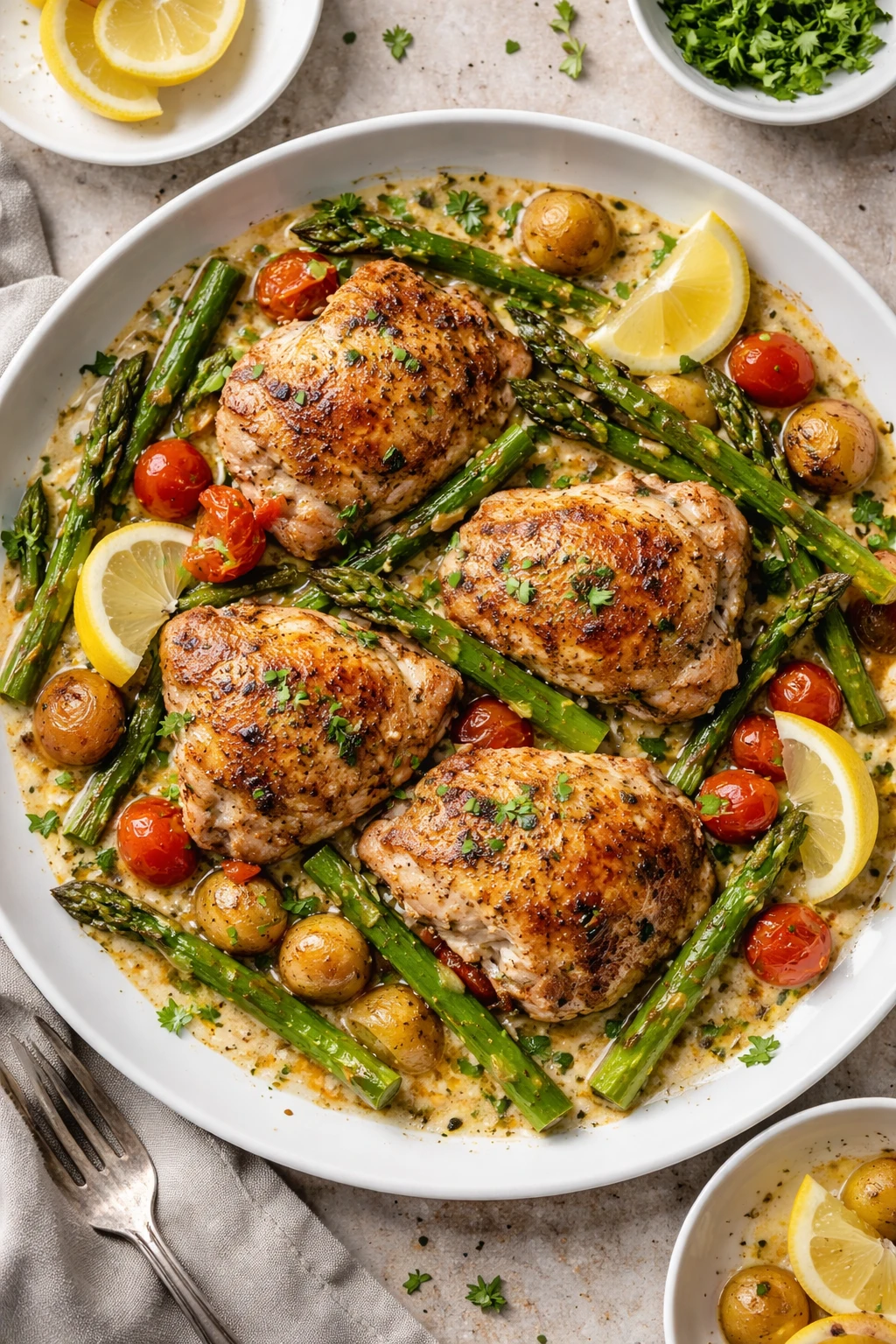
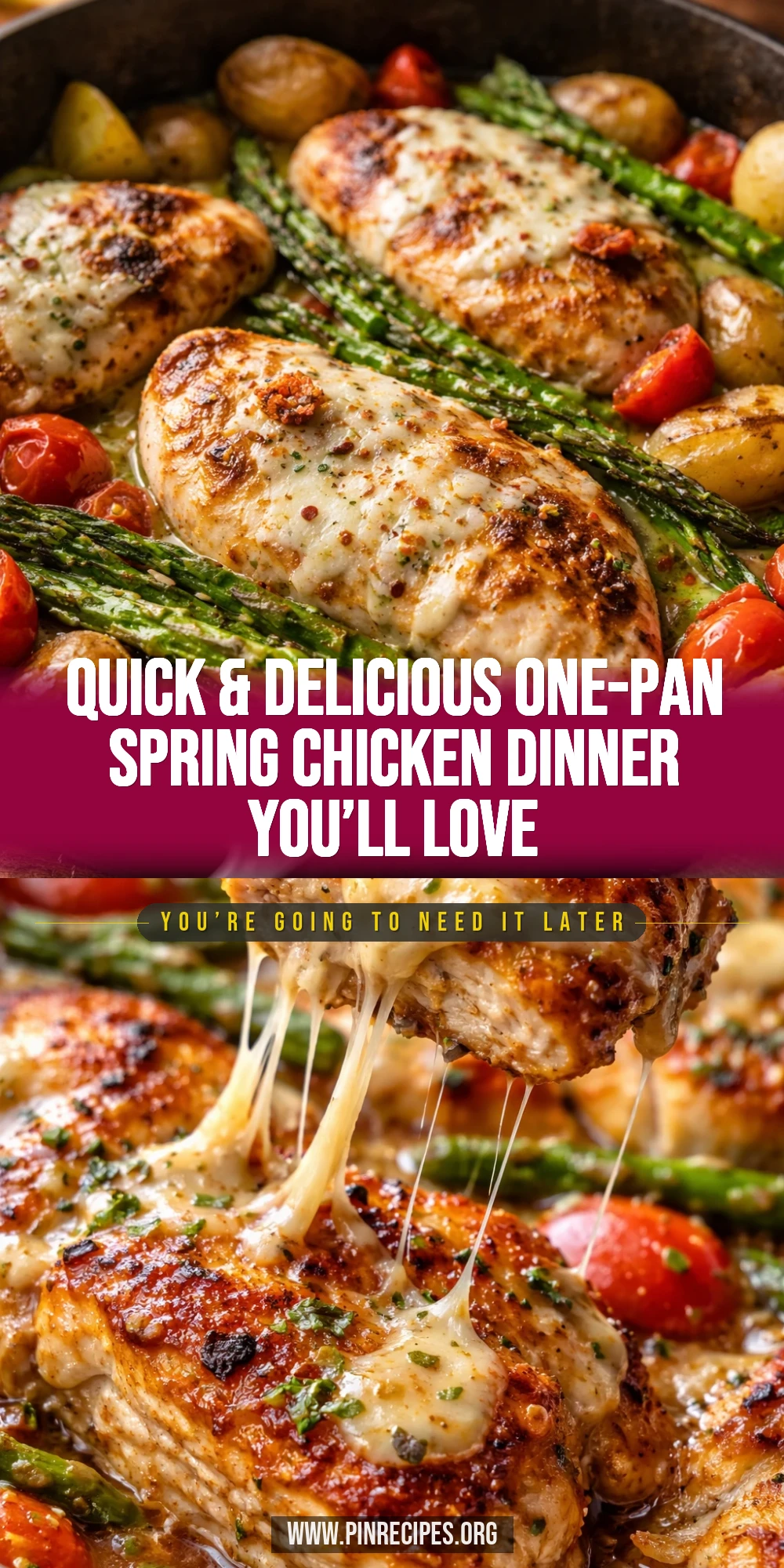
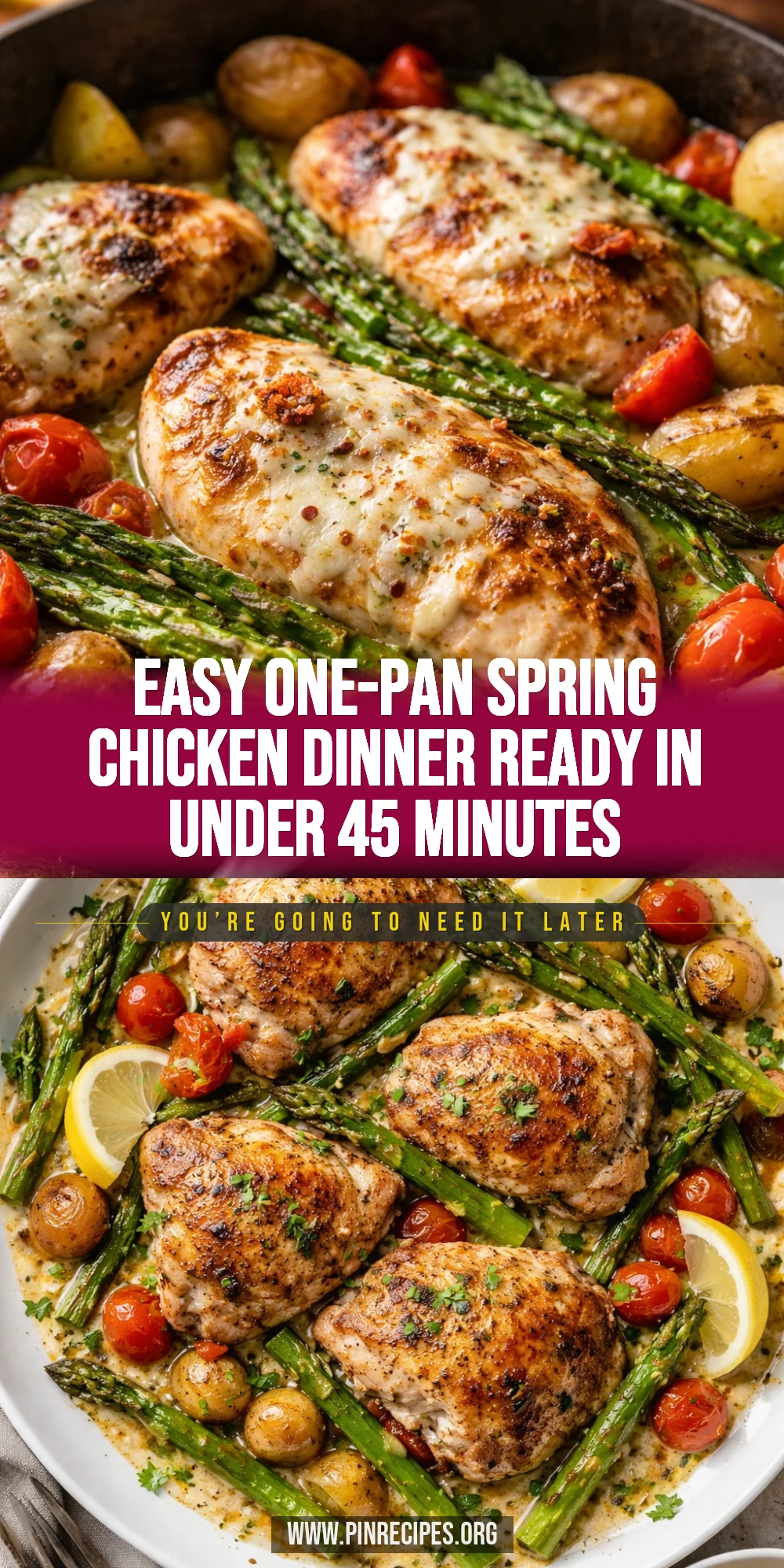
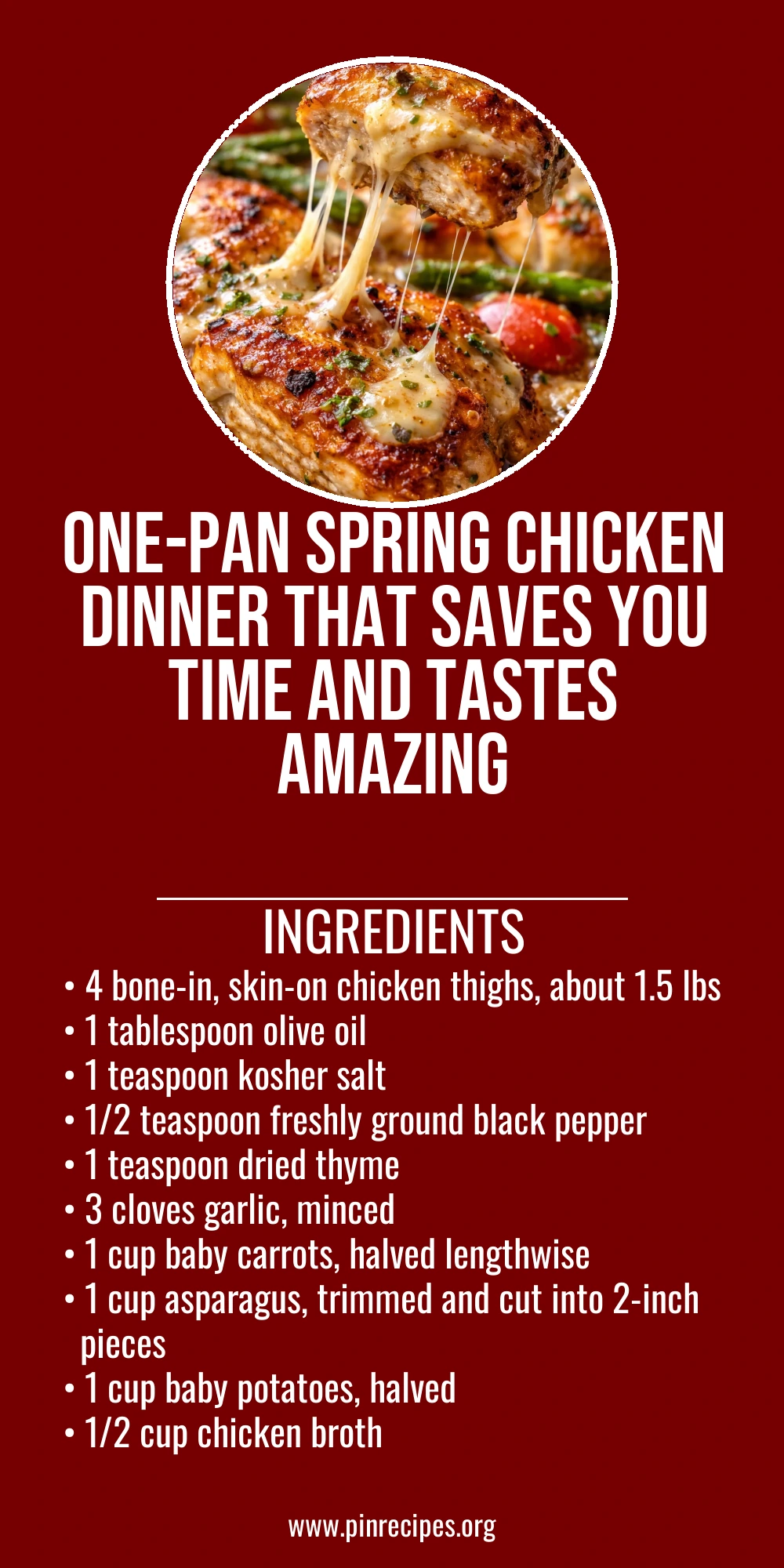
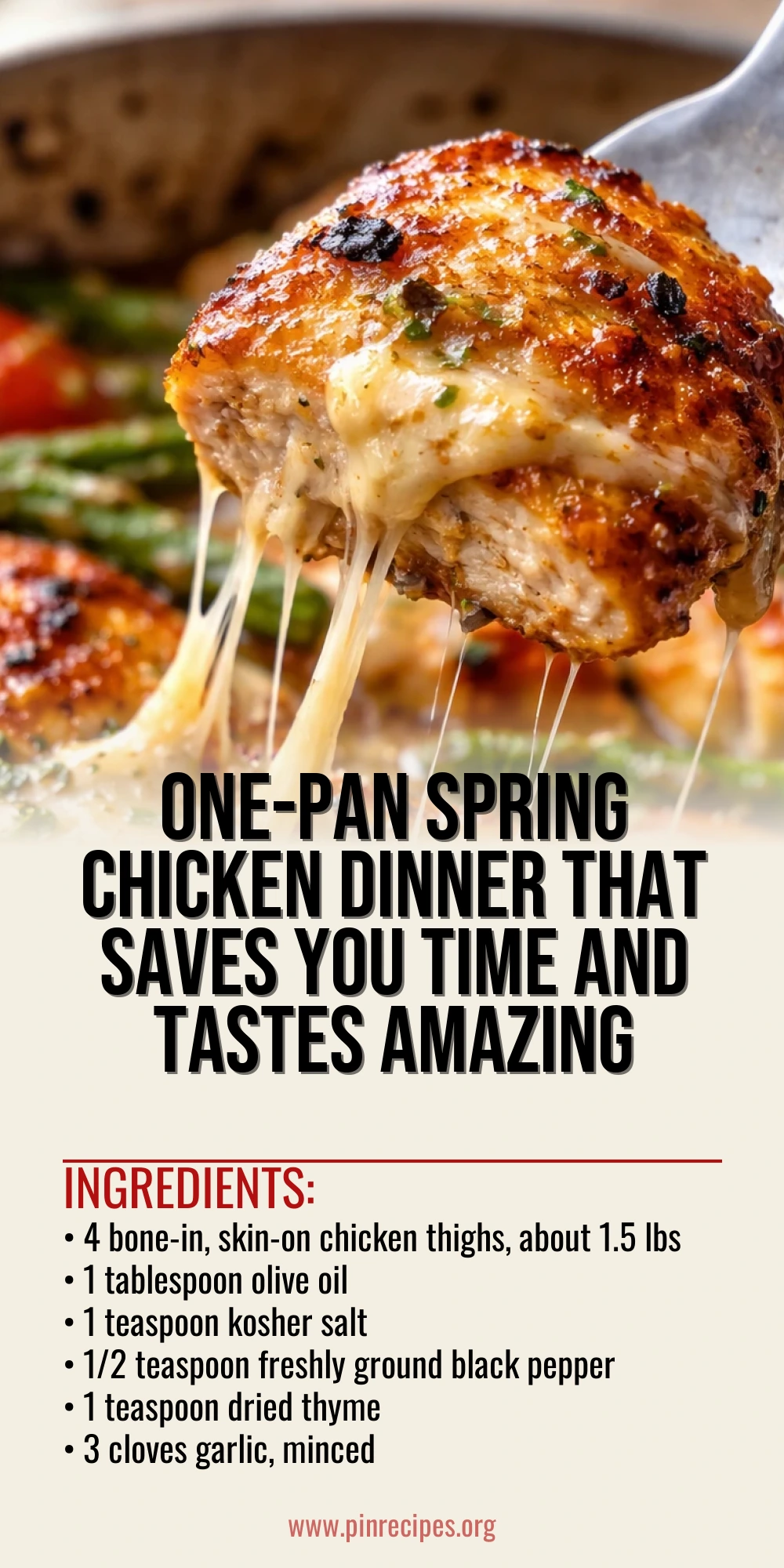
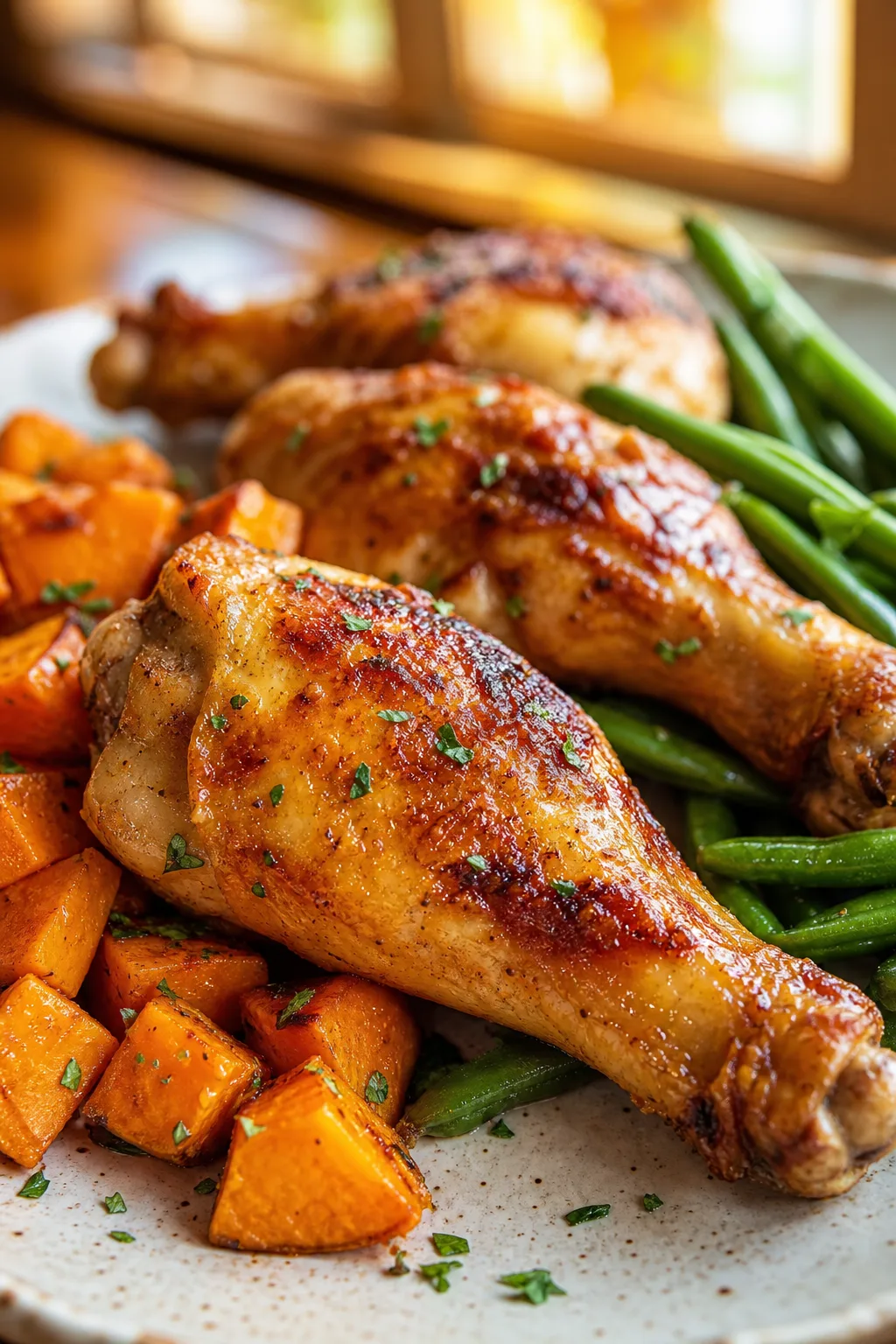
This one-pan spring chicken dinner is a lifesaver when you want fresh, flavorful food without the fuss. Tender chicken, crisp veggies, and bright herbs all cook together for an easy, wholesome meal perfect for any weeknight.
Introduction
I first whipped up this one-pan spring chicken dinner on a particularly hectic weeknight when I wanted something fresh but fuss-free. The idea was to get a wholesome meal on the table fast without juggling multiple pots and pans. What makes this recipe stand out is how it brings together tender chicken thighs with crisp spring veggies like asparagus and baby carrots, all roasted together for maximum flavor. The secret? Starting the chicken skin-side down in a hot pan to get that irresistible crispy skin before adding the veggies and broth. Plus, a squeeze of lemon brightens everything up at the end. I’ve tried other one-pan chicken dinners, but this one nails the balance of juicy meat and perfectly cooked vegetables every time. The finished dish looks rustic and inviting, with golden chicken and colorful veggies nestled together. It’s exactly the kind of meal I love serving when I’m short on time but still want something satisfying and fresh. Honestly, the first time I made it, I was worried the veggies might overcook, but keeping an eye on timing and adding broth halfway through keeps everything tender but not mushy. It’s a simple dinner that feels special — perfect for busy nights or casual weekend meals.
How To Do It
Step 1
Heat the olive oil in a large oven-safe skillet over medium-high heat until shimmering. Pat the chicken thighs dry with paper towels and season both sides with salt, pepper, and dried thyme. Place the chicken skin-side down in the hot skillet and cook without moving for about 6-8 minutes until the skin is deeply golden and crisp. This step is crucial because rendering the fat and crisping the skin adds rich flavor and texture. Avoid flipping too soon or the skin may stick and tear. Once the skin is crisp, flip the chicken and cook the other side for 2 minutes just to brown it lightly.
⏱ Time: 8-10 minutes
✓ Doneness: Chicken skin is golden brown and crisp, and the underside is lightly browned
Step 2
Remove the chicken temporarily and set aside. Add the minced garlic, baby carrots, baby potatoes, and asparagus to the skillet, stirring to coat them in the flavorful chicken fat left behind. Pour in the chicken broth to deglaze the pan, scraping up any browned bits from the bottom to add depth to the dish. Return the chicken thighs on top of the vegetables, skin-side up. Transfer the skillet to a preheated oven at 400°F (200°C) and roast for 20-25 minutes until the chicken is cooked through and the vegetables are tender. Rushing this step or skipping the broth can result in dry chicken or undercooked veggies.
⏱ Time: 20-25 minutes
✓ Doneness: Chicken juices run clear when pierced, and vegetables are fork-tender
Step 3
Remove the skillet from the oven and squeeze fresh lemon juice over the chicken and vegetables. Sprinkle chopped fresh parsley on top for a burst of color and fresh flavor. Let the dish rest for 5 minutes before serving to allow the juices to redistribute. This final touch brightens the dish and balances the richness of the chicken and broth.
⏱ Time: 5 minutes
✓ Doneness: A fresh citrus aroma and vibrant green parsley garnish
Step 4
Serve the chicken thighs alongside the roasted vegetables, spooning some of the pan juices over everything for extra moisture and flavor. This one-pan meal pairs beautifully with a simple green salad or crusty bread to soak up the delicious sauce.
⏱ Time: Immediate
✓ Doneness: Plate looks colorful and inviting with glossy pan juices
Step 5
If you want to add an extra layer of flavor, try sprinkling a little grated Parmesan over the veggies just before serving. It melts slightly from the residual heat and adds a subtle nuttiness that complements the lemon and herbs.
⏱ Time: Optional, immediate
✓ Doneness: Lightly melted cheese coating the veggies
Step 6
For a touch of heat, add a pinch of red pepper flakes to the garlic and vegetables before roasting. This gives the dish a gentle kick without overpowering the spring flavors.
⏱ Time: Optional, before roasting
✓ Doneness: Subtle warmth in flavor without spiciness dominating
Step 7
To ensure even cooking, cut all your vegetables to similar sizes. This helps everything roast uniformly so no veggie is underdone or mushy. Baby potatoes should be halved, carrots sliced lengthwise, and asparagus trimmed to bite-size pieces.
⏱ Time: Prep time
✓ Doneness: Uniformly cooked vegetables with tender texture
Step 8
Use an oven-safe skillet like cast iron or stainless steel to go from stovetop to oven seamlessly. This prevents transferring food and losing juices, plus it helps crisp the chicken skin perfectly.
⏱ Time: Throughout cooking
✓ Doneness: Evenly cooked chicken with no loss of pan juices
Step 9
If you don’t have bone-in chicken thighs, boneless skin-on thighs work too, but the cooking time may be slightly shorter. Keep an eye on the chicken to avoid drying it out.
⏱ Time: Adjust as needed
✓ Doneness: Juices run clear and chicken feels firm but juicy
Pro Tips
Pat chicken dry before seasoning and searing.
Moisture on the chicken skin creates steam, which prevents crisping. Dry skin allows for better Maillard browning, resulting in a crispier, more flavorful crust.
Use an oven-safe skillet for stovetop-to-oven cooking.
Transferring the pan directly to the oven avoids losing juices and flavors. It also ensures even cooking and prevents extra dishes to wash.
Cut vegetables uniformly for even roasting.
Vegetables cooked to similar sizes roast evenly, so nothing is undercooked or mushy. This improves texture and presentation.
Add lemon juice after roasting, not before.
Lemon juice added too early loses brightness and can cause bitterness. Adding it last preserves fresh acidity and enhances flavor.
Don’t overcrowd the pan.
Overcrowding causes steaming instead of roasting, resulting in soggy skin and unevenly cooked vegetables.
Let chicken rest before serving.
Resting allows juices to redistribute, keeping the meat moist and tender when sliced.
Use bone-in thighs for juicier results.
Bones help retain moisture and add flavor during cooking, preventing dry meat.
Common Mistakes to Avoid
Not drying chicken skin before searing.
Why it happens Many cooks skip patting the chicken dry, assuming seasoning is enough. Moisture on the skin causes steaming rather than crisping.
Fix Always use paper towels to thoroughly dry the chicken skin before seasoning and searing. This ensures the skin crisps up nicely instead of becoming soggy.
Adding vegetables too early or cutting them unevenly.
Why it happens Rushing prep or not thinking about cooking times leads to unevenly sized veggies that cook at different rates.
Fix Cut vegetables to similar sizes and add them to the pan at the right time. For example, add asparagus later to avoid mushiness.
Skipping the pan deglazing step.
Why it happens Some skip adding broth or scraping the pan, missing out on flavor development.
Fix Pour broth into the hot pan and scrape the browned bits before adding chicken back. This adds rich flavor and prevents burning.
Cooking chicken at too low a temperature.
Why it happens Low heat prevents proper skin crisping and slows cooking.
Fix Sear chicken over medium-high heat to render fat and crisp skin before finishing in the oven.
Not letting chicken rest before serving.
Why it happens Impatience leads to cutting chicken immediately, causing juices to run out.
Fix Let the chicken rest 5 minutes after cooking to keep it moist and tender.
Variations
Garlic Herb Butter One-Pan Chicken
Swap olive oil for garlic herb butter to add a rich, savory flavor. Melt the butter in the pan before searing chicken and toss veggies in the remaining butter before roasting. This variation adds indulgence and depth.
Note: Butter has a lower smoke point, so sear chicken over medium heat to prevent burning.
Spicy One-Pan Chicken with Chili and Paprika
Add smoked paprika and chili flakes to the seasoning for a smoky, spicy kick. This version is great if you want a bold flavor profile that warms you up on cooler evenings.
Note: Adjust chili flakes to your heat preference; add them when seasoning the chicken.
Mediterranean One-Pan Chicken with Olives and Feta
Add pitted olives and crumbled feta cheese after roasting for a Mediterranean twist. The salty feta and briny olives complement the lemon and herbs beautifully.
Note: Add feta just before serving to keep its texture intact.
Lemon Thyme One-Pan Chicken with Green Beans
Replace asparagus with fresh green beans and increase thyme for a fragrant, spring-inspired dish. Green beans add a nice snap and pair well with lemon and thyme.
Note: Blanch green beans briefly before roasting to ensure tenderness.
Sheet Pan Chicken with Sweet Potatoes and Brussels Sprouts
Swap baby potatoes for cubed sweet potatoes and add halved Brussels sprouts. This variation offers a sweeter, earthier flavor and a heartier vegetable mix.
Note: Sweet potatoes take slightly longer to cook; cut smaller pieces or par-cook before roasting.
Nutrition
Per Serving:
Nutritional values are estimates and may vary based on specific ingredients used.
Storage & Tips
Room Temperature
This dish can safely sit covered at room temperature for up to 2 hours. Beyond that, bacteria growth increases, so refrigerate promptly to maintain food safety.
Refrigerator
Store leftovers in an airtight container for up to 3 days. The chicken may firm up and veggies soften slightly when cold. Reheat gently to avoid drying out the meat.
Freezer
Freeze cooked chicken and vegetables in a sealed container or heavy-duty freezer bag for up to 2 months. Wrap tightly to prevent freezer burn. Thaw overnight in the fridge before reheating.
Reheating
Reheat on the stovetop over medium-low heat or in the oven at 325°F until warmed through. Add a splash of chicken broth or water to keep the chicken moist. Avoid microwaving at high power as it can dry out the chicken.
Make Ahead
You can prep the vegetables and season the chicken 1 day ahead, storing them separately in the fridge. Assemble and cook everything the day of serving for best texture and flavor.
FAQ
Can I use boneless chicken thighs instead of bone-in?
Yes, boneless skin-on thighs work well but cook faster. Reduce roasting time by about 5 minutes and watch closely to avoid drying out. The flavor will be slightly less rich without the bones but still delicious.
What can I substitute for asparagus if I don’t have any?
Green beans, snap peas, or zucchini are great substitutes. Add them later in the roasting process to prevent overcooking. Each will bring a fresh spring flavor and similar texture.
How do I know when the chicken is fully cooked?
The best way is to use a meat thermometer; the internal temperature should reach 165°F (74°C). Alternatively, pierce the thickest part of the thigh and check that juices run clear, not pink.
Can I make this recipe gluten-free?
Absolutely! This recipe is naturally gluten-free as long as you use gluten-free chicken broth. Always check labels to be sure.
What if I don’t have an oven-safe skillet?
You can sear the chicken in a regular pan, then transfer the chicken and veggies to a baking dish for roasting. Just be careful when moving hot ingredients to avoid spills.
Is it better to use fresh or dried herbs?
Dried herbs like thyme work well for seasoning before cooking because their flavors concentrate when heated. Fresh herbs like parsley are best added at the end to preserve their bright flavor.
Can I double this recipe for a larger crowd?
Yes, but use a larger pan or roast in batches to avoid overcrowding. Overcrowding causes steaming and prevents proper browning and crisping.
How do I prevent the veggies from getting mushy?
Cut vegetables into uniform pieces and add delicate ones like asparagus later in the roasting time. Also, avoid adding too much liquid which can cause steaming instead of roasting.
Final Thoughts
I hope you give this one-pan spring chicken dinner a try soon—it’s one of those meals that feels homemade but comes together so easily. Let me know how yours turns out!