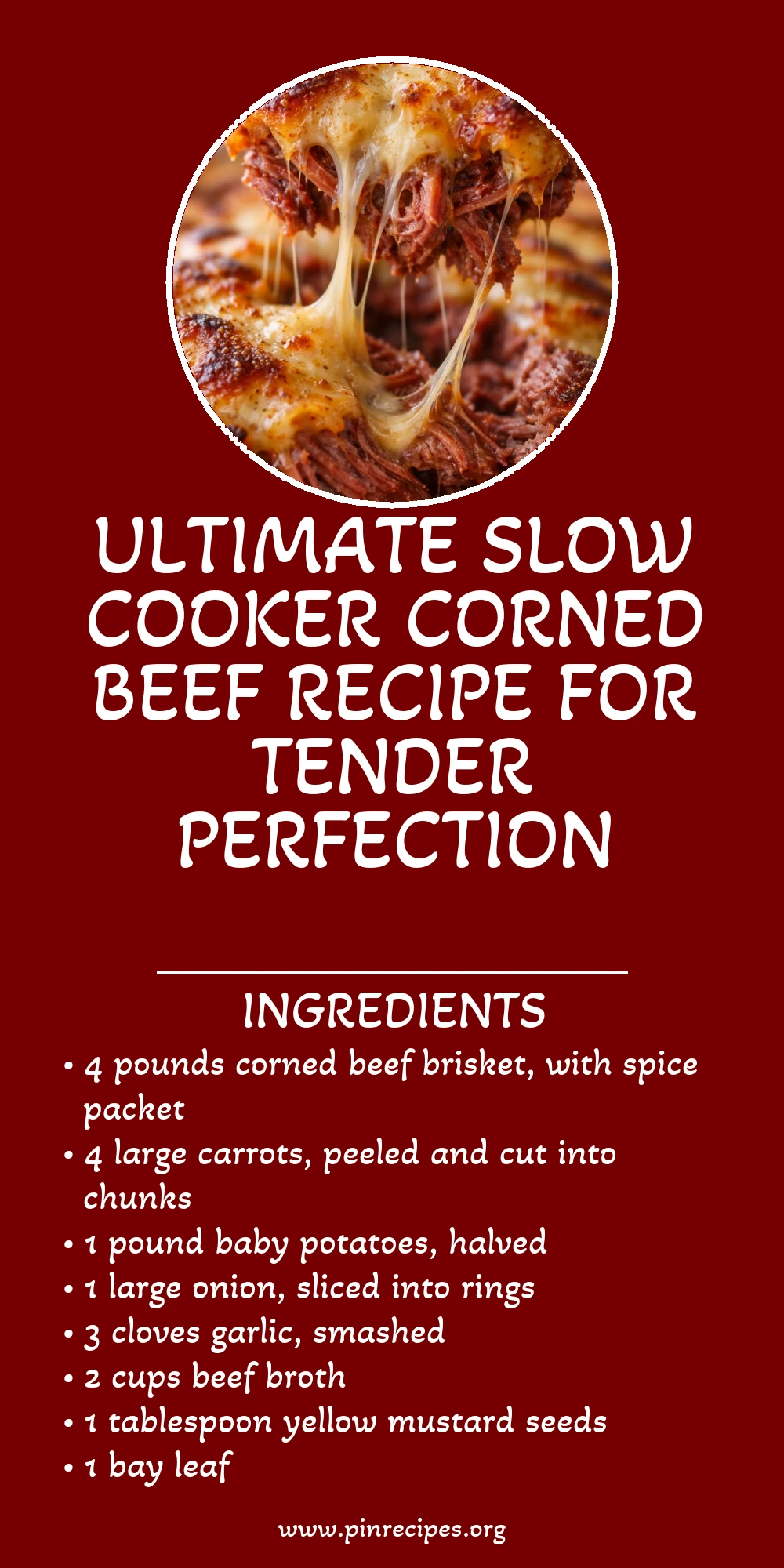
This slow cooker corned beef turns out melt-in-your-mouth tender every time. The secret? Low and slow cooking with a touch of mustard seeds. Ideal for a cozy weekend dinner with family!
Introduction
I first tried making corned beef in the slow cooker a few years ago, after a friend swore by it for an effortless St. Patrick’s Day meal. Before that, I’d always boiled it on the stovetop, which was fine but often left the meat a bit tough or dry. This slow cooker method changed everything. The low, slow heat gently breaks down the brisket’s connective tissue, making it incredibly tender without drying it out. What really sets this version apart is adding whole mustard seeds along with the seasoning packet. It infuses the meat with a subtle tang that’s missing in many recipes. Plus, I like layering the veggies underneath the beef so they soak up all those delicious cooking juices. When it’s done, the brisket practically falls apart, and the carrots and potatoes are perfectly soft but not mushy. It’s a no-fuss, hands-off recipe that feels like a real treat—perfect for a lazy weekend dinner or a festive family gathering. Just pop everything in the slow cooker in the morning, and dinner’s ready when you are!
How To Do It
Step 1
Start by rinsing the corned beef brisket under cold water to remove excess salt from the curing process. This step is crucial because it prevents the final dish from being overly salty. Pat it dry with paper towels. Then, place the sliced onions, carrots, and potatoes at the bottom of your slow cooker. This not only flavors the vegetables but also creates a natural rack to keep the meat elevated, ensuring even cooking and preventing the brisket from stewing in its own juices.
⏱ Time: 15 minutes
✓ Doneness: Vegetables should be evenly spread and the meat resting comfortably on top without touching the bottom
Step 2
Place the corned beef brisket on top of the veggies, fat side up if it has a fat cap. Sprinkle the mustard seeds over the meat along with the contents of the seasoning packet and add the smashed garlic cloves and bay leaf. Pour in the beef broth until it reaches about halfway up the sides of the brisket. This liquid level is key to slow cooking without drying out the meat. Avoid adding too much liquid, as the slow cooker will trap moisture and create plenty of steam.
⏱ Time: 10 minutes
✓ Doneness: Broth should cover the base but not submerge the brisket fully
Step 3
Cover the slow cooker with its lid and set it to low heat. Cooking on low for 8 to 10 hours allows the collagen in the brisket to break down gradually, resulting in tender, juicy meat. Resist the temptation to open the lid frequently, as this releases heat and extends cooking time. If you’re short on time, cooking on high for 4 to 5 hours is possible but may yield slightly less tender results.
⏱ Time: 8-10 hours
✓ Doneness: Meat is fork-tender and pulls apart easily
Step 4
About 30 minutes before serving, check the vegetables. They should be tender but not falling apart. If they need more time, leave the lid off to allow excess liquid to evaporate, thickening the cooking broth into a flavorful gravy. Stir the veggies gently to coat them with the juices, which are packed with the meat’s rich flavor and spices.
⏱ Time: 30 minutes
✓ Doneness: Vegetables are fork-tender and glossy from the cooking juices
Step 5
Once cooked, transfer the corned beef to a cutting board and let it rest for 10 minutes. Resting redistributes the juices throughout the meat, making each slice moist and flavorful. Meanwhile, keep the veggies warm in the slow cooker with the lid on. Slice the brisket against the grain into thick slices to maximize tenderness.
⏱ Time: 10 minutes
✓ Doneness: Meat juices are sealed in, and slices hold together without shredding
Step 6
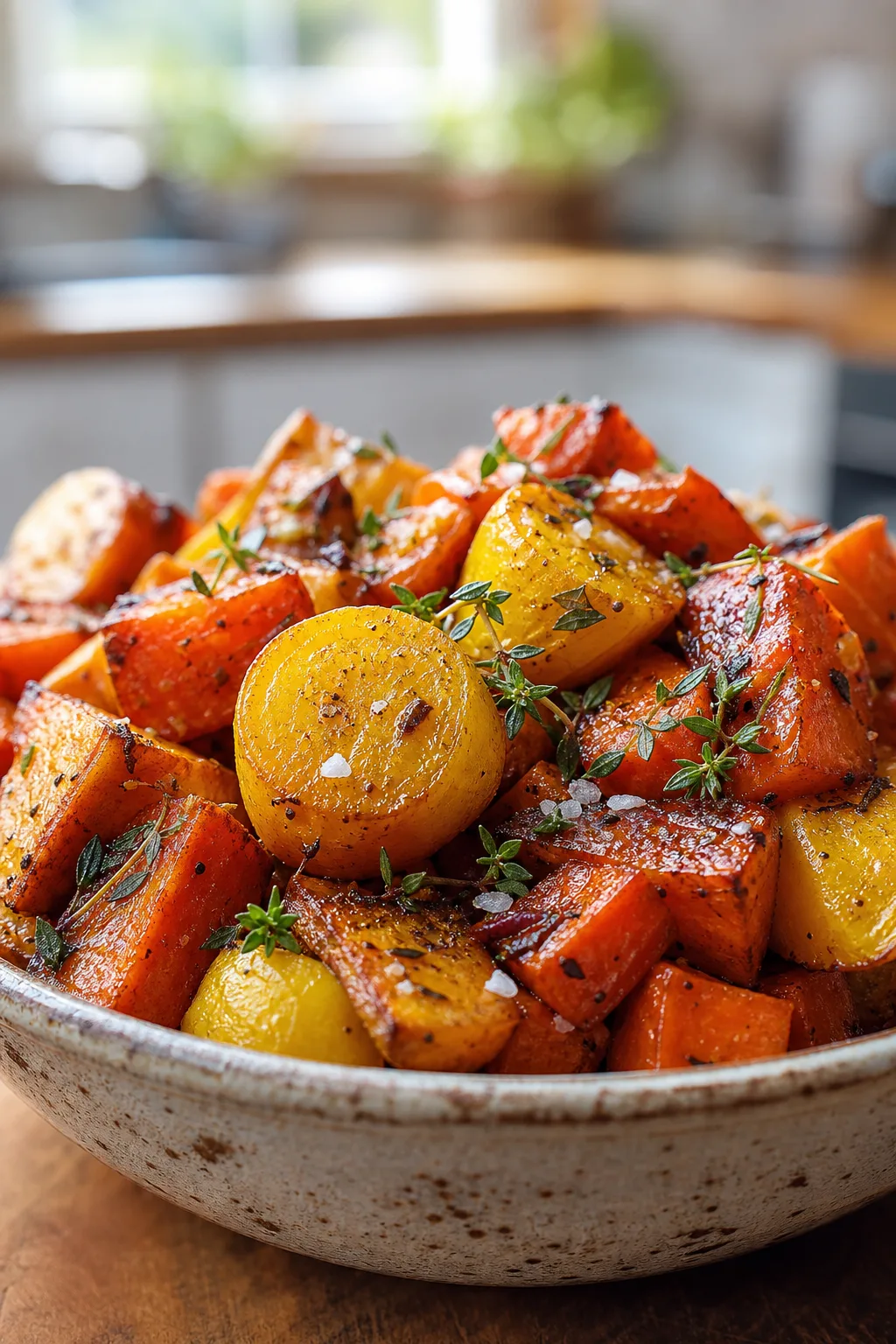
Serve the sliced corned beef with the cooked carrots, potatoes, and onions. Spoon some of the cooking liquid over the top for extra moisture and flavor. Garnish with freshly chopped parsley for a bright, fresh contrast that balances the richness of the dish.
⏱ Time: 5 minutes
✓ Doneness: Dish looks vibrant with contrasting colors and a glossy finish
Step 7
If you want to make a gravy, strain the cooking liquid into a saucepan and simmer over medium heat. Mix a tablespoon of cornstarch with cold water to create a slurry, then whisk it into the simmering liquid until thickened. This adds a lovely sauce to accompany the meat and vegetables.
⏱ Time: 10 minutes
✓ Doneness: Gravy is smooth, thickened, and coats the back of a spoon
Step 8
For leftovers, slice the remaining corned beef thinly and store it with some cooking liquid to keep it moist. This makes reheating easier and prevents the meat from drying out. Reheat gently on the stovetop or in the microwave with a splash of broth.
⏱ Time: 5 minutes
✓ Doneness: Leftovers are warm and juicy without drying
Step 9
Enjoy your slow cooker corned beef with classic sides like mustard, sauerkraut, or rye bread for an authentic experience. This recipe is perfect for a relaxed meal that feels special but requires minimal hands-on time.
⏱ Time: Serve immediately
✓ Doneness: Meal is well-balanced, flavorful, and satisfying
Pro Tips
Rinse the brisket thoroughly before cooking to reduce excess saltiness.
Corned beef is cured in a salty brine, which can lead to an overly salty final dish if not rinsed. Washing the meat removes surface salt and some of the curing solution, balancing the seasoning. Skipping this step can make the dish too salty and mask the other flavors.
Layer vegetables under the meat to elevate it and create a natural rack.
Placing veggies beneath the brisket prevents it from sitting directly on the slow cooker’s heating element, which can cause uneven cooking or burning. The vegetables also absorb flavorful juices, making them tastier. This technique improves texture and flavor in both meat and vegetables.
Cook on low heat for 8-10 hours rather than high for a shorter time.
Slow, gentle cooking breaks down tough connective tissue more effectively, resulting in tender meat. High heat can cook the meat faster but risks drying it out or making it tough. Low and slow also allows flavors to meld beautifully.
Let the meat rest after cooking before slicing.
Resting allows the juices to redistribute throughout the meat fibers rather than spilling out when sliced. This keeps the brisket moist and flavorful. Cutting immediately after cooking can lead to dry, stringy slices.
Use whole mustard seeds instead of ground for better flavor release.
Whole seeds release flavor gradually during the long cooking process, adding subtle complexity and texture. Ground mustard powder disperses quickly and can lose its punch or alter the texture of the cooking liquid.
Avoid opening the slow cooker lid frequently during cooking.
Each time you open the lid, heat escapes, extending cooking time and disrupting the moisture balance. Keeping the lid closed maintains a steady temperature and steam environment, ensuring tender results.
Simmer the cooking liquid into a gravy for a richer sauce.
Thickening the flavorful broth into gravy adds a luscious texture and intensifies the spices and meat juices. It’s an easy way to elevate the dish and make it feel more complete without extra effort.
Common Mistakes to Avoid
Not rinsing the corned beef before cooking
Why it happens Many assume the curing saltiness is balanced and don’t realize rinsing is necessary to prevent an overly salty dish.
Fix Always rinse the brisket under cold water for a few minutes and pat dry. This simple step controls salt levels and improves the final flavor.
Cooking on high heat to save time
Why it happens Impatience or lack of planning leads cooks to speed up the process, thinking it won’t affect texture.
Fix Plan ahead and use the low setting for 8-10 hours. This slow cooking breaks down collagen properly, yielding tender meat.
Submerging the brisket fully in liquid
Why it happens Some believe more liquid equals juicier meat, but too much water dilutes flavor.
Fix Add broth only halfway up the brisket sides. This concentrates flavors and allows the meat to brown slightly in the cooker.
Skipping the rest period before slicing
Why it happens Eagerness to serve often leads to cutting immediately after cooking.
Fix Let the meat rest 10 minutes off heat to let juices redistribute, ensuring moist slices.
Using starchy potatoes that turn to mush
Why it happens Not all potatoes behave the same; Russets break down quickly in slow cooking.
Fix Choose waxy potatoes like Yukon Gold or baby reds for firmer texture that holds up well.
Variations
Spiced Apple Cider Corned Beef
Swap half the beef broth for unsweetened apple cider and add cinnamon sticks for a subtle fruity warmth. This variation adds a hint of sweetness that pairs beautifully with the savory beef and spices. Expect a slightly tangier, more aromatic dish with a cozy fall vibe.
Note: Monitor liquid levels carefully to avoid overpowering sweetness; cooking time remains the same.
Beer-Braised Corned Beef
Replace the beef broth with a dark stout or porter beer for a richer, maltier flavor. This twist deepens the savory notes and adds complexity. The beer’s bitterness balances the saltiness and spices, creating a robust flavor profile.
Note: Use a beer with moderate bitterness to avoid overpowering the meat; cook on low for best results.
Slow Cooker Corned Beef and Cabbage
Add wedges of green cabbage during the last two hours of cooking for a classic pairing. The cabbage softens and soaks up the flavorful juices, making it a perfect side cooked right alongside the meat and veggies.
Note: Add cabbage late to prevent it from becoming mushy; timing is key for texture.
Spicy Mustard Corned Beef
Mix in a teaspoon of crushed red pepper flakes with the mustard seeds for a subtle heat that livens up the dish. This variation adds a gentle kick without overpowering the traditional flavors.
Note: Adjust spice level to taste; add the pepper flakes with the seasoning packet at the start.
Herbed Corned Beef with Fresh Thyme and Rosemary
Add sprigs of fresh thyme and rosemary to the slow cooker along with the bay leaf. These herbs add fragrant, earthy notes that complement the meat and enhance the overall aroma.
Note: Remove herb sprigs before serving to avoid woody textures; cooking time remains unchanged.
Nutrition
Per Serving:
Nutritional values are estimates and may vary based on specific ingredients used.
Storage & Tips
Room Temperature
Corned beef should not be left at room temperature for more than 2 hours to avoid bacterial growth. Cover leftovers loosely with foil if serving soon, but refrigerate promptly.
Refrigerator
Store cooked corned beef and vegetables in airtight containers for up to 4 days. Flavor may intensify but texture softens slightly. Reheat gently to avoid drying out the meat.
Freezer
Freeze corned beef and veggies in airtight containers or heavy-duty freezer bags for up to 3 months. Wrap tightly to prevent freezer burn. Thaw overnight in the refrigerator before reheating.
Reheating
Reheat leftovers on the stovetop over low heat with a splash of broth to keep moist, or microwave covered with a damp paper towel. Avoid overheating, which can make the meat tough.
Make Ahead
Prepare the corned beef and vegetables fully in the slow cooker, then refrigerate overnight. Reheat gently before serving. You can also slice the brisket ahead and store with cooking liquid to keep it moist.
FAQ
Can I cook corned beef on high in the slow cooker?
Yes, but it’s not ideal. Cooking on high for 4-5 hours can work if you’re short on time, but the meat may not become as tender or flavorful as with the low and slow method. Low heat breaks down collagen more effectively, resulting in juicier meat.
Do I have to use the seasoning packet that comes with the corned beef?
Not necessarily. The packet contains traditional pickling spices, but you can substitute with your own blend of mustard seeds, peppercorns, bay leaves, and coriander for a customized flavor. Just be sure to include some spices for authentic taste.
Can I add cabbage to the slow cooker?
Absolutely! Add cabbage wedges during the last 1-2 hours of cooking to prevent them from becoming mushy. The cabbage will soak up the delicious cooking juices and make a classic accompaniment to corned beef.
Why is my corned beef too salty?
It’s often due to not rinsing the brisket before cooking or using too much salty broth. Always rinse the meat well under cold water and use low-sodium or diluted broth to control salt levels. Taste and adjust seasoning before serving.
Can I freeze leftover cooked corned beef?
Yes, cooked corned beef freezes well for up to 3 months. Store it with some cooking liquid in an airtight container or freezer bag. Thaw slowly in the refrigerator before reheating to maintain moisture and texture.
What’s the best way to slice corned beef?
Slice against the grain in thin, even slices. This breaks up the muscle fibers, making the meat easier to chew and more tender. Slicing with the grain can result in tougher, stringier pieces.
Can I make this recipe in an Instant Pot?
Yes! Use the pressure cooker function and cook for about 90 minutes with natural release. This speeds up cooking but may slightly alter texture compared to slow cooking. Follow your Instant Pot manual for best results.
How do I avoid mushy vegetables?
Cut vegetables into larger chunks and add softer ones like cabbage later in the cooking process. Also, avoid overcooking by checking tenderness near the end and removing veggies once fork-tender.
Final Thoughts
Give this slow cooker corned beef a try for a comforting, hands-off meal that’s full of flavor. I’d love to hear how it turns out for you—don’t forget to share your photos and tips!