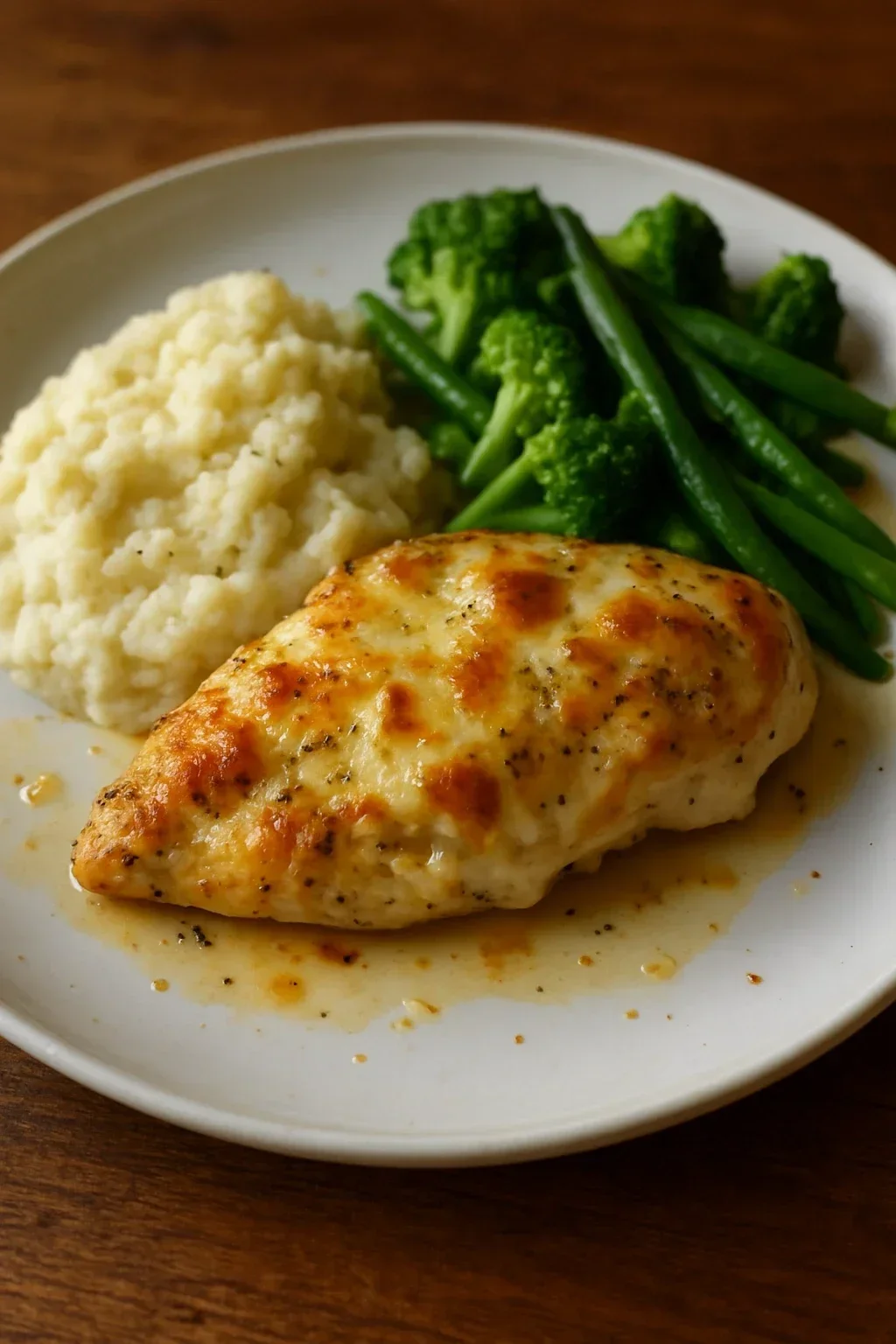
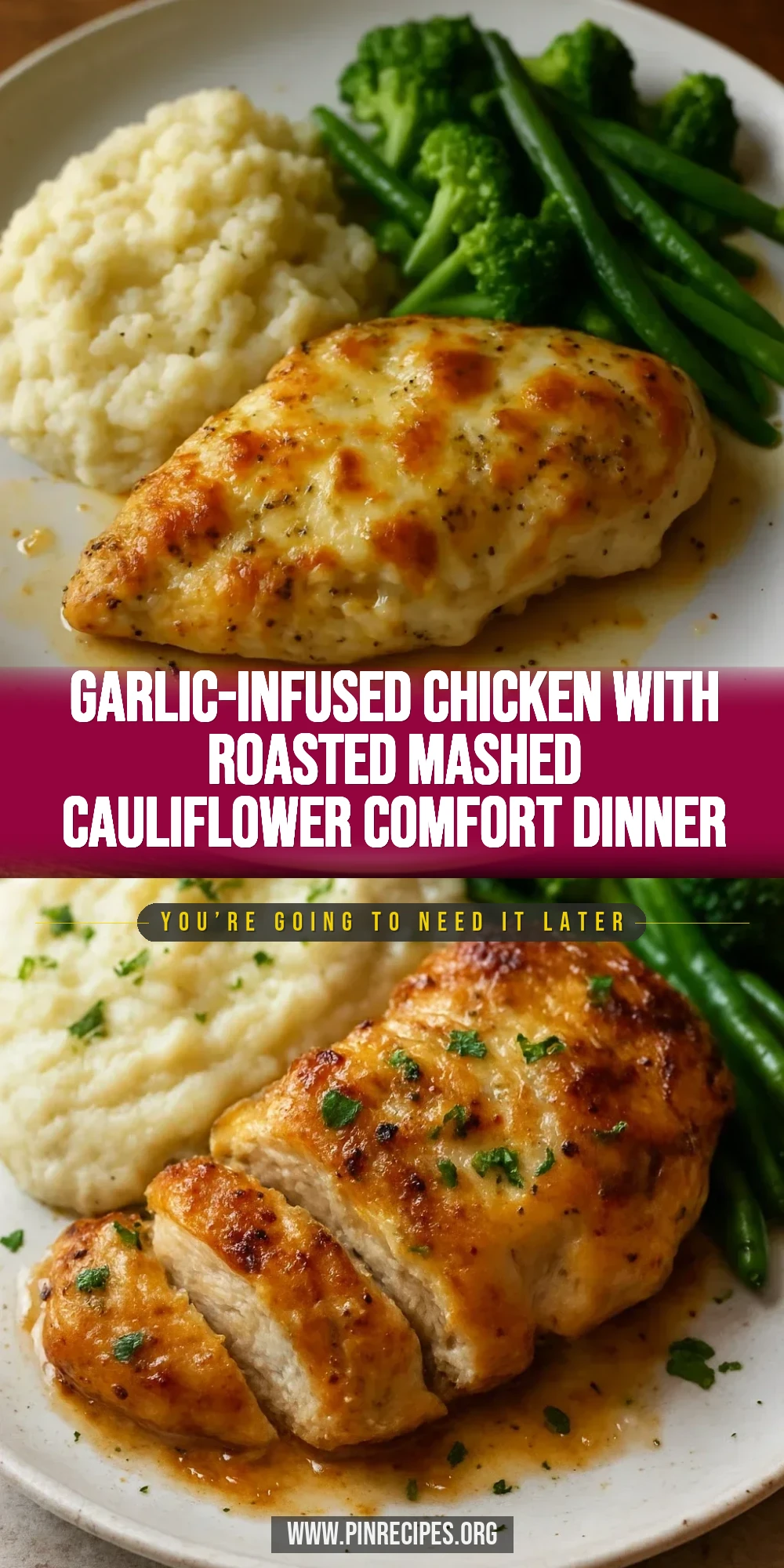
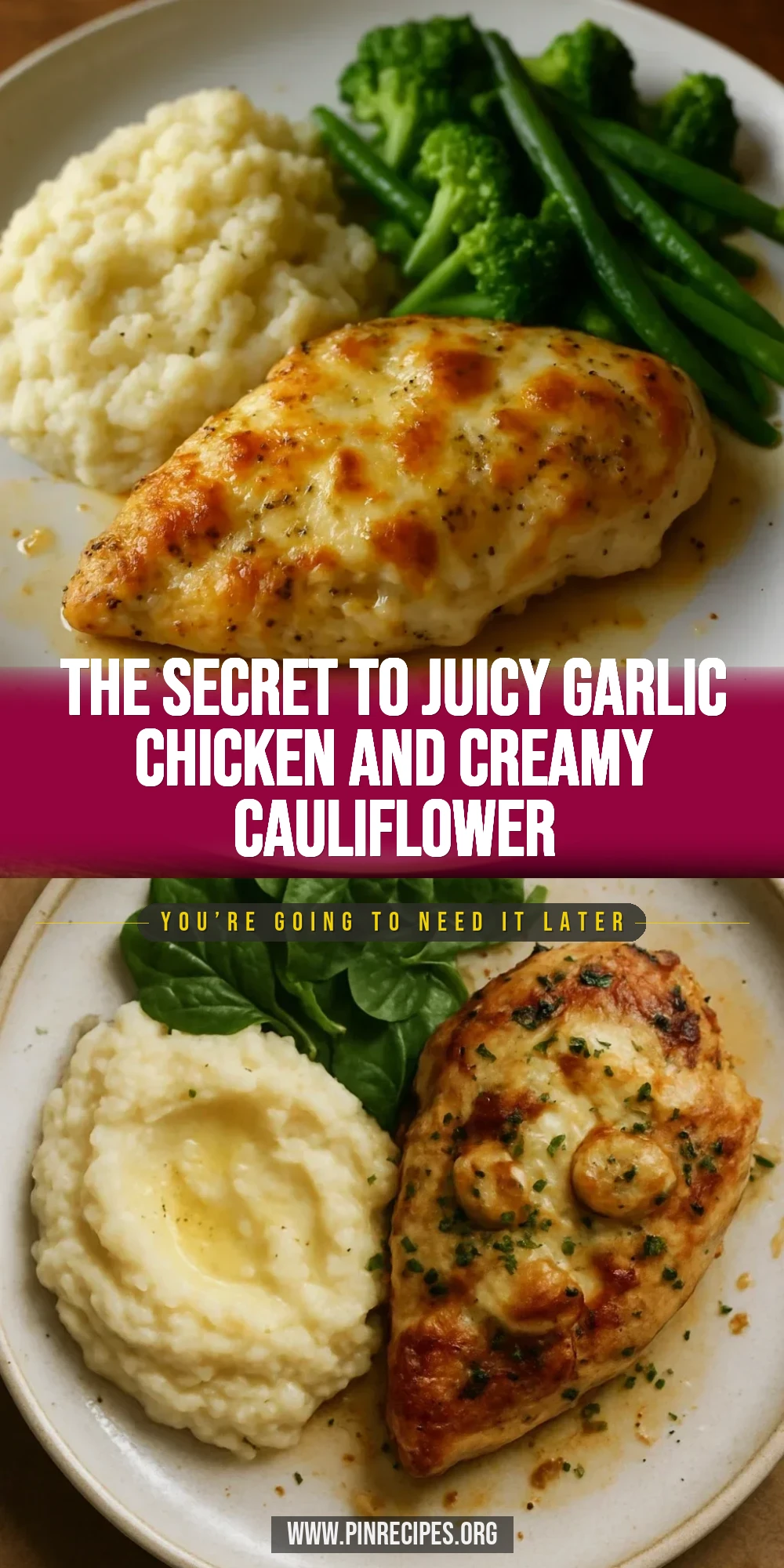
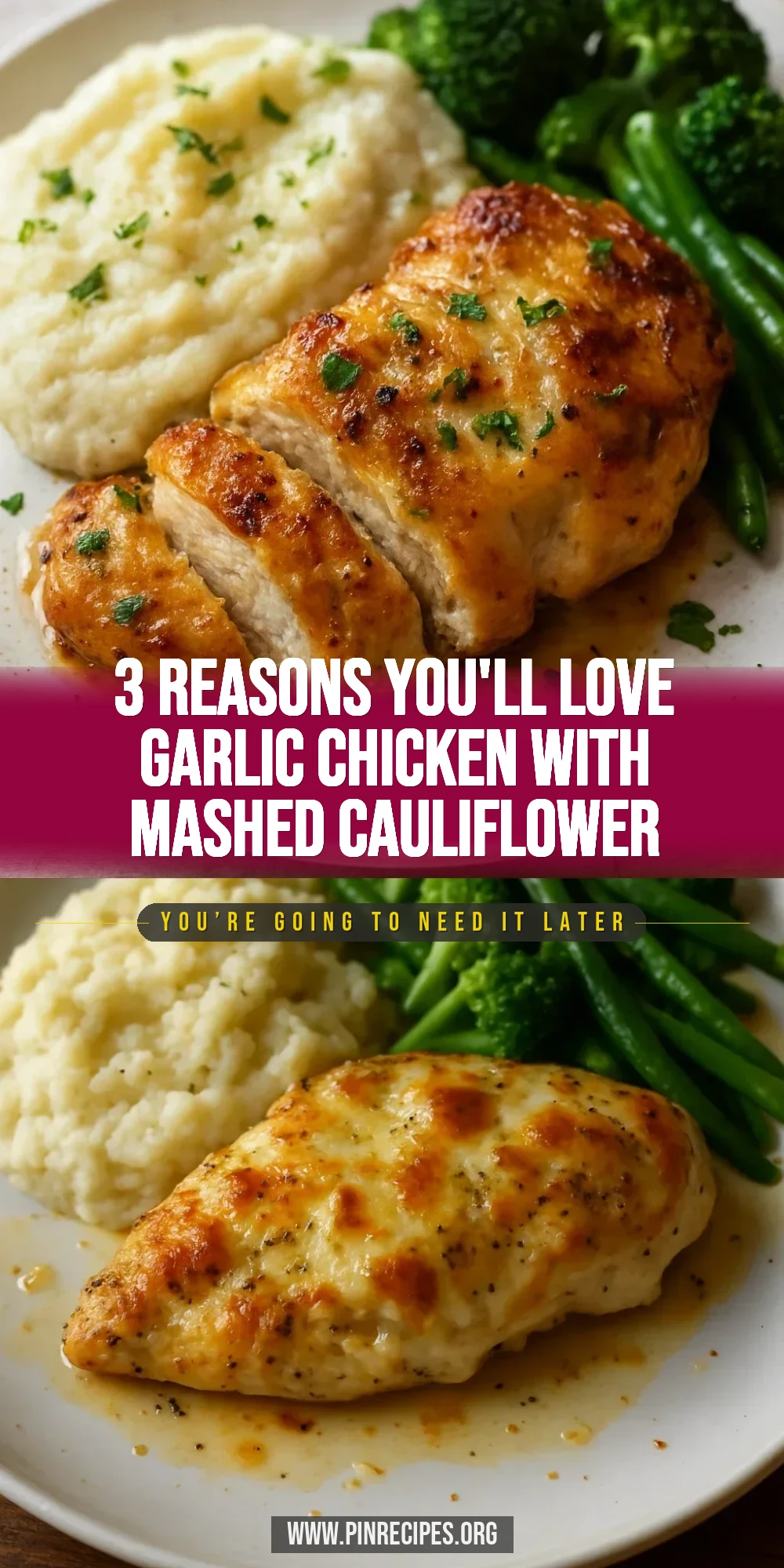
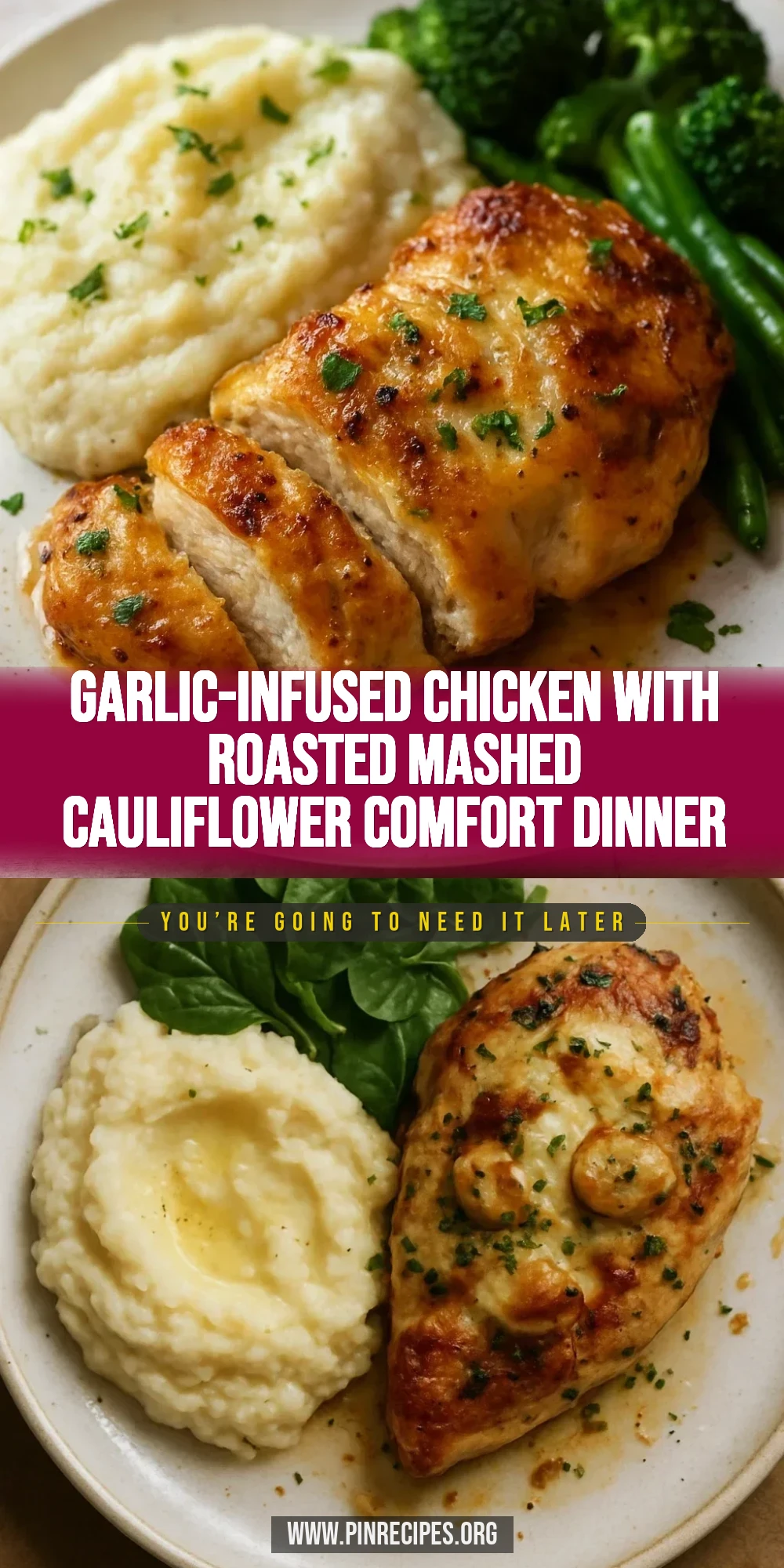
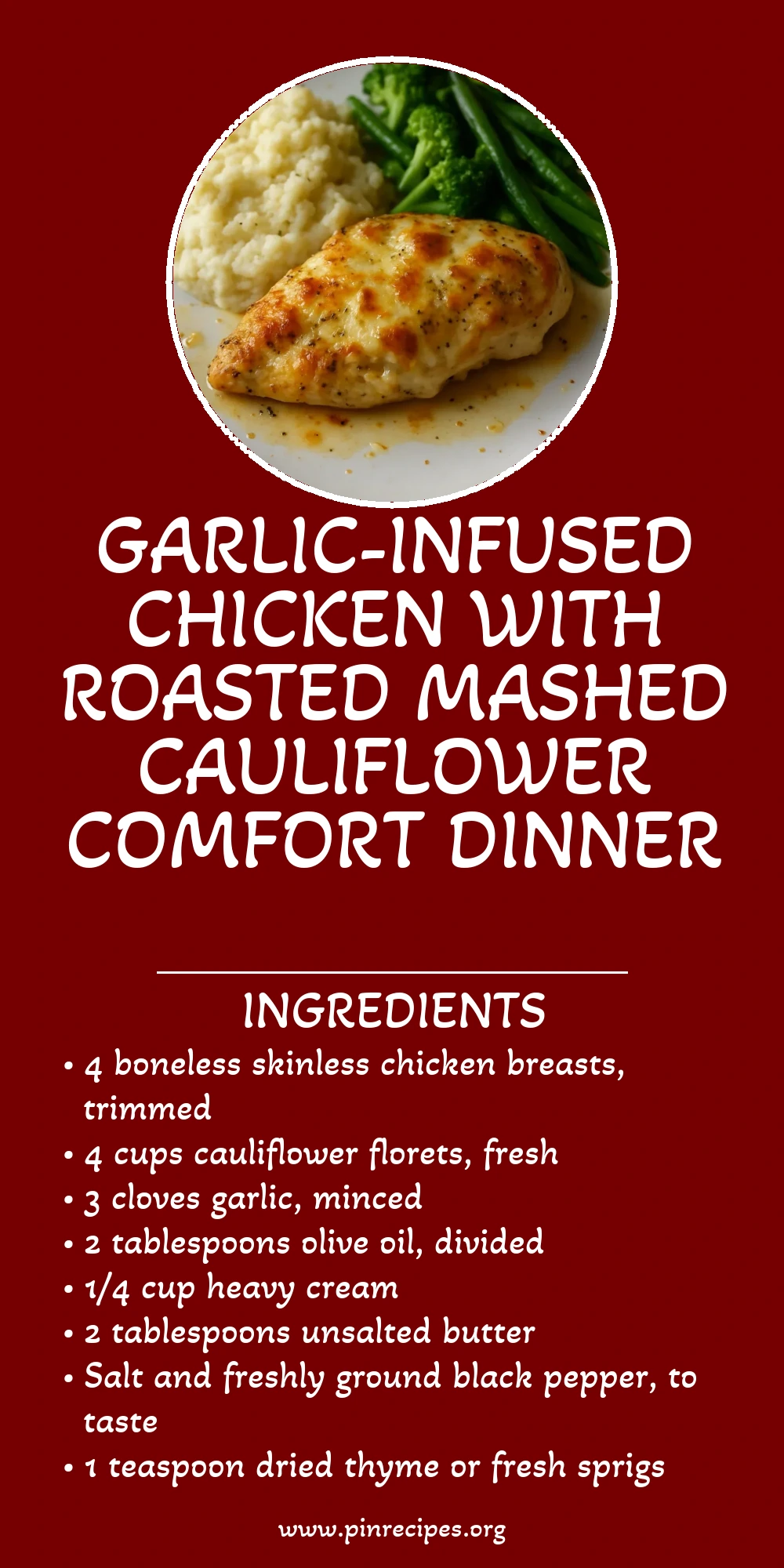
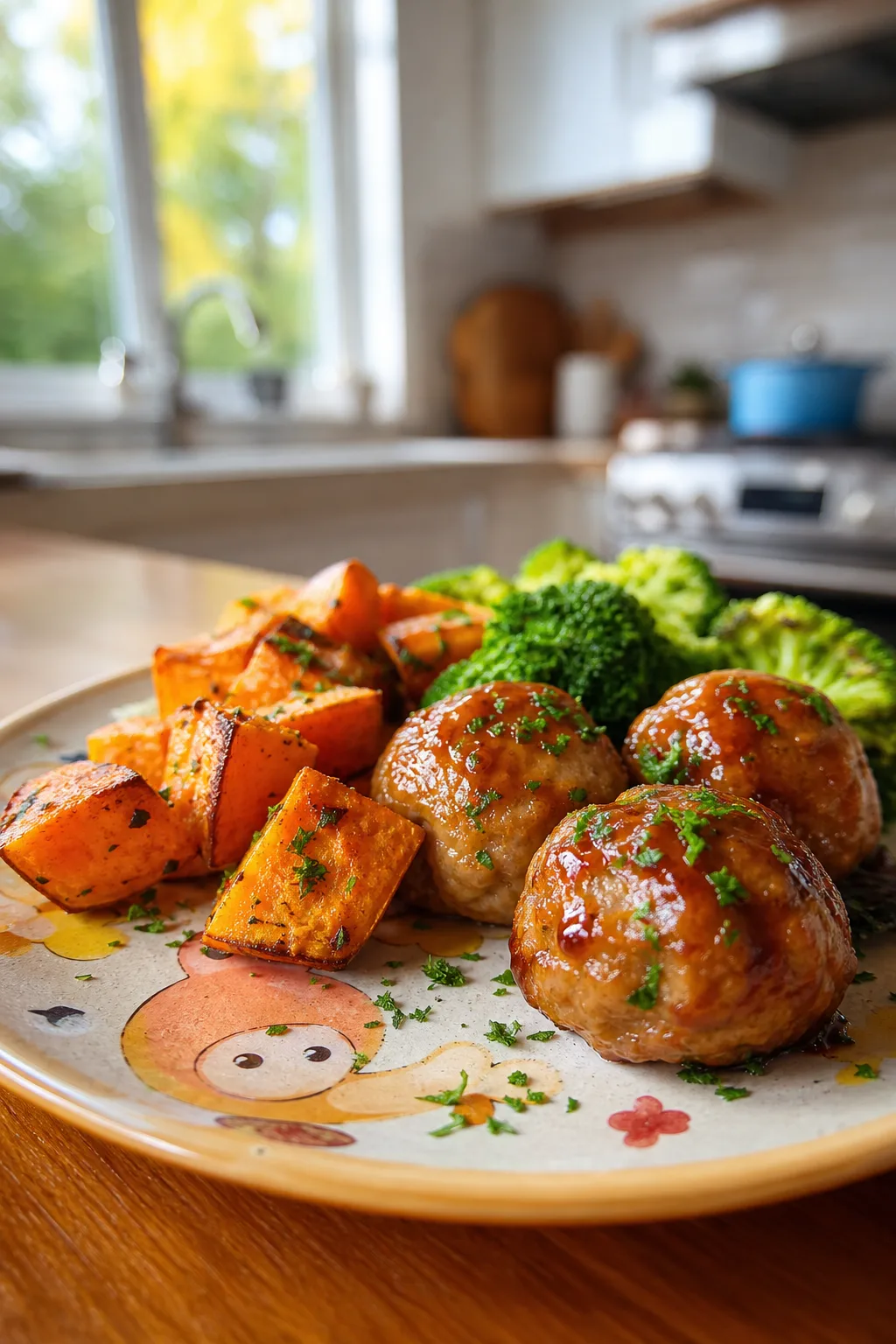
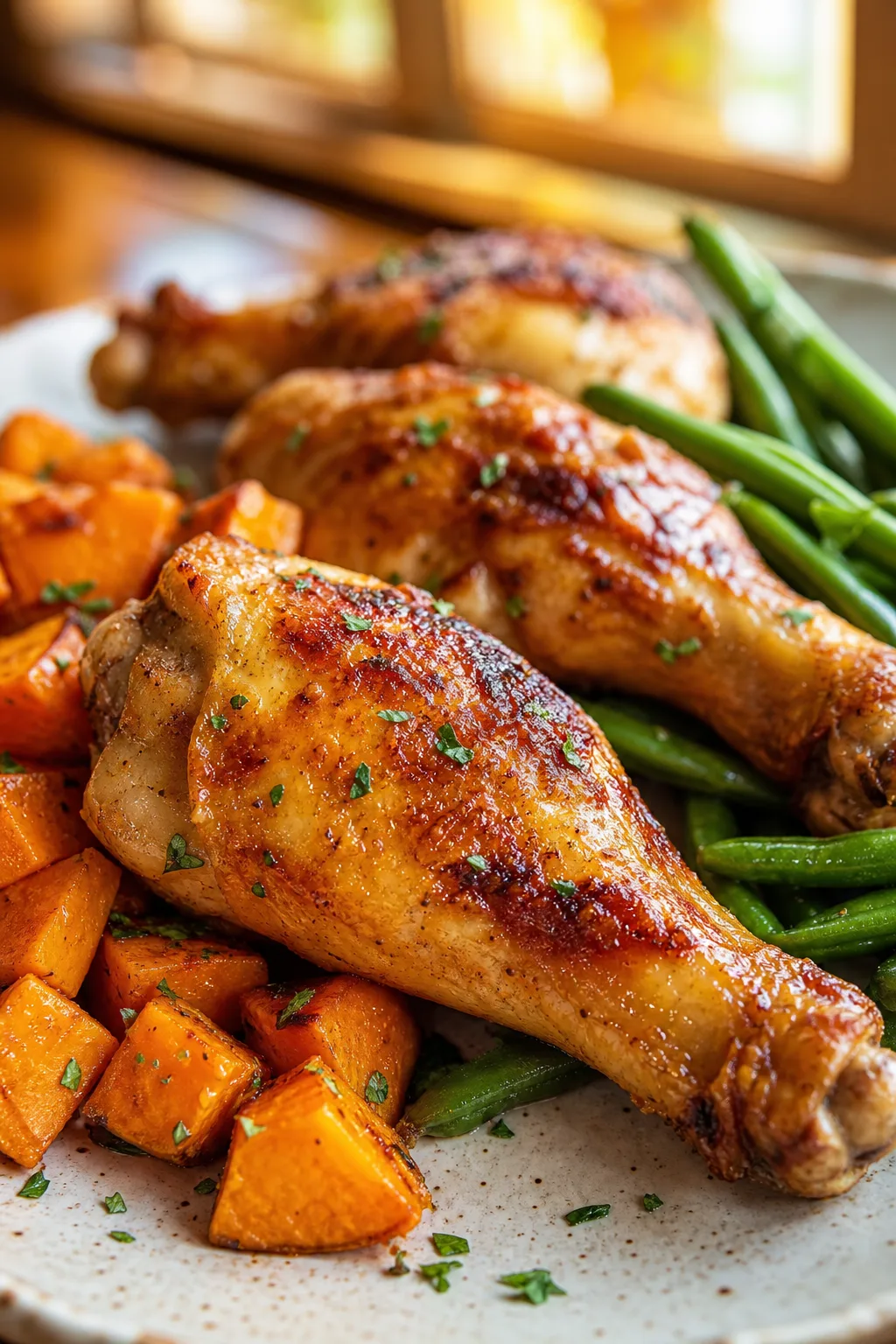
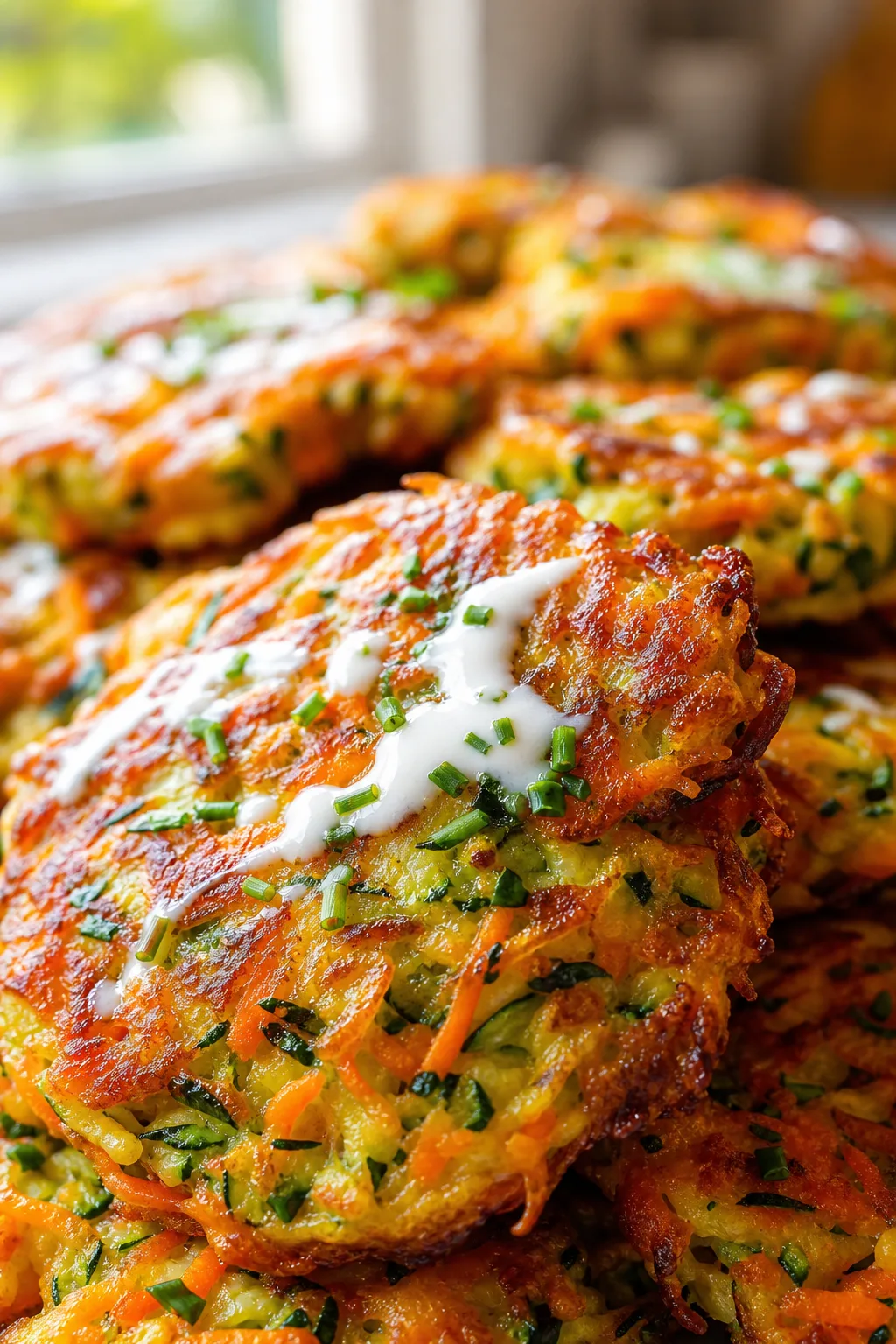
This cozy dinner pairs juicy garlic chicken with creamy mashed cauliflower roasted to bring out its natural sweetness. It’s filling but lighter than mashed potatoes—perfect for chilly nights when you want comfort without the heaviness.
Introduction
I first stumbled upon this garlic chicken with roasted mashed cauliflower recipe when I wanted something comforting but lighter than my usual heavy meals. The trick I learned was roasting the cauliflower first—it caramelizes the edges and adds a subtle sweetness that mashed cauliflower usually lacks. It totally elevates the dish and pairs beautifully with the garlic-infused chicken. I remember my first attempt was a bit bland because I skipped the roasting step, so don’t skip that! This dish has become a go-to for cooler evenings when you want a satisfying meal that won’t leave you feeling weighed down. The chicken stays juicy and flavorful thanks to a simple garlic marinade, while the cauliflower mash is silky smooth with a buttery finish. It’s the kind of dinner that feels cozy and indulgent but still fresh and balanced. Plus, it’s gluten-free and keto-friendly, which is always a win in my book.
How To Do It
Step 1
Preheat your oven to 425°F (220°C). Toss the cauliflower florets with 1 tablespoon of olive oil, salt, and pepper. Spread them out in a single layer on a baking sheet. Roasting at high heat caramelizes the cauliflower’s natural sugars and brings out a deeper, sweeter flavor. Be sure not to overcrowd the pan—this helps the cauliflower roast evenly instead of steaming. Roast for about 20-25 minutes until the edges are golden and tender when pierced with a fork.
⏱ Time: 25 minutes
✓ Doneness: Cauliflower florets are tender and have golden brown edges with a sweet roasted aroma.
Step 2
While the cauliflower roasts, heat 1 tablespoon of olive oil in a large skillet over medium heat. Season the chicken breasts with salt, pepper, and thyme. Add the minced garlic to the oil and cook for about 30 seconds until fragrant—don’t let it burn or it will taste bitter. Add the chicken to the pan and cook for 6-7 minutes on each side until golden brown and cooked through, reaching an internal temperature of 165°F (74°C). Cooking the garlic first infuses the oil, which flavors the chicken beautifully.
⏱ Time: 15 minutes
✓ Doneness: Chicken is golden brown on both sides and juices run clear when pierced.
Step 3
Once the cauliflower is roasted, transfer it to a food processor or blender. Add the butter and heavy cream, then puree until smooth and creamy. If you prefer a chunkier texture, mash it by hand with a potato masher. Taste and adjust seasoning with salt and pepper. The roasting adds sweetness and depth, so the mash doesn’t need much else.
⏱ Time: 5 minutes
✓ Doneness: Cauliflower mash is silky smooth with a rich, buttery aroma and no large chunks.
Step 4
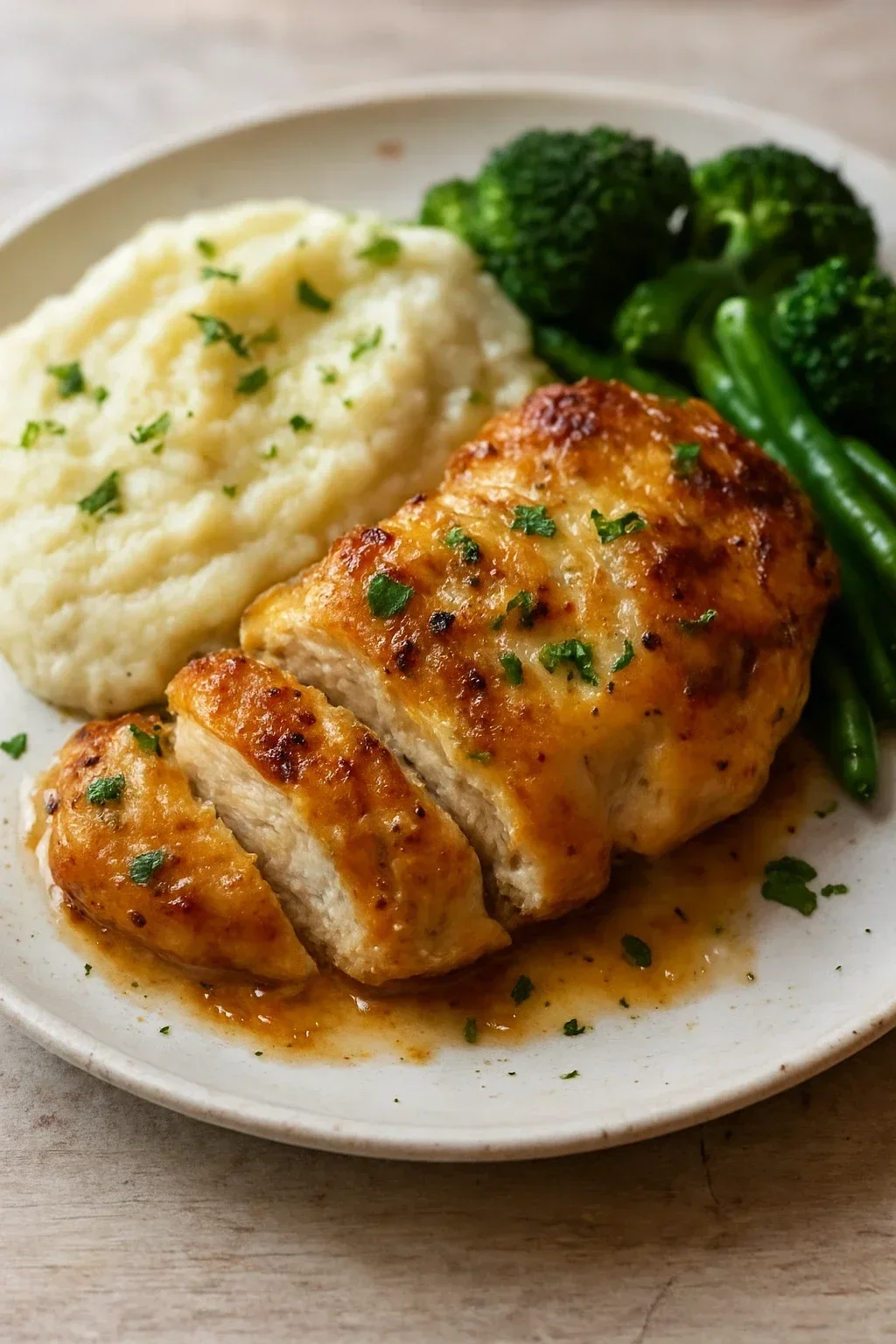
Serve the garlic chicken breasts hot alongside a generous scoop of roasted mashed cauliflower. Garnish with fresh thyme or parsley if you like. The contrast between the tender, savory chicken and the sweet, creamy cauliflower is what makes this dish so satisfying. It’s a simple but elegant meal that looks great on the plate too.
⏱ Time: 2 minutes
✓ Doneness: Plated dish looks vibrant with golden chicken and creamy white mash, garnished with herbs.
Step 5
For an extra flavor boost, you can deglaze the pan after cooking the chicken with a splash of chicken broth or white wine. Scrape up the browned bits and reduce the liquid to a glossy sauce, then drizzle over the chicken. This step adds complexity without much effort and keeps the chicken moist.
⏱ Time: 3 minutes
✓ Doneness: Sauce is slightly thickened with a shiny finish and rich aroma.
Step 6
If you want a lighter mash, swap the heavy cream for unsweetened almond milk or broth. The texture will be less rich but still creamy. Adjust the amount you add gradually so you don’t make it too runny.
⏱ Time: 2 minutes
✓ Doneness: Mash remains creamy without becoming watery or too thin.
Step 7
Let the chicken rest for 5 minutes after cooking before slicing. This lets the juices redistribute so the meat stays juicy and tender rather than drying out when cut.
⏱ Time: 5 minutes
✓ Doneness: Chicken feels firm but springy, and juices are clear when sliced.
Step 8
Feel free to add roasted garlic cloves to the mash for an extra hit of garlic flavor. Just roast a whole garlic bulb alongside the cauliflower, squeeze out the soft cloves, and blend them in. It adds a mellow, caramelized garlic taste that’s less sharp than raw garlic.
⏱ Time: 5 minutes
✓ Doneness: Mash has a subtle sweet garlic aroma and richer flavor.
Step 9
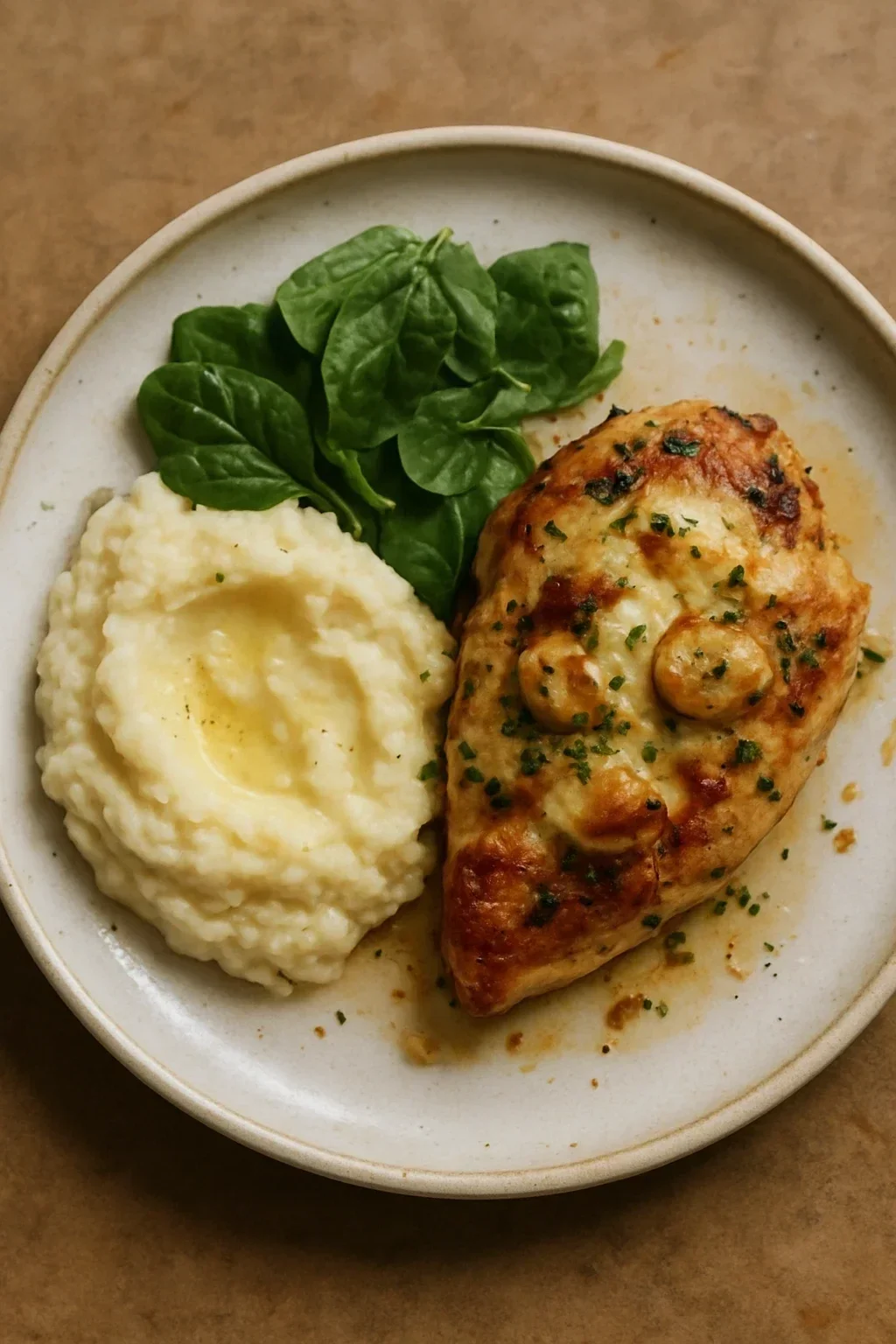
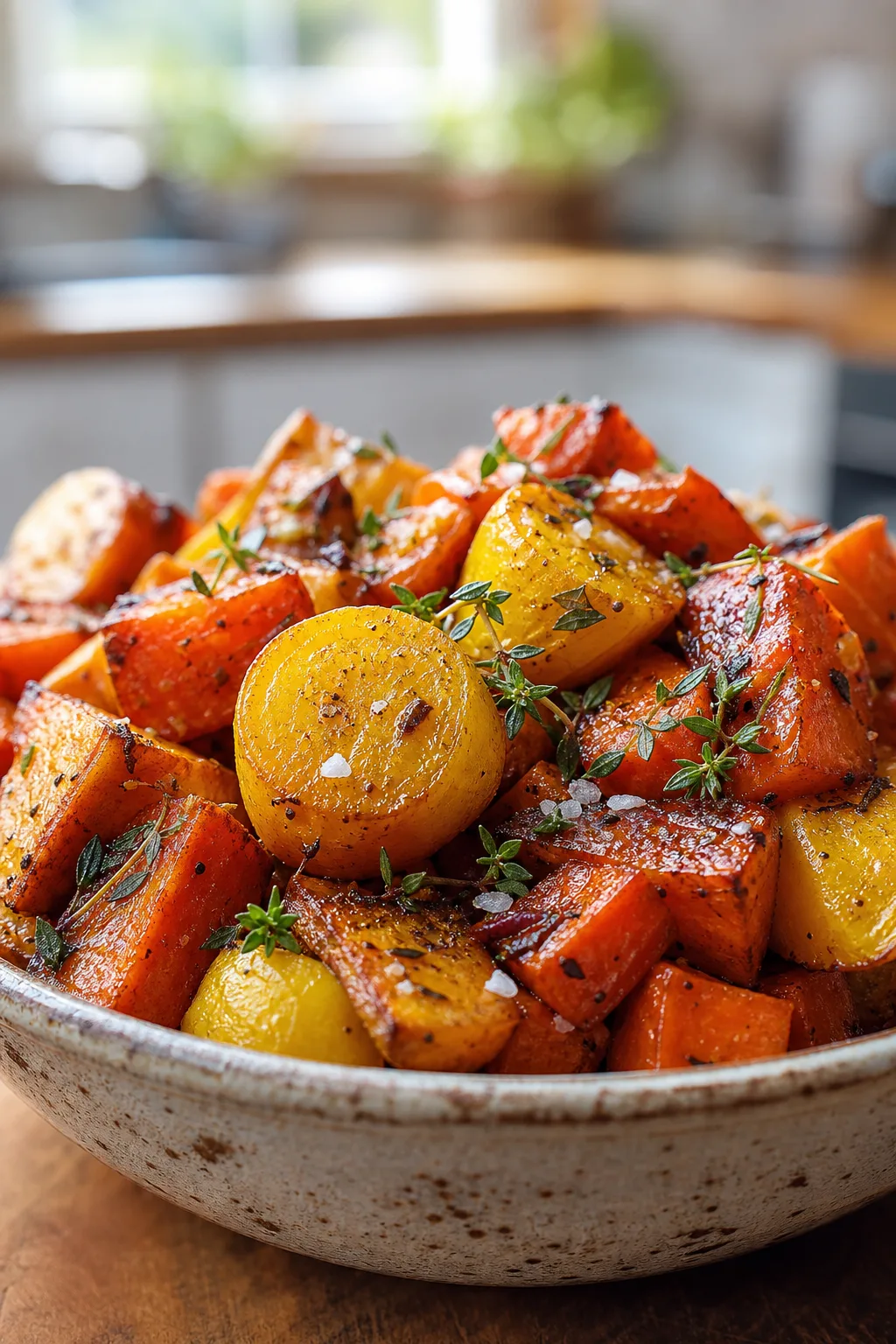
To make this meal a complete plate, serve with a side of sautéed greens or a crisp salad. The freshness cuts through the richness and adds color and texture. I love pairing this dish with garlicky kale or spinach.
⏱ Time: Optional side prep time varies
✓ Doneness: Sides are bright, tender, and complement the main dish.
Pro Tips
Don’t overcrowd the roasting pan when cooking cauliflower.
If the florets are too crowded, they steam instead of roast, losing that delicious caramelized flavor. Giving them space ensures the heat circulates properly, producing golden crispy edges that add texture and depth.
Let the chicken rest after cooking before slicing.
Resting allows the meat fibers to relax and reabsorb juices, so when you slice into the chicken, it stays moist instead of drying out. It’s a simple step that really makes a difference in tenderness.
Use fresh garlic and cook it gently in olive oil before adding chicken.
This infuses the oil with garlic flavor without burning it, which would cause bitterness. The gentle cooking releases aroma and flavor compounds that penetrate the chicken during searing.
Puree the cauliflower with butter and cream while it’s still warm.
Warm cauliflower absorbs fats better, which helps create a creamy smooth texture. If you wait until it cools, the mash can become gluey or uneven in texture.
Season each component separately.
Salting both the cauliflower before roasting and the chicken before cooking ensures balanced flavor throughout. It also helps draw out moisture from cauliflower, improving roasting.
Use a food processor for the smoothest mash.
While hand-mashing is fine, the food processor breaks down fibers more thoroughly, creating a silky texture similar to mashed potatoes without lumps.
Add fresh herbs last minute for brightness.
Herbs like thyme or parsley lose their punch when cooked too long. Adding them right before serving preserves their fresh aroma and vibrant color.
Common Mistakes to Avoid
Skipping the roasting step on cauliflower
Why it happens People often try to speed things up by steaming or boiling cauliflower instead of roasting it, thinking it’s easier or faster.
Fix Take the extra time to roast the cauliflower at a high temperature in a single layer. This caramelizes the sugars and adds flavor depth. Even if it takes a few extra minutes, the taste difference is worth it.
Burning garlic when sautéing
Why it happens Garlic cooks quickly and can burn if the heat is too high or it’s left unattended, resulting in bitterness.
Fix Use medium heat and add the garlic to the oil just before the chicken. Stir constantly and remove from heat if it starts to brown too fast.
Cutting the chicken immediately after cooking
Why it happens Impatience or rushing to plate can cause juices to spill out, leading to dry chicken.
Fix Let the cooked chicken rest for at least 5 minutes to retain moisture and tenderness.
Overcrowding the pan when searing chicken
Why it happens Trying to cook everything at once causes steaming instead of searing, preventing a nice crust.
Fix Cook chicken in batches if necessary, giving each piece space for the best golden crust.
Using cold cream or butter in mash
Why it happens Cold dairy can cause the mash to seize or become gluey.
Fix Warm the cream and melt the butter before adding them to the hot cauliflower for a smooth, creamy texture.
Variations
Spicy Garlic Chicken with Cauliflower Mash
Add a pinch of red pepper flakes to the garlic sauté and sprinkle smoked paprika on the chicken before cooking. This adds a gentle heat and smoky undertone that pairs beautifully with the creamy mash.
Note: Watch the garlic carefully to prevent burning with the added spices; reduce sauté time slightly.
Herb and Lemon Cauliflower Mash
Mix fresh lemon zest and chopped parsley into the cauliflower mash for a bright, fresh twist. This variation lightens the dish and adds a zing that’s perfect for spring or summer dinners.
Note: Add lemon zest after pureeing to preserve freshness; lemon juice may thin the mash if added too early.
Vegan Garlic Cauliflower Mash
Replace butter and cream with coconut milk and vegan butter. Use olive oil to sauté the garlic and opt for tofu or tempeh instead of chicken for a plant-based version with similar flavors and texture.
Note: Coconut milk will add a slight sweetness and change texture; adjust seasoning accordingly.
Cheesy Cauliflower Mash
Stir in freshly grated Parmesan or sharp cheddar into the mash after blending. This adds richness and umami, making the dish feel more indulgent — great for a comforting weeknight meal.
Note: Add cheese off heat to prevent it from clumping or separating.
Roasted Garlic and Mushroom Chicken
Include roasted garlic cloves in the mash and sauté sliced mushrooms with the chicken. Mushrooms add earthy depth and pair well with the roasted flavors of the cauliflower and garlic.
Note: Sauté mushrooms separately to avoid excess moisture and add to the plate at the end.
Nutrition
Per Serving:
Nutritional values are estimates and may vary based on specific ingredients used.
Storage & Tips
Room Temperature
This dish can safely sit at room temperature for up to 2 hours if covered loosely with foil or a clean towel. Beyond that, bacteria can grow, so refrigerate promptly.
Refrigerator
Store leftovers in an airtight container for up to 3 days. The chicken may dry out slightly, so reheat gently with a splash of broth or water to keep it moist. Cauliflower mash thickens but reheats well in microwave or stovetop.
Freezer
Freeze cooked chicken and cauliflower mash separately in airtight containers or freezer bags for up to 2 months. Wrap well to prevent freezer burn. Thaw overnight in fridge before reheating.
Reheating
Reheat chicken in a skillet over medium-low heat with a splash of broth to prevent drying. Microwave cauliflower mash covered with a damp paper towel, stirring occasionally until heated through. Avoid high heat which can dry out both components.
Make Ahead
Roast the cauliflower and prepare the mash up to 2 days ahead. Store separately from chicken. Chicken can be marinated and prepped a day ahead but cook fresh for best texture. Reheat everything gently before serving.
FAQ
Can I use frozen cauliflower for the mash?
Yes, but frozen cauliflower tends to release more water, which can make the mash watery. To avoid this, thaw the cauliflower completely and pat dry with paper towels before roasting. Roasting still helps concentrate flavor, but the texture might be less firm compared to fresh.
How do I know when the chicken is fully cooked?
The safest way is to use an instant-read thermometer; the internal temperature should reach 165°F (74°C). If you don’t have one, cut into the thickest part — the juices should run clear with no pink. Also, the chicken should feel firm but springy to touch.
Can I make the cauliflower mash dairy-free?
Absolutely! Substitute heavy cream and butter with coconut milk, almond milk, or vegan butter. Just be aware this may slightly change the flavor and texture, giving it a lighter or more coconutty taste depending on the substitute.
What’s the best way to keep the chicken juicy?
Avoid overcooking and give the chicken a 5-minute rest after cooking. This resting period allows juices to redistribute so the meat stays moist rather than drying out when sliced.
Can I prepare this dish ahead of time?
You can roast and mash the cauliflower 1-2 days in advance and keep it refrigerated. The chicken is best cooked fresh but can be marinated ahead. Reheat gently to keep everything moist and flavorful.
How do I prevent garlic from burning?
Cook garlic over medium or medium-low heat and add it to the oil just before the chicken. Keep stirring and watch carefully — garlic burns quickly and turns bitter if left unattended or cooked at too high heat.
What sides go well with this meal?
Sautéed greens like spinach or kale, a fresh salad, or roasted vegetables are great choices. They add brightness and texture contrast that complement the creamy mash and savory chicken.
Can I use chicken thighs instead of breasts?
Yes, bone-in or boneless thighs work well and tend to be more forgiving since they stay juicy longer. Adjust cooking time accordingly: thighs usually need a bit longer to cook through.
Final Thoughts
I hope you give this garlic-infused chicken with roasted mashed cauliflower a try—it’s such a comforting, flavorful meal that's surprisingly easy to make. Let me know how it turns out!