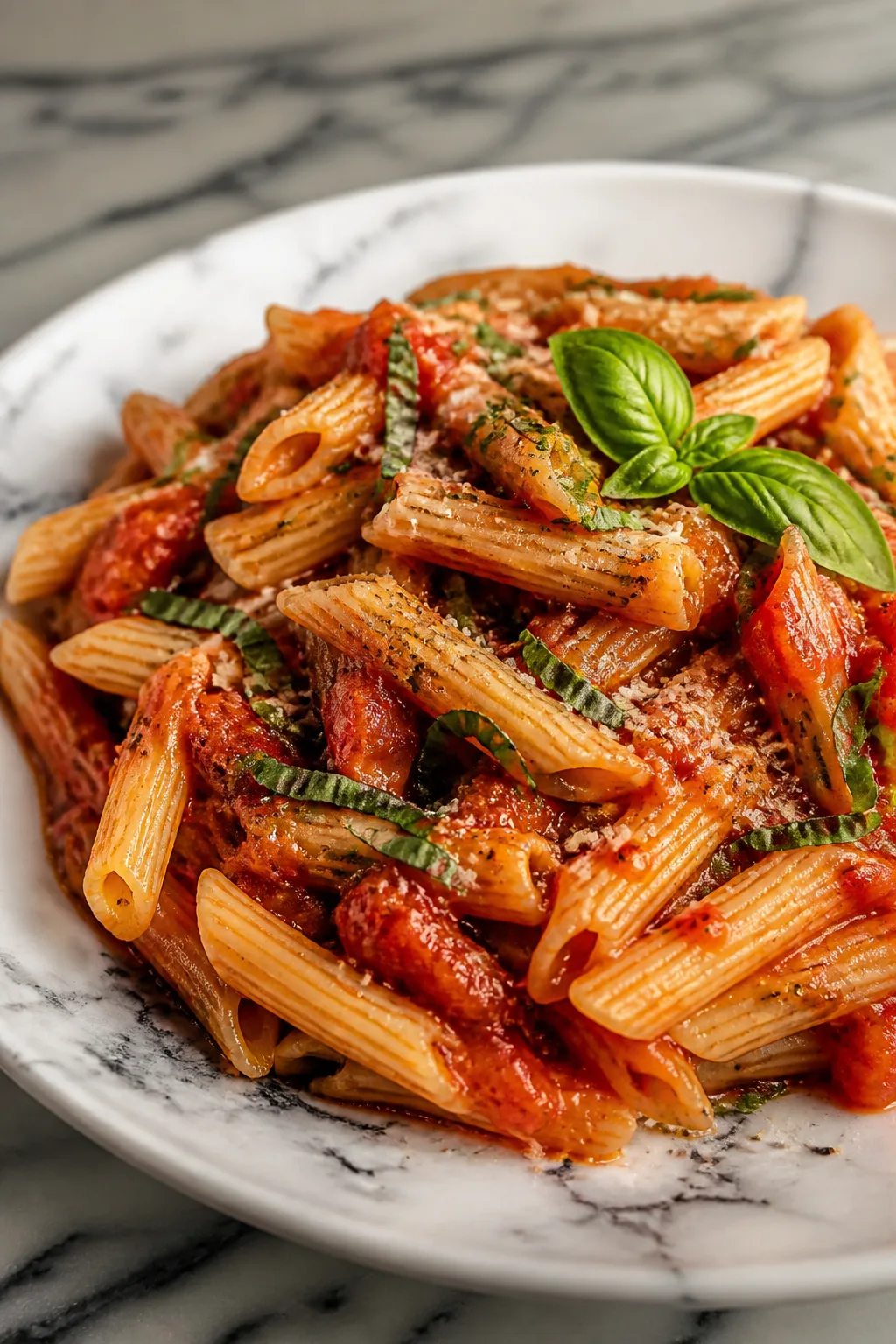
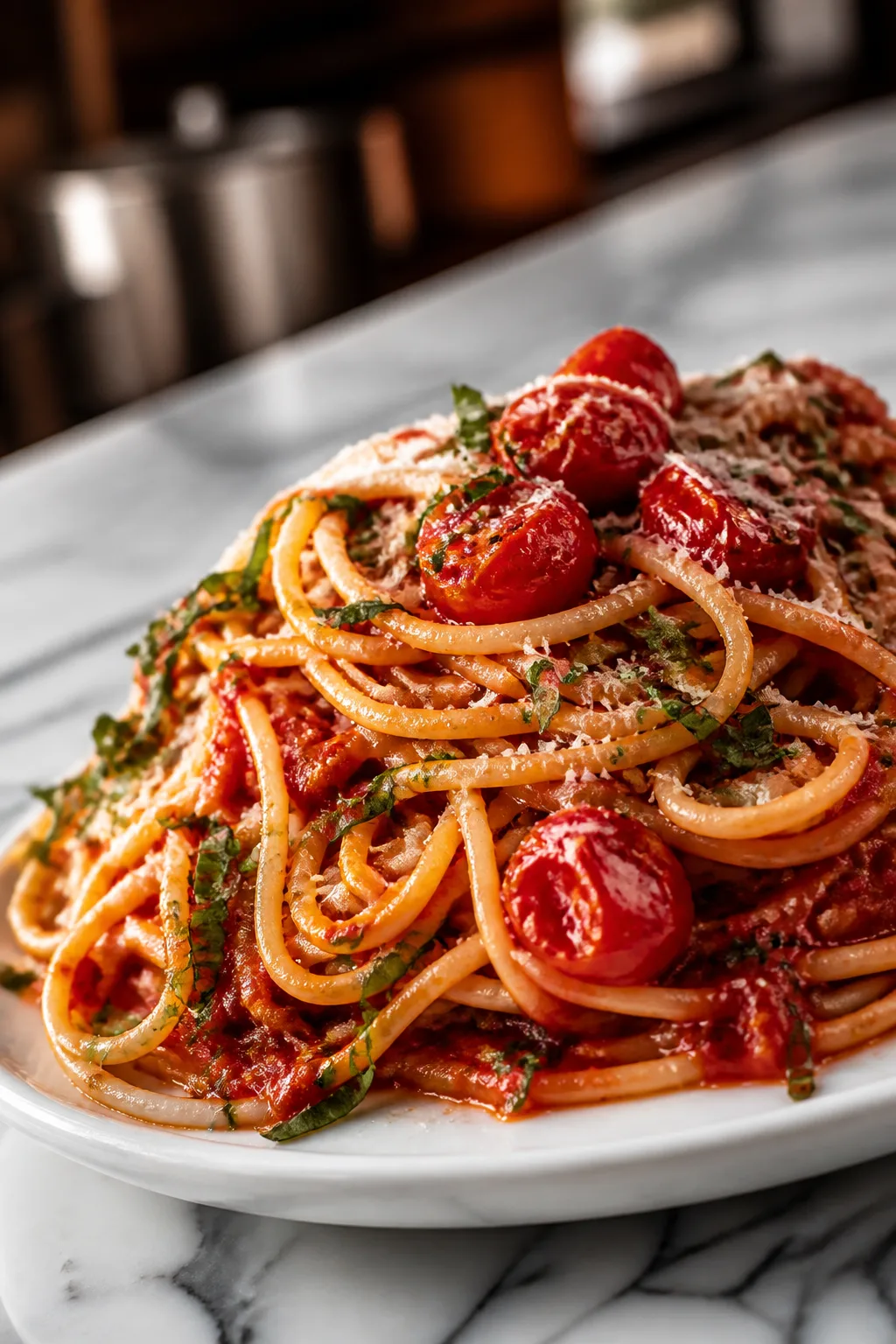
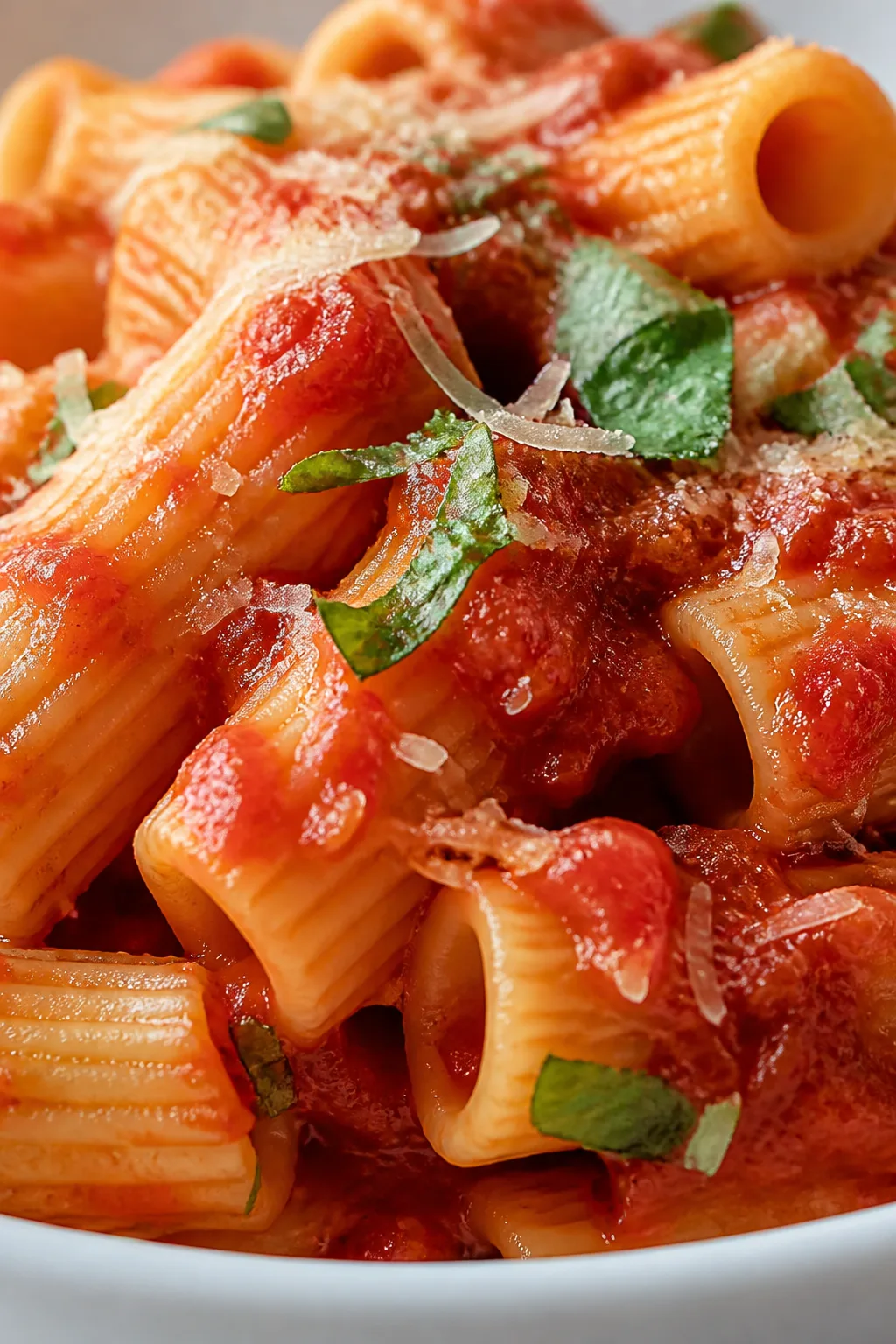
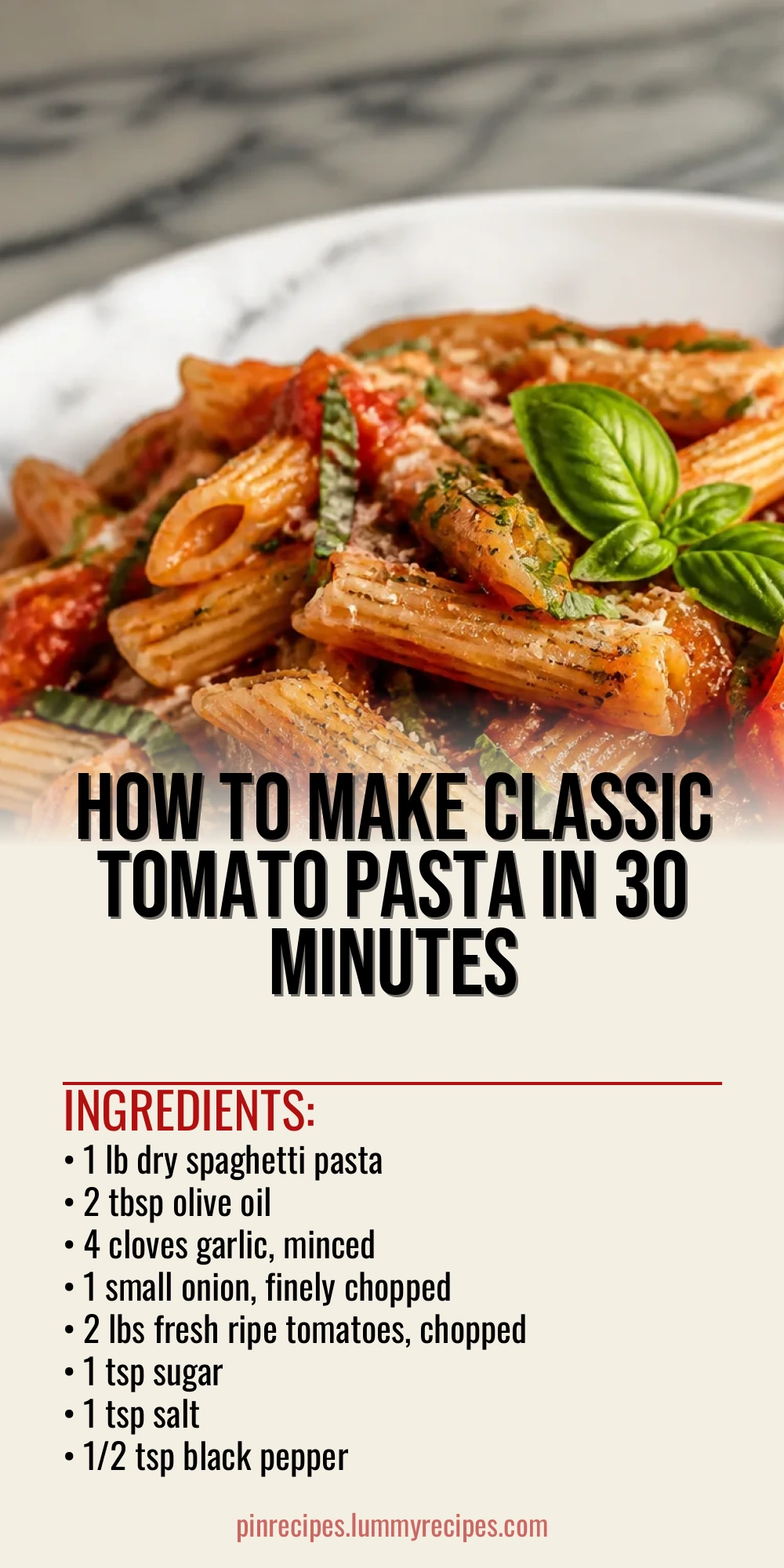
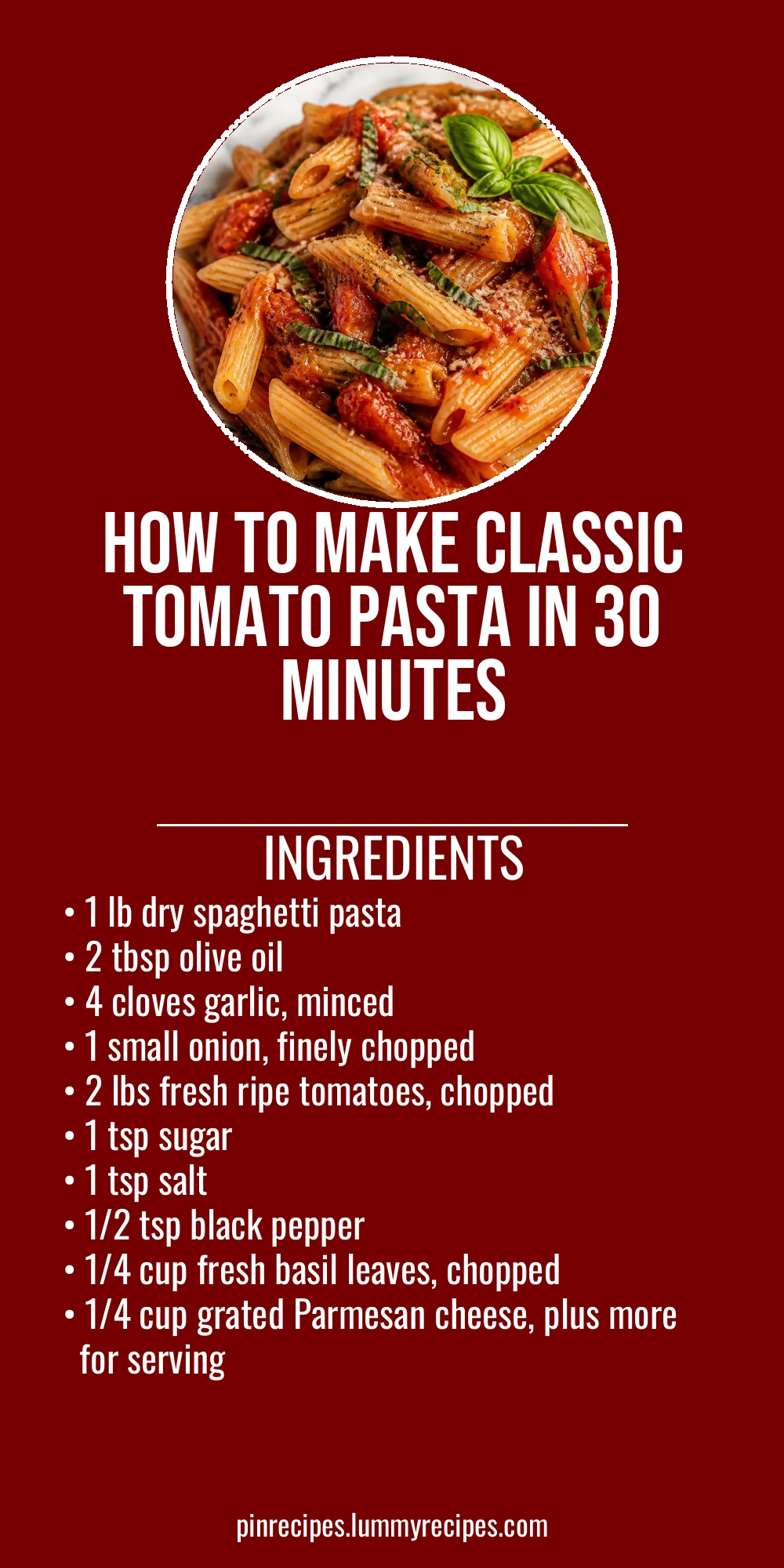
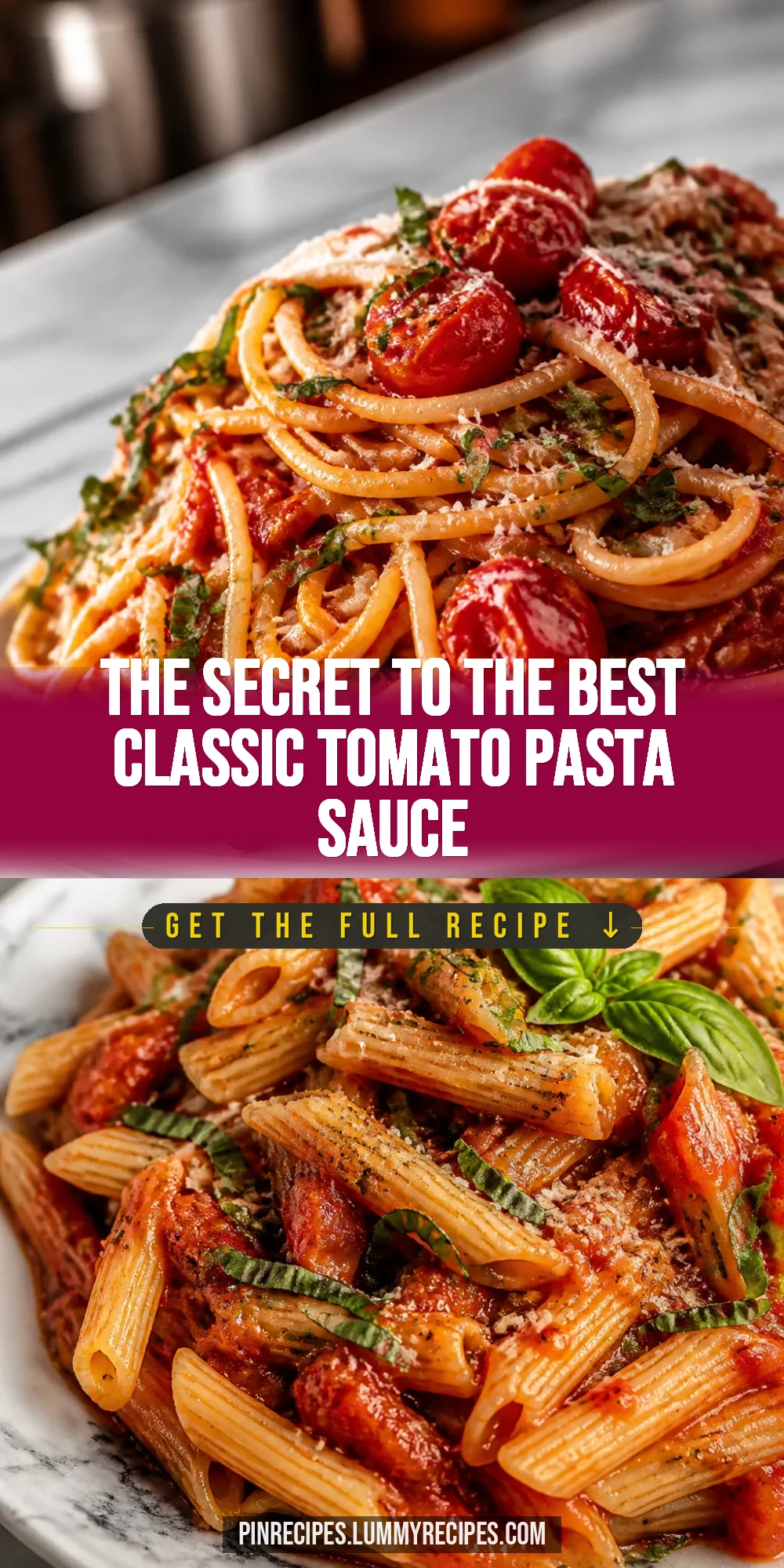
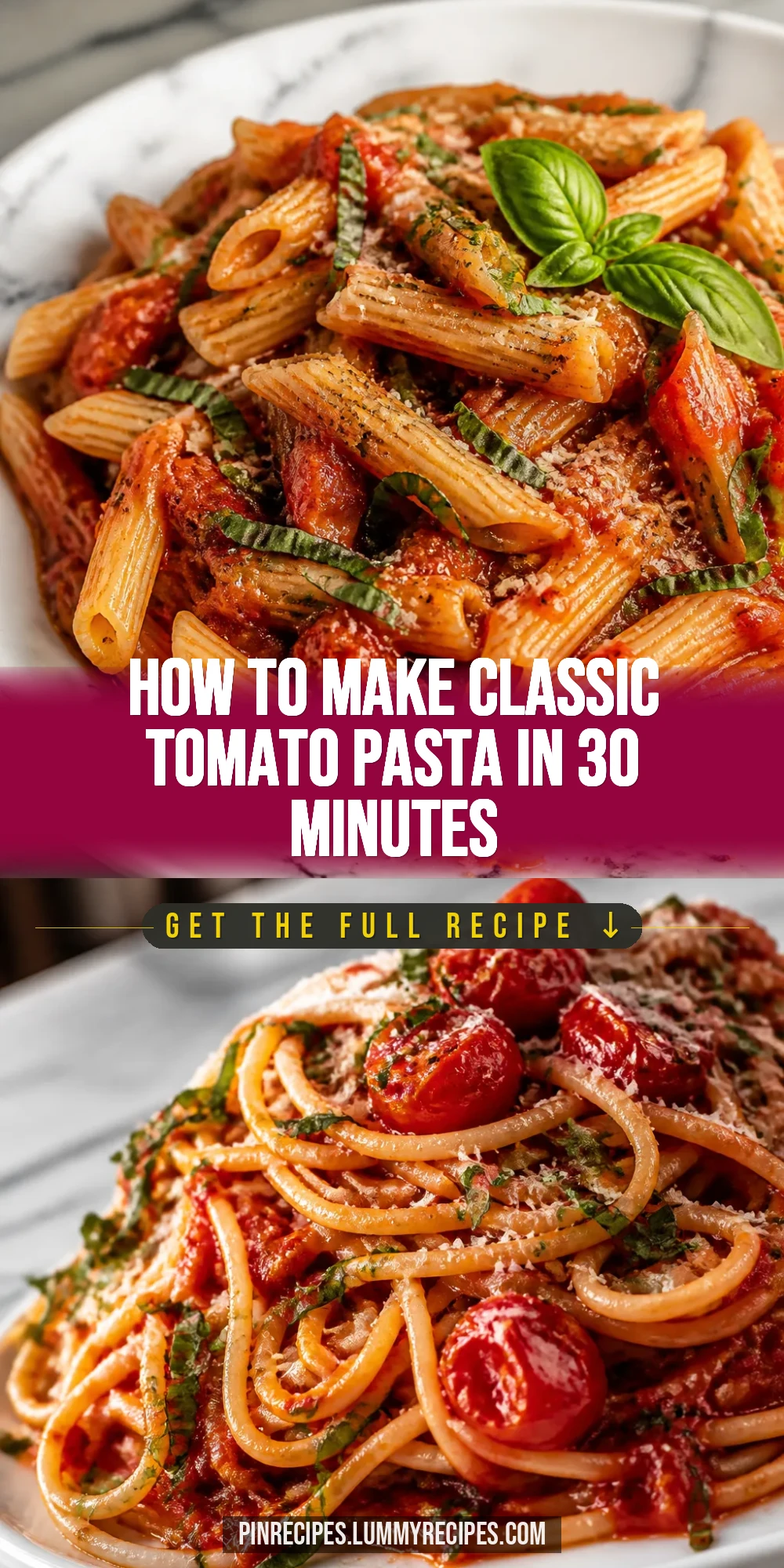
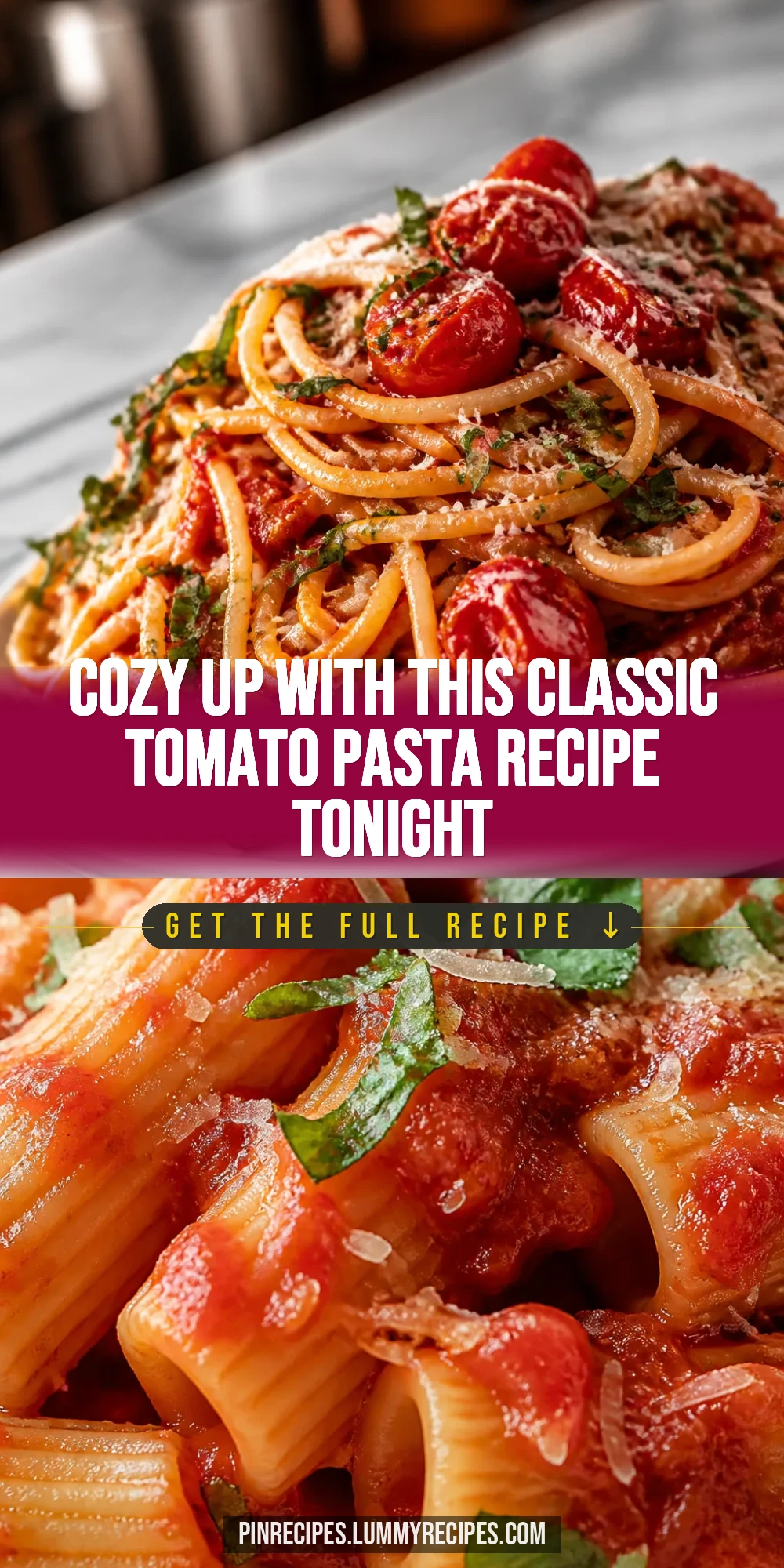
This tomato pasta is a simple, heartwarming dish that reminds me of lazy Sunday dinners. Using fresh tomatoes and a touch of garlic makes all the difference. Perfect for cozy family meals any night of the week.
Introduction
I’ve always loved classic tomato pasta because it’s one of those dishes that feels like a warm hug on a plate. I first made this recipe years ago when I wanted something simple but truly satisfying for a weeknight dinner. What sets this version apart is using fresh, ripe tomatoes instead of canned – it makes the sauce taste bright and fresh, not heavy or overly sweet. I also add a pinch of sugar to balance the acidity and plenty of fresh basil for that lovely aroma. The trick I learned is to gently simmer the sauce to let all the flavors meld without rushing it. The finished dish is perfectly saucy, with tender pasta coated in a vibrant tomato sauce that’s both comforting and light. My family always asks for seconds, and it’s become a staple in our dinner rotation. If you’re looking for a no-fuss, classic tomato pasta that tastes like it came from an Italian grandmother’s kitchen, this recipe is for you!
How To Do It
Step 1
Start by bringing a large pot of salted water to a boil. The salt seasons the pasta from within, enhancing its flavor. Add the spaghetti and cook according to package directions until just al dente—usually about 8-10 minutes. Be careful not to overcook, as the pasta will continue to cook slightly when mixed with the sauce later. Drain the pasta, reserving about a cup of the pasta water to adjust the sauce consistency if needed. Properly cooked pasta is firm to the bite but not hard or mushy, which balances perfectly with the sauce.
⏱ Time: 10 minutes
✓ Doneness: Pasta is tender but still slightly firm when bitten
Step 2
While the pasta is cooking, heat the olive oil in a large skillet over medium heat. Add the minced garlic and chopped onion, sautéing gently until the onion is translucent and the garlic is fragrant but not browned—about 3-4 minutes. This step builds the flavor base for the sauce. Browning the garlic too much can make it bitter, so keep an eye on the heat. The sweet aroma signals you’re ready for the next step.
⏱ Time: 4 minutes
✓ Doneness: Onions are soft and translucent, garlic is fragrant without browning
Step 3
Add the chopped fresh tomatoes to the skillet along with salt, pepper, and sugar. The sugar cuts the natural acidity of the tomatoes, giving a balanced flavor. Stir everything together and bring to a gentle simmer. Let the sauce cook uncovered for about 20 minutes, stirring occasionally. This allows the tomatoes to break down and the flavors to concentrate. If the sauce becomes too thick, add reserved pasta water a little at a time to reach your preferred consistency.
⏱ Time: 20 minutes
✓ Doneness: Sauce thickens and coats the back of a spoon with a rich, bright red color
Step 4
Once the sauce has thickened, stir in the fresh chopped basil leaves. Basil adds a fresh, slightly sweet herbal note that brightens the sauce. Remove from heat and toss the cooked spaghetti directly into the skillet, mixing well to coat every strand. If needed, add a splash of pasta water to help the sauce cling to the noodles. This technique helps the sauce and pasta marry perfectly for a silky finish.
⏱ Time: 2 minutes
✓ Doneness: Pasta is evenly coated and glossy with sauce
Step 5
Serve the pasta hot, topped with a generous sprinkle of freshly grated Parmesan cheese. The cheese adds a salty, nutty richness that complements the acidity of the tomato sauce. I like to add extra basil leaves for garnish and a drizzle of olive oil if you want a little more richness. Enjoy immediately for the best flavor and texture.
⏱ Time: 1 minute
✓ Doneness: Dish is steaming hot with melted cheese on top
Step 6
Optional: If you want to add a little depth, you can sauté a pinch of red pepper flakes with the garlic and onion for a subtle heat. Or, stir in a splash of good-quality balsamic vinegar at the end to add a touch of sweetness and complexity. These small tweaks can elevate the classic tomato pasta without overpowering it.
⏱ Time: 1 minute
✓ Doneness: Flavors are balanced with a gentle kick or sweetness
Step 7
To make this dish more filling, consider adding cooked Italian sausage or sautéed mushrooms. Brown the meat or vegetables separately before folding them into the sauce in step 4. This adds texture and heartiness, turning the pasta into a complete meal.
⏱ Time: 5-7 minutes
✓ Doneness: Meat is browned and mushrooms are tender before mixing in
Step 8
For an even silkier sauce, you can blend half the tomato sauce before combining it with the rest. This creates a smooth texture with small chunks for interest. Use an immersion blender or regular blender carefully to avoid splattering hot sauce.
⏱ Time: 2 minutes
✓ Doneness: Sauce has a creamy, uniform texture with some chunkiness
Step 9
Finally, taste and adjust seasoning before serving. Sometimes a pinch more salt or a grind of black pepper can make all the difference. Remember, seasoning is personal, so trust your palate and adjust as needed.
⏱ Time: 1 minute
✓ Doneness: Sauce tastes balanced with no overpowering acidity or blandness
Pro Tips
Reserve some pasta water before draining.
The starchy pasta water helps loosen the sauce and allows it to cling better to the noodles, creating a silky texture. Without it, the sauce might be too thick or not coat the pasta evenly.
Simmer the sauce gently and avoid boiling.
A gentle simmer prevents the sauce from becoming bitter and allows flavors to meld gradually. Boiling can break down the tomatoes too aggressively and cause a harsh taste.
Use fresh tomatoes when in season.
Fresh tomatoes provide a brighter, fresher flavor than canned. In season, they’re more affordable and flavorful, making the sauce taste like homemade comfort food.
Add basil at the end of cooking.
Basil’s delicate oils evaporate quickly with heat, so adding it last preserves its aroma and flavor, giving the sauce a fresh herbal lift.
Don’t overcook the pasta.
Al dente pasta has a firmer bite that holds up well when mixed with sauce. Overcooked pasta becomes mushy and less enjoyable.
Use a wide pan for the sauce.
A wide pan increases surface area, helping the sauce reduce faster and develop richer flavors through evaporation.
Grate Parmesan fresh just before serving.
Freshly grated cheese melts better and tastes more vibrant, enhancing the final dish’s richness and umami.
Common Mistakes to Avoid
Using canned tomatoes instead of fresh.
Why it happens Many cooks reach for canned tomatoes out of convenience or habit, not realizing fresh tomatoes offer a brighter, fresher flavor especially in summer.
Fix Try to use ripe fresh tomatoes when available. If you must use canned, choose high-quality whole peeled tomatoes and crush them yourself for better texture.
Burning the garlic during sautéing.
Why it happens Garlic cooks very quickly and can easily burn if the heat is too high or if left unattended.
Fix Use medium heat and stir frequently. Remove from heat if it starts to brown too fast; burnt garlic tastes bitter and ruins the sauce.
Skipping the sugar to balance acidity.
Why it happens Some avoid sugar thinking it’s unhealthy or unnecessary, but tomatoes can be quite acidic.
Fix Add a small pinch of sugar to balance the sauce’s acidity without making it sweet. Taste and adjust as needed.
Overcooking the pasta.
Why it happens Rushing or not timing the pasta can lead to mushy noodles that don’t hold sauce well.
Fix Cook pasta just until al dente and drain promptly. Remember it will cook a bit more when mixed with sauce.
Not seasoning the sauce properly.
Why it happens Some assume the tomatoes provide enough flavor, but salt and pepper are essential to bring out the full taste.
Fix Season gradually throughout cooking and taste often. Proper seasoning makes a big difference.
Variations
Spicy Tomato Pasta
Add a pinch of red pepper flakes when sautéing garlic and onions for a gentle heat that livens up the sauce. This variation is great if you like a little kick without overpowering the classic flavors.
Note: Be careful not to add too much chili; start small and adjust to taste to avoid bitterness.
Creamy Tomato Pasta
Stir in a splash of heavy cream or half-and-half at the end of cooking for a richer, silkier sauce. This gives a comforting, velvety texture that pairs beautifully with Parmesan.
Note: Add cream off heat to prevent curdling and keep the sauce smooth.
Tomato Pasta with Sausage
Brown Italian sausage separately and fold it into the sauce for a heartier meal. The sausage adds savory depth and makes the dish more filling for family dinners.
Note: Drain excess fat from sausage before adding to keep sauce from becoming greasy.
Roasted Garlic Tomato Pasta
Roast whole garlic cloves until soft and sweet, then mash and add to the sauce instead of raw garlic. This gives a mellow, caramelized flavor that’s less sharp but very aromatic.
Note: Roasting takes longer but adds a lovely depth; adjust other seasonings accordingly.
Tomato Basil Pasta with Mushrooms
Sauté sliced mushrooms until golden and add them to the sauce for an earthy twist. Mushrooms add texture and umami, making the dish more complex while keeping it vegetarian.
Note: Cook mushrooms separately to avoid excess moisture diluting the sauce.
Nutrition
Per Serving:
Nutritional values are estimates and may vary based on specific ingredients used.
Storage & Tips
Room Temperature
Keep the pasta covered at room temperature for up to 2 hours. Beyond that, it’s best to refrigerate to prevent bacterial growth. Avoid leaving pasta out overnight.
Refrigerator
Store leftover pasta in an airtight container for up to 3 days. The sauce may thicken and the pasta soften when cold. Reheat gently to restore texture and flavor.
Freezer
Freeze cooked pasta with sauce in a sealed container for up to 2 months. To prevent freezer burn, wrap tightly and remove as much air as possible. Thaw overnight in the fridge before reheating.
Reheating
Reheat pasta in a skillet over medium-low heat with a splash of water or olive oil to loosen the sauce. Avoid microwaving without stirring, as it can dry out the pasta unevenly.
Make Ahead
You can prepare the tomato sauce 1-2 days ahead and refrigerate. Cook the pasta fresh on the day of serving to avoid mushiness. Combine just before serving for best texture.
FAQ
Can I use canned tomatoes instead of fresh?
Yes, you can use canned tomatoes if fresh aren’t available. Choose high-quality whole peeled tomatoes and crush them by hand or with a blender. The flavor will be slightly different—less fresh and bright—but still delicious. Adjust cooking time as canned tomatoes are already soft.
How do I know when pasta is al dente?
Al dente means the pasta is cooked through but still has a slight firmness when bitten. Test by tasting a strand a minute or two before the package time ends. It shouldn’t be mushy or hard. This texture holds well when mixed with sauce.
Why do I need to add sugar to the tomato sauce?
Tomatoes can be quite acidic, especially fresh ones. A small pinch of sugar balances this acidity, rounding out the flavor and preventing the sauce from tasting too sharp or sour. It’s a traditional trick in many tomato sauces.
Can I make this sauce vegan?
Absolutely! Simply omit the Parmesan cheese or use a vegan cheese alternative. The sauce itself is naturally vegan, made from fresh tomatoes, garlic, and basil.
What’s the best way to store leftover pasta?
Store leftovers in an airtight container in the refrigerator for up to 3 days. The pasta may absorb more sauce and become softer. Reheat gently with a splash of water or oil to restore texture.
Can I prepare this pasta ahead of time?
Yes, make the sauce ahead and refrigerate. Cook pasta fresh when ready to serve to avoid a mushy texture. Combine just before serving for best results.
How do I prevent garlic from burning?
Cook garlic over medium or medium-low heat and stir often. Remove from heat if it starts to brown too quickly. Burnt garlic tastes bitter and can ruin the sauce.
Is it okay to add other herbs besides basil?
You can add oregano or parsley for different flavor notes, but basil is classic and gives the sauce its distinctive freshness. Add other herbs sparingly to avoid overpowering the tomato flavor.
Final Thoughts
I hope you enjoy making and sharing this classic tomato pasta as much as my family does. It’s a simple, comforting dish that always hits the spot—give it a try and let me know how it turns out!