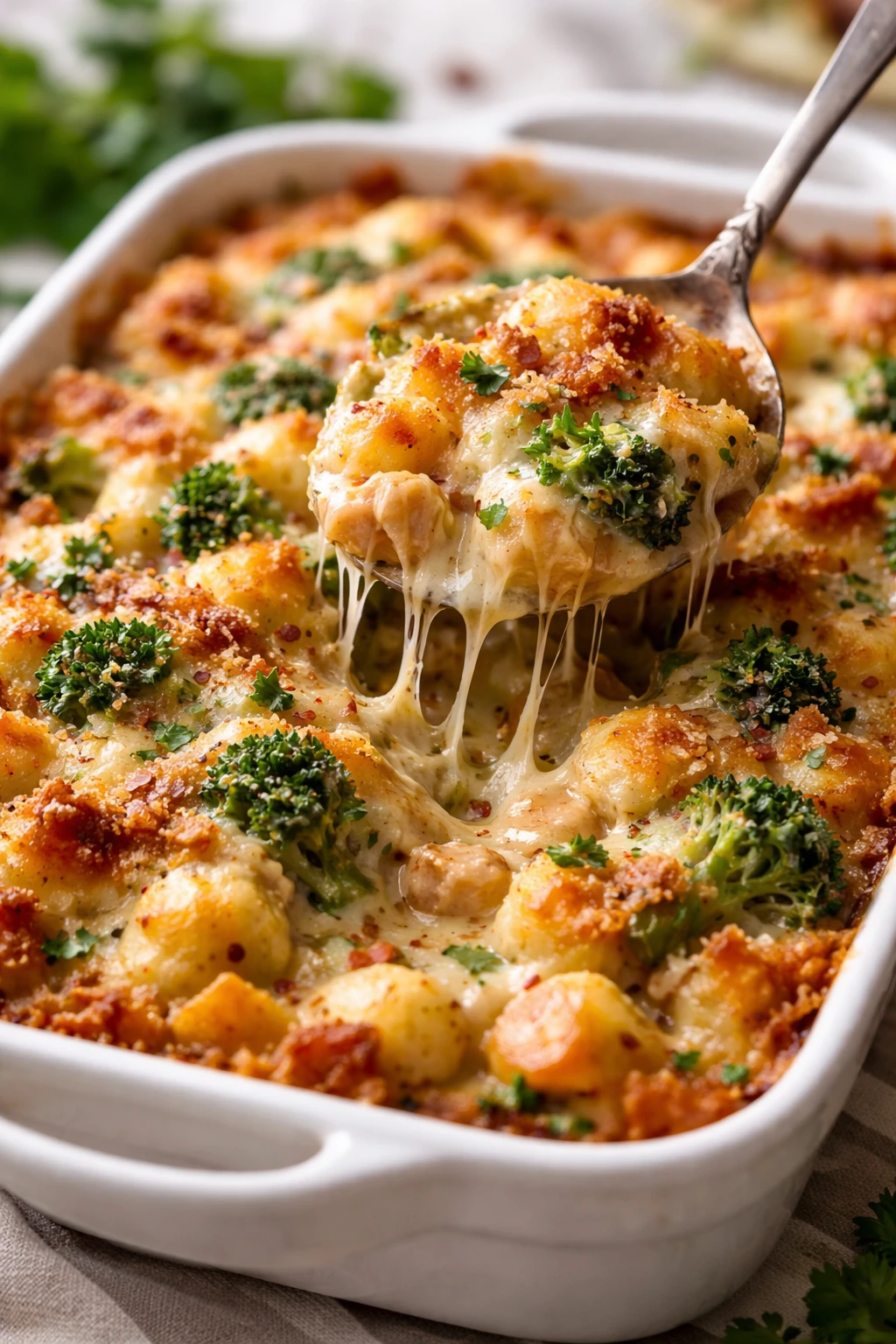
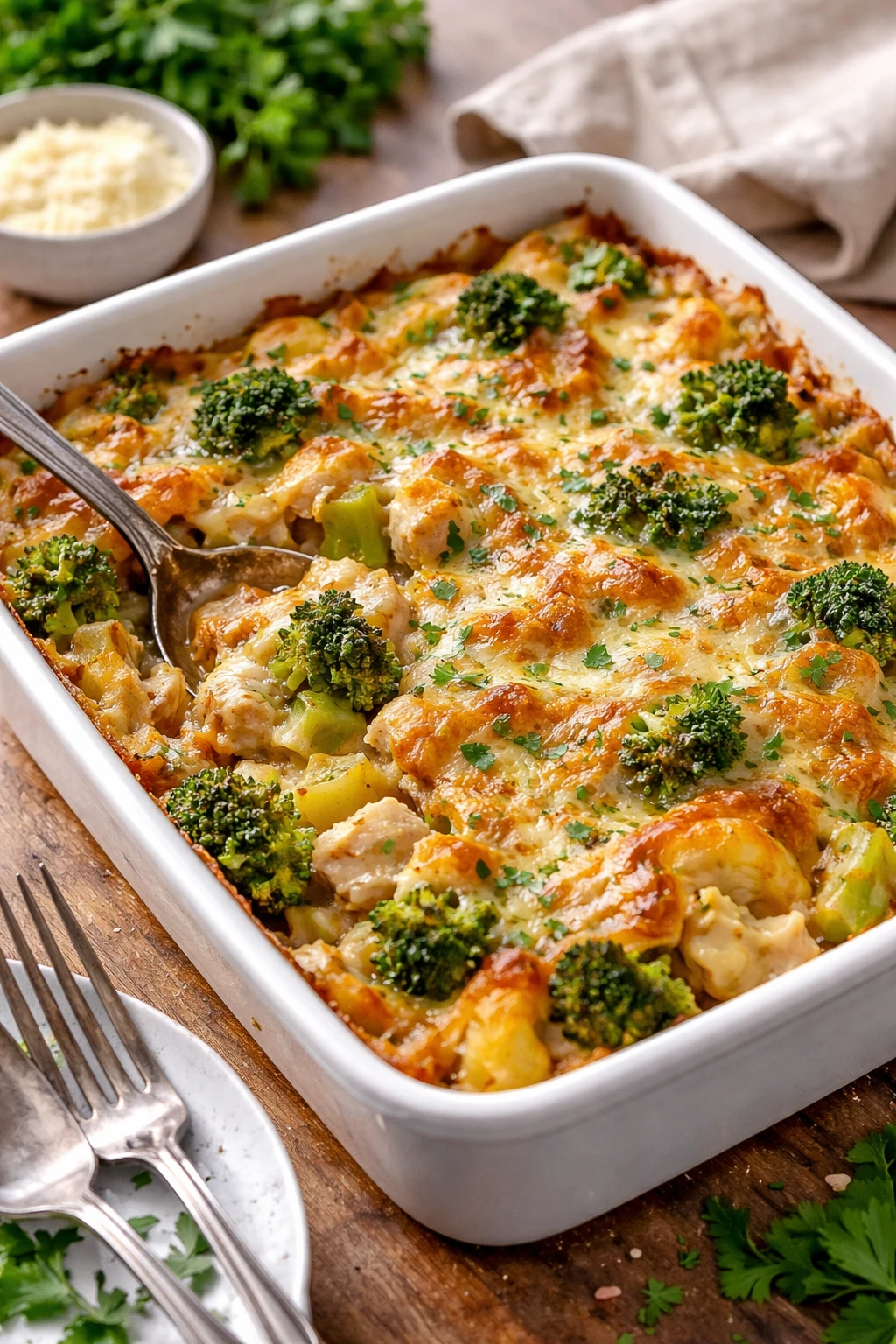
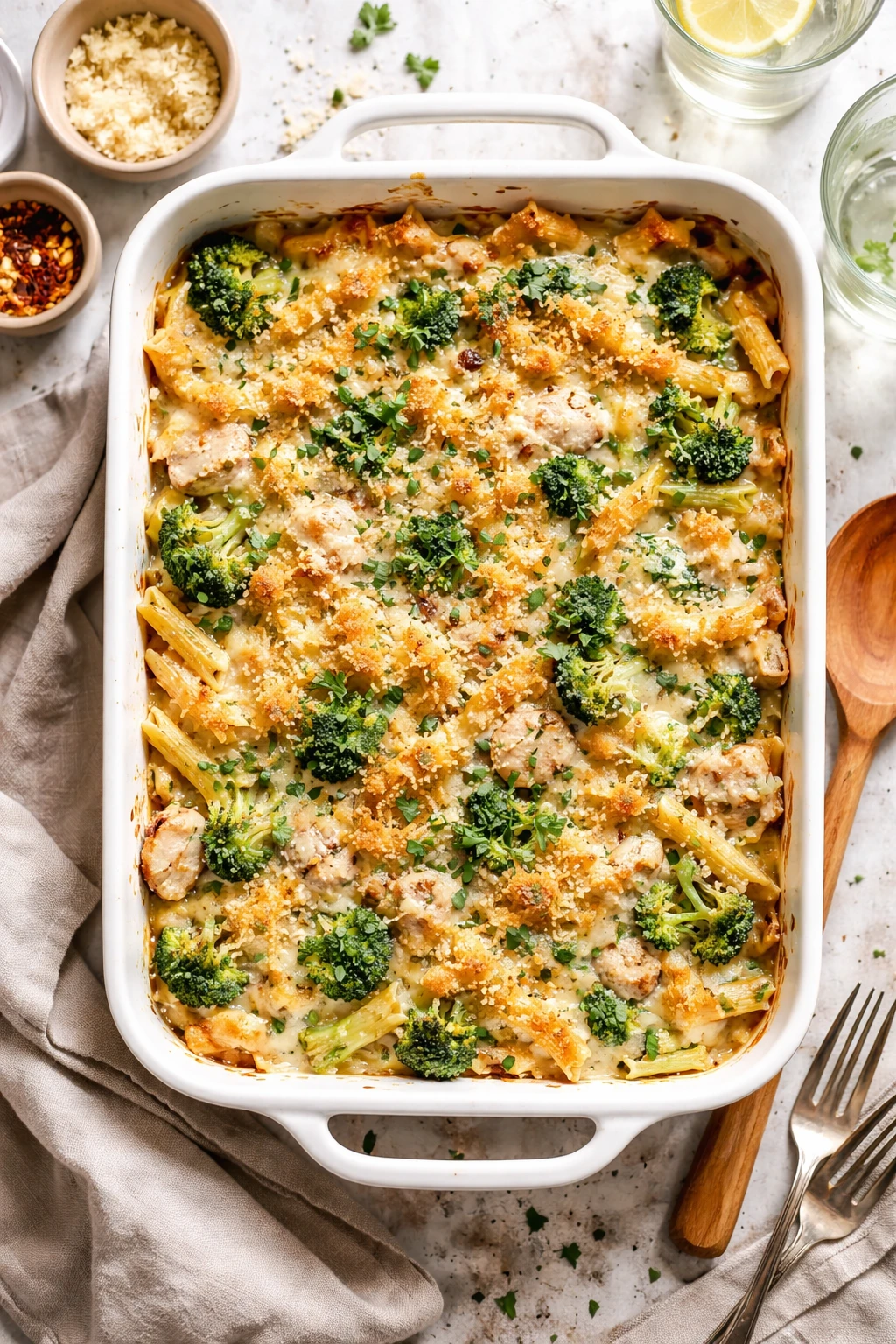
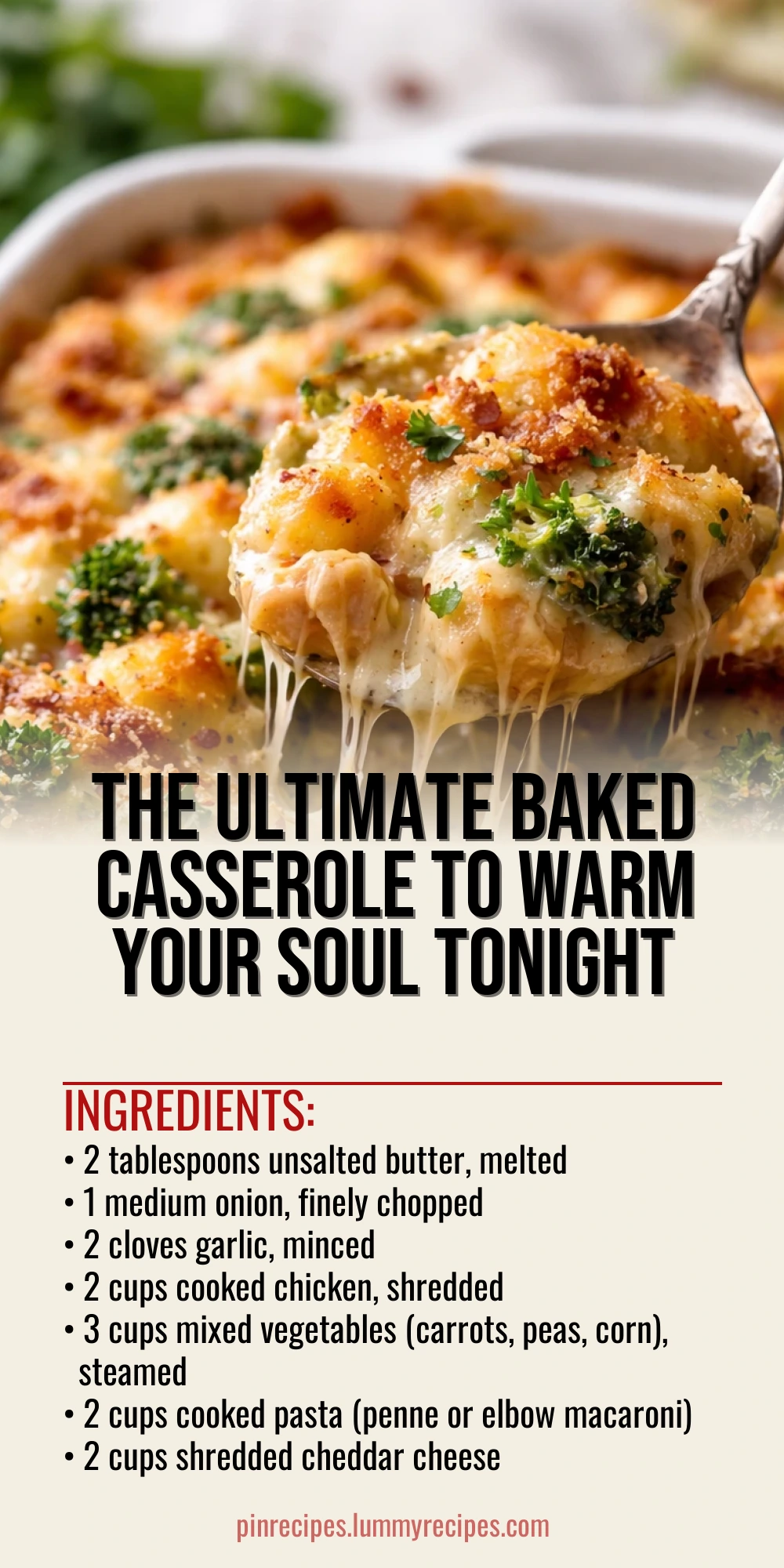
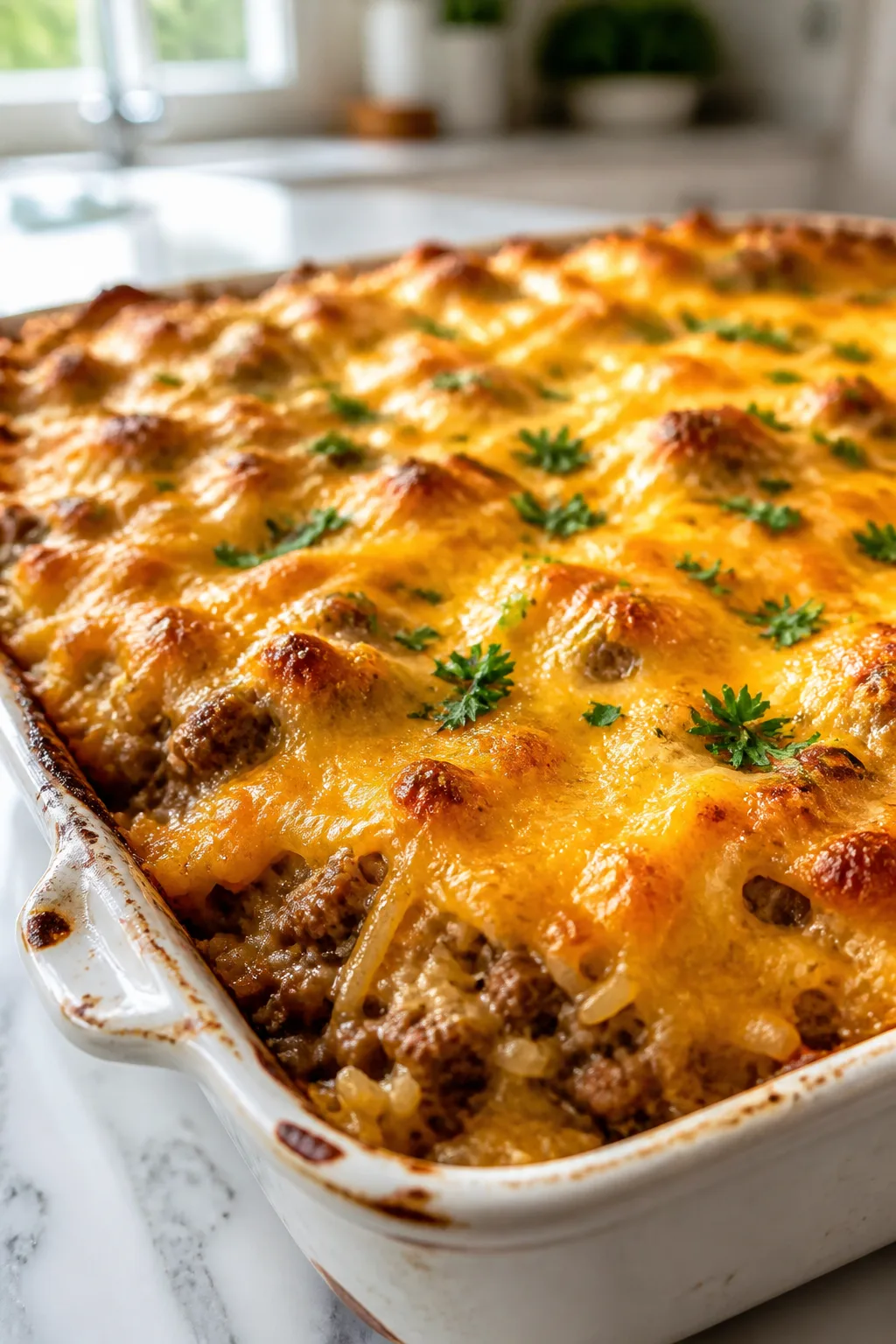
This baked casserole is a warm, comforting dish that brings together layers of cheesy goodness and tender veggies. The secret is a creamy béchamel sauce that keeps everything moist and flavorful. Perfect for family dinners or casual get-togethers!
Introduction
I first stumbled upon this baked casserole recipe years ago when I was looking for a way to use leftover chicken and veggies. It quickly became a family favorite because it’s both comforting and versatile. What makes this version stand out is the creamy béchamel sauce that ties everything together, giving the casserole a luscious texture that’s far from dry or bland. I also love adding a crunchy breadcrumb topping for that perfect golden crust. The trick I learned is to steam the veggies just enough so they stay tender but don’t get mushy during baking. When it comes out of the oven, it’s bubbly, cheesy, and has that inviting aroma that makes everyone gather around the table. It’s a great dish for busy weeknights or weekend dinners when you want something hearty but fuss-free. Plus, it reheats beautifully, making for easy leftovers the next day. I’ve tried many casseroles, but this one strikes the perfect balance between creamy and crispy, simple and flavorful. If you’re looking for a cozy meal that feels like a warm hug, this casserole is definitely worth making.
What You'll Need
Approximately 8 cups, serves 6
- 2 tablespoons unsalted butter, melted
- 1 medium onion, finely chopped
- 2 cloves garlic, minced
- 2 cups cooked chicken, shredded
- 3 cups mixed vegetables (carrots, peas, corn), steamed
- 2 cups cooked pasta (penne or elbow macaroni)
- 2 cups shredded cheddar cheese
- 1 cup grated Parmesan cheese
- 3 cups béchamel sauce (butter, flour, milk, nutmeg)
- Salt and pepper to taste
- 1 teaspoon dried thyme
- 1/2 cup breadcrumbs for topping
How To Do It
Step 1
Preheat your oven to 375°F (190°C). Start by melting the butter in a large skillet over medium heat. Add the finely chopped onion and sauté until translucent and soft, about 5-7 minutes. This step is crucial because cooking the onions slowly releases their natural sweetness, which forms a flavorful base for the casserole. Avoid rushing this part or using high heat, as burnt onions will impart bitterness to the dish. Once soft, add the minced garlic and cook for another minute until fragrant, stirring constantly to prevent burning.
⏱ Time: 10 minutes
✓ Doneness: Onions should be translucent and tender, garlic fragrant but not browned
Step 2
Add the shredded chicken and steamed mixed vegetables to the skillet with the onions and garlic. Stir well to combine and season with salt, pepper, and dried thyme. The seasoning at this stage ensures each bite is flavorful. Let everything warm through for about 3-4 minutes, stirring occasionally. If you skip warming the filling, the casserole may bake unevenly and the flavors won’t meld properly.
⏱ Time: 5 minutes
✓ Doneness: Ingredients are heated through and evenly coated with seasoning
Step 3
Prepare the béchamel sauce: in a medium saucepan, melt 4 tablespoons of butter over medium heat. Whisk in 1/4 cup of all-purpose flour and cook for 2 minutes to form a roux, stirring constantly. Slowly whisk in 3 cups of milk, continue whisking until the sauce thickens and coats the back of a spoon. Add a pinch of nutmeg, salt, and pepper to taste. This sauce adds creaminess and moisture to the casserole, preventing it from drying out during baking.
⏱ Time: 10 minutes
✓ Doneness: Sauce is thick, smooth, and creamy without lumps
Step 4
In a large mixing bowl, combine the cooked pasta, chicken-vegetable mixture, and béchamel sauce. Stir in 1 1/2 cups of shredded cheddar cheese and half of the Parmesan cheese. Mixing the cheese into the filling ensures a gooey, melty texture throughout the casserole rather than just on top.
⏱ Time: 5 minutes
✓ Doneness: Ingredients are evenly mixed and coated with sauce and cheese
Step 5
Transfer the mixture into a greased 9x13-inch baking dish. Smooth the top with a spatula. Sprinkle the remaining cheddar and Parmesan cheese evenly over the top, then finish with the breadcrumbs. The breadcrumbs add a crunchy, golden crust that contrasts nicely with the creamy interior.
⏱ Time: 5 minutes
✓ Doneness: Top is evenly covered with cheese and breadcrumbs
Step 6
Bake uncovered in the preheated oven for 35-40 minutes, until the top is golden brown and bubbling around the edges. Baking time is important to develop that perfect crust and to ensure the casserole is heated through. Avoid opening the oven door frequently or baking at too low a temperature, as this can prevent proper browning.
⏱ Time: 35-40 minutes
✓ Doneness: Top is golden brown, bubbling, and edges look set
Step 7
Once baked, remove the casserole from the oven and let it rest for at least 10 minutes before serving. Resting allows the filling to set, making it easier to cut and serve without falling apart. Skipping this step often results in a runny casserole that doesn’t hold its shape well.
⏱ Time: 10 minutes
✓ Doneness: Casserole is slightly firm and easier to slice
Step 8
Serve warm with a fresh green salad or crusty bread for a complete meal. The creamy, cheesy casserole pairs wonderfully with crisp, fresh sides to balance the richness. Don’t forget to garnish with a sprinkle of fresh parsley or chives for a pop of color and flavor.
⏱ Time: 5 minutes
✓ Doneness: Dish is plated attractively and ready to enjoy
Step 9
Store any leftovers in an airtight container in the refrigerator for up to 3 days. When reheating, add a splash of milk or broth to loosen the sauce and heat gently in the oven or microwave until warmed through. This keeps the casserole creamy and prevents it from drying out.
⏱ Time: N/A
✓ Doneness: Leftovers are heated evenly and remain moist
Pro Tips
Steam your vegetables instead of boiling to retain their texture and color.
Steaming cooks vegetables gently without saturating them in water, which can make them soggy and dull their flavor. This method helps maintain firmness, color, and nutrients, ensuring your casserole has vibrant, tasty veggies.
Make the béchamel sauce slowly over medium heat, whisking constantly.
Cooking the roux and milk mixture slowly prevents lumps and allows the sauce to thicken evenly. Whisking constantly incorporates air and stops the flour from clumping, resulting in a smooth, creamy sauce that coats ingredients perfectly.
Let the casserole rest after baking before serving.
Resting lets the filling set and cool slightly, so it slices cleanly and holds together better. Cutting into it too soon can cause the layers to spill out and the texture to be runny.
Use fresh grated Parmesan instead of pre-grated for better melting and flavor.
Fresh Parmesan melts more smoothly and has a richer, nuttier flavor. Pre-grated cheese often contains anti-caking agents that can affect texture and taste.
Add breadcrumbs mixed with a little melted butter for a crispier topping.
Butter coats the breadcrumbs and helps them brown evenly, adding a golden crunch that contrasts beautifully with the creamy casserole inside.
Avoid overcooking the onions; cook until just translucent.
Overcooked onions can become bitter or mushy, which negatively impacts the casserole’s flavor and texture. Gentle cooking releases sweetness and aroma without harshness.
Use a glass or ceramic baking dish for even heat distribution.
These materials heat more evenly and retain heat longer, helping the casserole cook uniformly and develop a nicely browned crust.
Common Mistakes to Avoid
Skipping the béchamel sauce
Why it happens Some cooks try to simplify the recipe by omitting the sauce, thinking cheese alone will provide enough moisture.
Fix Don’t skip the béchamel—it’s essential for creamy texture and moisture balance. Take the time to make it properly; it prevents dryness and binds all ingredients together.
Using overcooked or mushy vegetables
Why it happens Boiling vegetables too long or using canned can lead to soggy texture, which ruins the casserole’s structure.
Fix Steam veggies just until tender-crisp before mixing. This keeps them vibrant and prevents a mushy final dish.
Not seasoning the filling enough
Why it happens Some people under-season to be safe or assume cheese adds enough salt.
Fix Season each component (onions, chicken, sauce) as you go. Taste and adjust so the casserole is flavorful but balanced.
Baking at too low a temperature
Why it happens Trying to ‘slow cook’ the casserole can prevent proper browning and crust formation.
Fix Bake at 375°F (190°C) to develop a golden crust and cook evenly. Lower temps produce a pale, soggy top.
Cutting casserole immediately after baking
Why it happens Impatience leads to serving the dish too hot, causing it to fall apart.
Fix Let it rest 10-15 minutes so it firms up and slices neatly.
Variations
Vegetarian Baked Casserole
Swap the chicken for extra vegetables like mushrooms, zucchini, and bell peppers. Use vegetable broth in the béchamel to keep it vegetarian. Expect a lighter, earthier flavor and a slightly different texture with more veggie variety.
Note: Steaming time may increase slightly due to denser vegetables; ensure they’re tender but not mushy.
Spicy Mexican-Style Casserole
Add diced jalapeños, cumin, and chili powder to the filling. Use pepper jack cheese instead of cheddar for a spicy kick. Top with crushed tortilla chips instead of breadcrumbs for crunch. This variation delivers bold flavors and a fun twist.
Note: Adjust spice levels to taste and watch for moisture from jalapeños affecting baking time.
Gluten-Free Baked Casserole
Use gluten-free flour for the béchamel and gluten-free pasta. Substitute gluten-free breadcrumbs or crushed nuts for topping. This version keeps the creamy texture and cheesy flavor without gluten.
Note: Gluten-free flours may thicken differently; whisk béchamel carefully to avoid lumps.
Keto-Friendly Baked Casserole
Replace pasta with cauliflower florets and use heavy cream instead of milk in the béchamel. Add extra cheese and bacon bits for richness. This low-carb version is creamy and satisfying without the carbs.
Note: Cauliflower releases water; drain well to prevent watery casserole.
Seafood Baked Casserole
Swap chicken for cooked shrimp or crab meat. Use a seafood stock in béchamel and add fresh dill or tarragon. This creates a delicate, flavorful casserole with a coastal vibe.
Note: Seafood cooks quickly; add it at the end to avoid overcooking.
Nutrition
Per Serving:
Nutritional values are estimates and may vary based on specific ingredients used.
Storage & Tips
Room Temperature
You can safely leave the casserole out for up to 2 hours covered with foil or a clean kitchen towel. Beyond that, bacteria growth increases, so refrigerate promptly.
Refrigerator
Store leftovers in an airtight container for up to 3 days. The casserole may firm up in the fridge; reheat gently with a splash of milk or broth to restore creaminess. Avoid reheating multiple times to keep texture intact.
Freezer
Freeze the casserole in a tightly sealed container or wrapped well in foil and plastic wrap for up to 3 months. To prevent freezer burn, remove as much air as possible. Thaw overnight in the fridge before reheating.
Reheating
Reheat covered in a 350°F oven for 20-25 minutes until warmed through, adding a little milk if it seems dry. Microwaving is faster but may dry edges; cover to retain moisture.
Make Ahead
Prepare the filling and béchamel sauce 1-2 days ahead and store separately in the fridge. Assemble and bake fresh on the day of serving for best texture and flavor.
FAQ
Can I use leftover rotisserie chicken for this casserole?
Absolutely! Leftover rotisserie chicken works great and adds extra flavor. Just shred it finely and make sure it’s not too moist to avoid a watery casserole. If it’s very juicy, pat it dry with paper towels before mixing.
What can I substitute for béchamel sauce if I’m short on time?
You can use a creamy condensed soup like cream of mushroom or cream of chicken as a shortcut, but the texture and flavor will be less fresh and rich. Making béchamel isn’t hard and really elevates the dish, so I recommend trying it when you can.
How do I prevent the casserole from becoming soggy?
Avoid overcooking vegetables and use béchamel sauce rather than watery liquids. Also, don’t cover the casserole while baking, so the top crisps up. Letting it rest before serving helps excess moisture settle.
Can I make this casserole vegan?
Yes! Use plant-based butter and milk alternatives for the béchamel, vegan cheese, and load up on vegetables or tofu instead of chicken. The béchamel can be thickened with flour and nutritional yeast for cheesy flavor.
What’s the best way to reheat leftovers without drying them out?
Reheat in the oven covered with foil at 350°F, adding a splash of milk or broth to keep it moist. Microwaving works too but do it in short bursts and cover to trap steam.
Can I assemble the casserole the night before and bake the next day?
Yes, assembling ahead saves time. Cover tightly and refrigerate overnight. Bring it to room temperature for 20 minutes before baking to ensure even cooking.
What type of pasta works best in this recipe?
Short pasta shapes like penne, elbow macaroni, or shells work well because they hold sauce nicely and mix evenly. Avoid long pasta that can clump or dry out.
Is it okay to use pre-shredded cheese?
You can, but pre-shredded cheese often contains anti-caking agents that can affect melting. For best results and gooey texture, shred your own cheese from a block.
Final Thoughts
I hope you enjoy making this baked casserole as much as my family does! It’s a comforting dish that’s easy to customize and always hits the spot. Let me know how yours turns out!