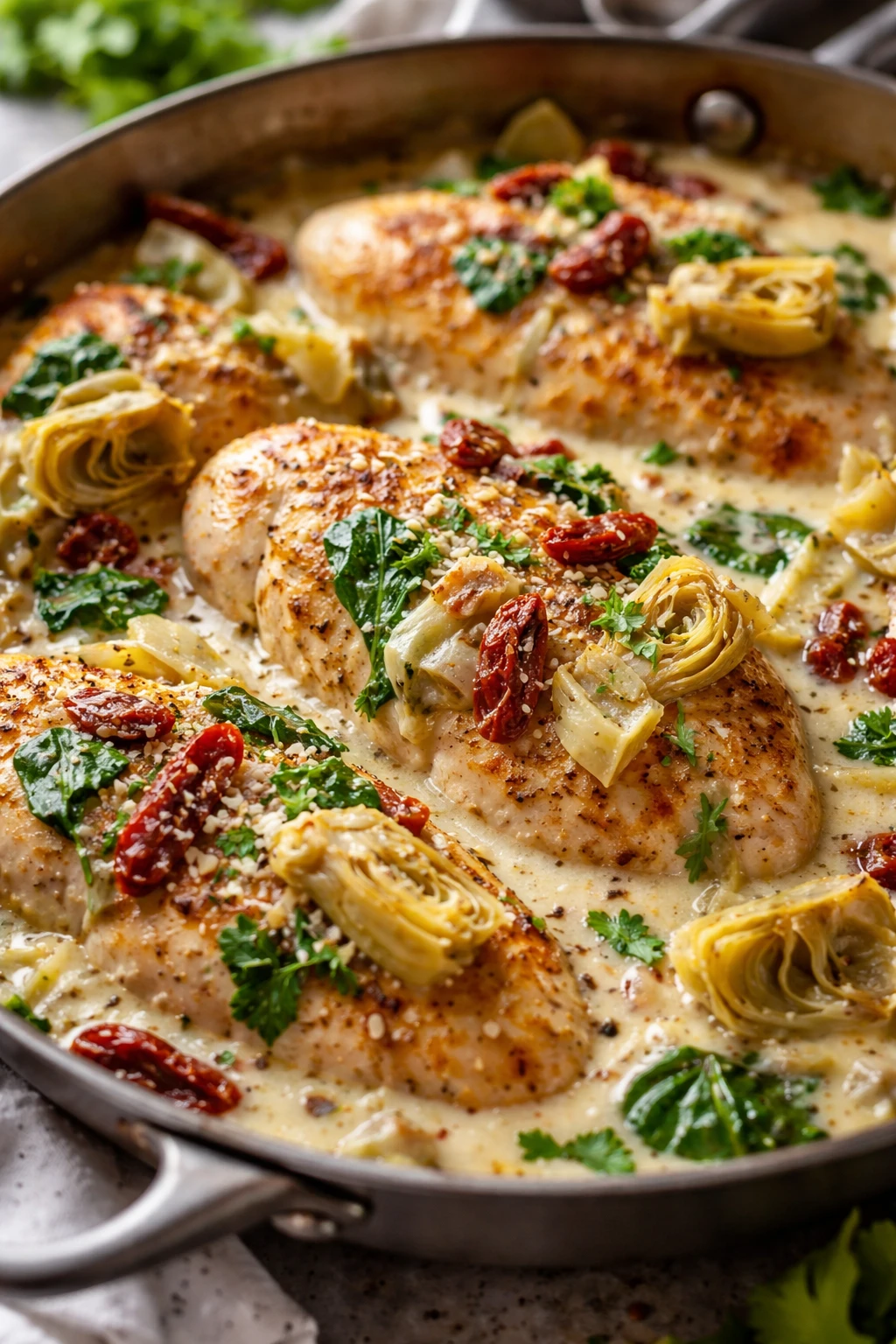
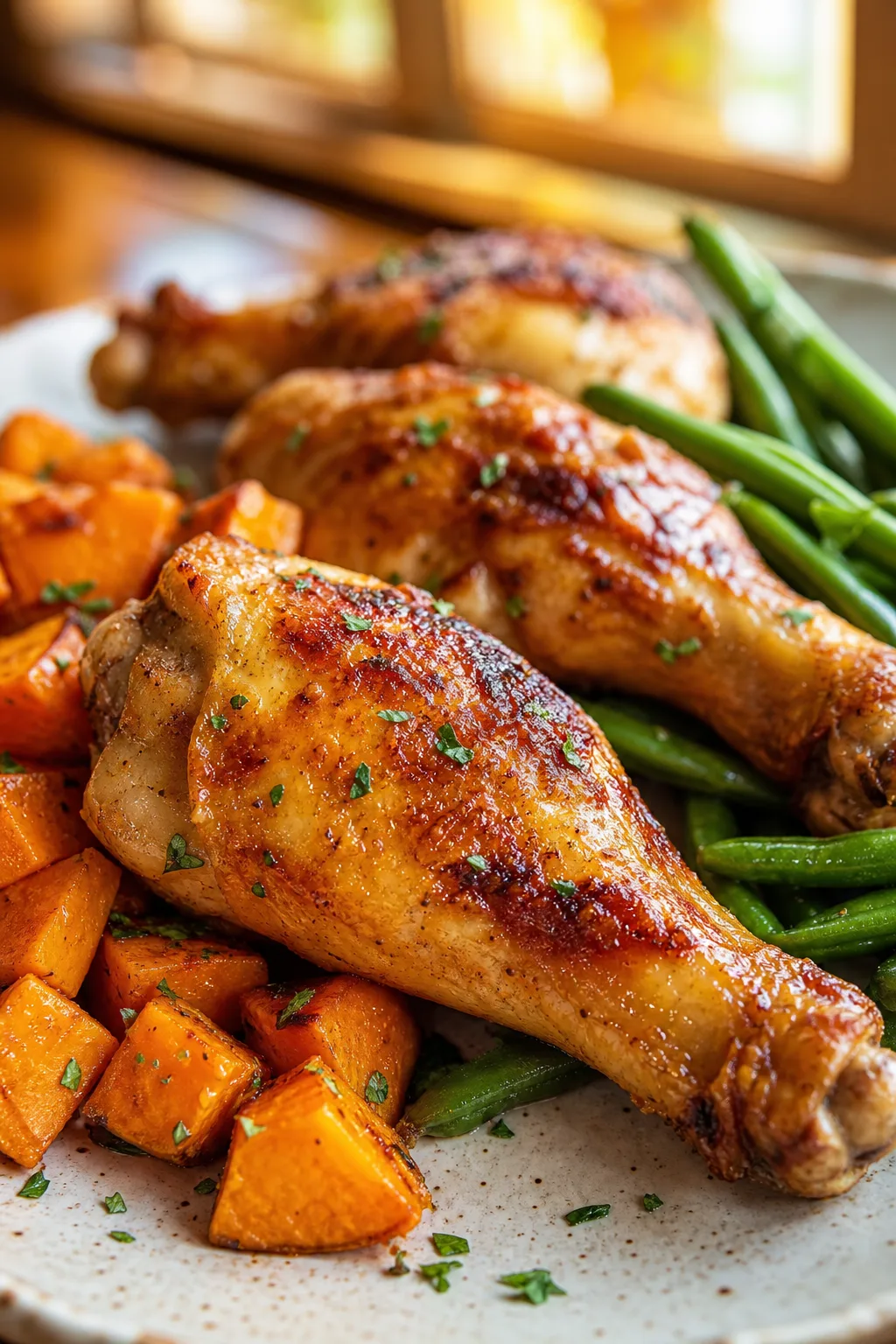
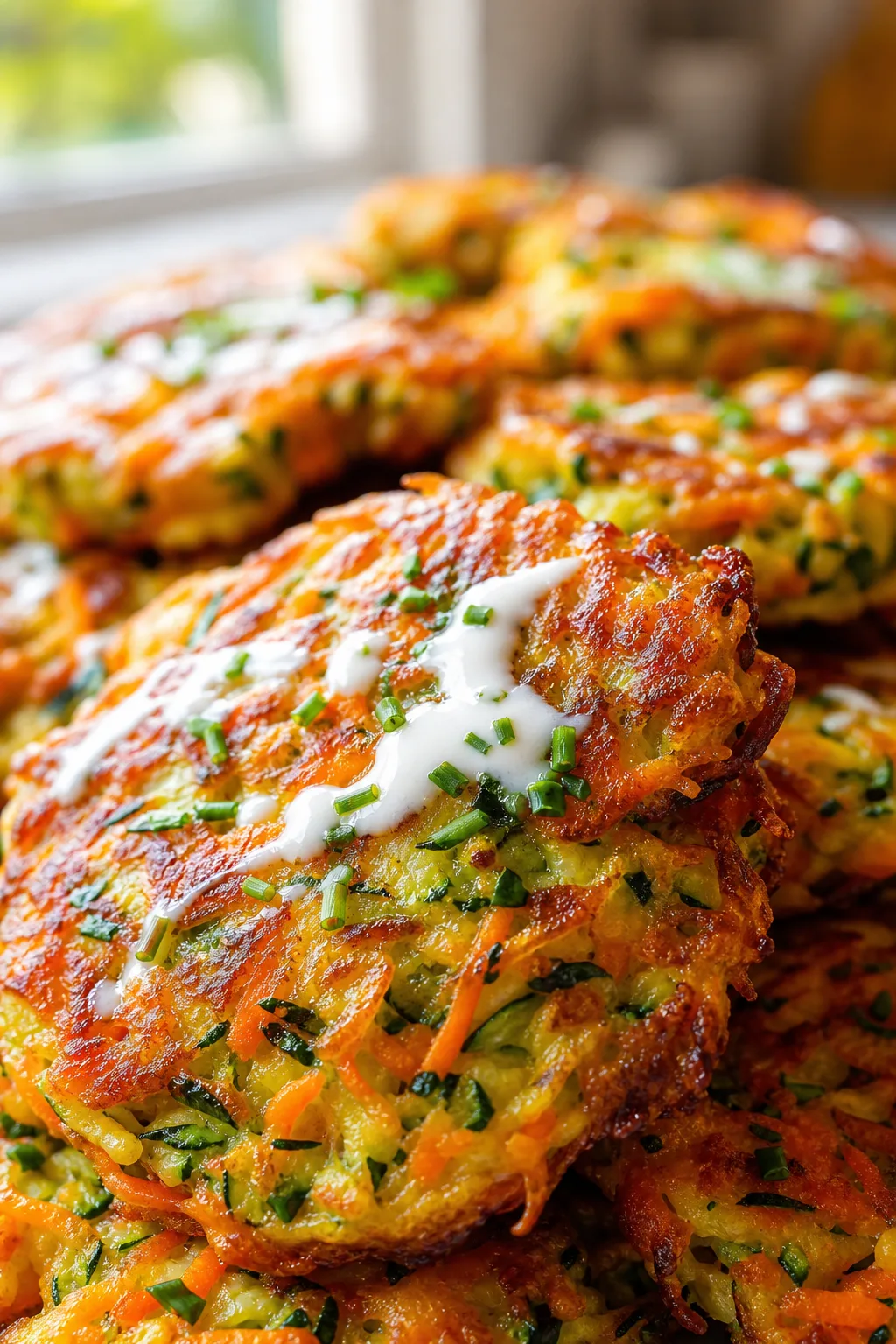
This skillet meal brings tender chicken and tangy artichokes together in a silky cream sauce that’s ready in no time. I love how the artichokes add a subtle zing, making it perfect for a quick weeknight dinner.
Introduction
I first tried a creamy chicken and artichoke skillet a few years ago when I was craving something quick but a little fancy. I remember rushing home after work, wanting a meal that felt indulgent but didn’t take forever. This recipe quickly became a go-to because it’s packed with flavor and comes together in under 30 minutes. What I love most about my version is the balance between the creamy sauce and the tangy artichokes—they add a brightness that keeps the dish from feeling too heavy. Plus, I use a bit of Parmesan to give it that irresistible savory punch. One trick I learned is to cook the chicken just right—searing it first to lock in juices before simmering in the sauce. The finished dish is creamy, comforting, and perfect when you want a satisfying dinner without the stress. My family always asks for seconds, and it’s great served with crusty bread or over rice. Honestly, it’s one of those recipes that feels special but is so easy anyone can make it.
How To Do It
Step 1
Heat olive oil in a large skillet over medium-high heat. Add the chicken pieces in a single layer and cook without moving them for about 3-4 minutes until nicely browned on one side. Then stir and cook for another 2 minutes until the chicken is golden all over but not fully cooked through. This initial sear locks in juices and builds flavor through the Maillard reaction, which gives the chicken a delicious caramelized crust. Avoid overcrowding the pan, or the chicken will steam and won’t brown properly.
⏱ Time: 6 minutes
✓ Doneness: Chicken pieces are golden brown on all sides but still slightly pink inside
Step 2
Add the minced garlic and sauté for about 30 seconds until fragrant. Then stir in the chopped artichoke hearts and dried oregano. Pour in the chicken broth and bring to a simmer, scraping up any browned bits from the pan bottom. The broth adds moisture and depth to the sauce while loosening those flavorful bits stuck to the pan. Simmering here helps meld the flavors and allows the artichokes to warm through without losing their texture.
⏱ Time: 4 minutes
✓ Doneness: Broth is gently bubbling and garlic is aromatic
Step 3
Reduce heat to medium-low and stir in the heavy cream and Parmesan cheese. Mix well to combine and let the sauce gently simmer for about 5-7 minutes. This slow simmer thickens the sauce as the cream reduces and the cheese melts, creating a luscious, velvety texture. Stir occasionally to prevent the sauce from sticking or burning. If the sauce gets too thick, add a splash more broth or cream to loosen it.
⏱ Time: 7 minutes
✓ Doneness: Sauce has thickened to coat the back of a spoon and is creamy
Step 4
Return the chicken to the skillet if you removed it earlier, and stir to coat in the sauce. Cook for an additional 3-4 minutes until the chicken is cooked through and tender. This step ensures the chicken finishes cooking gently in the flavorful sauce, absorbing the creamy artichoke goodness. Avoid overcooking here to keep the chicken juicy and tender.
⏱ Time: 4 minutes
✓ Doneness: Chicken is opaque throughout and sauce clings to the meat
Step 5
Taste the sauce and season with salt and freshly ground black pepper to your liking. Freshly chopped parsley sprinkled on top adds a pop of color and a hint of freshness that brightens the rich sauce. Serve immediately with your favorite sides like rice, pasta, or crusty bread to soak up every bit of that creamy sauce.
⏱ Time: 2 minutes
✓ Doneness: Balanced seasoning and fresh herb aroma
Step 6
If you want to add a little extra texture and flavor, sprinkle some toasted pine nuts or a handful of fresh spinach leaves into the skillet during the last 2 minutes of cooking. The pine nuts add a nice crunch, while the spinach wilts gently into the sauce, boosting the dish’s nutrition and color.
⏱ Time: 2 minutes
✓ Doneness: Spinach is wilted and nuts are lightly toasted
Step 7
For a lighter version, you can swap heavy cream for half-and-half or a mix of milk and cream cheese, but keep in mind this will slightly change the richness and thickness of the sauce. Adjust the simmer time accordingly to avoid curdling. Stir frequently and keep heat low to maintain a smooth sauce.
⏱ Time: N/A
✓ Doneness: Smooth, creamy sauce without separation
Step 8
To ensure even cooking, cut the chicken pieces into similar sizes. This prevents smaller pieces from drying out while waiting for larger chunks to cook through. Uniform pieces also help the sauce coat evenly. If you’re short on time, pounding chicken breasts to an even thickness before cutting can help speed up cooking and improve tenderness.
⏱ Time: N/A
✓ Doneness: Evenly cooked, tender chicken pieces
Step 9
Let the skillet rest off the heat for a couple of minutes before serving. This allows the sauce to thicken a bit more and flavors to meld together. Plus, it cools slightly so it’s easier to eat right away. Don’t wait too long though, or the sauce might get too thick and lose that silky texture.
⏱ Time: 2 minutes
✓ Doneness: Slightly thickened sauce and melded flavors
Pro Tips
Sear chicken pieces in batches if your skillet is small.
Overcrowding the pan causes the chicken to steam rather than brown, which prevents the Maillard reaction that creates flavor and texture. Cooking in batches ensures each piece gets that golden crust, locking in juices and improving overall taste.
Drain artichokes thoroughly before adding them to the skillet.
Excess liquid from canned artichokes can thin the sauce and dilute flavors. Proper draining keeps the sauce creamy and rich, maintaining the right consistency and flavor balance.
Use freshly grated Parmesan cheese instead of pre-grated.
Fresh Parmesan melts better and adds more flavor. Pre-grated cheese often contains additives that prevent smooth melting, leading to a grainy sauce texture.
Simmer the sauce gently over medium-low heat.
High heat can cause the cream to curdle and the cheese to separate. A gentle simmer allows the sauce to thicken slowly and emulsify properly, resulting in a silky texture.
Cut chicken pieces uniformly for even cooking.
Uneven pieces cook at different rates, risking some being dry while others remain undercooked. Uniform pieces ensure tenderness and perfect doneness throughout.
Add fresh parsley at the end for brightness.
Parsley’s fresh flavor and color brighten the rich sauce without overpowering it. Adding it last preserves its vibrant green color and fresh aroma.
Let the skillet rest off heat before serving.
Resting allows the sauce to thicken slightly and flavors to meld, enhancing the overall taste and texture.
Common Mistakes to Avoid
Overcooking the chicken.
Why it happens Many cooks rush the cooking process or don’t monitor the chicken closely, leading to dry, tough meat.
Fix Sear chicken just until golden and finish cooking gently in the sauce. Use a thermometer if needed—internal temperature should reach 165°F. Avoid high heat once sauce is added to keep chicken tender.
Not draining artichokes properly.
Why it happens It’s easy to skip this step and add artichokes straight from the can, which adds unwanted liquid to the sauce.
Fix Drain and pat dry artichokes before adding. This keeps the sauce thick and flavorful without being watery.
Using pre-grated Parmesan cheese.
Why it happens Convenience often wins, but pre-grated cheeses contain anti-caking agents that affect melting.
Fix Grate Parmesan fresh for a smoother, richer sauce. It melts better and enhances flavor.
Cooking sauce at too high heat.
Why it happens High heat speeds cooking but risks curdling cream and separating cheese.
Fix Simmer sauce gently on medium-low heat, stirring often to keep it smooth and creamy.
Overcrowding the skillet when searing chicken.
Why it happens Trying to cook all chicken at once can cause steaming, preventing browning.
Fix Cook chicken in batches if needed to ensure proper searing and flavor development.
Variations
Spinach and Mushroom Creamy Chicken Skillet
Add fresh spinach and sliced mushrooms to the skillet for an earthy flavor and extra veggies. Simply sauté mushrooms with the garlic before adding chicken, then stir in spinach at the end until wilted. This variation adds depth and nutrition while keeping the creamy texture.
Note: Cook mushrooms until browned to develop flavor; add spinach last to avoid overcooking and maintain color.
Lemon Herb Creamy Chicken and Artichoke
Brighten the dish by adding fresh lemon zest and juice along with chopped fresh herbs like thyme and basil. The citrus cuts through the richness and adds a fresh aroma, perfect for spring or summer dinners.
Note: Add lemon juice at the end of cooking to preserve its brightness and avoid bitterness.
Dairy-Free Creamy Chicken and Artichoke
Use coconut cream instead of heavy cream and nutritional yeast in place of Parmesan for a dairy-free version. This swap keeps the sauce creamy and flavorful while accommodating dietary needs.
Note: Simmer gently to prevent coconut cream from separating; nutritional yeast adds umami but won’t thicken sauce as much.
Spicy Creamy Chicken and Artichoke Skillet
Add red pepper flakes or a dash of cayenne to the sauce for a spicy kick. This variation gives the dish a warming heat that pairs nicely with the creamy sauce and tangy artichokes.
Note: Add spices early with garlic to infuse the oil and balance heat throughout the dish.
Creamy Chicken and Artichoke with Sun-Dried Tomatoes
Stir in chopped sun-dried tomatoes for a sweet and tangy twist. They add chewy texture and a burst of concentrated tomato flavor that complements the creamy sauce beautifully.
Note: Rehydrate sun-dried tomatoes in warm water if dry-packed before adding to the skillet.
Nutrition
Per Serving:
Nutritional values are estimates and may vary based on specific ingredients used.
Storage & Tips
Room Temperature
This dish can safely sit covered at room temperature for up to 2 hours. Beyond that, bacteria growth increases, so refrigerate promptly.
Refrigerator
Store leftovers in an airtight container for up to 3 days. The sauce may thicken when cold; reheat gently and add a splash of broth or cream to loosen it if needed.
Freezer
Freeze in a sealed container for up to 2 months. To prevent freezer burn, wrap tightly with plastic wrap before placing in a freezer-safe container. Thaw overnight in the fridge before reheating.
Reheating
Reheat on the stovetop over low heat, stirring occasionally. Add a little chicken broth or cream to restore sauce consistency. Avoid high heat which can cause the sauce to separate. Microwaving is possible but stir halfway through to prevent hot spots.
Make Ahead
You can prepare the chicken and sauce separately a day ahead. Store chicken and sauce in separate containers to keep textures optimal. Reheat sauce gently and combine with chicken just before serving for best results.
FAQ
Can I use chicken thighs instead of breasts?
Absolutely! Chicken thighs are juicier and more forgiving if slightly overcooked. Just cut them into similar-sized pieces and adjust cooking time slightly as thighs may take a bit longer to cook through.
What can I serve with this creamy chicken and artichoke skillet?
This dish pairs wonderfully with rice, pasta, or crusty bread to soak up the sauce. Roasted vegetables or a simple green salad are also great sides to balance the richness.
Can I make this recipe dairy-free?
Yes, substitute heavy cream with coconut cream and use nutritional yeast instead of Parmesan. Keep the simmer gentle to avoid curdling, and expect a slightly different but still delicious flavor.
How do I avoid the sauce separating?
Simmer the sauce on medium-low heat and stir frequently. Avoid boiling the cream, and add cheese gradually to help it melt smoothly and emulsify with the liquid.
Can I prepare this recipe ahead of time?
You can prep the chicken and sauce separately up to 1-2 days ahead. Store in airtight containers and combine when reheating to keep textures fresh and sauce creamy.
What if I don’t have artichokes on hand?
You can substitute with chopped asparagus or green beans for a similar texture and a fresh, slightly tangy flavor. The sauce will still be delicious but less distinctive.
Is it okay to use pre-minced garlic?
While fresh garlic offers the best flavor and aroma, pre-minced garlic can work in a pinch. Just use a bit less and add it later in cooking to avoid bitterness.
How do I know when the chicken is fully cooked?
Chicken is done when it’s opaque throughout and reaches an internal temperature of 165°F. The pieces should feel firm but still juicy. Avoid overcooking to prevent dryness.
Final Thoughts
Give this creamy chicken and artichoke skillet a try—you’ll love how quickly it comes together and the cozy flavors it delivers. Don’t forget to share how it turns out!