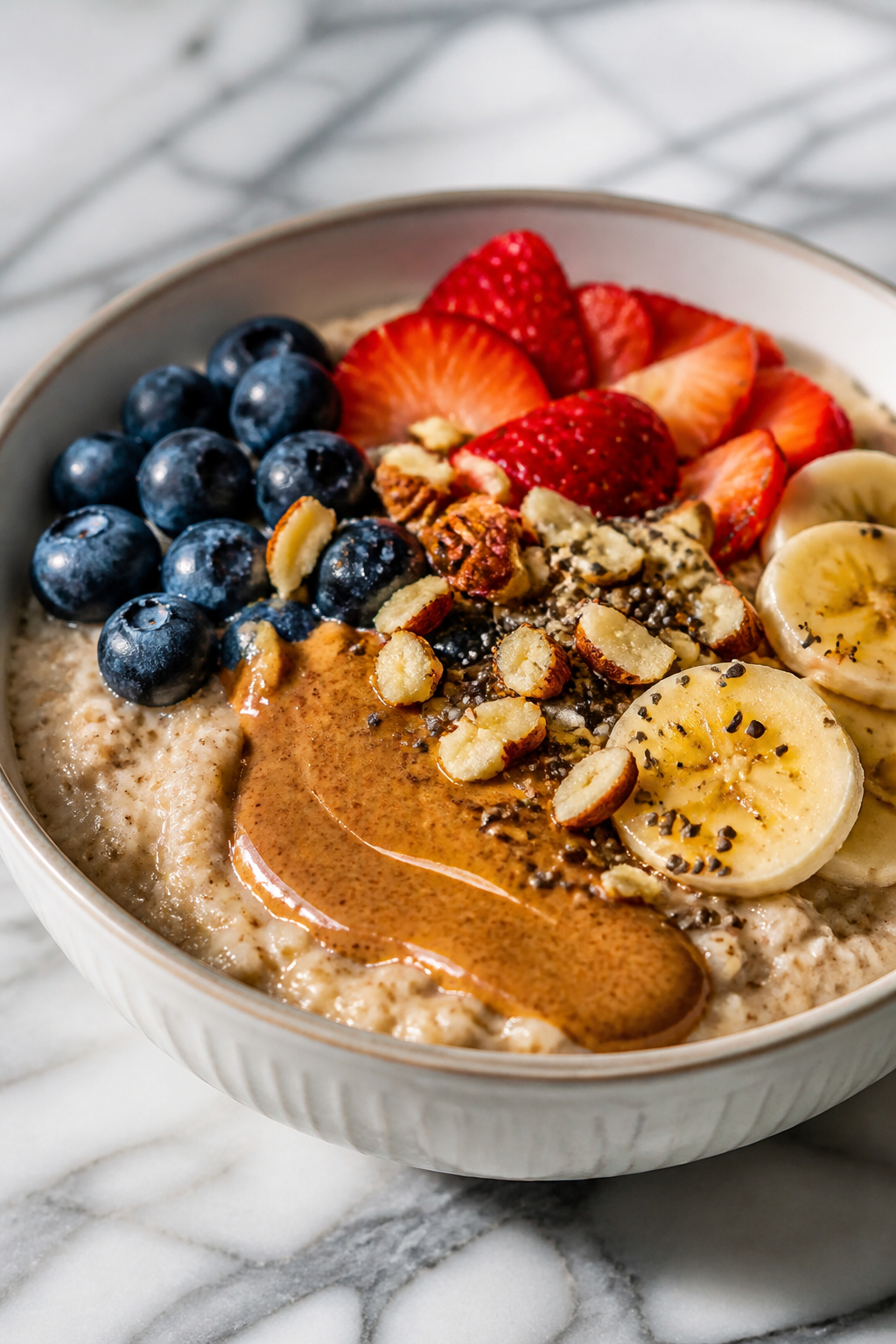
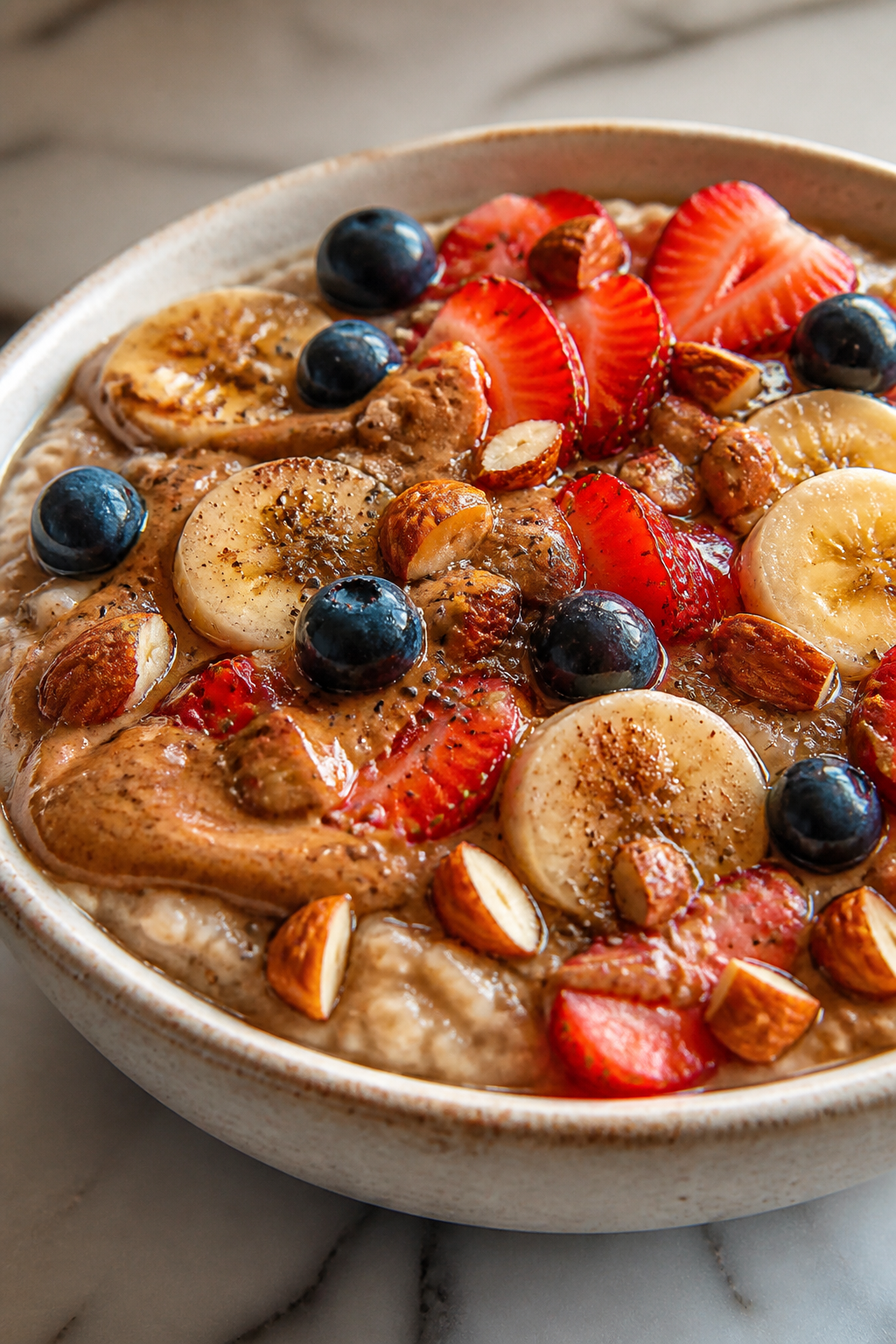
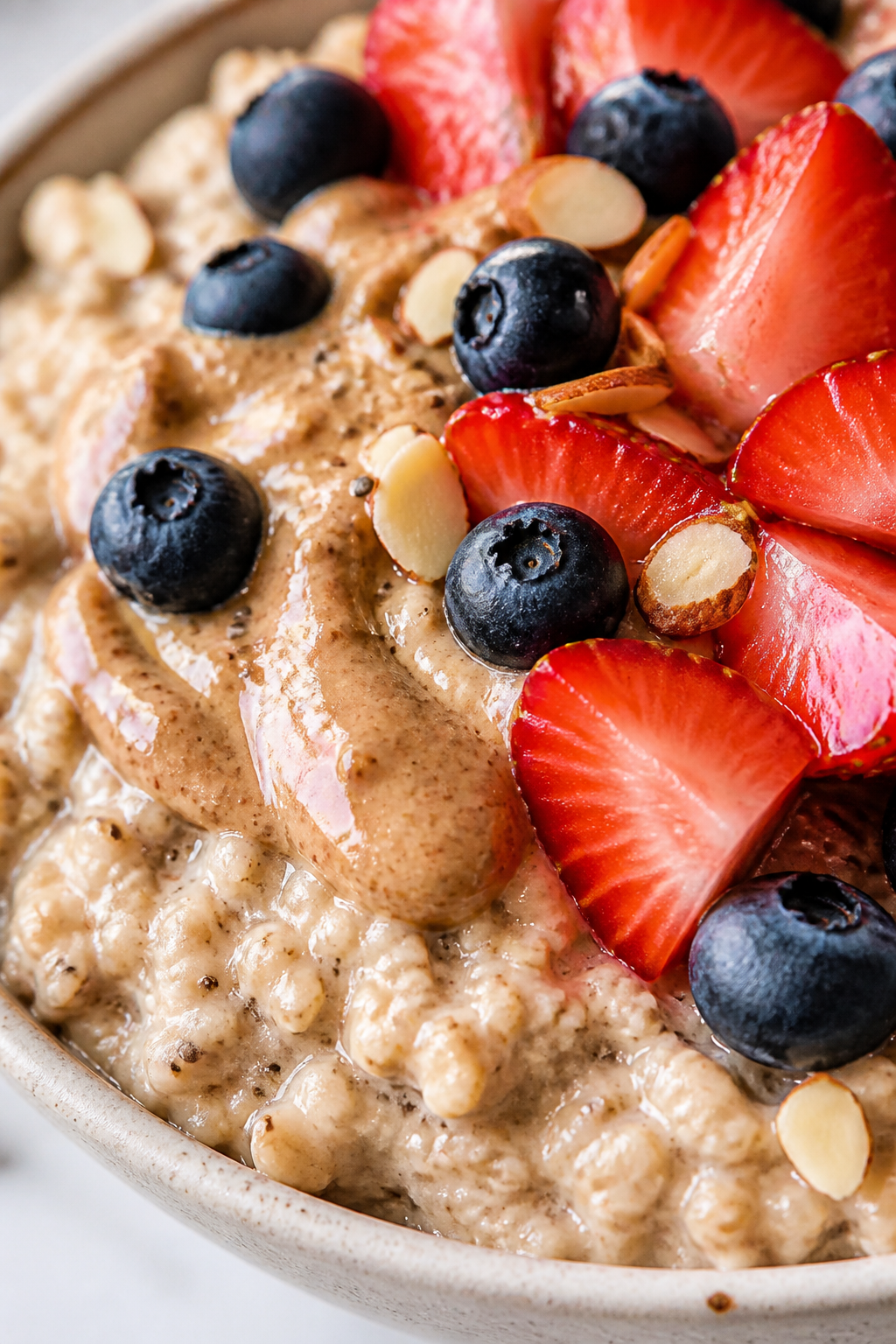
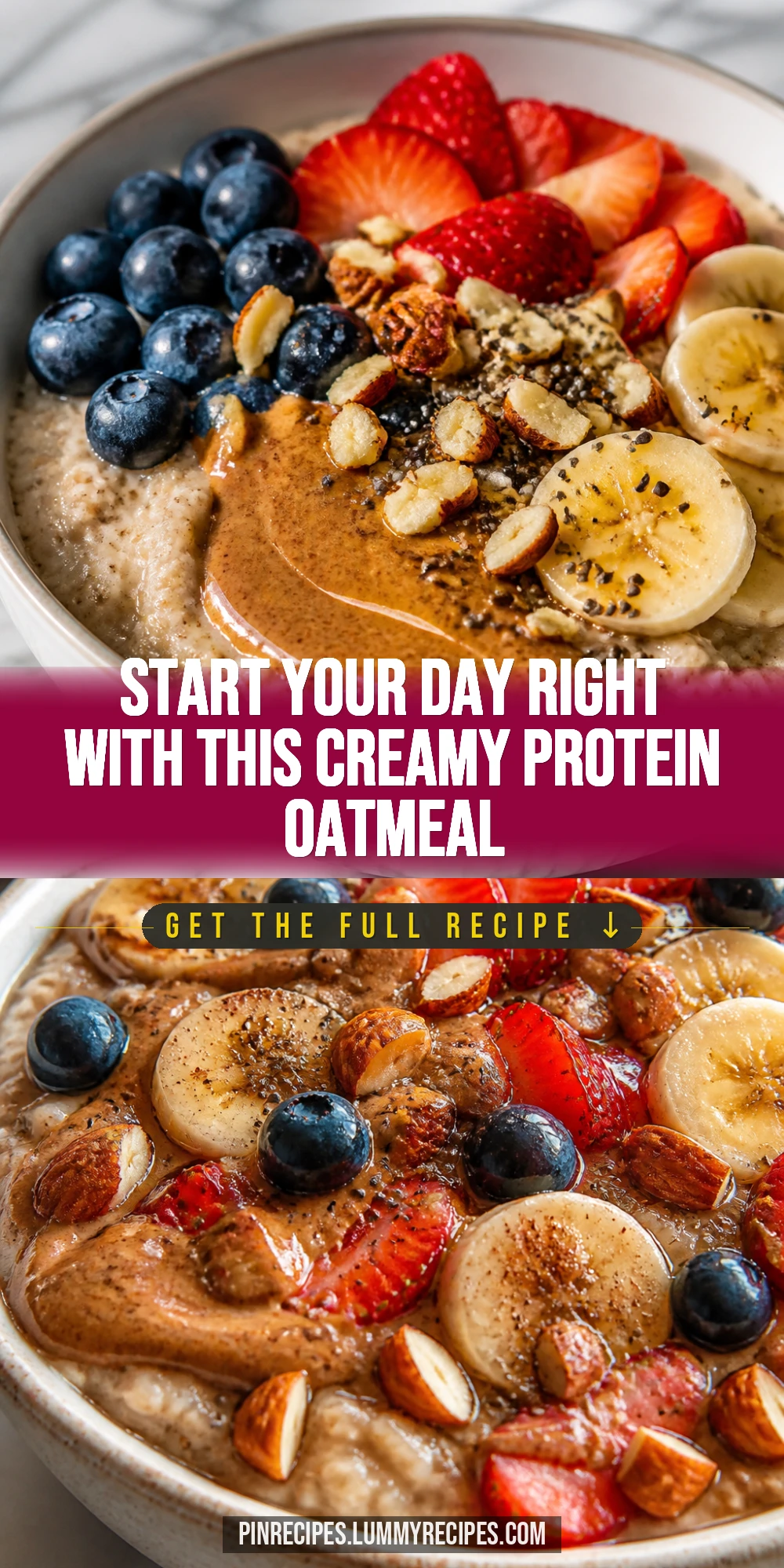
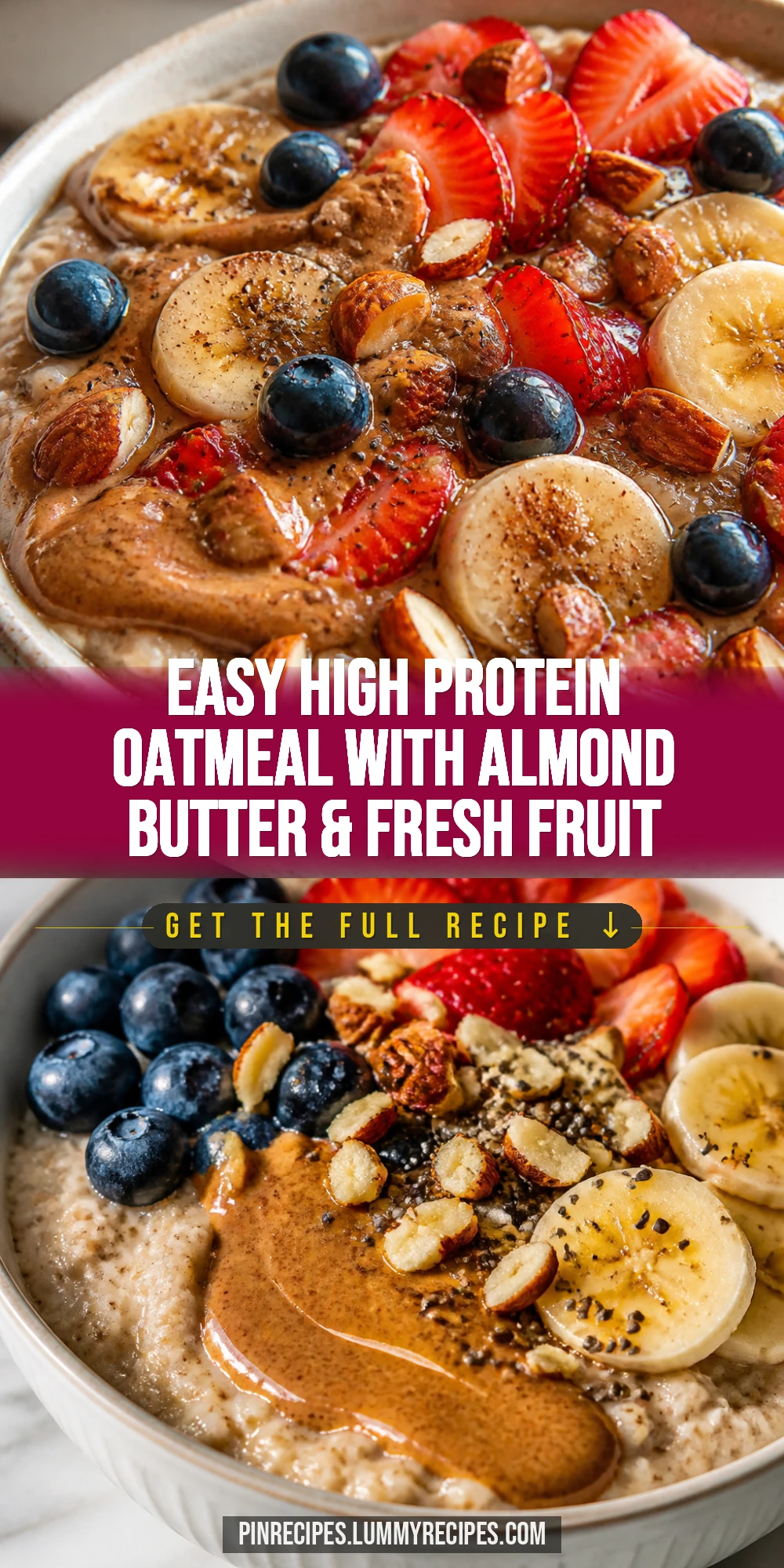
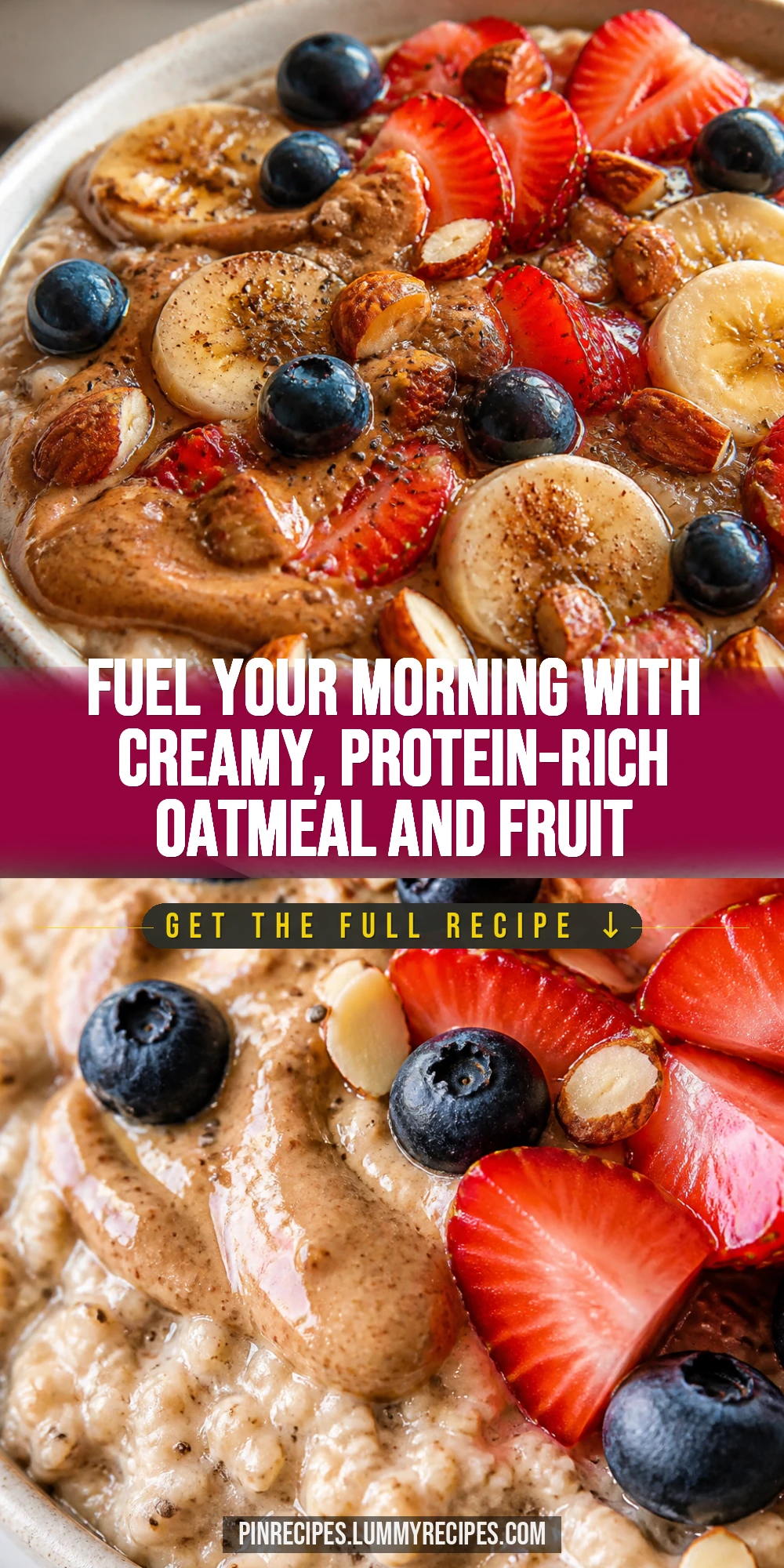
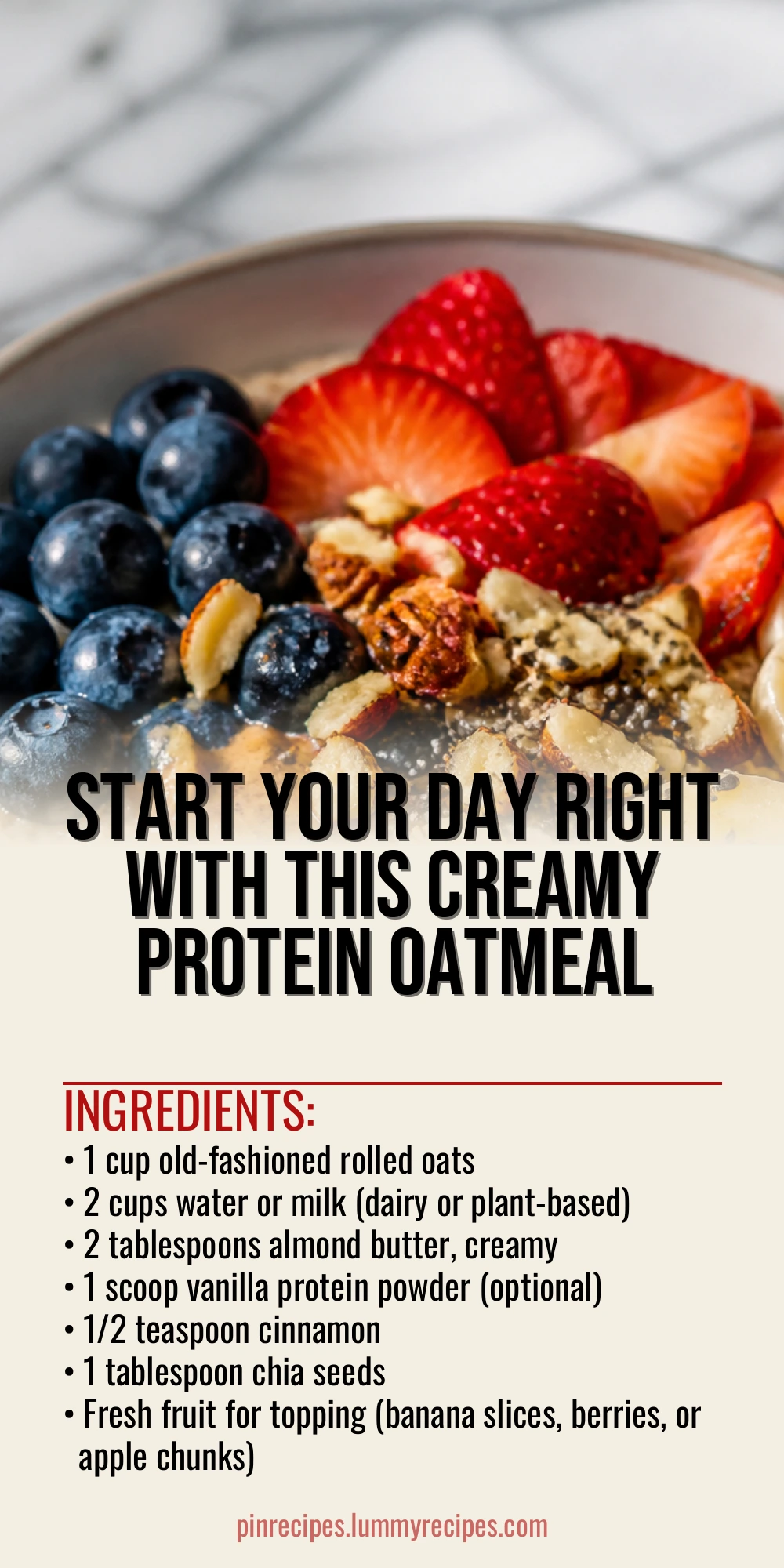
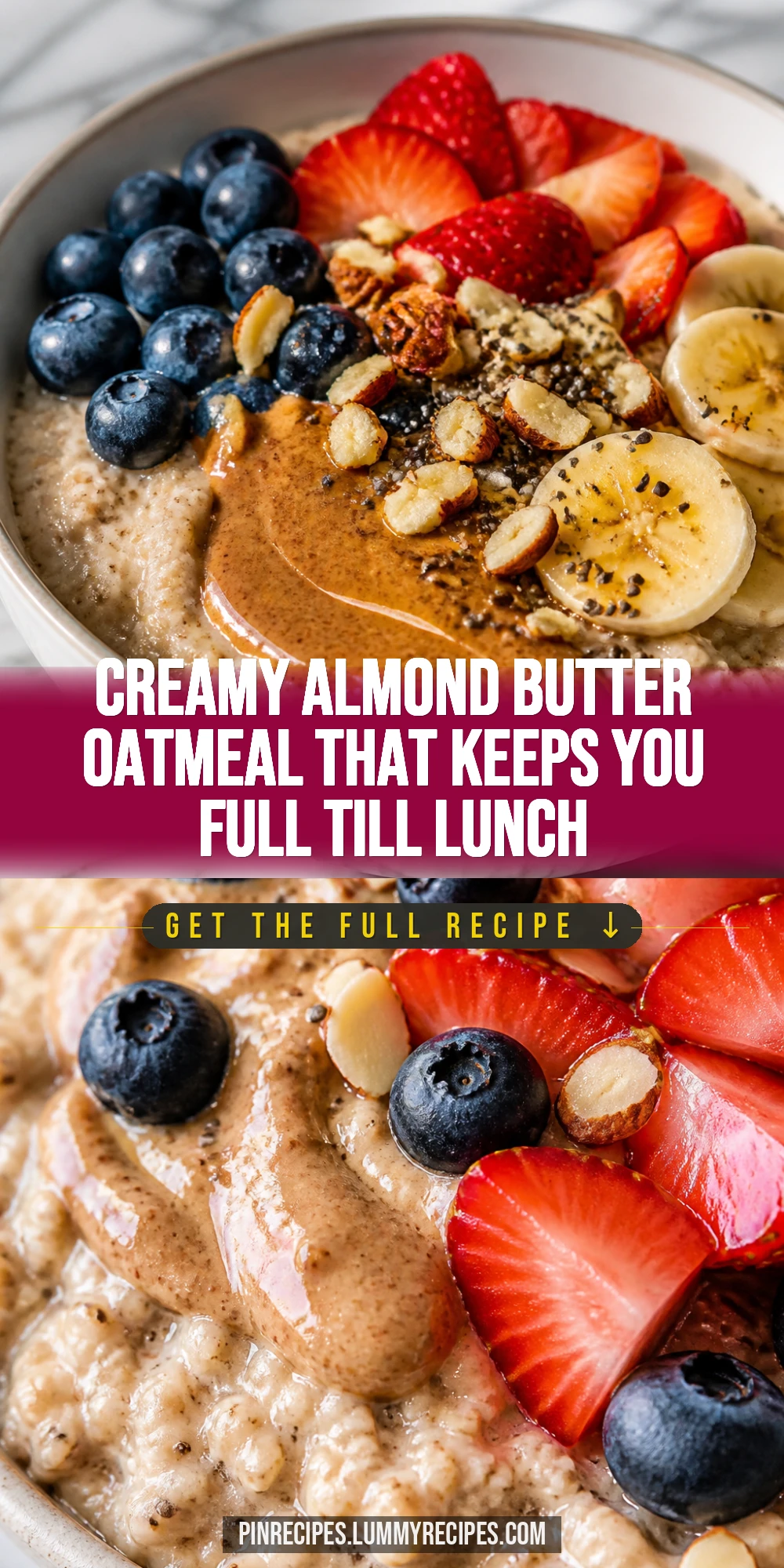
This oatmeal is a cozy, protein-packed breakfast that keeps you full for hours. I love stirring in almond butter for creaminess and adding fresh fruit for a natural sweetness boost. Great for busy mornings when you want something healthy and quick!
Introduction
I first started making this creamy high protein oatmeal when I wanted a breakfast that could keep me full until lunch without feeling heavy. I’ve always loved oatmeal, but sometimes it left me hungry too soon. Adding almond butter turned it into a rich, satisfying dish, and the protein powder gives it an extra boost that’s perfect for busy mornings. What makes this version special is the balance between creamy texture and fresh fruit brightness. The cinnamon and chia seeds add subtle layers of flavor and nutrition, too. I usually top it with banana slices or fresh berries right before eating—it’s such a comforting and wholesome way to start the day. Plus, it only takes about 15 minutes to prepare, which is a win for anyone juggling a morning routine. I’ve tried this recipe with both dairy and almond milk, and it works beautifully either way. The trick I learned is to stir the almond butter in at the end so it melts gently into the oats, creating that luscious creaminess without overpowering the other flavors. This oatmeal is warm, filling, and just sweet enough, making it a morning favorite in my house. I think you’ll love how simple it is to make but how nourishing it feels.
What You'll Need
Approximately 2 hearty servings
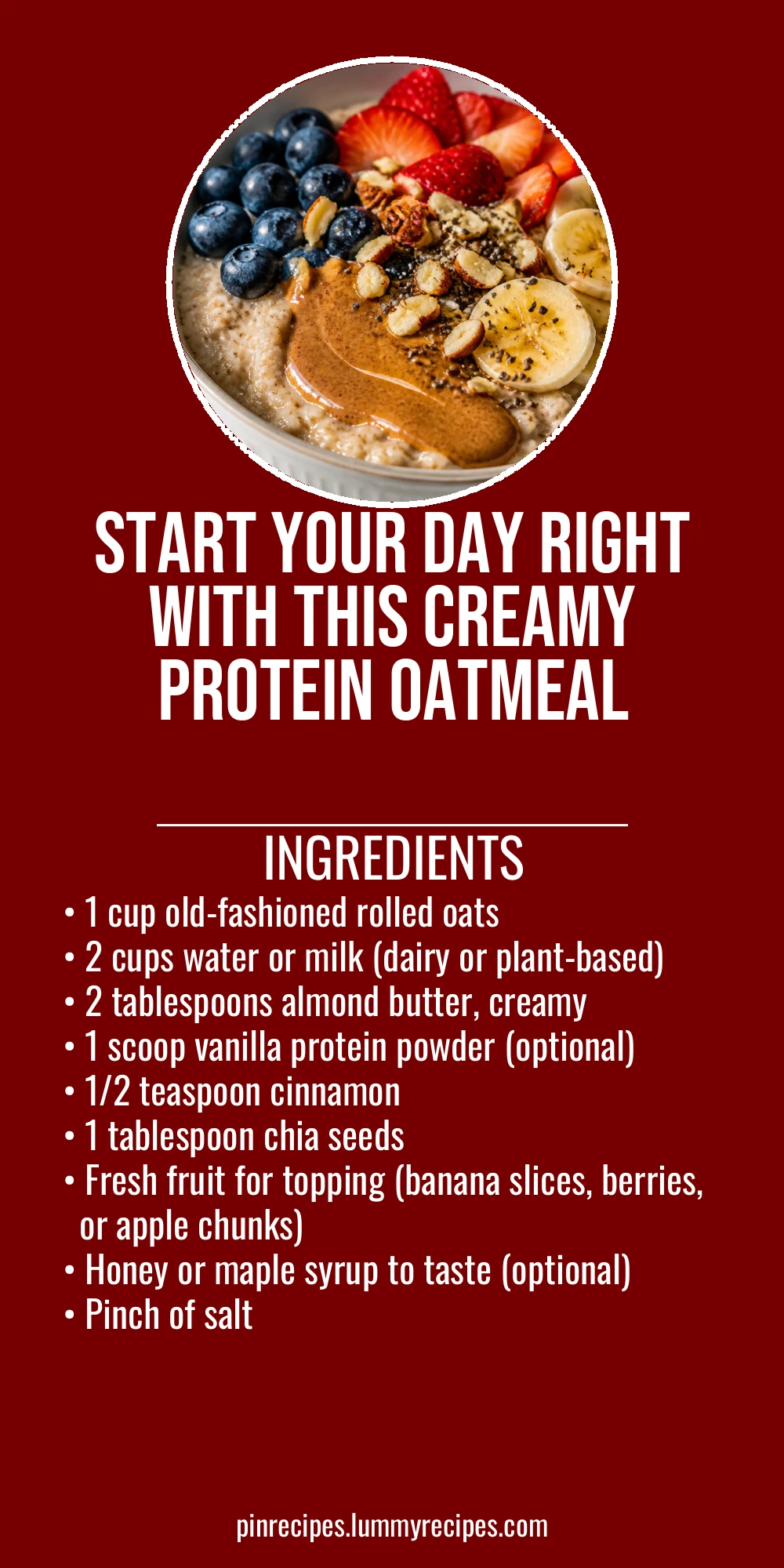
- 1 cup old-fashioned rolled oats
- 2 cups water or milk (dairy or plant-based)
- 2 tablespoons almond butter, creamy
- 1 scoop vanilla protein powder (optional)
- 1/2 teaspoon cinnamon
- 1 tablespoon chia seeds
- Fresh fruit for topping (banana slices, berries, or apple chunks)
- Honey or maple syrup to taste (optional)
- Pinch of salt
How To Do It
Step 1
Start by bringing 2 cups of water or milk to a gentle boil in a medium saucepan. Using milk will make your oatmeal creamier, but water works well if you prefer lighter. Keep an eye on the pot so it doesn’t boil over—stir occasionally to prevent sticking. This step is crucial because the liquid needs to be hot enough to soften the oats properly, ensuring they cook evenly and become tender without turning mushy.
⏱ Time: 5 minutes
✓ Doneness: Liquid is simmering gently and ready for oats
Step 2
Add 1 cup of rolled oats, a pinch of salt, and 1/2 teaspoon of cinnamon to the hot liquid. Stir well to combine and reduce the heat to medium-low. Let it simmer uncovered, stirring occasionally, so the oats absorb the liquid slowly. This slow cooking helps develop a creamy texture and prevents clumping. Rushing this step or using high heat often leads to unevenly cooked oats or a burnt bottom.
⏱ Time: 7-10 minutes
✓ Doneness: Oatmeal thickens and oats become tender but still hold shape
Step 3
Once the oats are cooked, remove the pot from heat and stir in 2 tablespoons of creamy almond butter. The warmth from the oats will melt the almond butter, creating a rich, velvety texture. This step adds healthy fats and protein, making the oatmeal more satisfying. Avoid adding almond butter too early, or it might lose its fresh flavor and texture.
⏱ Time: 2 minutes
✓ Doneness: Oatmeal looks creamy and almond butter is fully incorporated
Step 4
If using protein powder, mix in one scoop now. Stir thoroughly to prevent clumps and ensure the powder blends smoothly into the oatmeal. Adding protein powder at this stage preserves its flavor and texture. Skipping this or adding it too early can cause the powder to clump or cook unevenly.
⏱ Time: 1 minute
✓ Doneness: Oatmeal is smooth and uniform in color
Step 5
Stir in 1 tablespoon of chia seeds for extra fiber and omega-3s. Chia seeds absorb liquid and swell, giving the oatmeal a slight gel-like texture that boosts creaminess and nutrition. Don’t skip this if you want a more filling breakfast, but if you don’t like the texture, you can leave them out.
⏱ Time: 1 minute
✓ Doneness: Seeds are evenly distributed and start to swell slightly
Step 6
Taste your oatmeal and add honey or maple syrup if you like it sweeter. A little goes a long way here, so start with a teaspoon and adjust to your preference. This step is all about personal taste—some like it naturally sweet with fruit only, others prefer a touch of syrup.
⏱ Time: 1 minute
✓ Doneness: Sweetness is balanced to your liking
Step 7
Spoon the oatmeal into bowls and top generously with fresh fruit like banana slices, berries, or chopped apples. The fresh fruit adds natural sweetness and a refreshing contrast to the creamy oats. It also provides vitamins and antioxidants, making your breakfast more colorful and nutritious.
⏱ Time: 2 minutes
✓ Doneness: Fruit is fresh and vibrant on top of oatmeal
Step 8
Give the oatmeal a final gentle stir if you want the fruit to meld slightly into the warm oats, or leave the fruit on top for texture contrast. Either way, this final touch makes it feel special and inviting. Don’t over-stir or the fruit may lose its texture.
⏱ Time: 30 seconds
✓ Doneness: Oatmeal and fruit look appetizing and well combined
Step 9
Serve immediately while warm. If you want to prepare ahead, keep the oatmeal refrigerated and reheat gently with a splash of milk or water to loosen the texture. This oatmeal tastes best fresh but reheats well without losing creaminess.
⏱ Time: Serve now or reheat as needed
✓ Doneness: Oatmeal is warm, creamy, and ready to enjoy
Pro Tips
Use medium heat to cook oats slowly and prevent burning.
Cooking oats on medium heat allows the starches to gelatinize evenly, producing a creamy texture without scorching the bottom. High heat can cause sticking and uneven cooking, while too low heat prolongs cooking unnecessarily. Slow simmering is key for tender, smooth oatmeal.
Stir protein powder in last to avoid clumps and maintain smoothness.
Protein powder can clump if added to boiling or very hot oatmeal. Mixing it in after cooking at a slightly cooler temperature ensures it dissolves evenly, preserving a smooth texture and preventing graininess that can ruin the eating experience.
Top with fresh fruit just before serving for best texture.
Adding fresh fruit right before eating keeps it vibrant and crisp, providing a pleasant contrast to the creamy oats. If fruit is added too early, it can release water and become mushy, diluting the oatmeal and changing the intended texture.
Use a splash of milk or water when reheating to loosen texture.
Oatmeal thickens as it cools and stores in the fridge. Adding a little liquid when reheating restores the creamy consistency. Without this step, reheated oatmeal can be dry or overly thick, which affects mouthfeel and enjoyment.
Toast chia seeds lightly before adding for a nuttier flavor.
Lightly toasting chia seeds enhances their nutty aroma and adds depth to the oatmeal’s flavor profile. This small step can elevate a simple breakfast into something special without extra effort.
Use a non-stick saucepan to prevent oats from sticking and burning.
Oats can stick to the bottom of the pan as they cook, especially when thickening. A non-stick pan reduces this risk, making stirring easier and cleanup faster. It also helps maintain a smooth texture without burnt bits.
Let oatmeal sit off heat for a minute to thicken slightly before serving.
Allowing the oatmeal to rest lets the starches settle and absorb any remaining liquid, thickening it just enough for a perfect spoonable consistency. Serving immediately might result in a runnier texture.
Common Mistakes to Avoid
Cooking oats on too high heat
Why it happens Many cooks rush the process and crank the heat, thinking it will speed things up, but this often causes burning or uneven cooking.
Fix Reduce heat to medium or medium-low and stir frequently. This prevents sticking and allows oats to cook evenly, creating a creamy texture without burnt bits.
Adding almond butter too early
Why it happens Some assume adding almond butter at the start is easier, but heat can break down the fats and ruin flavor.
Fix Add almond butter after cooking and off the heat. Stir gently so it melts into the warm oats preserving its creamy texture and rich flavor.
Skipping the pinch of salt
Why it happens Since oatmeal is often sweet, cooks forget salt enhances flavor balance.
Fix Always add a small pinch of salt early in cooking. It brightens the flavors and prevents the oatmeal from tasting flat or bland.
Not stirring protein powder well
Why it happens Protein powder tends to clump if not mixed thoroughly, leading to gritty texture.
Fix Add protein powder after cooking and stir vigorously until smooth. Using a whisk can help break up lumps for a silky oatmeal.
Using instant oats for this recipe
Why it happens Instant oats cook too fast and become mushy, losing the desired creamy but hearty texture.
Fix Use old-fashioned rolled oats. They absorb liquid slowly and create a better texture suited for almond butter and protein powder additions.
Variations
Peanut Butter and Banana Oatmeal
Swap almond butter for peanut butter and top with sliced bananas and a sprinkle of chopped peanuts. This variation adds a classic, comforting peanut flavor and a bit more crunch. It’s a great twist if peanut butter is your favorite nut butter.
Note: The cooking method remains the same, but peanut butter may have a stronger flavor, so adjust quantity to taste.
Berry and Yogurt Topped Oatmeal
Add fresh or frozen mixed berries on top and a dollop of Greek yogurt for tanginess and extra protein. This version is lighter and adds a creamy tang that pairs wonderfully with the cinnamon-spiced oats.
Note: Use fresh berries if possible for best texture; frozen berries can be warmed slightly before adding.
Maple Pecan Oatmeal
Stir in a tablespoon of maple syrup instead of honey and top with toasted pecans for a sweet, nutty flavor. This variation brings a cozy, autumnal vibe to breakfast and adds crunch with the nuts.
Note: Toast pecans lightly in a dry pan before topping to enhance flavor.
Chocolate Almond Protein Oatmeal
Add a teaspoon of cocoa powder along with protein powder and almond butter for a chocolatey twist. Top with sliced almonds and a few dark chocolate chips for a treat that still packs nutrition.
Note: Cocoa powder can make the oatmeal slightly thicker; add a splash of milk if needed.
Savory Herb and Cheese Oatmeal
For a savory change, skip the fruit and sweeteners. Stir in grated sharp cheddar, a pinch of black pepper, and fresh herbs like chives or parsley. This is a comforting, protein-rich option for those who prefer savory breakfasts.
Note: Use water or unsweetened milk base and reduce or omit cinnamon for this variation.
Nutrition
Per Serving:
Nutritional values are estimates and may vary based on specific ingredients used.
Storage & Tips
Room Temperature
Oatmeal should not be left at room temperature for more than 2 hours to avoid bacterial growth. Cover it loosely if you plan to eat it soon but avoid long exposure.
Refrigerator
Store leftover oatmeal in an airtight container for up to 3 days. It thickens when cold and may separate slightly. Reheat gently with a splash of milk or water to restore creaminess. It can be eaten cold but texture will be denser.
Freezer
Freeze oatmeal in portion-sized airtight containers or freezer bags for up to 2 months. Thaw overnight in the fridge before reheating. Freezing may slightly change texture, but reheating with added liquid helps recover creaminess.
Reheating
Reheat oatmeal on the stovetop over low heat or in the microwave with a splash of milk or water. Stir frequently to prevent sticking and to restore smooth texture. Avoid overheating which can dry it out.
Make Ahead
You can prepare the oats base a day ahead and store it in the fridge. Add almond butter, protein powder, and fresh fruit just before serving to keep flavors fresh and textures perfect.
FAQ
Can I use quick oats instead of rolled oats?
Quick oats cook faster but tend to become mushy and lack the creamy texture this recipe aims for. Rolled oats hold their shape better and provide a heartier, more satisfying oatmeal. If you must use quick oats, reduce cooking time and watch closely to avoid overcooking.
What if I don’t have almond butter?
You can substitute peanut butter or cashew butter. Each nut butter will bring a slightly different flavor and richness, but all add healthy fats and creaminess. Avoid nut butters with added sugar or oils for the best results.
Is the protein powder necessary?
Protein powder is optional but recommended if you want a more filling breakfast. It adds extra protein without changing flavor much if you use vanilla or unflavored varieties. You can skip it if you prefer a simpler oatmeal.
Can I make this oatmeal vegan?
Absolutely! Use plant-based milk like almond, oat, or soy milk and choose a vegan protein powder. Make sure your almond butter has no animal-derived ingredients. The recipe works well vegan and tastes just as delicious.
How do I store leftover oatmeal?
Store leftovers in an airtight container in the refrigerator for up to 3 days. It thickens when chilled, so reheat with a splash of milk or water to loosen it. Avoid leaving it at room temperature for long to prevent spoilage.
Can I add other toppings?
Definitely! Nuts, seeds, dried fruit, or a spoonful of yogurt all work well. Just add fresh or crunchy toppings last to keep texture contrast. Experiment with flavors you love to keep breakfast exciting.
Can I make this recipe gluten-free?
Yes, just be sure to use certified gluten-free oats, as regular oats can be cross-contaminated with gluten. All other ingredients are naturally gluten-free, making this a safe option for gluten-sensitive eaters.
Final Thoughts
I hope you enjoy this creamy high protein oatmeal as much as my family does. It’s a simple, nourishing way to start your day—give it a try and share how you like it!