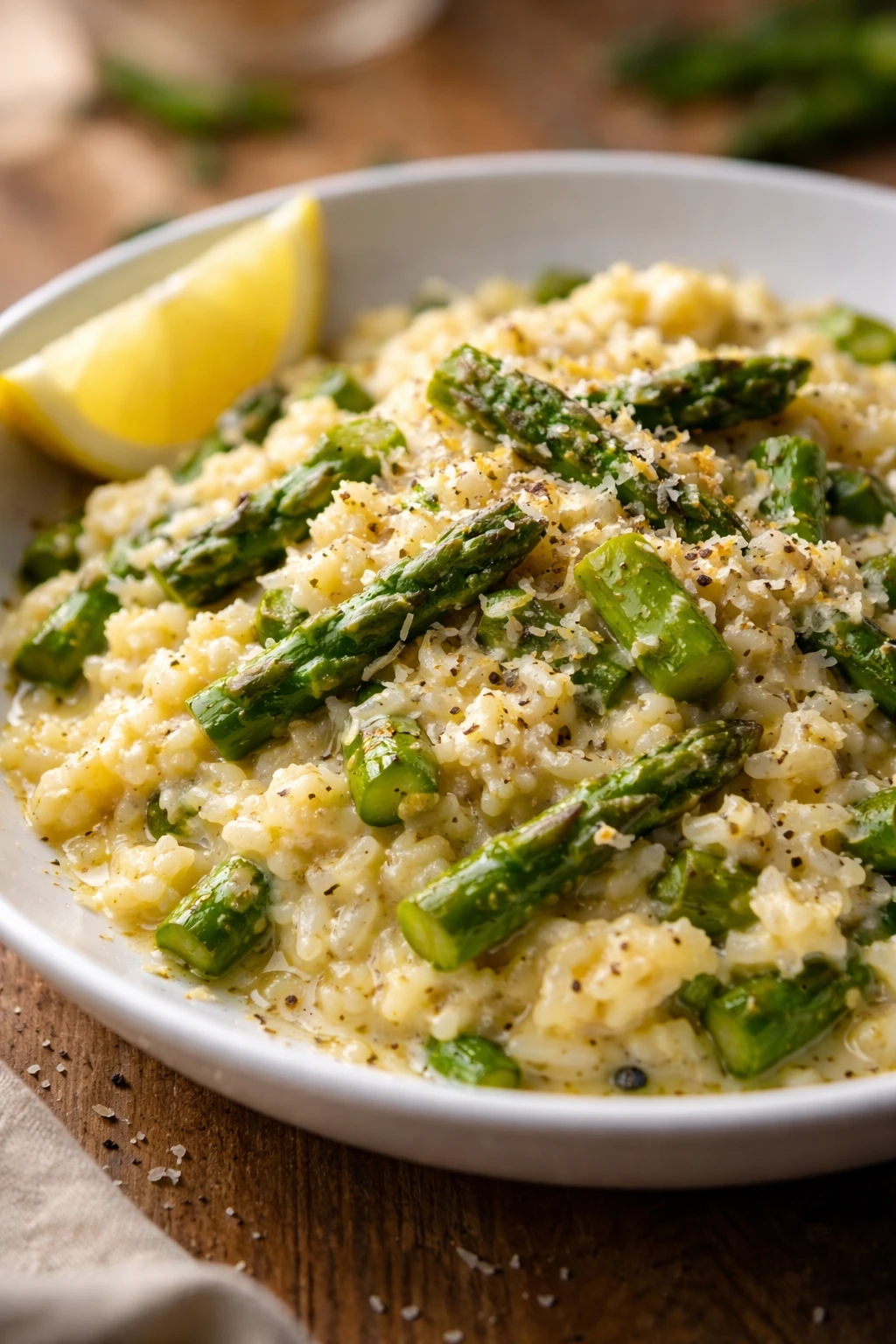
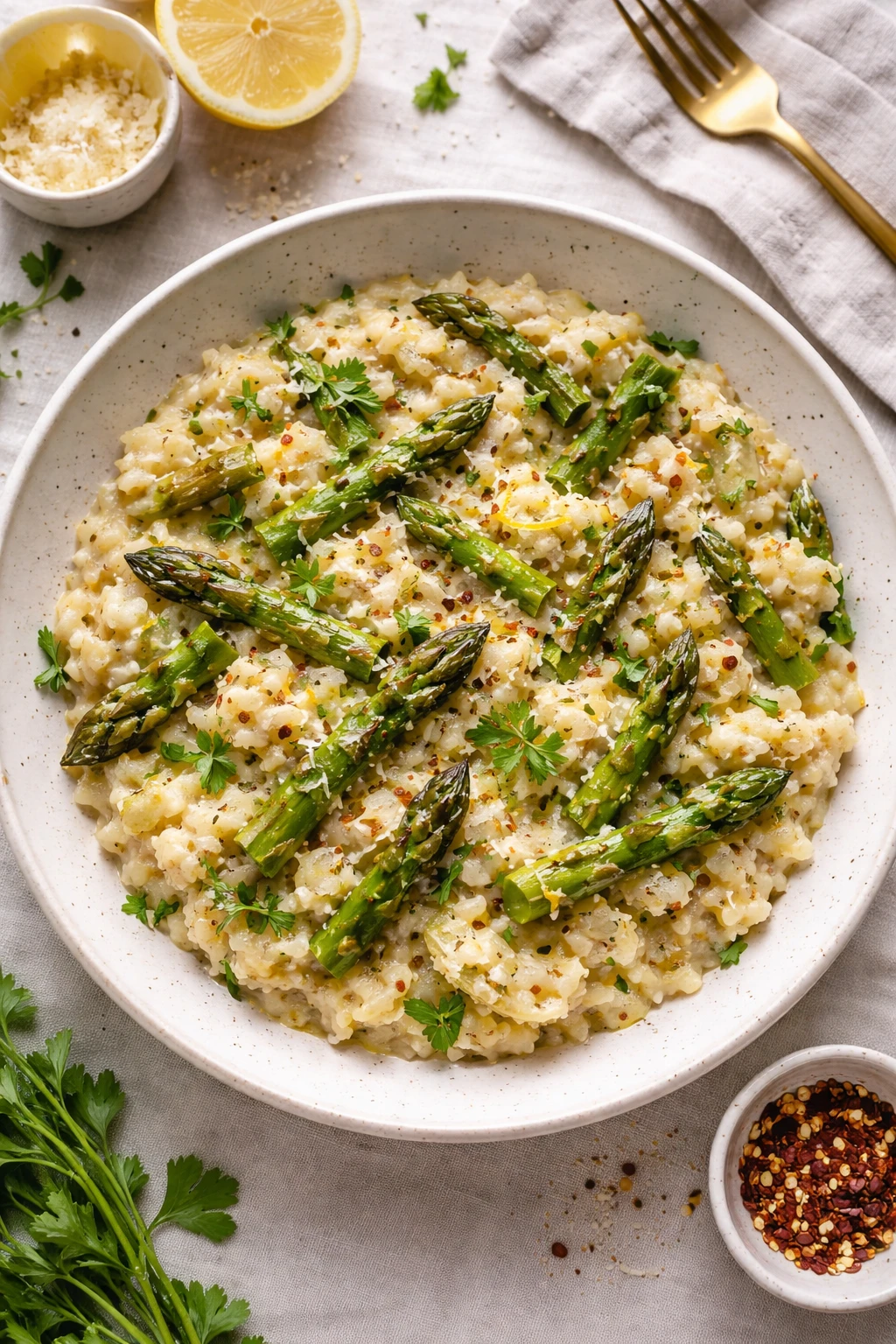
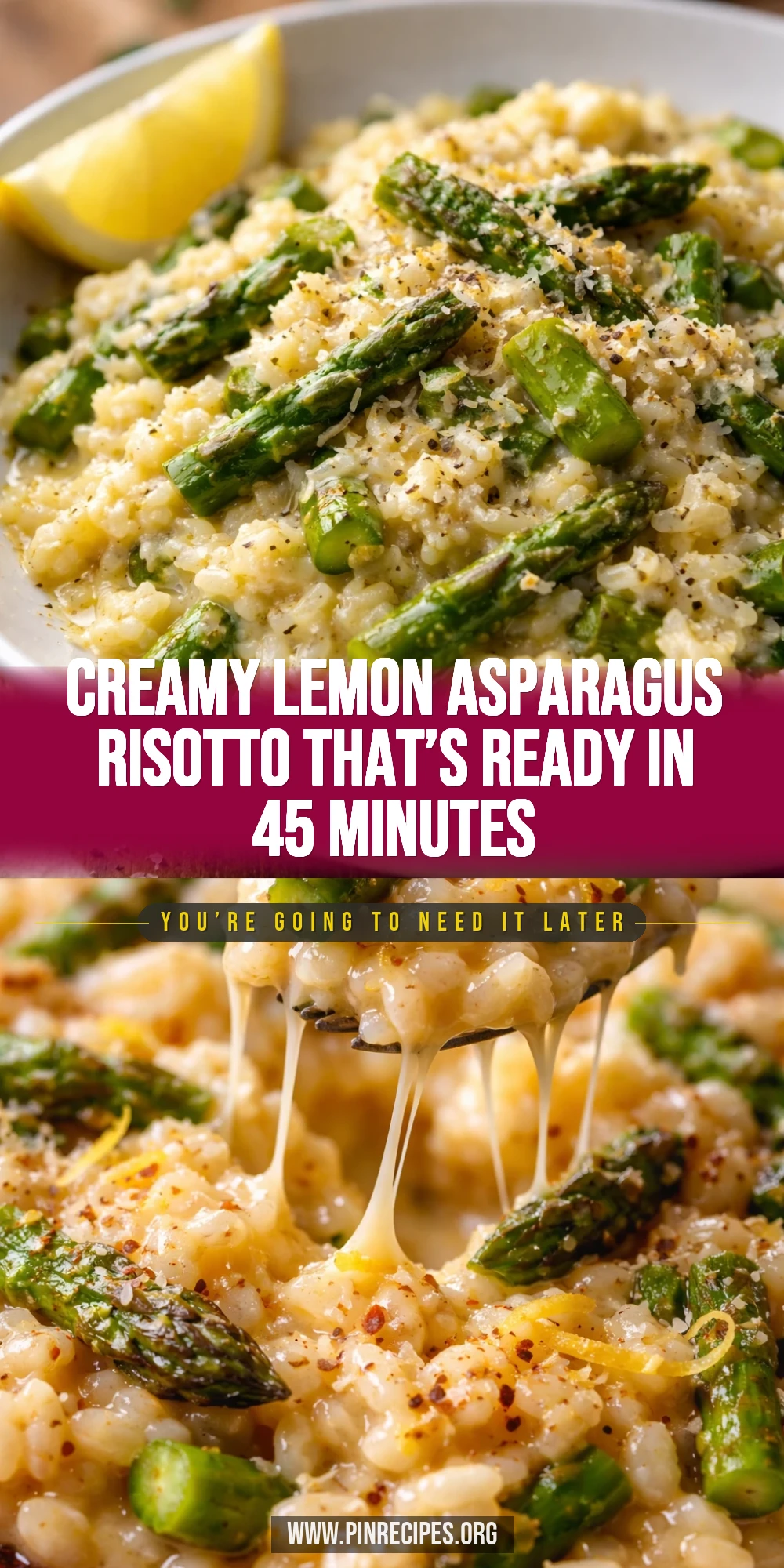
This risotto is bright and creamy with fresh asparagus and a zesty lemon twist. The secret? Adding lemon zest and juice near the end keeps it fresh and lively. Perfect for a cozy spring dinner or a special weekend meal.
Introduction
I remember the first time I made risotto; it was a bit intimidating with all that stirring and slow broth addition. But once I got the hang of it, I realized how rewarding it is to create such a creamy, comforting dish from simple ingredients. This lemon asparagus risotto quickly became a favorite in my kitchen because it’s fresh and vibrant, perfect for spring or whenever you want something bright but cozy. What makes this version stand out is the addition of lemon zest and juice at the end — it lifts the whole dish and balances the richness beautifully. Also, I learned early on that using warm broth and adding it gradually is key to that perfect creamy texture. The asparagus adds a nice bite and freshness, making it feel like a special occasion meal even on a regular weeknight. Expect a luscious, silky risotto with just the right tang and a hint of earthiness from the asparagus. It’s the kind of dish that feels fancy but is surprisingly easy to make, and it always impresses guests or makes a solo dinner feel like a treat.
How To Do It
Step 1
Heat the vegetable broth in a saucepan and keep it warm over low heat. This is crucial because adding cold broth to the rice will slow down the cooking process and affect the texture. Warm broth helps the rice cook evenly and absorb the liquid properly, creating that creamy consistency you want in risotto.
⏱ Time: 5 minutes
✓ Doneness: Broth is steaming gently but not boiling
Step 2
In a large skillet or saucepan, heat the olive oil and 1 tablespoon of butter over medium heat. Add the chopped onion and cook until translucent and soft, about 4-5 minutes. This step builds the flavor base; you want the onions to be soft and sweet without browning, as burnt onions can add bitterness.
⏱ Time: 5 minutes
✓ Doneness: Onions are soft, slightly glossy, and fragrant
Step 3
Add the minced garlic and cook for 30 seconds until fragrant. Garlic cooks quickly, so watch closely to avoid burning, which would make the dish bitter. Stir constantly so it softens evenly.
⏱ Time: 30 seconds
✓ Doneness: Aromatic garlic scent without any browning
Step 4
Add the Arborio rice to the pan and stir to coat each grain in the butter and oil. Toast the rice for about 2 minutes until the edges become translucent but the center is still opaque. This toasting step enhances the nutty flavor and helps the rice hold its texture during cooking.
⏱ Time: 2 minutes
✓ Doneness: Rice grains look slightly translucent on edges
Step 5
Pour in the white wine and stir constantly until it’s mostly absorbed. The wine adds acidity and depth to the risotto. Rushing this step or skipping it means missing out on flavor and the proper layering of liquid for the rice to cook evenly.
⏱ Time: 3-4 minutes
✓ Doneness: Wine is mostly evaporated, and rice looks creamy
Step 6
Begin adding the warm vegetable broth one ladle at a time, stirring frequently. Wait until most of the liquid is absorbed before adding the next ladle. This gradual addition encourages the rice to release its starch, which is what creates that luscious, creamy texture. Stirring also prevents sticking and promotes even cooking.
⏱ Time: 20 minutes
✓ Doneness: Rice is creamy and tender but still has a slight bite (al dente)
Step 7
About halfway through the broth addition, stir in the asparagus pieces. This timing lets the asparagus cook just enough to be tender but still crisp and bright green. Adding them too early can make them mushy; too late and they’ll be undercooked.
⏱ Time: 10 minutes
✓ Doneness: Asparagus is tender but still vibrant green and slightly firm
Step 8
Once the rice is cooked to al dente and the risotto is creamy, remove the pan from heat. Stir in the remaining tablespoon of butter, grated Parmesan, lemon zest, and lemon juice. This final step enriches the risotto, adds brightness, and balances the flavors. Taste and season with salt and pepper as needed.
⏱ Time: 2-3 minutes
✓ Doneness: Risotto is glossy, creamy, and evenly flavored with lemon and cheese
Step 9
Let the risotto sit for a minute or two before serving. This resting time lets the flavors meld and the texture settle. Serve immediately for the best creamy texture; risotto doesn’t hold well if left too long.
⏱ Time: 2 minutes
✓ Doneness: Risotto is thick but still creamy and easy to spoon
Pro Tips
Keep your broth warm throughout the cooking process.
Adding cold broth cools the rice and slows cooking, disrupting the creamy texture formation. Warm broth helps maintain an even temperature, allowing the rice to release starch gradually and absorb liquid smoothly.
Stir the risotto frequently but not constantly.
Stirring encourages starch release, but over-stirring can break down the grains and make the texture gummy. Aim for gentle, consistent stirring to develop creaminess without damaging the rice.
Add the lemon zest and juice at the very end.
Lemon added too early can turn bitter and lose its brightness. Adding it off the heat preserves the fresh citrus flavor and aroma, balancing the richness without overpowering the dish.
Use fresh Parmesan cheese and grate it yourself.
Pre-grated cheese often contains additives that affect melting and texture. Freshly grated Parmesan melts smoothly, enriching the risotto’s creaminess and flavor.
Trim and cut asparagus uniformly.
Evenly sized pieces cook at the same rate, ensuring consistent tenderness and texture throughout the dish. Uneven pieces can lead to some being mushy while others remain undercooked.
Toast the rice before adding liquid.
This step enhances the rice’s nutty flavor and helps it hold its shape during cooking, preventing a mushy risotto and improving overall texture.
Rest the risotto for a minute before serving.
Letting it sit allows the flavors to meld and the texture to settle, giving you a perfectly creamy and cohesive dish.
Common Mistakes to Avoid
Adding broth too quickly
Why it happens Many cooks want to speed up the process and pour in all the broth at once, thinking it saves time.
Fix Add broth gradually, one ladle at a time, allowing the rice to absorb liquid slowly. This promotes proper starch release and prevents a watery or mushy texture.
Using cold broth
Why it happens Forgetting to warm the broth or using it straight from the fridge is common when multitasking.
Fix Always keep broth warm on low heat. Cold broth cools the cooking temperature, slowing starch release and affecting texture.
Overcooking asparagus
Why it happens Adding asparagus too early leads to mushy, dull-colored pieces.
Fix Add asparagus halfway through the cooking process to keep it tender-crisp and vibrant green.
Skipping the toasting step
Why it happens Some cooks rush to add liquid without toasting rice, not realizing its importance.
Fix Toast the rice briefly in fat before adding liquid to enhance flavor and texture.
Adding lemon juice too early
Why it happens Adding acidic lemon juice at the start can cause bitterness and curdling.
Fix Add lemon zest and juice off the heat at the end to preserve brightness and avoid bitterness.
Variations
Mushroom and Thyme Risotto
Swap asparagus for sautéed mushrooms and add fresh thyme for an earthy twist. The mushrooms add a meaty texture and deep flavor, making this perfect for cozy fall dinners.
Note: Cook mushrooms separately to avoid excess moisture, then fold in near the end to keep risotto creamy.
Pea and Mint Risotto
Add fresh or frozen peas and chopped mint for a sweet, refreshing flavor combo. This variation is light and bright, perfect for spring or summer meals.
Note: Stir peas in during the last few minutes of cooking to keep their color and snap.
Shrimp and Lemon Risotto
Add sautéed shrimp for a protein boost and extra seafood flavor. The lemon complements the shrimp beautifully, making it a great dinner option.
Note: Cook shrimp separately to avoid overcooking risotto; fold in just before serving.
Butternut Squash and Sage Risotto
Roast diced butternut squash and add with fresh sage for a sweet and savory autumnal version. The squash adds creaminess and a subtle sweetness.
Note: Add roasted squash near the end to maintain texture and flavor.
Vegan Lemon Asparagus Risotto
Use nutritional yeast instead of Parmesan and olive oil instead of butter for a dairy-free version. It’s just as creamy and flavorful with a little tweaking.
Note: Add vegan butter or extra olive oil at the end for richness.
Nutrition
Per Serving:
Nutritional values are estimates and may vary based on specific ingredients used.
Storage & Tips
Room Temperature
Risotto can safely sit covered at room temperature for up to 2 hours. Beyond that, bacteria growth increases, so refrigerate promptly to keep it safe.
Refrigerator
Store leftover risotto in an airtight container for up to 3 days. It may thicken and lose some creaminess when cold. Reheat gently with a splash of broth or water to restore texture.
Freezer
Freeze risotto in a sealed container for up to 1 month. To prevent freezer burn, use airtight packaging. Thaw overnight in the refrigerator before reheating.
Reheating
Reheat risotto on the stovetop over low heat, stirring in a splash of broth or water to loosen it. Microwave reheating works but may dry it out, so cover and add liquid. Avoid high heat to prevent curdling.
Make Ahead
You can prepare the risotto base (toasted rice and broth) and chop asparagus a day ahead. Store separately and combine during final cooking to keep asparagus fresh and vibrant.
FAQ
Can I use a different type of rice for risotto?
Arborio rice is preferred because of its high starch which creates creaminess. Using long-grain rice won’t give the same texture and may turn out dry or mushy. If Arborio isn’t available, Carnaroli or Vialone Nano are good substitutes.
What if I don’t have white wine?
You can skip the wine or replace it with extra broth and a splash of lemon juice for acidity. Wine adds depth but isn’t essential. Just be sure to add the lemon at the end to keep brightness.
How do I know when the risotto is done?
Risotto is done when the rice is tender but still slightly firm to the bite (al dente) and the texture is creamy and loose, not dry or mushy. Taste test often during the last few minutes of cooking.
Can I make risotto ahead of time?
Risotto is best fresh but you can prepare it a day ahead. Store it airtight in the fridge and reheat gently with some broth to restore creaminess. Avoid freezing if possible, as texture changes.
Why does my risotto sometimes turn out gummy?
Gummy risotto usually means too much stirring or adding broth too quickly. Stir gently and add broth gradually, letting the rice absorb liquid before adding more to encourage proper starch release.
How do I keep asparagus bright green in risotto?
Add asparagus halfway through cooking to avoid overcooking. Using fresh, firm asparagus also helps. Blanching asparagus before adding can preserve color, but timing in the risotto works well too.
Can I use frozen asparagus?
Frozen asparagus works fine if properly drained. Add it late in cooking to keep texture.
What’s the best way to grate Parmesan for risotto?
Use a fine grater or microplane for smooth melting. Freshly grated cheese melts better and integrates into the risotto, giving a creamier texture than pre-grated packaged cheese.
Final Thoughts
Give this lemon asparagus risotto a try and let it brighten your dinner table. I’d love to hear how it turns out for you—happy cooking!