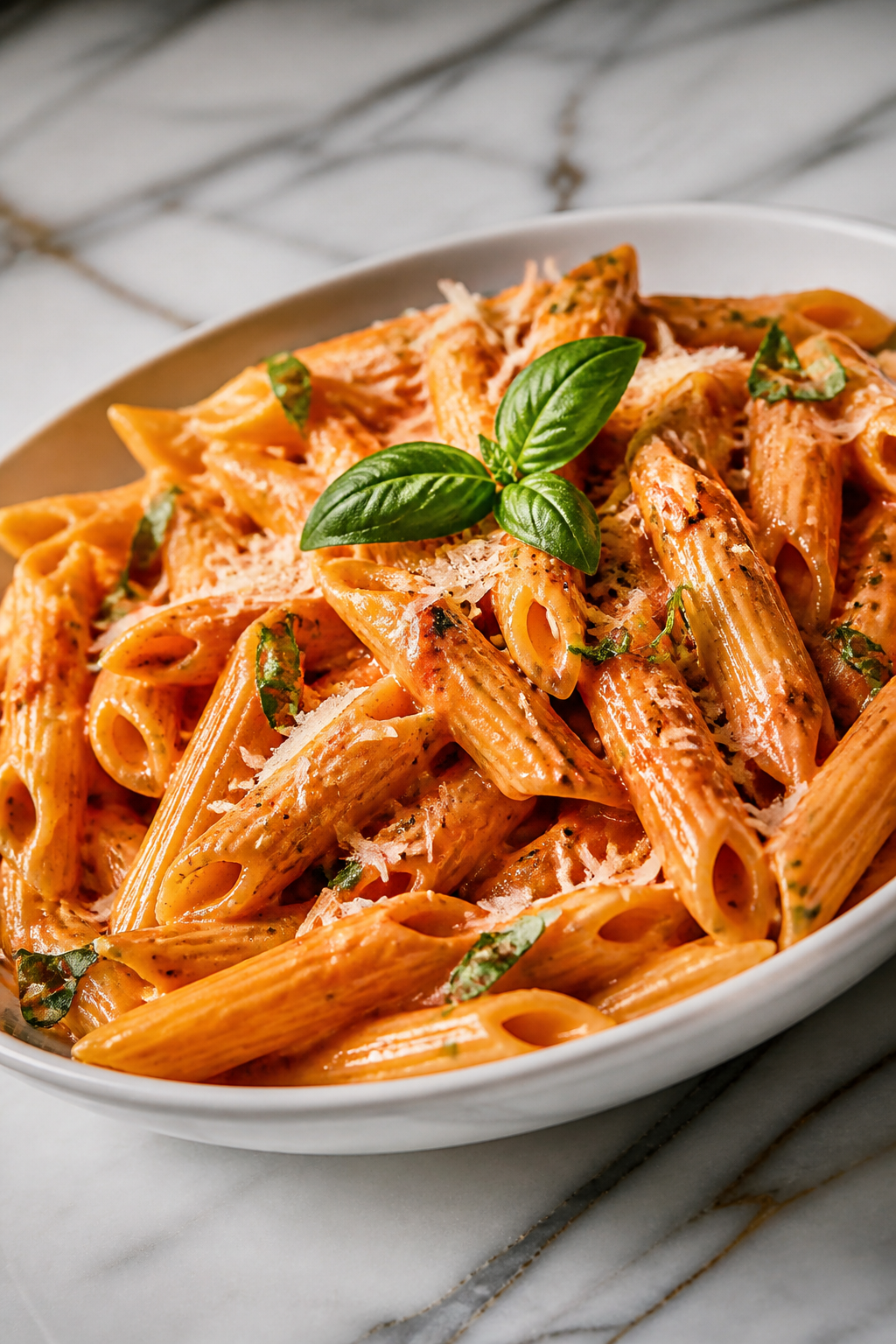
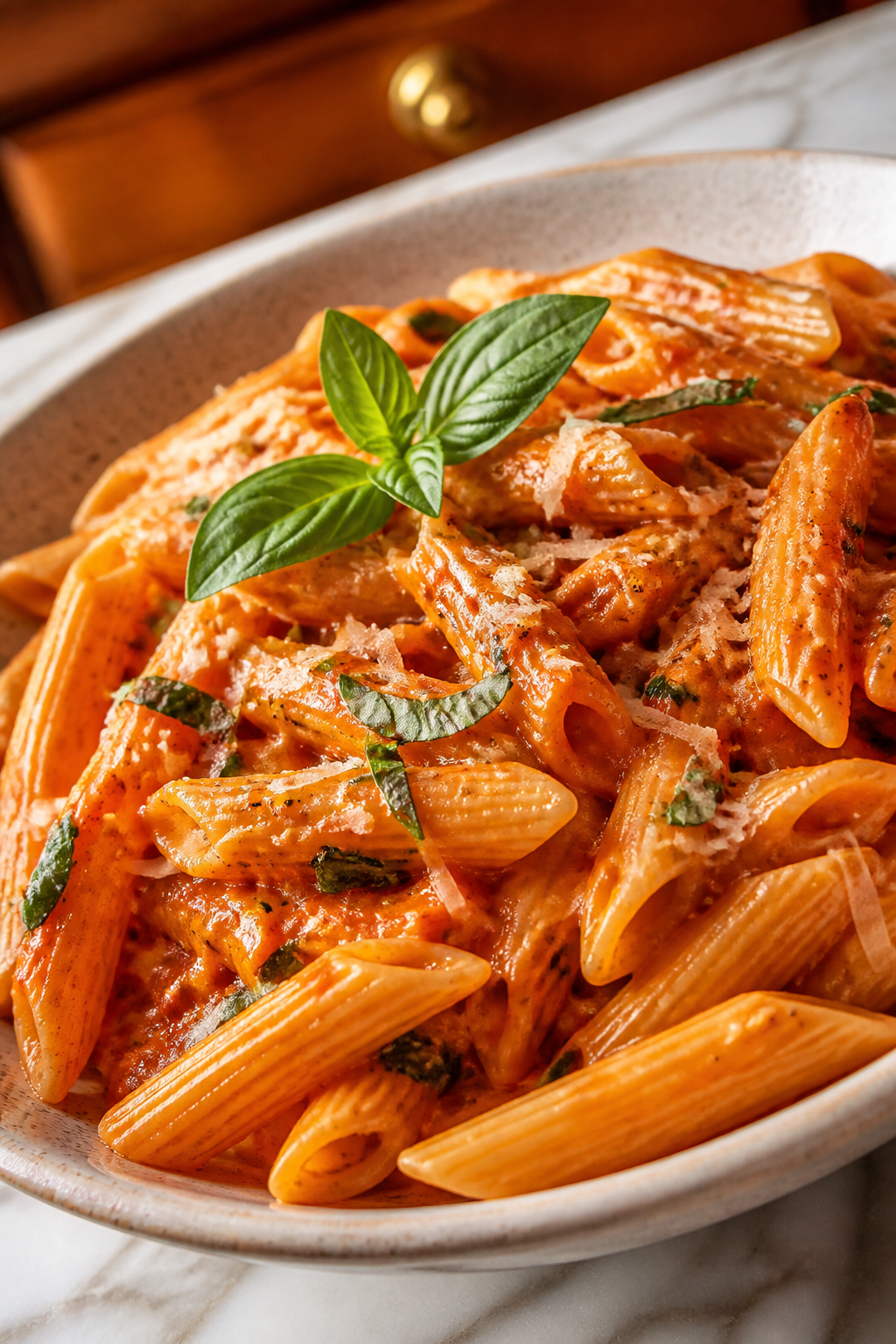
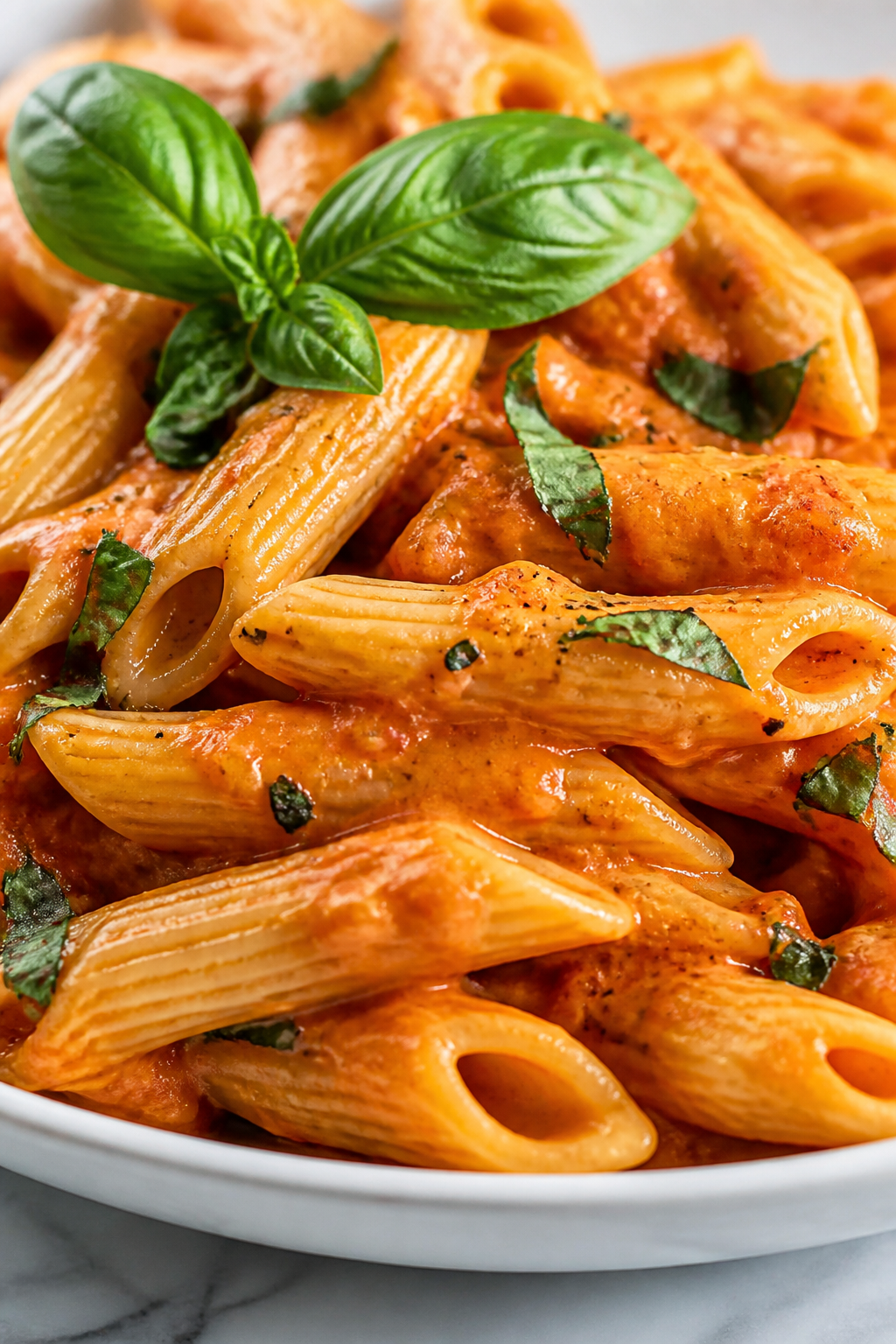
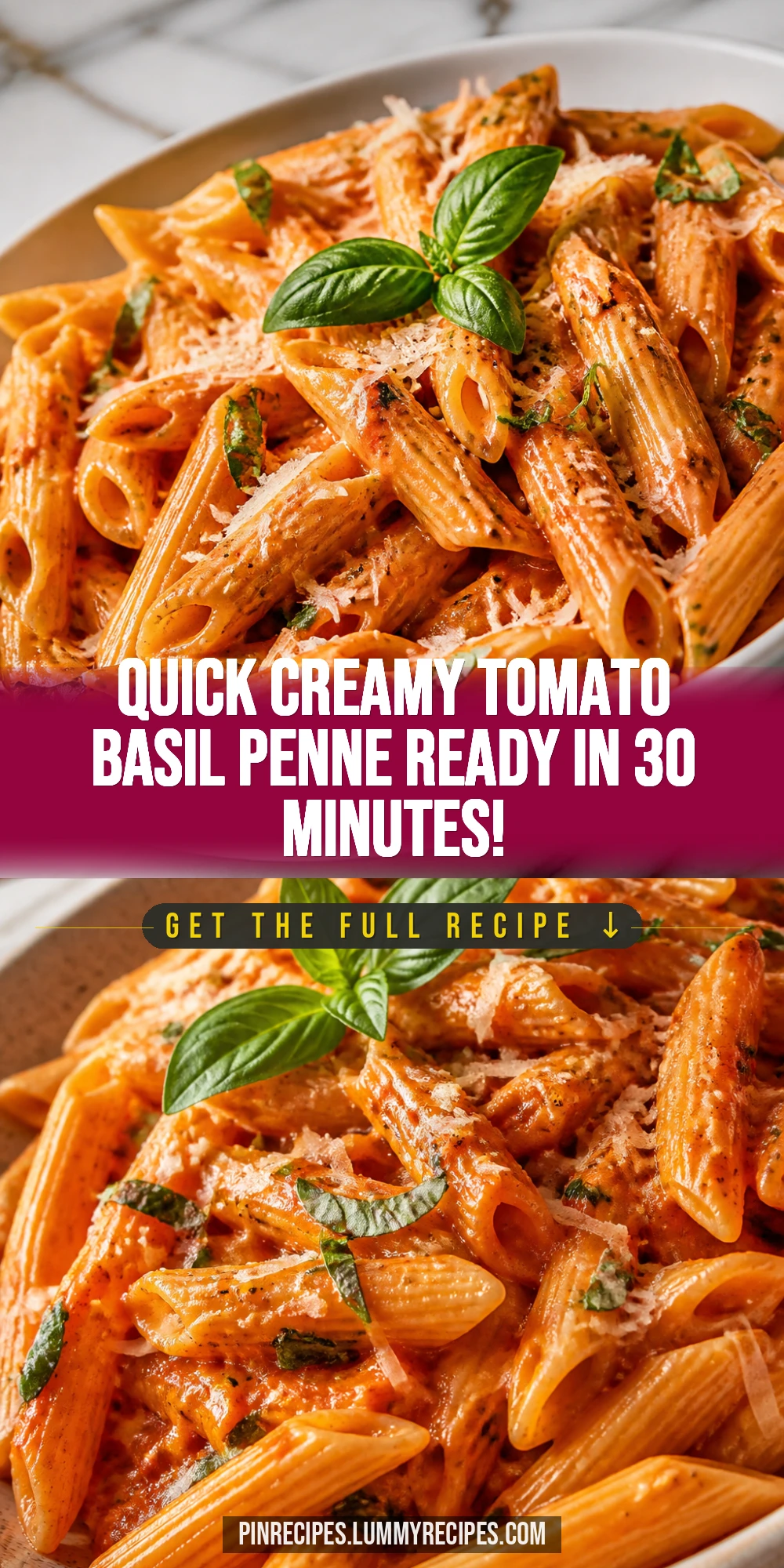
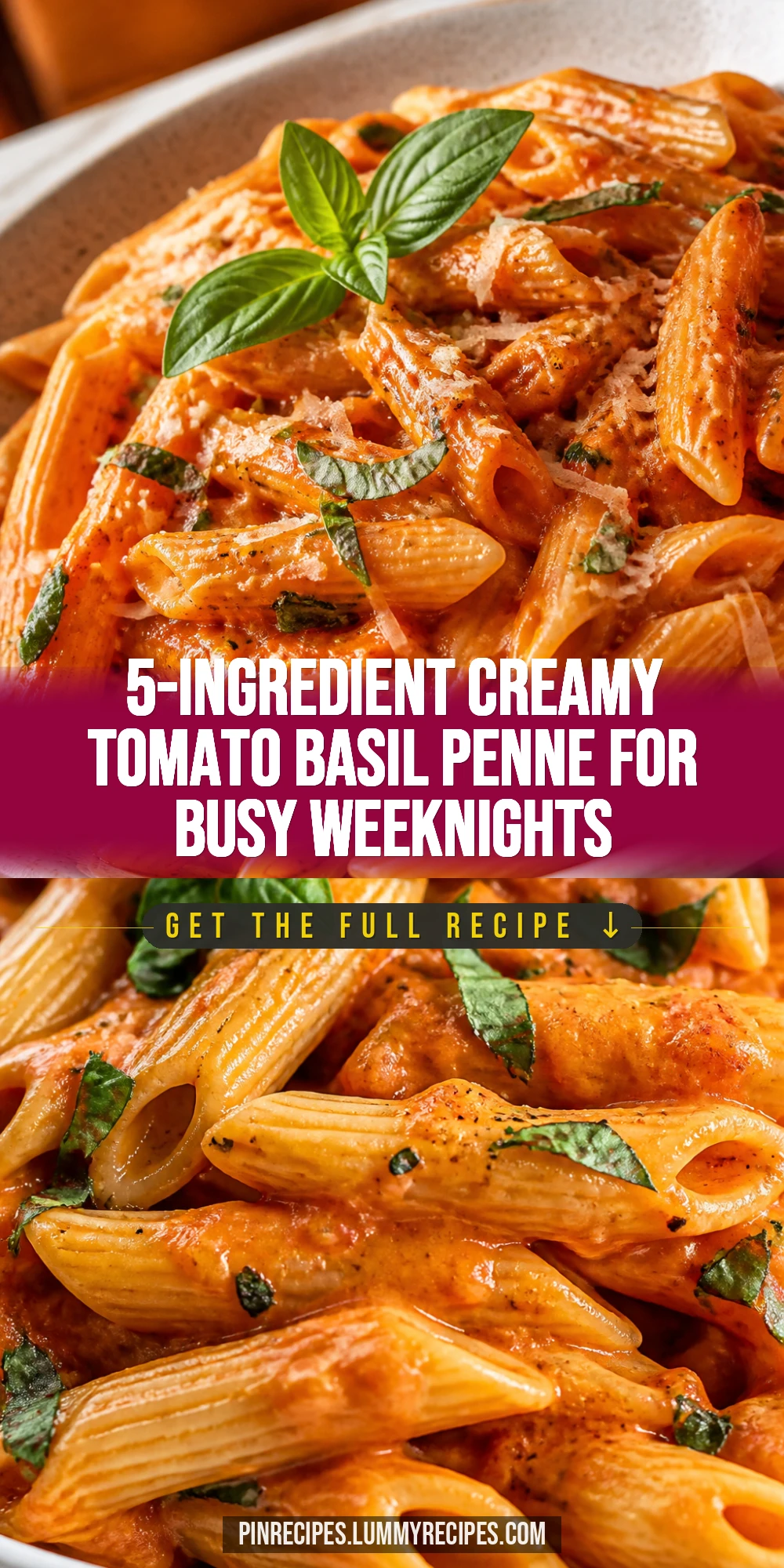
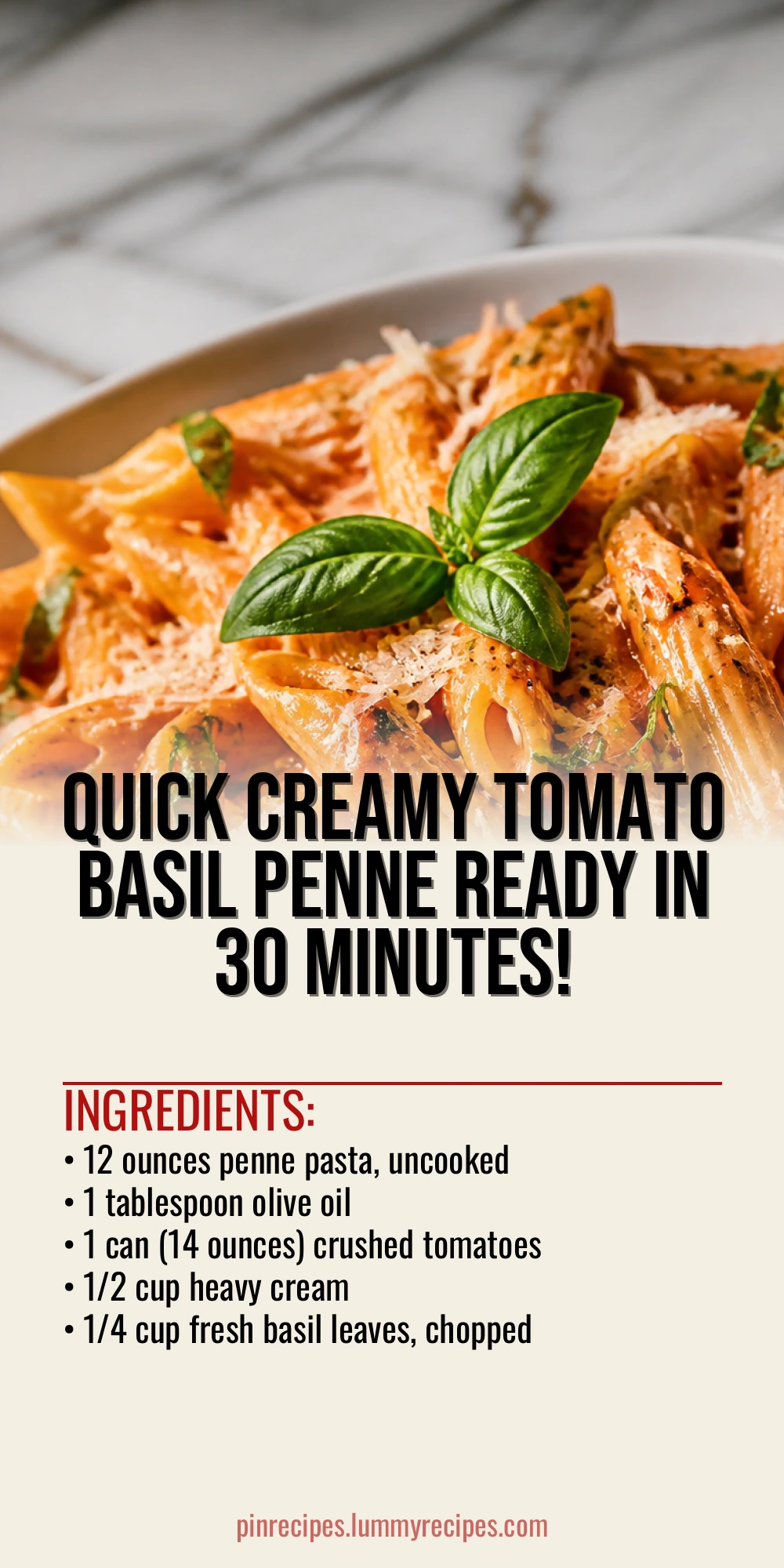
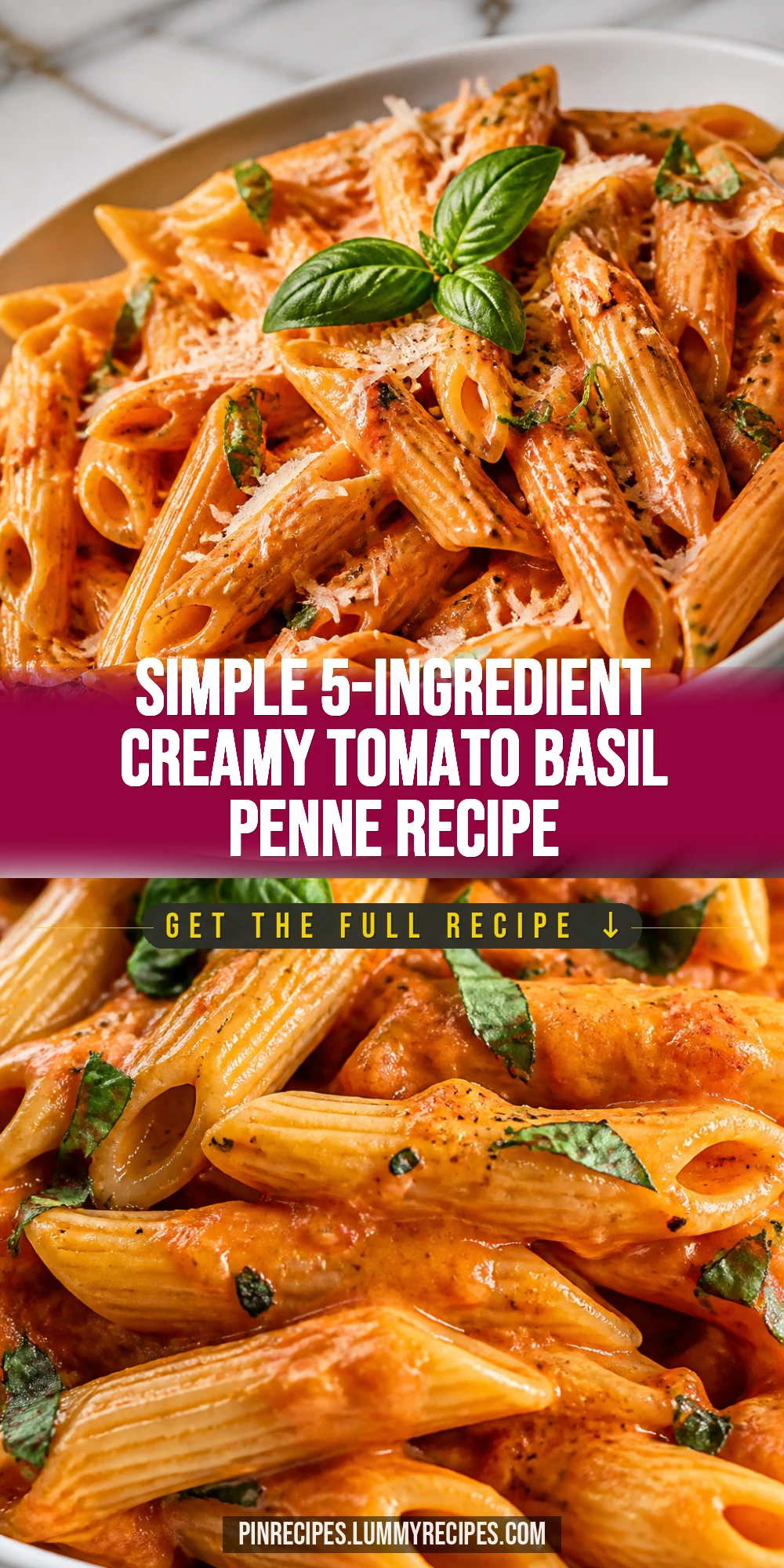
This creamy tomato basil penne is a quick, comforting pasta dish that comes together with just five ingredients. The secret? A touch of cream to balance the fresh basil and tangy tomato sauce. Perfect for a cozy weeknight dinner!
Introduction
I've been making this creamy tomato basil penne for years now, and it’s always a hit in my family. What I love about this recipe is how simple it is—just five ingredients, but it tastes like you spent hours in the kitchen. The trick I learned early on was to add the cream slowly to the tomato sauce, which gives it that silky texture without overpowering the fresh basil flavor. I remember the first time I made this dish; I accidentally added too much cream and it was way too rich, but after tweaking the amounts, it became perfectly balanced. When it’s done, the sauce clings beautifully to the penne, making every bite comforting and satisfying. It’s my go-to when I want something easy but still feels like a special meal. Plus, it’s great for busy weeknights when you want dinner on the table fast without compromising on flavor.
How To Do It
Step 1
Bring a large pot of salted water to a boil. Cooking the pasta in well-salted water is key because it seasons the pasta itself, not just the sauce. Add the penne and cook according to the package instructions until al dente, usually about 10-12 minutes. Avoid overcooking to prevent mushy pasta, which won’t hold the sauce well. Once cooked, drain the pasta but reserve about 1 cup of the pasta water to adjust the sauce consistency later if needed.
⏱ Time: 10-12 minutes
✓ Doneness: Pasta should be tender but still firm to the bite (al dente)
Step 2
While the pasta cooks, heat the olive oil in a large skillet over medium heat. Add the crushed tomatoes and bring to a gentle simmer. This step lets the sauce thicken and the flavors concentrate. Stir occasionally and watch for the sauce to bubble gently, which indicates it’s heating evenly. Avoid boiling vigorously as it can cause the sauce to become too thick or burn on the bottom.
⏱ Time: 5 minutes
✓ Doneness: Sauce should be bubbling gently and slightly thickened
Step 3
Slowly stir in the heavy cream into the tomato sauce, lowering the heat to medium-low. Adding cream slowly is important so the sauce emulsifies smoothly without curdling. Stir continuously to combine the cream with the tomato base, creating a rich, velvety texture. If you add the cream too quickly or at too high heat, it can separate and ruin the sauce’s smoothness.
⏱ Time: 3-4 minutes
✓ Doneness: Sauce turns a lighter pink color and has a creamy, smooth appearance
Step 4
Add the chopped fresh basil to the sauce and stir well. Fresh basil adds brightness and a herbaceous note that balances the richness of the cream. Stirring it in at the end preserves its flavor and aroma. Avoid cooking basil too long, or it will lose its fresh taste and turn dull.
⏱ Time: 1 minute
✓ Doneness: Basil looks vibrant and fresh within the sauce
Step 5
Add the drained pasta to the skillet with the sauce. Toss gently to coat all the penne evenly. If the sauce feels too thick, add a splash of the reserved pasta water to loosen it up. This starchy water helps the sauce cling better to the pasta and makes it silkier. Be careful not to add too much water, or the sauce will become watery.
⏱ Time: 2-3 minutes
✓ Doneness: Pasta is evenly coated with creamy sauce and looks glossy
Step 6
Taste and adjust seasoning with salt and freshly ground black pepper. Because the sauce is simple, seasoning is crucial to bring out all the flavors. Add salt gradually and taste after each addition to avoid oversalting. Pepper adds a gentle heat that complements the tomato and basil.
⏱ Time: 1 minute
✓ Doneness: Balanced, flavorful taste with a hint of peppery warmth
Step 7
Remove from heat and let the pasta rest for a minute or two before serving. This allows the sauce to thicken slightly and the flavors to meld together. Serving immediately while warm ensures the best texture and taste.
⏱ Time: 2 minutes
✓ Doneness: Sauce thickens slightly and pasta remains creamy
Step 8
Serve the creamy tomato basil penne in warm bowls. Optionally, garnish with a few fresh basil leaves or a sprinkle of grated Parmesan cheese if you like. These finishing touches add freshness and a bit of savory depth.
⏱ Time: 1 minute
✓ Doneness: Dish looks inviting with bright basil and melted cheese accents
Step 9
Enjoy your meal with a simple side salad or crusty bread to soak up any leftover sauce. This pasta pairs wonderfully with light, fresh sides that don’t overpower the creamy, tomatoey flavors.
⏱ Time: Optional serving step
✓ Doneness: Balanced meal with complementary textures and flavors
Pro Tips
Reserve some pasta water before draining.
The starchy pasta water helps loosen the sauce and makes it cling better to the noodles, creating a silky, cohesive dish. Without it, the sauce can be too thick or separate.
Add cream slowly over low heat.
Adding cream too quickly or at high heat can cause it to curdle, ruining the smooth texture of the sauce. Slow incorporation ensures a stable emulsion and velvety finish.
Use fresh basil at the end.
Cooking basil for too long dulls its flavor and aroma. Adding it last preserves its bright, herbal notes that brighten the creamy tomato sauce.
Salt your pasta water generously.
Pasta absorbs water as it cooks, so seasoning the water seasons the pasta internally, making the whole dish more flavorful and balanced.
Simmer the tomato sauce gently.
A gentle simmer concentrates flavors without burning or over-thickening the sauce. Boiling vigorously can cause bitterness and uneven texture.
Use good-quality canned tomatoes.
The quality of canned tomatoes directly impacts the sauce’s flavor. San Marzano or other premium brands offer natural sweetness and fewer seeds for a smoother sauce.
Toss pasta and sauce off the heat.
Finishing the pasta in the sauce off the heat prevents overcooking and allows the sauce to coat the noodles evenly without drying out.
Common Mistakes to Avoid
Overcooking the pasta
Why it happens Many cooks assume softer pasta is better or don’t time it precisely, leading to mushy noodles that don’t hold sauce well.
Fix Cook pasta just until al dente, checking a minute before the package time. Drain promptly and toss with sauce immediately to prevent sticking.
Adding cream too quickly
Why it happens Rushing this step or adding cream to very hot sauce causes curdling, ruining the sauce’s smooth texture.
Fix Lower the heat and add cream slowly while stirring continuously to create a stable, creamy sauce.
Using dried basil instead of fresh
Why it happens Fresh basil can be forgotten or substituted due to availability, but dried lacks the vibrant flavor needed here.
Fix Use fresh basil for best flavor; add it at the end to preserve aroma and brightness.
Not seasoning pasta water
Why it happens Some cooks overlook salting the water, thinking sauce seasoning is enough.
Fix Salt pasta water generously to season the pasta itself, enhancing overall flavor.
Boiling sauce too hard
Why it happens High heat can cause sauce to burn or become bitter quickly.
Fix Simmer sauce gently over medium-low heat, stirring occasionally to prevent sticking or scorching.
Variations
Add Garlic and Onion
Sauté minced garlic and finely chopped onion in olive oil before adding the crushed tomatoes. This adds depth and sweetness to the sauce, making it richer and more aromatic.
Note: Cook garlic and onion until translucent and fragrant, about 3-5 minutes, before proceeding with the tomato sauce.
Use Half-and-Half Instead of Heavy Cream
For a lighter version, substitute half-and-half for heavy cream. The sauce will be less rich but still creamy and flavorful, perfect for those watching fat intake.
Note: Add half-and-half slowly and watch for any curdling; keep the heat low to maintain smoothness.
Add Red Pepper Flakes for Heat
Sprinkle in red pepper flakes when simmering the tomato sauce to give the dish a gentle spicy kick. Great for those who like a little heat without overpowering the basil flavor.
Note: Start with 1/4 teaspoon and adjust to taste; add early in the sauce cooking to infuse flavor.
Use Fresh Cherry Tomatoes
Swap canned tomatoes for fresh cherry tomatoes, halved and cooked down slowly. This adds a fresher, brighter tomato flavor but requires longer cooking time to break down.
Note: Simmer fresh tomatoes for 20-25 minutes until they break down into a sauce-like consistency.
Add Grilled Chicken
Toss in sliced grilled chicken breast for a protein boost, turning this into a heartier meal. The smoky flavor complements the creamy tomato basil sauce beautifully.
Note: Prepare chicken separately and add it in the final step to warm through without drying out.
Nutrition
Per Serving:
Nutritional values are estimates and may vary based on specific ingredients used.
Storage & Tips
Room Temperature
This pasta should not be left out at room temperature for more than 2 hours. Cover it loosely if you need to keep it out briefly, but refrigeration is best to prevent spoilage.
Refrigerator
Store leftovers in an airtight container for up to 3 days. The sauce may thicken and the pasta absorb more liquid, so gently reheat with a splash of water or cream to restore creaminess.
Freezer
Freeze the pasta in a freezer-safe container for up to 2 months. To prevent freezer burn, press plastic wrap directly on the surface before sealing. Thaw overnight in the fridge before reheating.
Reheating
Reheat gently on the stovetop over low heat, stirring often. Add a splash of cream or water to loosen the sauce if it’s thickened too much. Avoid high heat to prevent curdling or drying out.
Make Ahead
You can prepare the tomato sauce up to 2 days ahead and refrigerate. Cook the pasta fresh when ready to serve and combine with the warmed sauce for best texture.
FAQ
Can I use a different type of pasta?
Absolutely! While penne works great because it holds sauce well, you can use rigatoni, fusilli, or even spaghetti. Just adjust cooking time to the pasta type, and the sauce will coat them nicely.
What can I substitute for heavy cream?
If you want a lighter sauce, half-and-half or whole milk can be used, but the sauce won’t be as rich or creamy. Add it slowly and keep the heat low to avoid curdling.
Can I make this vegan?
Yes! Replace heavy cream with coconut cream or a cashew cream for a vegan version. Use olive oil instead of butter if any is used, and check your pasta to ensure it’s egg-free.
How do I prevent the cream from curdling?
Add the cream slowly over low heat and stir constantly. Avoid boiling the sauce after adding cream, as high heat causes separation and curdling.
Can I prepare this dish ahead of time?
You can make the sauce up to 2 days in advance and store it in the fridge. Cook the pasta fresh when ready to serve to keep it from getting mushy.
Is fresh basil necessary?
Fresh basil adds a bright, herbal flavor that dried basil can’t match. If you don’t have fresh, you can use dried, but add it earlier in cooking to allow flavors to develop.
How do I make the sauce thicker?
Simmer the tomato sauce longer before adding cream to reduce excess liquid. After adding cream, avoid adding too much pasta water to keep it creamy but not runny.
Can I add cheese to this recipe?
Yes, a sprinkle of Parmesan or Pecorino Romano on top adds a nice salty, nutty flavor. You can also stir some cheese into the sauce at the end for extra richness.
Final Thoughts
Give this creamy tomato basil penne a try—it’s simple, comforting, and always a crowd-pleaser. I’d love to hear how your family enjoys it!