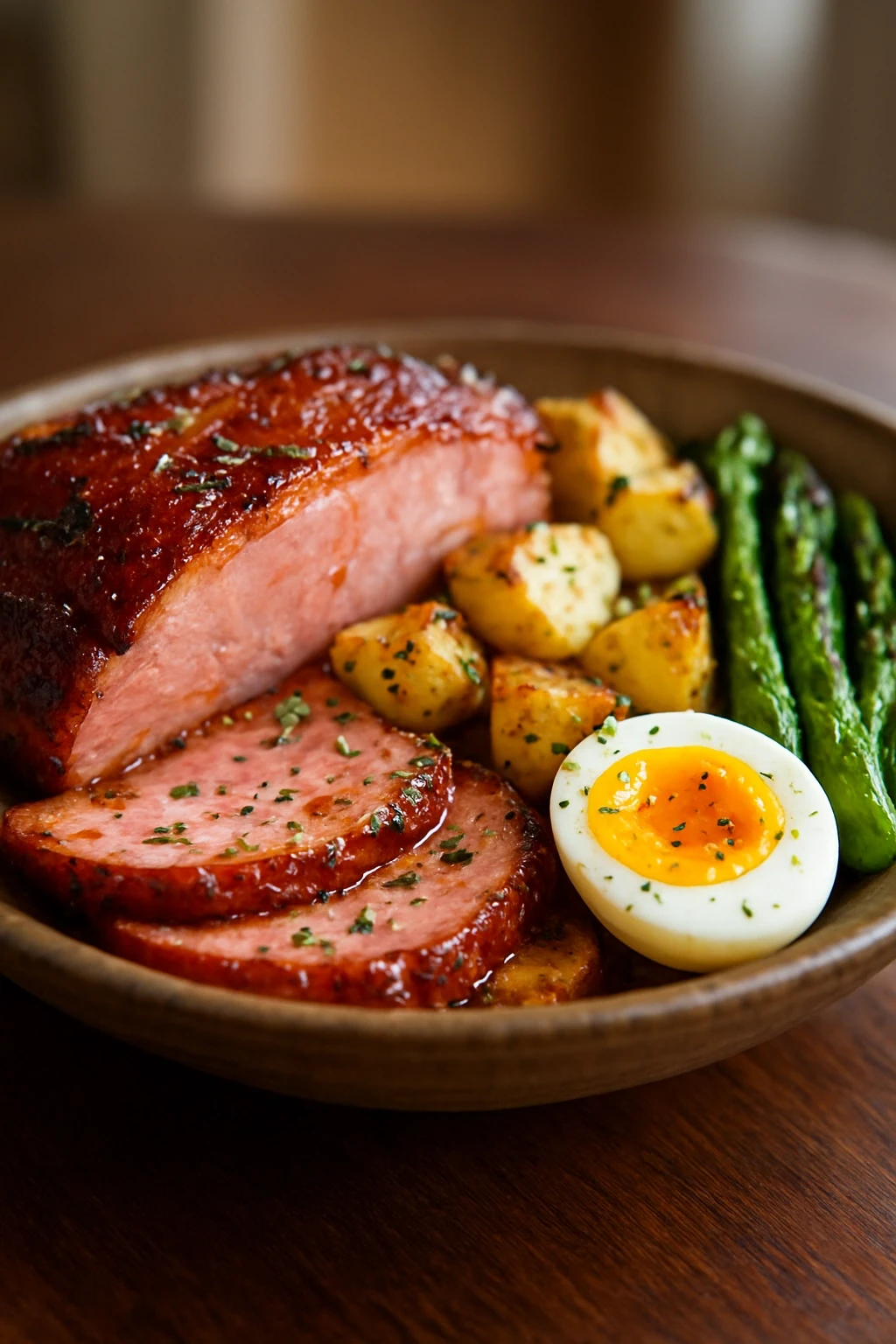
Planning Easter meals can be overwhelming, but this simple menu guide makes it a breeze. Featuring fresh, seasonal ingredients and easy recipes that flow from brunch to dinner, it’s perfect for family gatherings.
Introduction
Easter has always been one of my favorite holidays to cook for, but I’ll admit, the menu planning can get a little hectic with all the different meals from brunch to dinner. A few years ago, I started streamlining my approach by focusing on dishes that could easily transition through the day and use fresh spring ingredients. This menu is the result — it’s simple, satisfying, and has just enough flair to impress guests without leaving me stuck in the kitchen all day. One trick I learned is to prep components ahead, like chopping veggies or making the egg mixture, so come brunch, everything comes together quickly. The asparagus with lemon is my personal favorite — it adds a bright, fresh note that balances the richness of the eggs and ham. Expect a colorful, inviting table and happy, full bellies by evening.
What You'll Need
Serves 6 people comfortably
- 6 large eggs, room temperature
- 1 cup whole milk
- 1 teaspoon salt
- 1/2 teaspoon black pepper
- 1 tablespoon butter
- 1 cup fresh spinach, chopped
- 1/2 cup shredded cheddar cheese
- 1/2 pound cooked ham, diced
- 1 loaf crusty bread, sliced
- 1 tablespoon olive oil
- 1 bunch asparagus, trimmed
- 2 tablespoons lemon juice
- Fresh herbs for garnish (parsley, chives)
How To Do It
Step 1
Start by preheating your oven to 375°F (190°C). While it warms up, whisk together the eggs, milk, salt, and pepper in a large bowl until fully combined and slightly frothy. This aeration is key for a light, fluffy texture in the final dish. Avoid overwhisking to prevent tough eggs. Setting the oven now ensures it’s ready once you assemble the casserole.
⏱ Time: 10 minutes
✓ Doneness: Egg mixture should look smooth and slightly bubbly when whisked properly
Step 2
Grease a 9x13-inch baking dish with butter, then layer in the diced ham, chopped spinach, and shredded cheddar cheese evenly. Pour the egg mixture over the top, pressing down gently to submerge ingredients. This layering helps distribute flavors and textures evenly. If you skip this, the casserole might bake unevenly or dry out in spots.
⏱ Time: 5 minutes
✓ Doneness: Egg mixture fully covers the fillings with no dry patches
Step 3
Bake the casserole in the preheated oven for about 30-35 minutes. Keep an eye on it starting at 25 minutes — you want the top to be set and lightly golden but not browned. Overbaking will dry out the eggs and make the texture rubbery. A gentle jiggle in the center indicates it’s just done.
⏱ Time: 30-35 minutes
✓ Doneness: Top is set, golden, and the center jiggles slightly when nudged
Step 4
While the casserole bakes, prepare the asparagus. Toss trimmed spears with olive oil, salt, and pepper, then roast on a baking sheet in the oven alongside the casserole for 12-15 minutes, turning once halfway through. Roasting brings out natural sweetness and keeps them crisp-tender. Don’t overcrowd the pan or they’ll steam instead of roast.
⏱ Time: 15 minutes
✓ Doneness: Asparagus is bright green with slightly browned tips and tender when pierced
Step 5
Slice the crusty bread and lightly brush each slice with olive oil. Toast in the oven or on a skillet until golden and crisp. This adds a crunchy texture contrast to the creamy casserole and fresh asparagus. Avoid skipping this step or the bread might feel soggy next to the eggs.
⏱ Time: 8 minutes
✓ Doneness: Bread slices are golden brown and crisp to the touch
Step 6
Once the casserole is out of the oven, let it rest for 5 minutes to set up before slicing. This resting time helps the eggs finish cooking gently and makes serving cleaner. Cutting too soon can cause the casserole to fall apart.
⏱ Time: 5 minutes
✓ Doneness: Casserole holds shape when sliced, no liquid pooling
Step 7
Drizzle the roasted asparagus with fresh lemon juice and sprinkle chopped herbs over both the casserole and asparagus. This final touch brightens flavors and adds a fresh aroma that’s perfect for springtime meals.
⏱ Time: 2 minutes
✓ Doneness: Visible fresh herbs and lemon sheen on vegetables
Step 8
Plate the casserole slices with roasted asparagus and toasted bread. Serve immediately while warm. The combination of creamy eggs, savory ham, crisp bread, and zesty asparagus makes a balanced and satisfying meal from brunch through dinner.
⏱ Time: 3 minutes
✓ Doneness: Food is warm, vibrant, and inviting on the plate
Step 9
Clean up and enjoy! If you have leftovers, store them properly (see storage tips) and reheat gently to keep textures intact. This menu is great for making ahead and enjoying over a couple of days.
⏱ Time: 5 minutes
✓ Doneness: Kitchen tidy, leftovers stored airtight
Pro Tips
Use room temperature eggs and milk for best texture.
Cold ingredients can cause the egg mixture to cook unevenly and result in a denser, less creamy casserole. Room temperature helps the proteins coagulate gently, creating a smooth custard.
Don’t skip resting the casserole after baking.
Allowing it to rest lets the custard set fully, making slicing easier and preventing a watery mess. It also lets residual heat finish cooking the center gently.
Roast asparagus on a separate sheet pan to avoid steaming.
Crowding the pan traps moisture, causing the asparagus to steam and lose crispness. Roasting with space ensures caramelization and a better texture.
Whisk eggs just until combined and slightly frothy.
Overbeating develops tough proteins, resulting in rubbery eggs. Gentle whisking incorporates enough air for fluffiness without compromising tenderness.
Use a sharp knife to slice the casserole.
A dull knife will crush the delicate custard, making serving messy. A sharp blade cuts cleanly and preserves the structure.
Brush bread slices with olive oil before toasting.
This adds flavor and helps achieve a golden, crispy crust that contrasts nicely with the soft casserole.
Add fresh herbs and lemon juice just before serving.
This preserves their bright flavors and aromas, enhancing the dish’s freshness and balance.
Common Mistakes to Avoid
Overbaking the egg casserole.
Why it happens Many cooks worry about undercooked eggs and leave it in too long, causing dryness and rubbery texture.
Fix Check the casserole starting at 25 minutes. Look for a set top with a slight jiggle in the center. Remove promptly to avoid overcooking.
Skipping the resting period after baking.
Why it happens Impatience or not knowing the importance leads to cutting too soon, resulting in a runny, messy casserole.
Fix Let the casserole rest 5-10 minutes before slicing to allow it to firm up and finish cooking gently.
Overcrowding asparagus on the roasting pan.
Why it happens Trying to roast everything at once without space causes steaming, losing crispness and caramelization.
Fix Use a separate pan or roast in batches, ensuring spears have space to roast properly.
Using cold eggs and milk straight from the fridge.
Why it happens Forgetting to bring ingredients to room temperature leads to uneven cooking and dense texture.
Fix Set eggs and milk out 30 minutes before cooking for best results.
Not seasoning layers evenly.
Why it happens Adding salt only to the egg mixture can leave fillings bland or unevenly flavored.
Fix Season ham, spinach, and cheese lightly before layering to build balanced flavor throughout.
Variations
Vegetarian Spinach and Mushroom Casserole
Swap diced ham for sautéed mushrooms and caramelized onions for a hearty vegetarian option. The mushrooms add umami depth and pair beautifully with spinach and cheese. Expect a slightly earthier flavor and moist texture.
Note: Sauté mushrooms until golden and moisture evaporates to avoid watery casserole. Adjust baking time by a few minutes if needed.
Spicy Chorizo and Pepper Bake
Replace ham with diced spicy chorizo and add diced bell peppers for a flavorful, bold twist. This variation brings a smoky heat and vibrant color, perfect for those who like a kick.
Note: Cook chorizo fully before layering to render fat and intensify flavor; drain excess grease to prevent sogginess.
Herbed Goat Cheese and Asparagus
Add dollops of fresh goat cheese into the casserole and increase asparagus quantity for a tangy, creamy flavor profile. The goat cheese melts into pockets of richness throughout.
Note: Add goat cheese just before baking to preserve texture and prevent over-melting.
Gluten-Free Bread and Dairy-Free Cheese
Use gluten-free bread for toasting and substitute cheddar with a dairy-free cheese to accommodate dietary restrictions. The texture may be slightly different but still delicious.
Note: Choose a firm dairy-free cheese that melts well; toast gluten-free bread carefully to avoid crumbling.
Make-Ahead Casserole with Overnight Soak
Prepare the casserole the night before and refrigerate overnight to let flavors meld. This makes morning prep easier and results in a more cohesive texture.
Note: Cover tightly and bake directly from the fridge; add a few extra minutes to baking time.
Nutrition
Per Serving:
Nutritional values are estimates and may vary based on specific ingredients used.
Storage & Tips
Room Temperature
Keep the casserole covered loosely at room temperature for up to 2 hours. Beyond that, bacteria growth can increase, so refrigerate promptly after serving.
Refrigerator
Store leftovers in an airtight container for up to 4 days. The casserole may firm up and flavors deepen. Reheat gently in the oven or microwave to avoid drying out.
Freezer
Freeze portions wrapped tightly in plastic wrap and foil for up to 2 months. Thaw overnight in the fridge before reheating. Avoid refreezing once thawed to maintain texture.
Reheating
Reheat in a 325°F oven for 15-20 minutes or microwave in short bursts with a splash of milk to restore moisture. Avoid overheating to prevent rubbery eggs.
Make Ahead
Assemble the casserole the night before and keep covered in the fridge. Roast asparagus and toast bread fresh on the day of serving for best texture and flavor.
FAQ
Can I use egg whites instead of whole eggs?
You can substitute some or all of the whole eggs with egg whites to reduce fat, but the casserole will be less rich and creamy. Whole eggs provide fat and yolk proteins that help set the custard and add flavor, so expect a lighter texture and milder taste.
How do I prevent the casserole from drying out?
Make sure to whisk the eggs with enough milk for moisture and avoid overbaking. Check the casserole starting at 25 minutes and remove as soon as the center is set but still slightly jiggly. Resting after baking also helps retain moisture.
Can I prepare this recipe gluten-free?
Yes, simply use gluten-free bread for toasting and ensure any added ingredients like ham or cheese are gluten-free. The casserole itself is naturally gluten-free since it’s mostly eggs and vegetables.
What’s the best way to store leftovers?
Cool leftovers completely, then store in an airtight container in the fridge for up to 4 days. Reheat gently in the oven or microwave with a splash of milk to keep the texture creamy.
Can I add other vegetables to the casserole?
Definitely! Diced bell peppers, mushrooms, or zucchini work well. Just be mindful of moisture content—pre-cook watery veggies like mushrooms or zucchini to avoid sogginess.
Is it okay to skip the cheese?
You can omit cheese for a dairy-free or lighter version, but it will affect flavor and texture. Cheese adds richness and helps bind the casserole, so consider adding a dairy-free alternative if you want similar results.
How do I make this recipe vegan?
This recipe relies heavily on eggs and cheese, so for a vegan version, you’d need to use egg replacers and vegan cheese substitutes. The texture and flavor will differ significantly, so it’s best to find a dedicated vegan brunch casserole recipe.
Can I freeze the assembled casserole before baking?
Yes, you can assemble and freeze it before baking. Wrap tightly to prevent freezer burn. When ready, thaw overnight in the fridge and bake as directed, adding a few extra minutes to the baking time.
Final Thoughts
I hope you enjoy this easy Easter menu as much as my family does! Let me know how it turns out and any tweaks you make.