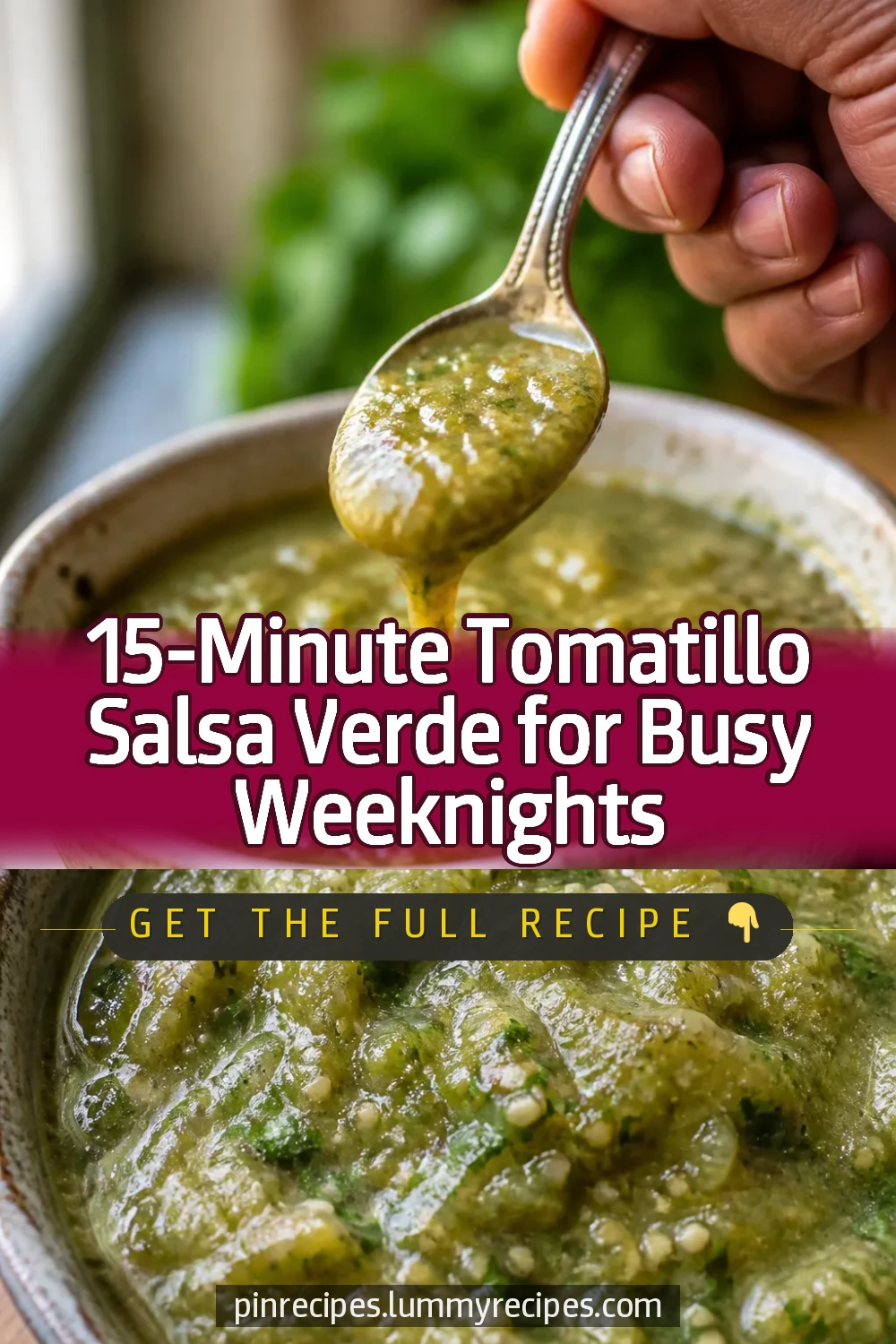
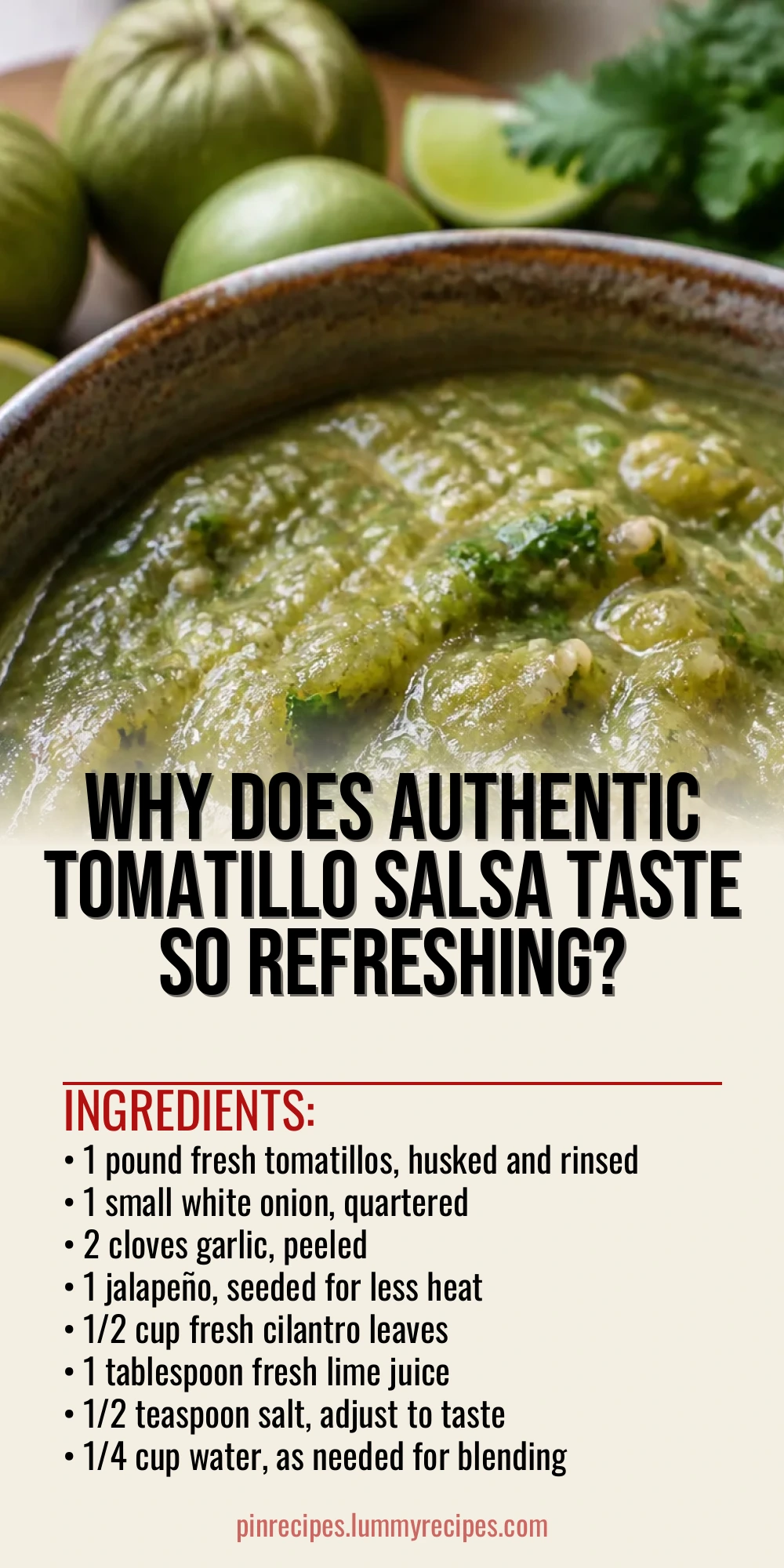
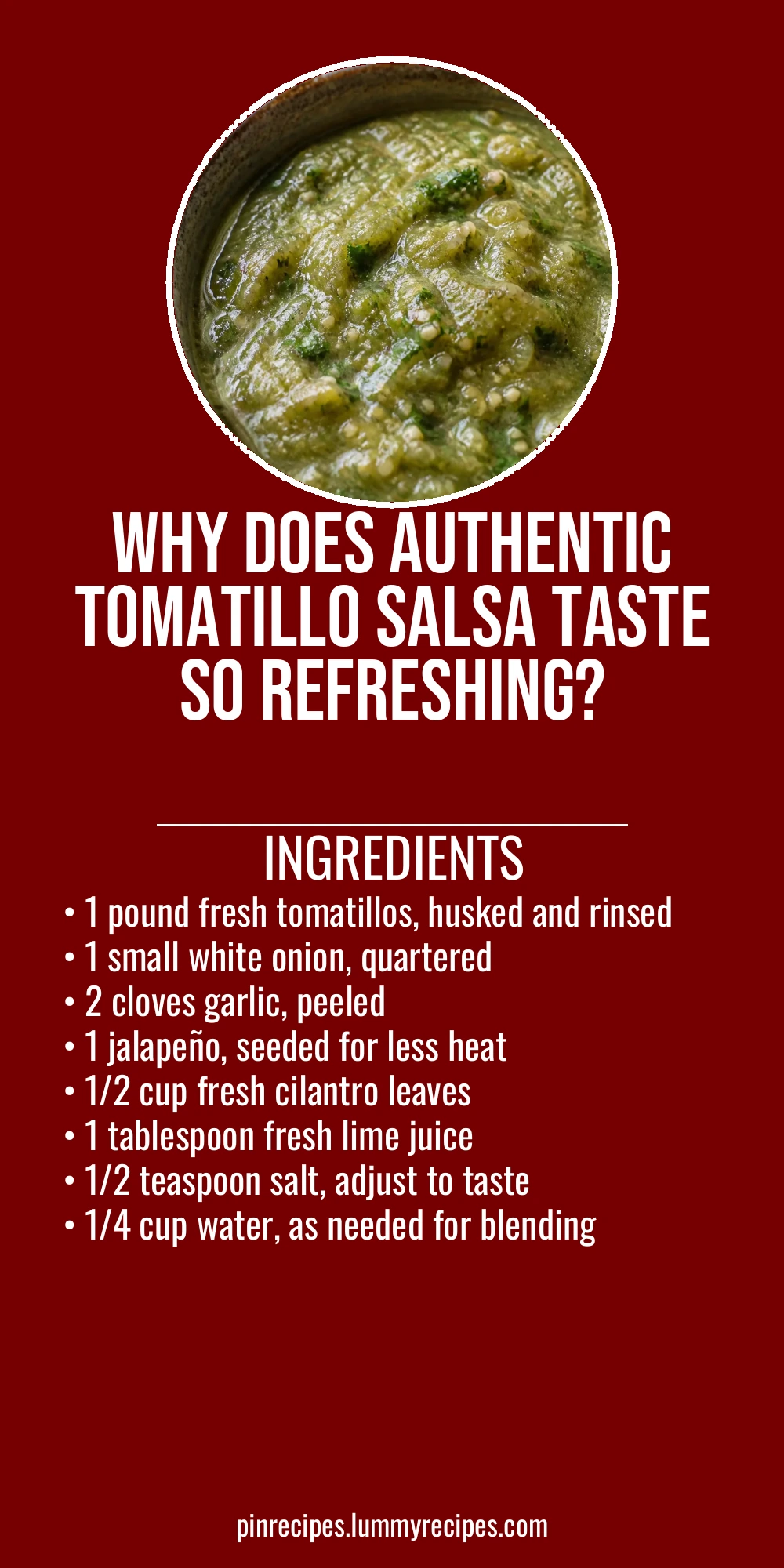
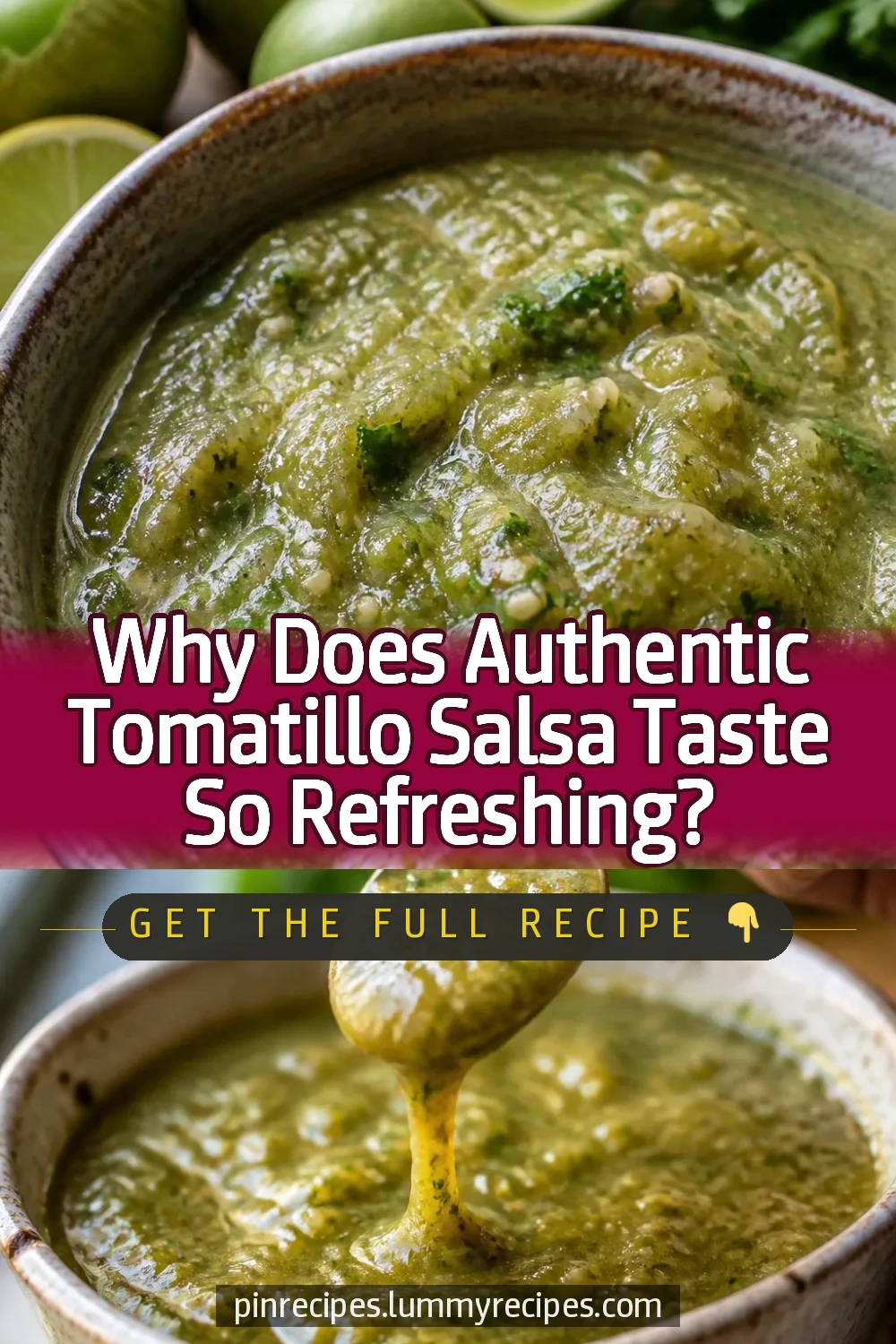
If you love fresh, tangy flavors, these tomatillo recipes are a game changer. I adore how the bright, slightly tart tomatillos add a zing to salsas and sauces. Perfect for quick weeknight dinners or adding a punch to your favorite dishes!
Introduction
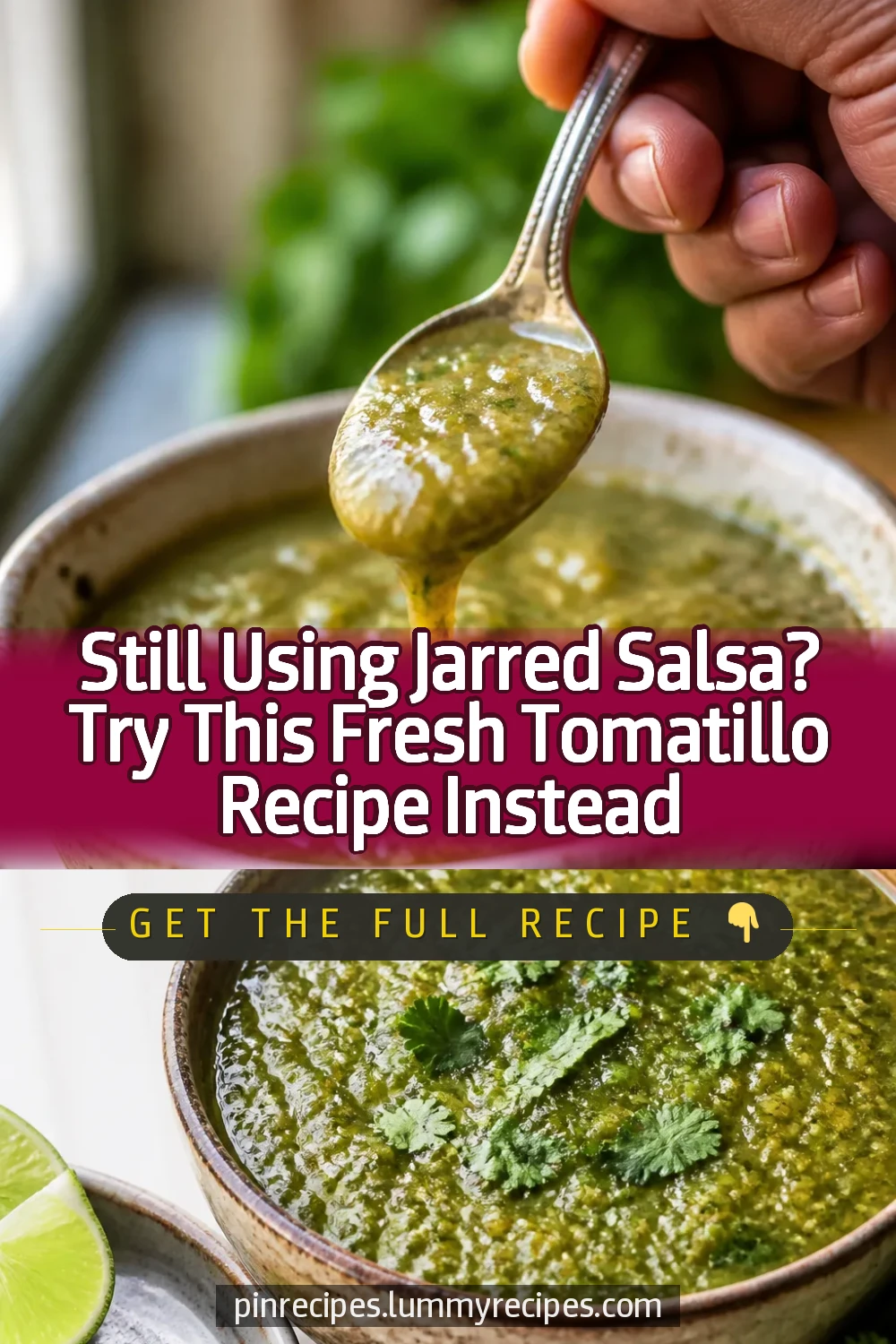
I first fell in love with tomatillos during a trip to Mexico, where the bright green salsa verde was everywhere. Back home, I kept trying to replicate that fresh, tangy flavor but found most store-bought versions lacked depth. Over time, I learned that roasting the tomatillos and garlic before blending adds a smoky richness that truly elevates the salsa. This recipe is my go-to for weeknight dinners because it’s quick, easy, and packs a punch of flavor without any complicated ingredients. The freshness of the cilantro and lime juice balances the slight tartness of the tomatillos perfectly. Whether you’re spooning it over grilled chicken, dipping chips, or drizzling it on tacos, this salsa brings a vibrant zest to any meal. I think once you try this, you’ll ditch the jarred stuff for good!
What You'll Need
Approximately 2 cups, serves 4
- 1 pound fresh tomatillos, husked and rinsed
- 1 small white onion, quartered
- 2 cloves garlic, peeled
- 1 jalapeño, seeded for less heat
- 1/2 cup fresh cilantro leaves
- 1 tablespoon fresh lime juice
- 1/2 teaspoon salt, adjust to taste
- 1/4 cup water, as needed for blending
How To Do It
Step 1
Preheat your oven’s broiler and line a baking sheet with foil. Arrange the husked tomatillos, quartered onion, garlic cloves, and jalapeño on the sheet. Broil for about 5-7 minutes, turning halfway, until the tomatillos are blistered and lightly charred. This roasting step is crucial because it softens the tomatillos and adds a smoky depth that raw tomatillos lack. Watch carefully to avoid burning, as charred spots should be dark but not blackened.
⏱ Time: 7
✓ Doneness: Tomatillos should have blistered skins with some golden brown char spots and softened flesh
Step 2
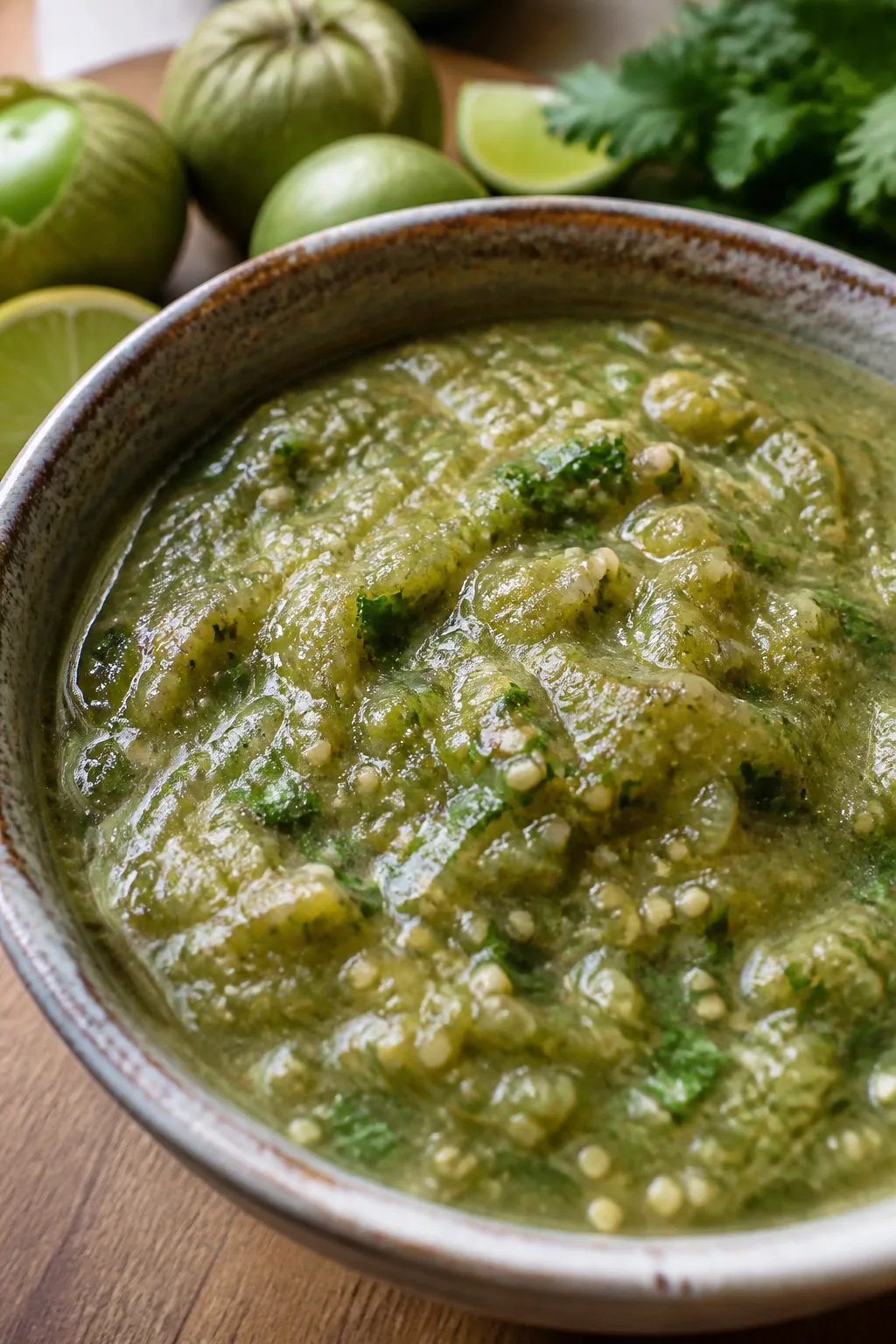
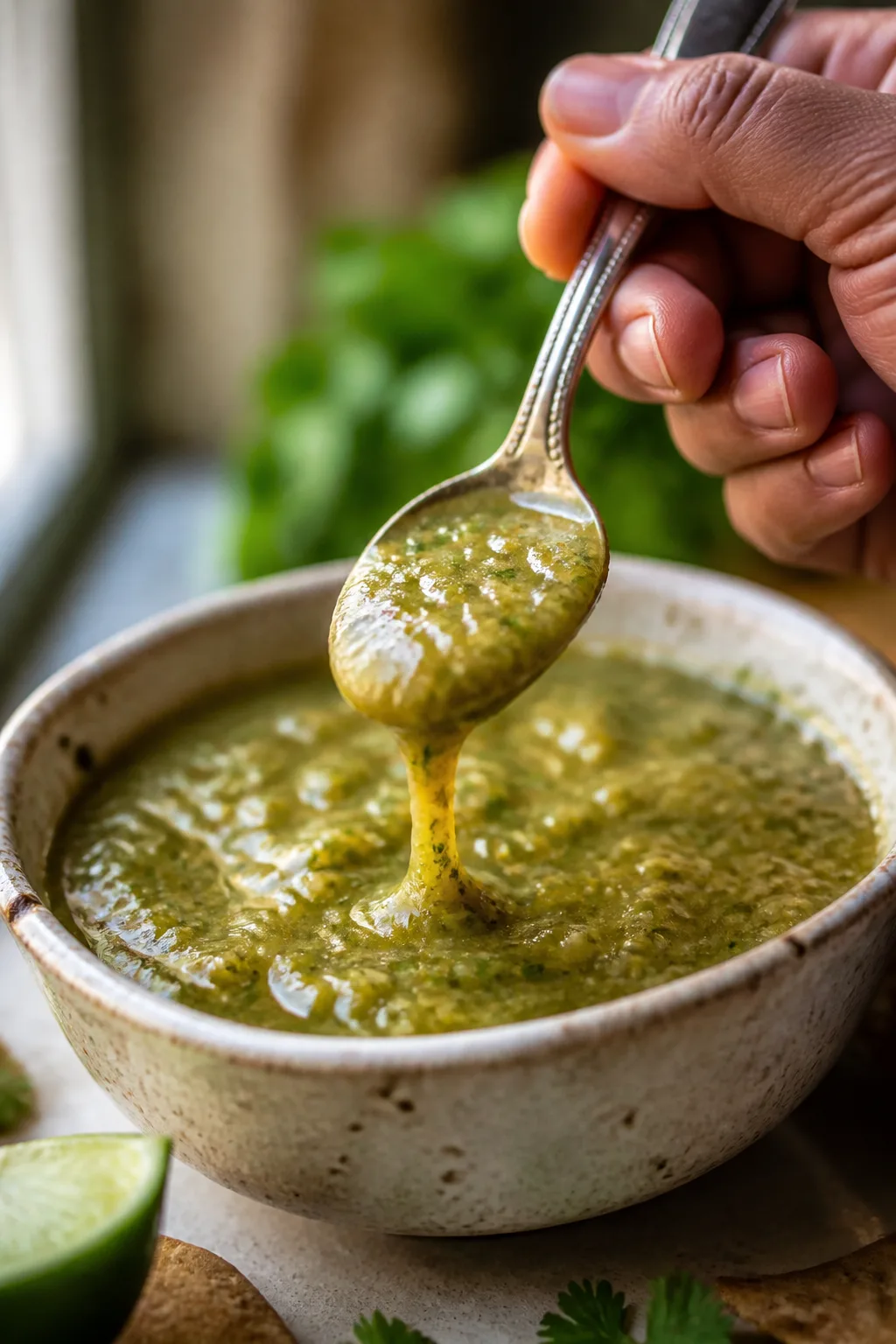
Transfer the roasted vegetables to a blender. Add the cilantro, lime juice, salt, and about 1/4 cup water to help blend. Pulse until you get a smooth but slightly chunky salsa verde. Adjust salt and lime juice to taste. If the salsa is too thick, add a bit more water, but keep it thick enough to cling to chips or drizzle over dishes. Blending right after roasting ensures the flavors are warm and meld beautifully.
⏱ Time: 3
✓ Doneness: Salsa should be a vibrant green with a smooth texture, slightly chunky but well combined
Step 3
Taste and adjust seasoning. If you want more heat, add a bit more jalapeño or a pinch of cayenne. For a milder salsa, remove seeds before roasting. Serve immediately or chill for an hour to let flavors meld further. This salsa stays fresh for several days refrigerated and actually tastes better after a day as the flavors deepen.
⏱ Time: 2
✓ Doneness: Balanced tartness, brightness, and heat according to your preference
Step 4
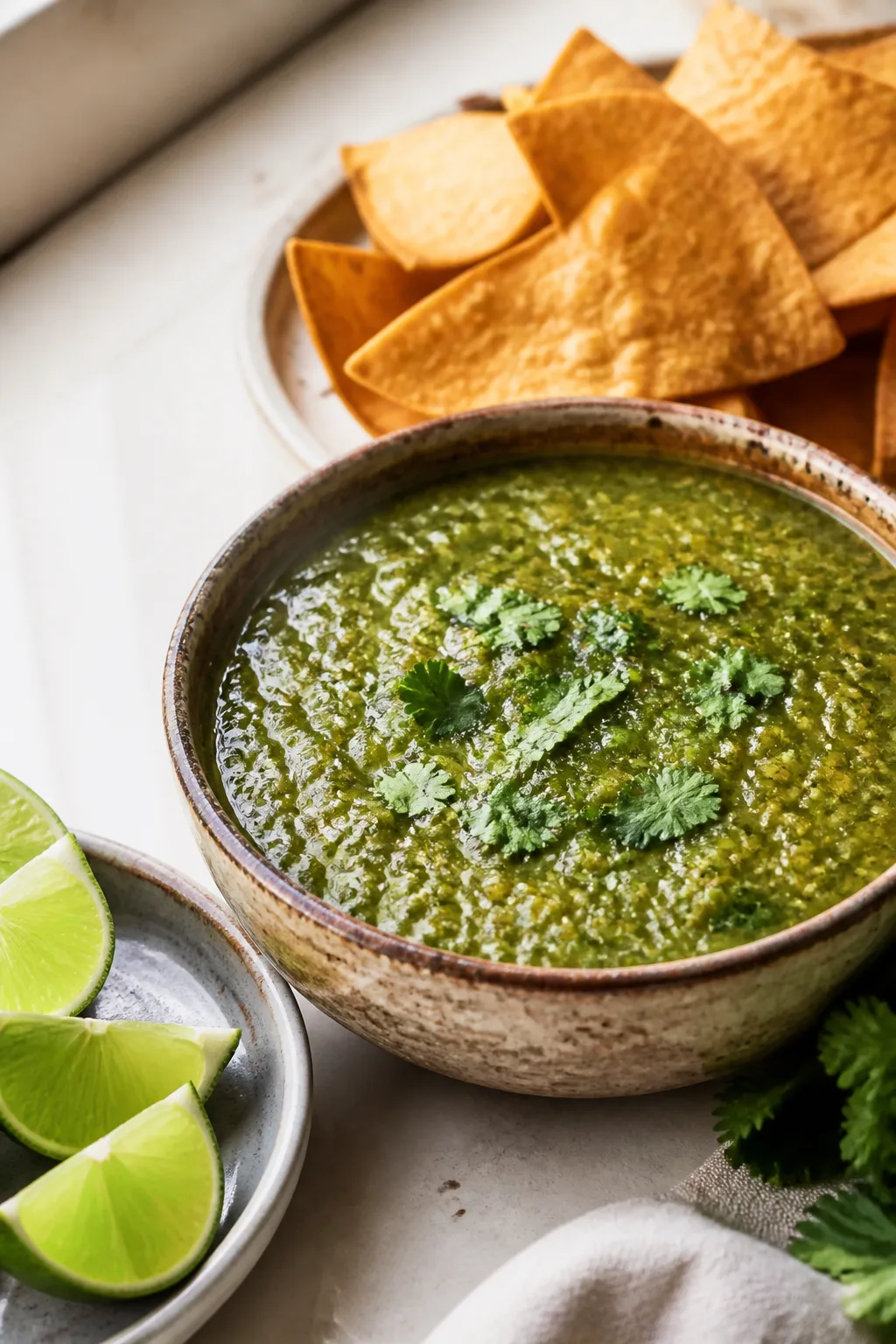
Use this salsa as a dip with tortilla chips, spoon it over grilled meats or fish, or drizzle on tacos and burritos. It’s versatile and adds a fresh punch to many dishes. If you want a smoother sauce for enchiladas, blend longer until completely smooth.
⏱ Time: 1
✓ Doneness: Salsa coats food evenly and enhances flavor without overpowering
Step 5
For a thicker salsa, try draining excess liquid after blending or add a small avocado for creaminess. This variation makes a great dip or topping for tostadas. The avocado also mellows the acidity for a richer mouthfeel.
⏱ Time: 2
✓ Doneness: Salsa thickens slightly and gains a creamy texture
Step 6
If you want to store, pour salsa into a clean airtight container and refrigerate. Use within 3-4 days for best freshness. The flavors will intensify but the bright color may dull slightly.
⏱ Time: 1
✓ Doneness: Salsa remains fresh and flavorful when stored properly
Step 7
To freeze, pour salsa into an ice cube tray for portioned use. Once frozen, transfer cubes to a freezer bag. Thaw in the refrigerator overnight before use. Freezing slightly changes texture but flavor stays vibrant.
⏱ Time: 1
✓ Doneness: Salsa freezes solid without ice crystals or separation
Step 8
Reheat gently on the stove or microwave if desired, adding a splash of water if thickened too much. Avoid boiling to preserve fresh flavor and texture.
⏱ Time: 2
✓ Doneness: Salsa warms through evenly without breaking or curdling
Step 9
Experiment with adding roasted tomatillo salsa to soups, stews, or as a marinade base. It complements smoky, spicy, and savory dishes beautifully. Keep a batch handy for a quick flavor boost anytime.
⏱ Time: 1
✓ Doneness: Salsa enhances dishes with bright, tangy notes
Pro Tips
Don’t skip roasting the tomatillos and garlic before blending.
Roasting triggers Maillard browning, creating deeper, more complex flavors and softening the ingredients for a smoother blend. Skipping this step results in a raw, less balanced salsa.
Use a blender or food processor pulse function to control texture.
Pulsing allows you to achieve the perfect chunky or smooth consistency without overprocessing, which can turn the salsa watery or overly thin.
Adjust the jalapeño seeds based on your preferred heat level.
The seeds and membranes contain most of the pepper’s heat. Removing them reduces spiciness while keeping flavor, tailoring the salsa to your taste.
Use fresh lime juice instead of bottled.
Fresh lime juice provides bright acidity and vibrant flavor that bottled juice lacks, making the salsa taste fresher and livelier.
Let the salsa rest in the fridge for at least an hour before serving.
Resting allows flavors to meld and mellow, enhancing the balance between tartness, heat, and herbaceous notes.
Serve with freshly made tortilla chips or grilled meats.
The fresh, tangy salsa complements smoky, savory dishes perfectly, elevating your meal experience.
Store salsa in an airtight container to preserve freshness.
Exposure to air can dull flavors and cause discoloration. Airtight storage maintains the bright color and fresh taste longer.
Common Mistakes to Avoid
Using raw tomatillos instead of roasting them
Why it happens Many think blending raw tomatillos is faster and easier, but this misses the flavor development roasting provides.
Fix Always roast tomatillos until blistered and slightly charred to deepen flavor and soften texture. This step is essential for authentic taste.
Adding too much water when blending
Why it happens To get a smooth blend, cooks sometimes add excess water, resulting in a watery salsa.
Fix Add water gradually, just enough to blend smoothly but keep the salsa thick enough to cling to chips or food.
Overprocessing the salsa
Why it happens Using continuous blending can turn salsa into a thin puree.
Fix Pulse the blender to control texture, aiming for a chunky yet cohesive salsa.
Using bottled lime juice
Why it happens Convenience leads to using bottled juice, but it lacks fresh flavor.
Fix Always use freshly squeezed lime juice for the best brightness and acidity.
Not tasting and adjusting salt
Why it happens Salt is often overlooked, but it’s key to balancing flavors.
Fix Taste salsa after blending and add salt gradually to enhance brightness and depth.
Variations
Creamy Avocado Tomatillo Salsa
Add half a ripe avocado to the blender with the roasted tomatillos for a creamy, milder salsa perfect for dipping or topping tacos. The avocado softens the tartness and adds richness.
Note: Blend until very smooth and adjust lime juice to balance creaminess.
Spicy Roasted Tomatillo Salsa
Include serrano peppers along with jalapeño for a hotter salsa. Roasting the peppers together intensifies the smoky heat, ideal for spice lovers.
Note: Remove seeds if you want to moderate the heat level.
Tomatillo and Roasted Corn Salsa
Mix in charred corn kernels after blending the tomatillo salsa for a sweet contrast and added texture. Great as a side or topping for grilled meats.
Note: Add corn after blending to maintain its crunch.
Tomatillo Salsa with Fresh Herbs
Add fresh oregano or parsley along with cilantro for a more herbaceous flavor profile. This variation adds complexity and freshness.
Note: Use fresh herbs and add them at blending stage.
Tomatillo Salsa Verde Enchilada Sauce
Thin the salsa with chicken broth and simmer with spices to create a flavorful enchilada sauce. Perfect for baked enchiladas with a tangy twist.
Note: Simmer gently to meld flavors without boiling.
Nutrition
Per Serving:
Nutritional values are estimates and may vary based on specific ingredients used.
Storage & Tips
Room Temperature
Salsa should not be left at room temperature for more than 2 hours to avoid spoilage. Cover it tightly if serving at room temp for a short time.
Refrigerator
Store in an airtight container for up to 4 days. Flavors deepen but the color may dull slightly. Stir before serving and enjoy cold or at room temperature.
Freezer
Freeze salsa in portioned containers or ice cube trays for up to 3 months. Thaw overnight in the fridge before use. Texture may change slightly but flavor remains vibrant.
Reheating
Warm gently on the stove or microwave with a splash of water if thickened. Avoid boiling to preserve fresh flavor and texture.
Make Ahead
Roast tomatillos and other vegetables 1-2 days ahead and store in the fridge. Blend fresh before serving for the best flavor and texture.
FAQ
Can I use canned tomatillos instead of fresh?
Canned tomatillos are softer and less tart than fresh ones, which changes the flavor and texture of the salsa. If using canned, reduce added water and adjust lime juice to brighten. Roasting canned tomatillos is less effective but still recommended to add some depth.
How long does homemade tomatillo salsa last in the fridge?
Stored properly in an airtight container, the salsa lasts about 3-4 days refrigerated. The flavors will intensify but the bright green color may dull. Always smell and taste before serving to ensure freshness.
What can I substitute if I don’t have fresh cilantro?
Parsley can be used as a milder substitute but it will alter the flavor profile. Some people also use fresh basil or a combination of herbs, but none replicate the unique taste of cilantro exactly.
Is it necessary to remove the husks from tomatillos?
Yes, tomatillo husks are inedible and must be removed before cooking. After removing, rinse the sticky residue off to prevent bitterness and improve texture.
Can I make this salsa in advance?
Absolutely! Making the salsa a few hours or even a day ahead lets the flavors meld beautifully. Store in an airtight container in the fridge and bring to room temperature before serving for best taste.
How can I make the salsa less spicy?
Remove the seeds and membranes from the jalapeño before roasting, or reduce the amount of jalapeño used. You can also substitute with a milder pepper like poblano for less heat.
What’s the best way to serve tomatillo salsa?
It’s incredibly versatile — serve it as a dip with tortilla chips, drizzle over tacos, grilled meats, eggs, or use as a base for enchiladas. Fresh salsa adds brightness and a tangy kick to many dishes.
Can I freeze tomatillo salsa?
Yes, freezing is a great way to preserve it. Freeze in small portions like ice cube trays for easy use. Thaw overnight in the fridge. Texture may soften but flavor stays fresh.
Final Thoughts
I hope you enjoy making and sharing this fresh tomatillo salsa as much as my family and I do. It’s a simple way to brighten your meals, so give it a try and let me know how it turns out!