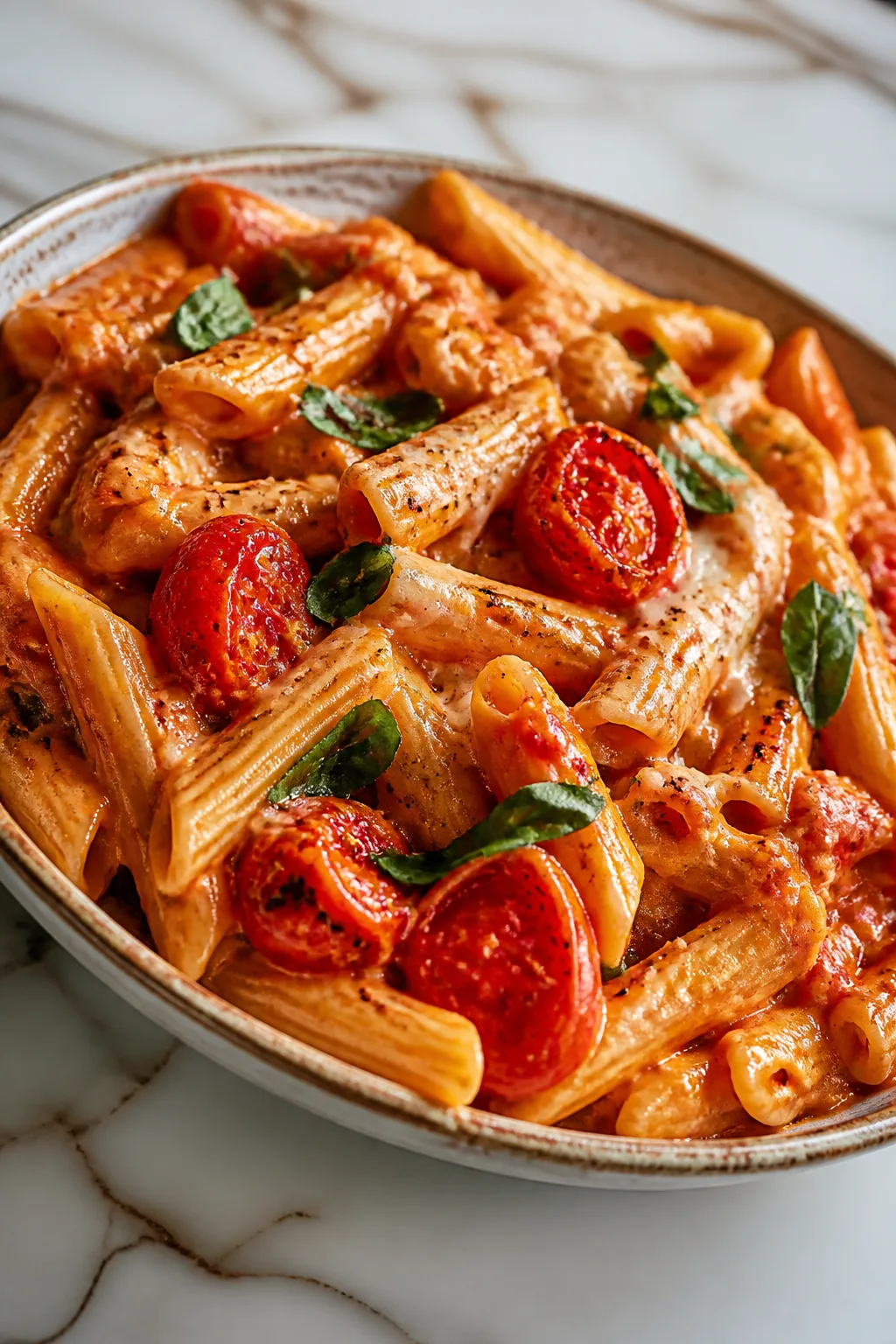
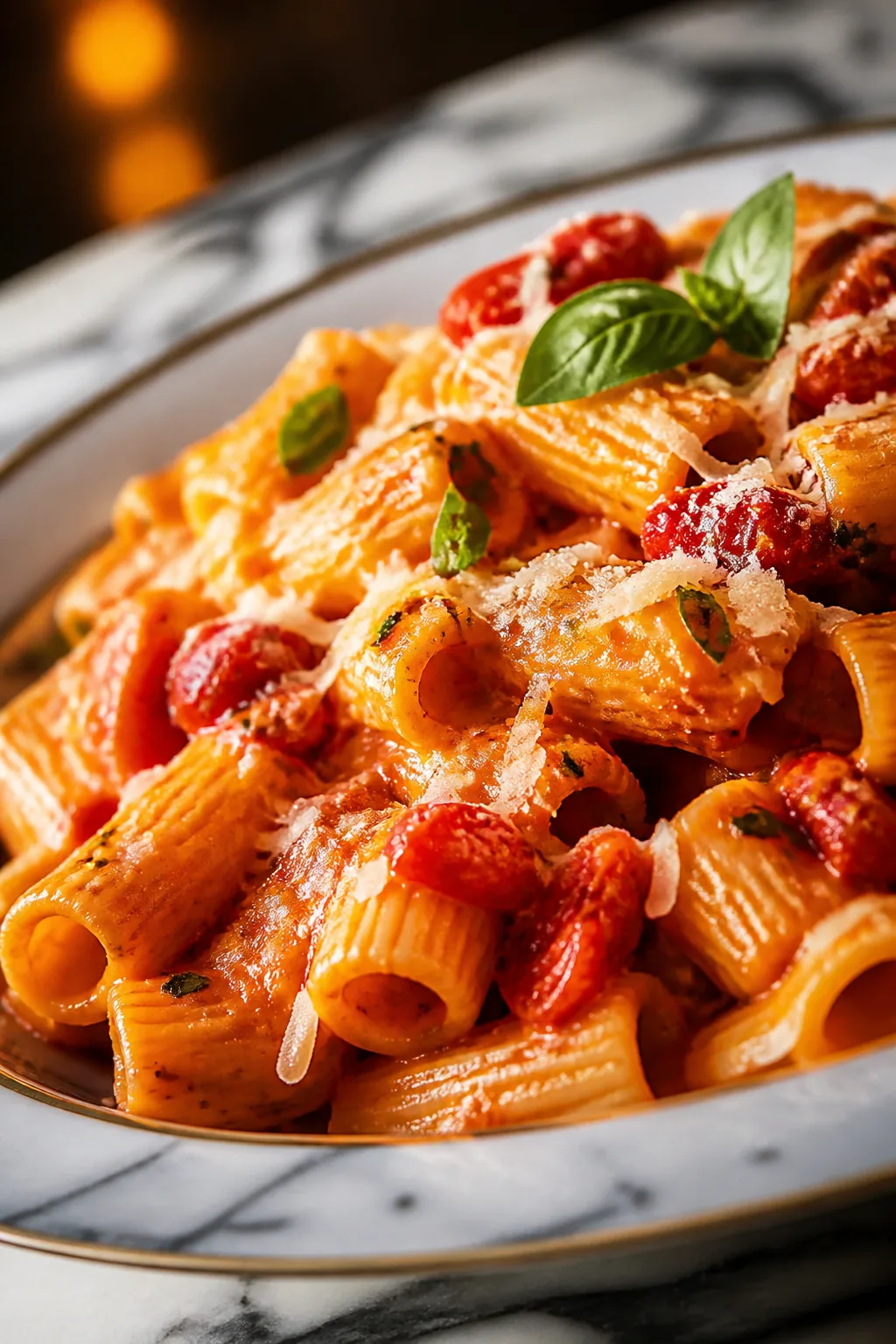
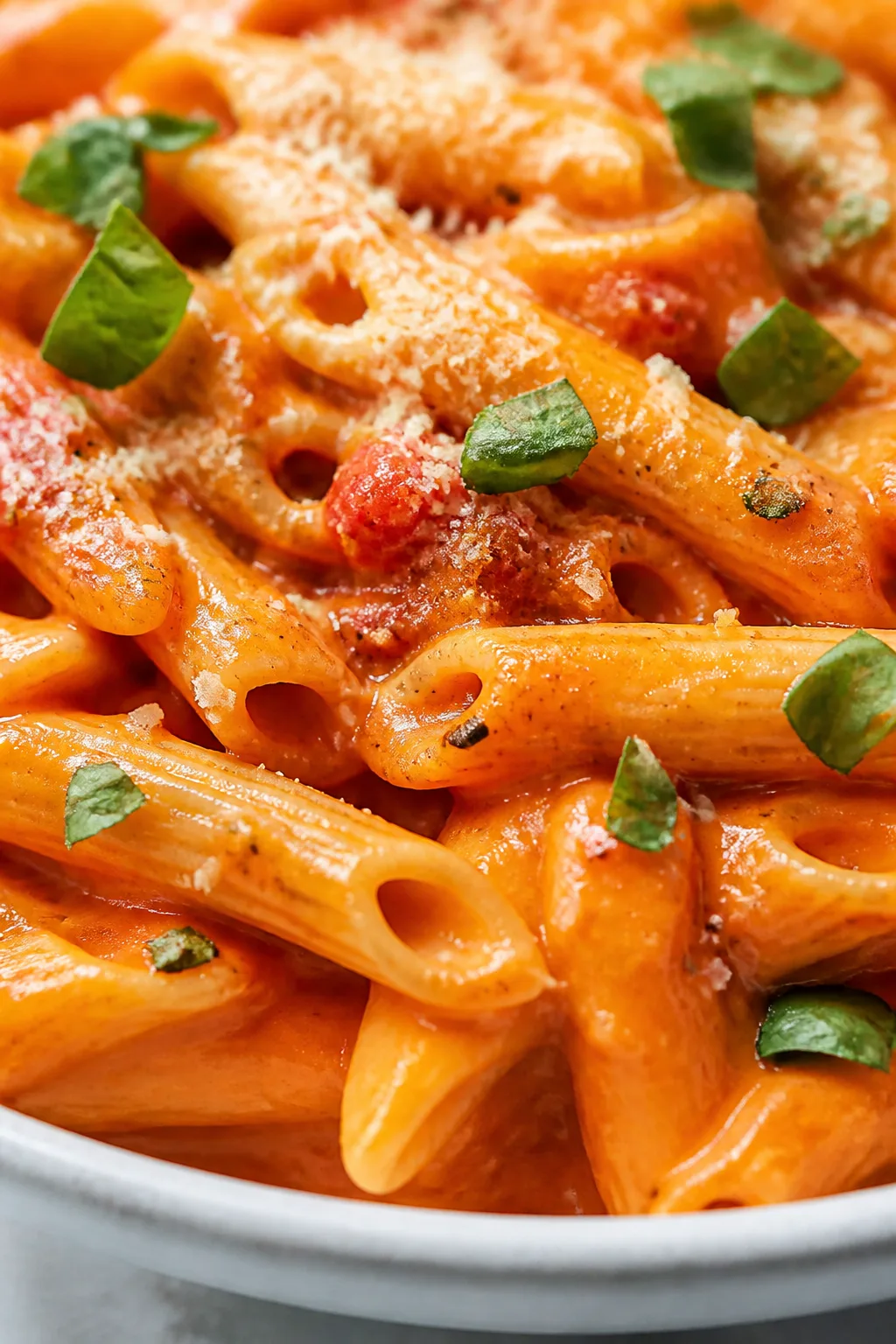
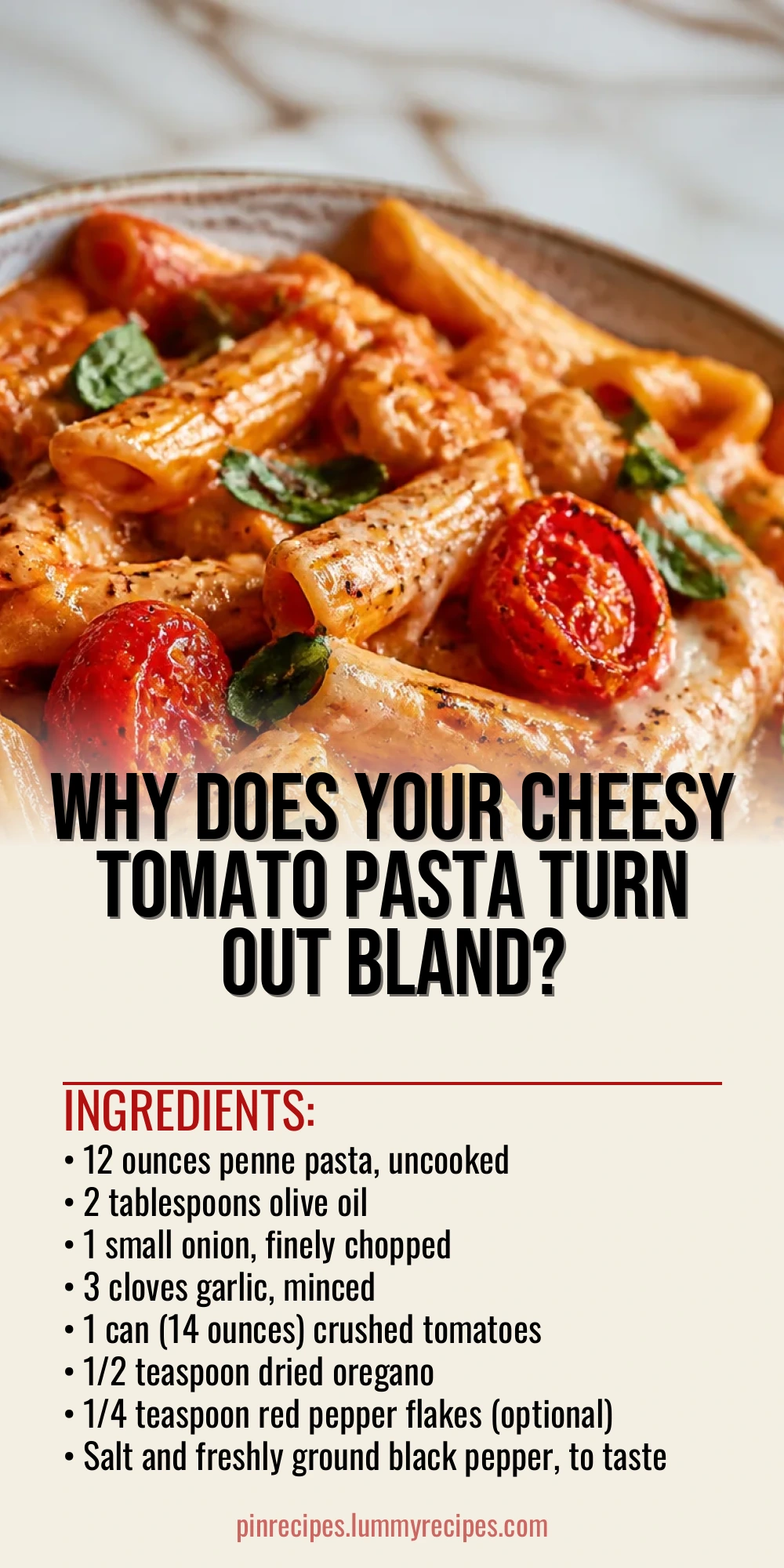
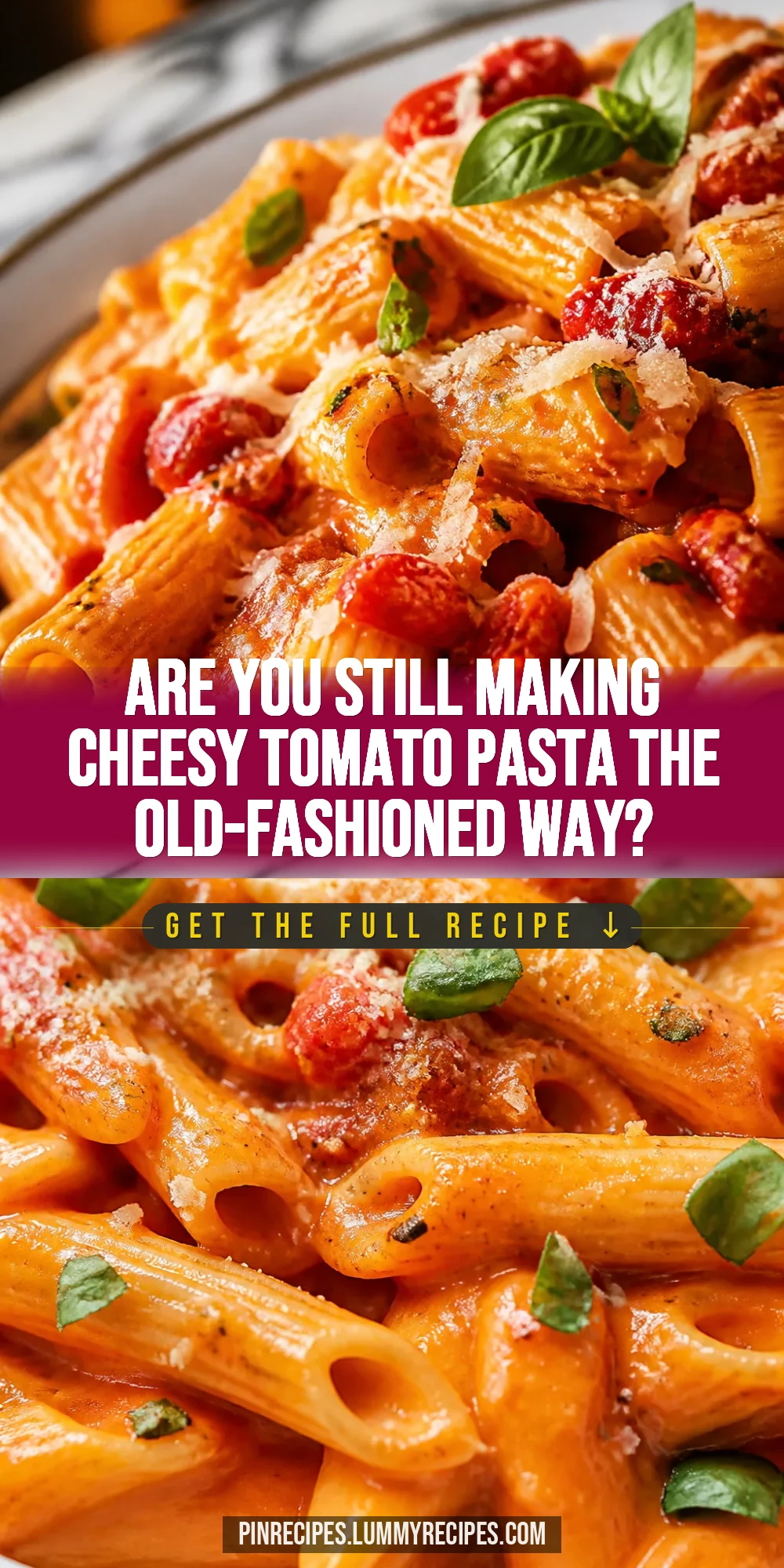
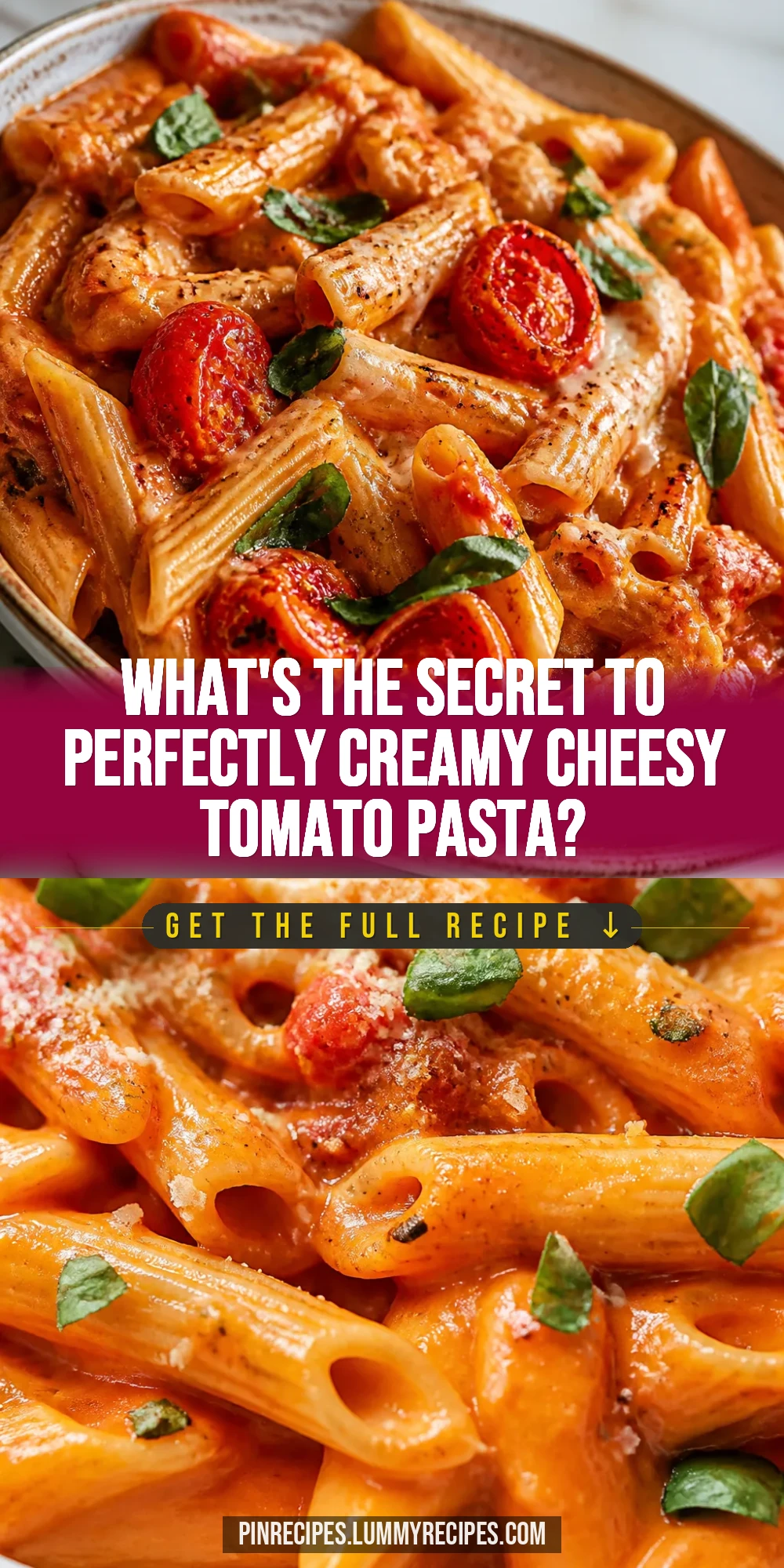
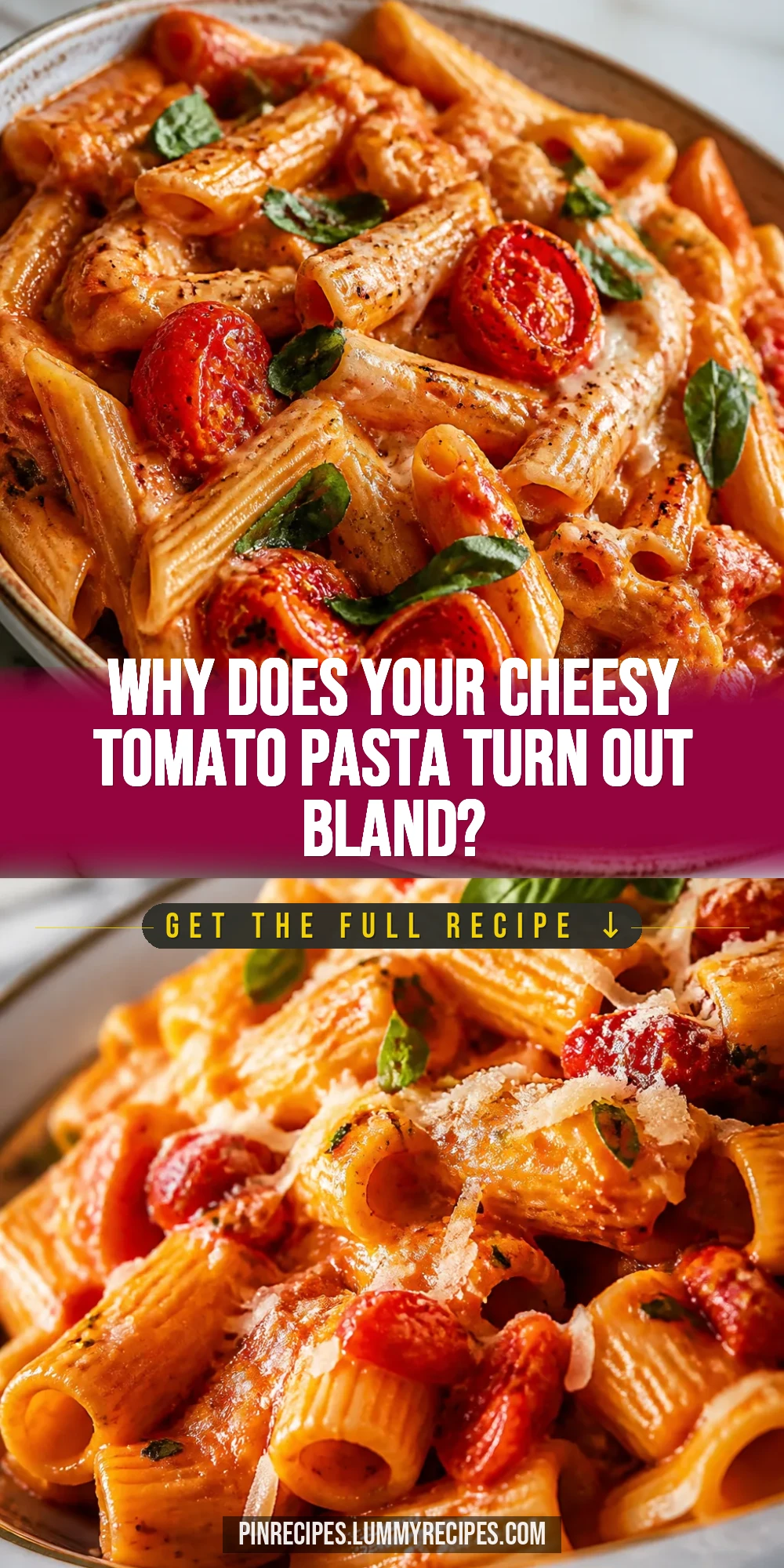
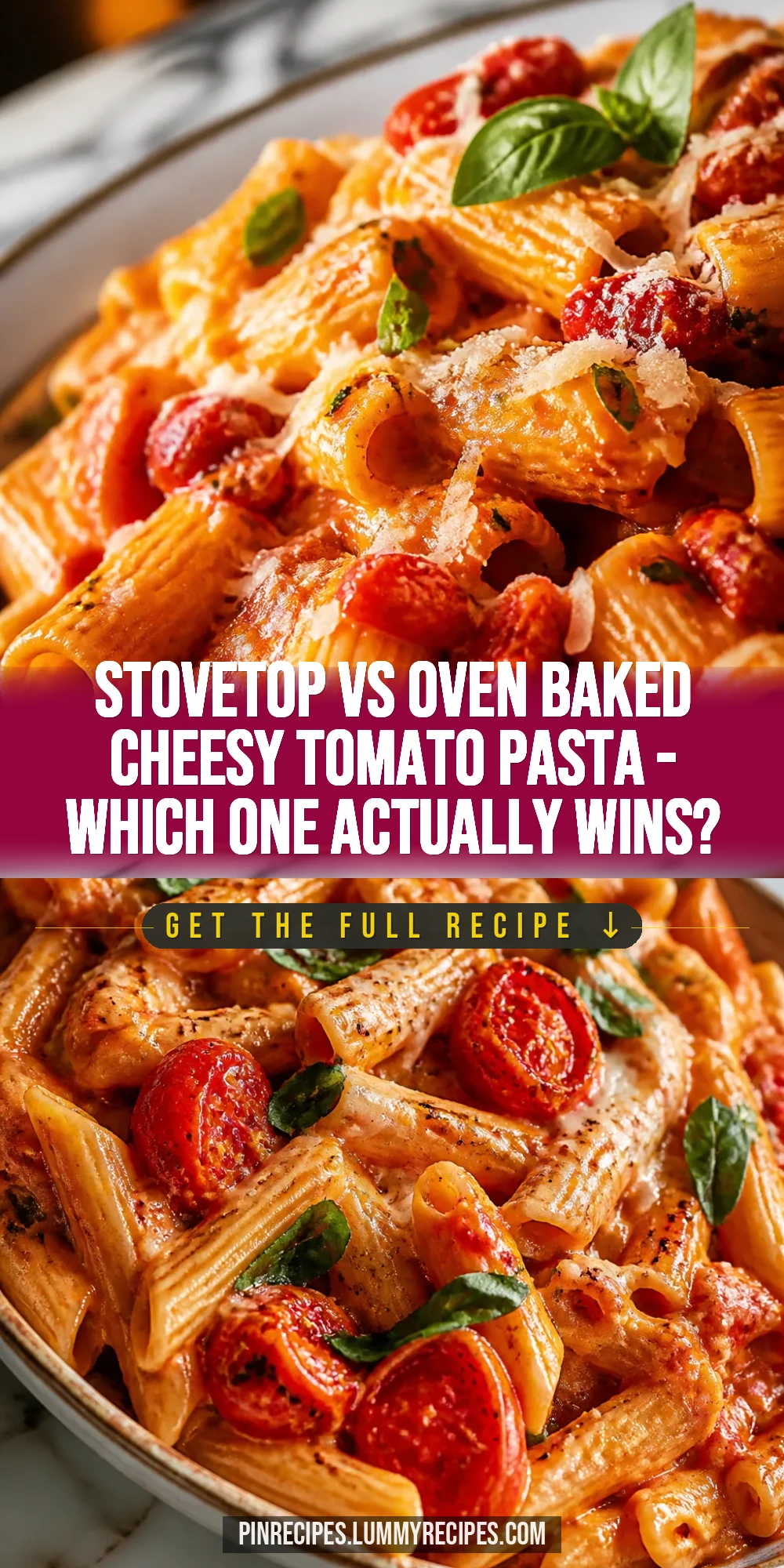
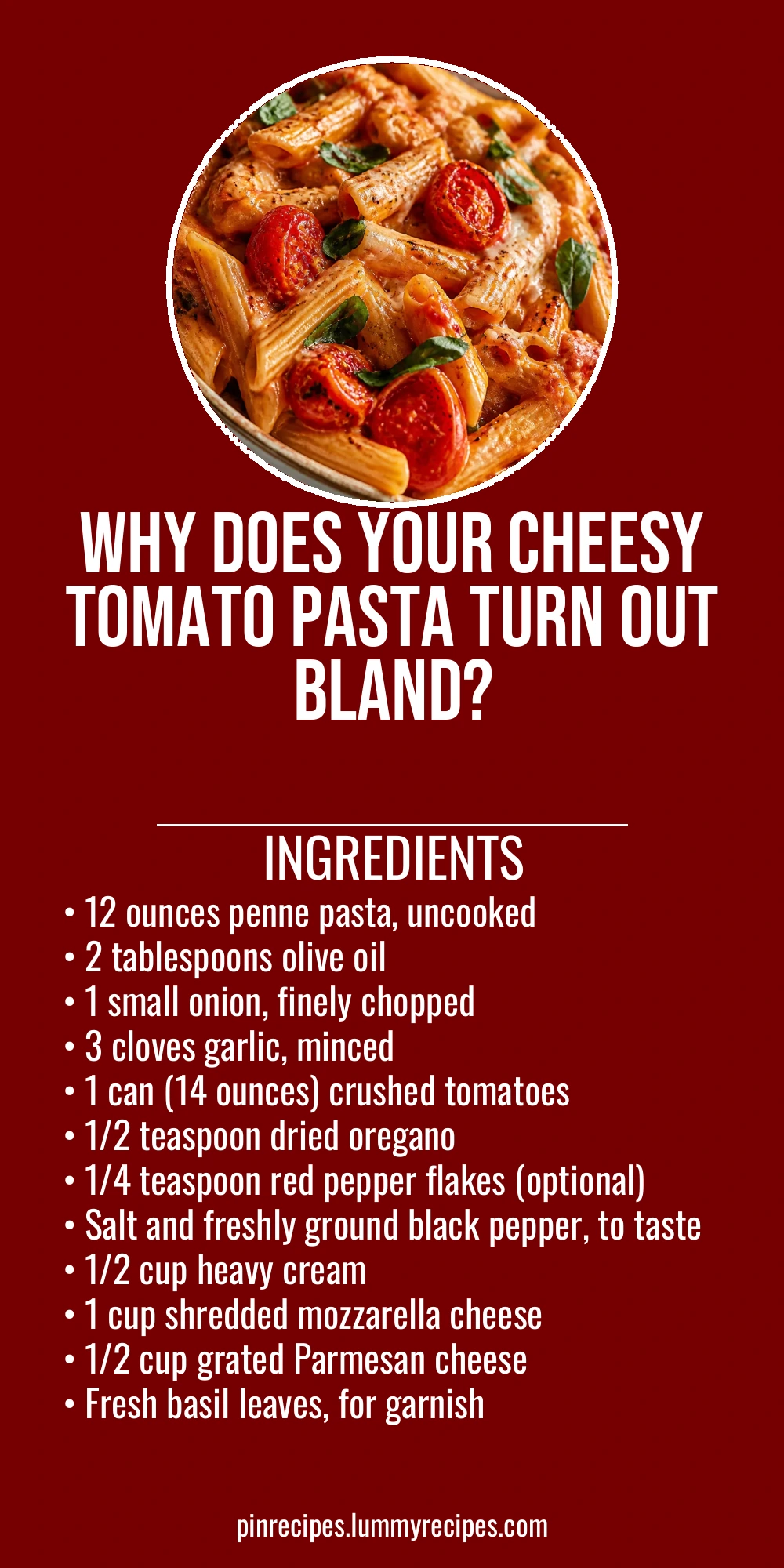
This cheesy tomato pasta is my go-to for a quick, comforting meal. The secret? A rich tomato sauce blended with melty cheese that makes every bite cozy and satisfying. Great for busy nights when you want something simple but delicious.
Introduction
I first whipped up this cheesy tomato pasta on a rushed weeknight when I craved something warm and satisfying without fuss. What makes this recipe stand out is the way the cheese melts smoothly into a vibrant tomato sauce, creating a creamy texture that’s just irresistible. I’ve tried many versions over the years, but this one hits the perfect balance between cheesy richness and fresh tomato brightness. The trick I learned? Adding the cream right at the end and stirring in both mozzarella and Parmesan for depth. It’s quick enough for busy evenings yet feels like a cozy treat. I love how the sauce clings to the pasta, making every bite comforting. Plus, fresh basil on top adds a lovely pop of color and flavor. This recipe has become a family favorite, especially when everyone’s craving simple, hearty food that doesn’t require hours in the kitchen.
How To Do It
Step 1
Bring a large pot of salted water to a boil and cook the penne pasta according to package instructions until al dente, usually about 10 minutes. Cooking the pasta just right is crucial because it will continue to cook slightly when mixed with the sauce. Overcooked pasta becomes mushy and loses its bite, so keep an eye on it and taste a piece a minute or two before the suggested time to check. Once done, drain the pasta and set aside, reserving about a half cup of the pasta water to adjust sauce consistency later if needed.
⏱ Time: 10
✓ Doneness: Pasta is tender but still firm to the bite without any raw flour taste
Step 2
Heat olive oil in a large skillet over medium heat. Add chopped onion and sauté until translucent and soft, about 5 minutes. This step builds the flavor base for your sauce, so don’t rush it. Stir occasionally to prevent burning. Once the onions are soft, add minced garlic and cook for another 1-2 minutes until fragrant but not browned, as burnt garlic tastes bitter.
⏱ Time: 7
✓ Doneness: Onions are soft and translucent; garlic aroma is fragrant but not burnt
Step 3
Pour in the crushed tomatoes, then season with dried oregano, red pepper flakes if using, salt, and pepper. Stir to combine and bring the mixture to a gentle simmer. Lower the heat and let it cook for 10-15 minutes, stirring occasionally. This simmering helps the flavors meld and the sauce thicken slightly. Avoid boiling vigorously to prevent the sauce from drying out or tasting too acidic.
⏱ Time: 15
✓ Doneness: Sauce thickens and deepens in color, with a rich tomato aroma
Step 4
Turn off the heat and stir in the heavy cream slowly, mixing well to create a creamy sauce. Adding cream at the end keeps it luscious without curdling. If you want a lighter version, you can substitute half-and-half but the sauce won’t be as rich. Taste and adjust seasoning as needed. The sauce should be smooth, slightly thick, and balanced between tangy tomato and creamy cheese flavors.
⏱ Time: 3
✓ Doneness: Sauce is smooth, creamy, and evenly blended
Step 5
Add the cooked pasta to the skillet and toss gently to coat every piece in the sauce. If the sauce feels too thick, add a splash of reserved pasta water to loosen it up and help it cling better. This step ensures the pasta absorbs some of the sauce flavors and the dish comes together as one harmonious plate.
⏱ Time: 3
✓ Doneness: Pasta is evenly coated with a creamy, glossy sauce
Step 6
Sprinkle shredded mozzarella and grated Parmesan over the pasta, then cover the skillet with a lid for 2-3 minutes on low heat. This lets the cheese melt perfectly without overcooking the pasta. Keep the heat low to avoid burning the cheese or drying out the sauce.
⏱ Time: 3
✓ Doneness: Cheese is melted and gooey, blending into the sauce
Step 7
Remove the lid and gently stir the pasta to combine the melted cheese throughout. This creates a luscious, cheesy coating that makes the dish so comforting. Taste once more and add salt or pepper if needed.
⏱ Time: 2
✓ Doneness: Pasta is creamy, cheesy, and well seasoned
Step 8
Plate the pasta and garnish with fresh basil leaves for a bright, herby contrast. The basil adds freshness that balances the richness of the cheese and tomato sauce beautifully. You can also drizzle a little olive oil on top for extra shine and flavor.
⏱ Time: 1
✓ Doneness: Fresh basil is vibrant and adds a pop of green color
Step 9
Serve immediately with extra Parmesan on the side and maybe a simple green salad or garlic bread. This dish is best enjoyed warm when the cheese is still melty and the sauce silky. Leftovers can be reheated gently but may thicken, so add a splash of water or cream to loosen the sauce.
⏱ Time: 1
✓ Doneness: Dish is hot, cheesy, and ready to enjoy
Pro Tips
Reserve some pasta water before draining.
The starchy pasta water helps loosen the sauce and allows it to cling better to the pasta. Without it, the sauce may be too thick or separate. This technique creates a silky, cohesive dish.
Don’t overcook the pasta.
Al dente pasta holds its shape and texture when tossed in sauce. Overcooked pasta becomes mushy and absorbs too much sauce, making the dish heavy and less enjoyable.
Sauté onions and garlic gently.
Cooking them slowly brings out their natural sweetness and prevents bitterness. This builds a flavorful foundation that enhances the tomato sauce’s depth.
Add cream at the end, off heat.
Adding cream too early or over high heat can cause it to curdle. Stirring it in at the end ensures a smooth, creamy sauce without texture issues.
Use a mix of mozzarella and Parmesan cheese.
Mozzarella melts for gooey texture, while Parmesan adds sharp flavor. Together, they create a balanced, rich sauce that’s more interesting than using just one cheese.
Let cheese melt under a lid on low heat.
Covering the pan traps heat and melts cheese evenly without burning. High heat risks drying out the sauce or scorching the cheese.
Garnish with fresh basil just before serving.
Basil’s aroma and flavor are strongest when fresh and uncooked. Adding it last brightens the dish and adds a fresh, herbal note that balances richness.
Common Mistakes to Avoid
Using low-quality canned tomatoes
Why it happens Sometimes cooks grab whatever’s on hand without checking quality, thinking all canned tomatoes are the same.
Fix Choose high-quality crushed tomatoes with no additives. San Marzano or similar varieties provide a sweeter, less acidic base that improves sauce flavor dramatically.
Overcooking pasta
Why it happens It’s easy to leave pasta boiling too long, especially when multitasking in the kitchen.
Fix Taste the pasta a minute or two before the package time. Drain as soon as it’s al dente to maintain firm texture that holds up when mixed with sauce.
Adding cheese too early
Why it happens Some think melting cheese throughout cooking is best, but it can cause separation or toughness.
Fix Add shredded cheese at the end over low heat with a lid to melt gently. This keeps the sauce creamy and cheese gooey.
Skipping the reserved pasta water
Why it happens It’s a common oversight to drain pasta without saving water, especially if not familiar with the technique.
Fix Always reserve a small amount of pasta water before draining. Use it to adjust sauce consistency and help it cling to pasta better.
Overheating cream
Why it happens Adding cream directly to boiling sauce can cause it to curdle.
Fix Turn off heat or lower it to very low before stirring in cream. This prevents curdling and keeps sauce smooth.
Variations
Spicy Cheesy Tomato Pasta
Add a pinch more red pepper flakes or a dash of hot sauce to the tomato sauce for a spicy kick. This variation adds warmth and depth without overpowering the creamy texture.
Note: Adjust spice gradually and taste as you go to keep balance.
Vegetable-Loaded Cheesy Tomato Pasta
Toss in sautéed zucchini, bell peppers, or spinach along with the sauce for extra nutrition and color. This makes the dish more filling and adds fresh flavors.
Note: Cook vegetables until just tender to maintain texture before adding pasta.
Chicken Cheesy Tomato Pasta
Add cooked shredded chicken or diced rotisserie chicken to the sauce for a protein boost. It turns this meal into a satisfying one-pot dinner perfect for family nights.
Note: Warm the chicken in the sauce to meld flavors without drying it out.
Gluten-Free Cheesy Tomato Pasta
Use gluten-free pasta to accommodate dietary needs. The sauce and cheese blend remains the same, offering the same creamy comfort without gluten.
Note: Cook gluten-free pasta carefully as it can become mushy faster than regular pasta.
Vegan Cheesy Tomato Pasta
Swap dairy cheeses for vegan alternatives and use coconut cream or cashew cream instead of heavy cream. This version keeps the creamy texture and tomato flavor but suits a plant-based diet.
Note: Choose vegan cheeses that melt well and adjust seasoning to taste.
Nutrition
Per Serving:
Nutritional values are estimates and may vary based on specific ingredients used.
Storage & Tips
Room Temperature
This pasta should not be left out at room temperature for more than 2 hours. Cover it loosely if you plan to serve it shortly after cooking to keep it warm and prevent drying.
Refrigerator
Store leftovers in an airtight container for up to 3 days. The sauce may thicken and the pasta will absorb more sauce when cold. Reheat gently to restore creaminess.
Freezer
Freeze in a freezer-safe container for up to 2 months. Wrap tightly to prevent freezer burn. Thaw overnight in the fridge before reheating to maintain texture.
Reheating
Reheat on the stovetop over low heat, adding a splash of water or cream to loosen the sauce. Stir frequently to prevent sticking. Avoid microwaving at high power which can dry out the pasta.
Make Ahead
You can prepare the tomato sauce and cook the pasta a day ahead. Store separately in the fridge and combine just before reheating to keep pasta texture fresh.
FAQ
Can I use a different type of pasta for this recipe?
Absolutely! Penne works well because its shape holds the sauce nicely, but you can use rigatoni, fusilli, or even spaghetti. Just adjust cooking times according to the pasta type to ensure it’s al dente.
What if I don’t have heavy cream? Can I substitute something else?
You can substitute half-and-half or whole milk for a lighter sauce, but it won’t be as rich or creamy. For a dairy-free option, try coconut cream or cashew cream to keep that silky texture.
How do I prevent the cheese from clumping when melting?
Add cheese gradually over low heat and cover the pan to trap heat, which helps the cheese melt evenly. Avoid high heat which can cause cheese to seize up and become grainy.
Can I make this recipe vegan?
Yes! Use plant-based cheeses that melt well and substitute heavy cream with coconut or cashew cream. Adjust seasoning to taste, as vegan cheeses can vary in saltiness.
What’s the best way to reheat leftovers?
Reheat gently on the stovetop with a splash of cream or water to loosen the sauce. Stir frequently to prevent sticking. Microwaving works too but can dry out the pasta if overheated.
Can I add protein to this dish?
Definitely! Cooked chicken, sausage, or even shrimp can be stirred into the sauce. Add them near the end of cooking to warm through without overcooking.
How do I make the sauce thicker or thinner?
Simmer the sauce longer to thicken it or add reserved pasta water to thin it out. Adjust gradually to get the perfect consistency that coats the pasta well.
Is it better to use fresh or dried herbs?
Dried oregano works well in the sauce for consistent flavor, while fresh basil added at the end brightens the dish. Fresh herbs lose flavor if cooked too long, so add them last.
Final Thoughts
I hope you give this cheesy tomato pasta a try soon—it’s a comforting classic that’s easy to make and always hits the spot. Let me know how it turns out for you!