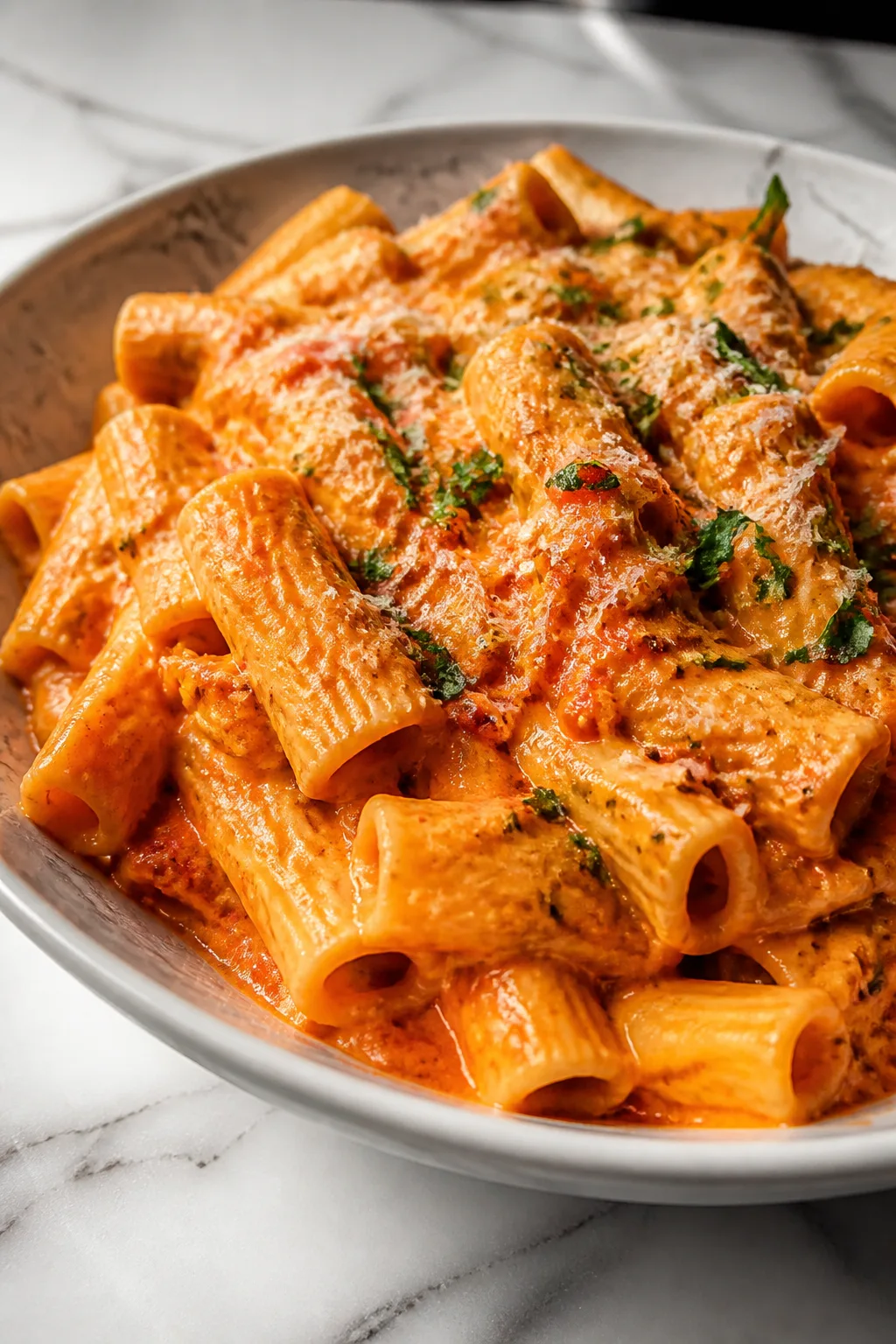
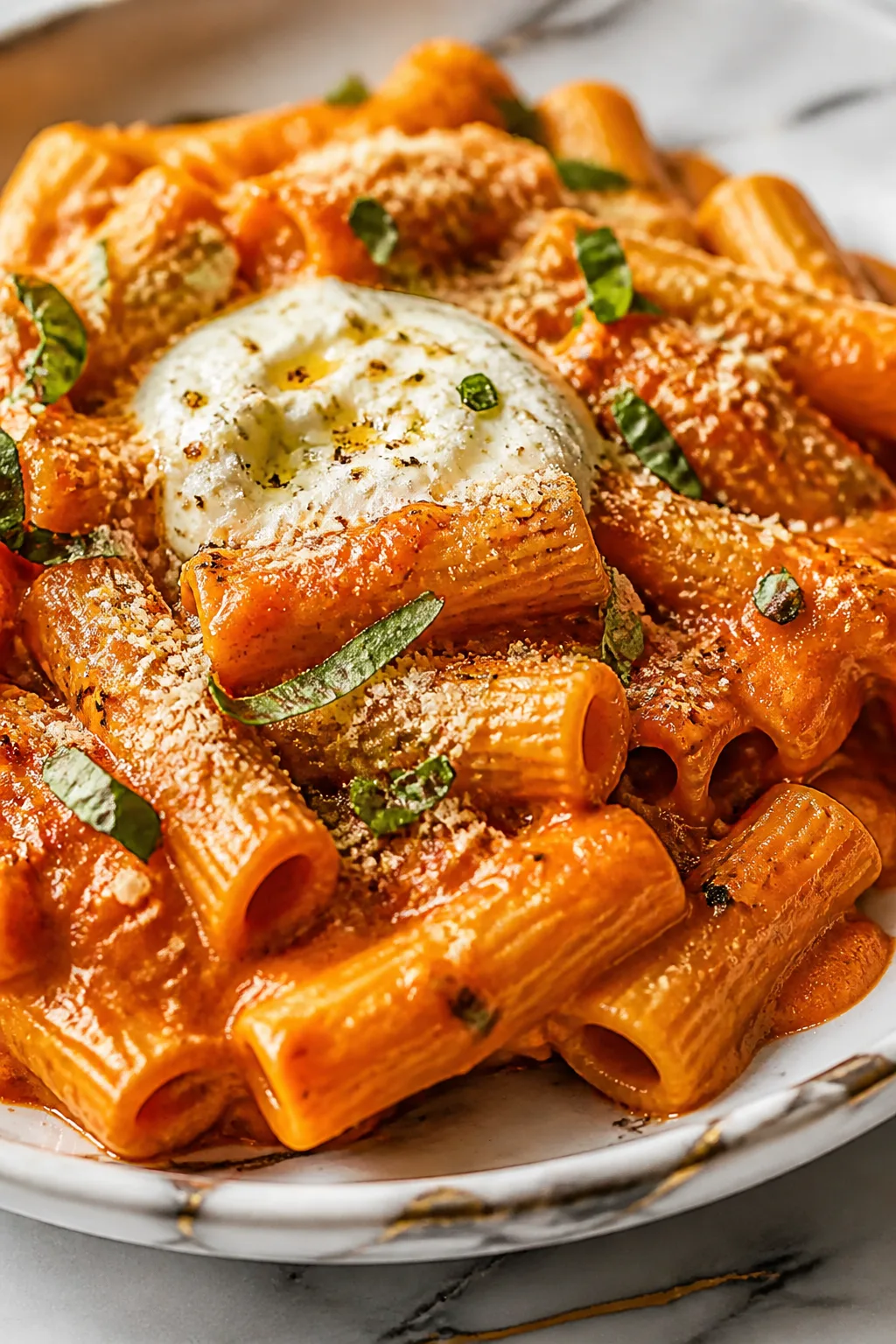
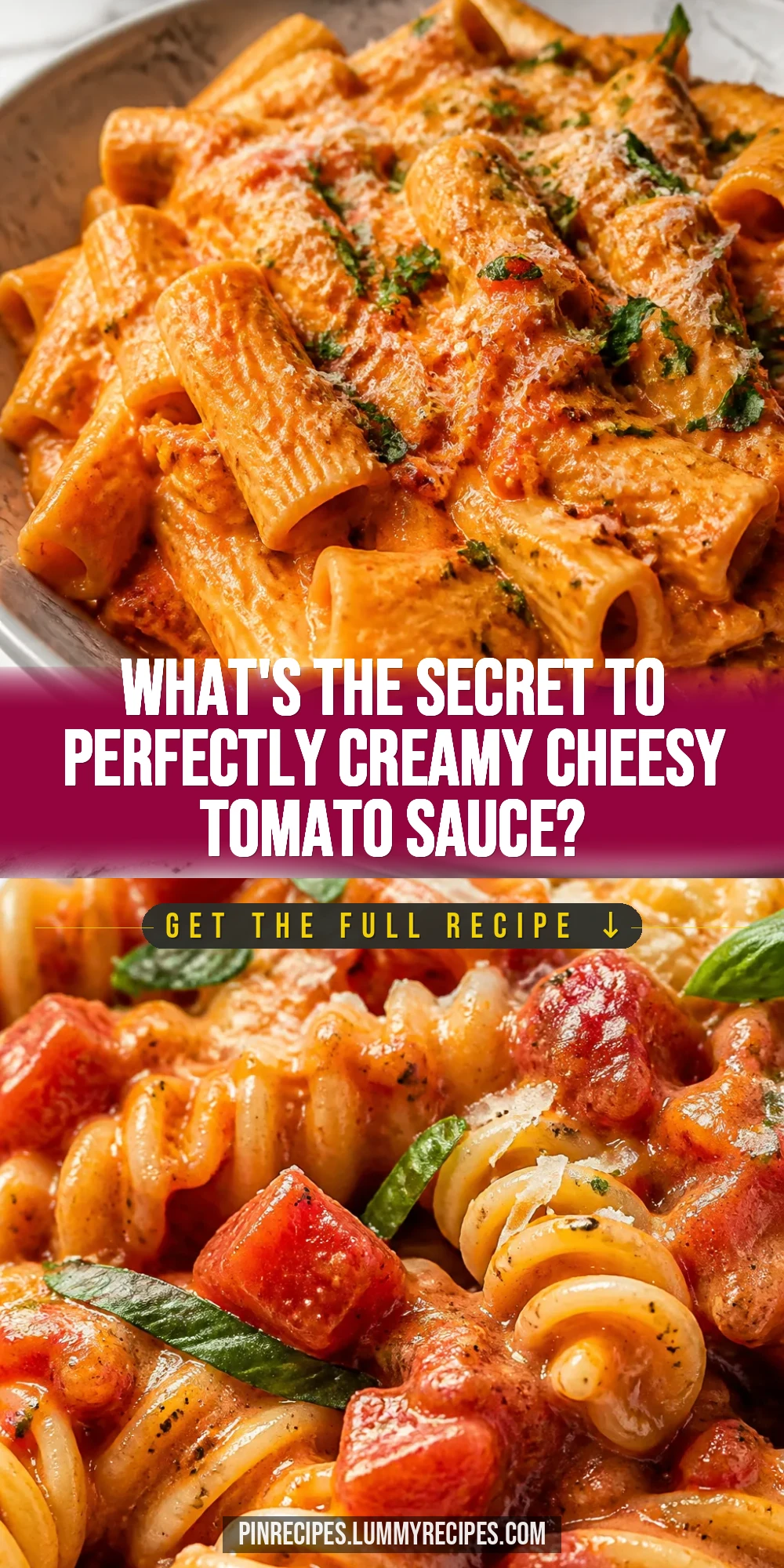
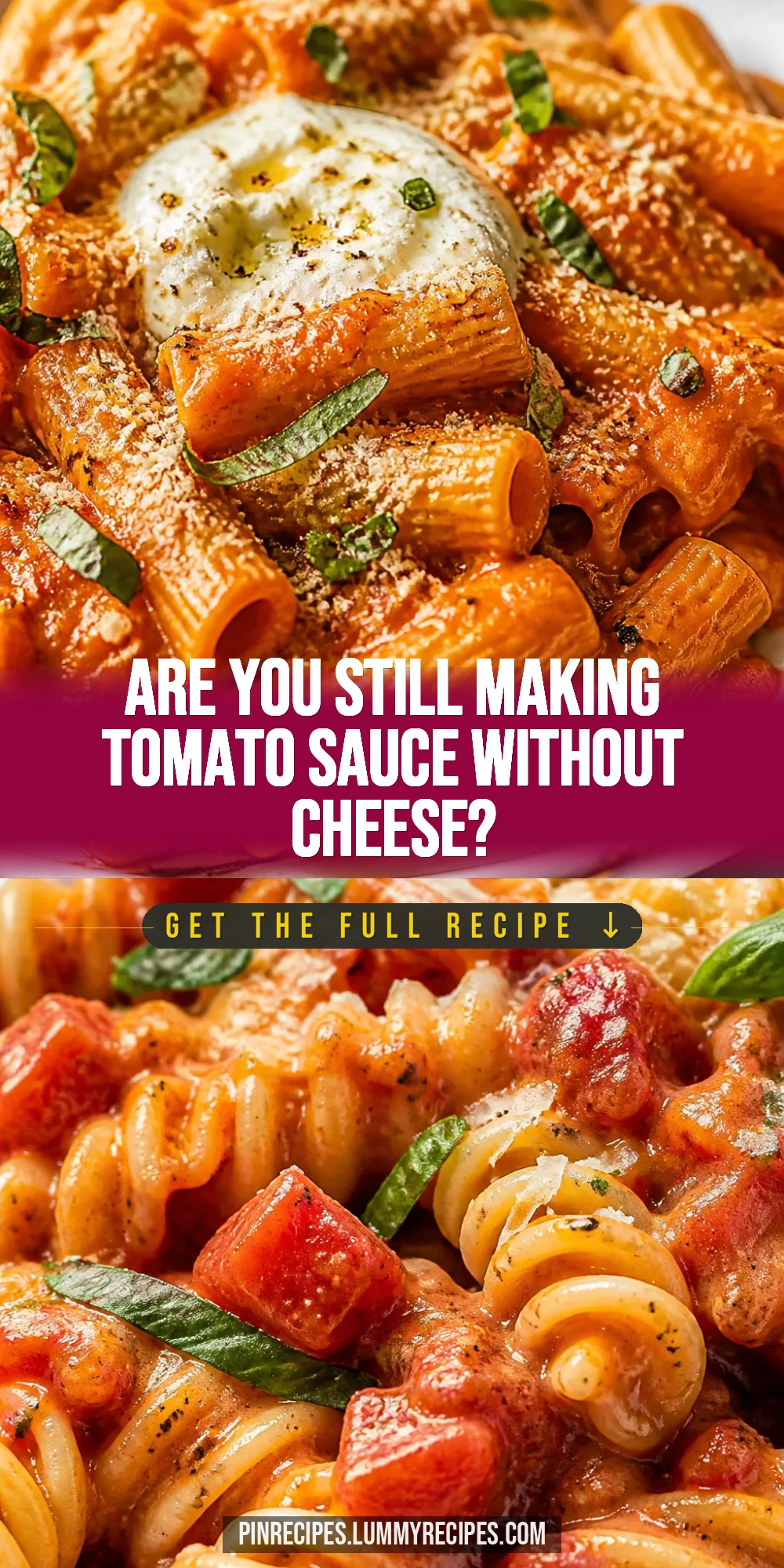
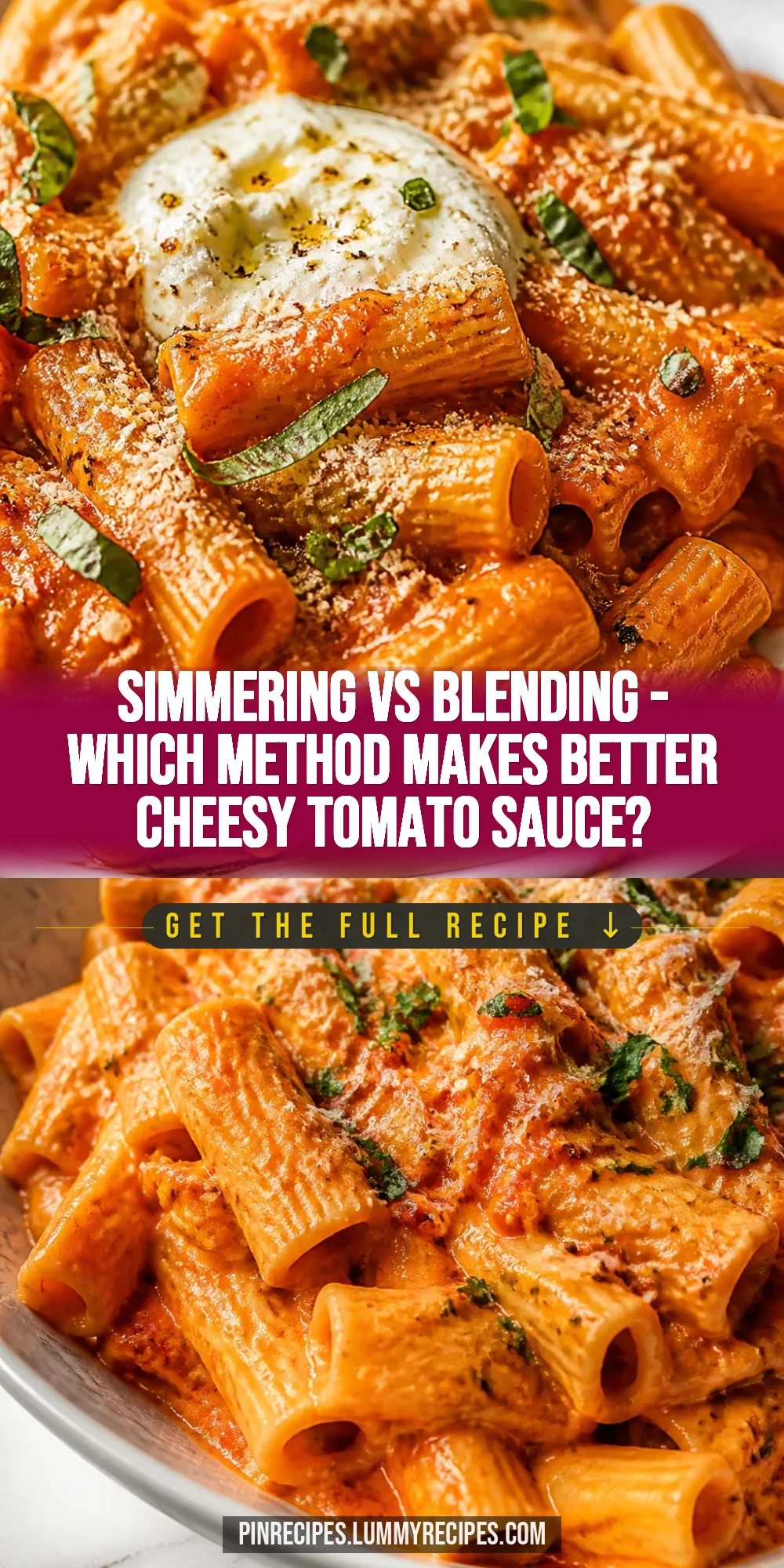
This cheesy tomato sauce is my go-to for cozy dinners. It’s rich, creamy, and has just the right tang from fresh tomatoes. Great for a quick pasta or dipping bread when you want something comforting fast.
Introduction
I first made this cheesy tomato sauce on a chilly evening when I wanted something comforting but quick. It’s a simple twist on classic tomato sauce, enriched with creamy cheese that melts beautifully into the tangy tomatoes. What makes this version special is the balance between the acidity of the tomatoes and the richness of the cheese, plus a little secret: I add the cheese off the heat to keep it silky and prevent graininess. I’ve tried many tomato sauces over the years, but this one always wins with my family because it’s both easy and satisfying. The sauce is smooth and creamy, with a lovely depth of flavor from the herbs and garlic. It’s perfect spooned over pasta, but also works great as a dipping sauce for bread or a drizzle over roasted veggies. I love that it only takes about 45 minutes from start to finish, making it a great weeknight dinner option when you want something cozy without fuss. You’ll notice the sauce has a vibrant red color and a luscious texture that clings to every bite. It’s become a staple in my kitchen, and I think you’ll love it too!
What You'll Need
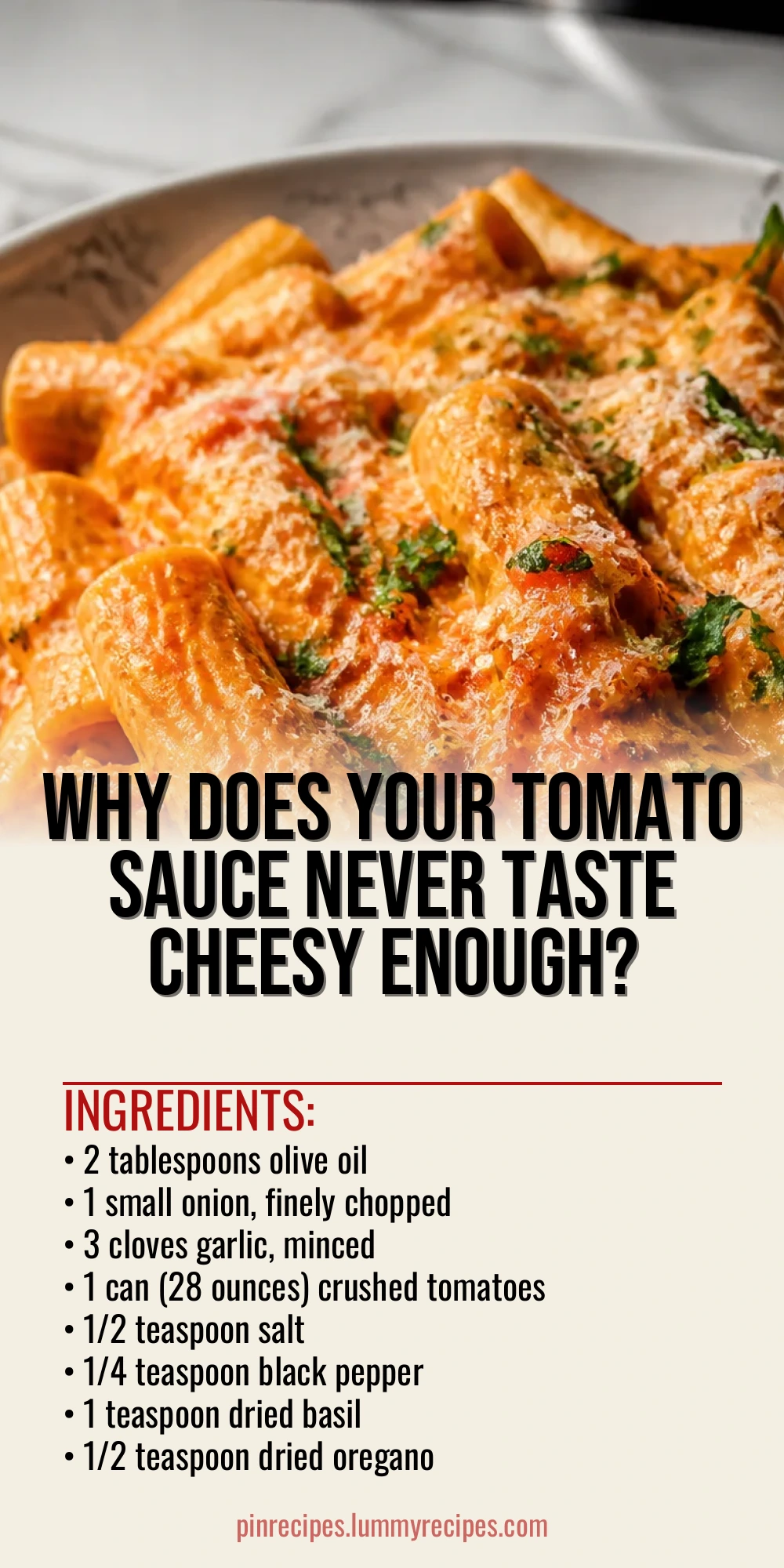
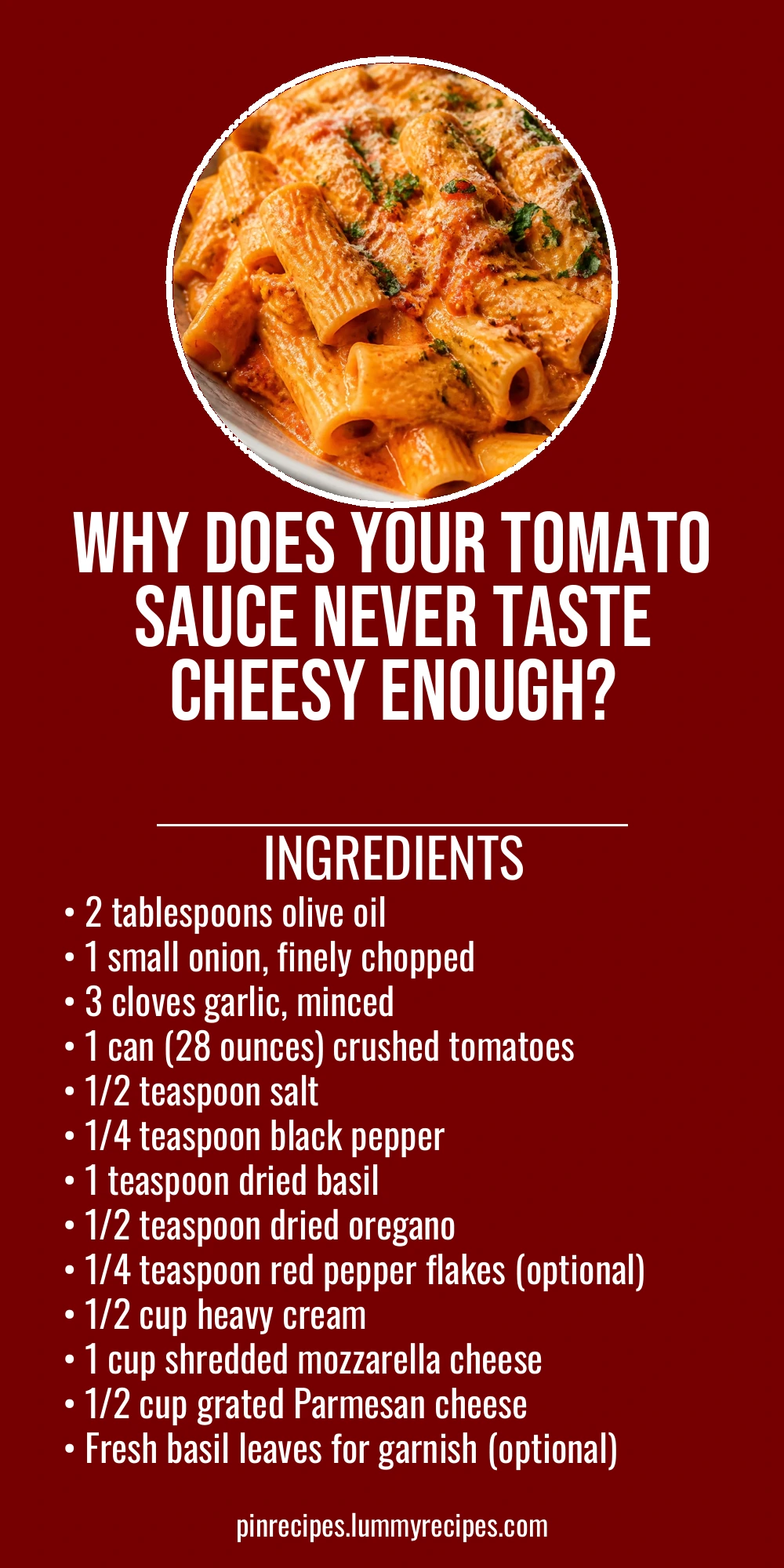
Approximately 4 cups, serves 4
- 2 tablespoons olive oil
- 1 small onion, finely chopped
- 3 cloves garlic, minced
- 1 can (28 ounces) crushed tomatoes
- 1/2 teaspoon salt
- 1/4 teaspoon black pepper
- 1 teaspoon dried basil
- 1/2 teaspoon dried oregano
- 1/4 teaspoon red pepper flakes (optional)
- 1/2 cup heavy cream
- 1 cup shredded mozzarella cheese
- 1/2 cup grated Parmesan cheese
- Fresh basil leaves for garnish (optional)
How To Do It
Step 1
Heat olive oil in a large skillet over medium heat. Add the finely chopped onion and cook, stirring occasionally, until it becomes soft and translucent, about 5-7 minutes. This step is crucial because gently cooking the onion releases its natural sweetness, which forms the flavor base of the sauce. Avoid browning the onion too much as it can add bitterness. Once softened, add the minced garlic and cook for another 1-2 minutes until fragrant—be careful not to burn the garlic, which can turn bitter and spoil the sauce’s flavor.
⏱ Time: 8
✓ Doneness: Onion is soft and translucent, garlic is aromatic but not browned
Step 2
Pour in the crushed tomatoes along with salt, pepper, dried basil, oregano, and optional red pepper flakes. Stir to combine and bring the mixture to a gentle simmer. Lower the heat and let it cook uncovered for about 20 minutes. Simmering allows the flavors to meld and the sauce to thicken slightly. Stir occasionally to prevent sticking or burning at the bottom. Rushing this step will result in a watery sauce without much depth. The sauce is ready when it has thickened and has a rich, vibrant red color.
⏱ Time: 20
✓ Doneness: Sauce is thickened, deep red, and aromatic
Step 3
Remove the skillet from heat and slowly stir in the heavy cream. Adding cream off the heat prevents it from curdling and helps create a smooth, velvety texture. Stir until fully incorporated, then add the shredded mozzarella and grated Parmesan cheese gradually, folding them in gently. The residual heat will melt the cheese without making it stringy or clumpy. This technique ensures the sauce stays creamy and luscious rather than grainy.
⏱ Time: 5
✓ Doneness: Cheese is melted and sauce is creamy with no lumps
Step 4
Taste the sauce and adjust seasoning if needed—sometimes a pinch more salt or pepper can brighten the flavors. If you want a little extra herb fragrance, add a few fresh basil leaves now. Serve immediately over your favorite cooked pasta or use as a dip. The sauce pairs wonderfully with spaghetti, penne, or even as a base for baked dishes. Leftovers reheat well, just warm gently to keep the creamy texture intact.
⏱ Time: 2
✓ Doneness: Sauce tastes balanced and fresh with a creamy finish
Pro Tips
Cook onions low and slow until translucent but not browned.
Slow cooking onions releases natural sugars that balance the tomato acidity and build a flavorful base. Browning can add bitterness and overpower the delicate cheese flavors.
Add cream off the heat to prevent curdling.
Cream can separate if heated too quickly or at high temperature. Adding it after removing the sauce from heat keeps the texture smooth and prevents graininess.
Use freshly shredded mozzarella instead of pre-shredded.
Pre-shredded cheese often contains additives that prevent melting properly, resulting in clumps. Freshly shredded cheese melts smoothly, giving the sauce a creamy consistency.
Simmer sauce uncovered to thicken and concentrate flavors.
Simmering evaporates excess water, intensifying the tomato taste and thickening the sauce so it clings well to pasta or bread.
Season gradually and taste often.
Tomato sauces can vary in acidity and saltiness depending on the tomatoes used. Tasting as you go ensures balanced seasoning without over-salting.
Use a heavy-bottomed pan to prevent scorching.
Tomato sauces can burn easily on thin pans. A heavy pan distributes heat evenly, avoiding hot spots that cause burning and bitterness.
Add fresh basil at the end for a bright herbal note.
Cooking basil too long dulls its flavor. Adding it just before serving preserves its fresh aroma and enhances the sauce’s complexity.
Common Mistakes to Avoid
Adding cheese directly to boiling sauce.
Why it happens Many cooks add cheese while the sauce is still on high heat, hoping it will melt faster.
Fix Remove the sauce from heat before stirring in cheese. This prevents cheese from becoming stringy or separating, ensuring a smooth, creamy texture.
Skipping the slow cooking of onions.
Why it happens In a rush, some skip sautéing onions or cook them too quickly.
Fix Take time to cook onions gently until soft and translucent. This step builds depth and sweetness that balances the tomato acidity.
Using low-fat cream or milk instead of heavy cream.
Why it happens Trying to make the dish lighter or due to ingredient availability.
Fix Use heavy cream with sufficient fat content to ensure richness and prevent curdling. If unavailable, add a small amount of butter to milk as a substitute.
Not simmering the sauce long enough.
Why it happens Impatience or tight schedules lead to rushing this stage.
Fix Allow at least 20 minutes of simmering to reduce water content and develop flavor. Shorter times result in a watery, bland sauce.
Over-seasoning at the start.
Why it happens Adding all salt and spices upfront without tasting during cooking.
Fix Season gradually and taste as you cook. Tomatoes vary in acidity and saltiness, so adjust seasoning near the end for best balance.
Variations
Spicy Cheesy Tomato Sauce
Add 1/2 teaspoon cayenne pepper or extra red pepper flakes for a spicy kick. You can also toss in chopped jalapeños when sautéing the onions to infuse heat early on. This variation adds warmth without overpowering the creamy cheese flavors.
Note: Be sure to balance heat with cream to keep the sauce smooth and avoid bitterness from overcooked spices.
Herbed Cheesy Tomato Sauce
Mix in fresh herbs like thyme, rosemary, or oregano along with basil for a fragrant, garden-fresh taste. Use about 1 tablespoon of finely chopped fresh herbs added during simmering. This gives the sauce a more complex herbal aroma.
Note: Add delicate herbs like basil at the end to preserve freshness; sturdier herbs can be added earlier.
Vegan Cheesy Tomato Sauce
Replace heavy cream with full-fat coconut milk and use a plant-based shredded cheese alternative. Nutritional yeast adds a cheesy flavor boost. This version is creamy and flavorful without dairy.
Note: Coconut milk may slightly alter the flavor, so balance with extra herbs or spices.
Roasted Garlic Cheesy Tomato Sauce
Roast a whole head of garlic until soft and caramelized, then blend it into the sauce for a mellow, sweet garlic flavor. This adds depth and richness that complements the cheese beautifully.
Note: Roasting garlic takes about 40 minutes; plan ahead to incorporate this step.
Chunky Cheesy Tomato Sauce
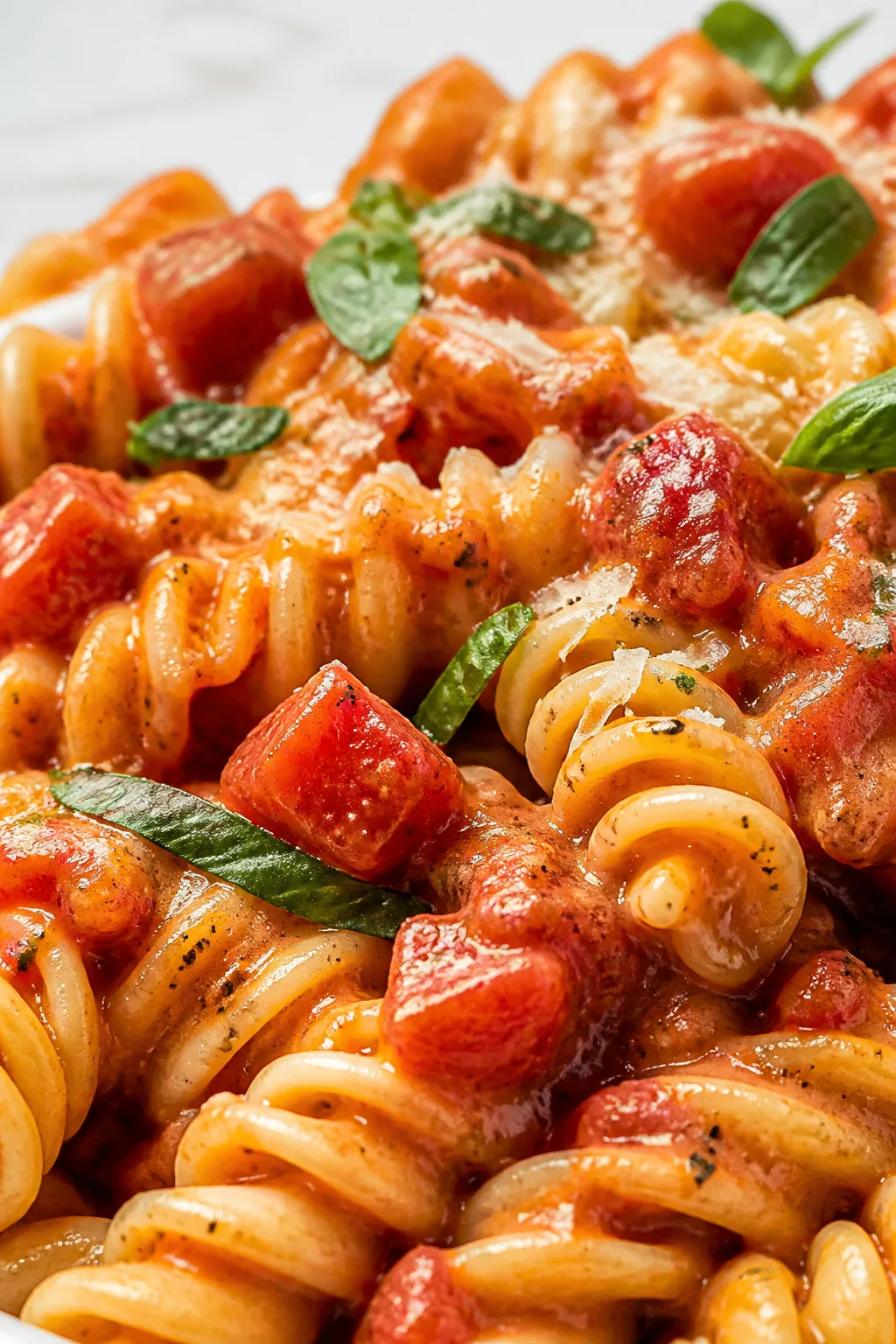
Use diced tomatoes instead of crushed for a chunkier texture. Stir in small pieces of fresh mozzarella at the end for pockets of melty cheese throughout the sauce.
Note: Simmer a bit longer to meld flavors without breaking down tomato chunks too much.
Nutrition
Per Serving:
Nutritional values are estimates and may vary based on specific ingredients used.
Storage & Tips
Room Temperature
Keep the sauce covered at room temperature for no more than 2 hours to avoid spoilage. If you’re serving it shortly after cooking, cover it with a lid or foil to prevent a skin from forming.
Refrigerator
Store leftover sauce in an airtight container for up to 4 days. The sauce may thicken as it cools; reheat gently on the stove with a splash of water or cream to restore creaminess. Avoid microwaving at high heat to prevent curdling.
Freezer
Freeze sauce in freezer-safe containers or bags for up to 3 months. Label with date. Thaw overnight in the fridge before reheating. Reheat slowly on the stove to maintain the creamy texture.
Reheating
Warm sauce in a saucepan over low heat, stirring frequently. Add a tablespoon of cream or water if it seems too thick. Avoid boiling as this can cause the cheese to separate and the sauce to become grainy.
Make Ahead
Prepare the sauce up to 2 days ahead, store in the fridge, and reheat just before serving. You can also make the sauce base without cheese, refrigerate, then stir in cheese right before warming and serving for the freshest texture.
FAQ
Can I use fresh tomatoes instead of canned crushed tomatoes?
Yes, but fresh tomatoes require more prep. Peel and core about 2 pounds of ripe tomatoes, then crush or puree them before cooking. Fresh tomatoes can add a brighter flavor but may need longer simmering to develop the same richness as canned. Adjust seasoning accordingly.
What if my sauce is too acidic or tangy?
If your sauce tastes too acidic, try adding a pinch of sugar during simmering to balance the tartness. Also, cooking the sauce longer can mellow sharp flavors. Cream and cheese in this recipe help smooth acidity, so be sure to add them off the heat as directed.
Can I substitute half-and-half for heavy cream?
Half-and-half has less fat and is more likely to curdle when heated, especially with acidic tomatoes. If using half-and-half, add it slowly off the heat and consider adding a small amount of butter to increase fat content for better texture.
How can I make this sauce thicker?
Simmer the sauce uncovered longer to evaporate excess liquid. You can also add a small amount of tomato paste during simmering to boost thickness and intensity. Avoid thickening with flour or cornstarch as it changes the texture.
Is it okay to freeze this cheesy tomato sauce?
Yes, freezing works well but texture may change slightly. Cheese can sometimes separate after freezing, so thaw slowly in the fridge and reheat gently with a splash of cream or water to restore smoothness.
Can I use a different cheese instead of mozzarella and Parmesan?
You can experiment with cheeses like provolone or fontina for melting, but avoid very hard or crumbly cheeses that won’t melt smoothly. Parmesan adds umami, so if substituting, choose a cheese with a strong savory flavor.
How long can I store leftover sauce in the fridge?
Store in an airtight container and consume within 4 days. The flavor may deepen over time but the sauce’s texture can thicken, so reheat gently and add a little liquid if needed.
Can I make this sauce in advance and reheat on the day of serving?
Absolutely. Make the sauce a day or two ahead, store in the fridge, and reheat slowly on the stove. Stir in a bit of cream or water when warming to maintain creaminess.
What pasta types work best with this sauce?
This creamy tomato sauce clings well to medium to long pasta shapes like penne, rigatoni, or spaghetti. The creamy texture coats the noodles nicely, making every bite flavorful.
Can I add vegetables to this sauce?
Yes, sautéed mushrooms, bell peppers, or spinach can be added during the onion cooking step or stirred in near the end. This adds nutrition and texture without overpowering the cheesy tomato base.
Final Thoughts
Give this cheesy tomato sauce a try next time you want a cozy, comforting meal. I’d love to hear how it turns out for you—feel free to share your tweaks and favorites!