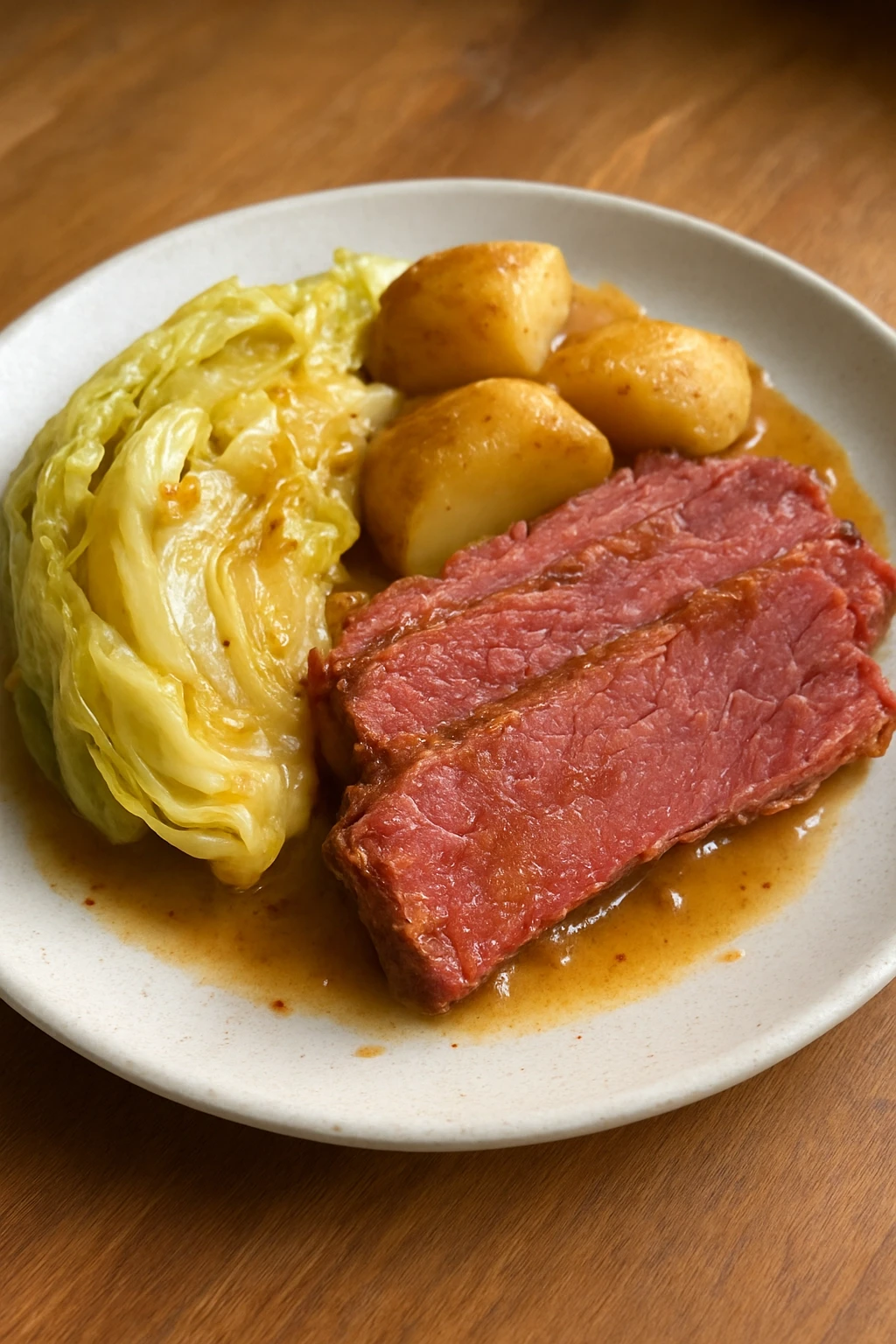
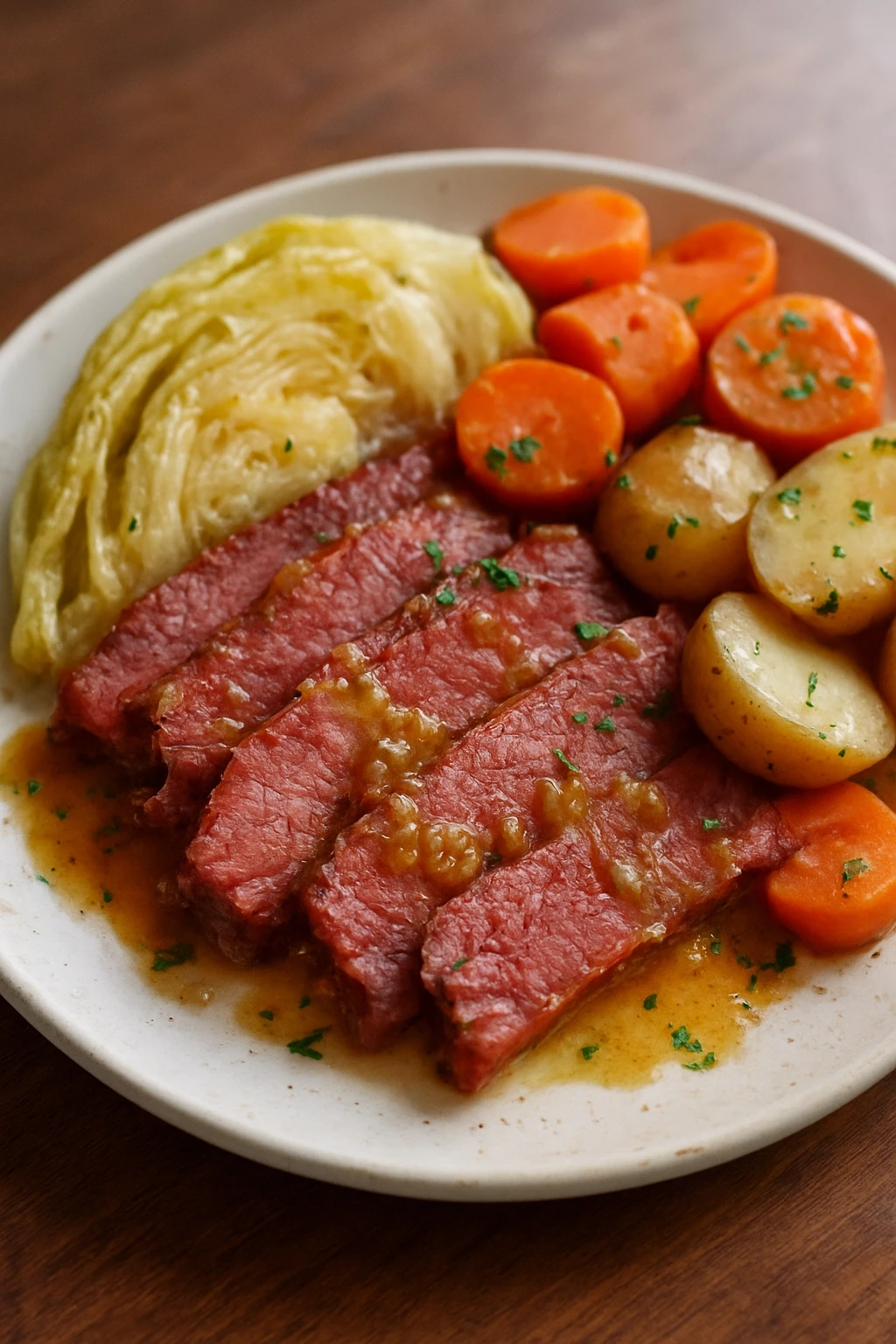
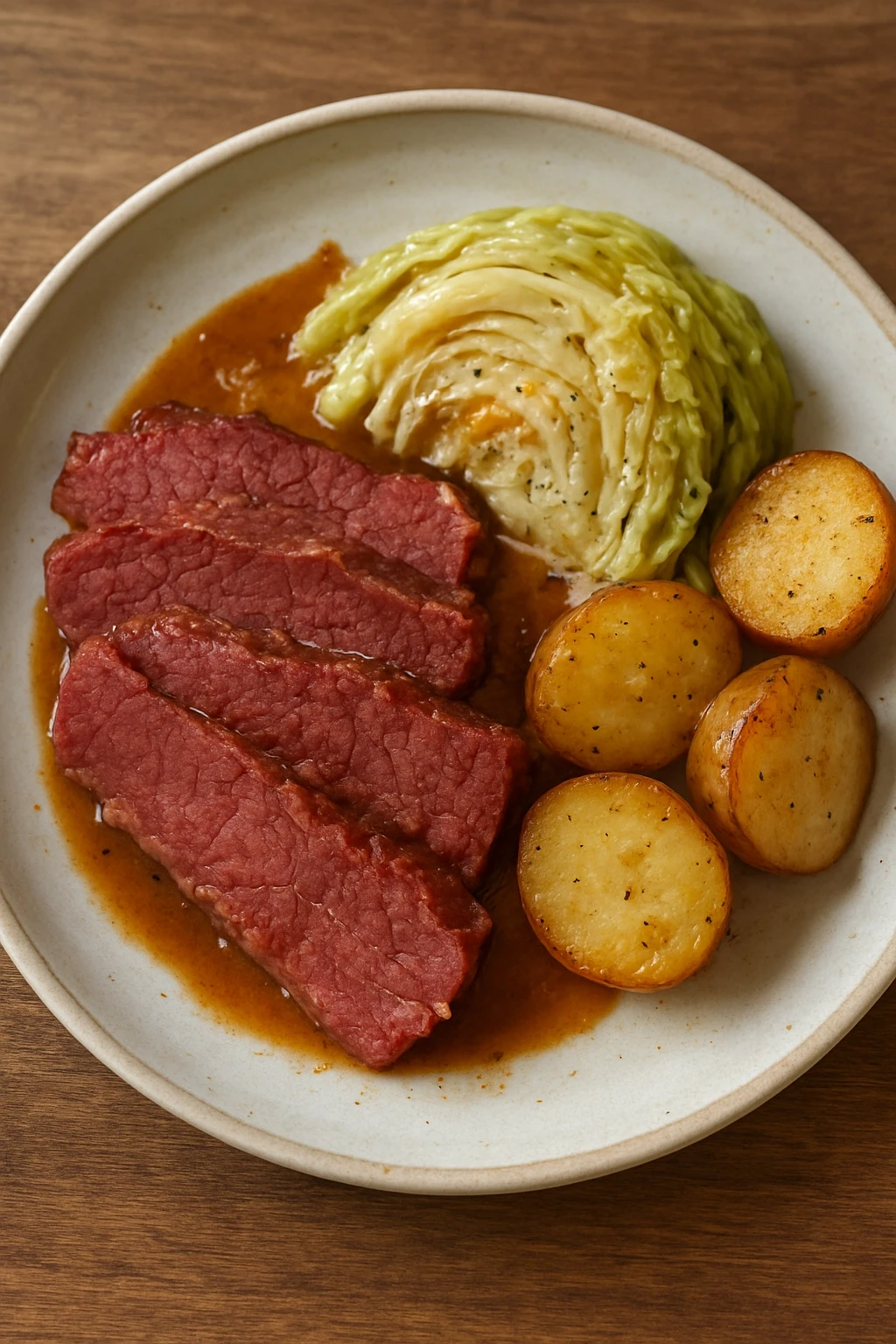
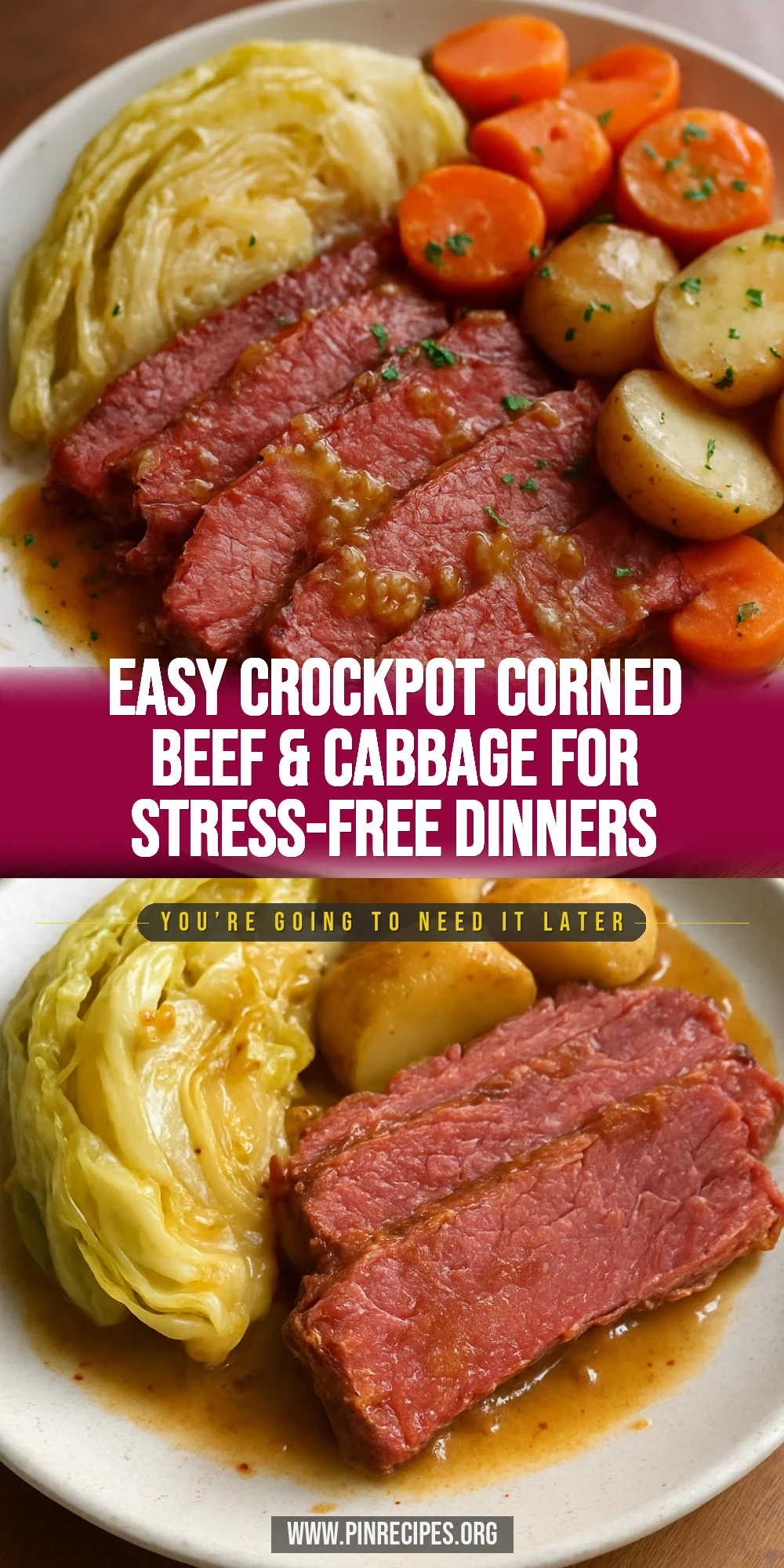
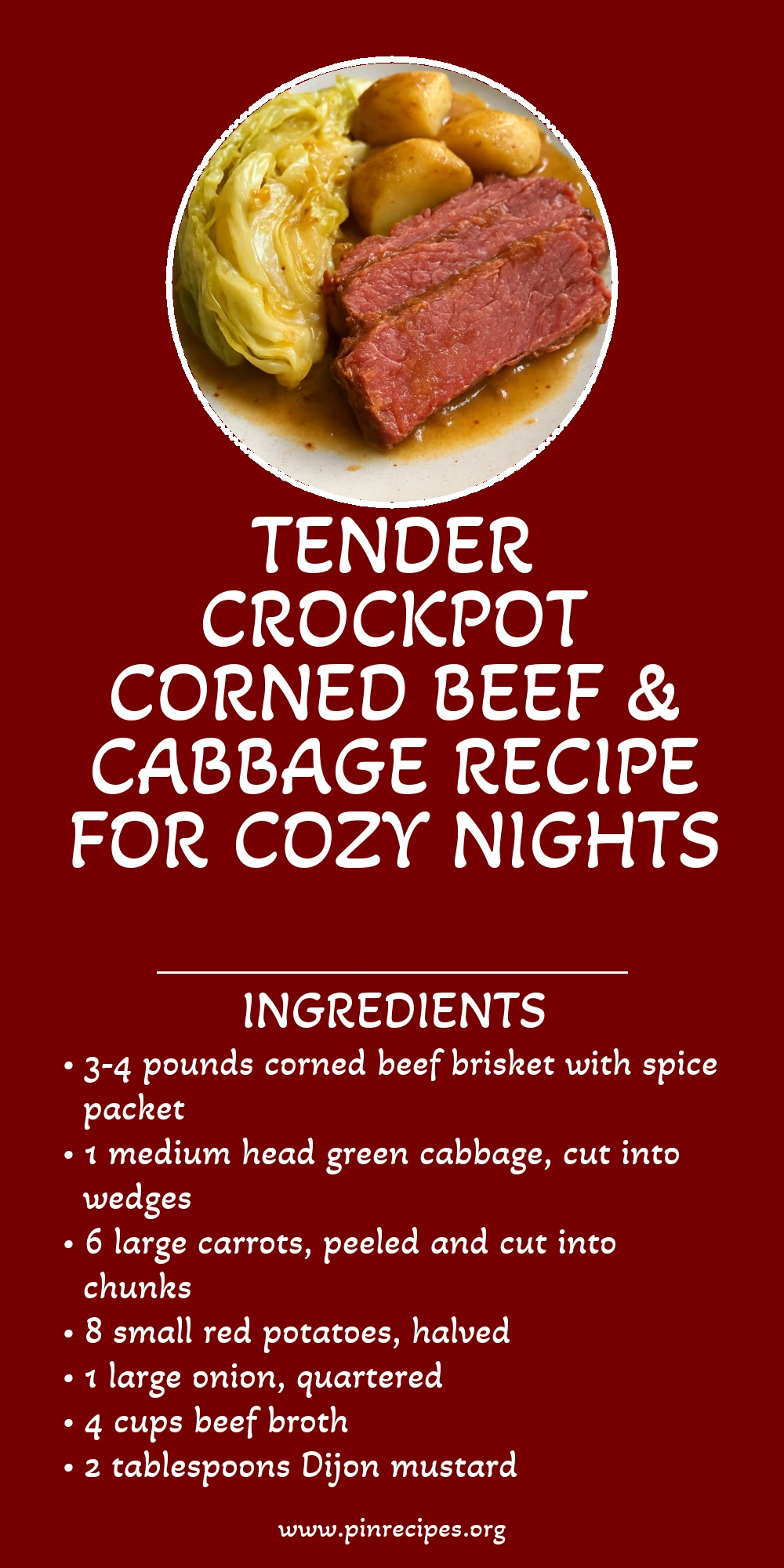
This slow-cooked corned beef with cabbage is the ultimate comfort meal. The crockpot makes the beef tender and juicy, infused with spices. Perfect for a relaxed weekend dinner when you want minimal fuss!
Introduction
I first tried making corned beef in the crockpot a few years ago when I wanted a hands-off meal that still felt special. Traditional corned beef can be intimidating because of the long simmering on the stove, but the slow cooker simplifies everything. What I love about this version is how the meat turns out incredibly tender—almost falling apart—and the cabbage and potatoes soak up all those wonderful spices. I usually toss in some extra garlic and Dijon mustard to deepen the flavor, which really makes a difference. The trick I learned is to add the cabbage and potatoes later in the cooking process so they don’t turn to mush. The finished dish is hearty and flavorful, with a bit of tang from the mustard, perfect for a chilly weekend dinner with family or friends. Plus, it’s one of those recipes where you can set it and forget it, then come back to a delicious, comforting meal.
How To Do It
Step 1
Start by rinsing the corned beef brisket under cold water to remove excess brine and saltiness. Pat it dry with paper towels. Place the brisket fat side up in the crockpot. This positioning allows the fat to baste the meat as it cooks, keeping it moist and tender. Avoid skipping this step because too much salt can overwhelm the dish. Also, rinsing helps prevent the broth from becoming too cloudy or salty.
⏱ Time: 10 minutes
✓ Doneness: Brisket is dry to the touch and no longer slimy
Step 2
Pour 4 cups of beef broth into the crockpot, covering about two-thirds of the brisket. Add the spice packet that came with the corned beef, minced garlic, and black peppercorns. The broth acts as the cooking medium and infuses the meat with flavor, while the spices add that classic corned beef aroma. Don’t add water instead of broth, as broth brings richness and depth. Cover and cook on low for about 6 hours to start breaking down the tough fibers in the meat.
⏱ Time: 6 hours
✓ Doneness: Broth is fragrant, and meat starts to become tender when poked
Step 3
After 6 hours, add the quartered onion, carrots, and halved potatoes around the brisket. These vegetables will absorb the delicious cooking juices. Make sure they are evenly distributed so they cook uniformly. The onions add sweetness, carrots bring earthiness, and potatoes soak up flavor, making the meal well-rounded. Continue cooking on low for another 2 hours.
⏱ Time: 2 hours
✓ Doneness: Vegetables are tender when pierced with a fork
Step 4
Next, add the cabbage wedges on top of the vegetables and meat. Cabbage cooks faster and can become mushy if added too early. Placing it on top lets it steam gently from the heat and moisture below. Cover and cook for an additional 1-2 hours on low. Keep an eye to avoid overcooking, as you want the cabbage tender but still holding shape.
⏱ Time: 1-2 hours
✓ Doneness: Cabbage is soft but not falling apart
Step 5
Once the cooking time is complete, carefully remove the brisket and let it rest on a cutting board for 10 minutes before slicing. Resting allows the juices to redistribute, making the meat juicier and easier to slice. Use a sharp knife to cut against the grain into thin slices for the best texture.
⏱ Time: 10 minutes resting
✓ Doneness: Juices run clear and meat slices easily
Step 6
Meanwhile, use a slotted spoon to transfer the vegetables and cabbage to a serving platter. Spoon some of the cooking liquid over them to keep them moist and flavorful. The broth left in the crockpot can be skimmed of fat and used as a light sauce or gravy if desired.
⏱ Time: 5 minutes
✓ Doneness: Vegetables glisten and appear moist but not soggy
Step 7
For an extra flavor boost, whisk together 2 tablespoons of Dijon mustard with a bit of the cooking liquid to create a tangy sauce. Serve alongside the sliced corned beef. The mustard’s acidity cuts through the richness and complements the spices beautifully.
⏱ Time: 5 minutes
✓ Doneness: Sauce is smooth, tangy, and well combined
Step 8
Plate the sliced corned beef with the steamed cabbage, carrots, and potatoes. Garnish with fresh parsley or a sprinkle of black pepper if you like. This presentation makes the meal look inviting and homey, perfect for sharing at the table.
⏱ Time: 5 minutes
✓ Doneness: Dish looks colorful and appetizing
Step 9
Enjoy your meal with crusty bread or a side of horseradish sauce for a classic touch. Leftovers can be refrigerated and taste even better the next day as the flavors meld. Just reheat gently to keep the meat tender.
⏱ Time: Immediate serving
✓ Doneness: Meal is warm, flavorful, and satisfying
Pro Tips
Rinse the corned beef before cooking to reduce excess salt.
Rinsing removes some of the brine that can make the dish overly salty. This step balances the seasoning and prevents the broth from becoming too concentrated, ensuring a pleasant flavor.
Add cabbage during the last hour of cooking.
Cabbage cooks quickly and can turn mushy if added too early. Adding it late keeps it tender but crisp, preserving texture and color, which makes the dish more visually appealing and enjoyable.
Cook on low heat for best tenderness.
Slow, low heat breaks down tough connective tissue gradually, producing tender meat without drying it out. High heat can toughen the brisket and cause uneven cooking.
Let the meat rest before slicing.
Resting allows juices to redistribute within the meat, making it juicier and easier to slice. Cutting immediately after cooking causes juices to run out, resulting in drier slices.
Use a sharp knife to slice against the grain.
Slicing against the grain shortens muscle fibers, making the meat easier to chew and more tender. Using a dull knife can tear the meat and ruin the texture.
Use beef broth instead of water for cooking liquid.
Broth adds layers of rich, savory flavor that water lacks. It also helps tenderize the meat gently and creates a flavorful base for the vegetables and sauce.
Add a spoonful of Dijon mustard to the sauce.
Mustard adds acidity and complexity, cutting through the richness of the beef and enhancing the overall flavor profile of the dish.
Common Mistakes to Avoid
Adding cabbage too early and overcooking it.
Why it happens Many assume all vegetables should cook the same length, but cabbage is delicate and cooks faster than root vegetables.
Fix Add cabbage during the last hour of cooking to keep it tender but not mushy. Watch for softness and remove from heat promptly.
Skipping the rinsing of corned beef.
Why it happens Some cooks want to save time or don’t realize the brine is very salty.
Fix Always rinse the brisket well under cold water to reduce excess salt and improve flavor balance.
Cooking on high heat in the crockpot.
Why it happens Impatience or lack of knowledge about slow cooking can lead to using high settings.
Fix Use the low setting to allow collagen to break down slowly, resulting in tender meat. High heat can toughen the brisket.
Not letting the meat rest before slicing.
Why it happens Eager to serve, cooks may slice immediately after cooking.
Fix Rest the meat for 10 minutes to let juices redistribute for moist, tender slices.
Using starchy potatoes that fall apart.
Why it happens Some use russets or other high-starch potatoes without considering texture.
Fix Choose waxy potatoes like red or fingerlings that hold their shape during slow cooking.
Variations
Spicy Mustard Glaze Variation
Add a tablespoon of whole-grain mustard and a dash of cayenne to the mustard sauce for a spicy kick. Brush the glaze on the brisket during the last 30 minutes of cooking for a tangy, spicy crust. This adds a new flavor dimension and a bit of heat to the traditional dish.
Note: Glazing late prevents the mustard from burning and allows it to caramelize slightly without drying out the meat.
Beer-Braised Corned Beef
Replace half the beef broth with a pale ale or lager. The beer adds malty sweetness and depth, complementing the spices and beef. It’s a classic Irish twist that enhances flavor complexity.
Note: Use a mild beer to avoid overpowering the dish and ensure it simmers gently without bitterness.
Vegetarian Style with Seitan
Swap corned beef for seasoned seitan and cook with the same vegetables and spices. This plant-based version mimics the texture and flavor profile, perfect for vegetarians craving a hearty meal.
Note: Seitan cooks faster, so add it in the last 2 hours to avoid overcooking and drying out.
Instant Pot Quick Corned Beef
Use an Instant Pot to reduce cooking time to about 90 minutes under pressure. This method speeds up collagen breakdown and tenderizes the meat quickly, perfect for busy weeknights.
Note: Add vegetables after pressure cooking and use the sauté function to soften them if needed.
Add Root Vegetables Mix
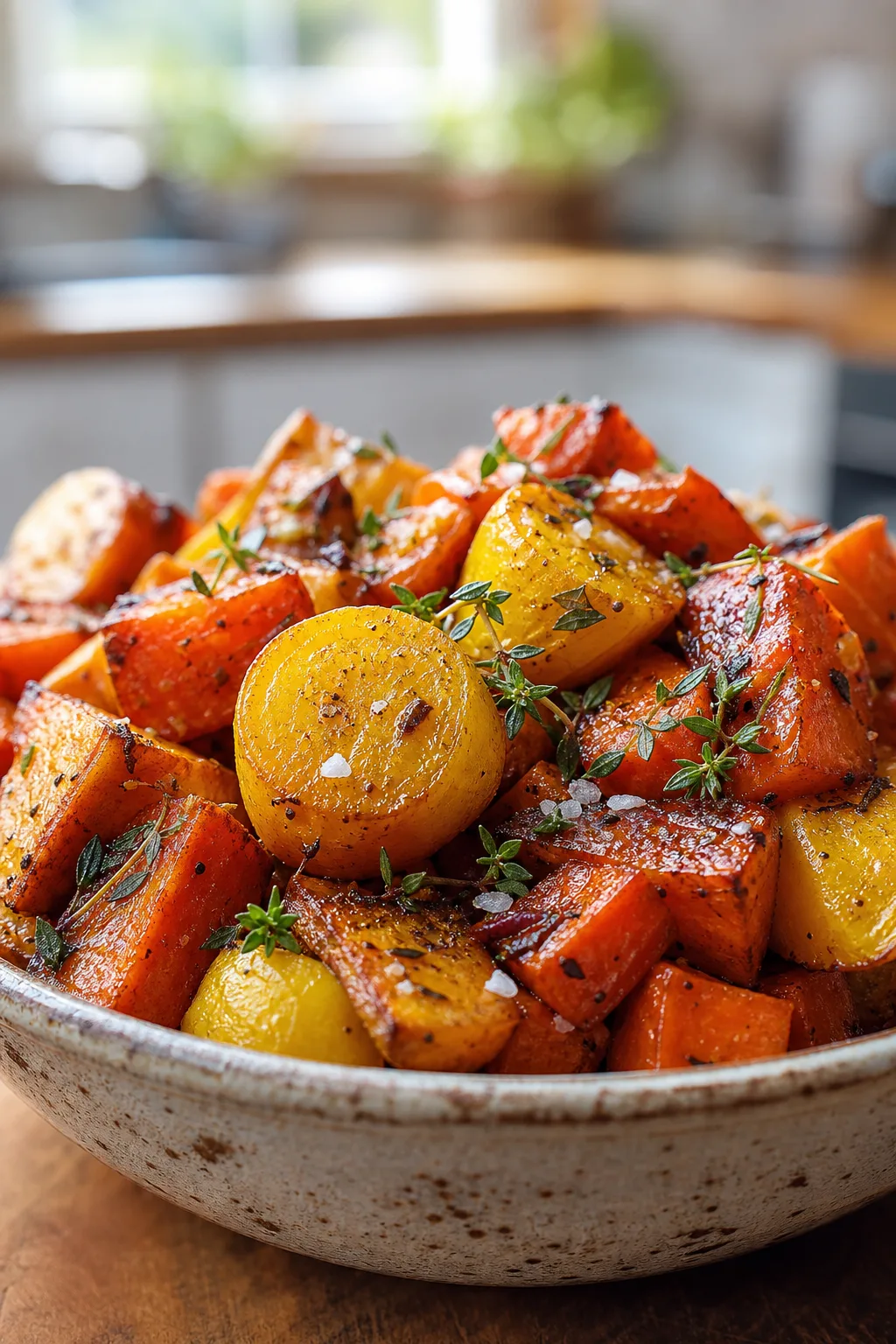
Include parsnips, turnips, and rutabaga along with carrots and potatoes for a more varied root vegetable medley. These add earthiness and sweetness, enriching the dish.
Note: Cut all root vegetables into similar sizes to ensure even cooking and add them at the same time.
Nutrition
Per Serving:
Nutritional values are estimates and may vary based on specific ingredients used.
Storage & Tips
Room Temperature
Corned beef and vegetables can be safely left at room temperature for up to 2 hours if covered loosely to prevent contamination. Beyond that, refrigeration is recommended to avoid bacterial growth.
Refrigerator
Store leftovers in an airtight container for up to 4 days. The flavors deepen overnight, but the cabbage may soften further. Reheat gently to avoid drying out the meat.
Freezer
Freeze cooked corned beef and vegetables in airtight freezer bags or containers for up to 3 months. Wrap tightly to prevent freezer burn. Thaw overnight in the refrigerator before reheating.
Reheating
Reheat on the stovetop over low heat with a splash of broth or water to keep moisture. Microwave works too but cover to retain steam. Avoid overheating which can toughen the meat.
Make Ahead
Prepare the corned beef and broth base 1-2 days ahead and refrigerate. Add vegetables and cabbage on the day of serving and cook until tender. This saves time and keeps the veggies fresh.
FAQ
Can I cook corned beef without the spice packet?
Yes, but the spice packet adds essential flavor notes like mustard seeds and bay leaves. You can make your own blend with similar spices to keep the classic taste. Omitting it will result in a blander dish.
How do I know when the corned beef is fully cooked?
The meat should be fork-tender and slice easily without resistance. Cooking time varies by size, but generally 8-10 hours on low in a crockpot ensures tenderness.
Can I use frozen corned beef?
Yes, but thaw it completely before cooking to ensure even cooking and avoid a cold center. Cooking from frozen may increase cooking time and affect texture.
What if I don’t have a crockpot?
You can simmer corned beef on the stove in a heavy pot with broth and spices for 3-4 hours, but you’ll need to watch it closely. An Instant Pot or slow cooker is easier for hands-off cooking.
Can I add other vegetables?
Absolutely! Root vegetables like parsnips, turnips, or rutabaga work well. Add them with the carrots and potatoes to cook through evenly.
Why is my cabbage mushy?
Cabbage cooks quickly and becomes mushy if added too early or cooked too long. Add it during the last hour of cooking for best texture.
How salty will this dish be?
Corned beef is naturally salty due to curing. Rinsing the brisket and using low-sodium broth helps control saltiness. Taste the broth before seasoning further.
Can I make this recipe gluten-free?
Yes, ensure the spice packet and broth are gluten-free. Most corned beef and vegetables are naturally gluten-free, but always check labels.
How long can leftovers be kept?
Store leftovers in the fridge for up to 4 days. Reheat gently to maintain moisture and avoid drying out the meat.
Can I freeze leftovers?
Yes, freeze in airtight containers for up to 3 months. Thaw in the fridge overnight before reheating.
Final Thoughts
Give this crockpot corned beef and cabbage a try—you’ll love how easy and flavorful it is. Don’t forget to share your cozy dinner moments!