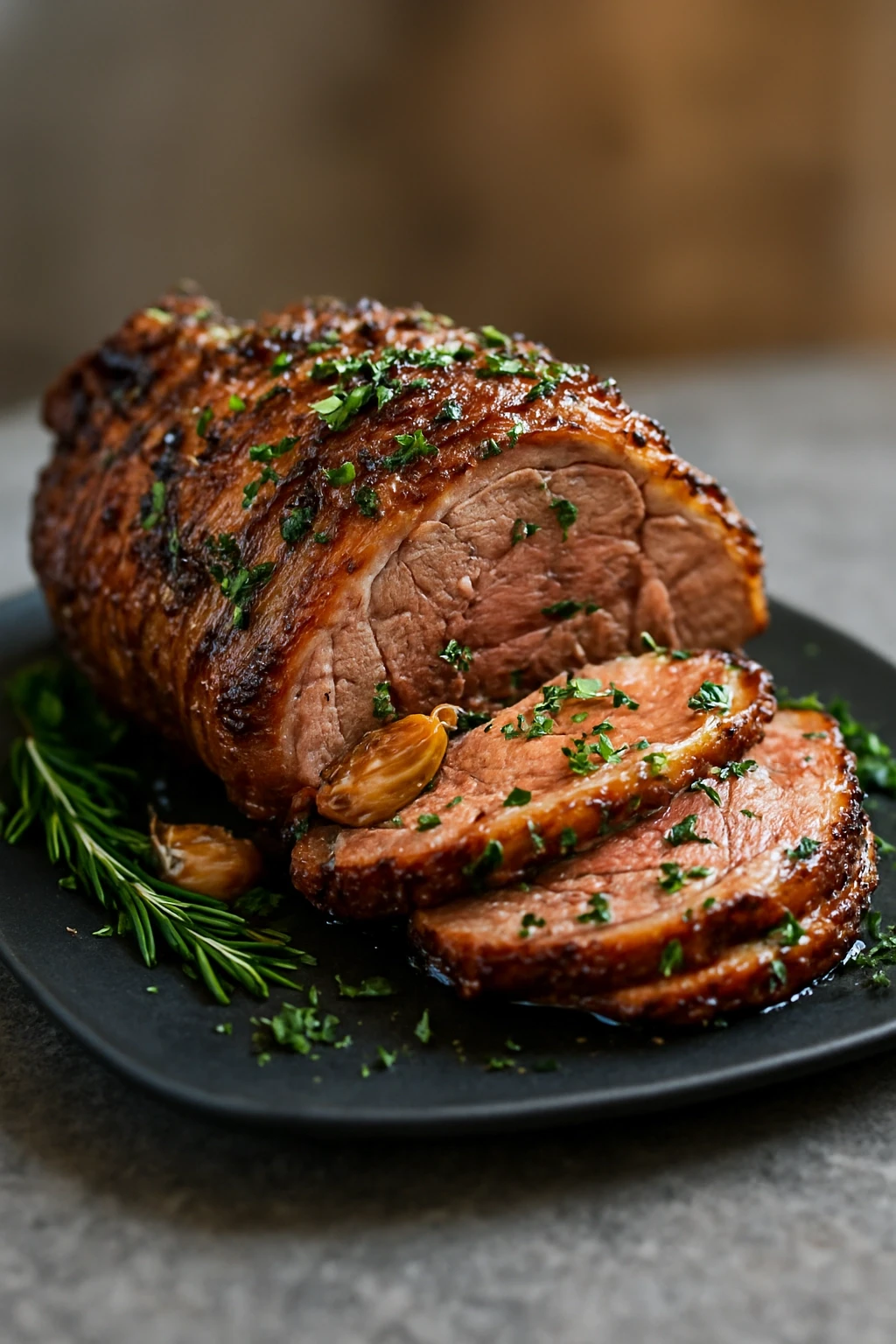
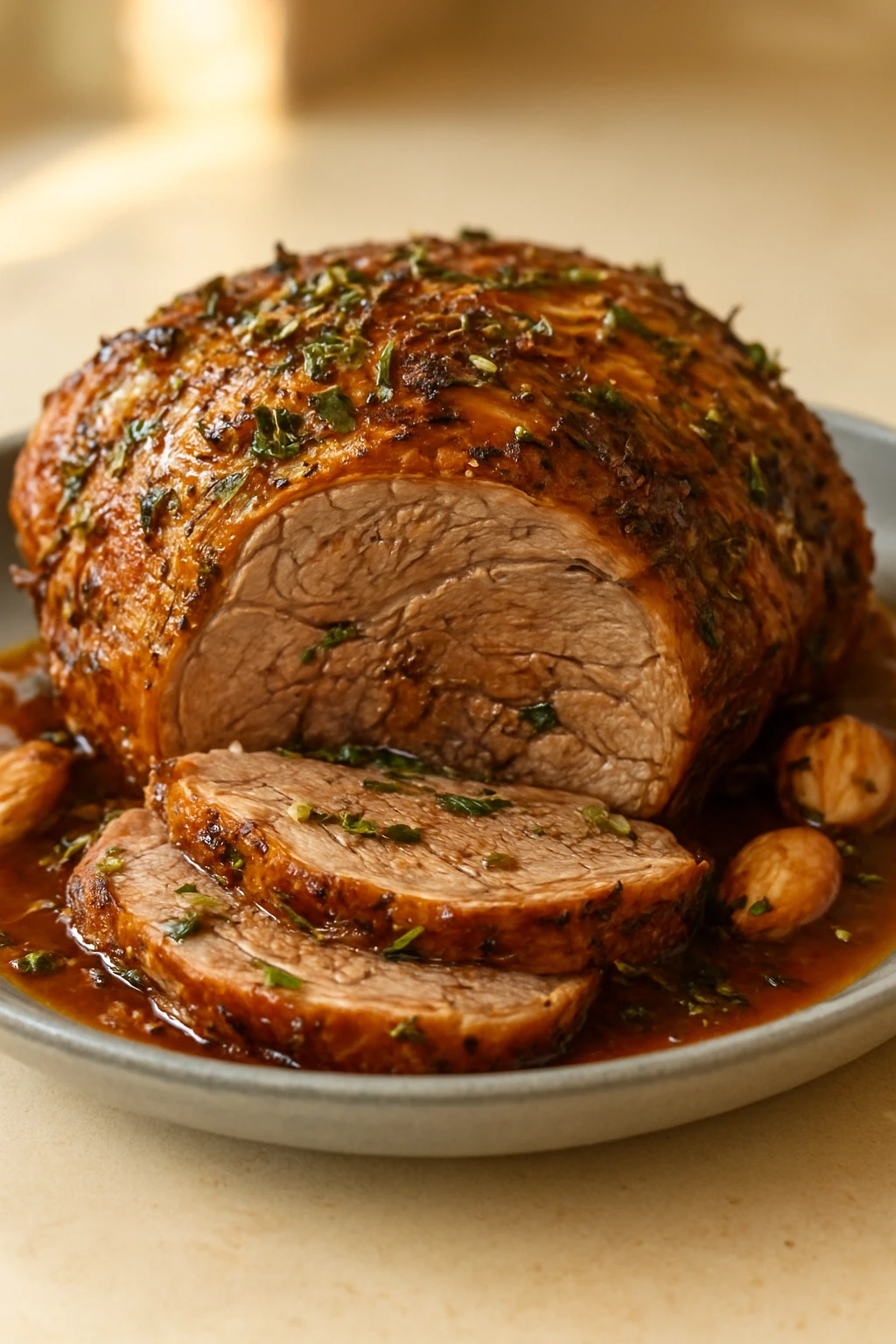
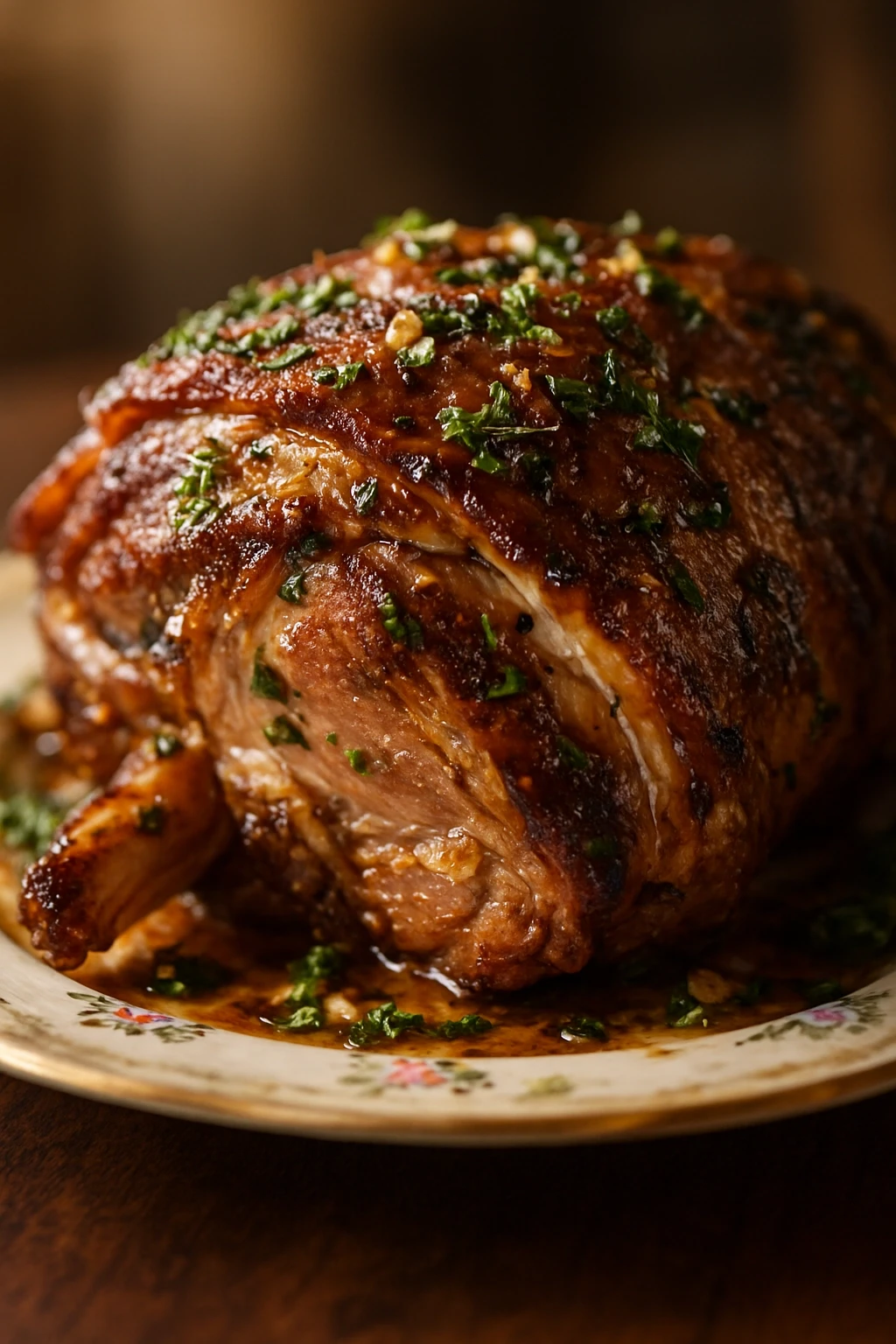
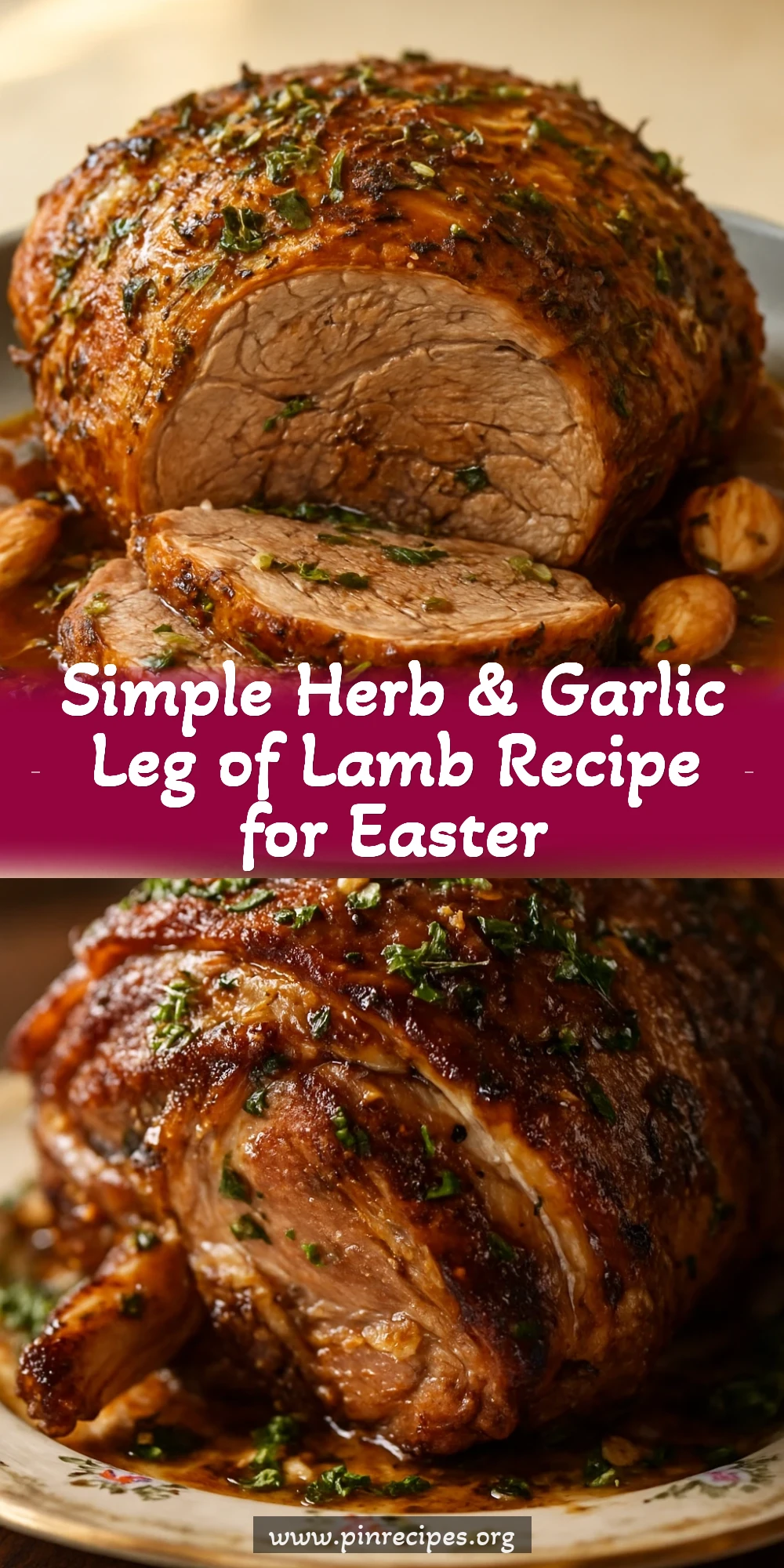
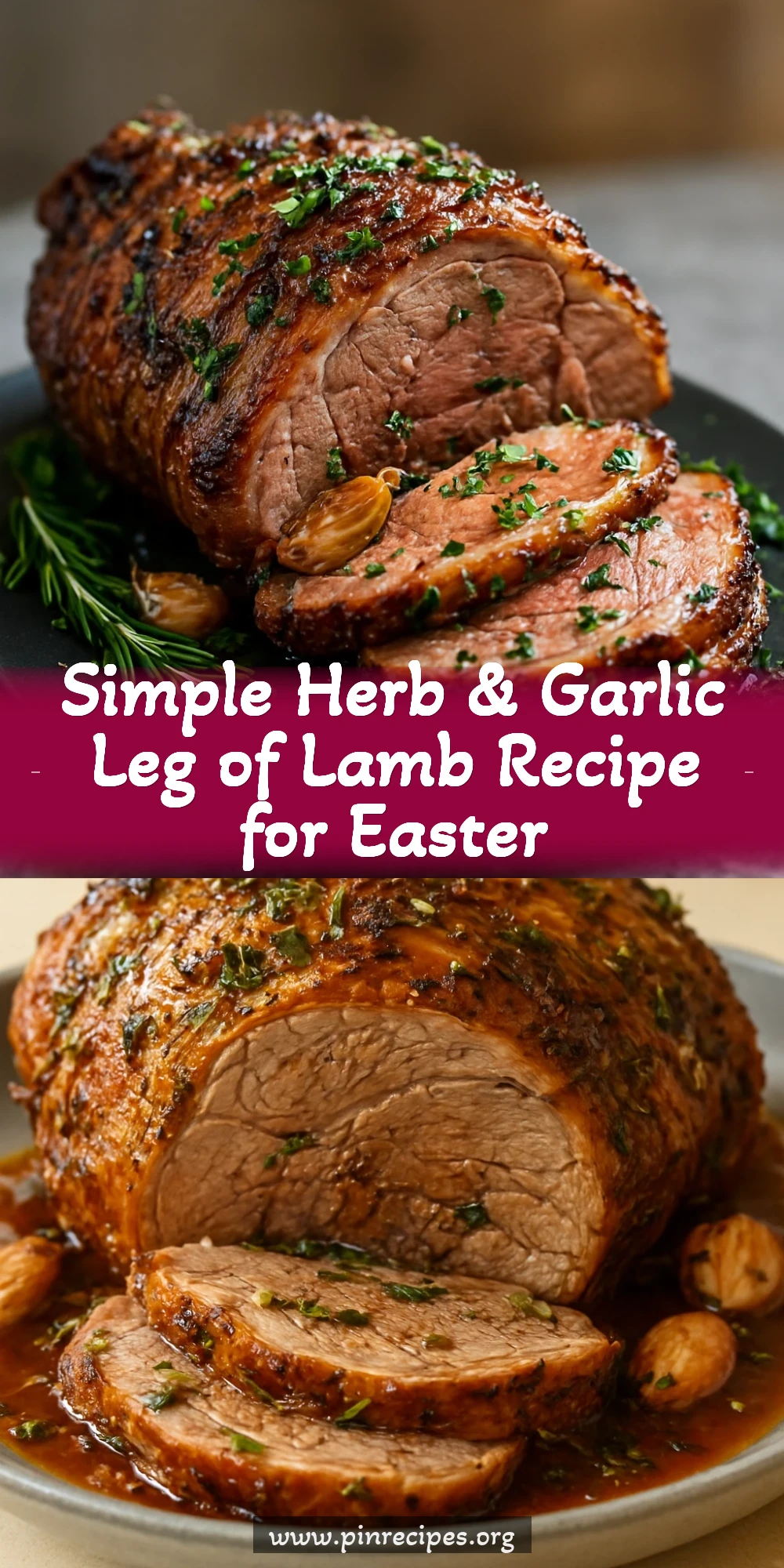
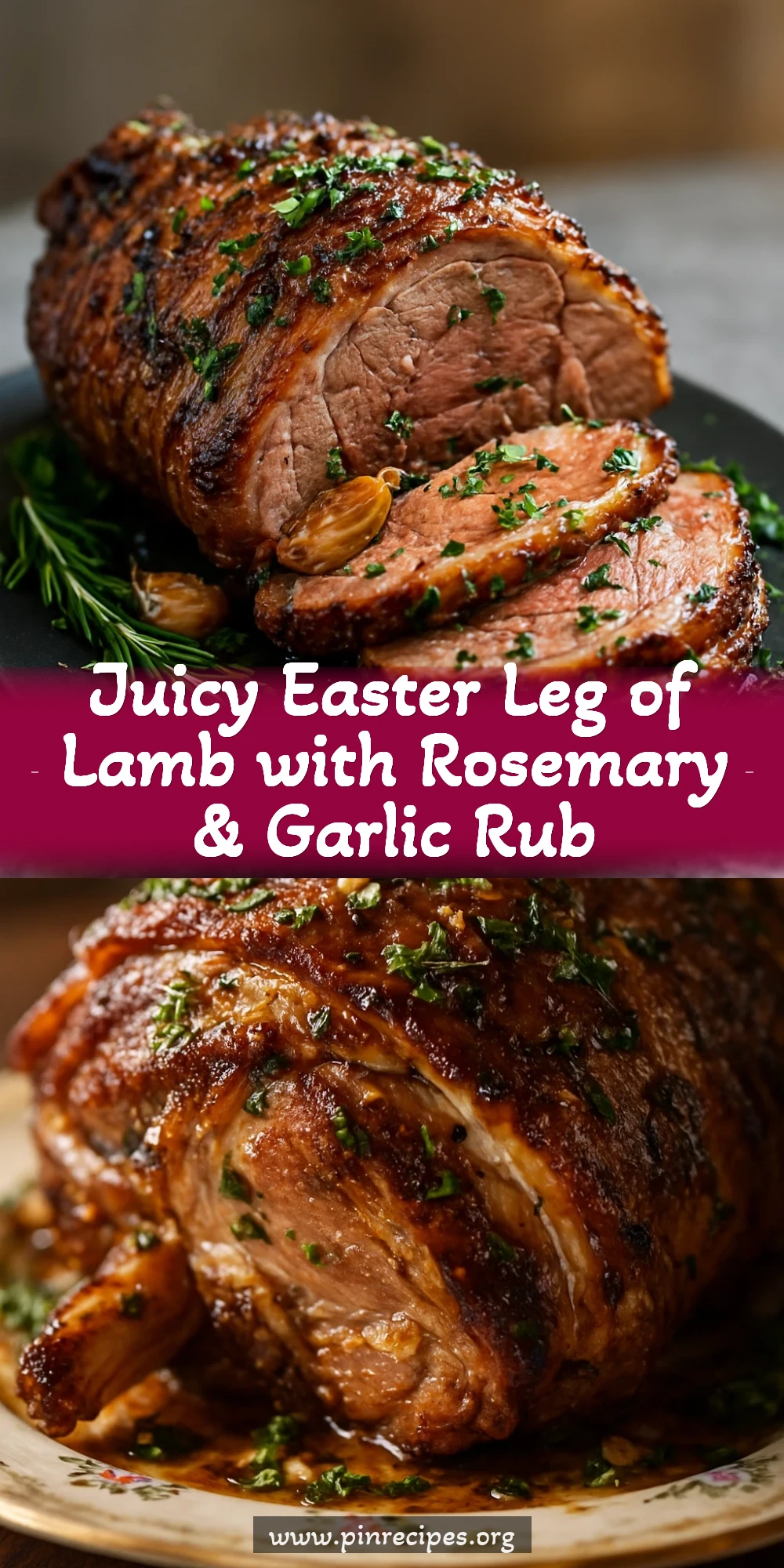
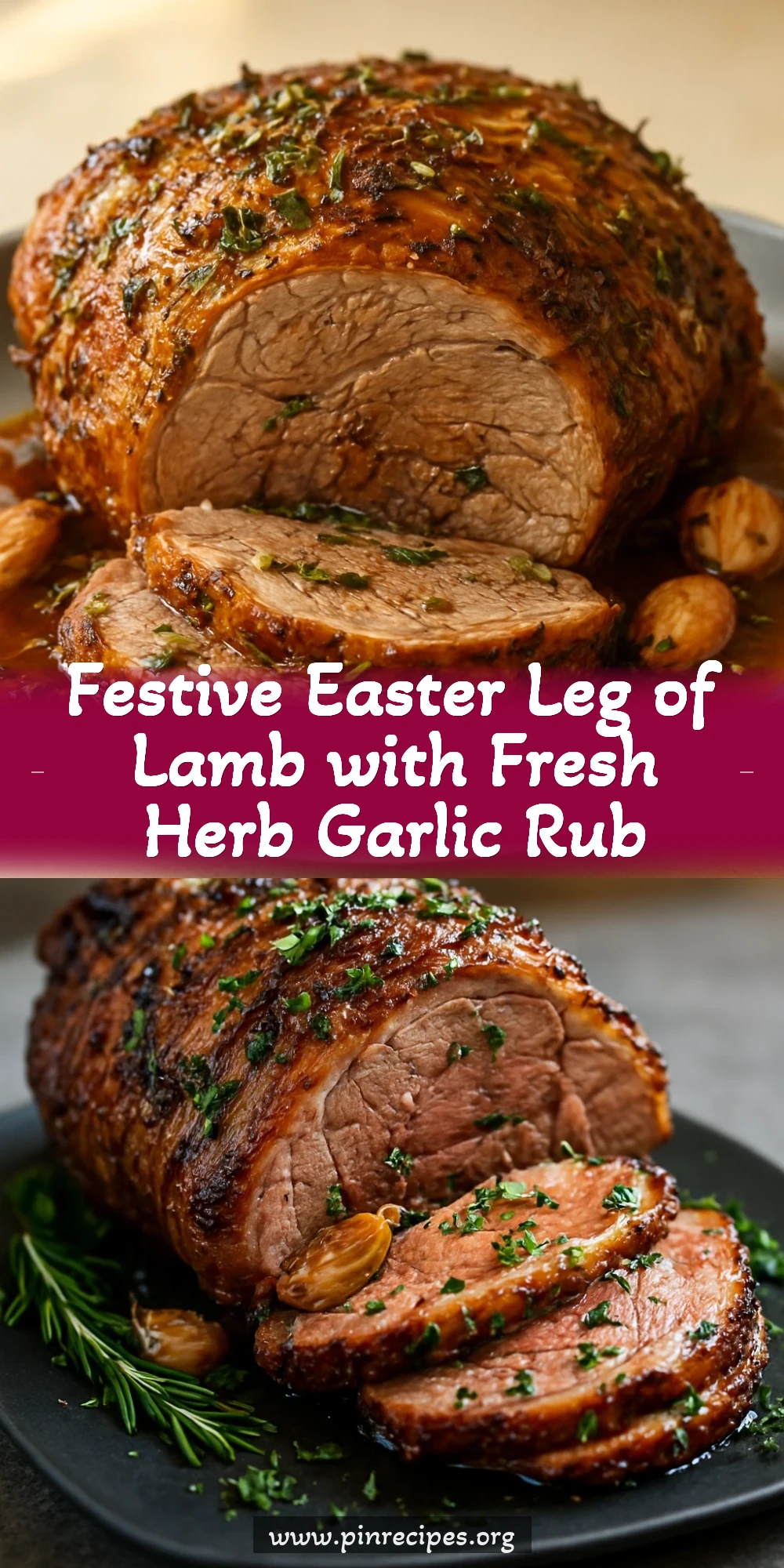
This leg of lamb is my go-to for Easter—simple, herbaceous, and juicy thanks to a garlic and rosemary rub. It’s perfect for a festive family dinner that doesn’t stress you out.
Introduction
I first tried roasting a leg of lamb years ago for Easter and honestly, it was intimidating. The first time I overcooked it and ended up with dry meat, but after some trial and error, I found a method that really brings out the lamb’s natural flavor without fuss. What makes this version stand out is the fresh herb and garlic rub — it’s simple but packs a punch. I like to zest the lemon and mix it into the herbs for a subtle brightness that cuts through the richness. The roasting technique is straightforward, but I always let the lamb rest properly before slicing — that’s the secret to juicy, tender meat every time. When it comes out of the oven, it’s beautifully browned on the outside and perfectly pink inside. This recipe has become a family favorite; it’s festive enough for special occasions but easy enough that I don’t dread making it. Plus, it pairs wonderfully with roasted potatoes and spring vegetables for a classic holiday spread.
How To Do It
Step 1
Preheat your oven to 375°F (190°C). While it heats, pat the leg of lamb dry with paper towels to remove any excess moisture. This step is crucial because a dry surface helps the herb rub stick better and promotes browning during roasting. Moisture on the surface can steam the meat instead of roasting it, which affects the crust formation. Make sure to trim any large chunks of fat if you prefer a leaner roast, but leaving some fat adds flavor and keeps the meat moist.
⏱ Time: 10 minutes
✓ Doneness: The lamb surface feels dry and slightly tacky after patting and trimming.
Step 2
In a small bowl, combine minced garlic, chopped rosemary, thyme leaves, lemon zest, olive oil, salt, and pepper. Mix into a fragrant paste. The olive oil helps bind the herbs and garlic to the meat and promotes even browning. The lemon zest adds a fresh citrus aroma that brightens the deep lamb flavor. Don’t rush this step; finely chopping the herbs and garlic releases their oils and intensifies the flavor profile.
⏱ Time: 5 minutes
✓ Doneness: Herb paste is well combined, fragrant, and slightly oily.
Step 3
Rub the herb mixture all over the leg of lamb, pressing it into the surface to adhere well. Make sure to coat every side evenly for balanced flavor. The pressing motion helps the paste stick and ensures the garlic and herbs penetrate the meat surface. Avoid just loosely coating or the rub may slide off during roasting.
⏱ Time: 5 minutes
✓ Doneness: The lamb is evenly coated with a thick layer of herb paste.
Step 4
Place the lamb on a roasting rack set inside a roasting pan. Position the lamb fat side up so the fat melts over the meat as it cooks, basting it naturally. Using a rack allows air circulation around the meat, promoting even cooking and browning. Avoid placing the lamb directly on the pan bottom to prevent steaming and soggy crust.
⏱ Time: 2 minutes
✓ Doneness: Lamb sits elevated on the rack with fat side facing up.
Step 5
Roast the lamb in the preheated oven for about 20 minutes per pound for medium-rare. For a 5-pound leg, that’s roughly 90 minutes. Use a meat thermometer inserted into the thickest part (away from bone) — aim for 135°F (57°C) for medium-rare. Don’t rush this step by increasing oven temperature; slow roasting ensures even cooking and tender meat. Opening the oven door frequently will lower temperature and extend cooking time, so keep it closed.
⏱ Time: 90 minutes
✓ Doneness: Thermometer reads 135°F in the thickest part of the meat.
Step 6
Once the desired temperature is reached, remove the lamb from the oven and tent loosely with foil. Let it rest for at least 15-20 minutes. Resting allows the juices to redistribute throughout the meat instead of spilling out when sliced. This results in a juicier, more tender roast. Don’t skip this step or you’ll lose precious moisture.
⏱ Time: 20 minutes
✓ Doneness: Lamb remains warm and juices settle; surface slightly softened.
Step 7
After resting, transfer the lamb to a cutting board. Using a sharp carving knife, slice the meat thinly against the grain to maximize tenderness. Cutting against the grain shortens the muscle fibers, making each bite easier to chew. Take your time to carve evenly sized slices for a beautiful presentation.
⏱ Time: 10 minutes
✓ Doneness: Slices are uniform and reveal a pink, juicy interior.
Step 8
Optional: While the lamb rests, place the roasting pan with drippings on the stove over medium heat. Add a splash of water or broth and scrape up the browned bits to make a simple pan sauce. This step adds extra flavor and moisture to the meal. Simmer until slightly reduced and season to taste before serving alongside the lamb.
⏱ Time: 10 minutes
✓ Doneness: Sauce is glossy, slightly thickened, and aromatic.
Step 9
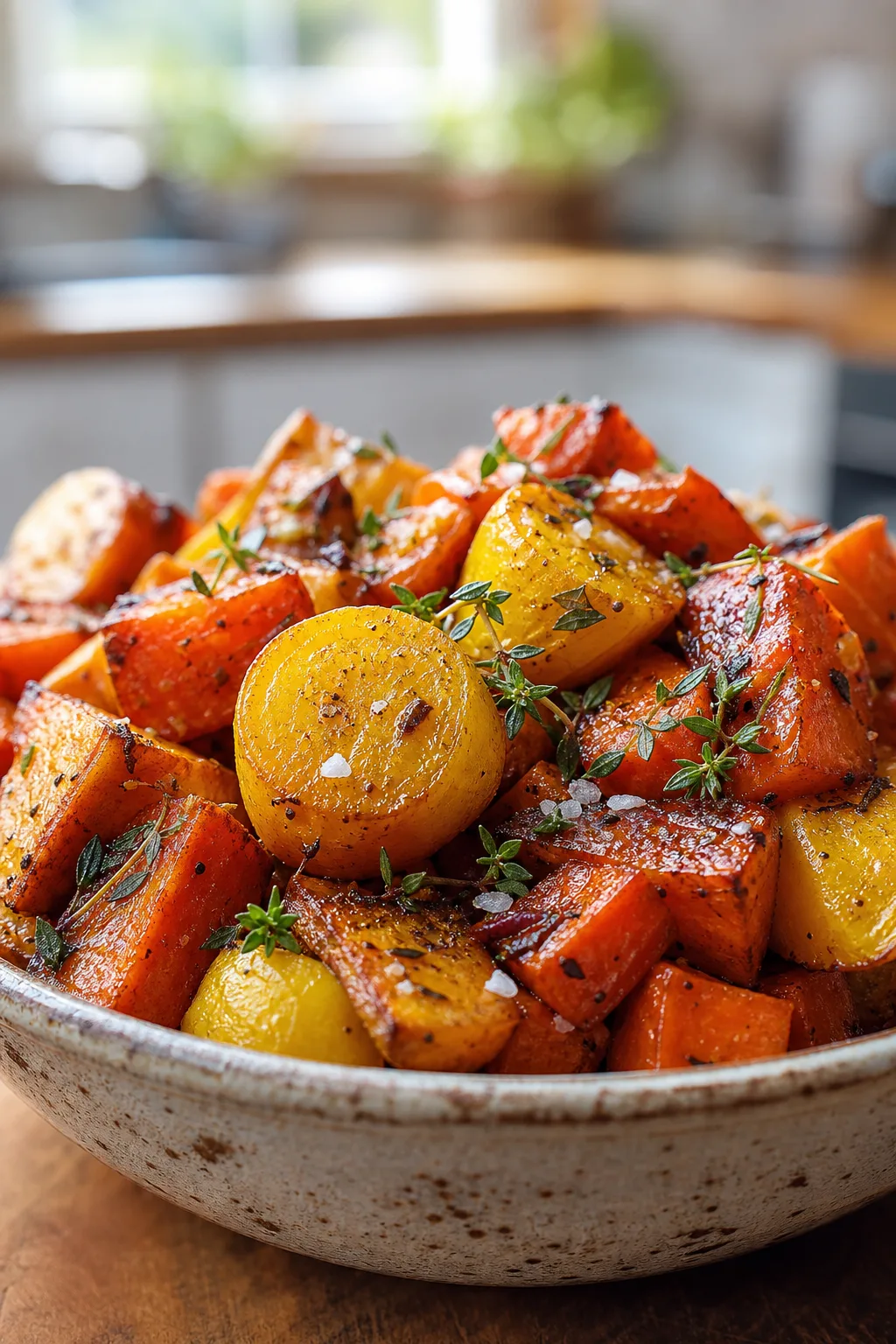
Serve the sliced lamb with your favorite sides—roasted potatoes, spring vegetables, or a fresh salad. The herb crust pairs wonderfully with simple, fresh flavors. Enjoy immediately while warm for the best texture and taste.
⏱ Time: Serve immediately
✓ Doneness: Meal is hot, flavorful, and visually appealing on the plate.
Pro Tips
Let the lamb come to room temperature before roasting.
Allowing the meat to sit out for about 30 minutes ensures even cooking. Starting with cold meat can cause the outside to overcook while the inside remains underdone. This step helps the roast cook uniformly and reach your desired doneness more predictably.
Use a meat thermometer to check doneness precisely.
Relying on time alone can lead to under or overcooked lamb. A thermometer lets you monitor the internal temperature, ensuring the meat is perfectly medium-rare at 135°F. This precision avoids dryness and delivers the best texture and juiciness.
Rest the lamb for at least 20 minutes after roasting.
Resting allows muscle fibers to relax and juices to redistribute throughout the meat. Cutting immediately causes the juices to run out, resulting in dry slices. Patience here means a more flavorful and tender roast.
Trim excess fat but leave a thin layer on top.
Fat bastes the meat as it melts during roasting, keeping it moist and rich. Removing all fat risks drying out the lamb, while too much fat can cause flare-ups or greasy results. A balanced fat layer is key for flavor and texture.
Chop herbs finely and mix with oil before rubbing.
Finely chopped herbs release more oils and flavors, and the oil helps the rub adhere evenly. This combination ensures the herb crust forms well and infuses the meat during cooking.
Roast at a moderate temperature, not too high.
High heat can burn the herb crust and dry out the lamb before the inside cooks. Moderate heat allows the meat to cook evenly and develop a beautiful browned crust without sacrificing moisture.
Carve against the grain for maximum tenderness.
Cutting against the muscle fibers shortens them, making the meat easier to chew and more tender. Slicing with the grain results in tougher, stringier bites.
Common Mistakes to Avoid
Skipping the resting period after roasting.
Why it happens Many cooks are eager to serve and slice immediately, assuming the lamb is ready right out of the oven.
Fix Always tent the lamb with foil and rest for 15-20 minutes. This step lets juices redistribute and prevents them from spilling out when sliced, ensuring moist, tender meat.
Not using a meat thermometer and relying solely on cooking time.
Why it happens Estimating doneness by time can be unreliable due to oven variations and meat size differences.
Fix Invest in a good instant-read thermometer and check the internal temperature. Aim for 135°F for medium-rare to avoid overcooking.
Applying the herb rub on a wet or cold surface.
Why it happens If the lamb is not patted dry or is cold, the rub won’t stick well and may slide off during roasting.
Fix Pat the lamb dry before rubbing and let it come to room temperature. This improves adhesion and flavor penetration.
Roasting at too high a temperature to speed up cooking.
Why it happens Impatience or lack of knowledge about roasting can lead to cranking up the oven.
Fix Stick to moderate heat (375°F). High heat risks burning the crust and drying the meat before it cooks through.
Carving with a dull knife or cutting with the grain.
Why it happens Using dull knives or rushing can cause uneven, tough slices.
Fix Use a sharp carving knife and slice thinly against the grain for tender, attractive servings.
Variations
Spicy Herb Rub
Add 1 teaspoon crushed red pepper flakes and a pinch of smoked paprika to the herb rub for a subtle kick. This variation adds warmth and a smoky depth that pairs well with the lamb’s richness. Expect a slightly more robust flavor profile with a gentle heat that complements the fresh herbs.
Note: The added spices can brown faster, so monitor the roast closely to prevent burning the crust.
Mediterranean Style with Olives and Lemon
Serve the lamb with a topping of chopped Kalamata olives, capers, and lemon slices after roasting. This adds a briny, tangy contrast that brightens the dish. The texture contrast between tender lamb and salty olives makes for a vibrant Mediterranean-inspired meal.
Note: Add olives and capers off heat to preserve their texture and flavor.
Garlic and Mustard Glaze
Brush the lamb with a mixture of Dijon mustard and minced garlic before applying the herb rub. The mustard adds a tangy sharpness and helps form a flavorful crust. This glaze creates a slightly sticky, savory exterior with a punchy flavor.
Note: Mustard can brown quickly; watch the roast in the last 15 minutes to avoid burning.
Slow Cooker Leg of Lamb
Instead of roasting, sear the lamb in a hot pan then transfer to a slow cooker with herbs and garlic. Cook on low for 6-7 hours for fall-apart tender meat. This method is great for hands-off cooking but results in a softer crust and more shredded texture.
Note: No crust forms in the slow cooker; searing beforehand is key for flavor.
Herb and Pistachio Crust
Mix finely chopped pistachios into the herb rub for a nutty, crunchy crust. This adds texture and a subtle sweetness that contrasts nicely with the savory lamb. It makes the dish feel more festive and special.
Note: Press the nut-herb mixture firmly onto the lamb to ensure it adheres during roasting.
Nutrition
Per Serving:
Nutritional values are estimates and may vary based on specific ingredients used.
Storage & Tips
Room Temperature
You can safely keep cooked leg of lamb at room temperature for up to 2 hours if covered loosely with foil or a clean towel. Beyond this, bacteria growth increases, so refrigerate promptly to maintain safety and freshness.
Refrigerator
Store leftovers in an airtight container for up to 4 days. The lamb may firm up and the herb crust soften when cold. Reheat gently to avoid drying out, or serve cold in sandwiches or salads.
Freezer
Freeze leftover lamb wrapped tightly in plastic wrap and aluminum foil or in a freezer-safe container for up to 3 months. To prevent freezer burn, remove as much air as possible. Thaw overnight in the refrigerator before reheating.
Reheating
Reheat slices gently in a covered skillet over low heat or in a microwave with a splash of broth to keep moist. Avoid high heat or prolonged reheating which dries out the meat. Oven reheating at 300°F covered with foil works well for larger pieces.
Make Ahead
You can prepare the herb rub and trim the lamb 1-2 days ahead, storing the seasoned meat wrapped in the fridge. Bring it to room temperature before roasting. This saves time on the day of serving and lets flavors meld.
FAQ
Can I use boneless leg of lamb instead of bone-in?
Yes, boneless leg of lamb works well and cooks slightly faster. However, bone-in tends to retain moisture better and adds flavor during cooking. Adjust cooking time by checking temperature earlier, and be sure to rest the meat as usual.
How do I know when the lamb is cooked medium-rare?
Use an instant-read meat thermometer inserted into the thickest part, avoiding bone. Medium-rare is reached at 135°F (57°C). After resting, the temperature will rise a few degrees. This ensures tender, juicy meat without overcooking.
Can I prepare the herb rub in advance?
Absolutely! You can mix the herb rub a day ahead and store it covered in the fridge. This can deepen flavors. Just bring it to room temperature before applying to the lamb for easier spreading.
What sides pair best with this leg of lamb?
Classic choices include roasted potatoes, green beans, asparagus, or a fresh spring salad. Mint sauce or a simple pan sauce made from the roasting drippings also complement the lamb beautifully.
Is it necessary to use fresh herbs?
Fresh herbs provide brighter, more vibrant flavors and essential oils that dried herbs lack. While dried herbs can be used in a pinch, reduce the quantity and expect a less fresh flavor profile.
How can I make the crust crispier?
Ensure the lamb surface is very dry before applying the rub, and roast uncovered at the right temperature. You can also finish with a quick broil for 2-3 minutes at the end to crisp the crust, watching carefully to avoid burning.
Can I marinate the lamb overnight?
Yes, marinating the lamb with the herb rub overnight in the fridge intensifies flavor. Just bring it to room temperature before roasting to ensure even cooking.
What if I don’t have fresh lemon zest?
You can omit lemon zest or substitute with a small splash of lemon juice in the rub, but zest offers more aromatic oils and brightness. Avoid bottled lemon flavor as it can taste artificial.
Final Thoughts
I hope you give this herb-crusted leg of lamb a try—it’s a crowd-pleaser that’s easier than it looks. Let me know how it turns out and what sides you served with it!