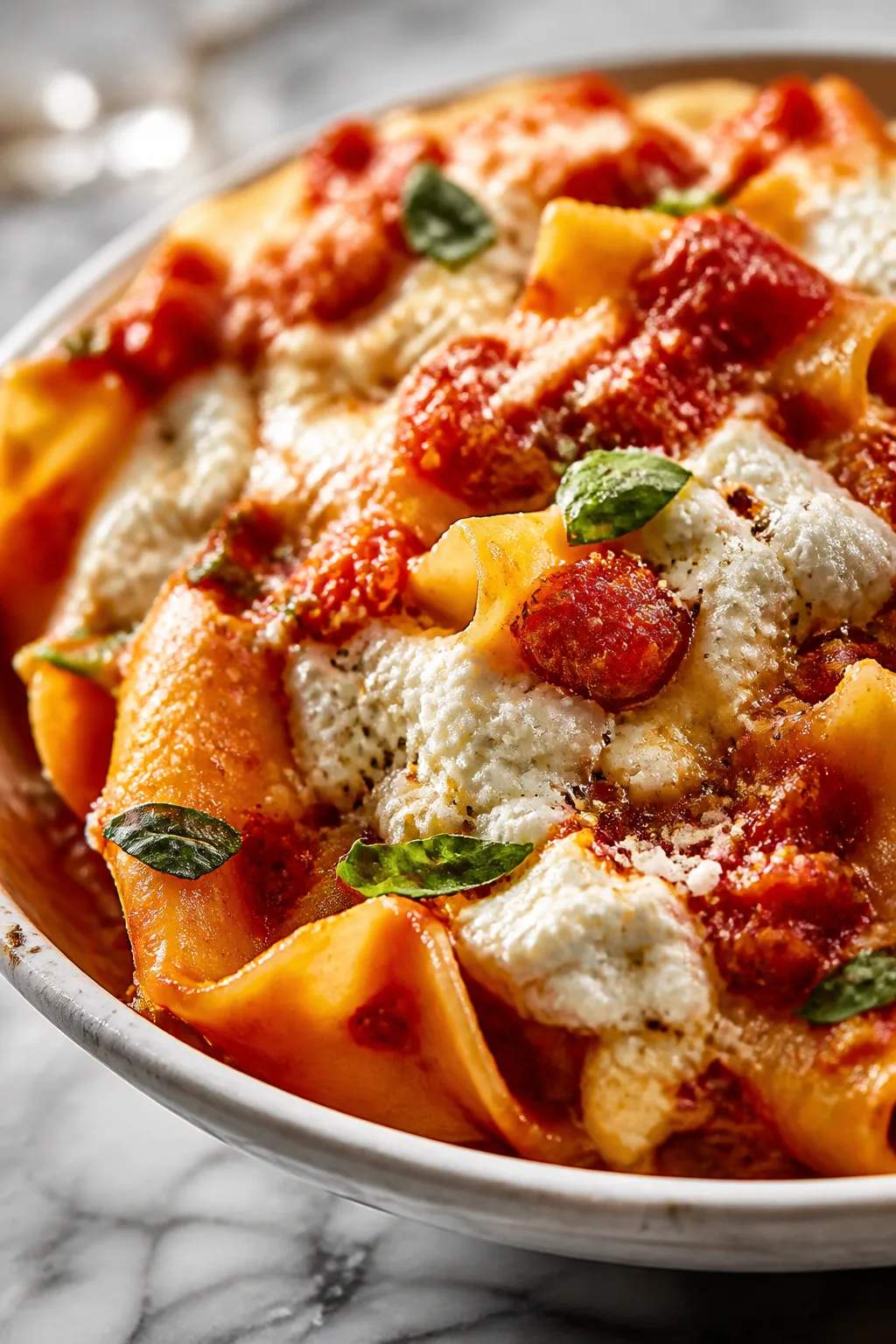
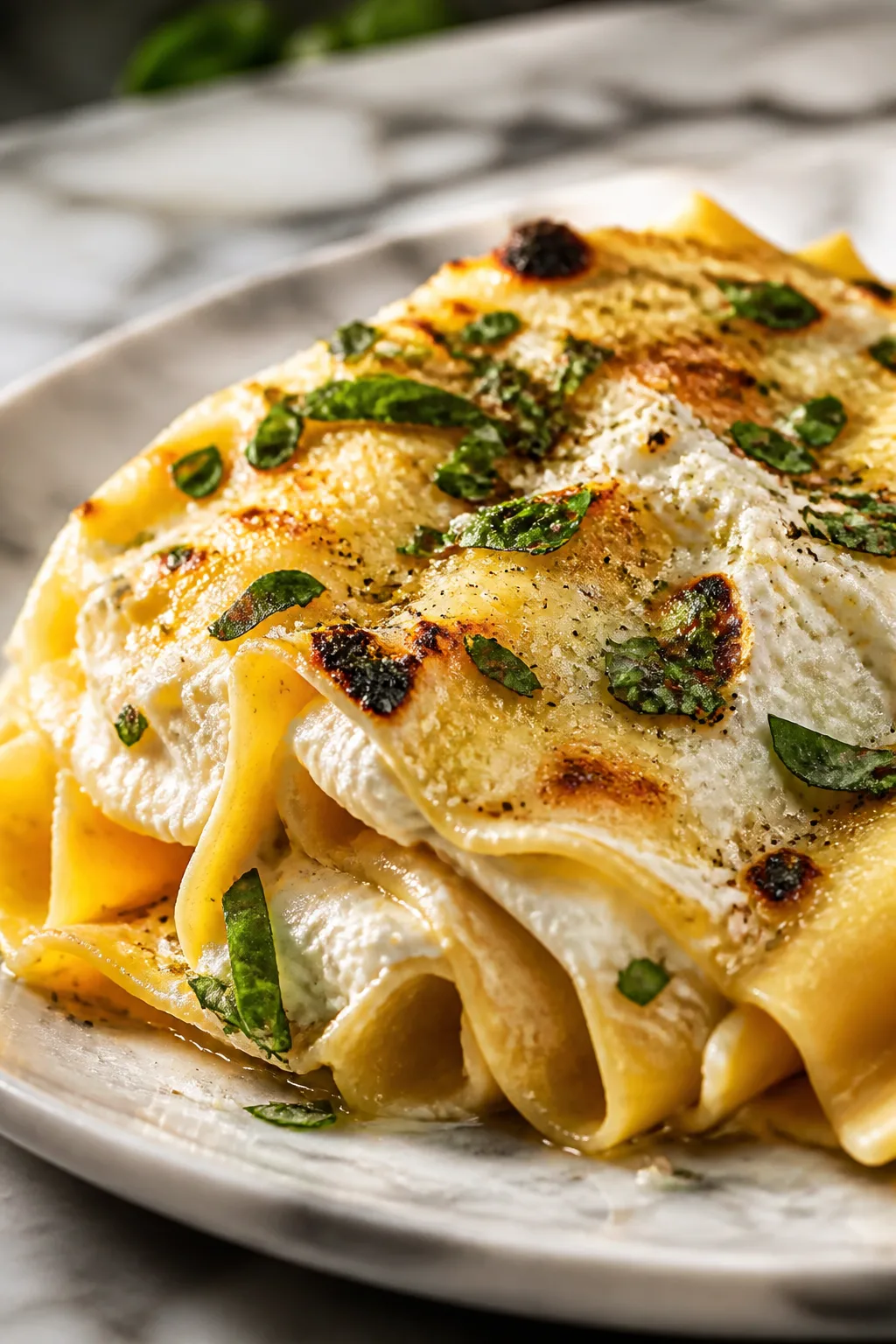
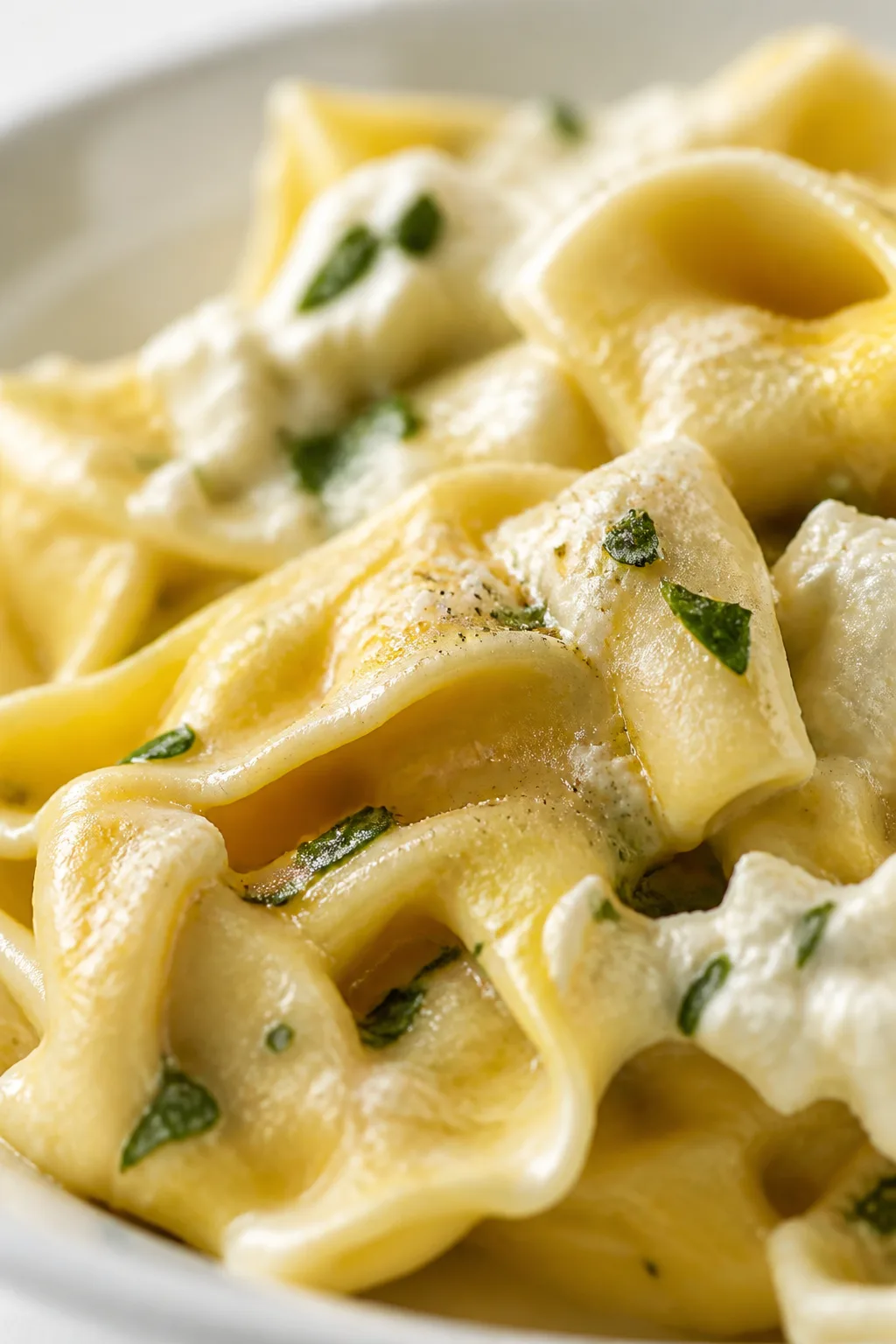
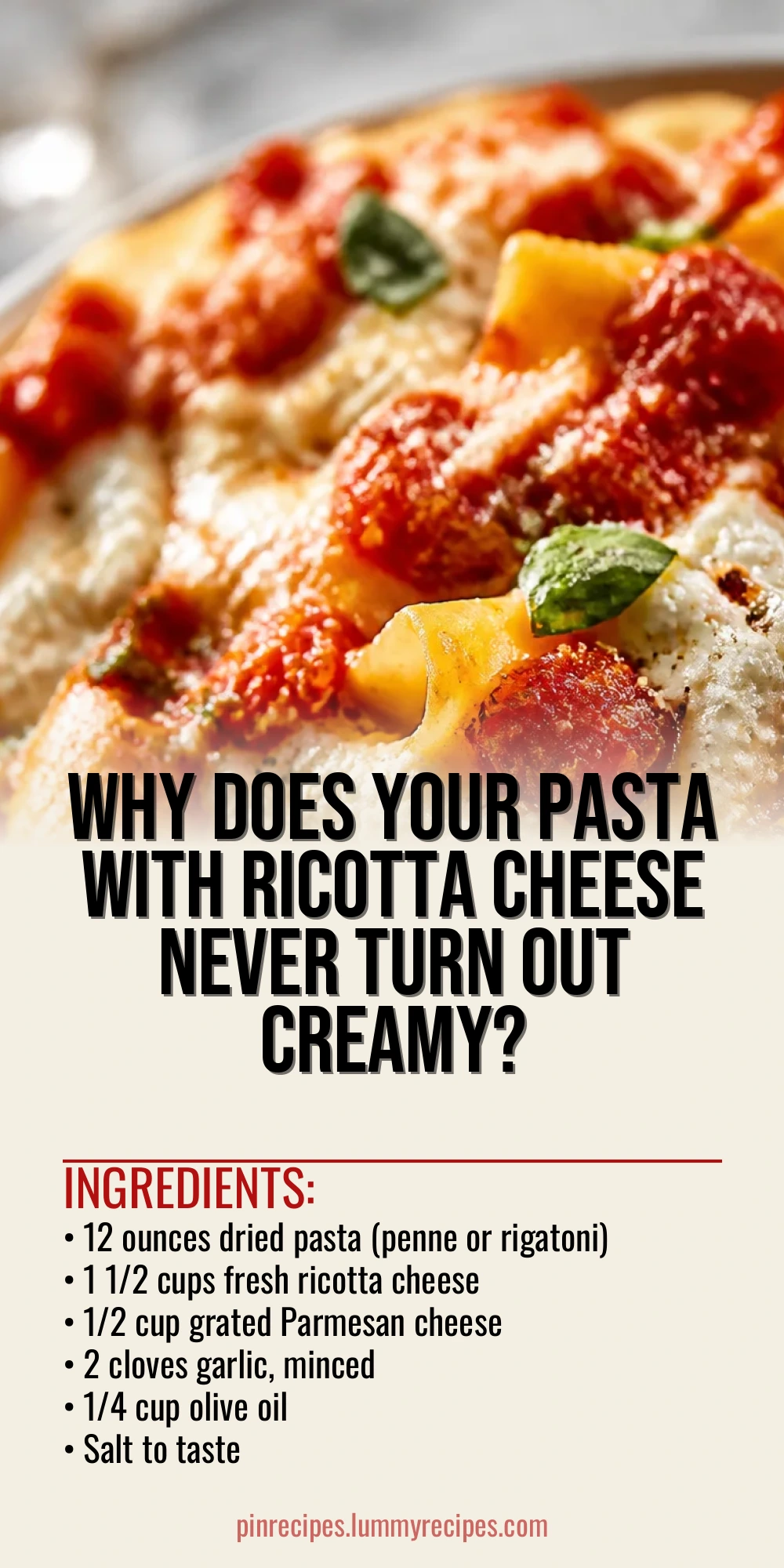
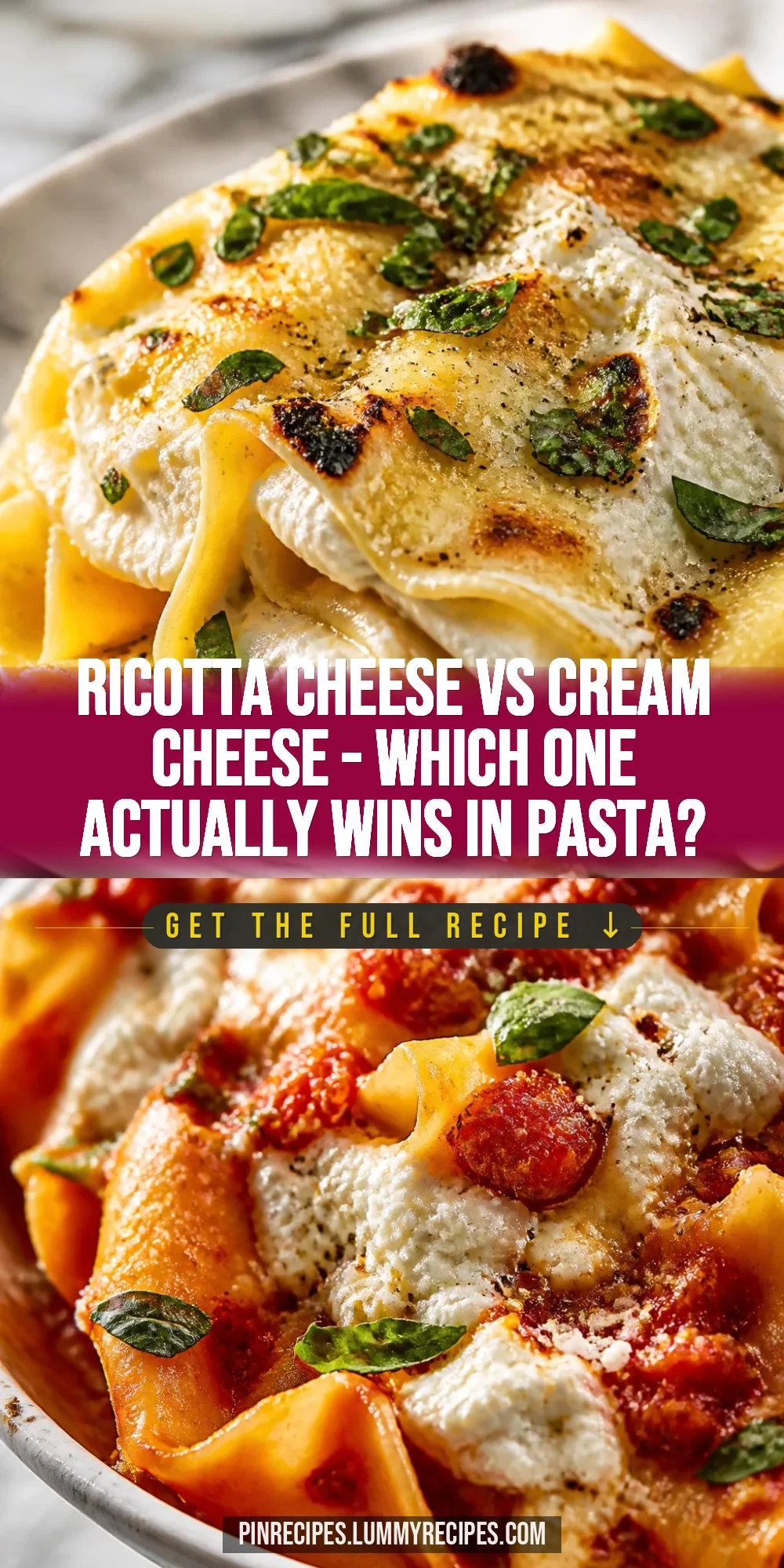
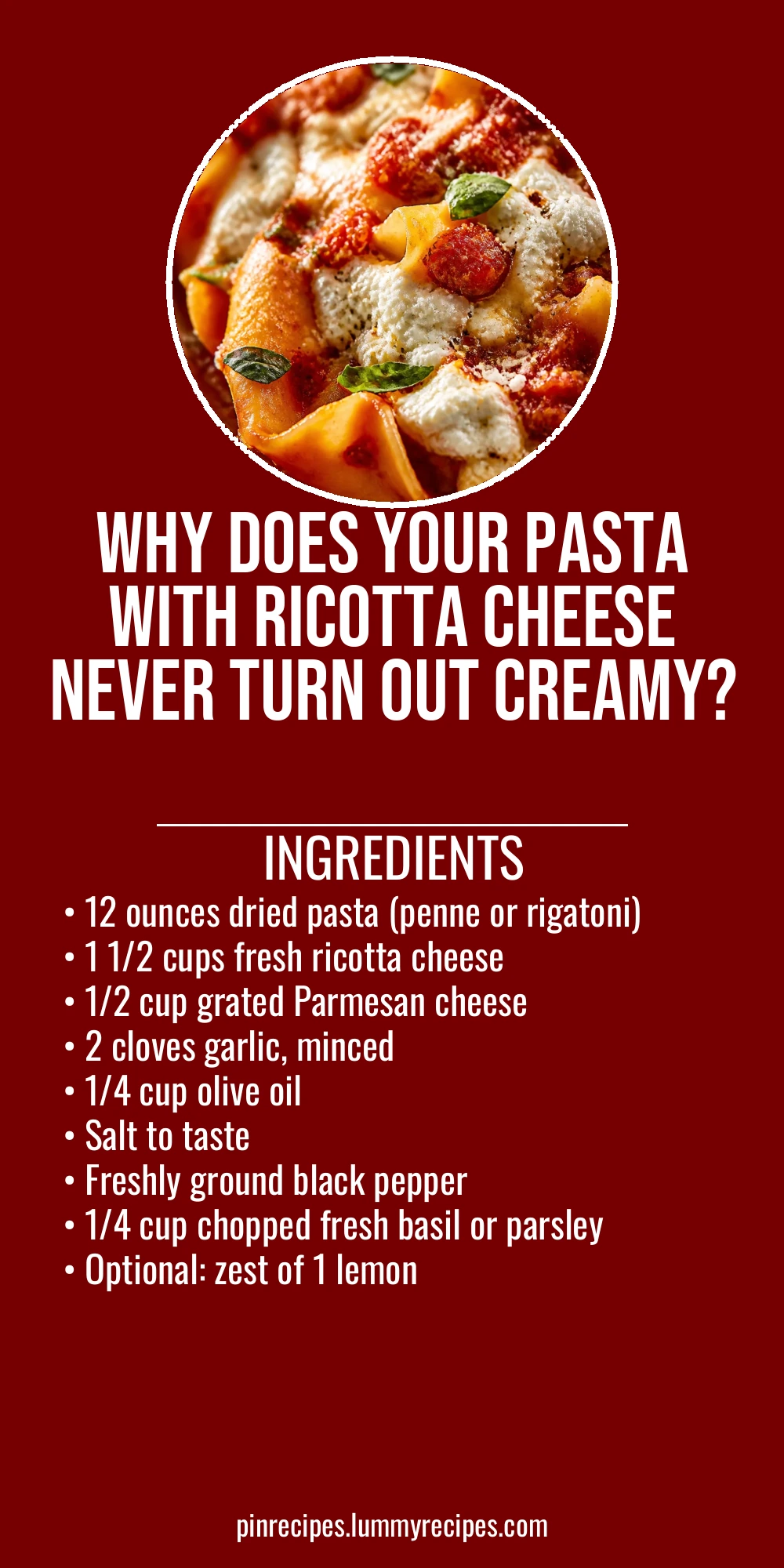
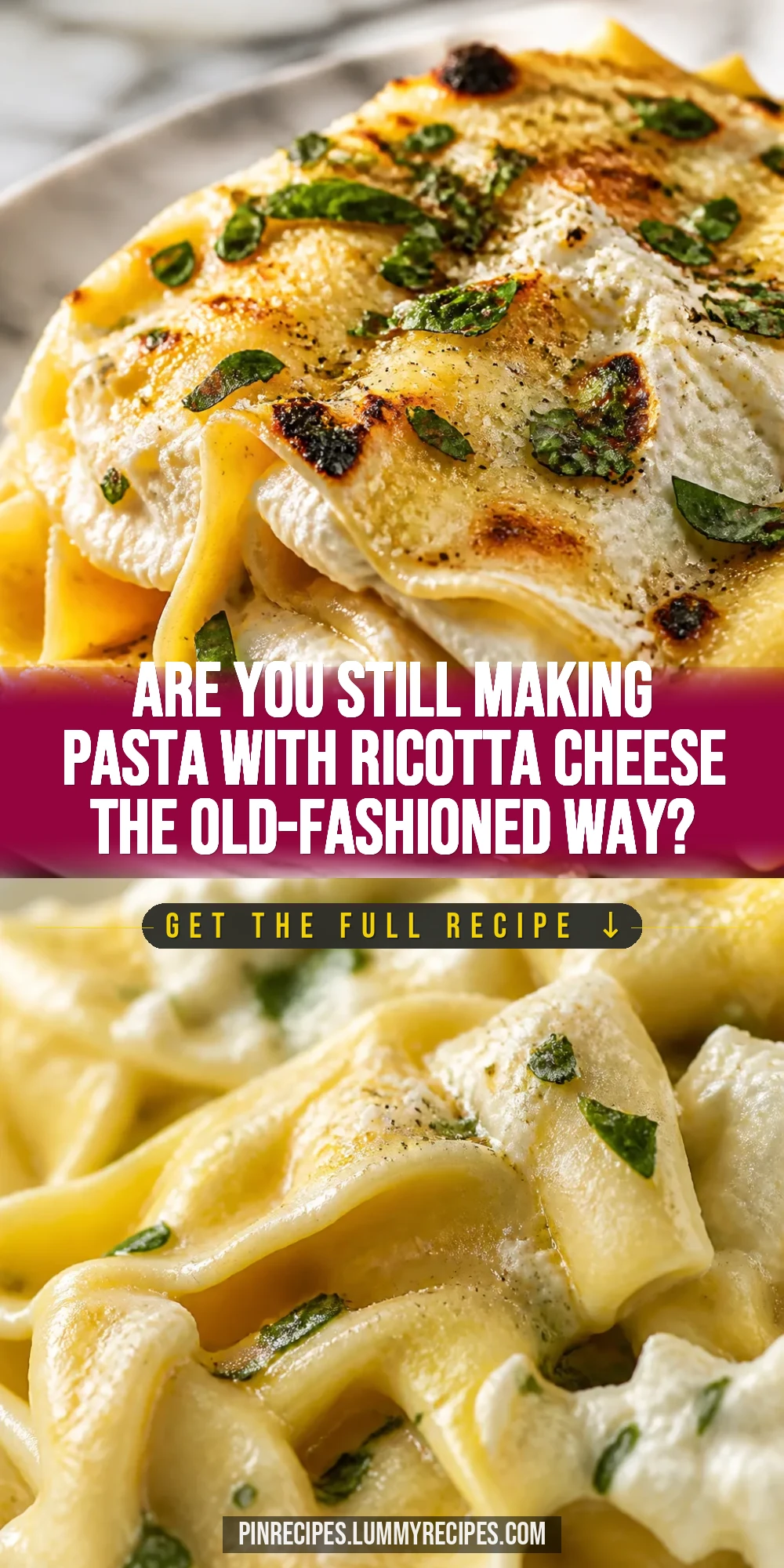
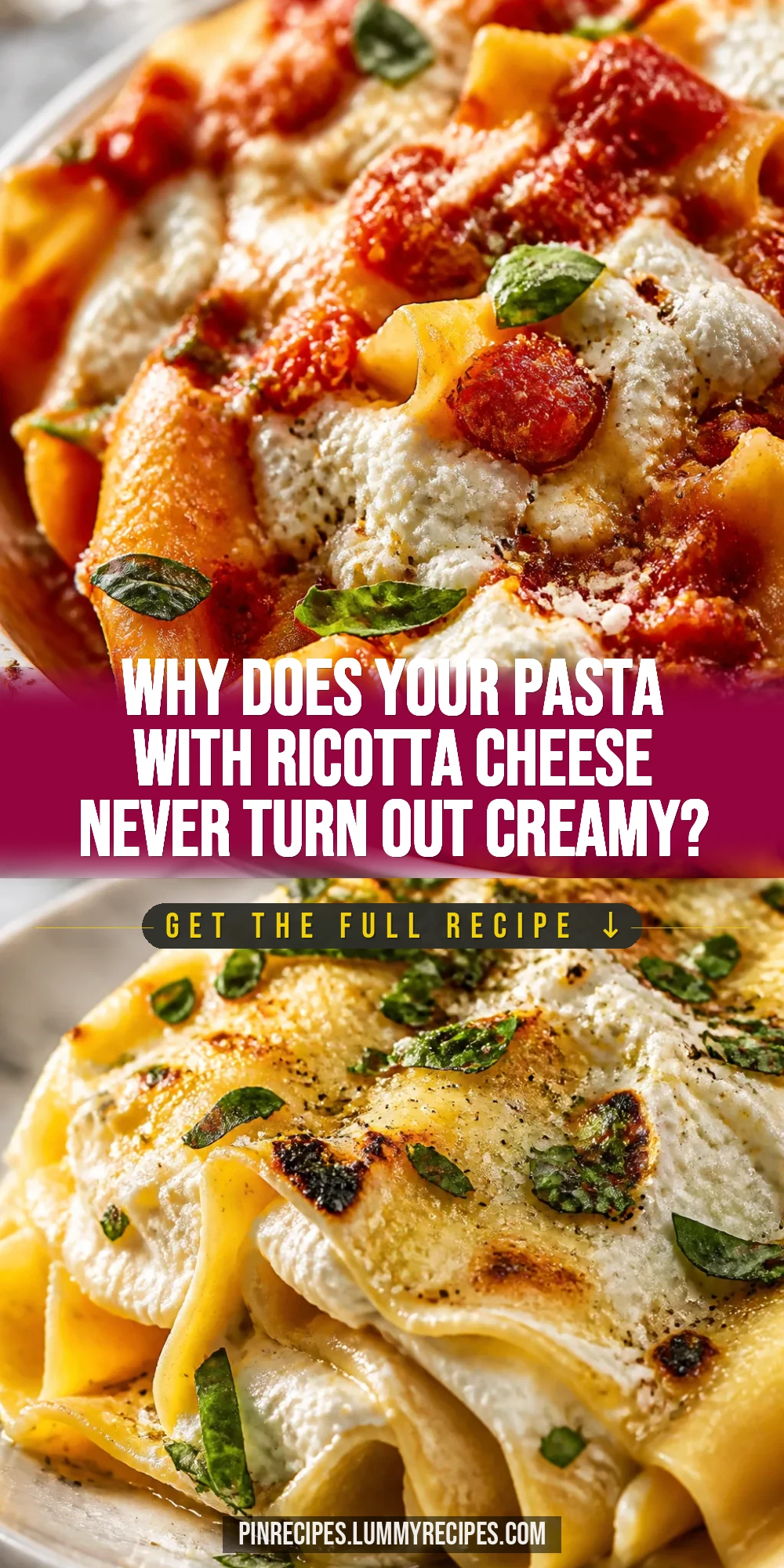
This simple pasta with ricotta cheese is a creamy, comforting dish that feels like a warm hug from Italy. The fresh ricotta adds a light, fluffy texture that makes every bite special. Perfect for a quick family dinner or a cozy night in.
Introduction
I first stumbled upon this recipe on a lazy Sunday afternoon when I wanted something comforting but easy. What makes this pasta with ricotta cheese stand out is its simplicity and creamy texture without heavy cream or complicated sauces. The trick I learned? Tossing the ricotta with a bit of pasta water before mixing it in to get that perfect silky coating on every noodle. My family loves it because it feels indulgent but is so quick to pull together on busy nights. Plus, the fresh herbs and a hint of lemon zest brighten it up and keep it from feeling too heavy. It’s become a go-to for me when I want something cozy but fuss-free.
How To Do It
Step 1
Bring a large pot of salted water to a boil and cook the pasta according to the package instructions until al dente. Cooking the pasta just right is essential because it will continue to cook slightly when mixed with the ricotta, so avoid overcooking to keep a nice bite.
⏱ Time: 10-12 minutes
✓ Doneness: Pasta should be tender but still firm when bitten
Step 2
While the pasta cooks, heat olive oil in a small pan over medium heat and gently sauté the minced garlic until fragrant and lightly golden, about 1-2 minutes. Be careful not to burn the garlic as it will turn bitter and ruin the flavor.
⏱ Time: 2 minutes
✓ Doneness: Garlic is soft, aromatic, and just golden
Step 3
Reserve about 1 cup of the pasta cooking water before draining the pasta. This starchy water is key to loosening the ricotta and creating a creamy sauce that clings beautifully to the noodles.
⏱ Time: 1 minute
✓ Doneness: Water looks slightly cloudy and thicker than plain water
Step 4
In a large mixing bowl, combine the ricotta cheese, grated Parmesan, and a few tablespoons of the reserved pasta water. Stir vigorously to loosen the ricotta into a creamy sauce. This step helps the ricotta become smooth and silky rather than clumpy.
⏱ Time: 3-4 minutes
✓ Doneness: Ricotta mixture is smooth and creamy without lumps
Step 5
Add the drained pasta to the ricotta mixture along with the garlic-infused olive oil. Toss everything gently but thoroughly to coat the pasta evenly. Add more pasta water as needed to reach your desired sauce consistency.
⏱ Time: 2 minutes
✓ Doneness: Pasta is evenly coated with a glossy, creamy sauce
Step 6
Season with salt and freshly ground black pepper to taste. Taste as you go because the Parmesan already adds saltiness. Adjust seasoning carefully to avoid over-salting.
⏱ Time: 1 minute
✓ Doneness: Balanced seasoning with no overpowering saltiness
Step 7
Stir in chopped fresh basil or parsley and lemon zest if using. The herbs add freshness and the lemon zest brightens the dish, balancing the creaminess perfectly.
⏱ Time: 1 minute
✓ Doneness: Herbs are evenly distributed and aroma is fresh
Step 8
Serve immediately while warm. This pasta is best enjoyed fresh as the sauce thickens when cooled. If needed, reheat gently with a splash of water or olive oil to loosen the sauce.
⏱ Time: Serve right away
✓ Doneness: Pasta is warm and creamy with fresh herb aroma
Step 9
Optional: garnish with extra Parmesan and a drizzle of good olive oil before serving for an added touch of richness and flavor depth.
⏱ Time: 1 minute
✓ Doneness: Dish looks glossy and inviting with garnishes
Pro Tips
Reserve pasta water before draining to loosen the ricotta sauce.
The starch in pasta water acts as a natural thickener and emulsifier, helping the ricotta coat the pasta evenly without clumping. Skipping this step results in a dry or uneven sauce.
Gently sauté garlic in olive oil instead of adding raw.
Cooking garlic releases its flavor and mellows its sharpness, preventing bitterness. Raw garlic can be harsh and overpower the delicate ricotta.
Use fresh herbs added at the end for brightness.
Adding herbs too early causes them to lose their aroma and color. Fresh herbs provide a fresh, vibrant contrast to the creamy sauce when added just before serving.
Don’t overcook the pasta; aim for al dente.
Overcooked pasta becomes mushy and won’t hold the sauce well. Al dente pasta has a firm bite that contrasts nicely with the creamy ricotta sauce.
Whisk ricotta with reserved pasta water to smooth it out.
Ricotta can be grainy; mixing it with starchy water creates a silky, cohesive sauce that clings to pasta beautifully.
Add lemon zest for a subtle zing.
Lemon zest brightens the rich cheese, balancing flavors and adding a fresh note that prevents the dish from feeling heavy.
Serve immediately for best texture.
Ricotta sauce thickens as it cools and can become clumpy. Serving right away ensures creamy, luscious pasta.
Common Mistakes to Avoid
Adding ricotta directly without thinning it
Why it happens Many assume ricotta can be mixed straight into pasta, but its thick texture causes clumping.
Fix Always whisk ricotta with reserved pasta water first to loosen it into a sauce. This step is crucial for smooth, creamy results.
Overcooking pasta
Why it happens Rushing to finish the dish or not following package instructions leads to mushy noodles.
Fix Cook pasta to al dente and drain promptly. It should still have a slight bite to hold up in the sauce.
Burning garlic
Why it happens High heat or inattentiveness causes garlic to burn, creating bitterness.
Fix Sauté garlic on medium-low heat just until fragrant and golden. Remove from heat if it starts to brown too fast.
Over-salting the dish
Why it happens Parmesan cheese adds salt, so adding too much salt during cooking can make the pasta overly salty.
Fix Season gradually and taste before adding more salt. Remember the cheese contributes saltiness.
Not serving immediately
Why it happens Ricotta thickens and clumps as it cools, so letting the dish sit ruins texture.
Fix Serve pasta right after mixing. If reheating, add a splash of water or olive oil to loosen the sauce.
Variations
Spinach and Ricotta Pasta
Add fresh baby spinach leaves to the pasta right after draining. The residual heat wilts the spinach, adding color and nutrients without extra cooking time.
Note: Toss spinach quickly with hot pasta to avoid overcooking and preserve its vibrant green color.
Lemon and Herb Ricotta Pasta
Increase lemon zest and juice for a brighter, tangier sauce. Add extra fresh herbs like thyme or oregano for an herbal twist.
Note: Balance acidity carefully to avoid overpowering the ricotta’s creaminess.
Mushroom and Ricotta Pasta
Sauté sliced mushrooms with garlic and olive oil before mixing into the pasta. This adds earthy depth and a meaty texture.
Note: Cook mushrooms until golden and their moisture evaporates to avoid watery sauce.
Spicy Ricotta Pasta
Add red pepper flakes to the garlic oil or sprinkle on top for a subtle heat that contrasts deliciously with the creamy ricotta.
Note: Adjust spice level to taste and add gradually to control heat.
Ricotta and Tomato Pasta
Stir in halved cherry tomatoes or a simple fresh tomato sauce for a bright, summery flavor combination.
Note: Use ripe tomatoes for best sweetness and minimal cooking to keep freshness.
Nutrition
Per Serving:
Nutritional values are estimates and may vary based on specific ingredients used.
Storage & Tips
Room Temperature
Pasta with ricotta cheese should not be left out at room temperature for more than 2 hours to prevent spoilage. Cover loosely if serving buffet-style.
Refrigerator
Store leftovers in an airtight container for up to 3 days. The sauce will thicken and may stiffen; gently reheat with a splash of water or olive oil to restore creaminess.
Freezer
Freezing is not recommended as ricotta’s texture changes and can become grainy. If freezing, use airtight containers and consume within 1 month. Thaw overnight in the fridge.
Reheating
Reheat gently on the stovetop over low heat or in the microwave in short bursts, stirring often. Add a splash of pasta water or olive oil to loosen the sauce and avoid drying out.
Make Ahead
You can prepare the sauce mixture up to a day ahead, storing it refrigerated without pasta. Cook pasta fresh and combine just before serving for best texture.
FAQ
Can I use frozen ricotta for this recipe?
Frozen ricotta tends to separate and become grainy when thawed, which affects the sauce’s texture. Fresh ricotta is best for creamy, smooth results. If you must use frozen, thaw it completely and stir well before using.
What pasta shapes work best with ricotta cheese?
Short, sturdy shapes like penne, rigatoni, or fusilli work well because they hold the creamy sauce nicely. Thin pastas like angel hair may not cling as well and can get overwhelmed by the sauce.
How can I make this dish vegan?
Use a plant-based ricotta alternative made from tofu or cashews, and substitute Parmesan with nutritional yeast or vegan cheese. Olive oil and garlic remain the same. Keep in mind texture and flavor will vary slightly.
Can I add other vegetables to this pasta?
Absolutely! Fresh spinach, sautéed mushrooms, or cherry tomatoes are great additions. Add quick-cooking veggies just after draining the pasta so they wilt gently without overcooking.
Is it okay to use pre-grated Parmesan?
Pre-grated Parmesan often contains anti-caking agents that can affect melting and texture. Freshly grated Parmesan melts better and adds richer flavor, making it the preferred choice for this recipe.
How do I prevent the ricotta from clumping?
The key is to whisk ricotta with some hot pasta water before mixing with pasta. The starch in the water smooths out the cheese and prevents clumps, resulting in a silky sauce.
Can I prepare this dish ahead of time?
You can prepare the ricotta mixture a day ahead and store it refrigerated. Cook the pasta fresh when ready to serve and toss together. This keeps the pasta texture perfect and the sauce fresh.
What if I don’t have fresh herbs?
Dried herbs can be used, but add them sparingly and earlier in the cooking process to allow flavors to develop. Fresh herbs provide a brighter, fresher taste and are recommended if possible.
How can I add more protein to this meal?
Serve with grilled chicken, shrimp, or a side of sautéed beans. You can also stir in cooked peas or lentils for a vegetarian protein boost without changing the flavor much.
Is this recipe suitable for kids?
Yes! The mild, creamy ricotta sauce is usually a hit with kids. You can adjust seasonings to be milder and add familiar veggies or proteins to suit their tastes.
Final Thoughts
I hope you enjoy making this creamy pasta with ricotta cheese as much as my family does. It’s a simple, comforting dish that’s perfect for any night—give it a try and let me know how it turns out!