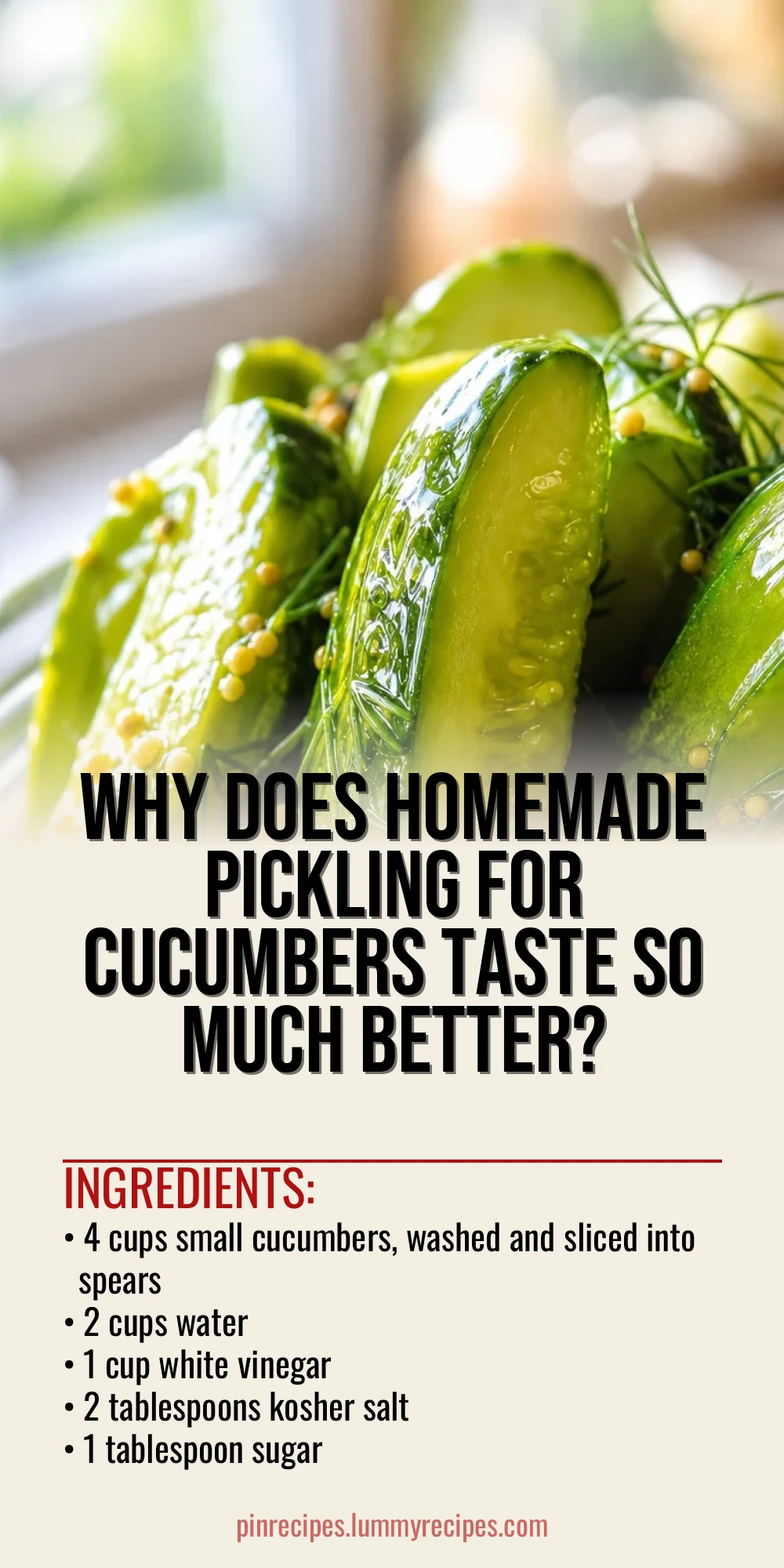
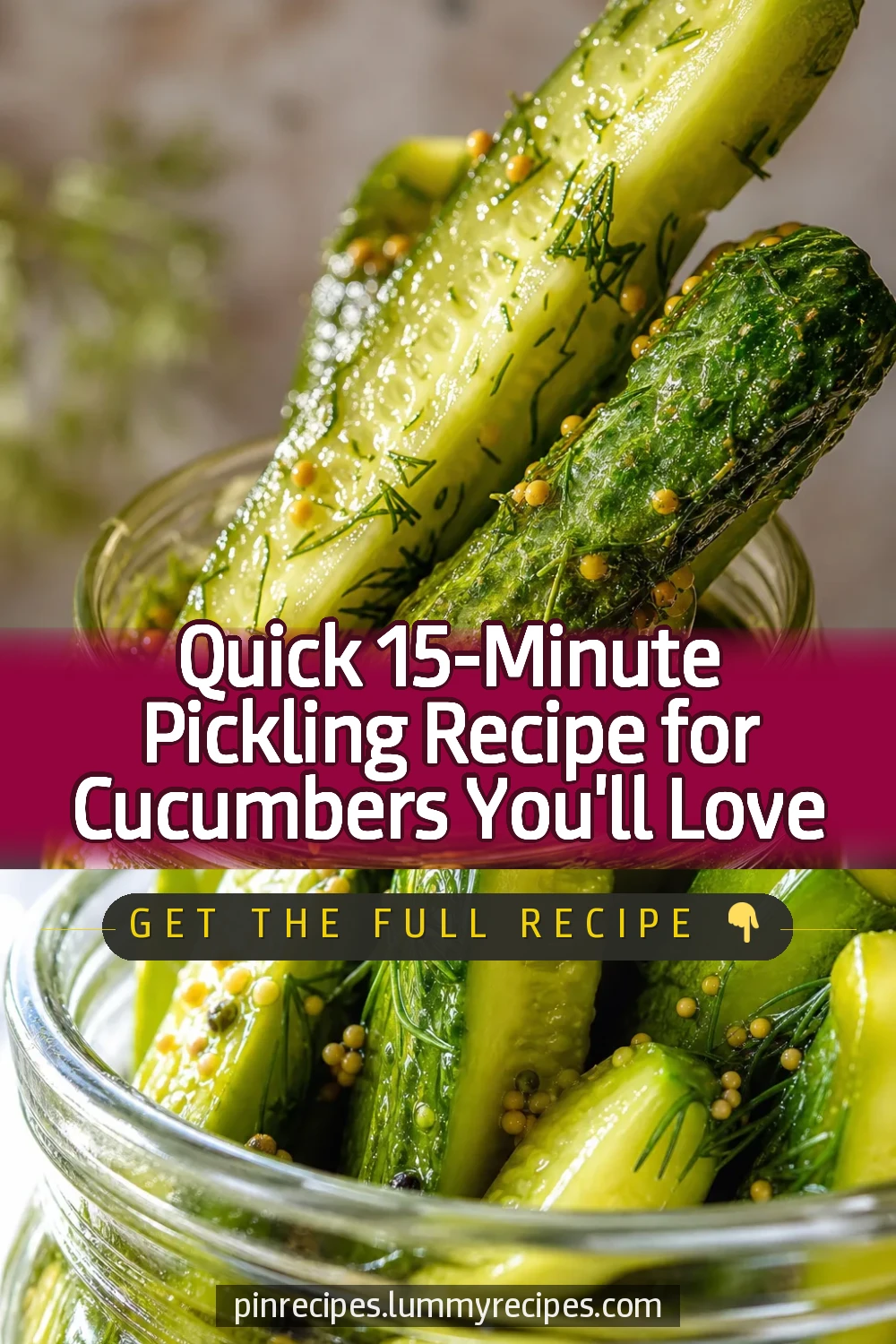
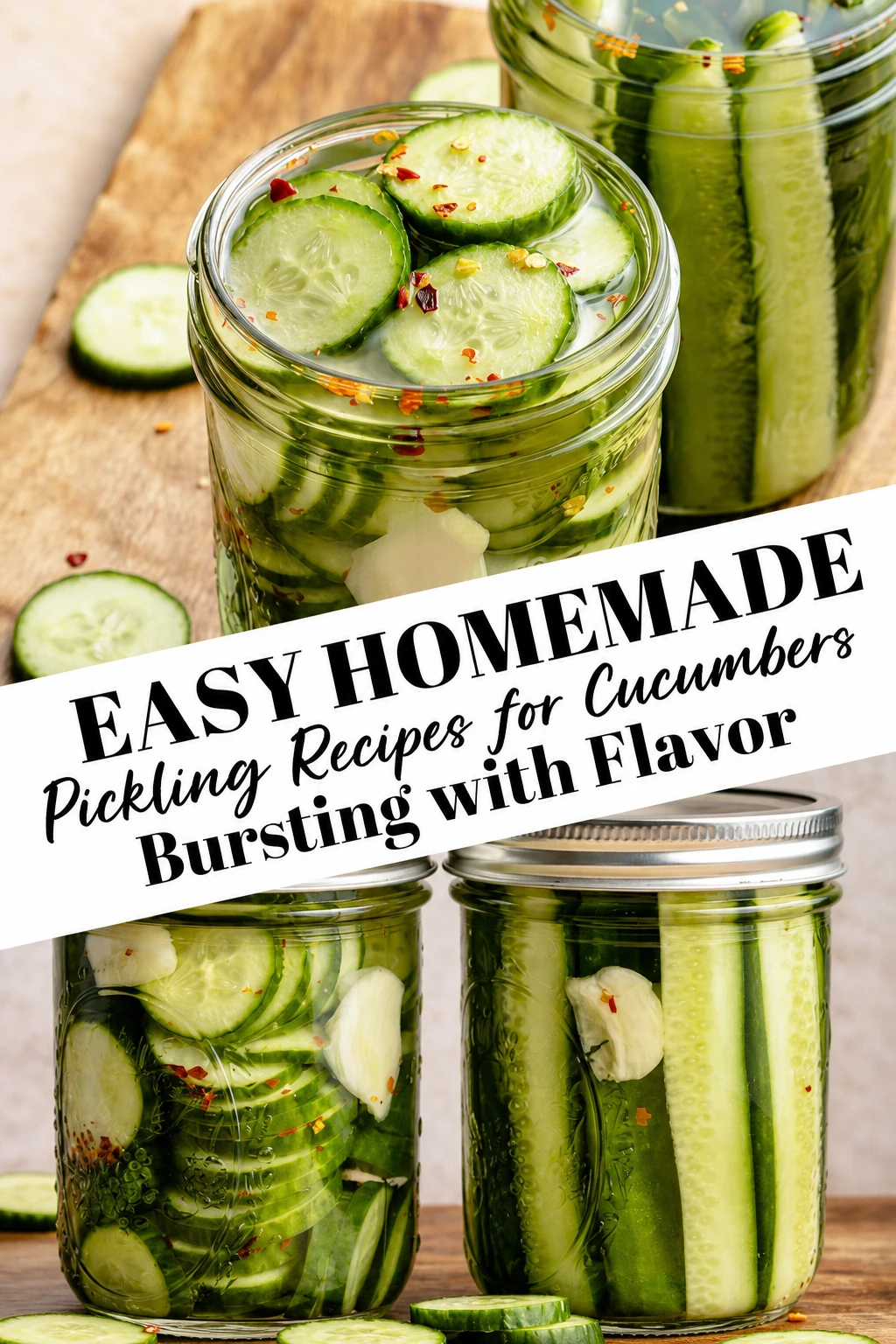
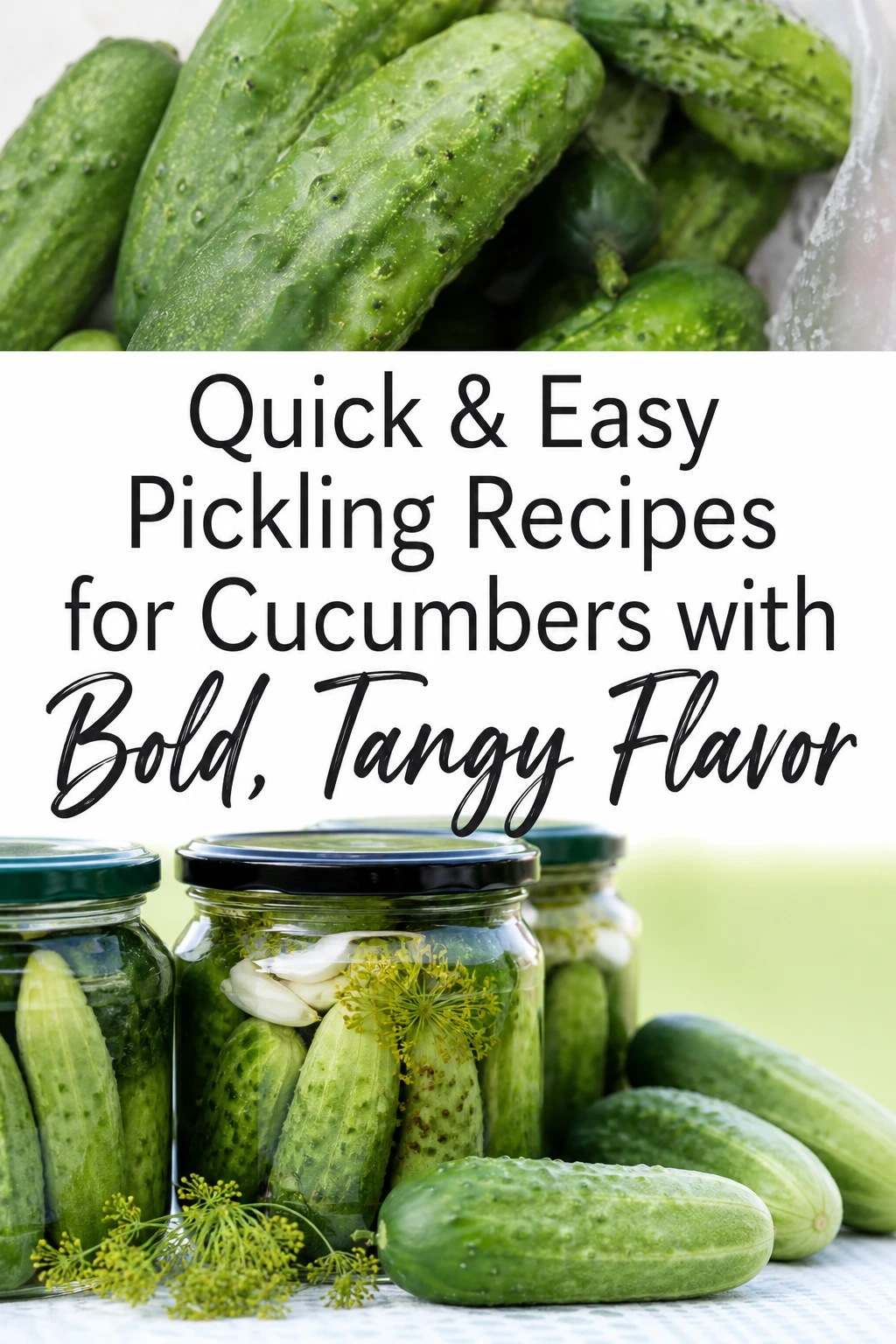
If you love crunchy, tangy pickles, this easy homemade pickling recipe for cucumbers is a game changer. Using simple ingredients and a quick brining technique, you’ll have flavorful pickles ready to enjoy in just a few days. Perfect for snacking or adding a zesty crunch to sandwiches!
Introduction
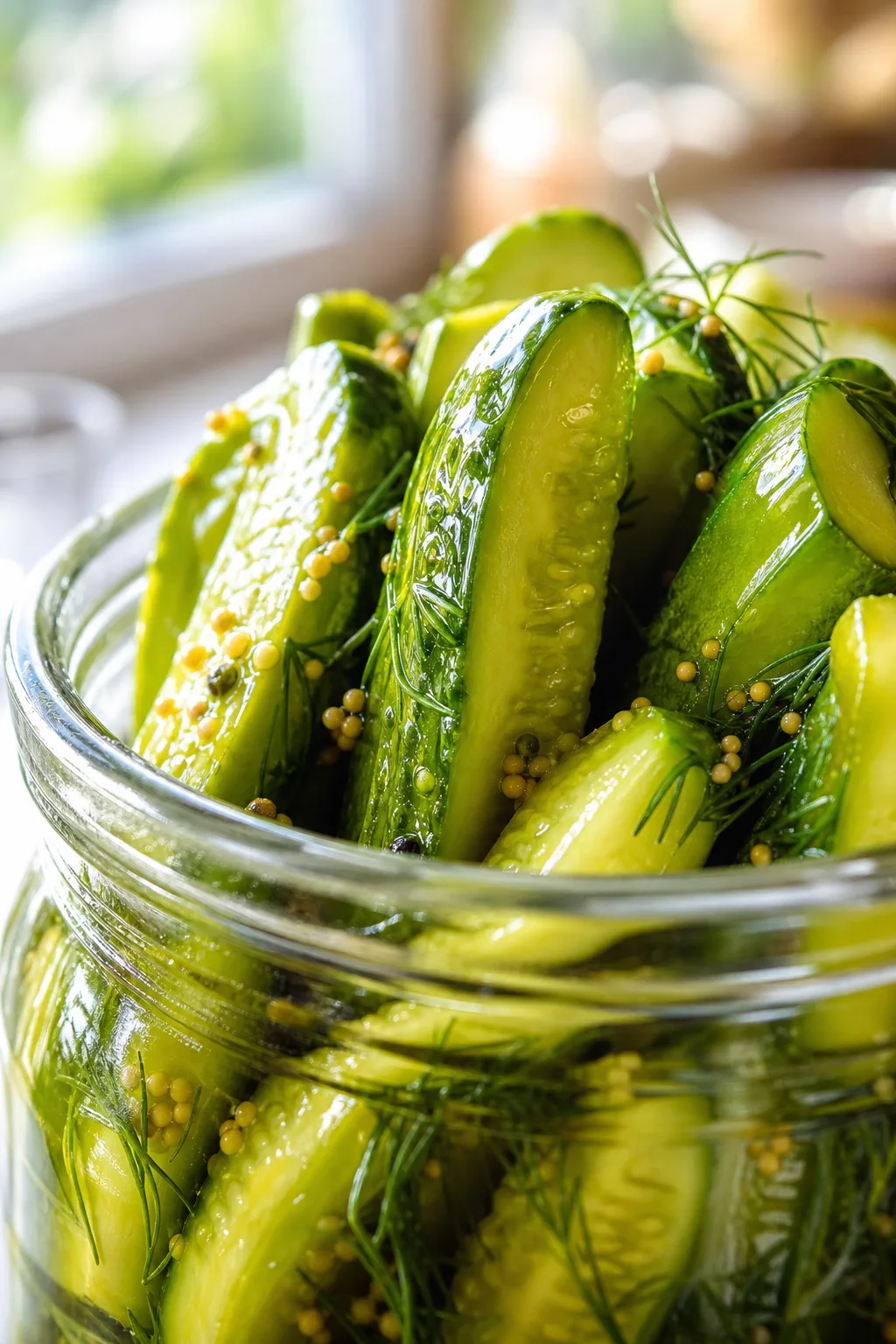
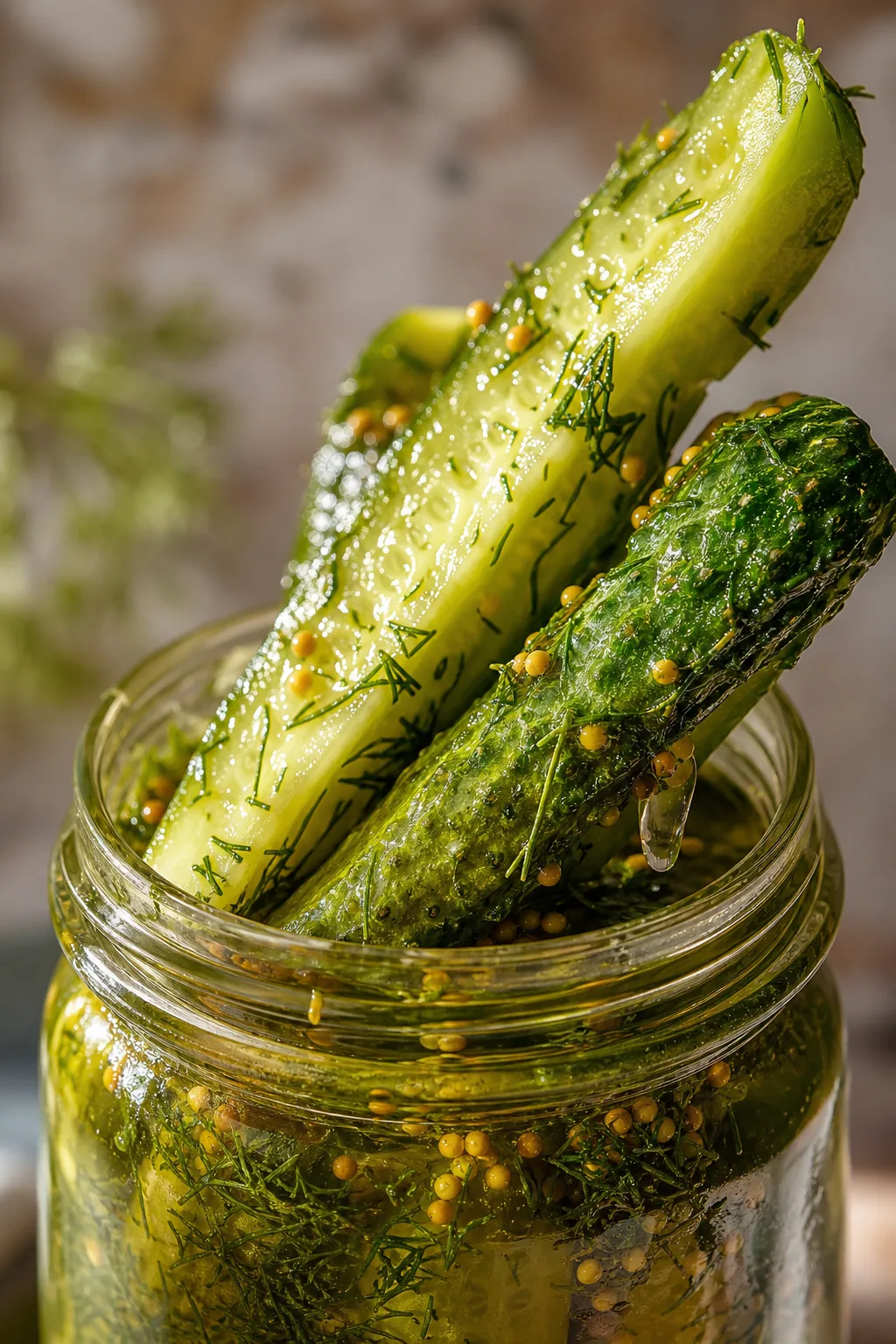
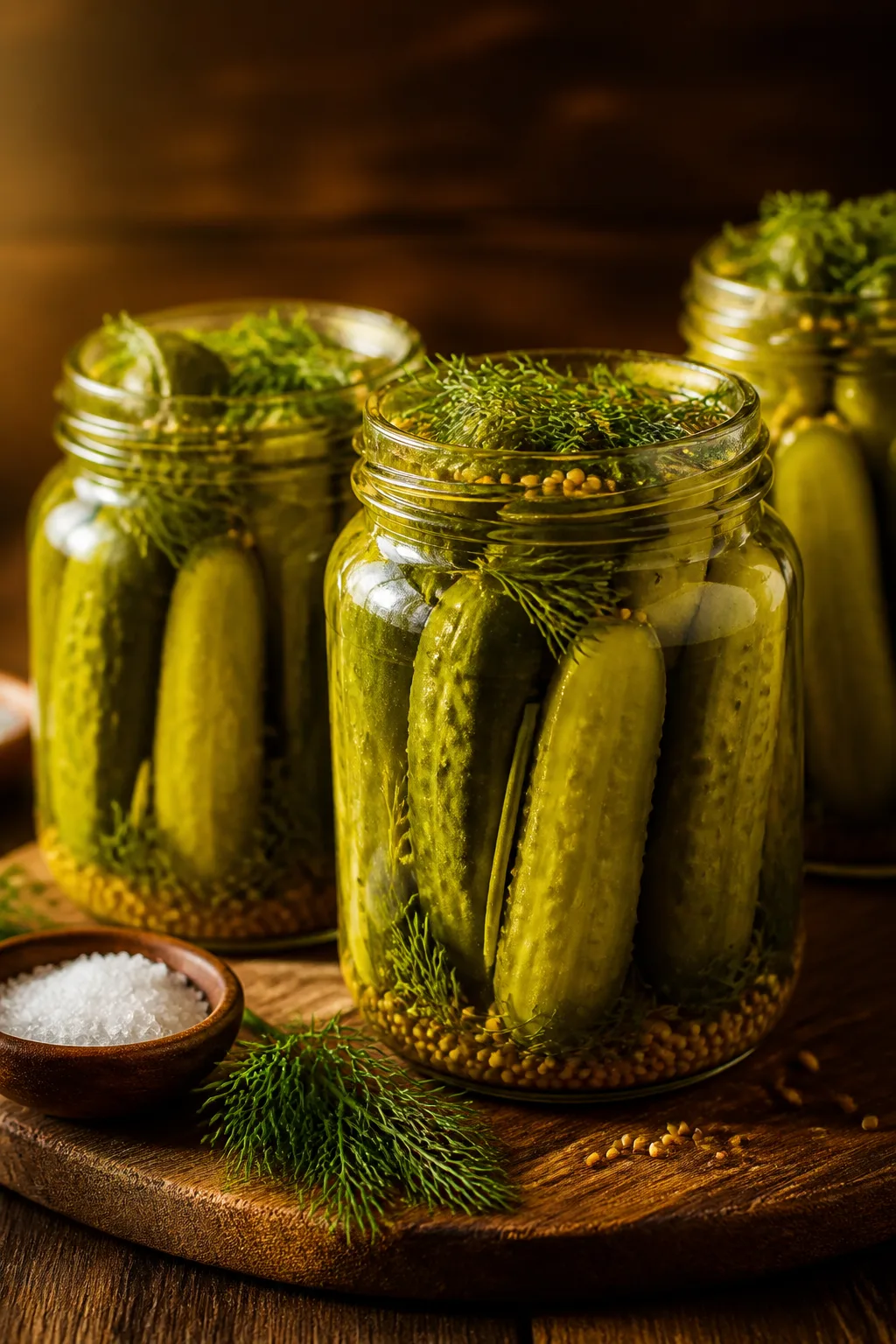
I first tried making my own pickled cucumbers a few years ago when I realized how easy and rewarding it is compared to buying jars from the store. What really hooked me was the ability to control the flavor — I love mine tangy with a little garlicky kick and lots of fresh dill. This recipe is my go-to because it’s simple, uses everyday pantry staples, and doesn’t require any fancy equipment. The key is in the brine balance and letting the cucumbers soak just long enough to get that perfect crunch without turning mushy. I used to rush the process and end up with soggy pickles, but now I let them rest in the fridge for at least 3 days, which makes all the difference. When you open the jar, the fresh dill aroma and the glistening cucumbers are just so inviting. These pickles are perfect for snacking, adding to sandwiches, or serving alongside your favorite comfort foods. Plus, it’s so satisfying to know you made them yourself!
What You'll Need
Approximately 4 cups pickled cucumbers, 4 servings
- 4 cups small cucumbers, washed and sliced into spears
- 2 cups water
- 1 cup white vinegar
- 2 tablespoons kosher salt
- 1 tablespoon sugar
- 1 tablespoon mustard seeds
- 4 cloves garlic, peeled and smashed
- 4 sprigs fresh dill
- 1 teaspoon black peppercorns
How To Do It
Step 1
Start by washing your cucumbers thoroughly to remove any dirt or residue. Slice them into spears about 3-4 inches long. This size helps the cucumbers absorb the brine evenly while keeping a satisfying crunch. Avoid slicing too thin, which can make them soggy during pickling. Place the spears in a clean glass jar or container that can be sealed tightly.
⏱ Time: 10
✓ Doneness: Cucumbers are evenly sliced and fill the jar loosely without crushing.
Step 2
In a saucepan, combine water, white vinegar, kosher salt, and sugar. Heat gently, stirring until the salt and sugar dissolve completely. This brine mixture is crucial for preserving the cucumbers and infusing flavor. Let the brine cool to room temperature before pouring it over the cucumbers to avoid cooking them prematurely.
⏱ Time: 10
✓ Doneness: Brine is clear and cool enough to pour without steaming the cucumbers.
Step 3
Add mustard seeds, garlic cloves, black peppercorns, and fresh dill sprigs into the jar with the cucumbers. These aromatics provide layers of flavor and a pleasant herbal note. Make sure the dill is fresh and vibrant to get the best aroma and taste.
⏱ Time: 5
✓ Doneness: Aromatic ingredients are evenly distributed throughout the jar.
Step 4
Pour the cooled brine over the cucumbers and aromatics, ensuring the cucumbers are fully submerged. Use a clean weight or a small glass to keep cucumbers under the brine if needed. This prevents exposure to air, which can cause spoilage or uneven pickling.
⏱ Time: 5
✓ Doneness: Cucumbers are completely covered by the brine with no air pockets.
Step 5
Seal the jar tightly and refrigerate. Let the cucumbers pickle for at least 3 days before tasting. This resting period allows the flavors to meld and the cucumbers to develop that classic tangy crunch. The longer you wait, the more intense the flavor, but they’re best enjoyed within 2 weeks for optimal texture.
⏱ Time: 4320
✓ Doneness: Pickles have a bright, tangy aroma and firm texture when tasted.
Step 6
Before serving, give the jar a gentle shake to redistribute the spices and brine. This refreshes the flavor and ensures every bite is deliciously seasoned. Serve chilled as a snack, side, or sandwich topping.
⏱ Time: 2
✓ Doneness: Pickles glisten in the brine and smell fresh and inviting.
Step 7
If you want crisper pickles, soak the cucumbers in ice water for 1 hour before pickling. This step helps maintain a firm texture by hydrating the cucumbers and reducing pectin breakdown during pickling.
⏱ Time: 60
✓ Doneness: Cucumbers feel firm and cold after soaking.
Step 8
For a spicier kick, add sliced jalapeños or red pepper flakes to the jar. This variation adds a delightful heat that pairs beautifully with the tangy brine. Adjust the amount to your spice preference.
⏱ Time: 5
✓ Doneness: Spices are evenly mixed and visible among the cucumbers.
Step 9
Always use clean utensils when removing pickles to avoid contamination. This simple practice helps your pickles stay fresh longer and prevents unwanted bacteria from spoiling the batch.
⏱ Time: 1
✓ Doneness: Jar remains clean and sealed after each use.
Pro Tips
Use small pickling cucumbers for the best crunch and flavor.
Smaller cucumbers have thinner skins and fewer seeds, which absorb the brine better and maintain crispness. Larger cucumbers tend to be watery and can become mushy during pickling, so selecting the right size ensures a satisfying texture.
Cool the brine completely before pouring over cucumbers.
Hot brine can partially cook the cucumbers, leading to a soft texture and loss of crunch. Cooling the brine preserves the fresh snap of the cucumbers and allows the flavors to develop gradually during refrigeration.
Add a weight to keep cucumbers submerged in the brine.
Exposure to air can cause mold and uneven pickling. Using a clean glass weight or small jar lid keeps the cucumbers fully covered, ensuring consistent flavor absorption and safe preservation.
Refrigerate pickles for at least 3 days before eating.
This resting time allows the cucumbers to soak up the brine and develop their signature tangy flavor. Rushing this step results in bland pickles with poor texture.
Use fresh dill for authentic flavor instead of dried.
Fresh dill provides a bright, herbal aroma and taste that dried dill can't match. It infuses the brine slowly and adds visual appeal with its feathery fronds.
Avoid using table salt with additives for brining.
Additives like iodine or anti-caking agents can cloud the brine and impart off-flavors. Kosher salt dissolves cleanly and preserves the pure taste of the pickles.
Soak cucumbers in ice water before pickling for extra crunch.
Cold water soaking hydrates the cucumbers and tightens their cell structure, which helps them stay crisp longer during the pickling process.
Common Mistakes to Avoid
Using hot brine directly on cucumbers.
Why it happens Many cooks think hot brine speeds up pickling, but it actually cooks the cucumbers, making them soft and mushy.
Fix Always allow the brine to cool to room temperature before pouring it over cucumbers. This preserves their crisp texture and ensures proper flavor infusion over time.
Not fully submerging cucumbers in brine.
Why it happens It's easy to overlook the need to keep cucumbers covered, especially in small jars or containers.
Fix Use a clean weight or smaller lid to press cucumbers below the brine surface. This prevents mold growth and uneven pickling.
Using large slicing cucumbers instead of pickling ones.
Why it happens Sometimes only large cucumbers are available, leading to disappointment in texture.
Fix Seek out pickling cucumbers at farmers markets or grocery stores; their size and skin thickness make all the difference for crisp pickles.
Skipping the refrigeration step.
Why it happens Some assume pickles can be left at room temperature immediately after preparation.
Fix Always refrigerate your pickles to slow fermentation and keep them crisp and safe to eat.
Using table salt with iodine or additives.
Why it happens Table salt is common but often contains ingredients that affect flavor and brine clarity.
Fix Use kosher salt or pickling salt without additives to maintain clean flavor and appearance.
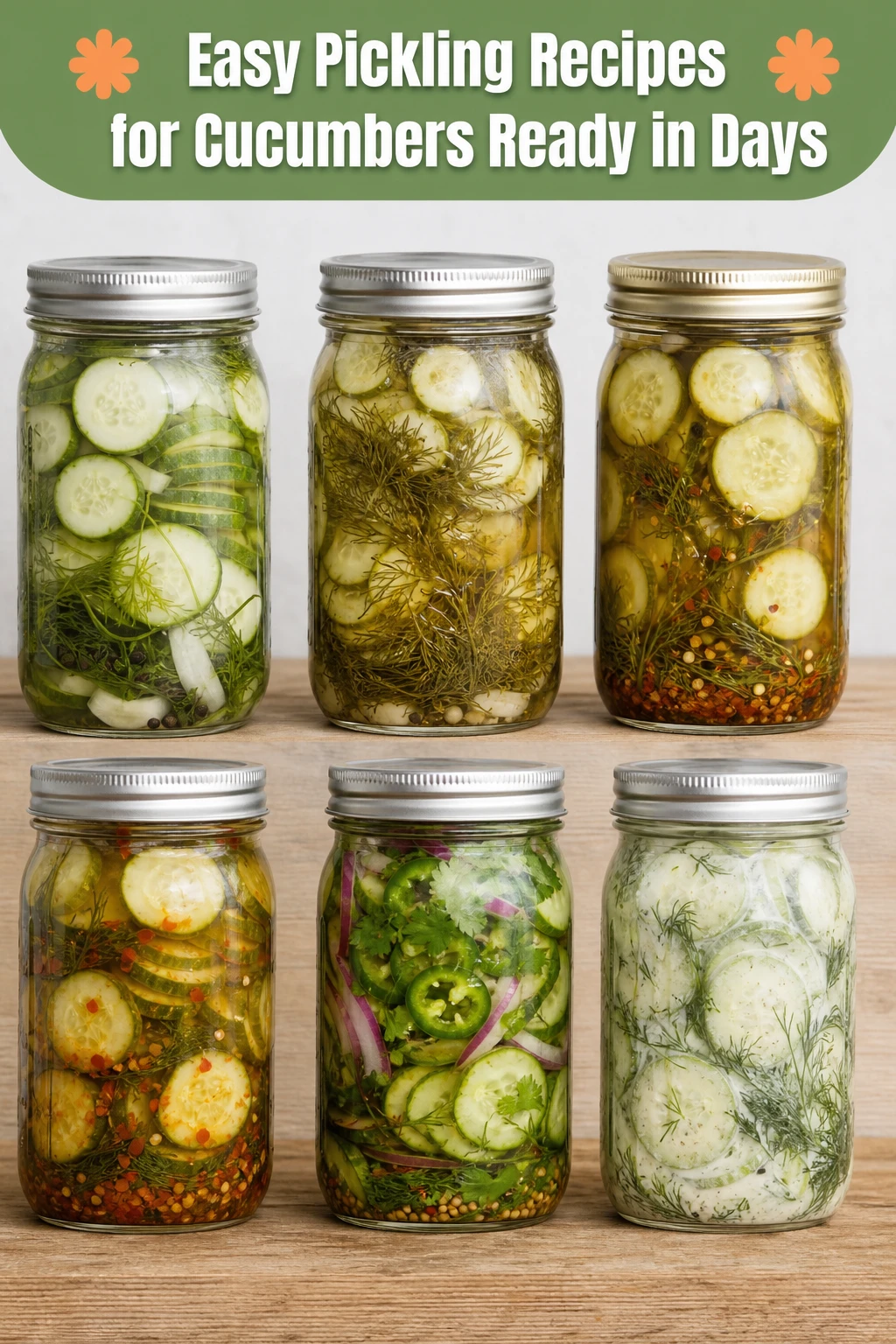
Variations
Spicy Pickled Cucumbers
Add sliced jalapeños or red pepper flakes to the jar for a spicy kick. This variation adds heat that balances the tangy brine perfectly, great for those who like some fire in their snacks.
Note: Be mindful of spice levels; start with a small amount and adjust after tasting to avoid overpowering the cucumber flavor.
Sweet and Sour Pickles
Increase the sugar in the brine to 3 tablespoons for a sweeter pickle that still has a tangy bite. This version is great for sandwiches or as a side to rich dishes.
Note: Monitor sugar dissolution carefully to avoid grainy texture; fully dissolve sugar in the warm brine before cooling.
Garlic Dill Pickles
Double the garlic cloves for a more pronounced garlicky flavor. This is a classic favorite that pairs well with burgers and deli sandwiches.
Note: Use fresh garlic for best flavor; crushed cloves release more aroma and infuse the brine deeply.
Bread and Butter Pickles
Add thinly sliced onions and a pinch of turmeric to the brine for a tangy-sweet pickle with a beautiful golden hue. This style is a nostalgic favorite in many households.
Note: Slice onions thinly to ensure even pickling and flavor absorption alongside cucumbers.
Herb-Infused Pickles
Experiment with fresh herbs like tarragon, thyme, or rosemary alongside dill for a unique twist. These herbs add subtle complexity and aroma to your pickles.
Note: Add herbs at the start of pickling and remove if flavor becomes too strong during storage.
Nutrition
Per Serving:
Nutritional values are estimates and vary based on specific ingredients and serving size.
Storage & Tips
Room Temperature
Pickled cucumbers should not be stored at room temperature for extended periods. Once prepared, keep them refrigerated to maintain freshness and prevent spoilage. If left out, they should be consumed within 2 hours.
Refrigerator
Store pickled cucumbers in an airtight glass jar in the refrigerator for up to 2 weeks. Flavor intensifies over time, but texture may soften slightly. Serve chilled for best crunch and taste.
Freezer
Freezing is not recommended as it breaks down the cucumber’s cell structure, resulting in mushy pickles upon thawing. Instead, prepare smaller batches for freshness.
Reheating
Pickled cucumbers are best served cold or at room temperature. Avoid heating as it alters texture and flavor. Use directly from the fridge for sandwiches, salads, or snacks.
Make Ahead
You can prepare the brine and slice cucumbers a day ahead, storing them separately in the fridge. Assemble the pickles and add brine on the day you plan to start pickling for maximum freshness.
FAQ
Can I use regular cucumbers instead of pickling cucumbers?
While you can use regular slicing cucumbers, they tend to be larger, have thicker skins, and contain more water, which often results in softer, less crunchy pickles. Pickling cucumbers are smaller and firmer, making them ideal for crisp pickles. If you use slicing cucumbers, consider soaking them in ice water before pickling to help retain crunch.
How long do homemade pickled cucumbers last in the fridge?
Properly stored in an airtight jar, homemade pickled cucumbers can last up to 2 weeks in the refrigerator. Over time, they may become softer and more intensely flavored. For best texture, consume them within the first 7-10 days.
Why are my pickles soft instead of crunchy?
Soft pickles often result from using cucumbers that are too large or old, pouring hot brine over the cucumbers, or insufficient salt concentration. To keep pickles crunchy, use fresh pickling cucumbers, cool the brine before pouring, and measure salt accurately.
Do I need to boil the jars before pickling?
For quick refrigerator pickles, sterilizing jars is not strictly necessary, but using clean, washed jars is important. If you plan to shelf-stabilize pickles through canning, then sterilizing jars and processing them in a water bath is required.
Can I make these pickles spicy?
Absolutely! Adding sliced jalapeños, red pepper flakes, or mustard seeds can give your pickles a nice spicy kick. Adjust the amount to your heat preference and add them along with the other spices before pouring the brine.
How soon can I eat the pickles after making them?
While you can taste them after 24 hours, the flavor and texture improve significantly after at least 3 days of refrigeration. This resting time allows the cucumbers to absorb the brine fully and develop that classic pickle tang.
Can I use apple cider vinegar instead of white vinegar?
Yes, apple cider vinegar can be used and will impart a slightly sweeter, fruitier flavor. However, it may also change the color of the pickles slightly. Ensure the vinegar is 5% acidity for safe pickling.
Final Thoughts
I hope you enjoy making these easy homemade pickled cucumbers as much as my family does. They’re a simple, flavorful way to brighten up any meal—give them a try and let me know what you think!