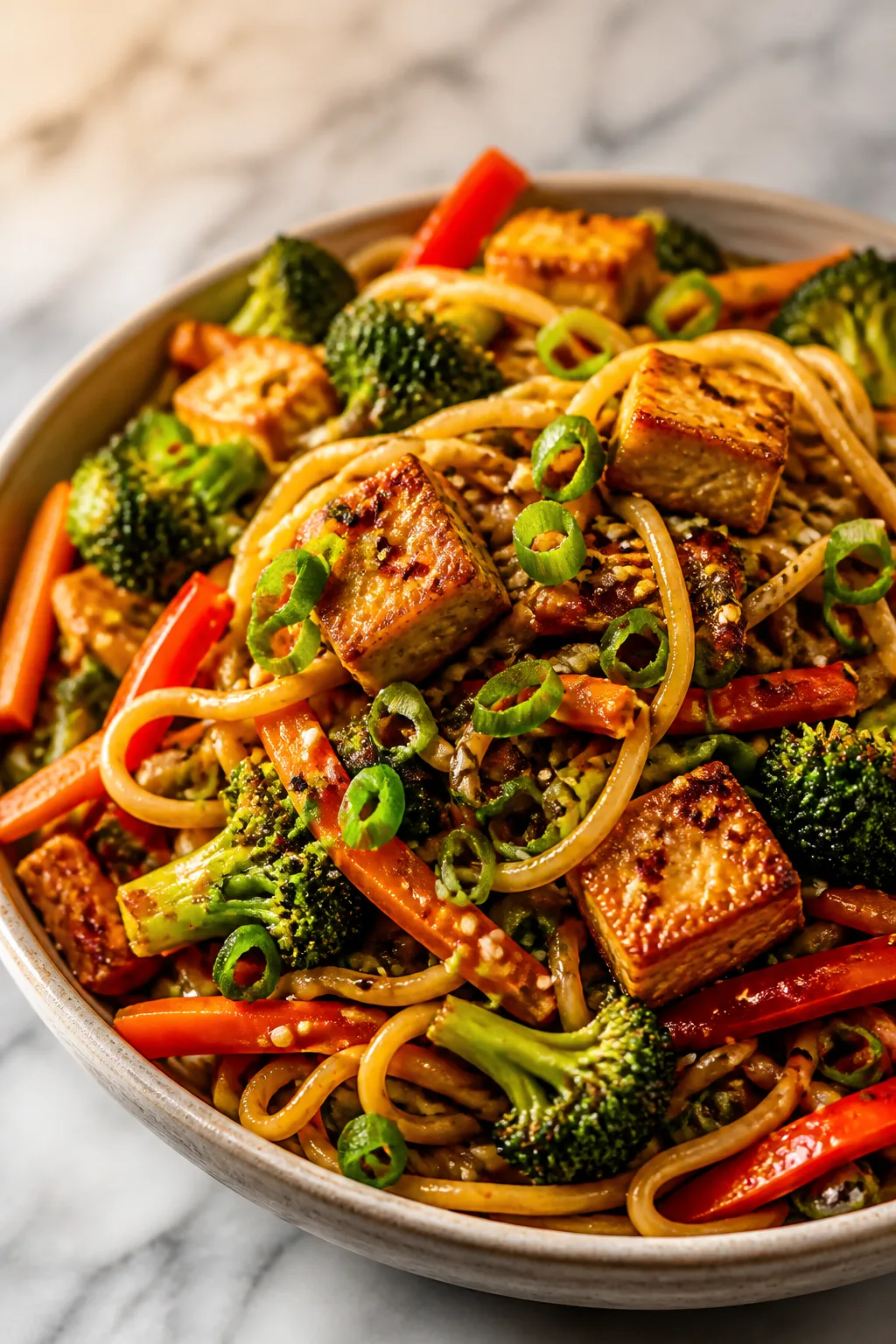
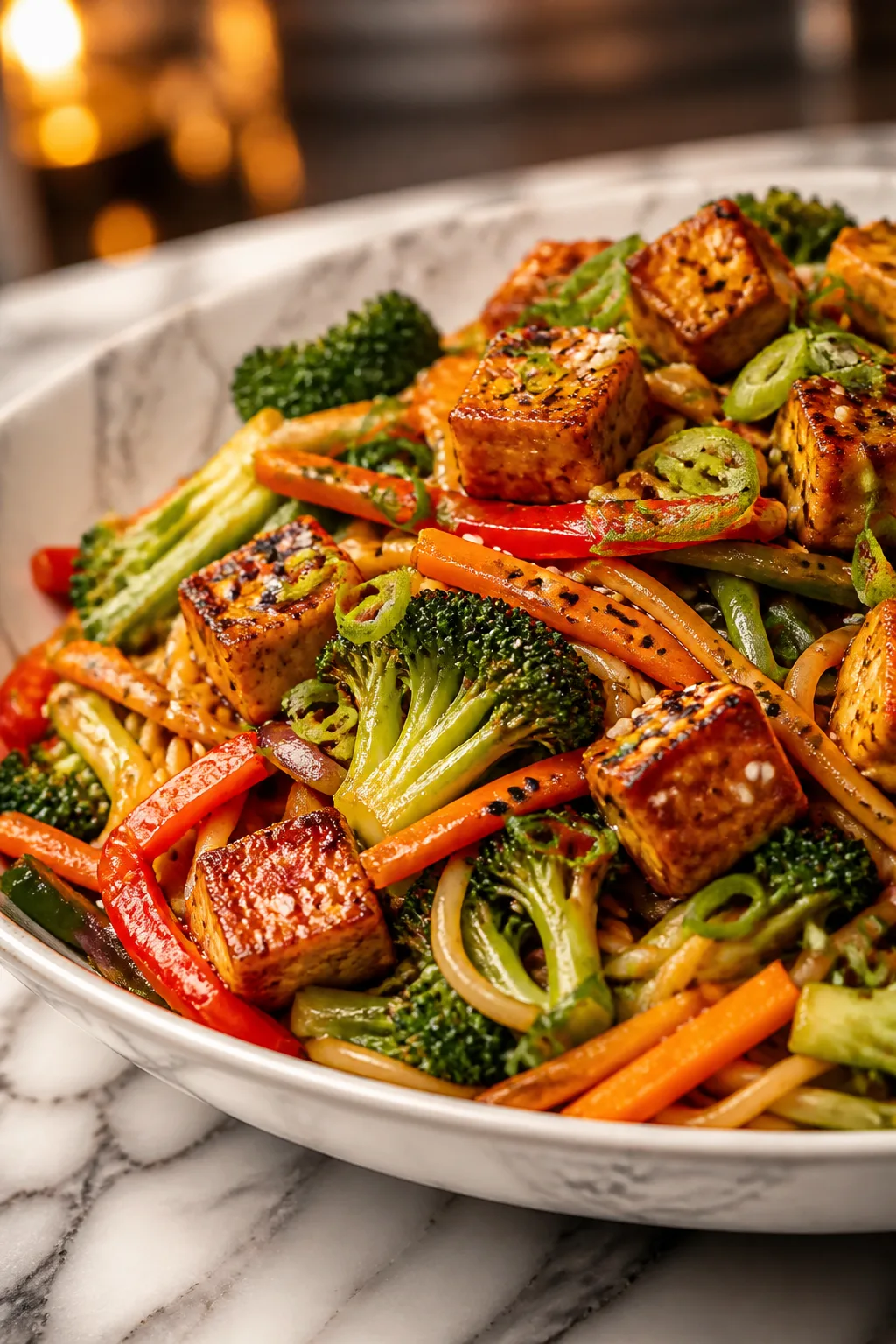
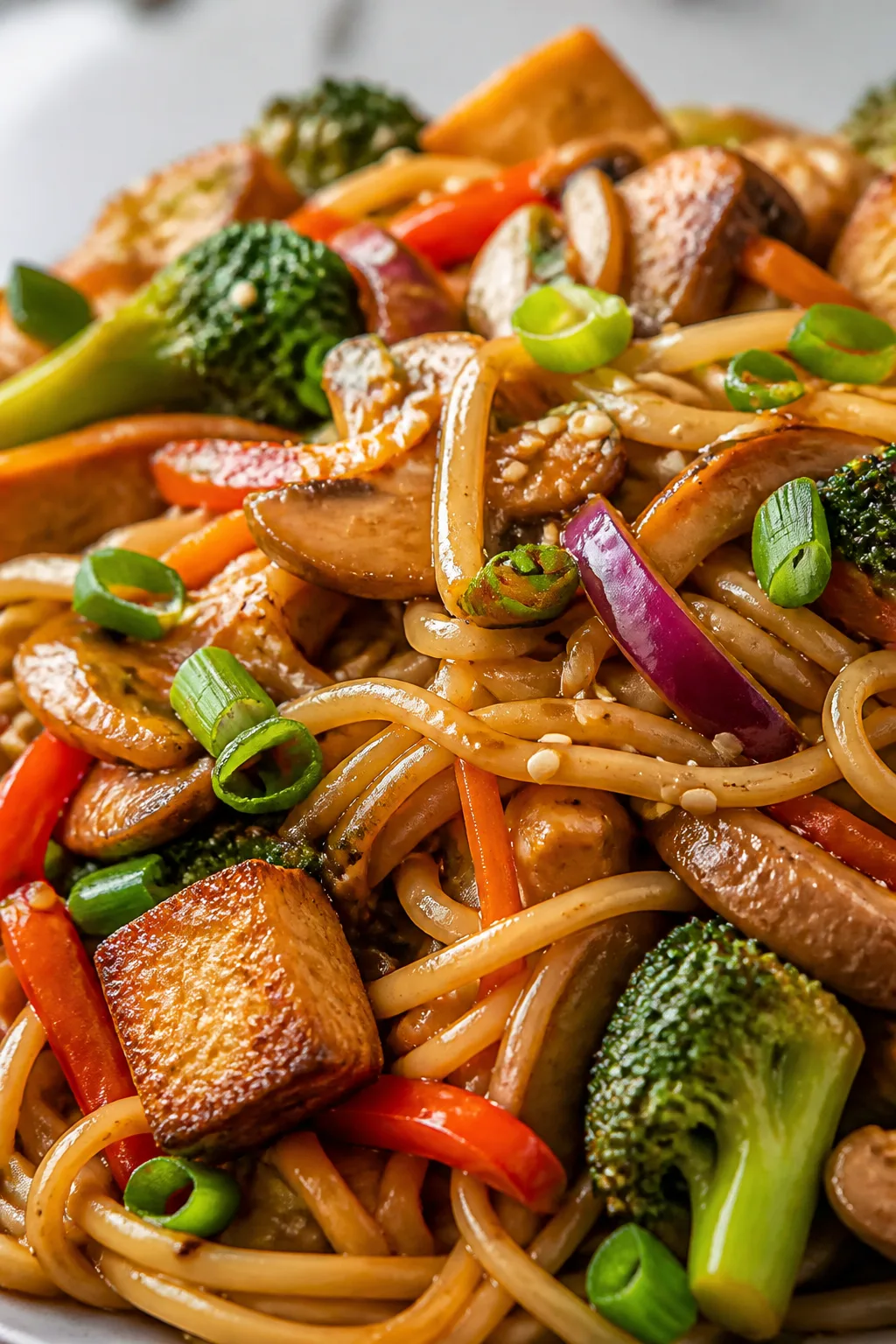
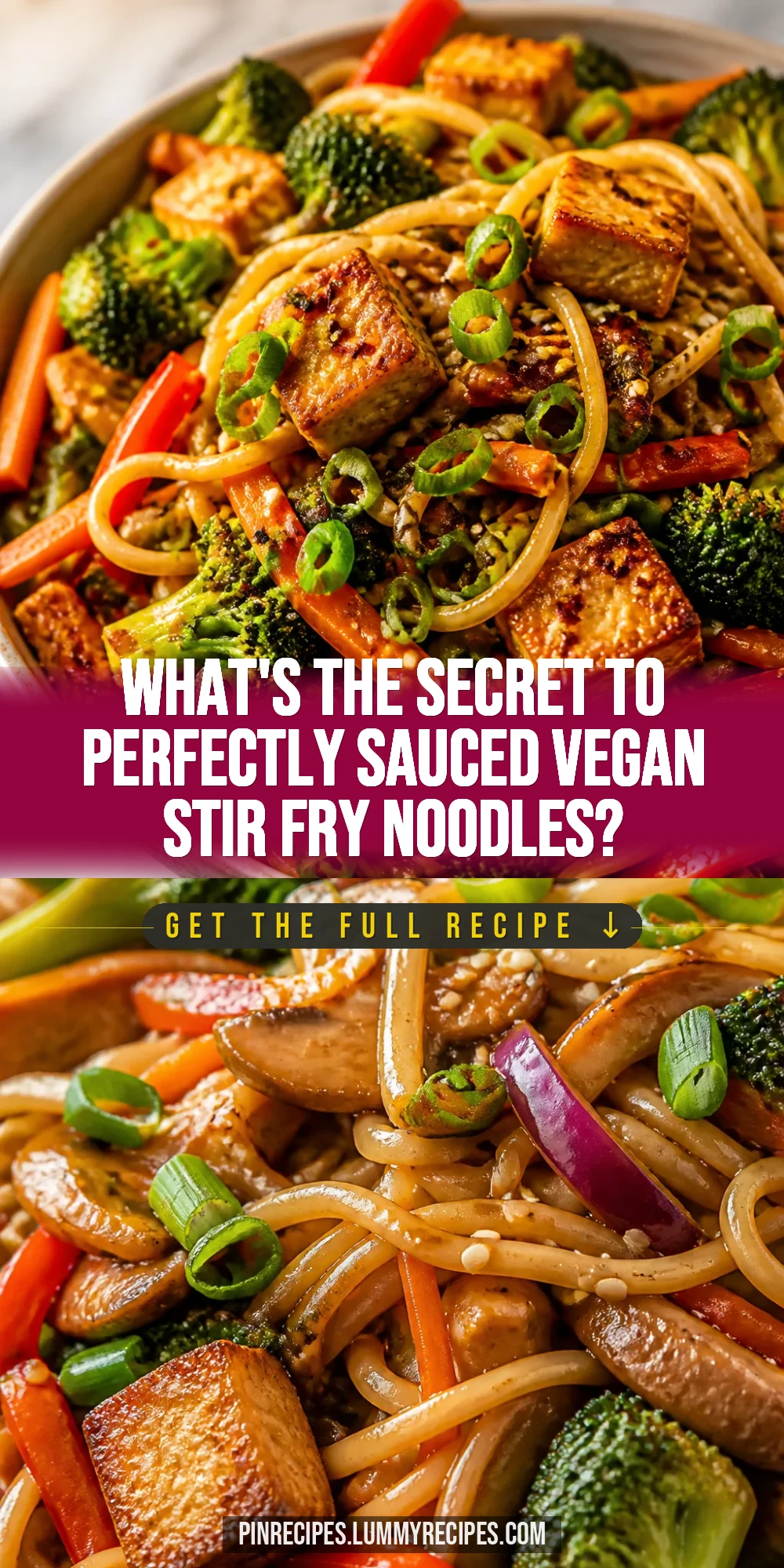
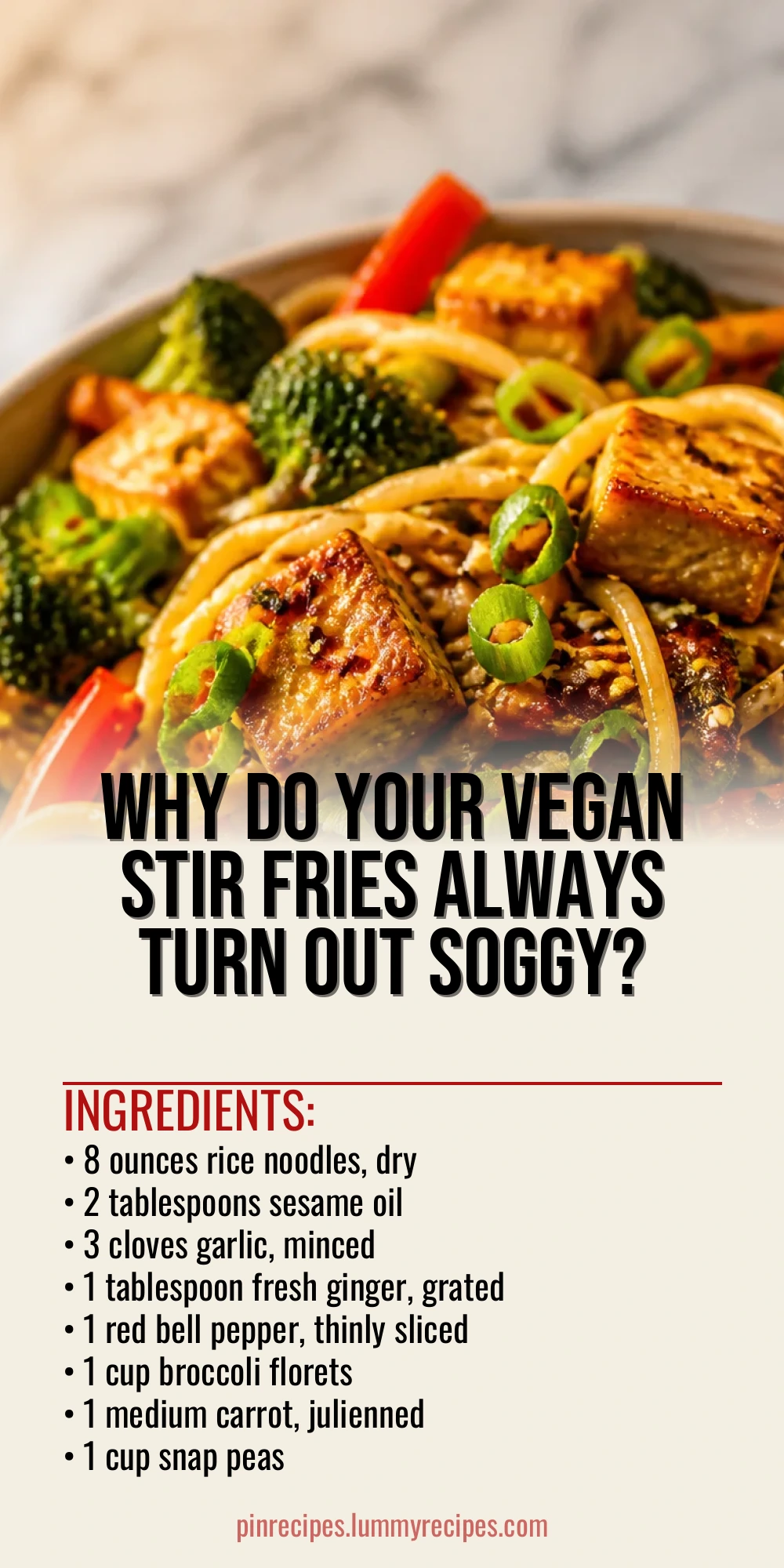
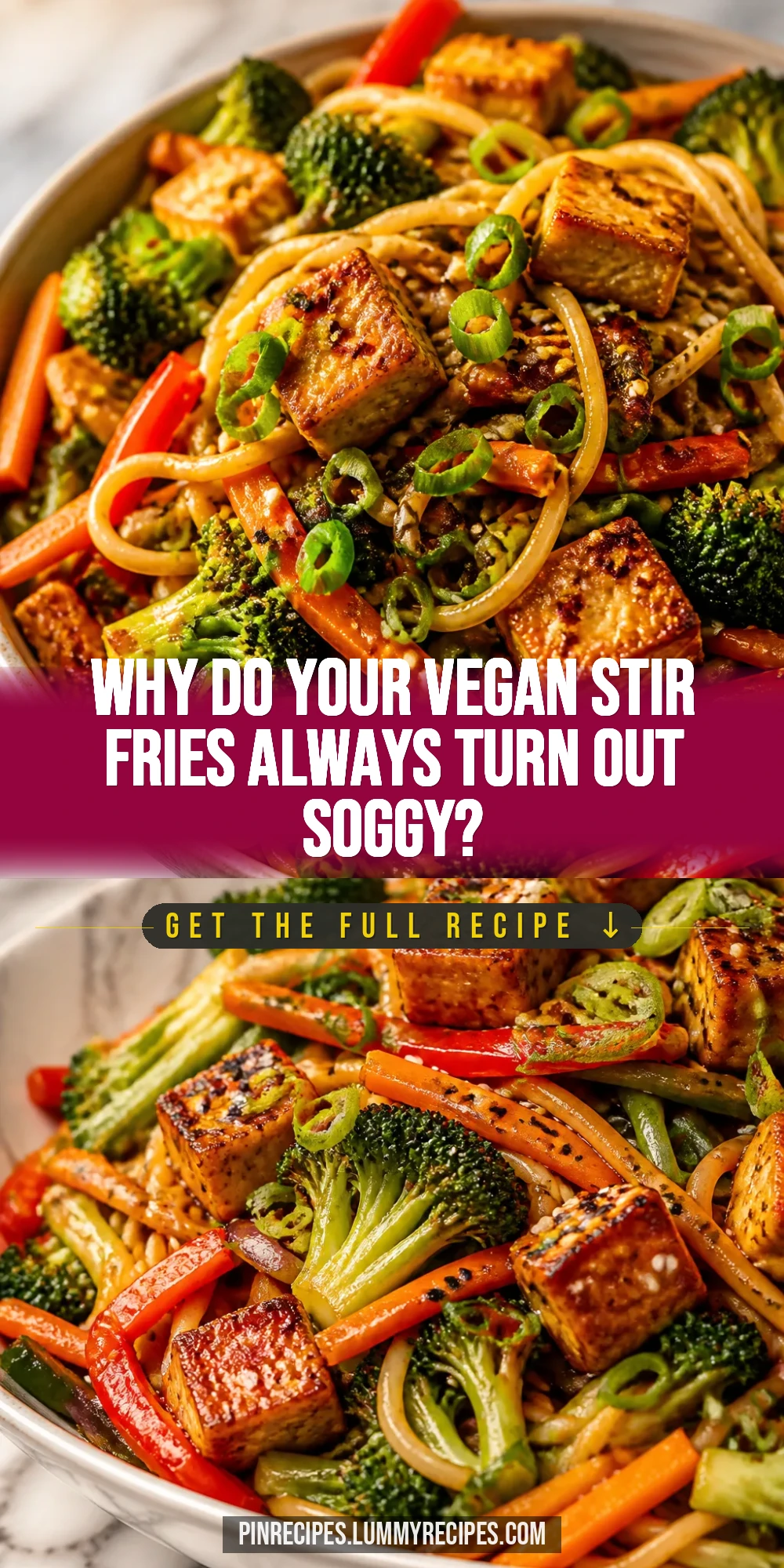
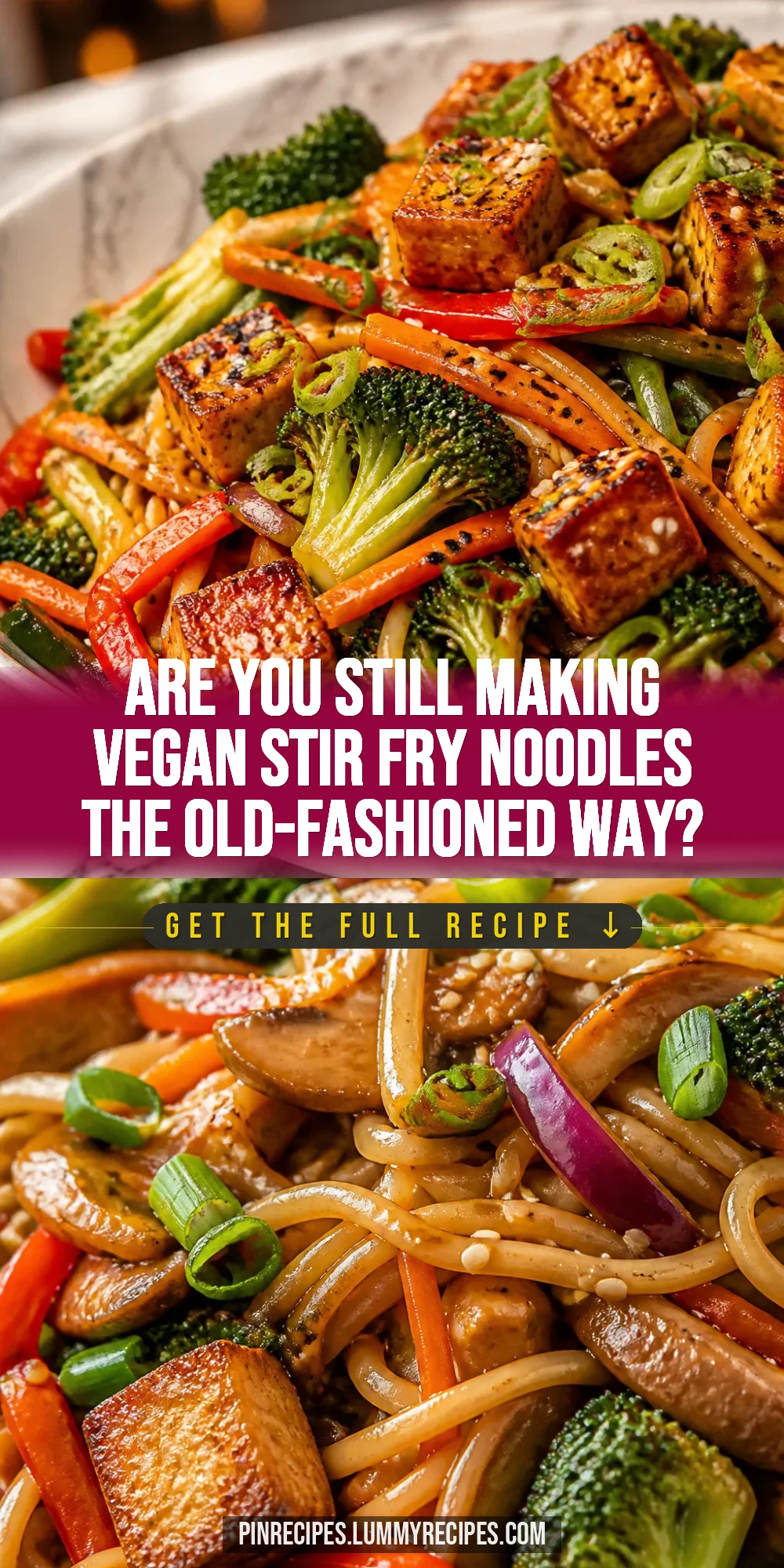
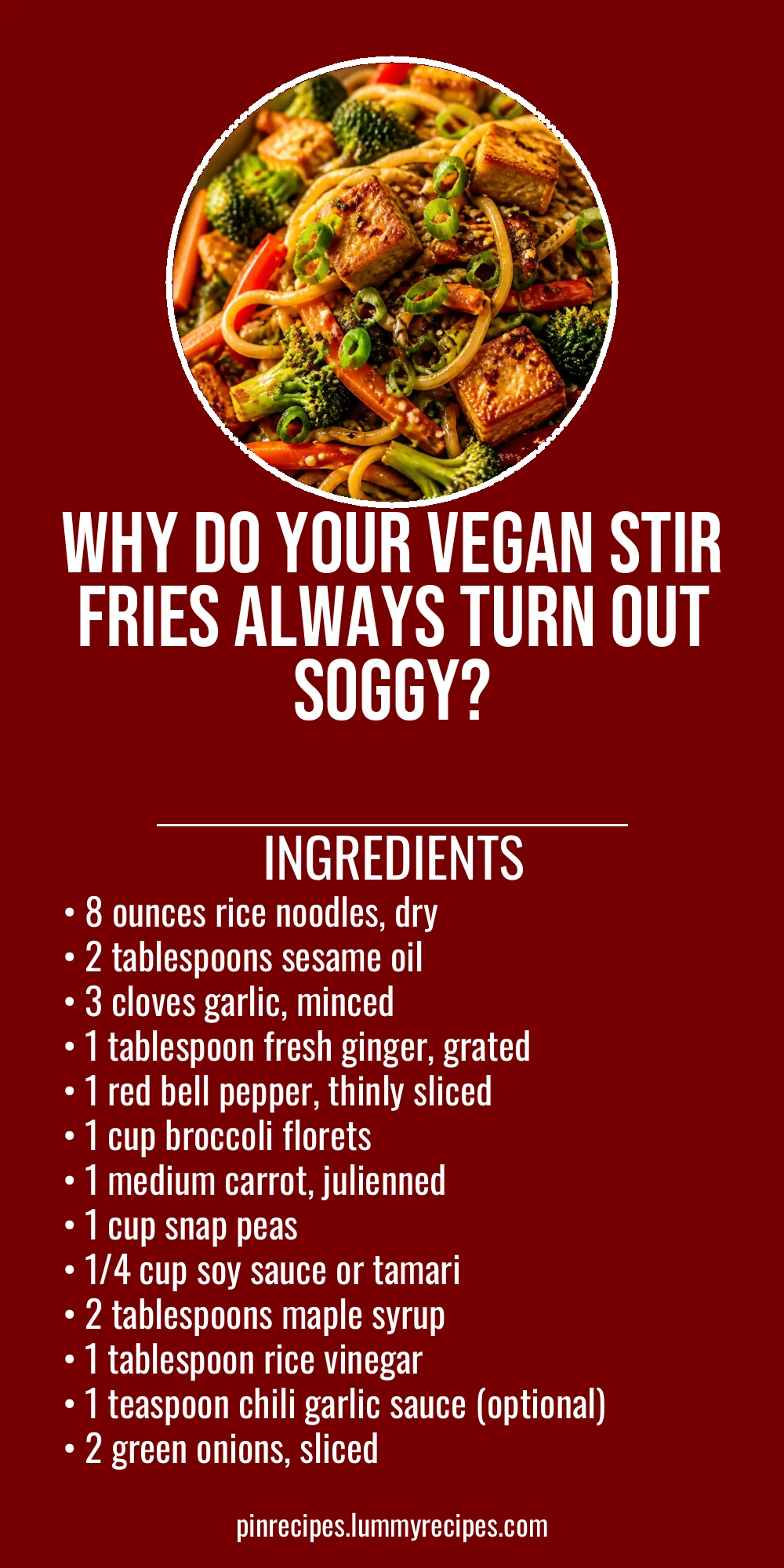
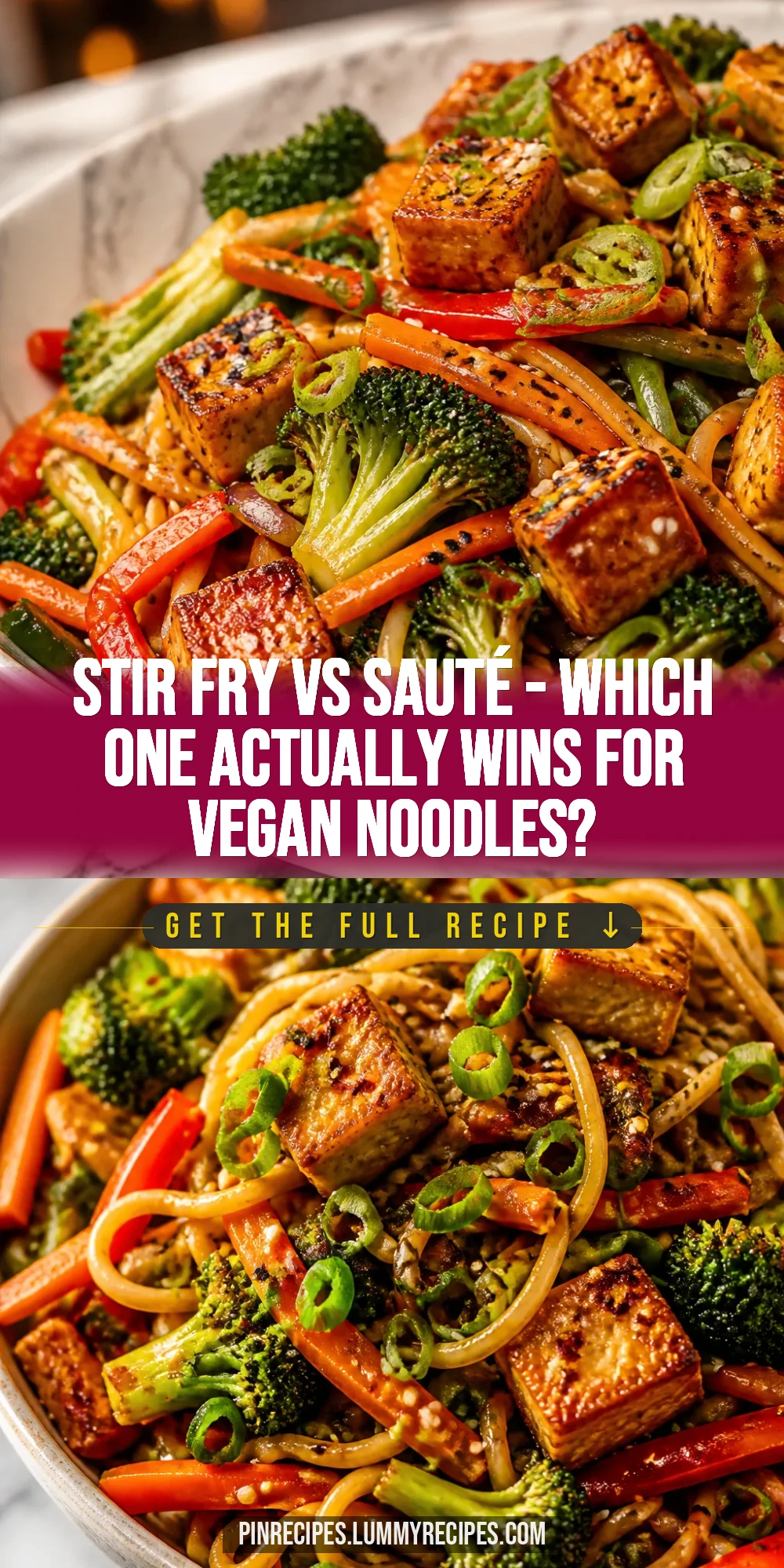
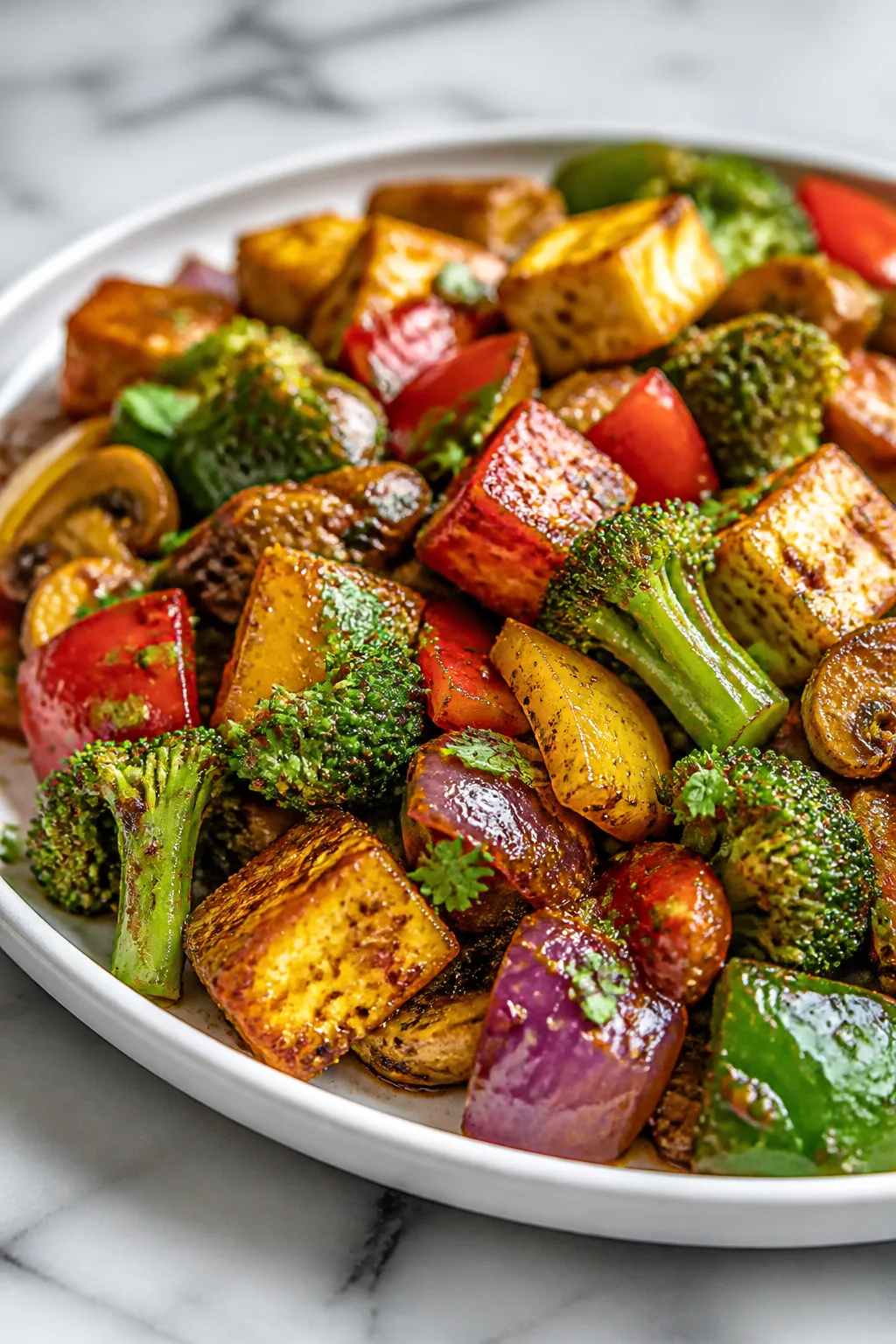
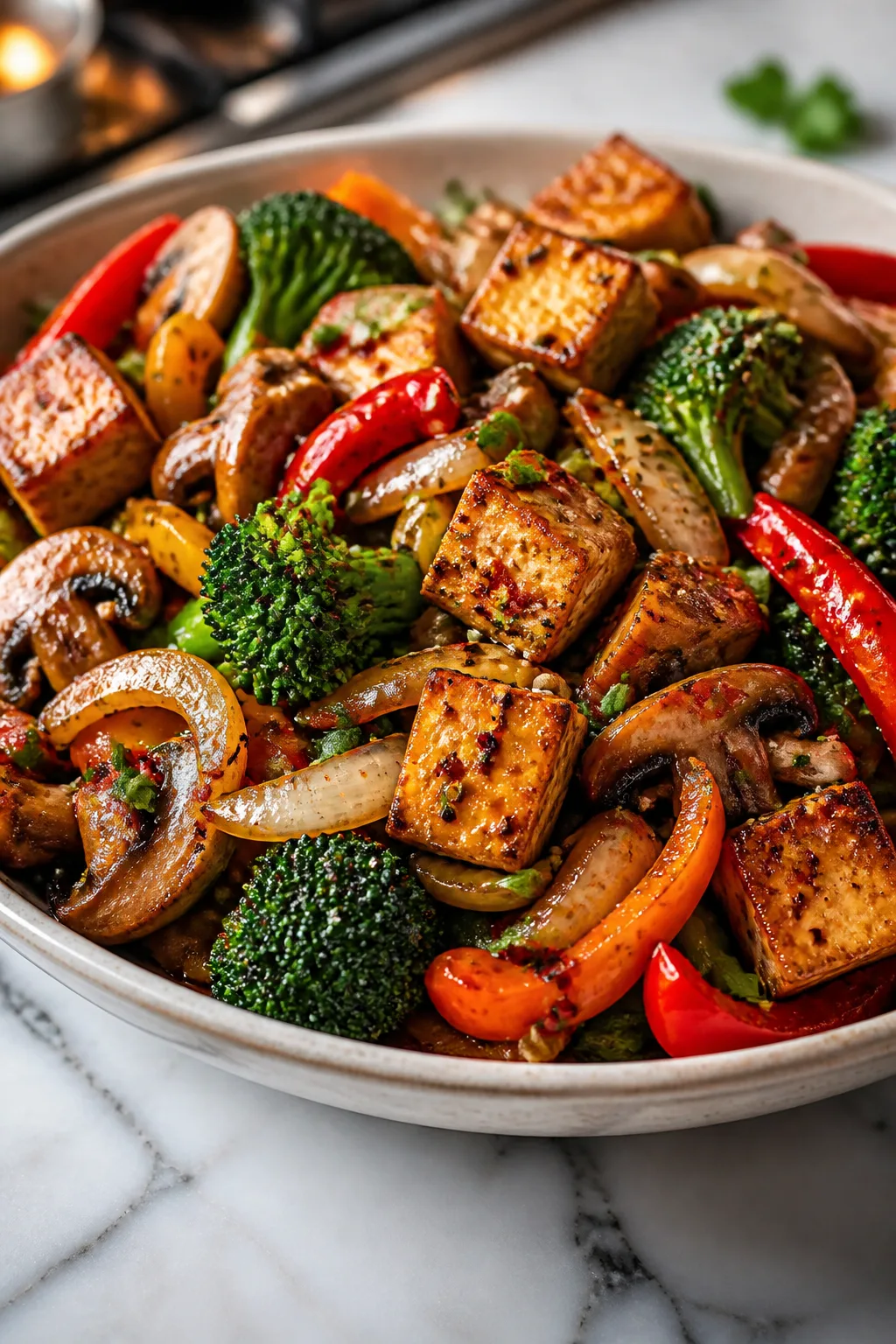
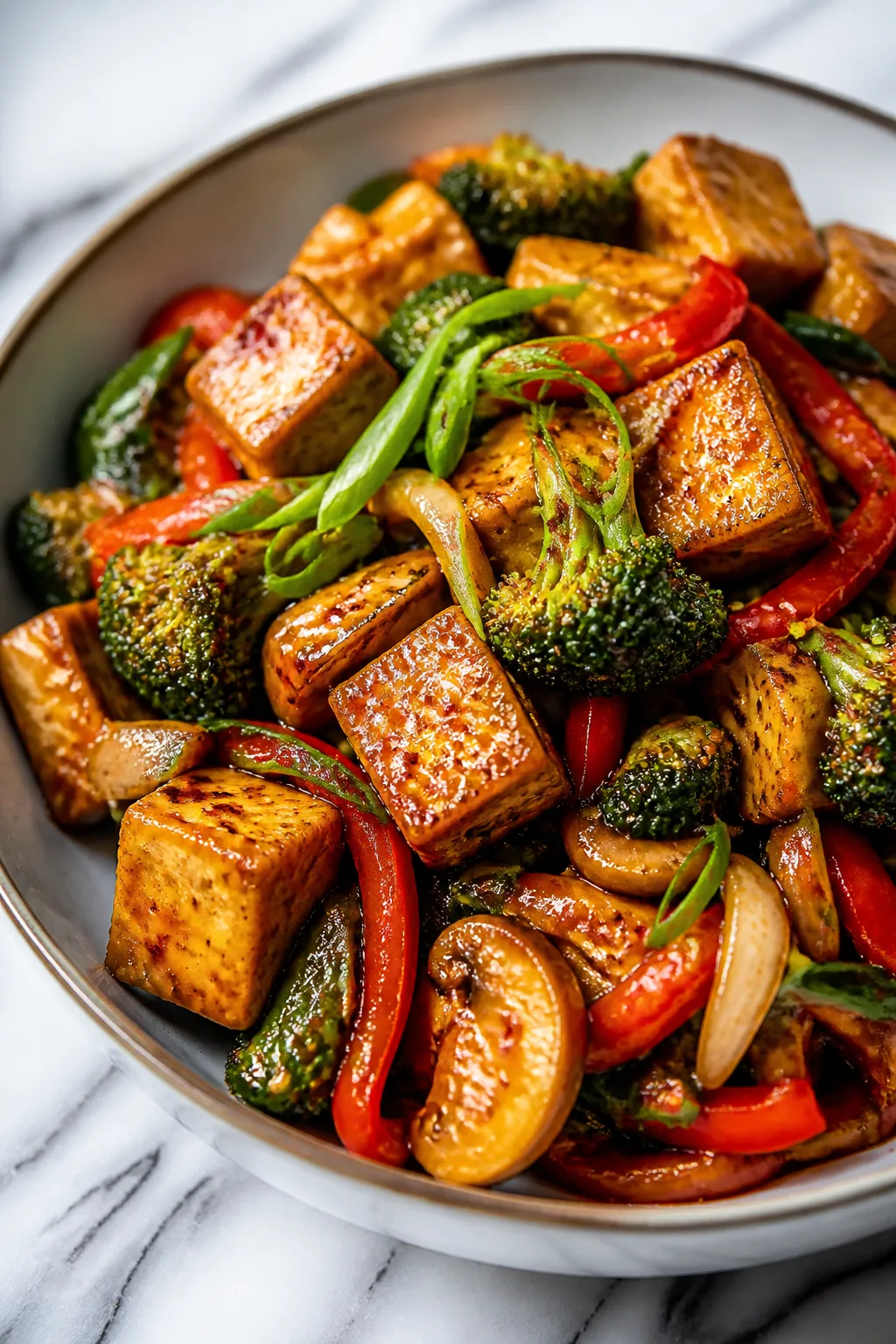
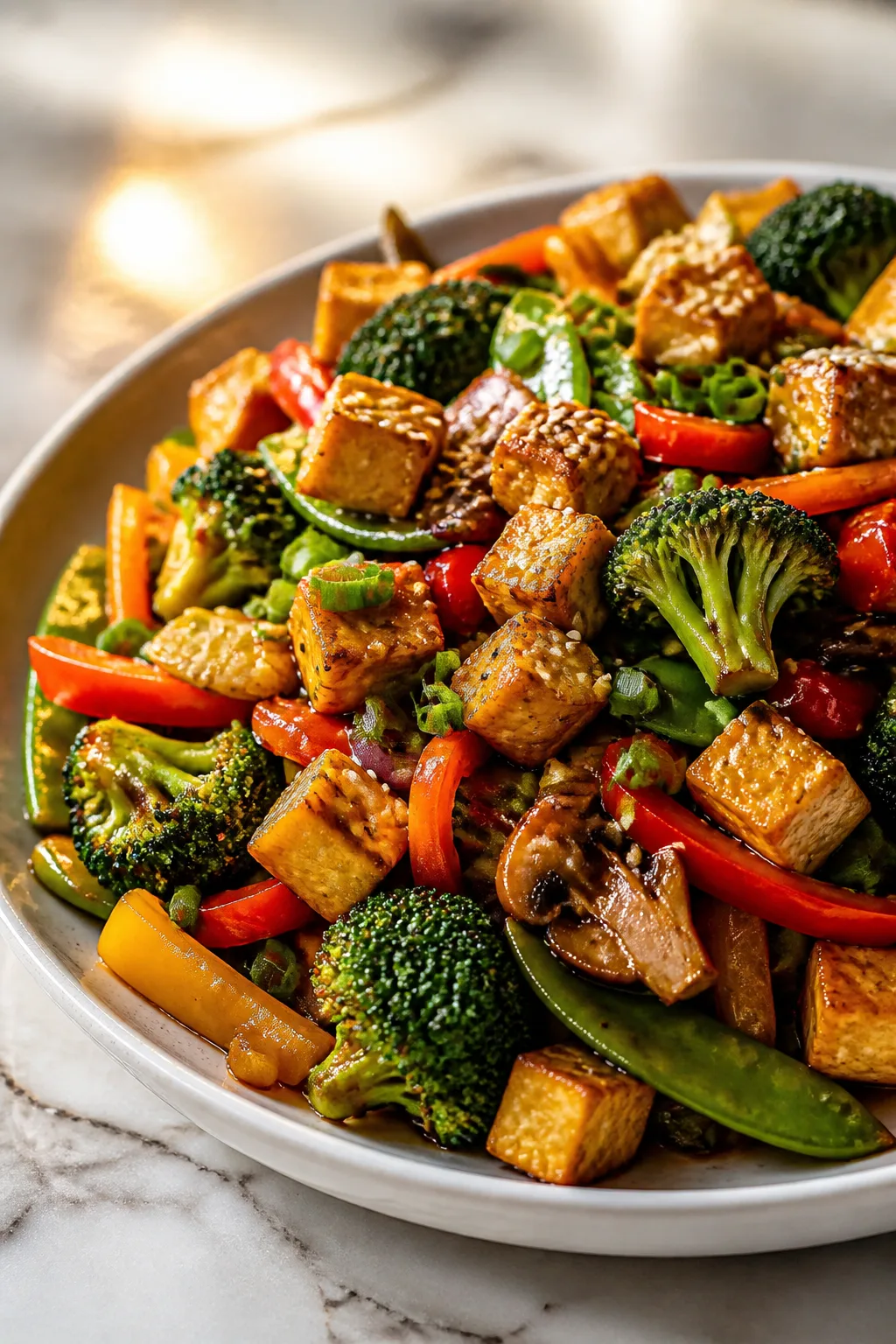
This vegan stir fry with noodles is my go-to for busy nights. It’s packed with fresh veggies and a savory sauce that’s all about flavor without fuss. Perfect when you want something quick and satisfying!
Introduction
I first stumbled upon this vegan stir fry recipe years ago when I wanted a quick, healthy meal that didn’t skimp on flavor. What makes this version stand out is the balance of a sweet-savory sauce with fresh, crunchy veggies and perfectly cooked noodles. I learned that soaking the noodles just right and stir frying the veggies on high heat keeps everything vibrant and tender-crisp. Over time, I tweaked the sauce to include a touch of maple syrup and rice vinegar for that perfect tang and depth. The finished dish is colorful, satisfying, and comes together in under 45 minutes—ideal for busy weeknights when you want something wholesome but fuss-free. Plus, it’s totally customizable with whatever veggies you have on hand, which makes it a family favorite in my house.
How To Do It
Step 1
Start by soaking the rice noodles in warm water for about 10 minutes until they’re pliable but still a bit firm. This step is crucial because it prevents the noodles from overcooking later when stir fried. If you skip this, the noodles can become mushy and fall apart. After soaking, drain and set aside. Keeping the noodles slightly undercooked at this stage ensures they finish perfectly in the pan, absorbing the sauce and retaining a nice bite.
⏱ Time: 10 minutes
✓ Doneness: Noodles are flexible but still slightly firm to the bite, not mushy
Step 2
Heat the sesame oil in a large wok or skillet over medium-high heat. Add the minced garlic and grated ginger, stirring quickly for about 30 seconds until fragrant. This infuses the oil with flavor without burning the aromatics, which can turn bitter. Then, add the sliced bell pepper, broccoli florets, carrot, and snap peas. Stir fry the veggies for 5-7 minutes, tossing often to ensure even cooking. The goal is to keep them crisp-tender, so don’t overcrowd the pan or cook too long.
⏱ Time: 7 minutes
✓ Doneness: Vegetables are bright in color, tender yet still crisp when bitten
Step 3
While the veggies cook, whisk together the soy sauce, maple syrup, rice vinegar, and chili garlic sauce in a small bowl. This sauce blend balances salty, sweet, and tangy flavors that complement the noodles and vegetables beautifully. Set aside until the veggies are ready.
⏱ Time: 3 minutes
✓ Doneness: Sauce is smooth and well combined
Step 4
Add the drained noodles to the wok with the vegetables. Pour the sauce over the top and toss everything together gently but thoroughly. Stir frying at this stage over medium-high heat helps the noodles soak up the sauce while keeping the vegetables crisp. It’s important not to stir too aggressively to avoid breaking the noodles.
⏱ Time: 3-4 minutes
✓ Doneness: Noodles are coated evenly, sauce slightly thickened, and everything is hot
Step 5
Once everything is combined and heated through, remove the stir fry from the heat. Sprinkle sliced green onions and toasted sesame seeds over the top for a fresh, nutty finish. These garnishes add a nice texture contrast and brighten the dish visually and flavor-wise.
⏱ Time: 2 minutes
✓ Doneness: Dish looks vibrant with garnishes evenly distributed
Step 6
Serve immediately while warm. This stir fry is best enjoyed fresh to keep the noodles from sticking and the vegetables crisp. Pair it with a simple side like steamed edamame or a light cucumber salad for a complete meal.
⏱ Time: Immediate
✓ Doneness: Dish served hot and fresh
Step 7
For meal prep, cool leftovers quickly and store in an airtight container in the fridge. Reheat gently in a skillet with a splash of water or broth to loosen the noodles and revive the veggies.
⏱ Time: 5 minutes reheating
✓ Doneness: Reheated stir fry is warm and sauce is slightly loosened
Step 8
If you want to add protein, toss in cubed tofu or tempeh during the veggie stir fry step. Cook until golden on all sides before adding the sauce and noodles. This adds a hearty element and extra texture to the dish.
⏱ Time: 8-10 minutes for tofu prep
✓ Doneness: Tofu is crispy and golden before combining with noodles
Step 9
Adjust seasoning at the end if needed. Sometimes a splash more soy sauce or a pinch of chili flakes can elevate the dish just right. Taste before serving to make sure the balance suits your preference.
⏱ Time: 1-2 minutes
✓ Doneness: Flavor is balanced, neither too salty nor bland
Pro Tips
Don’t overcrowd the pan when stir frying vegetables.
Overcrowding traps steam and causes veggies to steam instead of sear, resulting in limp, soggy textures. Cooking in batches or using a large wok ensures high heat contact and crisp-tender veggies.
Use a wooden or silicone spatula to gently toss noodles.
Noodles can break easily, so a gentle folding motion prevents them from tearing. This keeps the strands intact and improves presentation and mouthfeel.
Add sauce gradually and toss well.
Pouring all the sauce at once can pool in the pan and make the dish soggy. Adding it in increments allows the noodles and veggies to absorb flavor evenly without becoming mushy.
Toast sesame seeds before garnishing.
Toasting releases oils and intensifies their nutty flavor, adding a crunchy texture and aroma that complements the stir fry perfectly.
Prepare all ingredients before cooking.
Stir frying is a fast process. Having everything chopped and ready prevents overcooking and helps maintain the right texture and timing.
Use fresh ginger and garlic for best flavor.
Fresh aromatics provide a bright, pungent base that dried powders can’t match, making the stir fry more vibrant and appetizing.
Serve immediately after cooking.
Noodles tend to stick and veggies lose their crispness when sitting too long. Serving fresh ensures optimal texture and flavor.
Common Mistakes to Avoid
Overcooking the noodles
Why it happens Many cooks boil or soak noodles too long before stir frying, leading to mushy texture.
Fix Soak noodles just until pliable, then finish cooking in the stir fry. This keeps them firm and prevents falling apart.
Using too much sauce
Why it happens Pouring all sauce at once can make the dish watery or overly salty.
Fix Add sauce gradually while tossing, allowing noodles to absorb flavor without pooling liquid.
Stir frying on low heat
Why it happens Low heat causes veggies to steam rather than sear, making them soggy.
Fix Use medium-high heat and a hot pan for quick cooking and crisp texture.
Not prepping ingredients ahead
Why it happens Stir fry is fast, so scrambling to chop while cooking leads to uneven cooking.
Fix Have all veggies sliced and sauce mixed before starting to cook.
Skipping garnishes
Why it happens Some overlook green onions and sesame seeds, missing flavor and texture contrast.
Fix Always add fresh garnishes for brightness and crunch.
Variations
Tofu Protein Boost
Add cubed firm tofu to the stir fry for a protein-packed meal. Press tofu to remove excess moisture, then pan-fry until golden before adding veggies and sauce. This adds a crispy, savory element that complements the noodles.
Note: Cook tofu separately to achieve a crispy texture before combining with other ingredients.
Spicy Szechuan Style
Incorporate Szechuan peppercorns and extra chili garlic sauce for a spicy kick. This variation brings bold heat and numbing spice, perfect if you like your stir fry with a fiery edge.
Note: Adjust chili amount gradually to control heat level.
Peanut Sauce Twist
Swap the soy-maple sauce for a creamy peanut sauce made with peanut butter, soy sauce, lime juice, and a touch of maple syrup. It adds richness and a nutty flavor that pairs beautifully with the noodles and veggies.
Note: Thin the peanut sauce with warm water to desired consistency before tossing.
Gluten-Free Tamari Version
Use gluten-free tamari instead of soy sauce to make this dish safe for gluten-sensitive eaters. The flavor remains rich and satisfying without compromising taste.
Note: Ensure all other ingredients are also gluten-free, like rice noodles and chili sauce.
Loaded Vegetable Mix
Add mushrooms, baby corn, and zucchini along with the standard veggies for a heartier, more colorful stir fry. This boosts fiber and nutrients while keeping the dish vibrant and fresh.
Note: Adjust cooking times slightly to accommodate denser vegetables.
Nutrition
Per Serving:
Nutritional values are estimates and may vary based on specific ingredients used.
Storage & Tips
Room Temperature
This vegan stir fry can safely sit at room temperature for up to 2 hours if covered. Beyond that, bacteria growth increases, so refrigerate promptly to keep it fresh.
Refrigerator
Store leftovers in an airtight container in the fridge for up to 3 days. The noodles may absorb more sauce and become softer, so reheat gently to restore texture.
Freezer
Freeze stir fry in a sealed container for up to 1 month. To prevent freezer burn, wrap tightly with plastic wrap before placing in a freezer bag. Thaw overnight in the fridge before reheating.
Reheating
Reheat on the stovetop over medium heat with a splash of water or broth to loosen noodles and prevent drying. Avoid microwave reheating for best texture, but if used, stir halfway through heating.
Make Ahead
You can prep all veggies and sauce 1 day ahead and store separately. Soak noodles just before cooking on the day you plan to serve for best texture and freshness.
FAQ
Can I use other types of noodles for this stir fry?
Absolutely! While rice noodles are traditional, you can substitute with soba, udon, or even spaghetti in a pinch. Just adjust soaking and cooking times accordingly to avoid overcooking.
How do I keep the vegetables from getting soggy?
Cook veggies on high heat in small batches to ensure they sear rather than steam. Avoid overcrowding the pan and stir frequently but gently to maintain crispness.
Is this recipe gluten-free?
It can be, if you use gluten-free tamari instead of regular soy sauce and confirm your noodles are gluten-free. Always check labels to be sure all ingredients meet your dietary needs.
Can I make this recipe oil-free?
You can reduce or omit oil, but it may affect flavor and texture. Using a non-stick pan and adding a splash of water or broth to prevent sticking can help. The sesame oil adds important aroma and taste.
How spicy is this recipe?
The base recipe is mild, but you can easily add chili garlic sauce or fresh chilies to increase heat. Adjust to your taste preference.
What’s the best way to store leftovers?
Cool leftovers quickly and store in an airtight container in the fridge. Reheat gently on the stovetop with a little water to refresh the noodles and veggies.
Can I add protein to this dish?
Yes! Tofu, tempeh, or cooked chickpeas are great vegan options. Cook tofu separately until crispy before adding to the stir fry for best texture.
How do I prevent noodles from sticking together?
Rinse noodles with cold water after soaking to remove excess starch, and toss with a small amount of oil before stir frying. Stir gently while cooking to keep them separate.
Can I prepare this recipe ahead of time?
You can chop veggies and mix the sauce a day ahead, but soak and cook noodles fresh for best texture. Combine and stir fry everything just before serving.
What vegetables work best in this stir fry?
Crunchy veggies like bell peppers, broccoli, snap peas, and carrots are ideal. You can also add mushrooms, baby corn, or zucchini based on preference.
Final Thoughts
Give this easy vegan stir fry recipe a try for your next weeknight dinner. I’d love to hear how it turns out—don’t forget to share your tweaks and favorites!