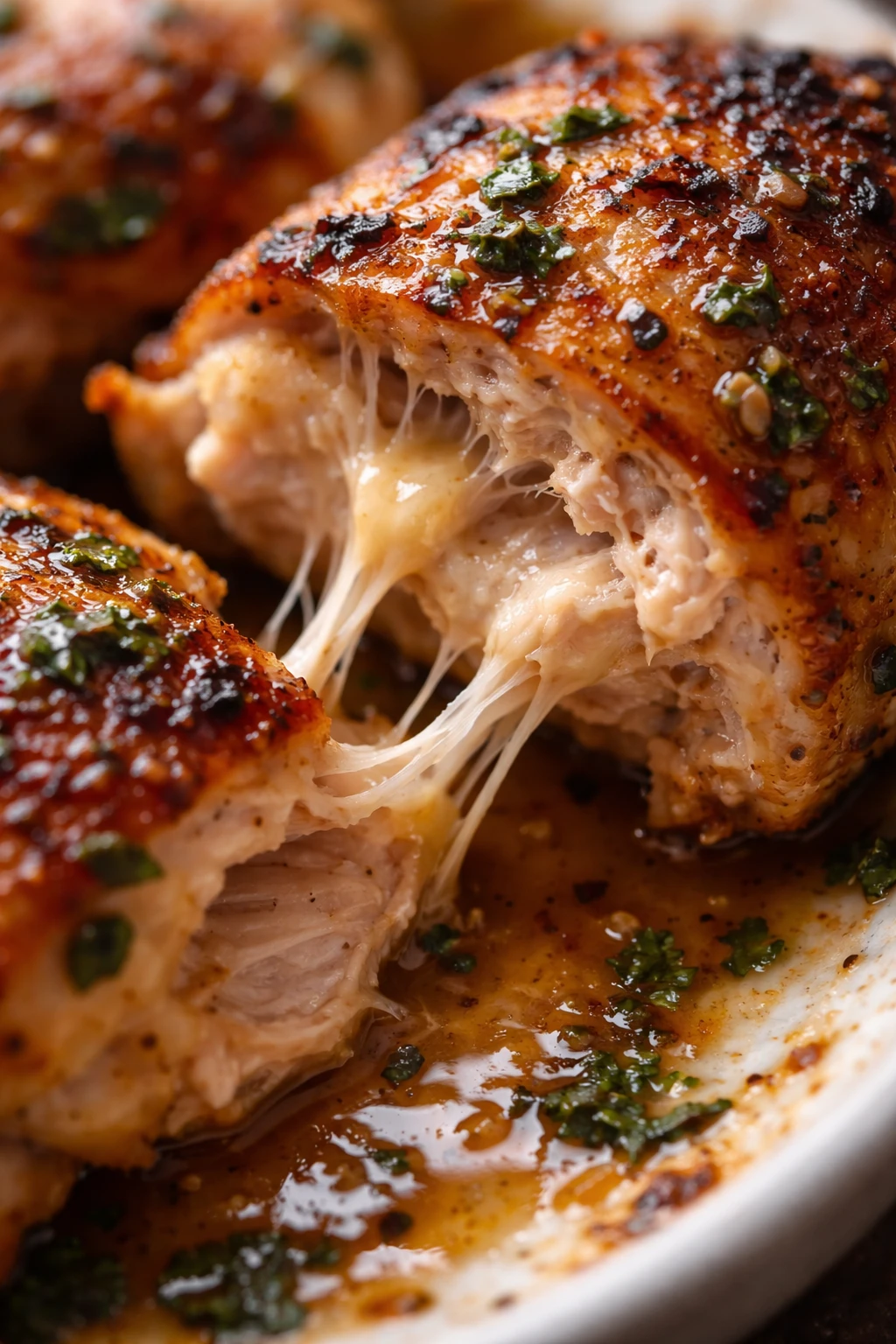
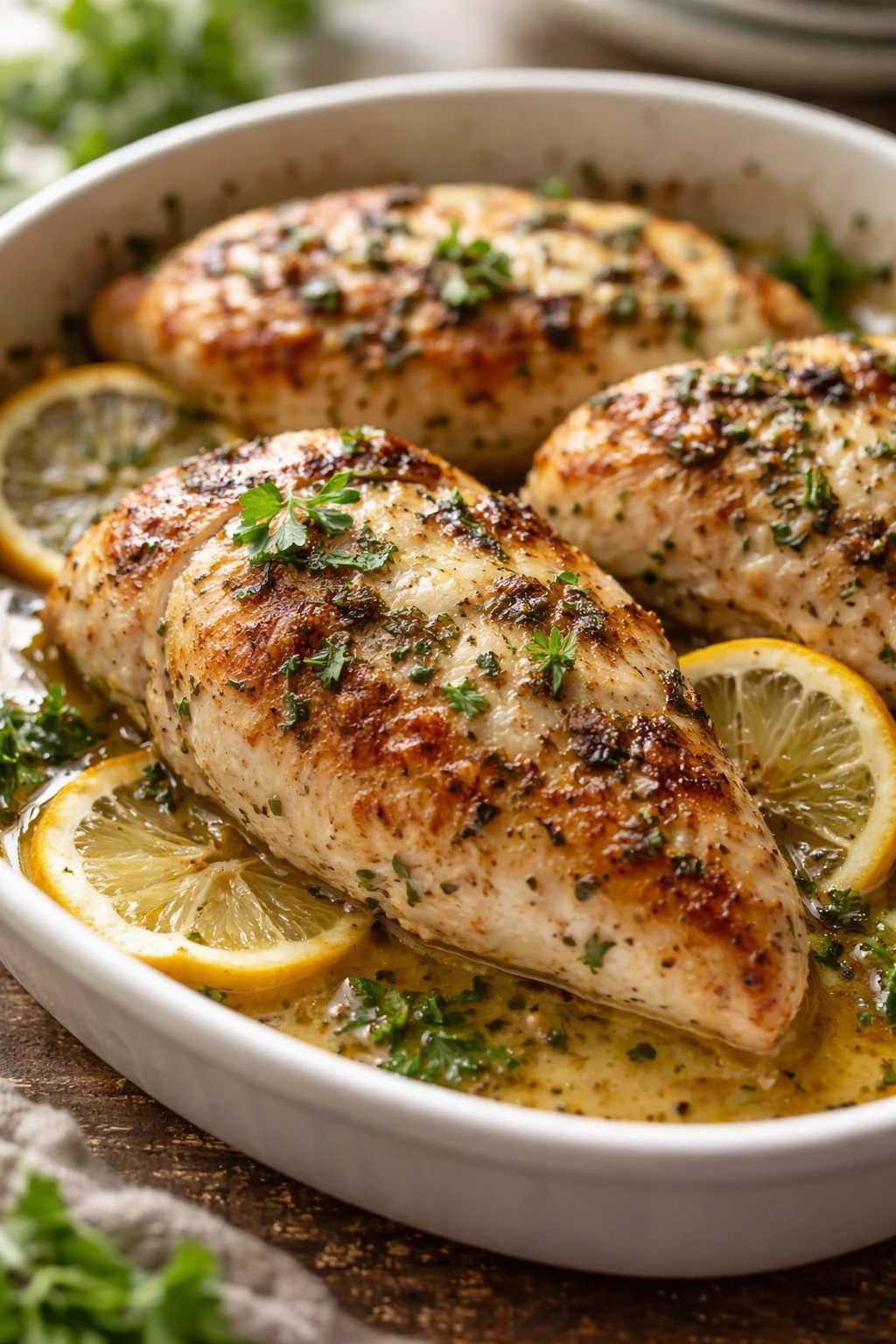
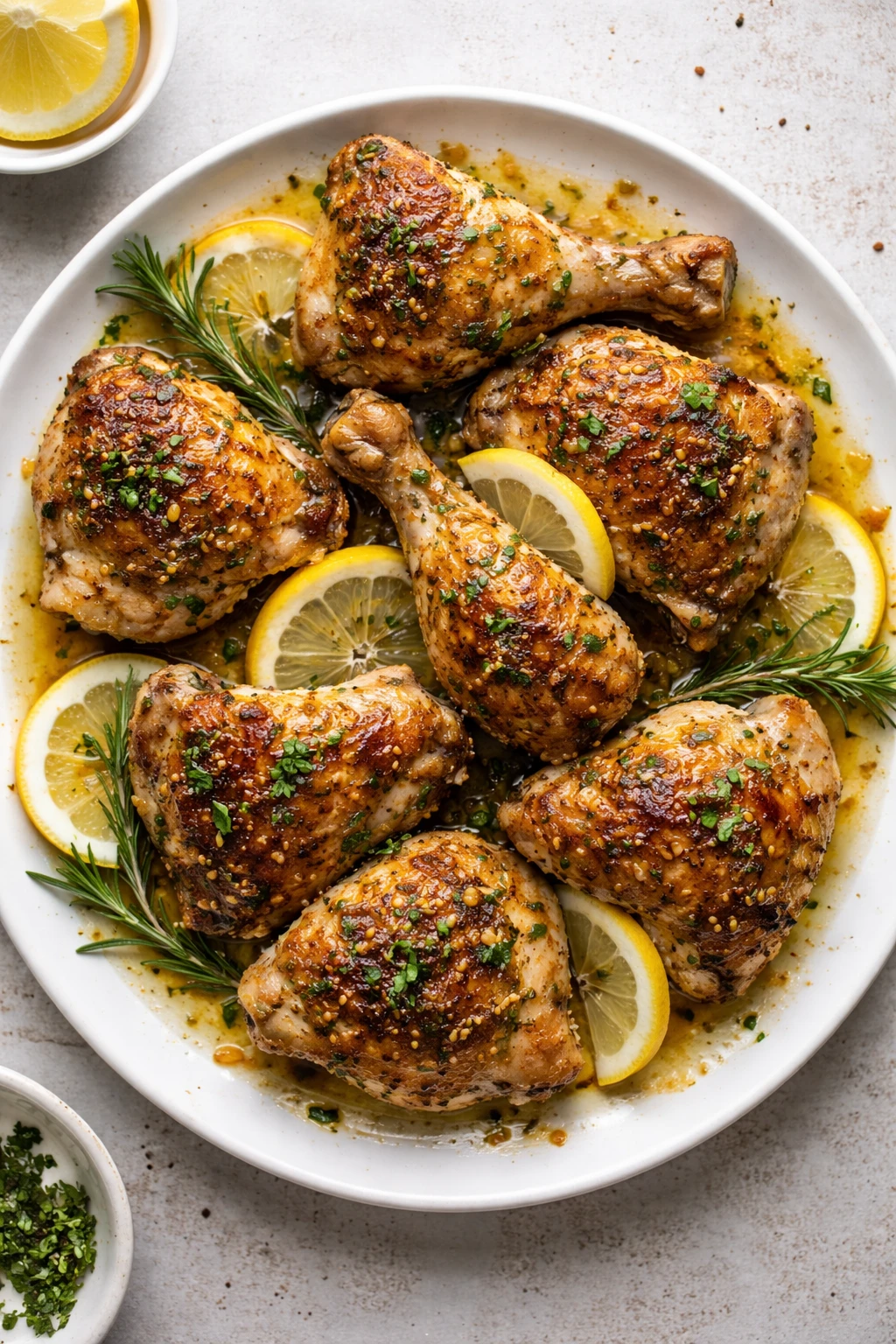
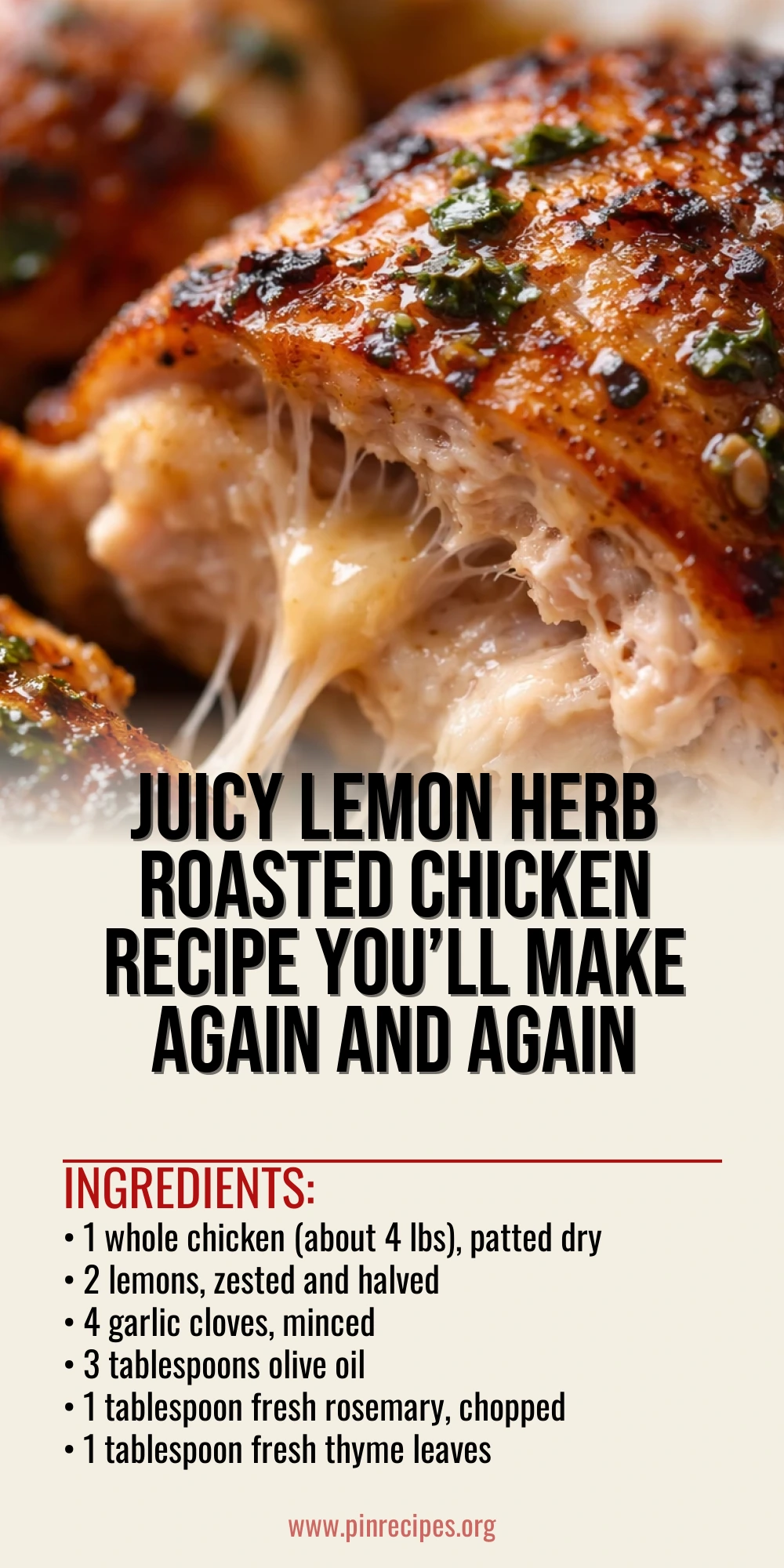
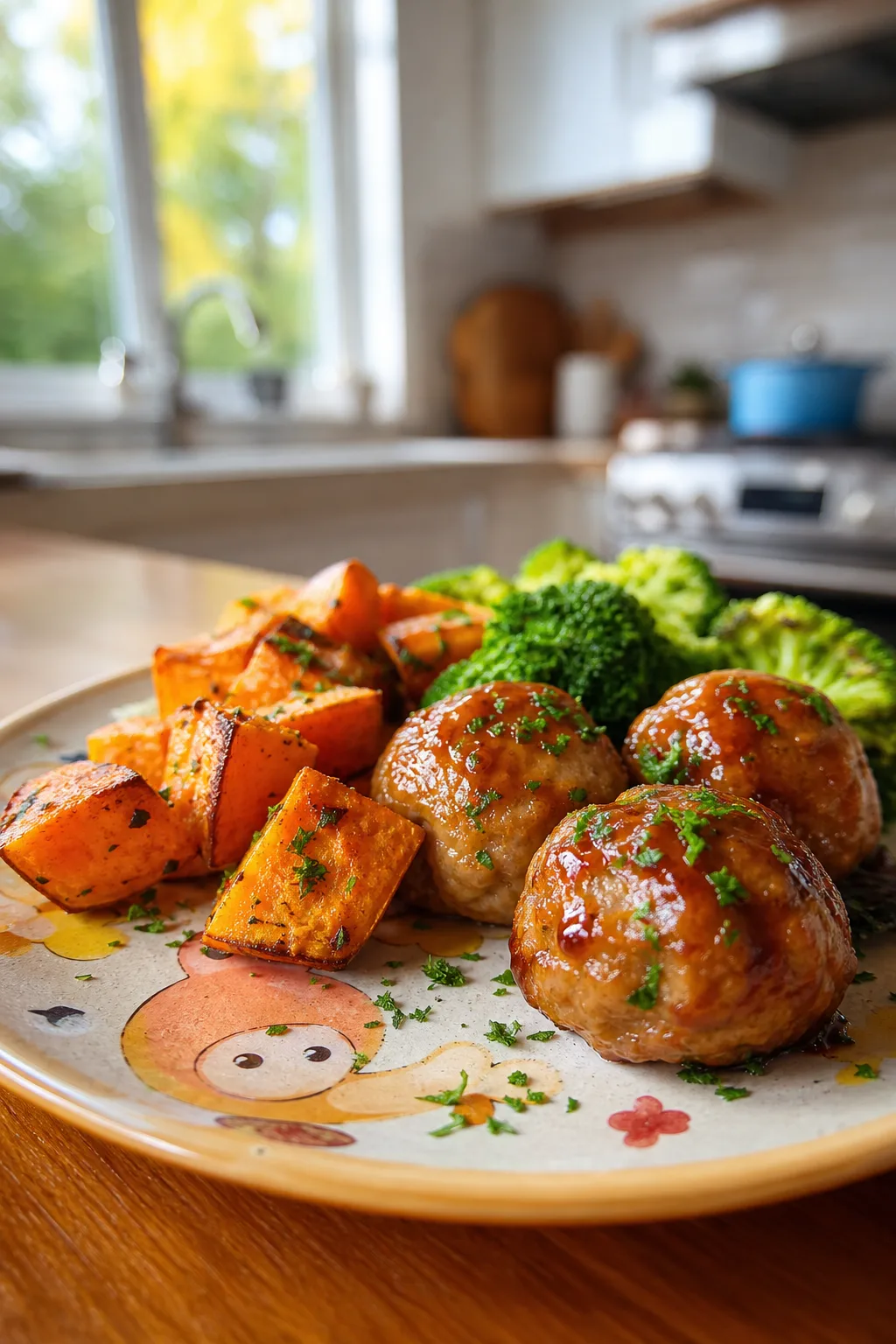
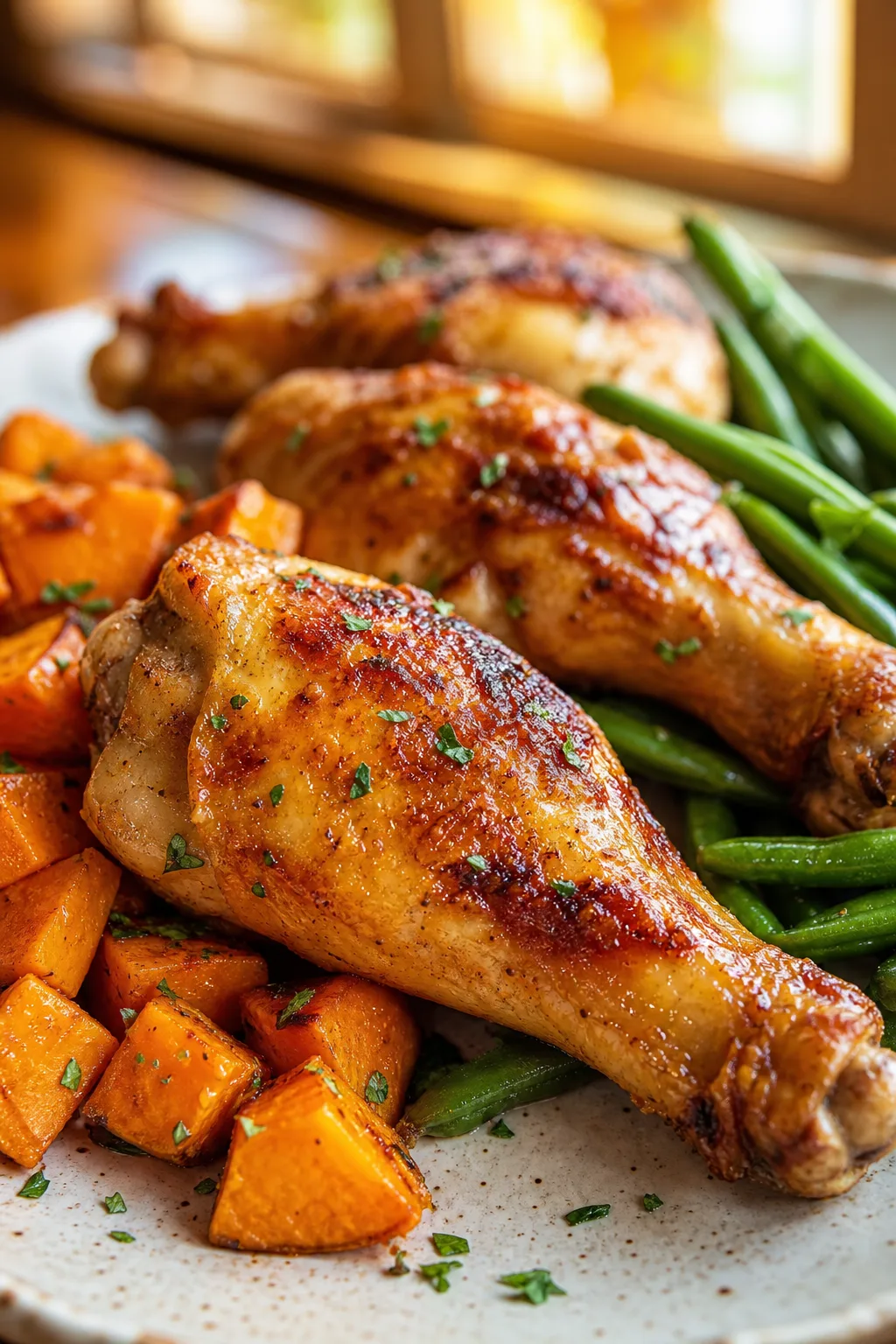
This lemon herb roasted chicken is a simple weeknight winner — juicy, tender, and bursting with fresh citrus and herbs. The trick? Rubbing the skin with fresh lemon zest and garlic before roasting. Great served with roasted veggies or a crisp salad!
Introduction
I first made this lemon herb roasted chicken on a whim one weekend when I had a whole chicken and a few fresh lemons sitting on my counter. I’d tried roasting chicken many times before, but it often ended up dry or bland. What changed with this recipe was the simple step of rubbing the chicken skin with lemon zest and fresh herbs before roasting — it infuses the meat with bright, fresh flavor and helps keep it juicy. I also learned to roast it breast side down for the first part of cooking, which keeps the white meat tender and moist. The result is a beautifully golden, fragrant roast chicken with crispy skin and a citrusy, herbaceous aroma that fills the kitchen. It’s hands-off enough for a weeknight but special enough for guests. Plus, the pan drippings make a perfect base for a quick sauce or gravy. I love serving it with roasted potatoes or a simple green salad for an easy, satisfying meal that everyone enjoys. Honestly, this chicken has become a staple in my kitchen — it’s one of those recipes you’ll want to keep coming back to because it’s just so reliably delicious and simple to pull off.
How To Do It
Step 1
Preheat your oven to 425°F (220°C). While it heats, pat the whole chicken dry with paper towels—this step is crucial because dry skin crisps up much better in the oven. Then, zest two lemons directly over a small bowl to catch all that fragrant zest. Mix the zest with minced garlic, chopped rosemary, thyme, olive oil, salt, and pepper to create a flavorful herb rub. This mixture will season the chicken deeply and help develop a beautiful golden crust.
⏱ Time: 10 minutes
✓ Doneness: The rub is fragrant and evenly coats the chicken skin with a slightly oily sheen.
Step 2
Rub the herb and lemon mixture all over the chicken, making sure to get under the skin on the breasts if possible—this keeps the meat juicy and flavorful inside. Stuff the cavity with the lemon halves to infuse the chicken from the inside out. Place the chicken breast side down on a rack in a roasting pan. Roasting breast side down first helps the white meat stay moist and juicy during cooking.
⏱ Time: 5 minutes
✓ Doneness: Chicken is evenly coated and cavity is filled with lemon halves.
Step 3
Put the chicken in the preheated oven and roast breast side down for 30 minutes. This initial high heat sears the skin and locks in moisture. Avoid opening the oven frequently to keep the temperature steady. After 30 minutes, carefully flip the chicken breast side up using tongs and oven mitts. This flip allows the skin on the breasts to crisp up perfectly without drying out the meat.
⏱ Time: 30 minutes
✓ Doneness: Skin looks golden and crispy on the breast side after flipping.
Step 4
Continue roasting the chicken breast side up for another 15 minutes or until the internal temperature reaches 165°F (74°C) when checked with a meat thermometer inserted into the thickest part of the thigh. This ensures the chicken is fully cooked but still juicy. If you don’t have a thermometer, pierce the thigh and check that the juices run clear without any pink.
⏱ Time: 15 minutes
✓ Doneness: Juices run clear and skin is golden brown and crisp.
Step 5
Remove the chicken from the oven and transfer it to a cutting board. Tent it loosely with foil and let it rest for 10-15 minutes. Resting allows the juices to redistribute throughout the meat, making every bite tender and moist rather than dry. This step is often skipped, but it’s key for a juicy roast chicken.
⏱ Time: 10-15 minutes
✓ Doneness: Chicken rests and juices settle, skin remains crispy.
Step 6
While the chicken rests, you can make a quick pan sauce with the drippings. Place the roasting pan on the stove over medium heat, add chicken broth, and scrape up the browned bits with a wooden spoon. Let it simmer for a few minutes to reduce slightly, then strain if desired. This sauce is packed with flavor and a perfect accompaniment to the chicken.
⏱ Time: 5 minutes
✓ Doneness: Sauce is slightly thickened and aromatic.
Step 7
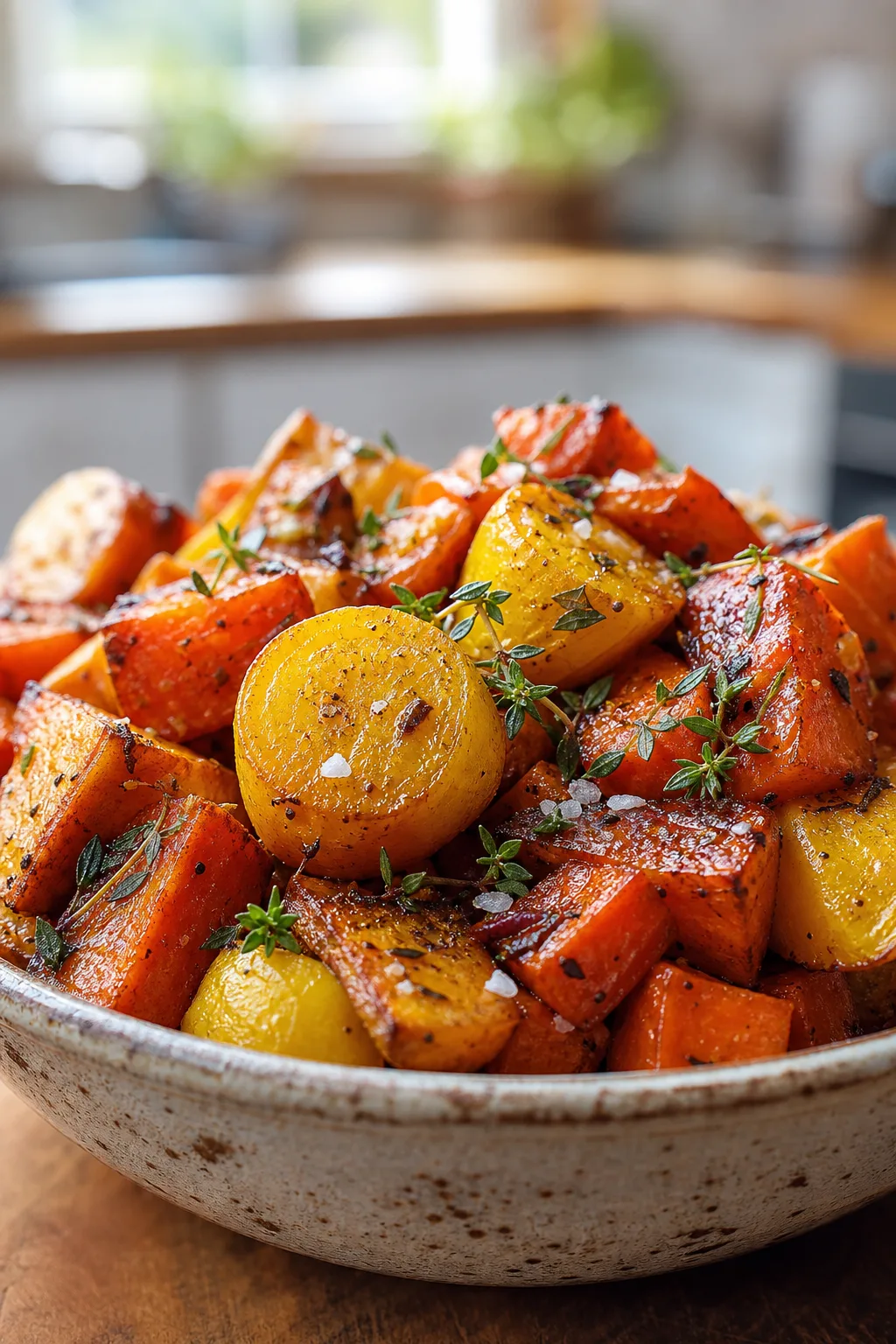
Carve the chicken by slicing between the joints: start with the legs and thighs, then the breasts. Serve with your favorite sides like roasted vegetables, mashed potatoes, or a simple green salad. The fresh lemon and herbs give the chicken a bright, aromatic flavor that pairs beautifully with almost anything.
⏱ Time: 5 minutes
✓ Doneness: Chicken is neatly carved with juicy, tender slices.
Step 8
If you want extra crispy skin, you can broil the chicken for 2-3 minutes after resting, watching carefully to avoid burning. This final step is optional but adds a lovely crunch to the skin.
⏱ Time: 2-3 minutes
✓ Doneness: Skin is extra crispy and golden without burning.
Step 9
Enjoy your lemon herb roasted chicken fresh and warm. Leftovers can be shredded into salads, sandwiches, or soups for delicious next-day meals. The bright lemon flavor holds up well even after reheating.
⏱ Time: N/A
✓ Doneness: Chicken remains flavorful and moist when reheated.
Pro Tips
Always pat your chicken dry before seasoning.
Moisture on the skin causes steaming during roasting, which prevents the skin from crisping up properly. Dry skin allows Maillard browning reactions to occur, resulting in that coveted golden, crispy texture. Skipping this step often leads to soggy skin.
Use a meat thermometer to check doneness.
Visual cues can be misleading, and overcooking chicken dries it out. A thermometer inserted into the thickest part of the thigh ensures the chicken reaches a safe 165°F without going beyond, keeping the meat juicy and tender.
Flip the chicken halfway through roasting.
Starting breast side down allows the dark meat to baste the breasts, which are prone to drying out. Flipping later crisps the breast skin. Skipping this can result in dry white meat or unevenly cooked chicken.
Let the chicken rest before carving.
Resting lets the juices redistribute through the meat fibers. Carving immediately causes juices to spill out, drying the chicken. This simple step ensures every bite is moist and flavorful.
Stuff the chicken cavity with lemon halves.
The lemon releases steam and citrus aroma inside the bird while roasting, infusing subtle flavor throughout the meat. It also helps keep the cavity moist, enhancing overall juiciness.
Use fresh herbs instead of dried whenever possible.
Fresh herbs contain volatile oils that provide bright, vibrant flavors that dried herbs can’t match. They also contribute to a fresher aroma and better texture in the herb rub.
Make a pan sauce with the drippings.
The browned bits in the pan are packed with flavor from the Maillard reaction. Deglazing with broth and simmering creates a rich sauce that complements the chicken perfectly, reducing waste and boosting taste.
Common Mistakes to Avoid
Skipping drying the chicken skin before roasting
Why it happens Many cooks assume rinsing the chicken is enough and overlook drying. Wet skin traps moisture, preventing crisping.
Fix Use paper towels to thoroughly pat the chicken dry inside and out before applying the rub. This ensures the skin crisps up beautifully during roasting.
Not using a thermometer to check doneness
Why it happens Some rely on cooking times or visual cues, which vary by oven and chicken size.
Fix Invest in a reliable meat thermometer and check the thickest part of the thigh. Remove chicken at 165°F for safe, juicy meat.
Roasting chicken only breast side up
Why it happens Many follow standard recipes without realizing the benefit of flipping.
Fix Start roasting breast side down to keep white meat juicy, then flip halfway to crisp skin. This simple step improves texture and flavor.
Carving chicken immediately after roasting
Why it happens Impatience to serve leads to cutting too soon.
Fix Let the chicken rest 10-15 minutes tented with foil. This locks in juices and makes carving easier.
Using dried herbs instead of fresh without adjusting quantity
Why it happens Some substitute dried herbs 1:1, resulting in overpowering flavors.
Fix Use about half the amount of dried herbs compared to fresh to avoid bitterness and imbalanced flavor.
Variations
Spicy Lemon Herb Chicken
Add 1 teaspoon of crushed red pepper flakes to the herb rub for a subtle kick. This variation adds warmth without overpowering the fresh lemon and herbs, perfect if you like a little heat.
Note: Monitor heat level carefully to avoid burning the skin; reduce oven temperature by 10°F if needed.
Garlic Butter Lemon Chicken
Mix softened butter with garlic and herbs, then rub under the skin before roasting. This adds richness and extra moisture, resulting in a buttery, succulent chicken with a golden crust.
Note: Butter under the skin melts and bastes the meat during roasting, so watch for faster browning.
Herb and Citrus Roasted Chicken with Vegetables
Roast chopped root vegetables like carrots, potatoes, and onions in the pan alongside the chicken. They soak up the flavorful drippings, making a complete one-pan meal.
Note: Cut vegetables into uniform pieces to ensure even cooking and toss with oil and seasoning before adding to the pan.
Mediterranean Style Lemon Herb Chicken
Add 1 tablespoon of dried oregano and a handful of pitted olives to the roasting pan. This twist brings a salty, tangy Mediterranean vibe to the classic lemon herb chicken.
Note: Olives release moisture, so reduce added broth slightly to avoid a watery pan.
Slow Roasted Lemon Herb Chicken
Lower the oven temperature to 300°F and roast the chicken for 2 to 2.5 hours. This slow roasting yields ultra-tender meat with crisp skin when finished under the broiler for a few minutes.
Note: Use a thermometer to avoid overcooking; add extra time for larger chickens.
Nutrition
Per Serving:
Nutritional values are estimates and may vary based on specific ingredients used.
Storage & Tips
Room Temperature
Cooked chicken can safely sit at room temperature for up to 2 hours. Cover loosely with foil or a clean towel to prevent drying out but avoid airtight containers at this stage to prevent condensation.
Refrigerator
Store leftover chicken in an airtight container for up to 3-4 days. The flavor remains good cold but reheating gently is recommended to avoid drying. Adding a splash of broth when reheating helps maintain moisture.
Freezer
Freeze cooked chicken wrapped tightly in plastic wrap and foil or in freezer bags for up to 3 months. Thaw overnight in the fridge before reheating. Avoid refreezing thawed chicken to maintain texture.
Reheating
Reheat chicken gently in a covered pan over low heat or in the microwave with a splash of broth to keep it moist. Avoid overheating as it dries out quickly. Oven reheating at 300°F wrapped in foil works well for even warming.
Make Ahead
You can prep the herb rub and zest the lemons 1-2 days ahead, storing them separately in the fridge. The chicken can be seasoned and refrigerated overnight to deepen flavor. Roast fresh on serving day for best texture.
FAQ
Can I use chicken parts instead of a whole chicken?
Yes! This recipe works well with bone-in, skin-on chicken thighs or breasts. Adjust cooking time accordingly—thighs usually take about 35-40 minutes at 425°F. The herb rub and lemon zest still add great flavor.
What if I don’t have fresh herbs?
You can substitute dried herbs but use about half the amount since dried herbs are more concentrated. For example, 1/2 tablespoon of dried rosemary instead of 1 tablespoon fresh. The flavor will be slightly different but still tasty.
How do I know when the chicken is fully cooked without a thermometer?
Pierce the thickest part of the thigh with a skewer or knife; the juices should run clear, not pink. Also, the legs should move easily in their joints. However, a meat thermometer is the most reliable method.
Can I prepare this chicken in advance?
Absolutely! You can season the chicken with the herb rub and lemon zest the night before. This allows the flavors to penetrate deeply. Just keep it covered in the fridge and roast fresh when ready.
Why do you roast the chicken breast side down first?
Roasting breast side down allows the dark meat juices to baste the white meat, which tends to dry out faster. This technique helps keep the breasts juicy and tender while still crisping the skin when flipped.
What sides pair best with this chicken?
Roasted vegetables, mashed potatoes, rice pilaf, or a simple green salad complement the bright, herbaceous flavors nicely. You can also roast veggies in the same pan for an easy one-pan meal.
Can I use lemon juice instead of zest?
Lemon zest contains essential oils that provide intense citrus aroma and flavor, which juice alone lacks. Juice adds acidity but doesn’t replace the fragrant oils in the zest, so it’s best to use both for maximum flavor.
How do I get extra crispy skin?
Make sure the skin is very dry before roasting, use high heat (425°F), and flip the chicken halfway through. You can also broil for 2-3 minutes at the end but watch carefully to avoid burning.
Final Thoughts
I hope you give this lemon herb roasted chicken a try soon — it’s a simple recipe that never disappoints. Let me know how it turns out and what sides you paired it with!