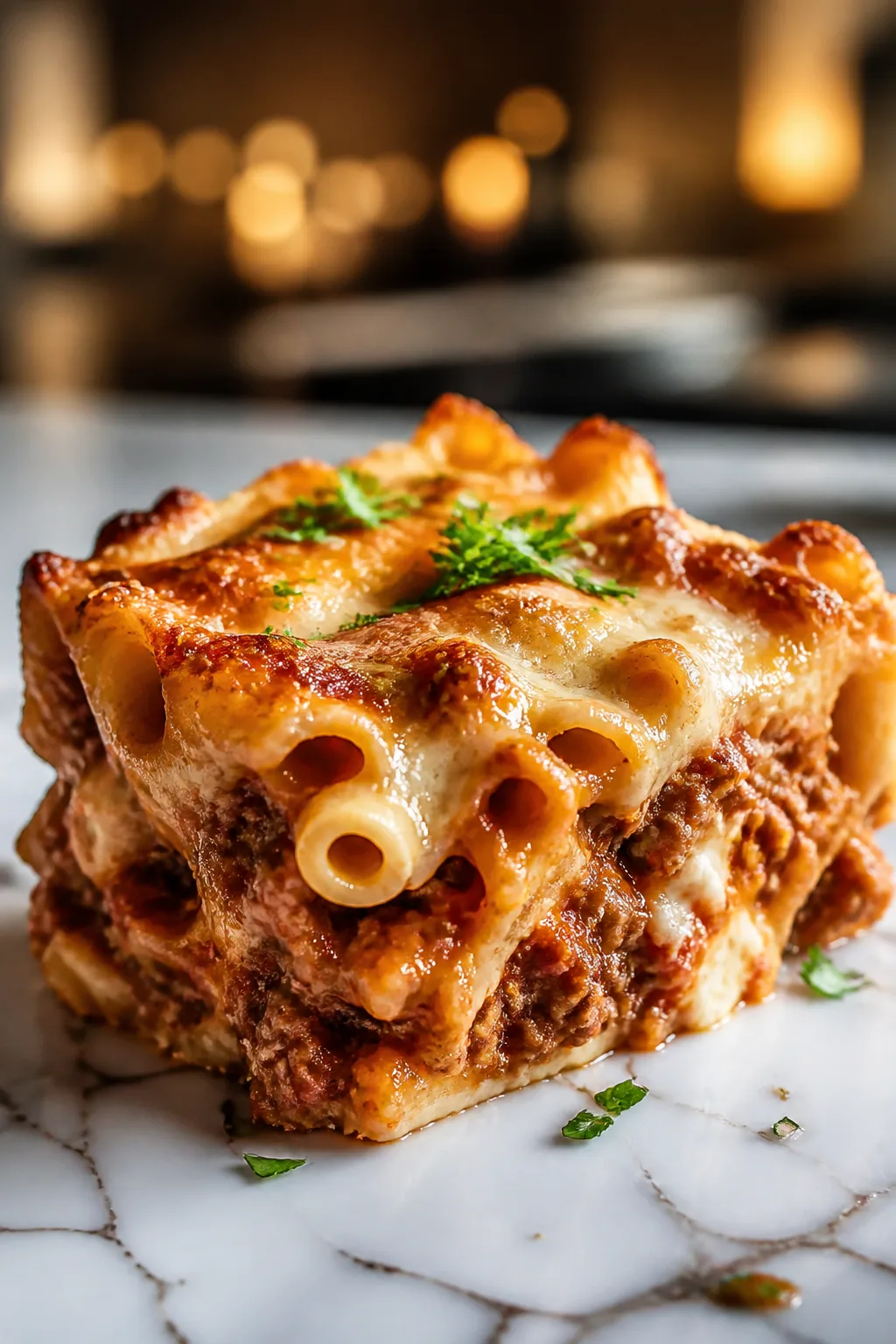
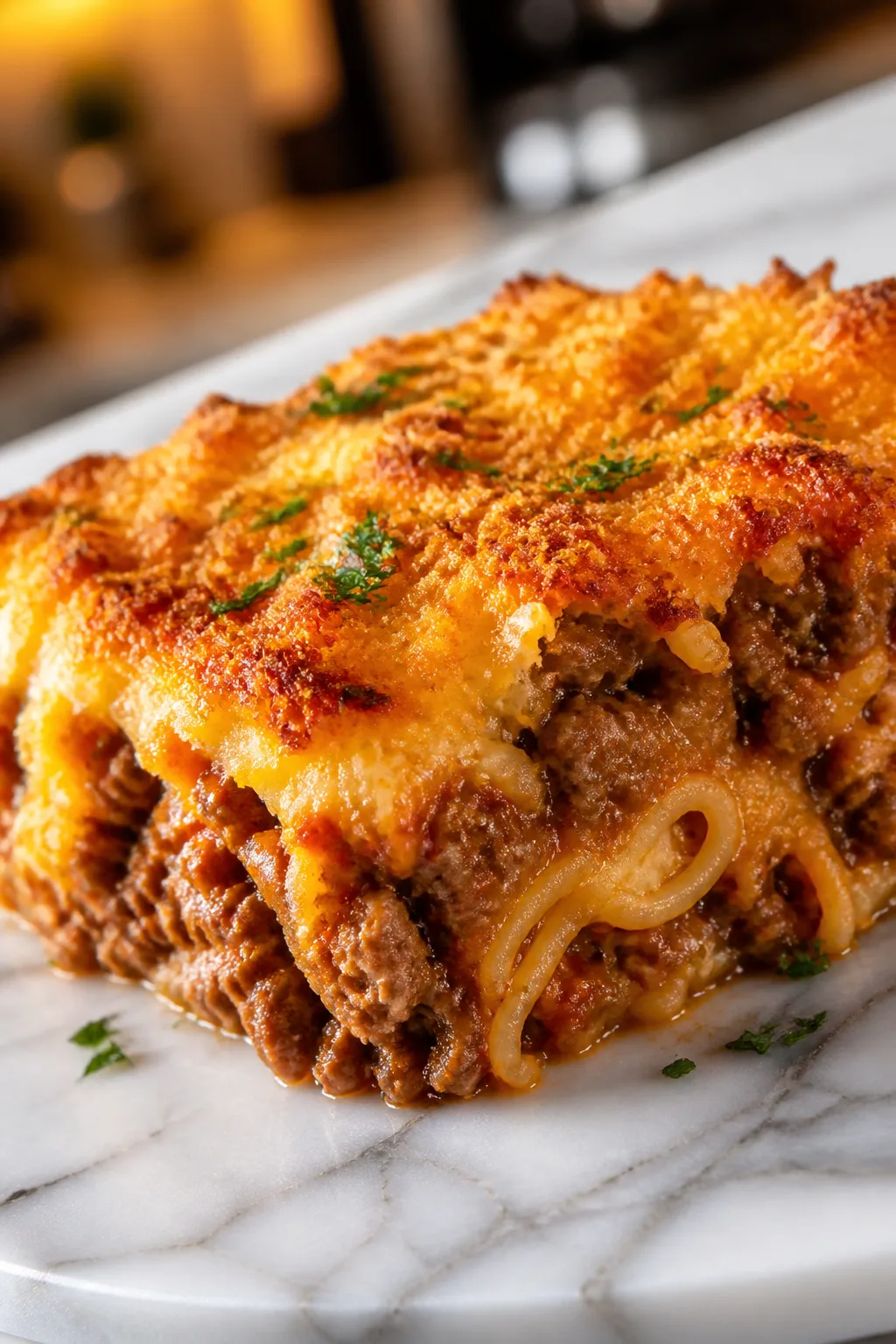
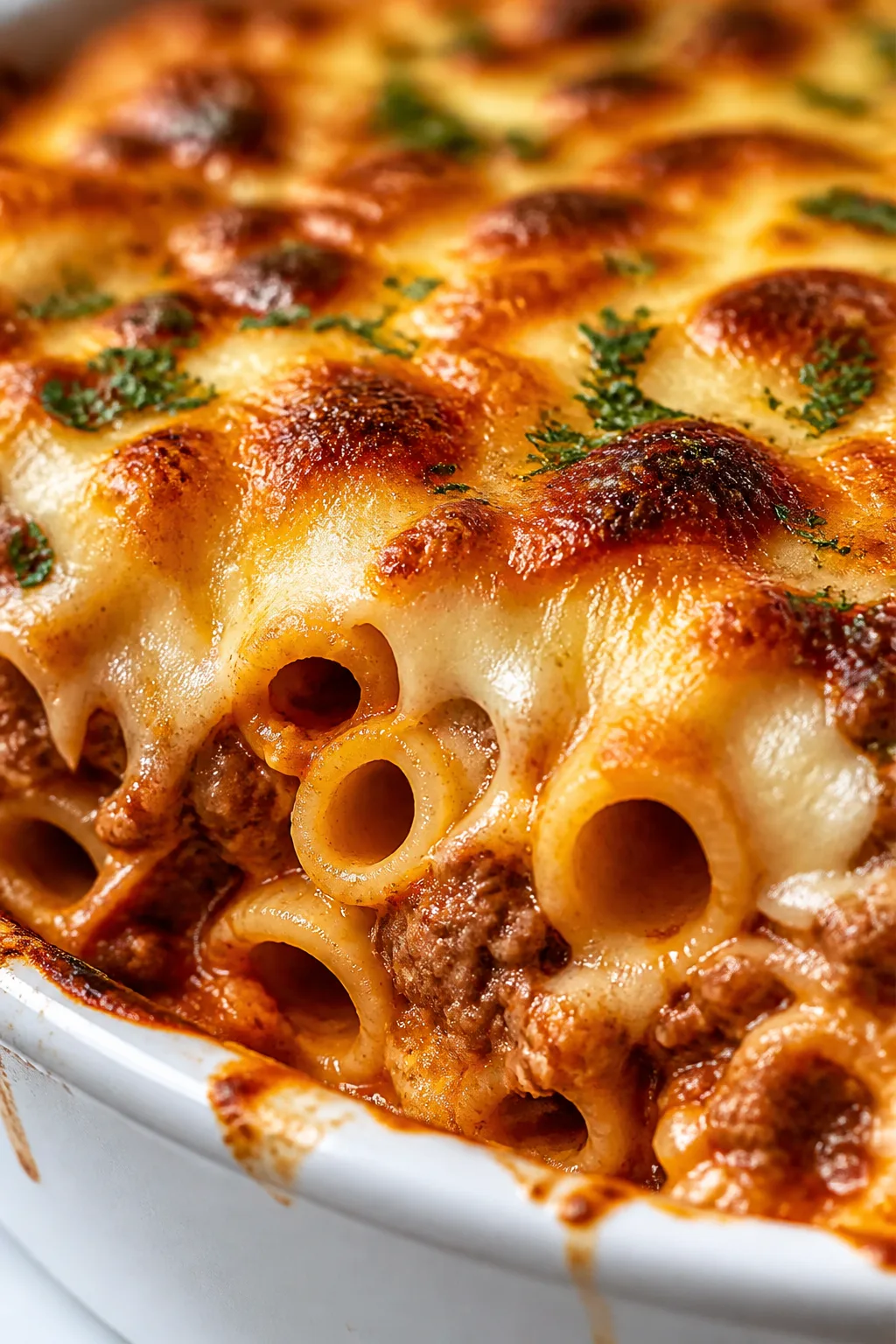
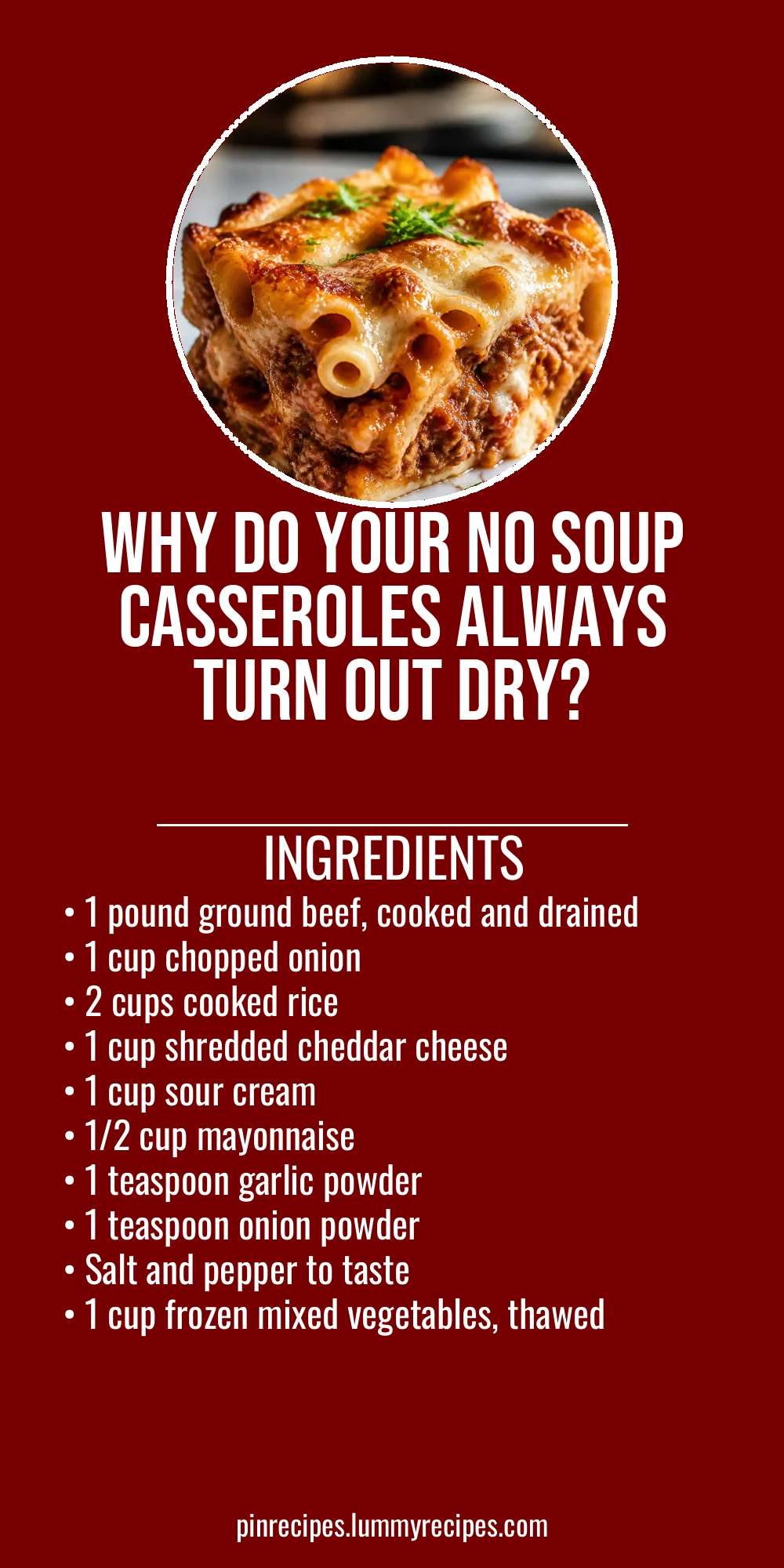
If you’re tired of casseroles that rely on canned soups, this recipe is a game changer. It uses fresh ingredients and homemade sauces for a comforting meal that’s ready in under an hour. Great for busy weeknights or casual family dinners!
Introduction
I’ve always loved casseroles for their simplicity and comfort, but I grew tired of the usual canned soup bases that some recipes call for. This no soup casserole recipe is my go-to when I want something homemade but still quick and fuss-free. I first stumbled on this method when trying to make a healthier version for my family, and it’s been a hit ever since. Instead of relying on canned soups, I mix sour cream and mayo with spices to create a creamy sauce that binds everything together perfectly. It’s easy, flavorful, and doesn’t feel heavy or processed. Plus, using fresh veggies and real cheese gives it a fresh taste that everyone loves. The best part? It comes together in about 45 minutes and makes a hearty, satisfying dinner that’s great for busy weeknights or casual family meals. The casserole bakes up golden and bubbly with a lovely creamy texture inside. I think you’ll love how simple and delicious it is!
How To Do It
Step 1
Preheat your oven to 350°F (175°C). In a large skillet, cook the ground beef over medium heat until browned and no longer pink, about 7-8 minutes. Drain excess fat to avoid a greasy casserole. Add the chopped onion to the skillet and cook until softened, about 3 minutes. This step builds flavor by gently caramelizing the onions and browning the meat, which adds depth to the dish. Avoid rushing this process; undercooked onions can taste sharp and raw, while overcooked meat can become dry.
⏱ Time: 10
✓ Doneness: Beef is fully browned with no pink spots; onions are translucent and fragrant.
Step 2
In a large mixing bowl, combine the cooked ground beef and onions with the cooked rice, thawed mixed vegetables, shredded cheddar cheese, sour cream, mayonnaise, garlic powder, onion powder, salt, and pepper. Mix everything gently but thoroughly to ensure the sauce coats all ingredients evenly. The sour cream and mayo mixture replaces canned soup and keeps the casserole moist and creamy without overpowering flavors. If you mix too vigorously, the rice can become mushy, so fold ingredients carefully.
⏱ Time: 5
✓ Doneness: Mixture is evenly coated and creamy with no clumps.
Step 3
Transfer the mixture into a greased 9x13 inch baking dish, spreading it out evenly. This ensures uniform cooking and browning. Press down lightly to compact the casserole, which helps it hold together when served. Avoid packing it too tightly, which can make it dense and heavy.
⏱ Time: 5
✓ Doneness: Mixture is level and evenly distributed in the dish.
Step 4
Sprinkle a little extra shredded cheddar cheese on top for a bubbly, golden crust. This finishing touch adds flavor and an appealing texture contrast. Use a moderate amount so it doesn’t overpower the casserole’s balance.
⏱ Time: 2
✓ Doneness: Cheese is evenly sprinkled and covers the surface lightly.
Step 5
Bake uncovered in the preheated oven for 25-30 minutes. Baking allows the casserole to heat through evenly and the cheese on top to melt and brown. Check at 25 minutes to avoid overbaking, which can dry out the casserole. The edges should be bubbly and golden.
⏱ Time: 25
✓ Doneness: Top is golden and bubbly; casserole is hot throughout.
Step 6
Remove from oven and let the casserole rest for 5-10 minutes before serving. This resting period helps the casserole set, making it easier to cut and serve without falling apart. It also allows flavors to meld together nicely.
⏱ Time: 10
✓ Doneness: Casserole is warm but firm enough to slice cleanly.
Step 7
Serve warm with a simple side salad or crusty bread for a complete meal. The creamy, cheesy texture pairs well with fresh, crisp greens or a tangy vinaigrette. This balance keeps the meal satisfying but not too heavy.
⏱ Time: 0
✓ Doneness: Meal plated attractively, ready to enjoy.
Step 8
To store leftovers, cool the casserole completely before transferring to an airtight container. Proper cooling prevents condensation and sogginess. Refrigerate for up to 3 days or freeze for longer storage.
⏱ Time: 0
✓ Doneness: Casserole is cooled and sealed properly.
Step 9
When reheating, cover the casserole with foil and warm in a 350°F oven until heated through, about 20 minutes. Adding a splash of water or broth before reheating can help maintain moisture. Avoid microwaving directly as it can dry the casserole unevenly.
⏱ Time: 20
✓ Doneness: Casserole is steaming hot and creamy again.
Pro Tips
Don’t skip draining the cooked beef to prevent a greasy casserole.
Excess fat from the beef can pool in the casserole, making it soggy and heavy. Draining ensures a better texture and allows the creamy sauce to shine without being diluted by grease.
Let the casserole rest after baking before serving.
Resting helps the sauce thicken and the casserole set up, making it easier to cut and serve without falling apart. It also allows flavors to meld, enhancing the overall taste.
Use a mix of sour cream and mayonnaise for the sauce.
This combo provides a perfect balance of creaminess and tang. Sour cream adds brightness, while mayo contributes richness and moisture, replicating the texture of canned soups naturally.
Cook onions until translucent to develop sweetness.
Raw onions can be sharp and overpowering. Cooking them softens their flavor and releases natural sugars, which add depth and balance to the savory beef.
Use freshly shredded cheese instead of pre-shredded.
Pre-shredded cheese often contains anti-caking agents that can prevent smooth melting, resulting in a grainy texture on top of the casserole.
Avoid overmixing the casserole ingredients.
Overmixing can break down the rice and vegetables, leading to a mushy texture. Gentle folding keeps the layers intact and the casserole appealing.
Add a splash of water or broth when reheating.
This restores moisture lost during storage and reheating, ensuring the casserole remains creamy and doesn’t dry out.
Common Mistakes to Avoid
Using canned soup instead of homemade sauce.
Why it happens Many recipes default to canned soups for convenience, but they can be overly salty and mask fresh flavors.
Fix Make your own sauce with sour cream and mayo to control flavor and texture. This keeps the casserole fresh and creamy without artificial additives.
Not draining the cooked beef.
Why it happens It’s easy to skip this step to save time, but leftover fat ruins the casserole’s texture.
Fix Always drain beef well after cooking to avoid greasy, soggy casserole layers.
Overcooking the rice before mixing.
Why it happens Some cooks use instant or mushy rice, which breaks down during baking.
Fix Use fluffy, just-cooked rice or leftover rice to maintain texture.
Skipping the resting time after baking.
Why it happens Impatience to eat can lead to serving immediately, causing the casserole to fall apart.
Fix Let it rest 5-10 minutes to set and firm up for easy slicing.
Using pre-shredded cheese.
Why it happens Pre-shredded cheese contains additives that affect melting.
Fix Grate your own cheese for a smoother, gooier top crust.
Variations
Chicken No Soup Casserole
Swap ground beef for cooked shredded chicken breast for a lighter, leaner casserole. Use the same sauce base and vegetables. This variation is great for those who prefer poultry or want a milder flavor.
Note: Make sure chicken is fully cooked and shredded finely to blend well with the rice and sauce.
Vegetarian No Soup Casserole
Omit meat and add extra vegetables like mushrooms, zucchini, or bell peppers. Use a plant-based sour cream or Greek yogurt for creaminess. This version is hearty and satisfying without meat.
Note: Sauté vegetables well to develop flavor and reduce moisture before mixing.
Spicy No Soup Casserole
Add diced jalapeños, chili powder, and pepper jack cheese for a spicy kick. This variation livens up the classic casserole and pairs well with a dollop of sour cream on top.
Note: Adjust spice levels carefully to suit your family’s taste.
Low Carb No Soup Casserole
Replace rice with cauliflower rice to reduce carbs. Keep the sauce and veggies the same for a creamy, low-carb comfort meal.
Note: Squeeze excess moisture from cauliflower rice before mixing to prevent sogginess.
Cheesy Broccoli No Soup Casserole
Add steamed broccoli florets to the mix for extra nutrition and a fresh crunch. The cheese sauce complements the broccoli beautifully, making it a family favorite.
Note: Steam broccoli just until tender to keep texture and avoid overcooking.
Nutrition
Per Serving:
Nutritional values are estimates and may vary based on specific ingredients used.
Storage & Tips
Room Temperature
The casserole can safely sit out for up to 2 hours covered loosely to prevent drying out. Avoid leaving it longer to prevent bacterial growth.
Refrigerator
Store leftovers in an airtight container for up to 3 days. The casserole may firm up in the fridge; reheat gently to restore creaminess. Cold servings can be dry and less flavorful.
Freezer
Freeze portions in airtight containers or heavy-duty freezer bags for up to 3 months. Wrap tightly to avoid freezer burn. Thaw overnight in the fridge before reheating.
Reheating
Reheat in a 350°F oven covered with foil for 20 minutes or until heated through. Add a splash of water or broth before reheating to keep moist. Avoid microwaving to prevent uneven heating and dryness.
Make Ahead
Prepare the casserole up to the baking step 1-2 days ahead, cover tightly, and refrigerate. Bake fresh on serving day for best texture and flavor.
FAQ
Can I use instant rice in this no soup casserole recipe?
Instant rice tends to become mushy when baked in casseroles because it absorbs liquid quickly. For best texture, use freshly cooked long-grain rice that is fluffy but not overcooked. You can also use leftover rice from the fridge, which holds up well during baking.
How can I make this casserole dairy-free?
To make a dairy-free version, substitute sour cream and mayonnaise with plant-based alternatives like coconut yogurt and vegan mayo. Use dairy-free cheese or omit cheese entirely. Keep in mind this will slightly change the flavor and texture but still yield a creamy casserole.
What’s the best way to reheat leftovers without drying them out?
Reheat casserole covered with foil in a 350°F oven, adding a splash of water or broth before warming. This helps maintain moisture. Avoid microwaving if possible, as it can heat unevenly and dry out parts of the dish.
Can I add other vegetables to this casserole?
Absolutely! Vegetables like broccoli, bell peppers, mushrooms, or zucchini work well. Just sauté firmer veggies first to soften them and reduce moisture before mixing into the casserole to avoid sogginess.
Is it okay to use pre-shredded cheese?
Pre-shredded cheese often contains anti-caking agents that can affect melting, sometimes resulting in a grainy or clumpy texture on top. For the best melt and texture, shred your own cheese from a block.
Can I make this casserole gluten-free?
Yes, this recipe is naturally gluten-free as long as you use gluten-free mayonnaise and check that your seasonings do not contain gluten. Rice is a gluten-free grain, making this casserole safe for gluten-sensitive diets.
How do I prevent the casserole from drying out?
The key is the creamy sauce made from sour cream and mayo which keeps moisture locked in. Also, don’t overbake; remove the casserole once it’s bubbly and golden. Resting after baking helps redistribute moisture evenly.
Can I double the recipe for a larger crowd?
Yes, doubling works well. Use a larger baking dish or two dishes to ensure even cooking. You may need to increase baking time slightly; check for bubbling cheese and hot center to confirm doneness.
What can I serve with this casserole?
A fresh green salad or steamed vegetables complement the richness nicely. Crusty bread or garlic bread also pairs well to round out the meal.
Can I prepare this casserole ahead of time?
Definitely! Assemble it up to the baking step, cover tightly, and refrigerate for 1-2 days. Bake fresh just before serving for the best texture and flavor.
Final Thoughts
I hope you give this no soup casserole a try—it’s simple, comforting, and perfect for family dinners. Let me know how it turns out and what variations you love!