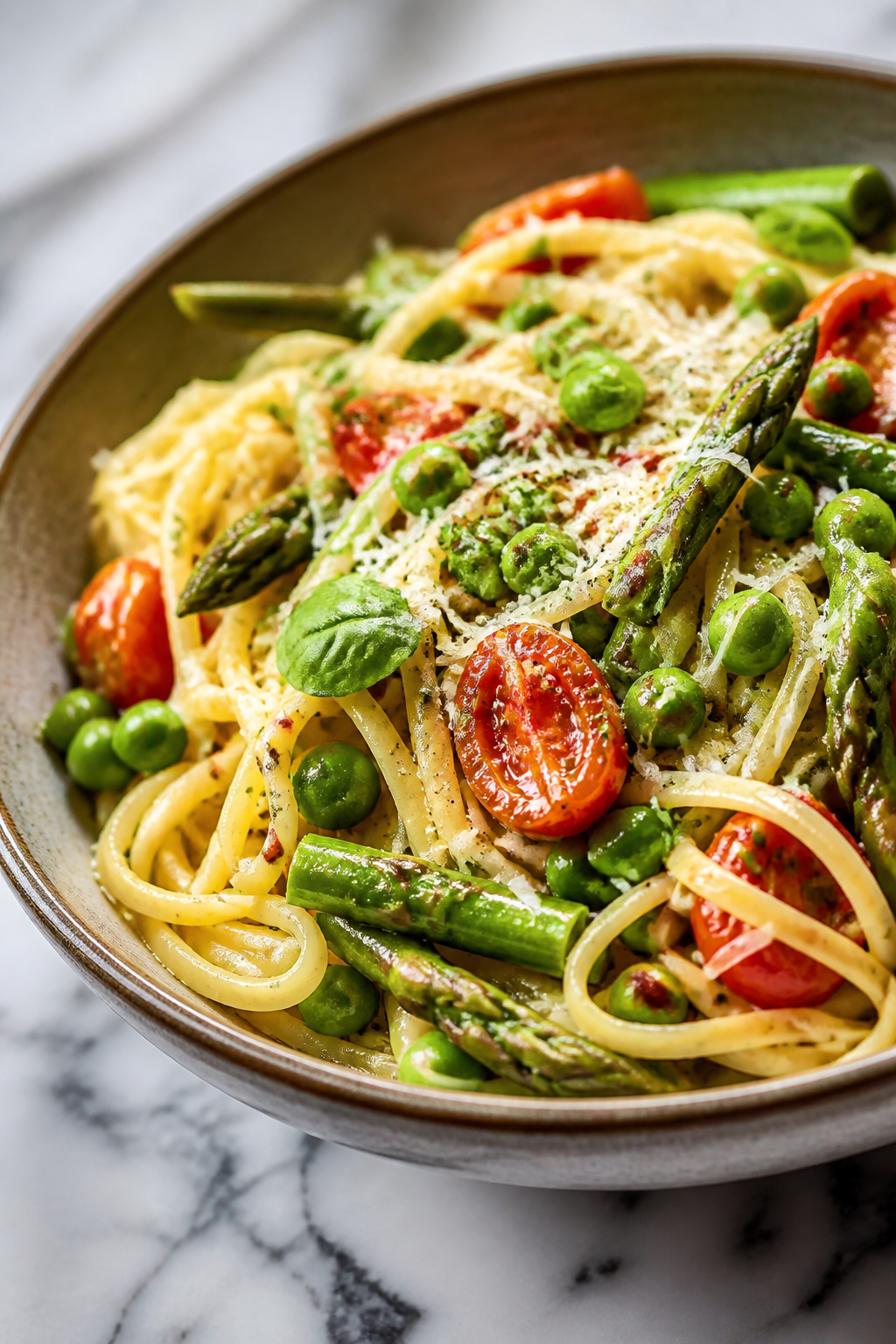
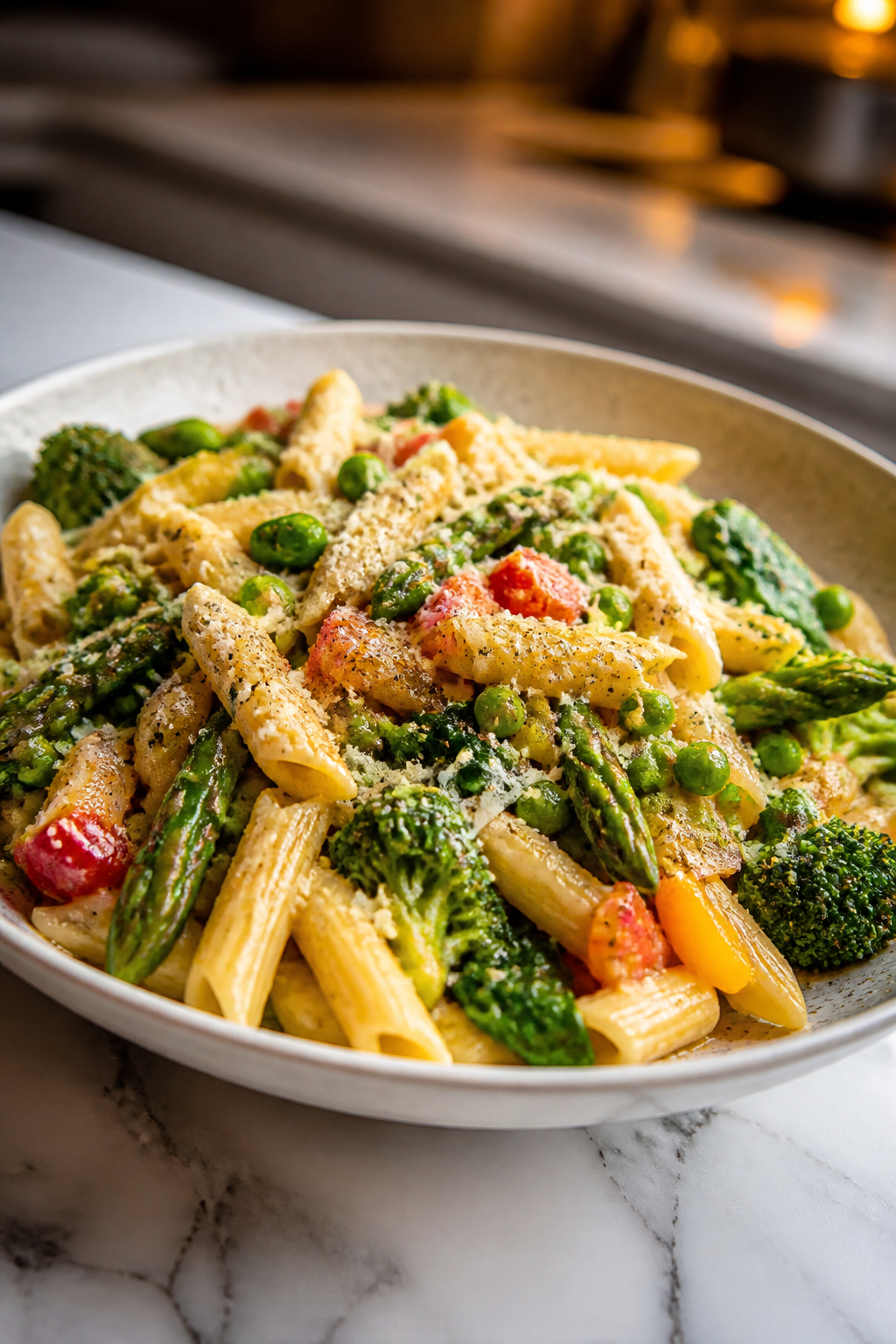
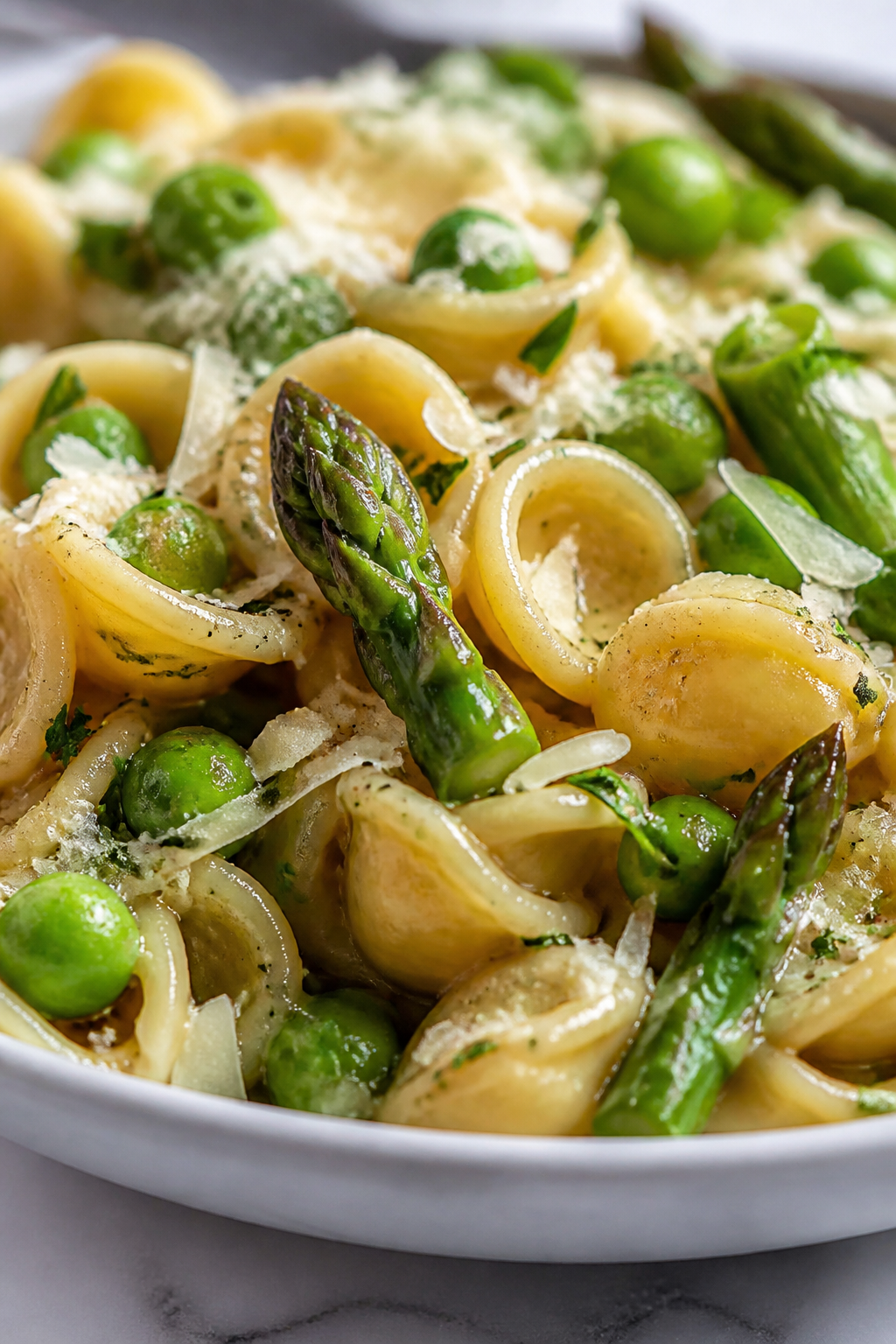
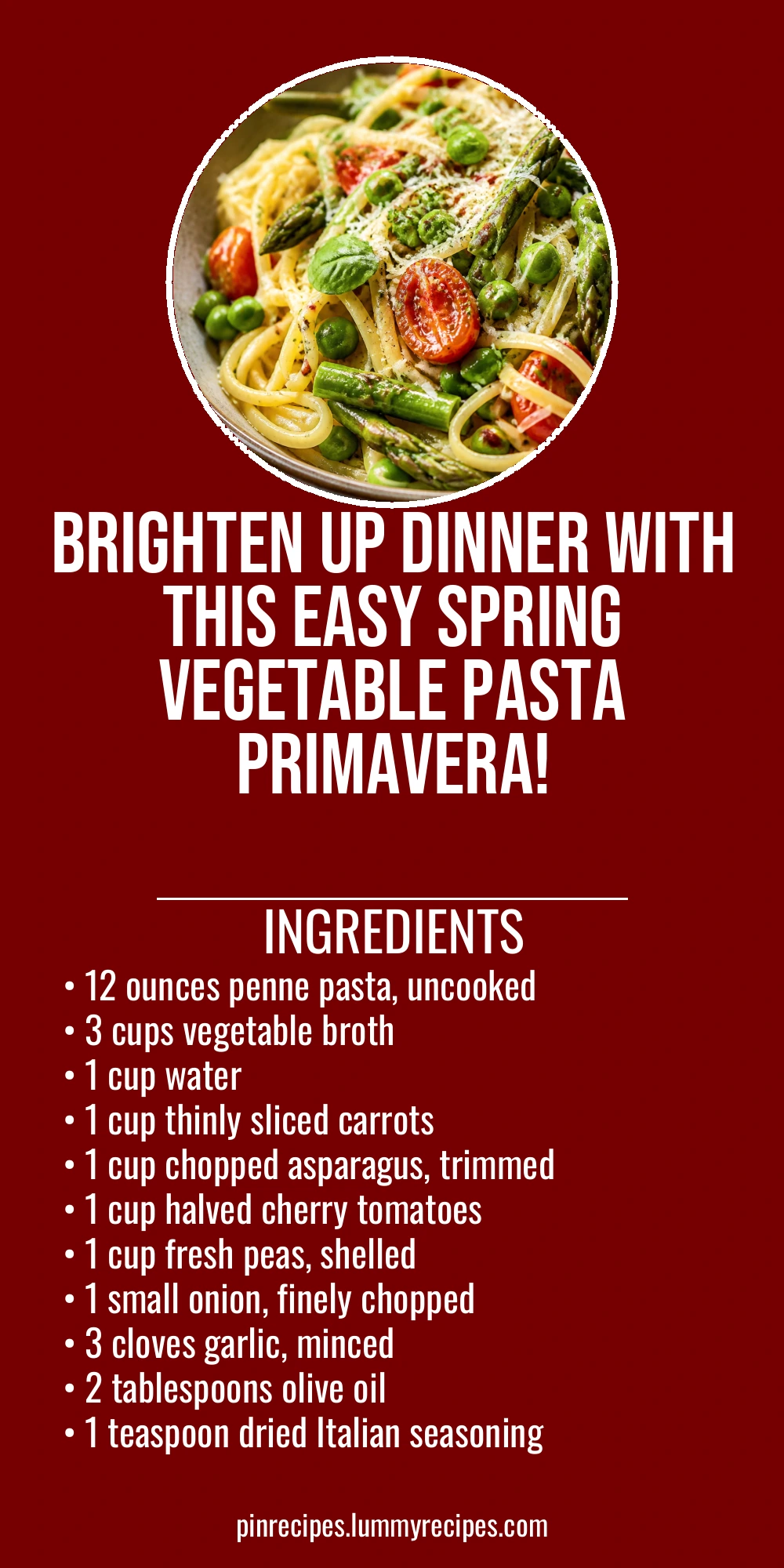
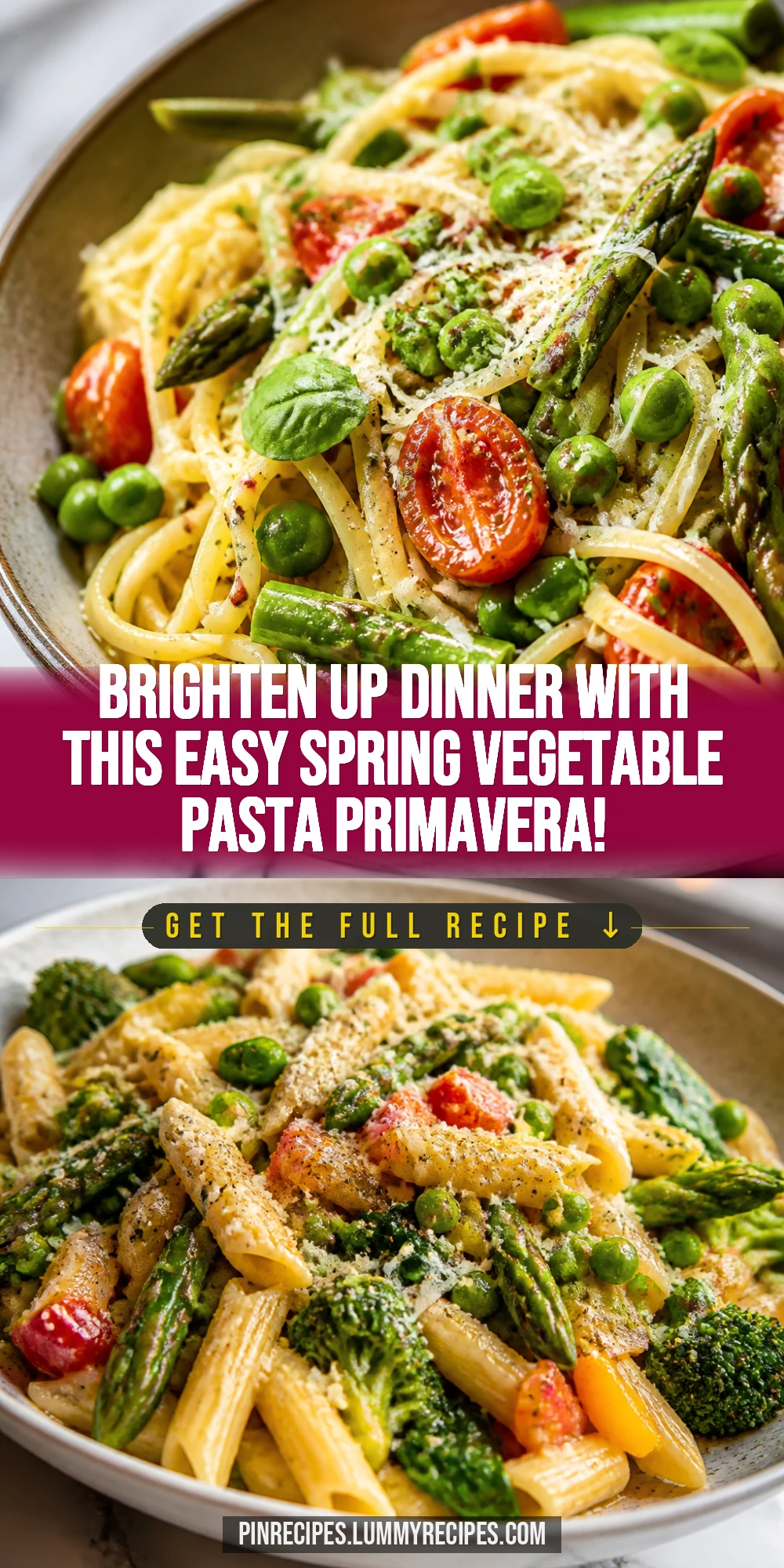
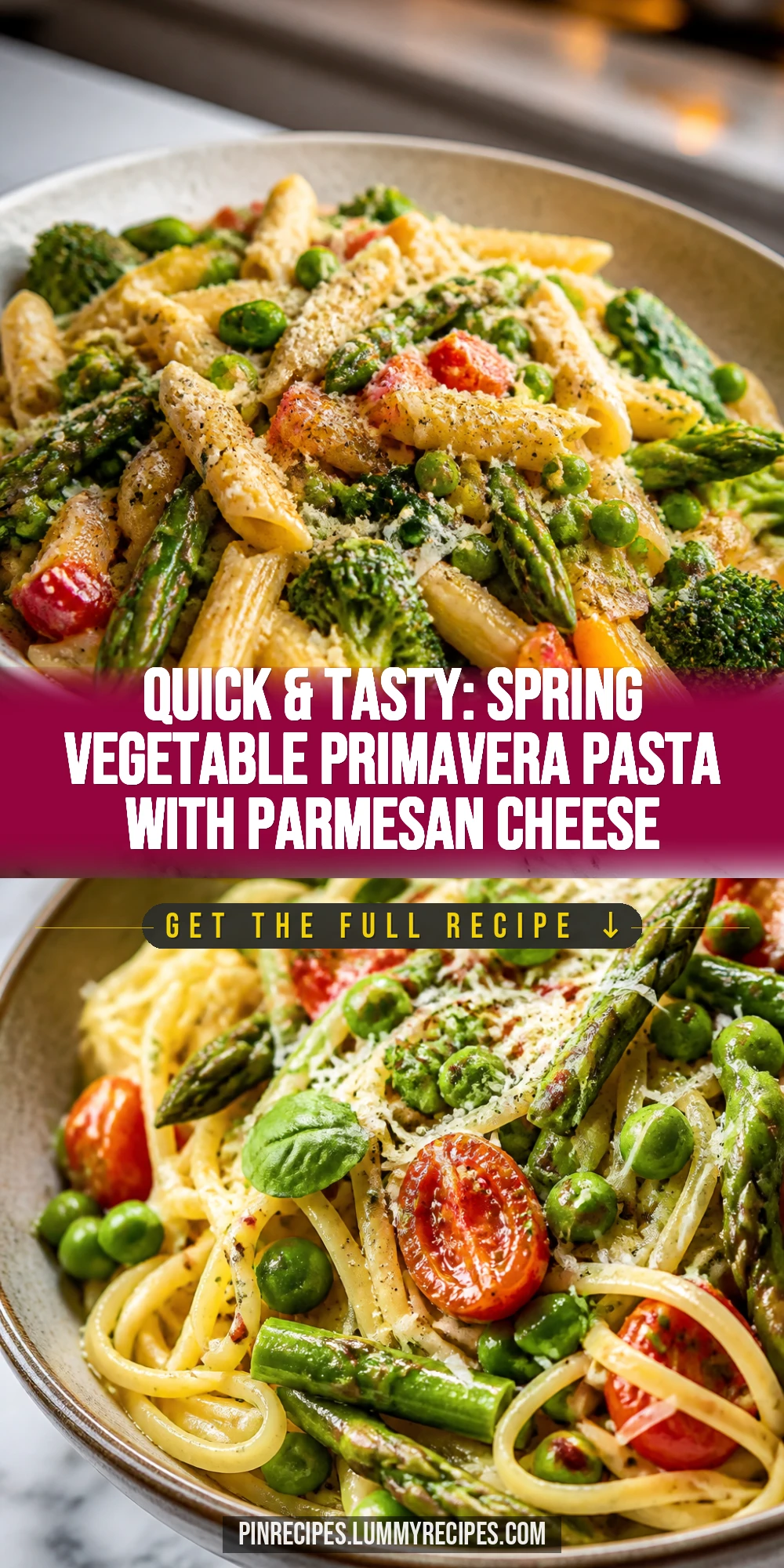
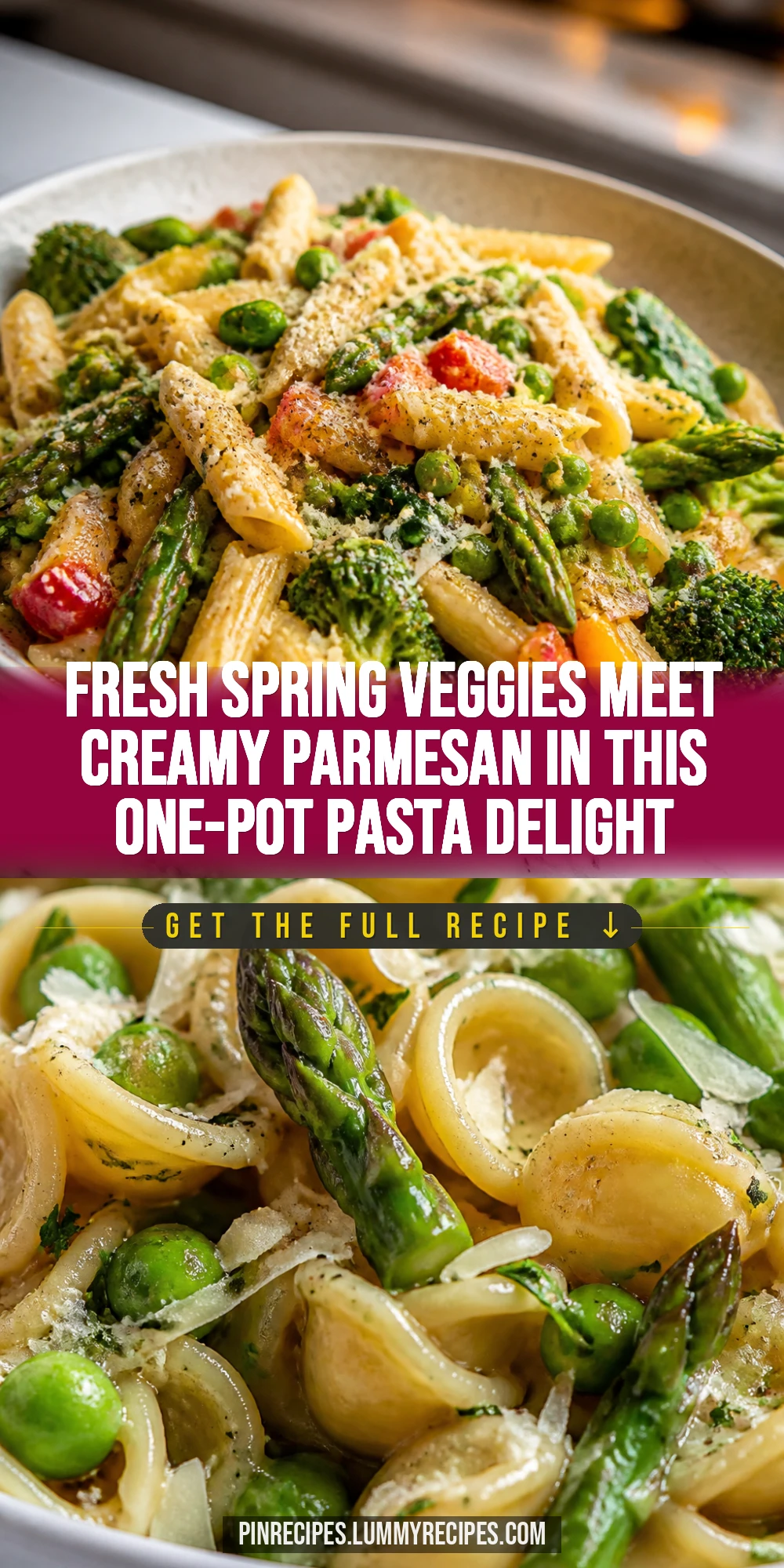
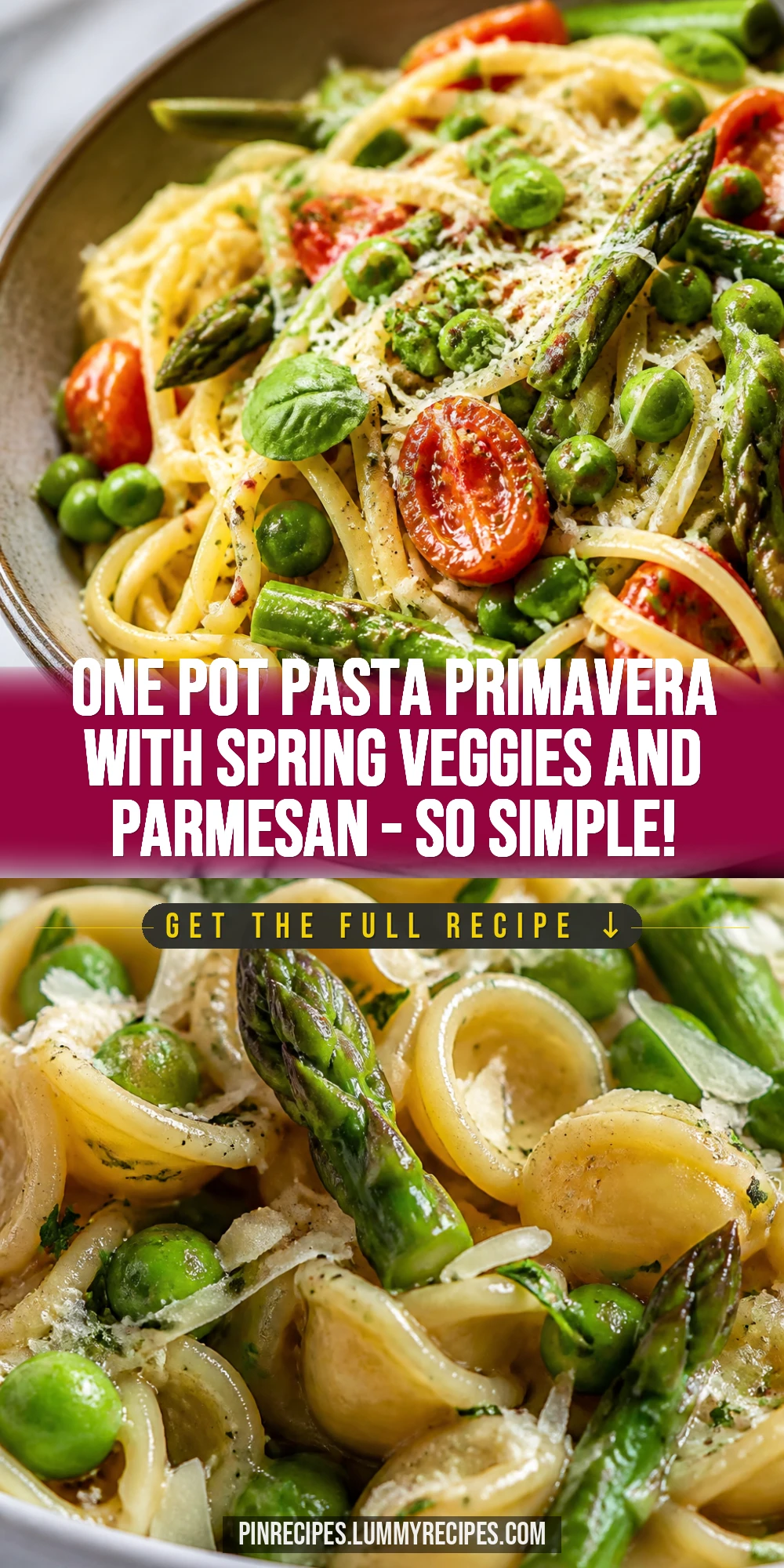
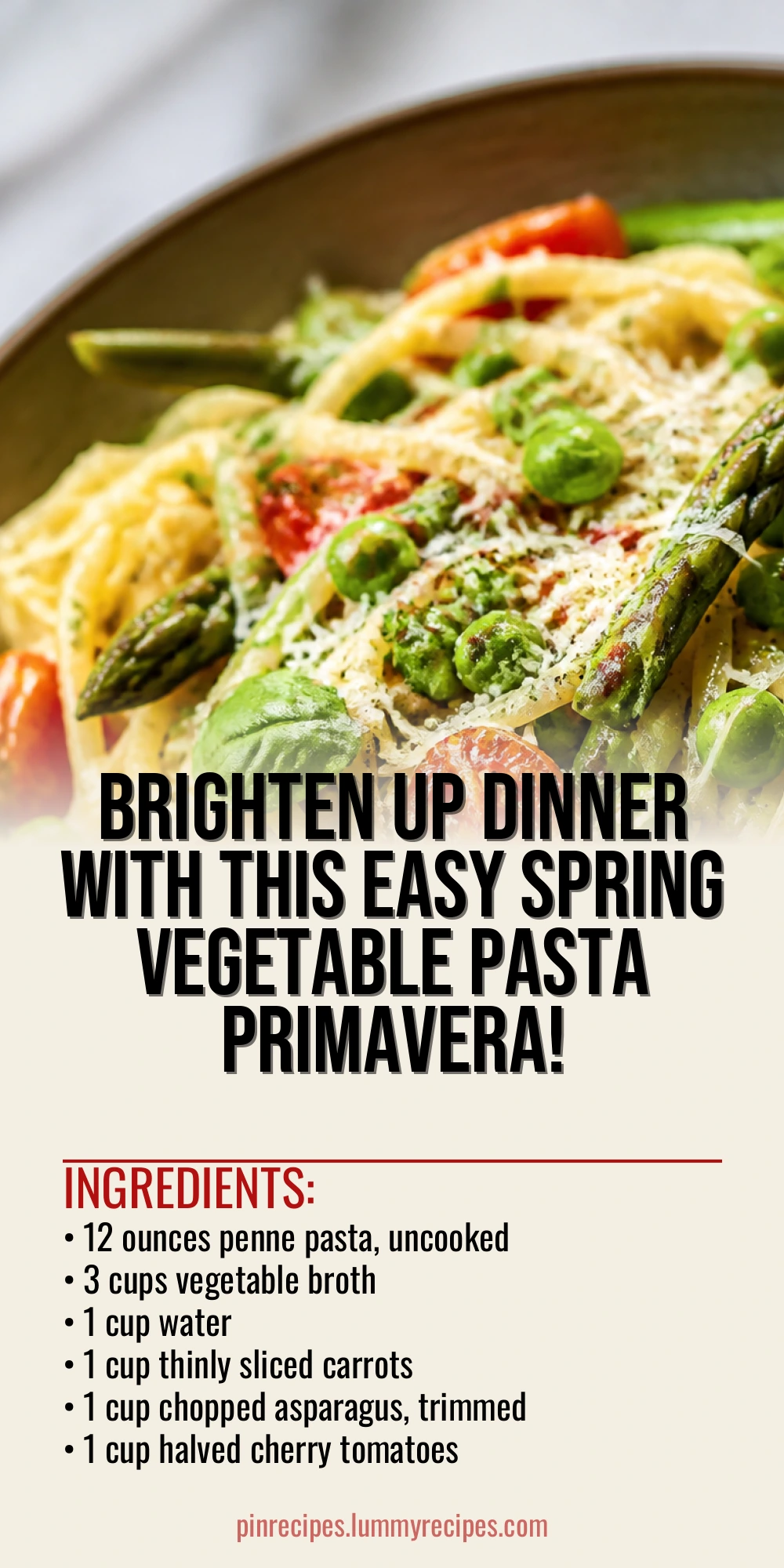
A fresh, colorful pasta loaded with spring veggies and finished with a sprinkle of Parmesan. This one-pot wonder saves time and cleanup, perfect for a quick family dinner on busy nights.
Introduction
I first stumbled upon this one-pot primavera pasta on a hectic weeknight when I wanted something fresh but fuss-free. It’s become a staple in our house because it’s colorful, flavorful, and only takes one pot to make — which means less time cleaning and more time enjoying dinner together. What sets this version apart is the combo of fresh spring veggies like asparagus, peas, and cherry tomatoes all cooked right with the pasta, soaking up the broth and olive oil for a naturally vibrant sauce. I also love finishing it with a generous sprinkle of Parmesan and fresh basil, which adds that cozy, comforting touch. The trick I learned is to add the veggies in stages so everything cooks evenly and stays crisp-tender, not mushy. The result is a bright, fresh-tasting pasta that feels light but satisfying — perfect for spring or anytime you want a quick, wholesome meal. Plus, it’s easy to tweak with whatever veggies you have on hand. Honestly, it’s one of those recipes I keep coming back to when I want dinner on the table fast but still want to impress my family with something tasty and colorful.
How To Do It
Step 1
Start by heating the olive oil in a large deep skillet or pot over medium heat. Once hot, add the chopped onion and sauté for about 3-4 minutes until it becomes translucent and fragrant. This step is crucial because it builds the base flavor for your pasta. Avoid browning the onion too much as it can turn bitter and overpower the dish. Stir frequently to ensure even cooking and to prevent sticking.
⏱ Time: 4 minutes
✓ Doneness: Onions are soft and translucent, releasing a sweet aroma.
Step 2
Add the minced garlic and dried Italian seasoning to the pot, stirring constantly for about 30 seconds until fragrant. Garlic cooks quickly and can burn easily, so keep an eye on it. This step infuses the oil with flavor, which will coat the pasta later and add depth to the dish.
⏱ Time: 30 seconds
✓ Doneness: Garlic is fragrant but not browned or burnt.
Step 3
Pour in the vegetable broth and water, then bring the liquid to a gentle boil. Adding enough liquid is key for cooking the pasta directly in the pot. Use a good quality broth for richer flavor. Boiling ensures the pasta will absorb the broth and cook evenly without sticking.
⏱ Time: 5 minutes
✓ Doneness: Broth is simmering steadily with small bubbles rising.
Step 4
Add the uncooked penne pasta to the boiling broth. Stir immediately to separate the pasta and prevent clumping. Cooking pasta in broth creates a flavorful base but requires occasional stirring to keep it from sticking to the bottom. Keep the heat at a medium simmer to avoid boiling over.
⏱ Time: 10 minutes
✓ Doneness: Pasta is nearly tender but still has a slight bite.
Step 5
Add the sliced carrots and chopped asparagus to the pot. These veggies need a bit more time to cook than the peas or tomatoes, so adding them now ensures they become tender but still crisp. Stir gently to combine the vegetables with the pasta and broth.
⏱ Time: 5 minutes
✓ Doneness: Carrots and asparagus are tender but not mushy.
Step 6
Next, add the peas and halved cherry tomatoes. These cook quickly and should remain bright and fresh. Stir carefully to avoid breaking the tomatoes. Adding them last keeps their color and texture intact, giving the dish a fresh spring feel.
⏱ Time: 3 minutes
✓ Doneness: Peas are bright green and tomatoes are slightly softened.
Step 7
Season the pasta and vegetables with salt and freshly ground black pepper to taste. Because the broth can vary in saltiness, taste before adding too much. Seasoning at the end helps balance all the flavors without overpowering the delicate veggies.
⏱ Time: 1 minute
✓ Doneness: Seasoning is well balanced, enhancing but not masking flavors.
Step 8
Turn off the heat and stir in the freshly grated Parmesan cheese. The residual heat will melt the cheese, creating a creamy coating that binds everything together. Don’t skip this step — it’s what gives the pasta that comforting richness without needing heavy cream.
⏱ Time: 2 minutes
✓ Doneness: Cheese is melted and evenly coats the pasta and veggies.
Step 9
Garnish with fresh basil leaves before serving. The basil adds a fragrant, herbaceous note that brightens the dish and complements the spring vegetables beautifully. Serve immediately for the best texture and flavor.
⏱ Time: 1 minute
✓ Doneness: Fresh basil is vibrant and aromatic on top of the pasta.
Pro Tips
Add vegetables in stages based on cooking time.
Different vegetables need varying cooking times to stay crisp-tender. Adding them all at once can lead to some being overcooked and mushy while others remain underdone. Staging ensures even texture and flavor.
Don’t skip stirring the pasta frequently during cooking.
Pasta cooked in liquid can stick to the pot or clump together if not stirred regularly. Stirring separates the pieces and keeps them evenly cooked, preventing a gummy texture.
Use freshly grated Parmesan cheese instead of pre-grated.
Freshly grated cheese melts better and has a richer flavor. Pre-grated often contains additives that affect texture and melting, which can make the sauce less creamy.
Simmer gently rather than boiling vigorously.
A gentle simmer prevents the liquid from evaporating too quickly and stops the pasta from cooking unevenly. Vigorous boiling can break pasta and make vegetables mushy.
Taste and adjust seasoning at the end.
Broth saltiness varies, so adding salt too early can over-season the dish. Tasting at the end lets you balance flavors perfectly without overwhelming the fresh vegetables.
Use a wide, deep skillet or pot for even cooking.
A wide pot allows the pasta to cook evenly in a single layer and helps the liquid evaporate at a controlled rate. This prevents clumping and ensures uniform texture.
Garnish with fresh herbs right before serving.
Fresh herbs add brightness and aroma that fade quickly when cooked. Adding them last preserves their flavor and enhances the dish’s visual appeal.
Common Mistakes to Avoid
Overcooking the pasta and vegetables
Why it happens Rushing the cooking or adding all vegetables at once can result in mushy textures and loss of vibrant color.
Fix Add vegetables in order of cooking time, maintain a gentle simmer, and check pasta texture frequently to pull it off the heat when al dente.
Not stirring the pasta during cooking
Why it happens Assuming the pasta will cook evenly without stirring leads to clumping and uneven cooking.
Fix Stir the pasta every few minutes to separate pieces and prevent sticking to the pot or each other.
Using pre-grated Parmesan cheese
Why it happens Pre-grated cheese contains anti-caking agents that prevent smooth melting, resulting in a less creamy sauce.
Fix Grate fresh Parmesan right before adding it to the pasta for best melting and flavor.
Skipping the seasoning step or salting too early
Why it happens Broth saltiness varies, and early salting can over-season the dish or under-season if skipped.
Fix Wait until the end to taste and adjust salt and pepper to balance flavors perfectly.
Boiling too hard during cooking
Why it happens High heat causes rapid evaporation and uneven cooking, making pasta sticky or vegetables mushy.
Fix Keep the heat at a gentle simmer to cook pasta and vegetables evenly and maintain the right liquid level.
Variations
Add Grilled Chicken for Extra Protein
Toss in bite-sized grilled chicken pieces after cooking the pasta to make this primavera a more substantial meal. It adds heartiness without compromising the fresh veggie flavors.
Note: Make sure the chicken is fully cooked before adding and warm it gently with the pasta to avoid drying out.
Use Gluten-Free Pasta for Dietary Needs
Swap regular penne for your favorite gluten-free pasta to accommodate dietary restrictions. The cooking time may vary, so adjust accordingly to avoid overcooking.
Note: Gluten-free pasta can become mushy if overcooked; test frequently and remove from heat as soon as tender.
Make it Vegan by Skipping Parmesan
Leave out the Parmesan or use a plant-based cheese alternative to make this dish vegan-friendly. Nutritional yeast sprinkled on top adds a cheesy flavor without dairy.
Note: Add nutritional yeast at the end off heat to preserve its flavor and avoid clumping.
Add a Touch of Lemon Zest for Brightness
Stir in some fresh lemon zest and a squeeze of lemon juice just before serving for a fresh, zesty twist that complements the spring vegetables beautifully.
Note: Add lemon zest and juice off the heat to preserve the bright citrus flavor.
Swap Vegetables Based on Season or Preference
Feel free to substitute or add other veggies like zucchini, bell peppers, or spinach depending on what’s fresh or what you have on hand. This keeps the dish versatile and seasonal.
Note: Adjust cooking times depending on the vegetables used to maintain proper texture.
Nutrition
Per Serving:
Nutritional values are estimates and may vary based on specific ingredients used.
Storage & Tips
Room Temperature
This pasta can be safely left out at room temperature for up to 2 hours if covered. Beyond that, bacteria growth can increase, so refrigerate promptly to keep it safe.
Refrigerator
Store leftovers in an airtight container for up to 3 days. The pasta may absorb more liquid and become softer when cold. Reheat gently to restore texture, adding a splash of broth or water if needed.
Freezer
Freeze in a freezer-safe container for up to 2 months. Wrap tightly to prevent freezer burn. Thaw overnight in the fridge before reheating. Texture may soften slightly after freezing but remains tasty.
Reheating
Reheat on the stovetop over low heat, stirring occasionally. Add a splash of broth or water to loosen the sauce if it thickens. Avoid overheating to prevent mushy pasta and overcooked vegetables.
Make Ahead
You can chop vegetables and measure ingredients 1-2 days ahead and store separately in the fridge. Assemble and cook the pasta fresh for best texture and flavor on serving day.
FAQ
Can I use a different type of pasta for this recipe?
Absolutely! While penne works well because of its shape and ridges, you can use other short pasta like rigatoni or fusilli. Just keep in mind that cooking times may vary slightly, so check the pasta for doneness a minute or two before the package suggests.
What if I don’t have vegetable broth on hand?
You can substitute with water, but the flavor will be milder. To boost it, add a pinch of salt and some dried herbs like Italian seasoning or a splash of soy sauce for umami. Using broth definitely adds more depth, so it’s worth keeping stocked.
How do I prevent the pasta from sticking when cooking in one pot?
Stir the pasta frequently during cooking, especially in the first few minutes. Using enough liquid and maintaining a gentle simmer also helps. Avoid boiling too hard, which can cause sticking and uneven cooking.
Can I make this recipe vegan?
Yes! Simply omit the Parmesan or replace it with a vegan cheese or nutritional yeast. Nutritional yeast adds a cheesy flavor and is a great dairy-free alternative. Add it at the end off the heat to keep the best flavor.
Is it okay to use frozen vegetables instead of fresh?
You can use frozen veggies, but add them later in the cooking process as they cook faster. Frozen vegetables may release more water, so you might need to adjust the liquid amounts and cooking time accordingly.
How do I store leftovers to keep them fresh?
Store leftovers in an airtight container in the fridge for up to 3 days. Reheat gently with a splash of broth or water to loosen the sauce. Avoid reheating multiple times to maintain texture and flavor.
Can I prepare parts of this recipe ahead of time?
Yes, you can chop the vegetables and measure out ingredients a day or two ahead. Store them separately in the fridge. Cook the pasta fresh for best texture and flavor, as the sauce and pasta are best enjoyed right after cooking.
What if my pasta is too dry after cooking?
If the pasta absorbs too much liquid and seems dry, stir in a little extra broth or olive oil when reheating. This will help loosen the sauce and improve texture without watering down the flavor.
Final Thoughts
I hope you give this easy one pot primavera pasta a try — it’s a fresh, comforting meal that comes together fast. Let me know how your family likes it!