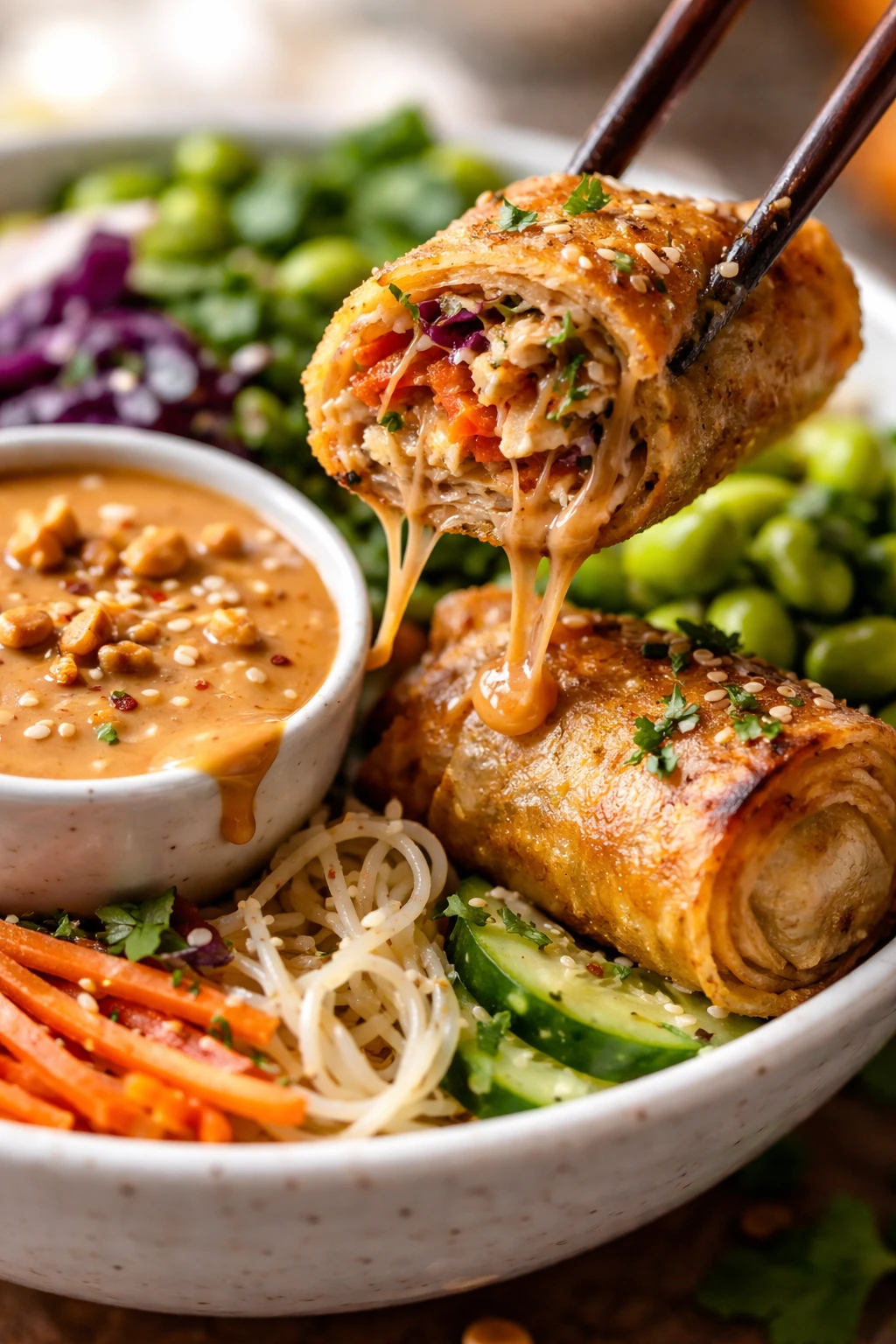
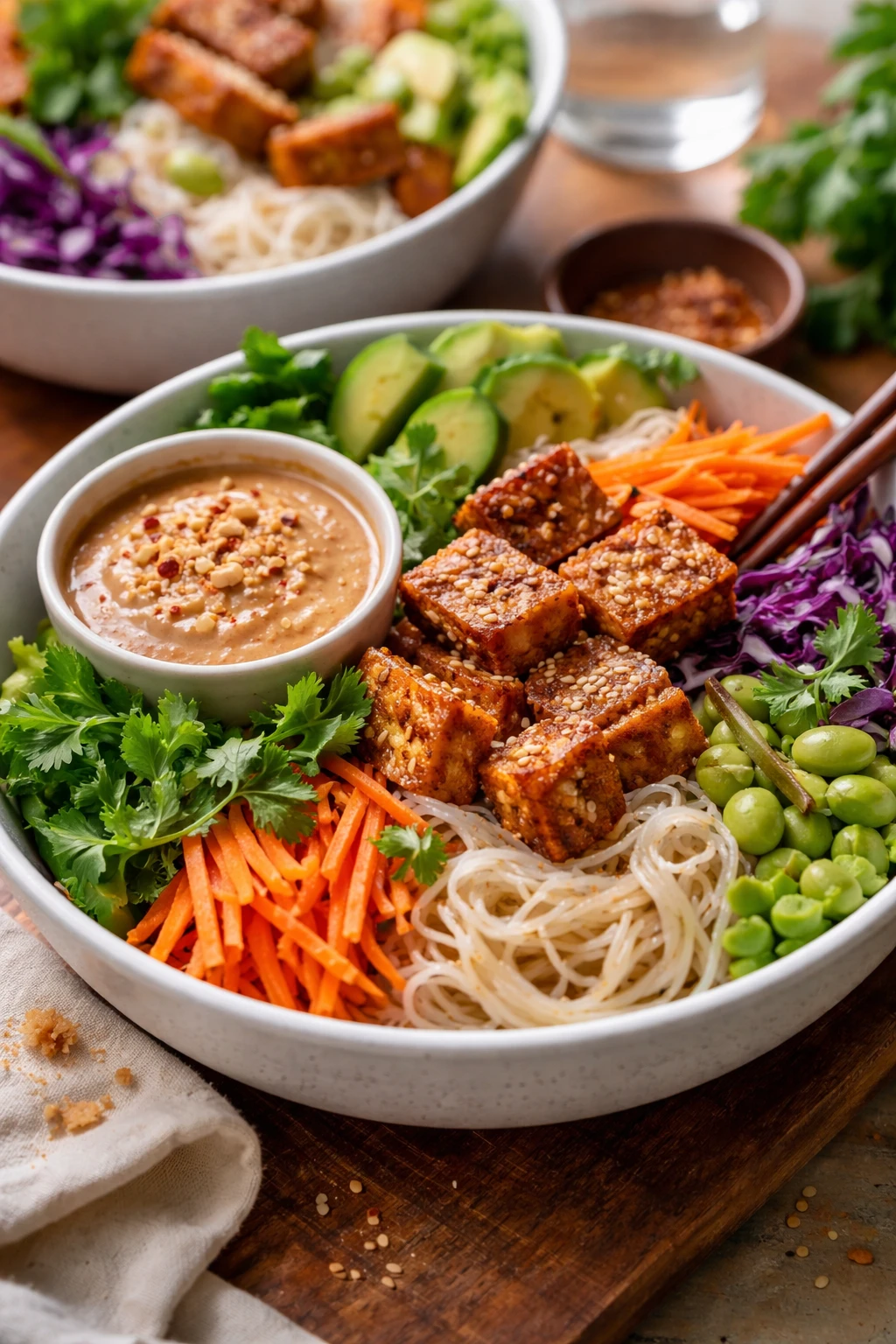
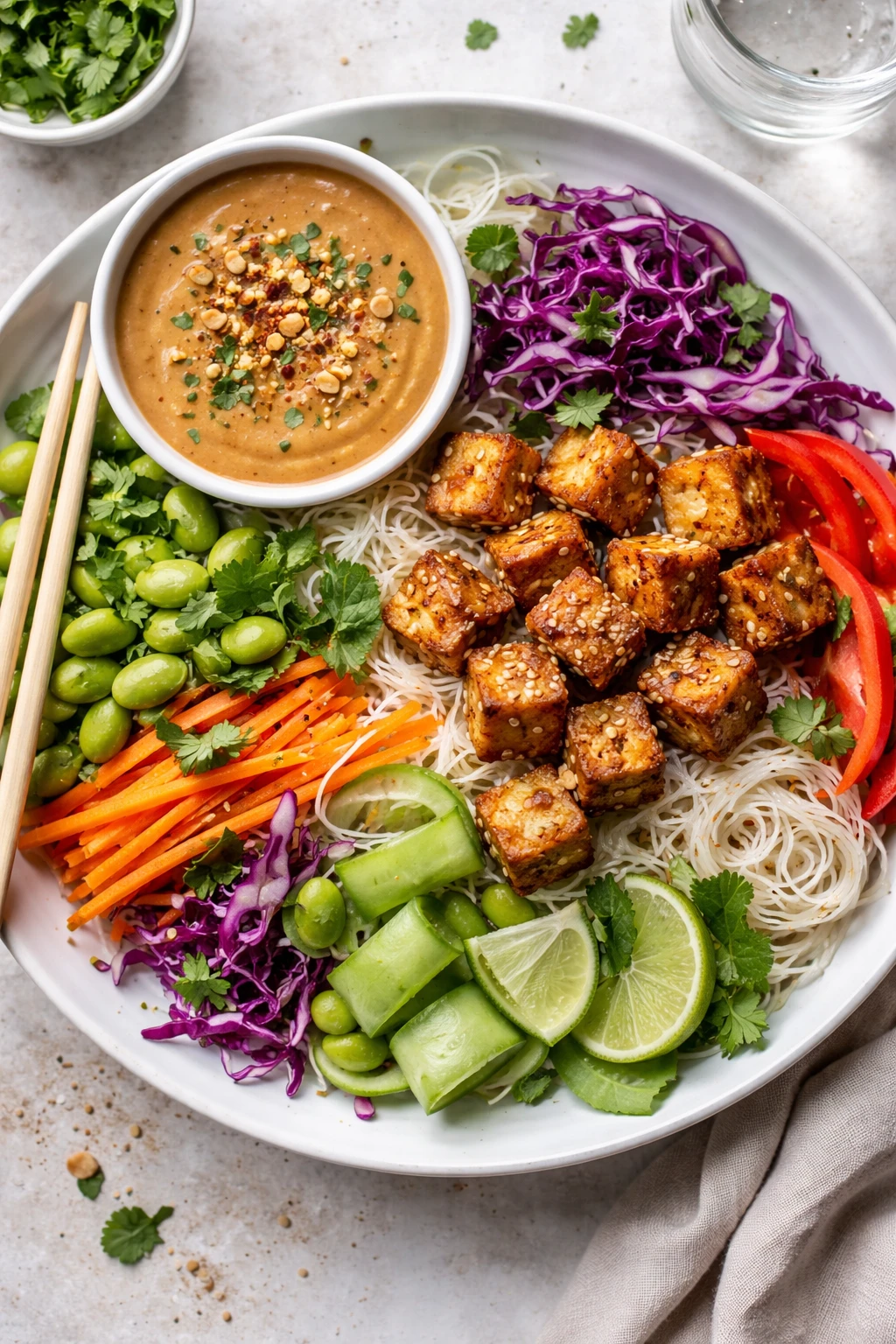
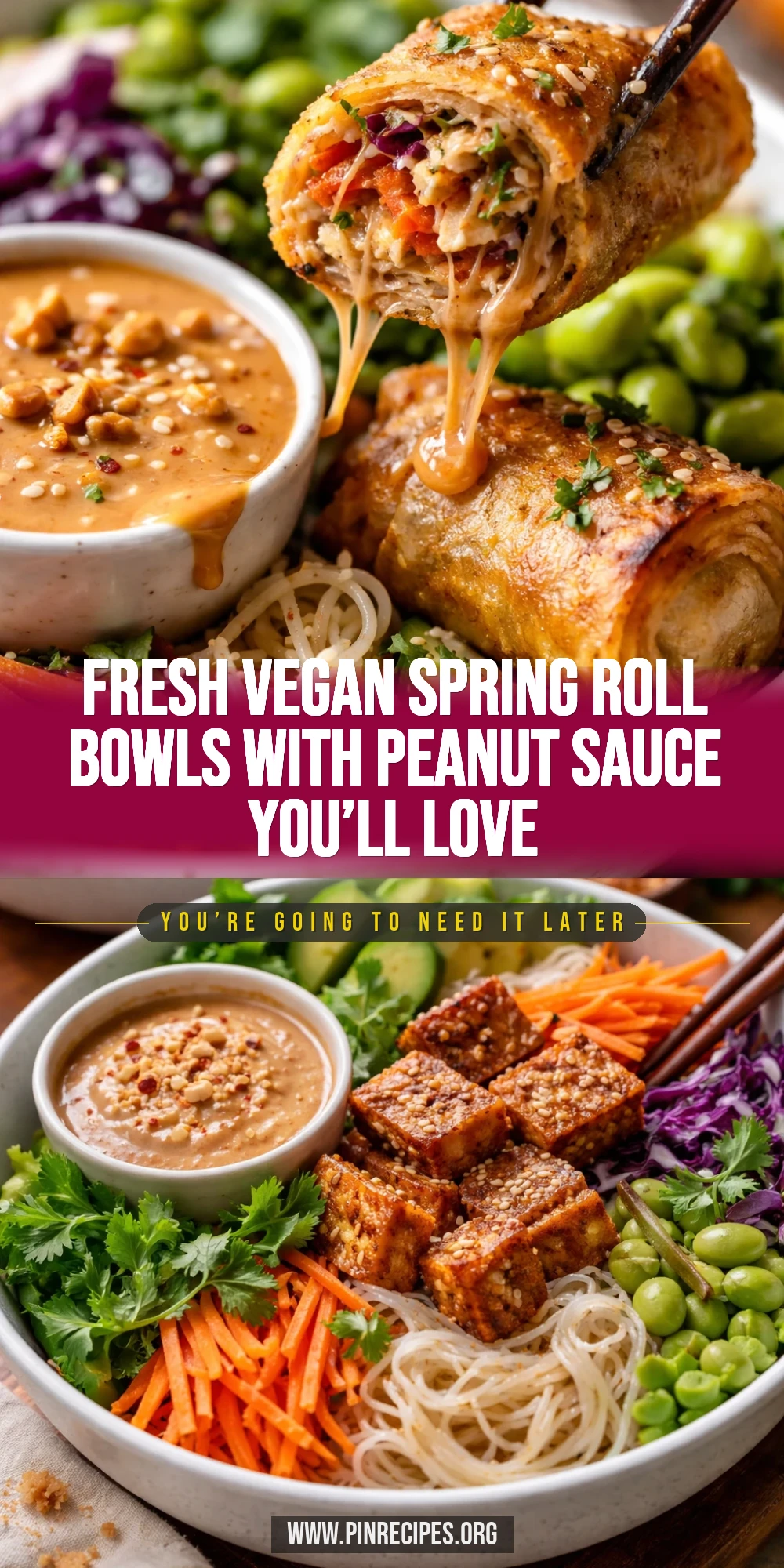
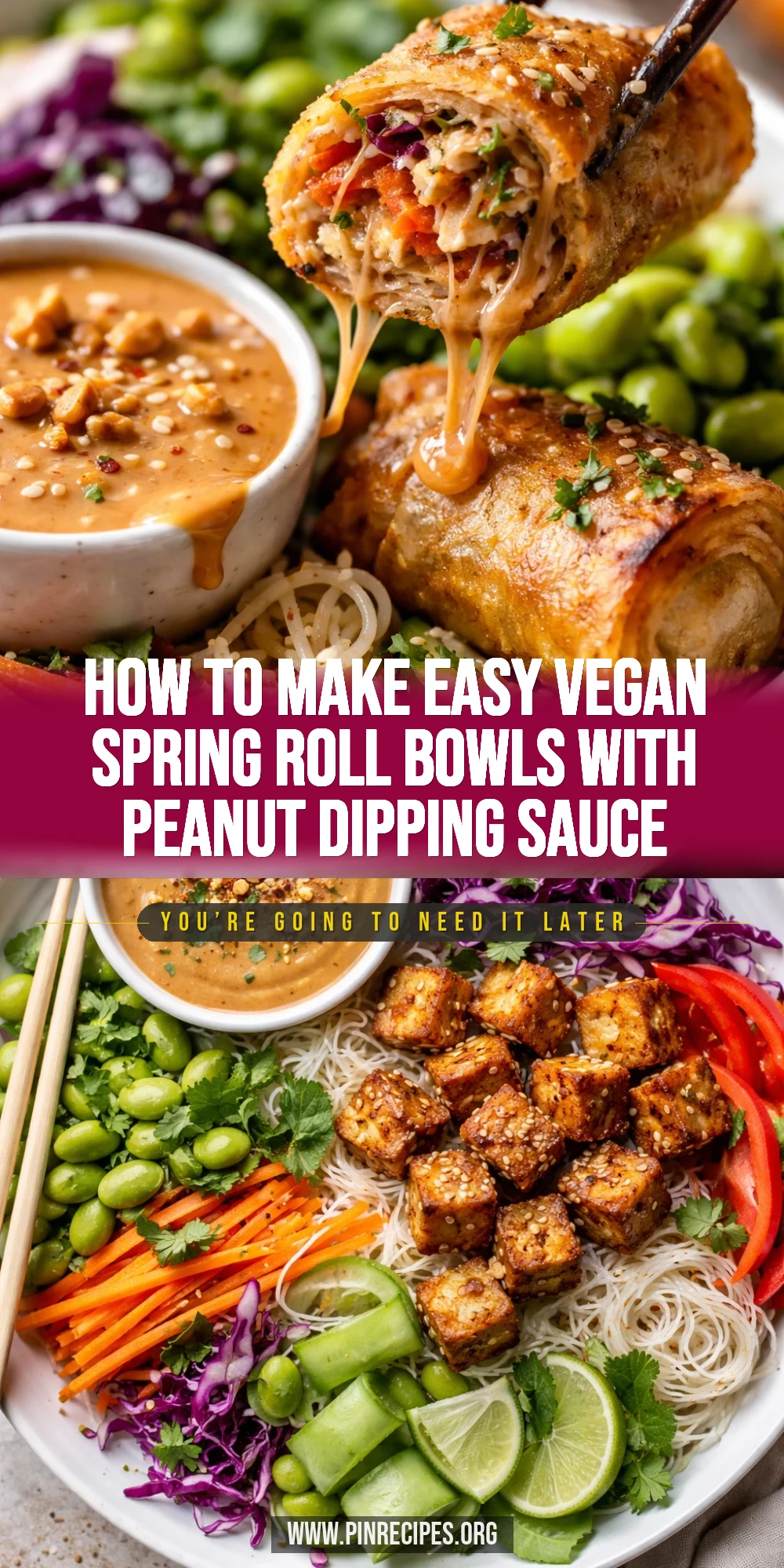
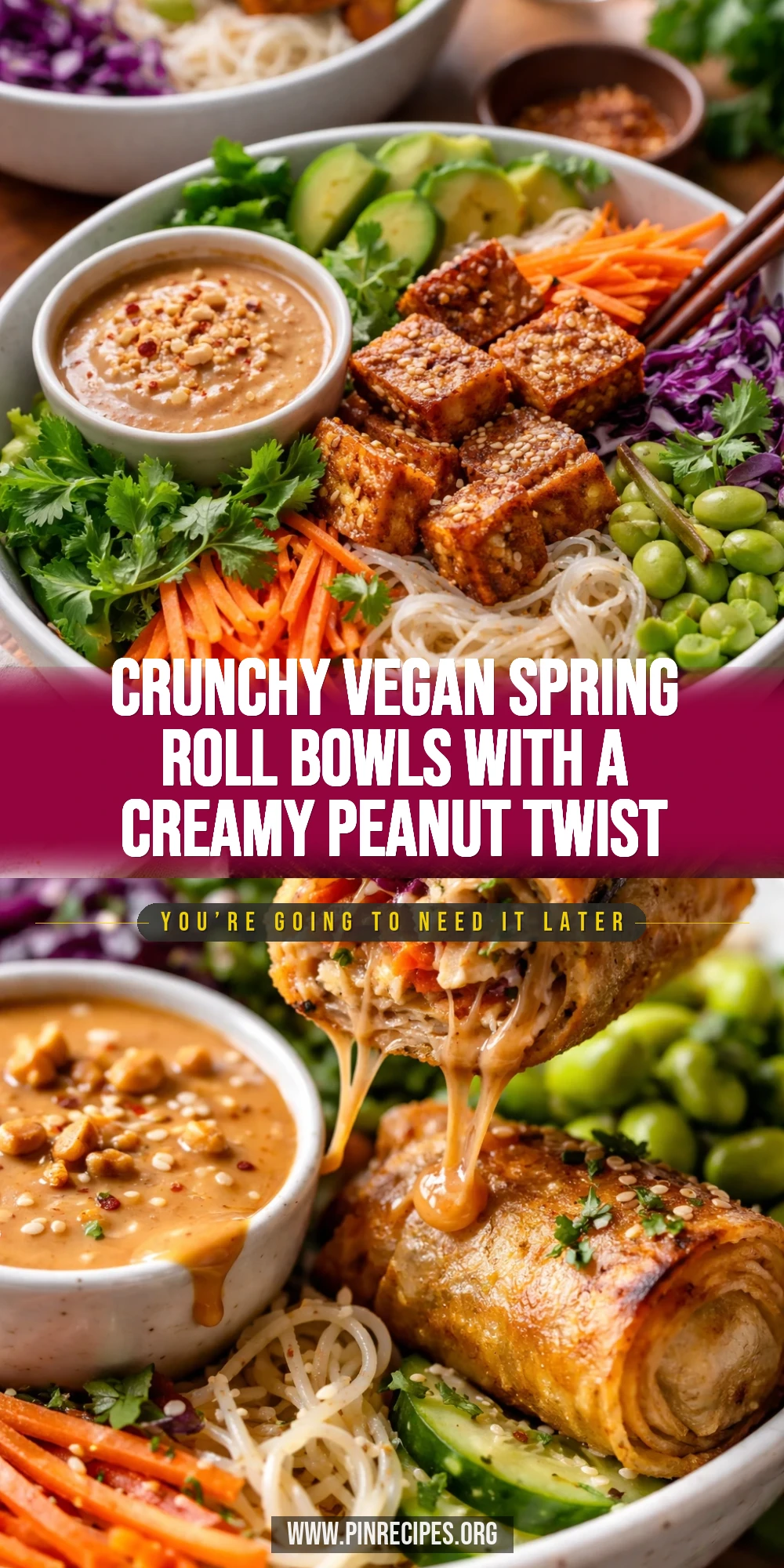
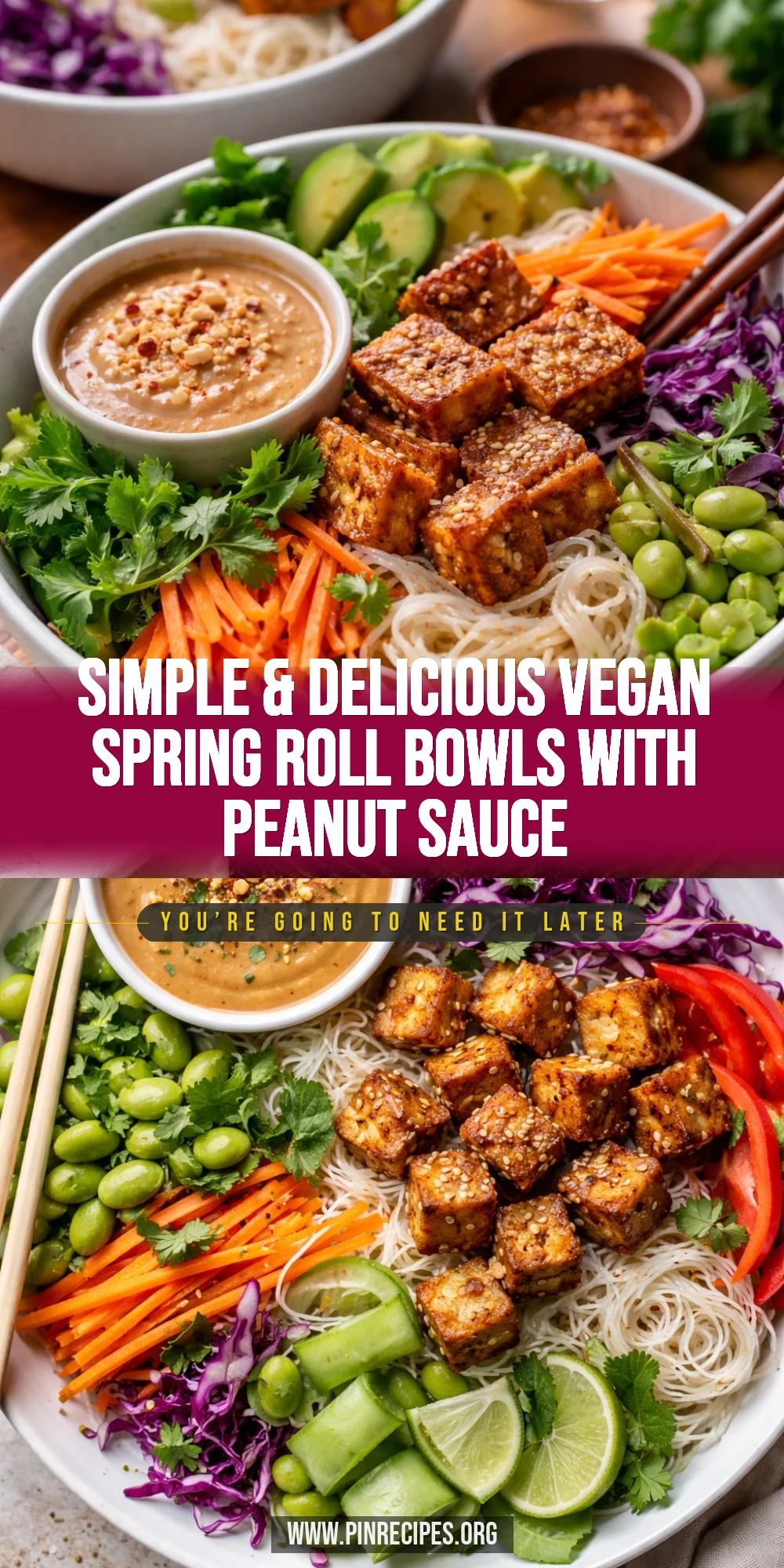
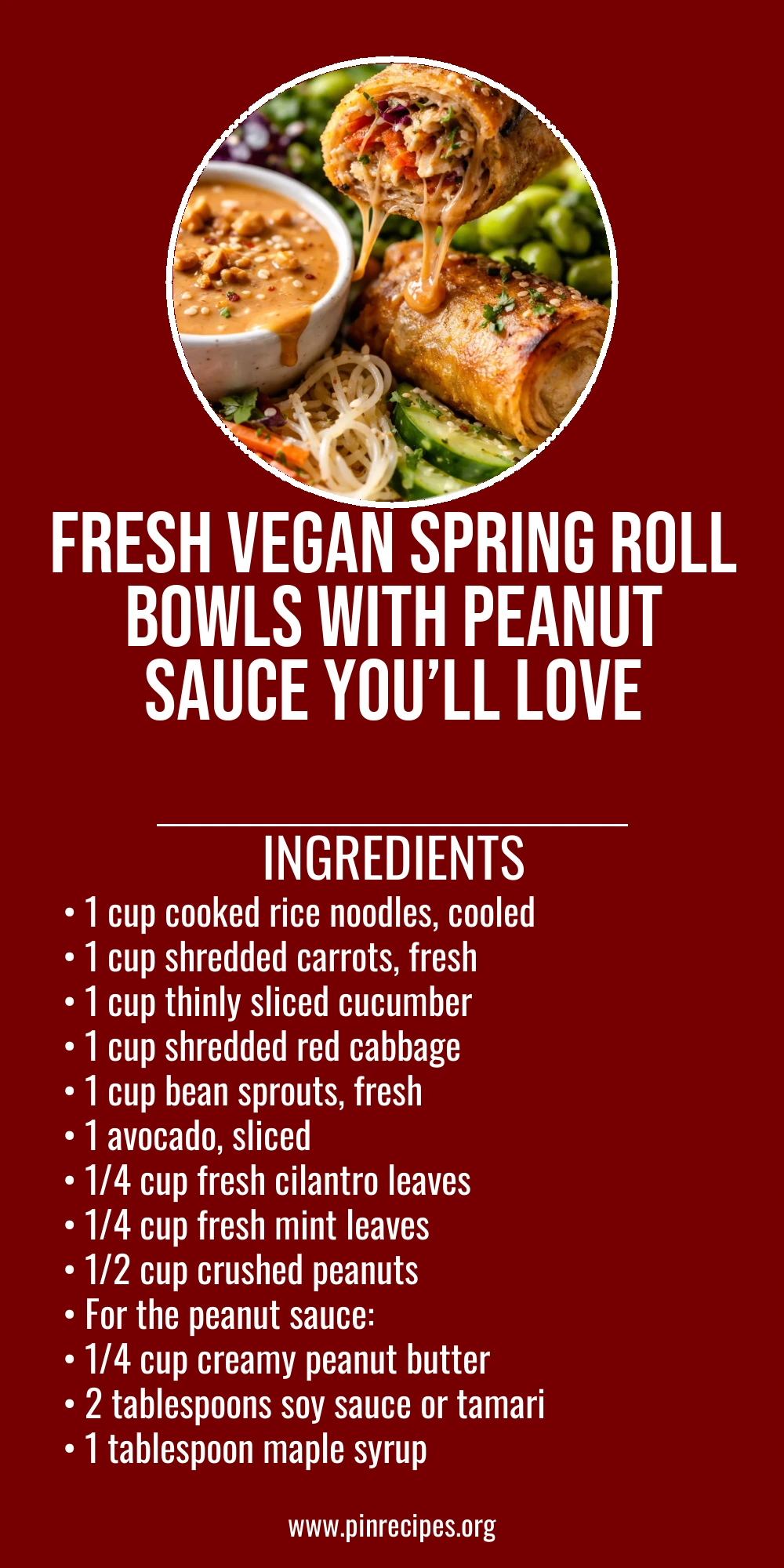
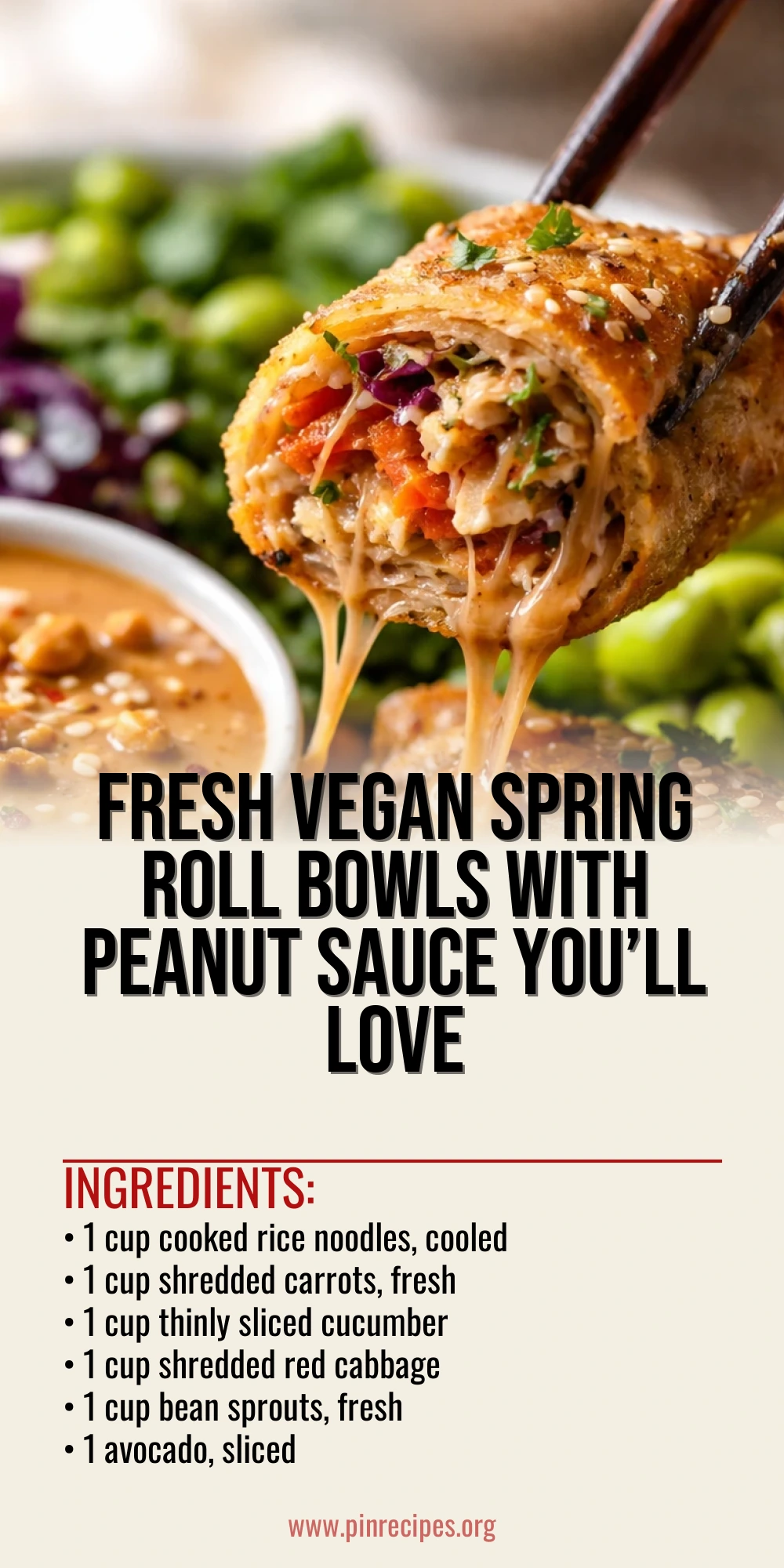
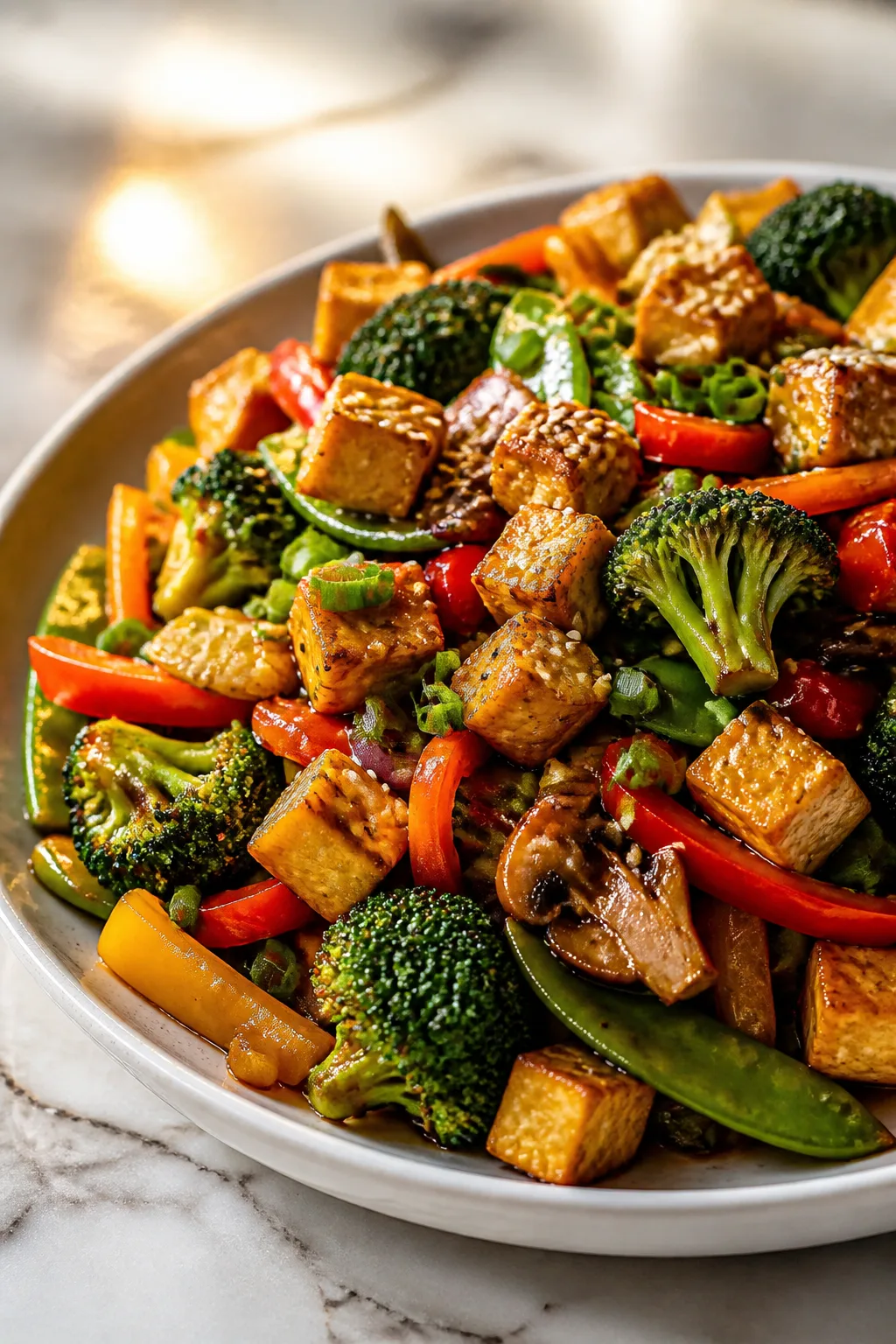
These vegan spring roll bowls are fresh, crunchy, and packed with vibrant veggies. The creamy peanut sauce adds a rich, nutty twist that makes every bite pop. Great for a light lunch or casual dinner!
Introduction
I first made these vegan spring roll bowls on a whim when craving something fresh and light but still satisfying. I’d tried traditional spring rolls before, but rolling them always felt fussy and time-consuming. That’s when I started layering all the classic fillings into a bowl, drizzling on a creamy peanut sauce, and it just clicked. This version is super easy to throw together, and the peanut sauce is the star — it’s rich, tangy, and just the right amount of sweet and savory. What makes this recipe stand out is how it balances crunchy veggies with silky avocado and soft noodles, all tied together by that luscious sauce. I love serving it for lunch or a quick dinner when I want something healthy but still feel like I’m indulging a little. The fresh herbs add a burst of brightness, and the crushed peanuts give a perfect crunch. Plus, it’s totally customizable — swap in your favorite veggies or add tofu if you want some extra protein. Honestly, it’s become a go-to in my kitchen when I want fresh flavors without a lot of fuss. I hope you enjoy it as much as my family does!
How To Do It
Step 1
Start by prepping all your veggies and herbs. Wash and shred the carrots and cabbage, thinly slice the cucumber, and rinse the bean sprouts. This prep is crucial because fresh, crisp veggies are what make this bowl so vibrant and satisfying. Taking your time here ensures each bite has a great texture contrast. Avoid chopping too thickly as it can make the bowl feel heavy rather than light and fresh.
⏱ Time: 10 minutes
✓ Doneness: Veggies should be crisp, bright in color, and evenly sliced for easy eating.
Step 2
Cook the rice noodles according to package instructions, usually soaking in hot water for 5-7 minutes until tender but not mushy. Drain and rinse under cold water to stop cooking and prevent sticking. This step is important because overcooked noodles turn mushy and ruin the bowl’s texture. Also, rinsing cools them down, making the bowl refreshing.
⏱ Time: 7 minutes
✓ Doneness: Noodles should be pliable but still have a slight bite, not falling apart.
Step 3
Prepare the peanut sauce by whisking together peanut butter, soy sauce, maple syrup, lime juice, grated ginger, and minced garlic. Gradually add warm water, a tablespoon at a time, until the sauce reaches a smooth, pourable consistency. The balance of tangy lime and sweet maple with salty soy creates a sauce that’s creamy but not overpowering. Don’t skip tasting and adjusting here — everyone’s palate is different!
⏱ Time: 5 minutes
✓ Doneness: Sauce should be smooth, creamy, and easily drizzle over the bowl.
Step 4
Assemble the bowls by dividing the cooled noodles among four bowls. Arrange the shredded carrots, cucumber slices, cabbage, bean sprouts, and avocado slices on top in sections or scattered for a colorful look. Add fresh cilantro and mint leaves for a burst of herbal freshness. Presentation is part of the fun here — it invites you to mix everything together before eating.
⏱ Time: 5 minutes
✓ Doneness: Bowls should look vibrant and inviting with a mix of colors and textures.
Step 5
Drizzle each bowl generously with the peanut sauce. Sprinkle crushed peanuts over the top for added crunch and nutty flavor. This final step ties all the elements together with richness and a slight saltiness that elevates the fresh veggies. If you want, add a wedge of lime on the side for an extra zing.
⏱ Time: 3 minutes
✓ Doneness: Sauce evenly coats the ingredients without drowning them, peanuts are visibly scattered.
Step 6
Give the bowl a gentle toss just before eating to coat the veggies and noodles in sauce. This helps distribute flavors evenly and lets you enjoy every bite with the perfect balance of textures. If you’re packing this for lunch, keep the sauce separate to avoid sogginess.
⏱ Time: 1 minute
✓ Doneness: Ingredients are lightly coated, not soaked, with sauce for balanced flavor.
Step 7
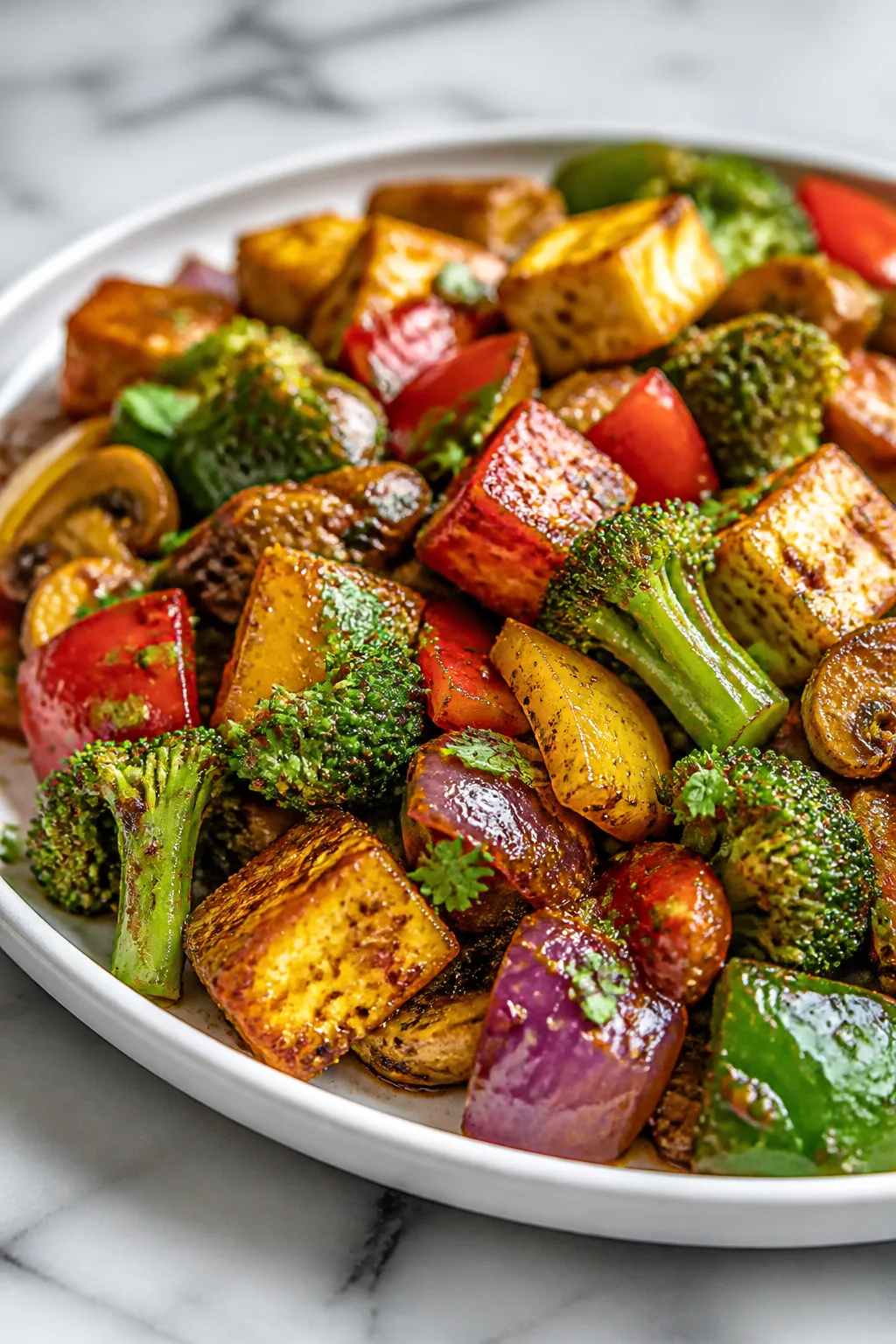
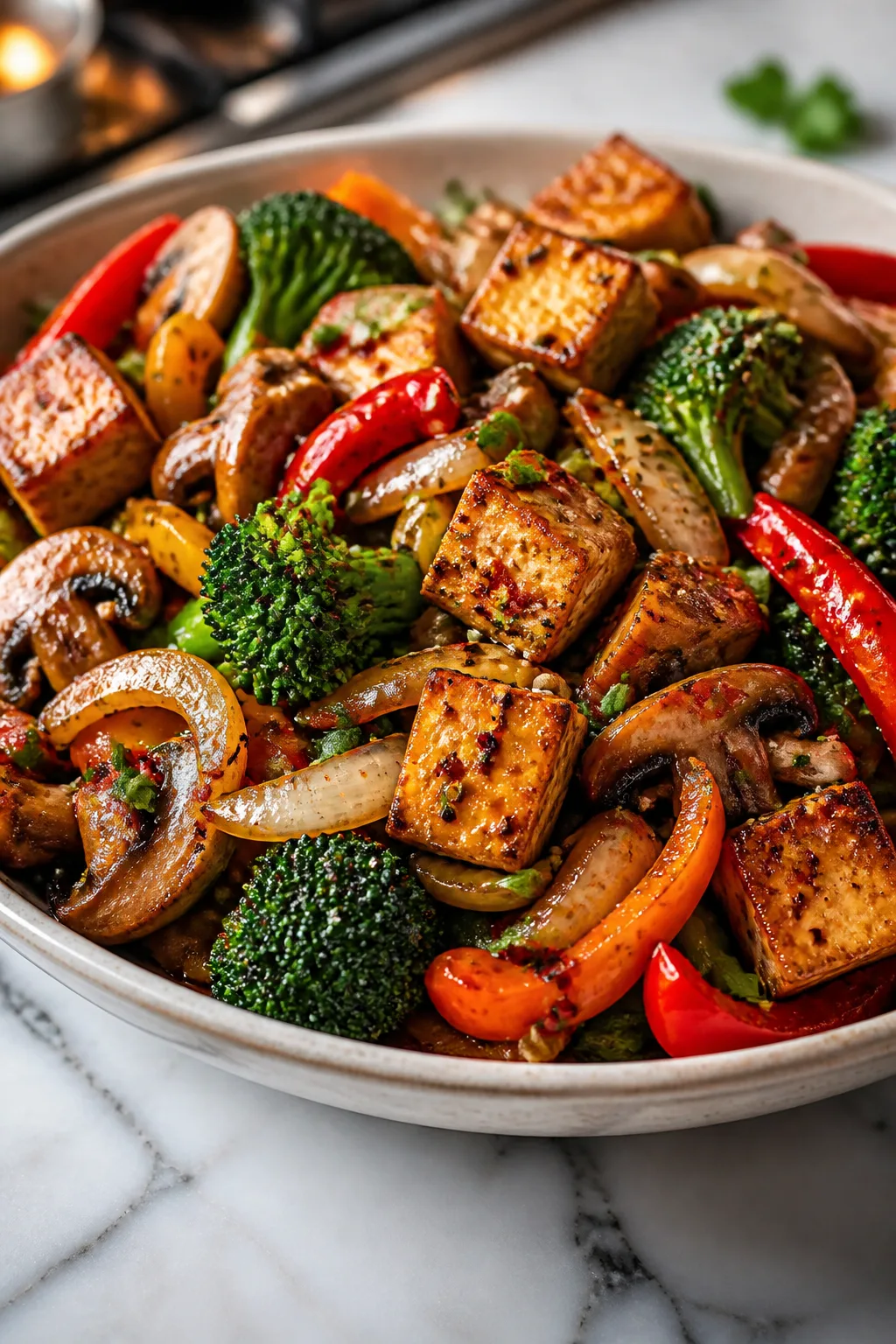
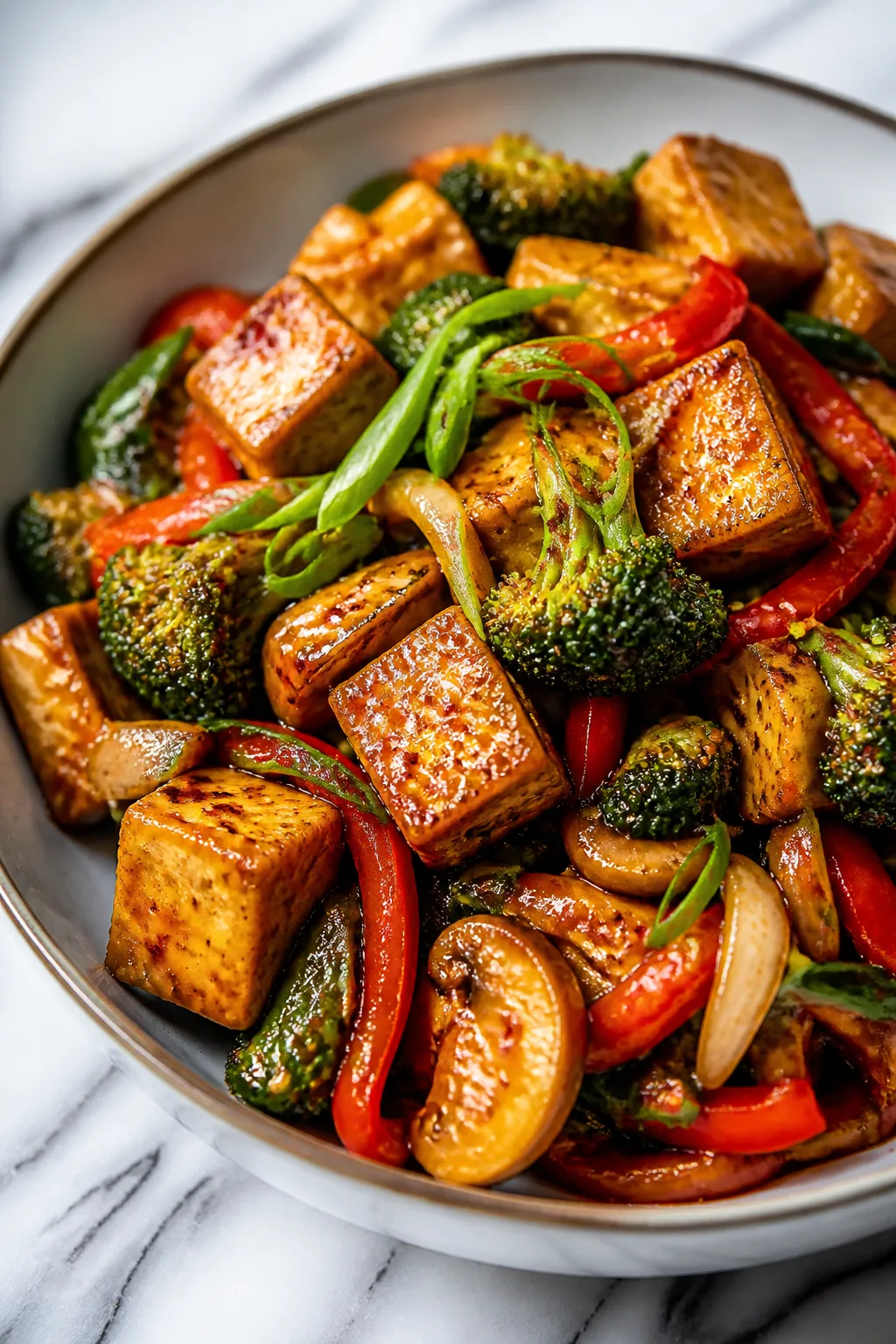
Optional: Add protein like baked tofu or tempeh for a heartier meal. Simply cube and pan-fry or bake with a little soy sauce and garlic. This adds a savory depth and makes the bowl more filling without losing the fresh vibe.
⏱ Time: 10-15 minutes
✓ Doneness: Protein is golden and slightly crispy on edges, flavorful but not overpowering.
Step 8
If you want a spicier kick, mix in some sriracha or chili flakes into your peanut sauce or sprinkle on top. It’s a great way to customize the heat level and add complexity to the flavor profile.
⏱ Time: 1 minute
✓ Doneness: Sauce has a subtle heat that complements the creamy peanut flavor.
Step 9
Serve immediately for the best texture and freshness. This bowl is best enjoyed right away to keep the veggies crisp and the noodles fresh. Leftovers can be stored but the texture will change as the sauce soaks in.
⏱ Time: Immediate
✓ Doneness: Dish looks fresh and vibrant, no soggy or wilted veggies.
Pro Tips
Prep all veggies uniformly to ensure even texture in every bite.
Even slicing and shredding means each forkful has a balanced crunch and flavor. Uneven pieces can make some bites overwhelming or too soft, which disrupts the harmony of textures that make this dish enjoyable.
Rinse noodles under cold water immediately after cooking.
This stops the cooking process, preventing mushy noodles. It also cools them down to keep the bowl refreshing and prevents noodles from sticking together, making assembly easier and the final dish more pleasant.
Add peanut sauce just before serving to keep veggies crisp.
If you dress the bowl too early, the moisture from the sauce will wilt the vegetables, especially delicate herbs and crunchy cabbage. Adding sauce last preserves the fresh textures and vibrant colors.
Toast peanuts lightly before crushing for extra flavor.
Toasting enhances the nuts’ aroma and adds a deeper, nuttier taste that complements the peanut butter sauce. It also adds a subtle crunch that contrasts nicely with the soft noodles and fresh vegetables.
Use fresh ginger and garlic for the peanut sauce instead of powder.
Fresh aromatics provide a brighter, more complex flavor than powders. They add a subtle zing and warmth that elevates the sauce beyond just sweet and salty, making the bowl more interesting.
Customize the bowl by adding baked tofu or tempeh for extra protein.
Adding protein makes the dish more filling and balanced nutritionally. Baking or pan-frying tofu with a bit of soy sauce adds savory depth and a satisfying texture contrast.
Store peanut sauce separately if making ahead.
Keeping the sauce separate prevents the noodles and veggies from becoming soggy. This way, the bowl stays fresh and crisp until you’re ready to eat.
Common Mistakes to Avoid
Overcooking the rice noodles
Why it happens It’s easy to leave noodles in hot water too long, thinking it makes them softer and more palatable.
Fix Follow package instructions closely and rinse noodles in cold water immediately after cooking to stop further softening. This keeps them tender but firm, preserving texture.
Adding peanut sauce too early
Why it happens Sometimes people dress the bowl in advance to save time, not realizing it will affect texture.
Fix Add sauce right before serving to keep veggies crisp and fresh. If prepping ahead, store sauce separately and combine when ready to eat.
Using bottled lime juice instead of fresh
Why it happens Convenience often leads cooks to use bottled juice, which lacks fresh flavor.
Fix Always use freshly squeezed lime juice for bright acidity and aroma. It makes a noticeable difference in flavor balance.
Skipping fresh herbs
Why it happens Some might omit herbs due to availability or preference, but this reduces flavor complexity.
Fix Use fresh cilantro and mint as they add essential brightness and freshness. If unavailable, try parsley but expect a milder flavor.
Not crushing peanuts
Why it happens Using whole peanuts can be a texture surprise and harder to eat in a bowl.
Fix Crush or roughly chop peanuts to sprinkle over the bowl. This adds crunch and integrates better with other textures.
Variations
Add Spicy Sriracha Peanut Sauce
Mix sriracha or chili flakes into the peanut sauce for a spicy kick that complements the creamy nuttiness. This adds warmth and depth without overpowering the fresh veggies. Great if you like a little heat!
Note: Adjust the amount of sriracha gradually to control heat level. The sauce will be slightly thinner with the addition of chili sauce.
Protein Boost with Baked Tofu
Add cubed tofu baked with soy sauce and garlic for a savory protein addition. This makes the bowl more filling and adds a satisfying texture contrast to the fresh vegetables and noodles.
Note: Bake tofu at 400°F for 20-25 minutes until edges are golden and slightly crispy.
Swap Rice Noodles for Quinoa
For a gluten-free, higher-protein option, replace rice noodles with cooked quinoa. It adds a nutty flavor and a slightly chewy texture that pairs well with the crunchy veggies and peanut sauce.
Note: Cook quinoa separately and cool before assembling to maintain freshness.
Use Almond Butter Instead of Peanut Butter
Swap peanut butter for almond butter in the sauce for a different nutty flavor that's a bit milder and sweeter. This variation works well if you want to change up the flavor profile or avoid peanuts.
Note: Almond butter may require slightly less water to reach desired sauce consistency.
Add Pickled Vegetables for Tang
Incorporate quick-pickled carrots or daikon radish for a bright, tangy contrast that cuts through the richness of the peanut sauce. This adds complexity and a refreshing zing to each bite.
Note: Pickle veggies at least 30 minutes ahead for best flavor absorption.
Nutrition
Per Serving:
Nutritional values are estimates and may vary based on specific ingredients used.
Storage & Tips
Room Temperature
This bowl is best eaten fresh but can safely sit at room temperature for up to 2 hours if covered. Beyond that, freshness and texture start to degrade, especially the crunchy vegetables.
Refrigerator
Store leftovers in an airtight container for up to 3 days. Keep peanut sauce separate if possible. When served cold, the bowl can be refreshing but noodles may firm up and veggies soften. For best texture, bring to room temperature before eating or add fresh herbs.
Freezer
Not recommended to freeze the assembled bowl as vegetables and noodles lose texture. You can freeze cooked noodles separately for up to 1 month, thaw in fridge overnight, and assemble fresh when ready.
Reheating
If adding tofu or other cooked proteins, reheat gently in a skillet or microwave until warm. Avoid reheating the whole bowl with sauce and raw veggies as it will wilt and lose freshness. Add peanut sauce after reheating.
Make Ahead
Prep all vegetables and noodles 1 day ahead and store separately in airtight containers. Make peanut sauce in advance and refrigerate. Assemble bowls just before serving for maximum freshness and texture.
FAQ
Can I use other types of noodles instead of rice noodles?
Yes! You can substitute with soba noodles, glass noodles, or even spiralized zucchini for a low-carb option. Just make sure to cook and cool them properly to maintain the right texture and prevent sogginess in the bowl.
How long can I store the peanut sauce?
Peanut sauce can be stored in an airtight container in the fridge for up to 5 days. Stir well before using, as natural oils may separate. If it thickens too much, thin with a bit of warm water or lime juice.
Is it possible to make this recipe nut-free?
Absolutely! Substitute peanut butter with sunflower seed butter or tahini to keep the creamy texture. You might want to adjust the seasonings slightly, as these alternatives have different flavor profiles.
Can I prepare this recipe ahead of time for meal prep?
Yes, prep all ingredients and store separately, especially the peanut sauce. Assemble bowls just before eating to keep veggies crisp and noodles fresh. This helps avoid sogginess and maintains the best flavor and texture.
What if I don’t have fresh herbs like cilantro or mint?
While fresh herbs add brightness, you can substitute with fresh parsley or basil. Dried herbs won’t provide the same fresh flavor or texture, so it’s best to use fresh if possible.
How spicy is the peanut sauce?
The base peanut sauce isn’t spicy, but you can easily add heat by mixing in sriracha, chili flakes, or fresh chilies according to your taste preferences.
Can I add protein to make this more filling?
Definitely! Grilled tofu, tempeh, or cooked shrimp are excellent additions. Marinate and cook them separately, then add on top of the bowl for a balanced, satisfying meal.
What’s the best way to crush peanuts for topping?
Place peanuts in a zip-top bag and gently crush with a rolling pin or heavy pan. You want coarse pieces for crunch, not a fine powder. Toasting peanuts lightly before crushing enhances flavor.
Final Thoughts
I hope you give these vegan spring roll bowls a try soon — they’re one of my favorite quick, fresh meals. Don’t forget to share how yours turn out!