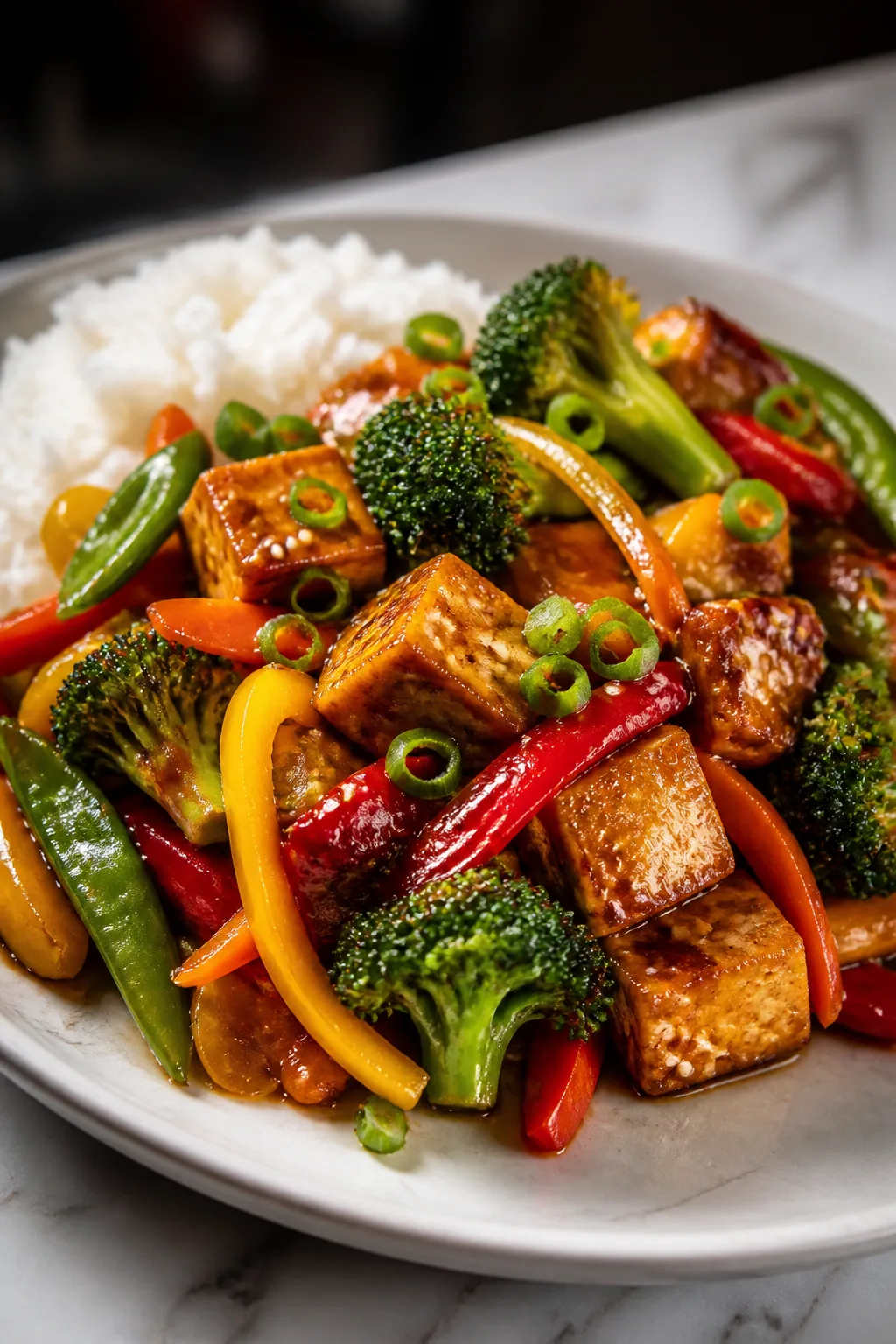
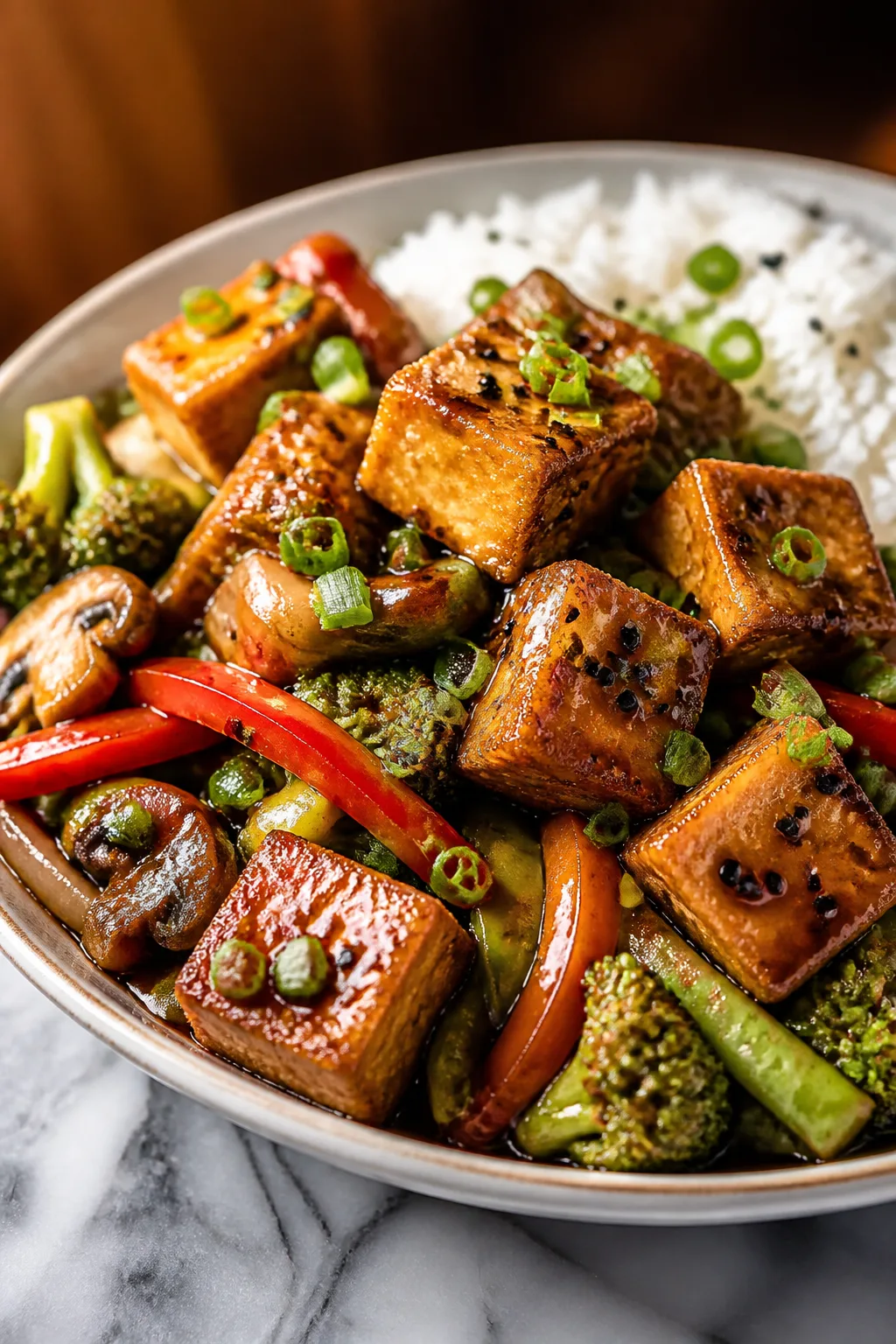
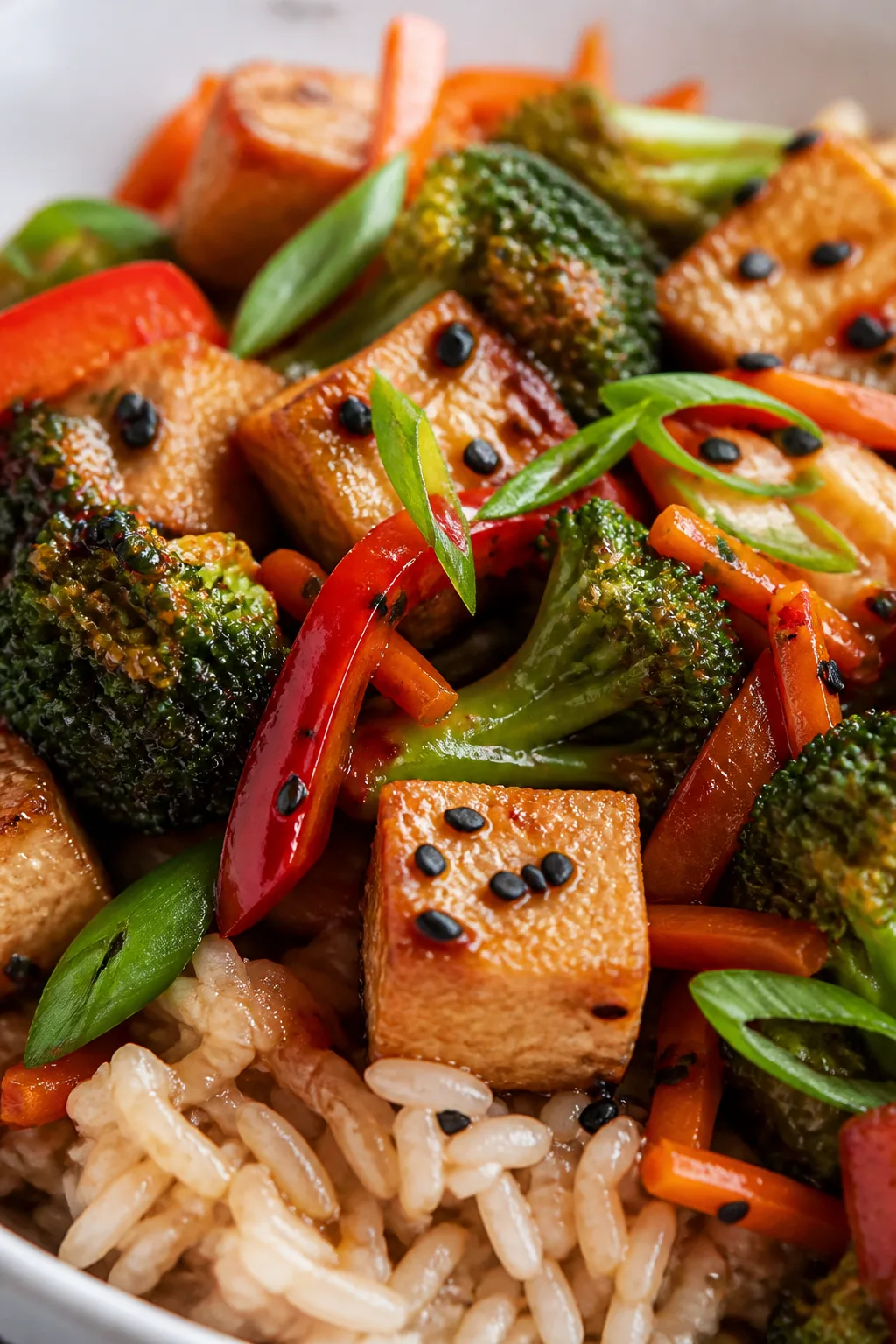
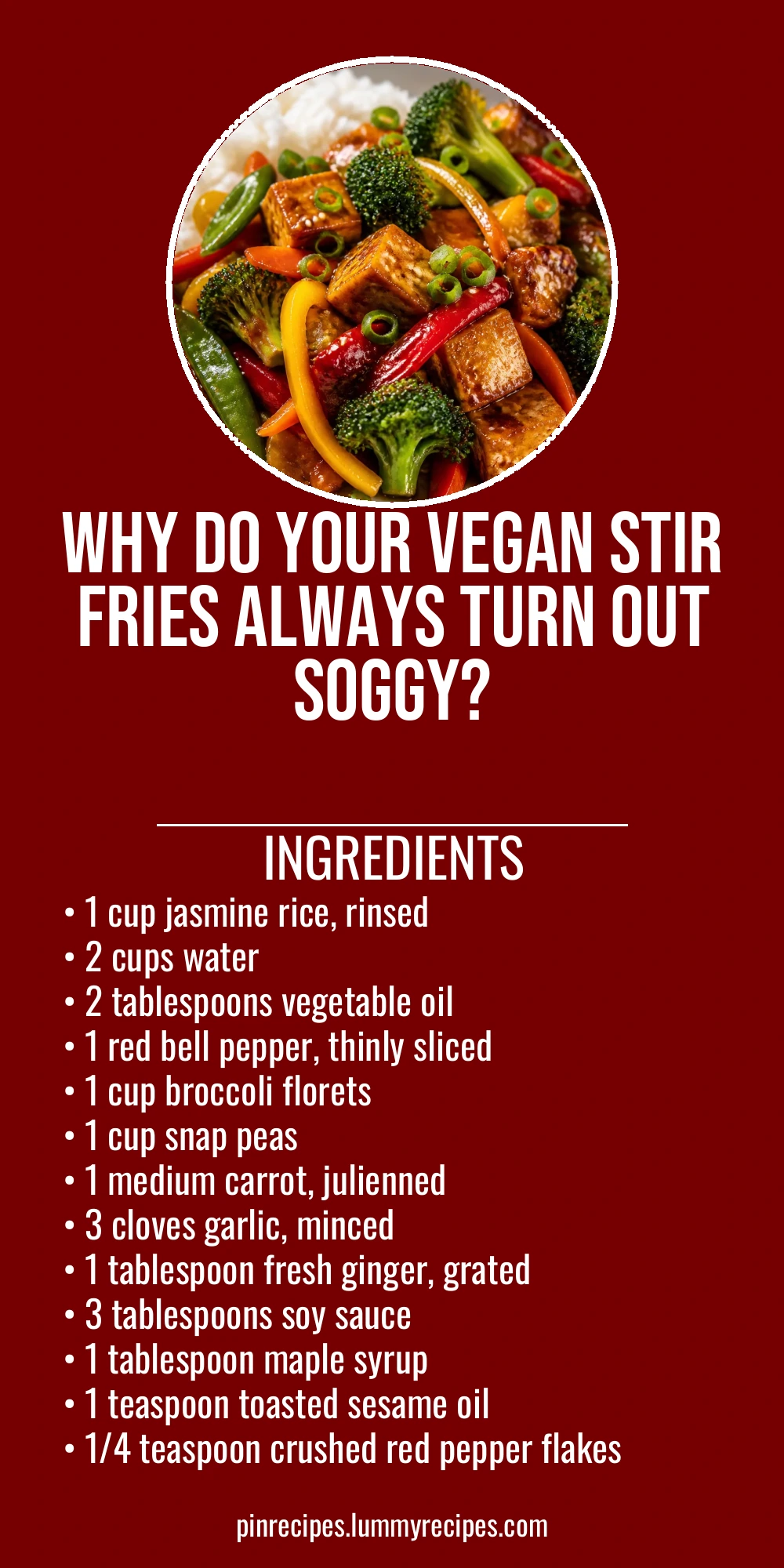
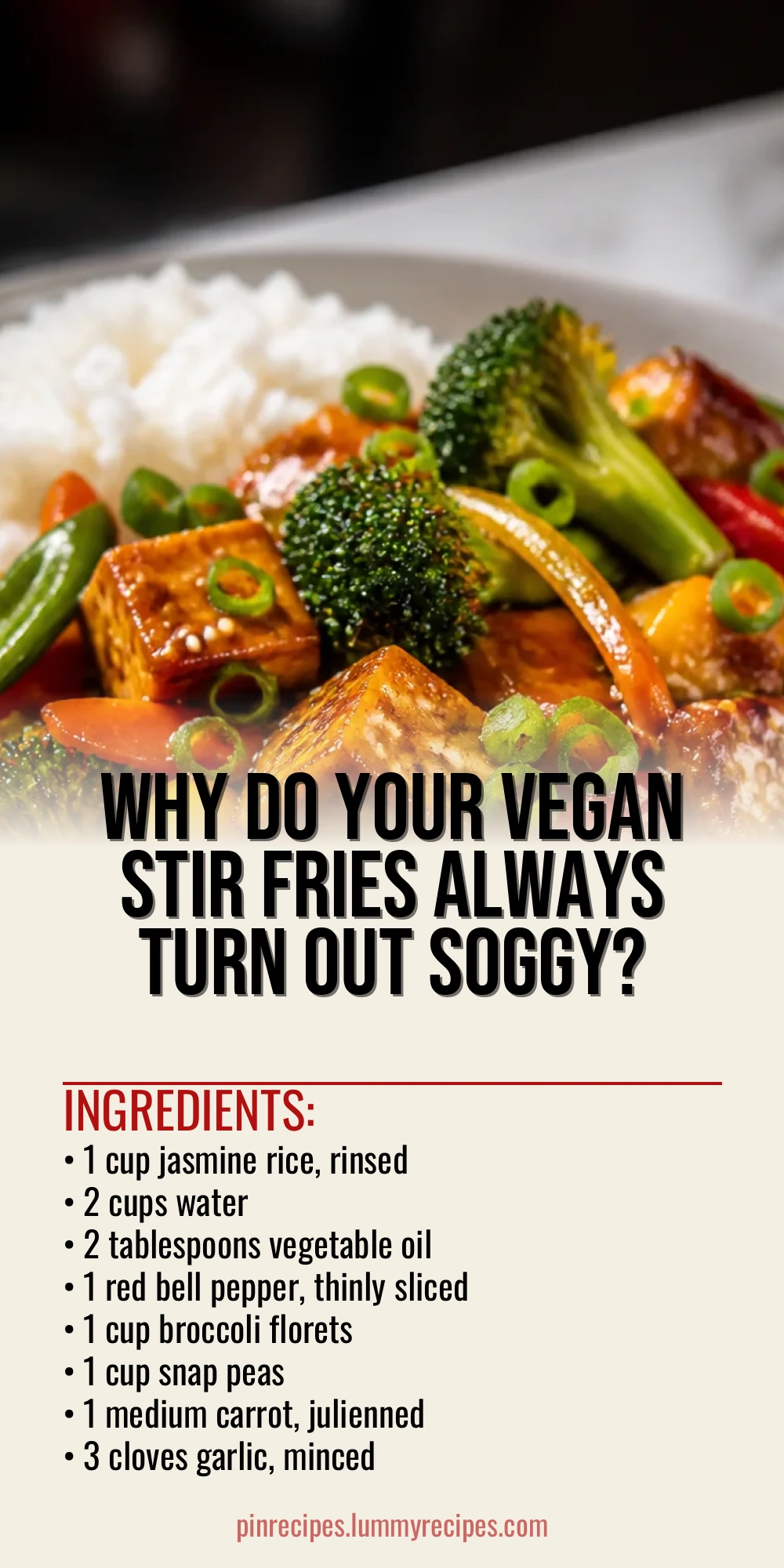
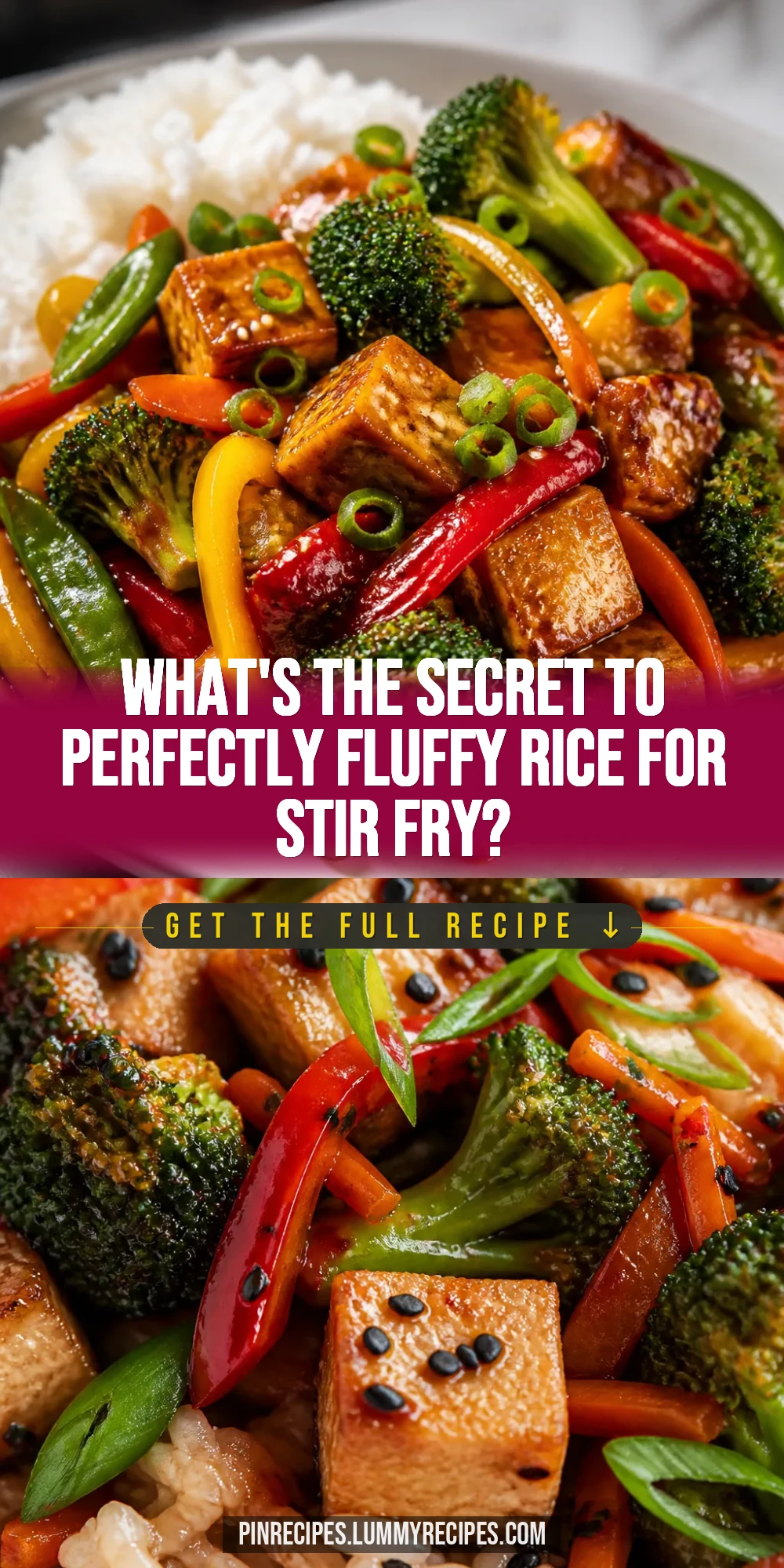
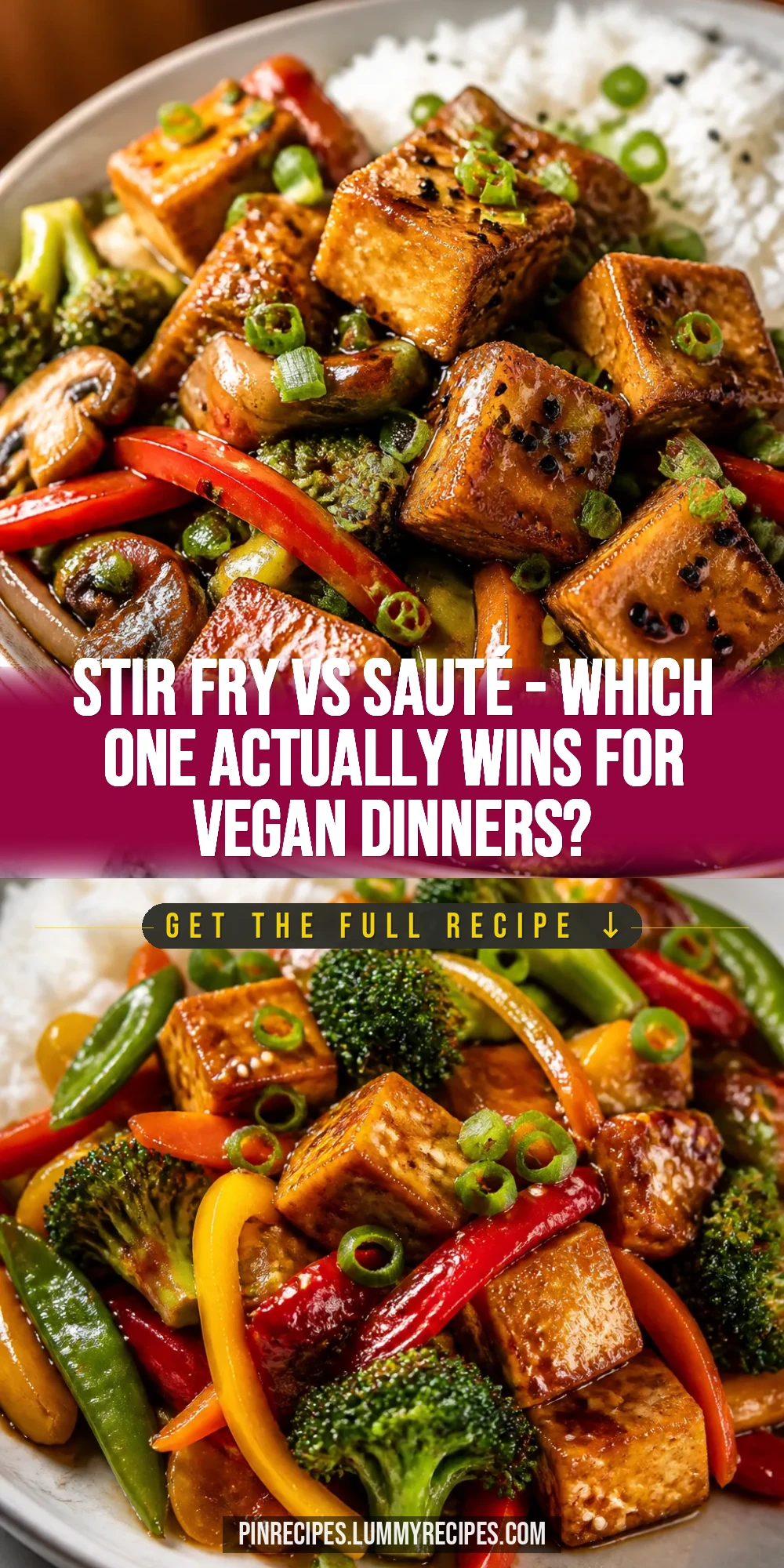
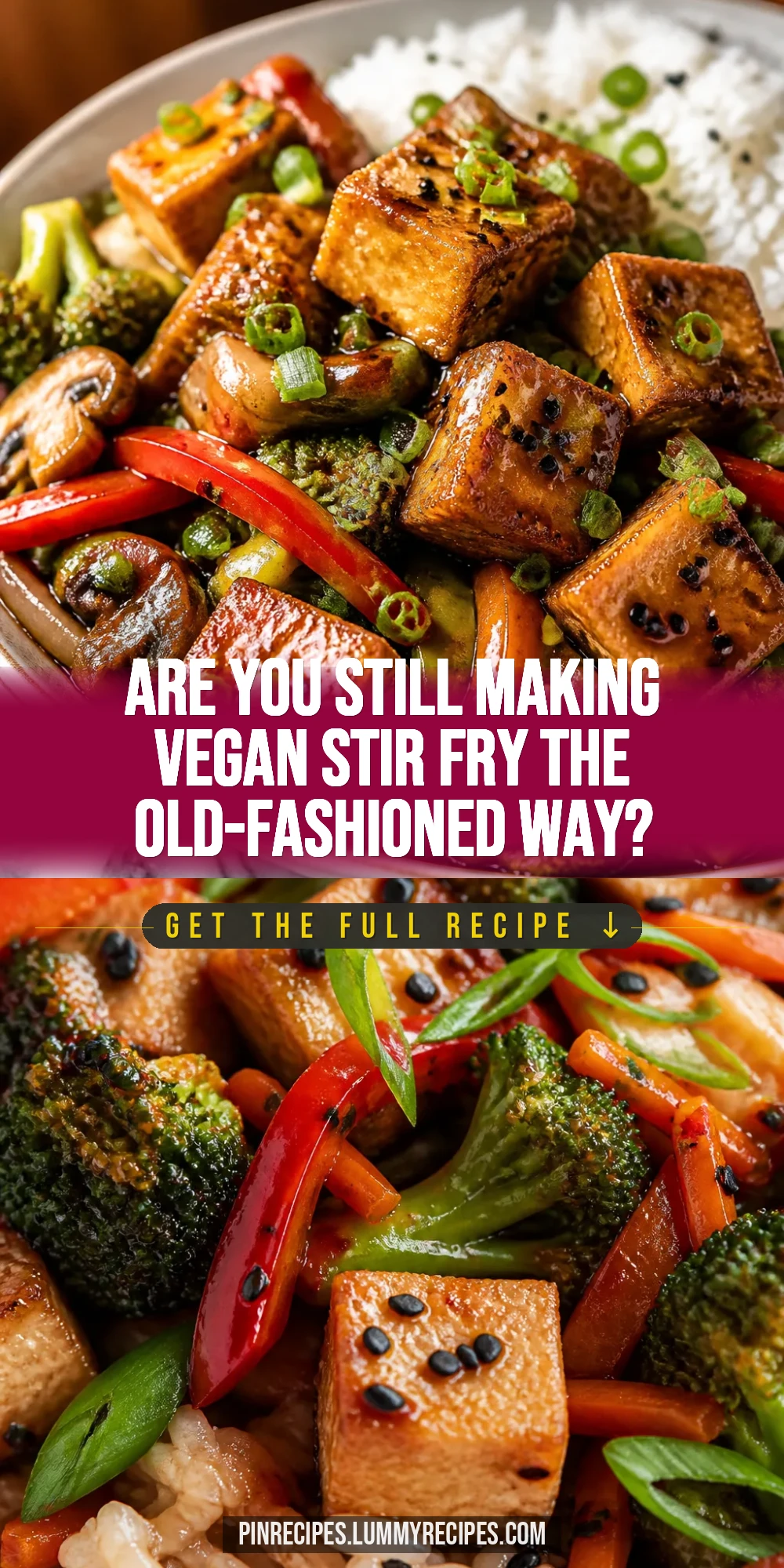
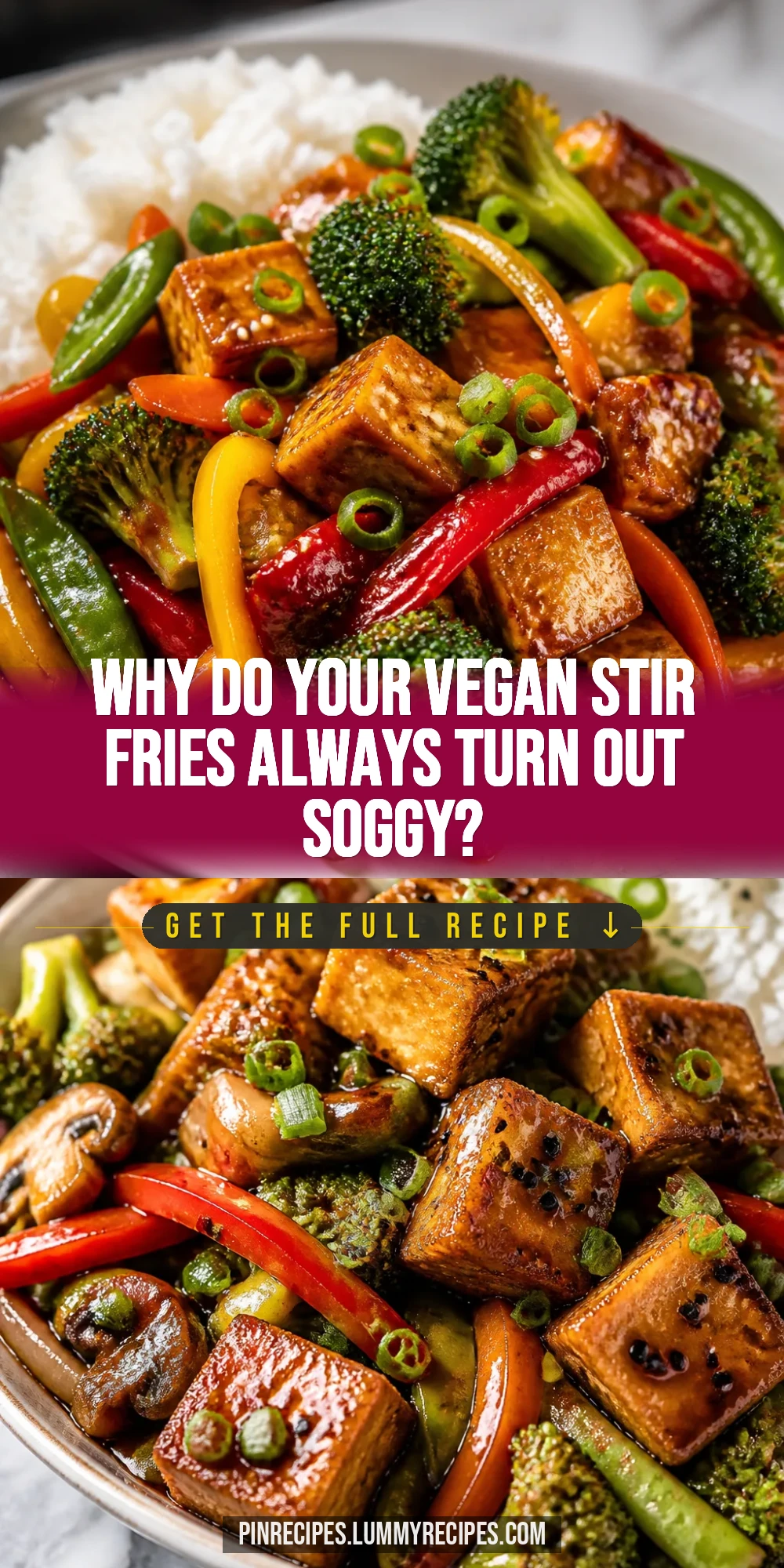
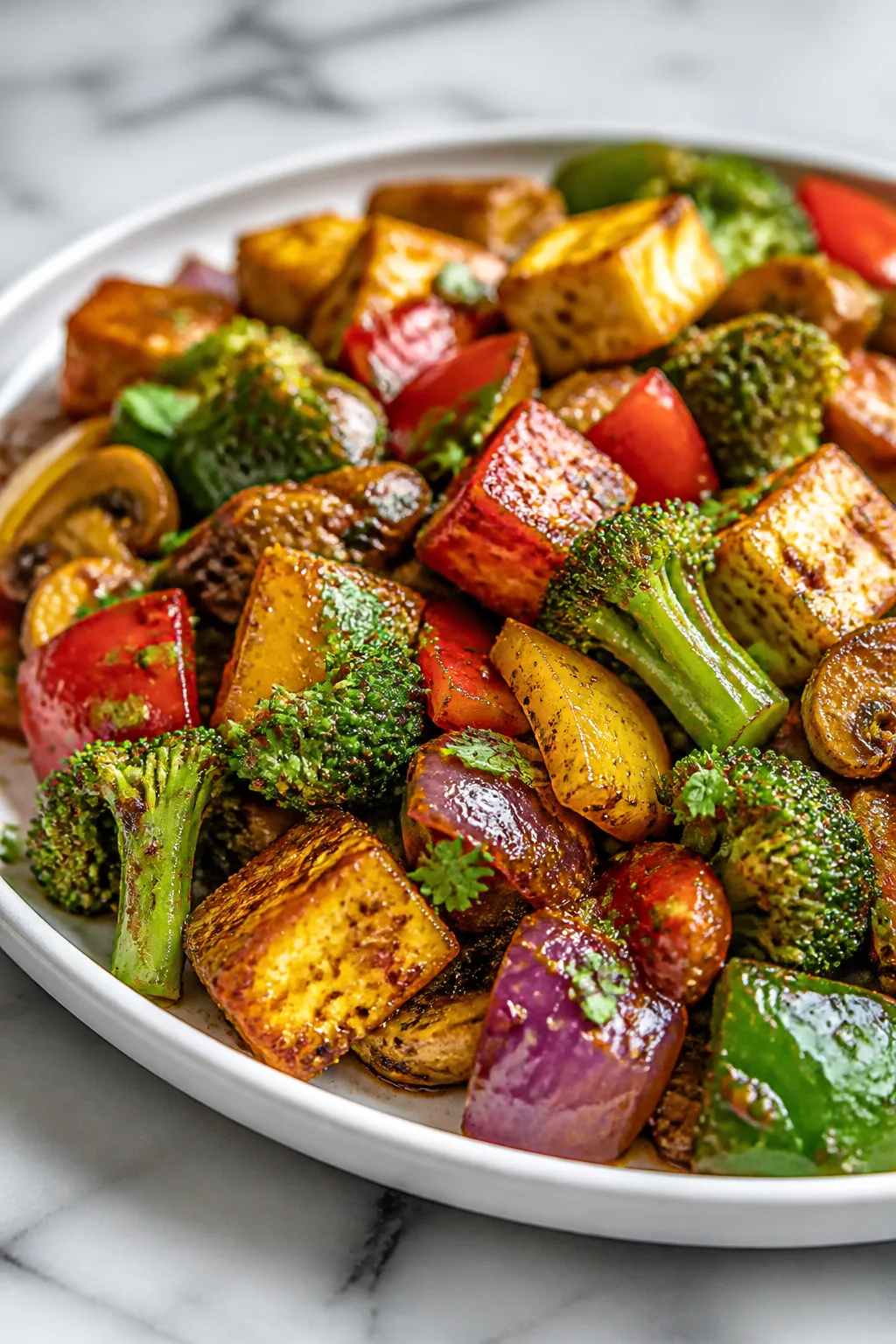
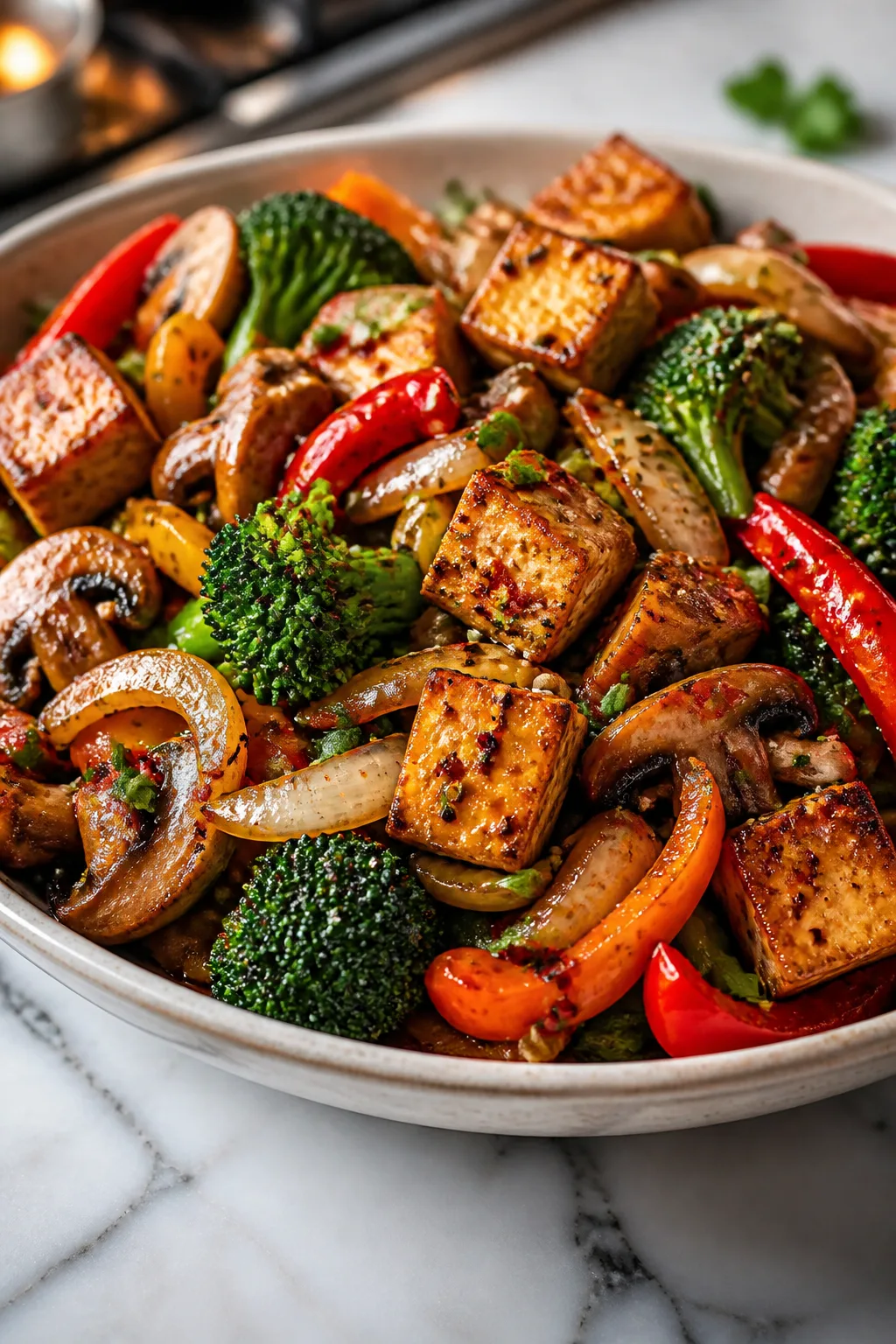
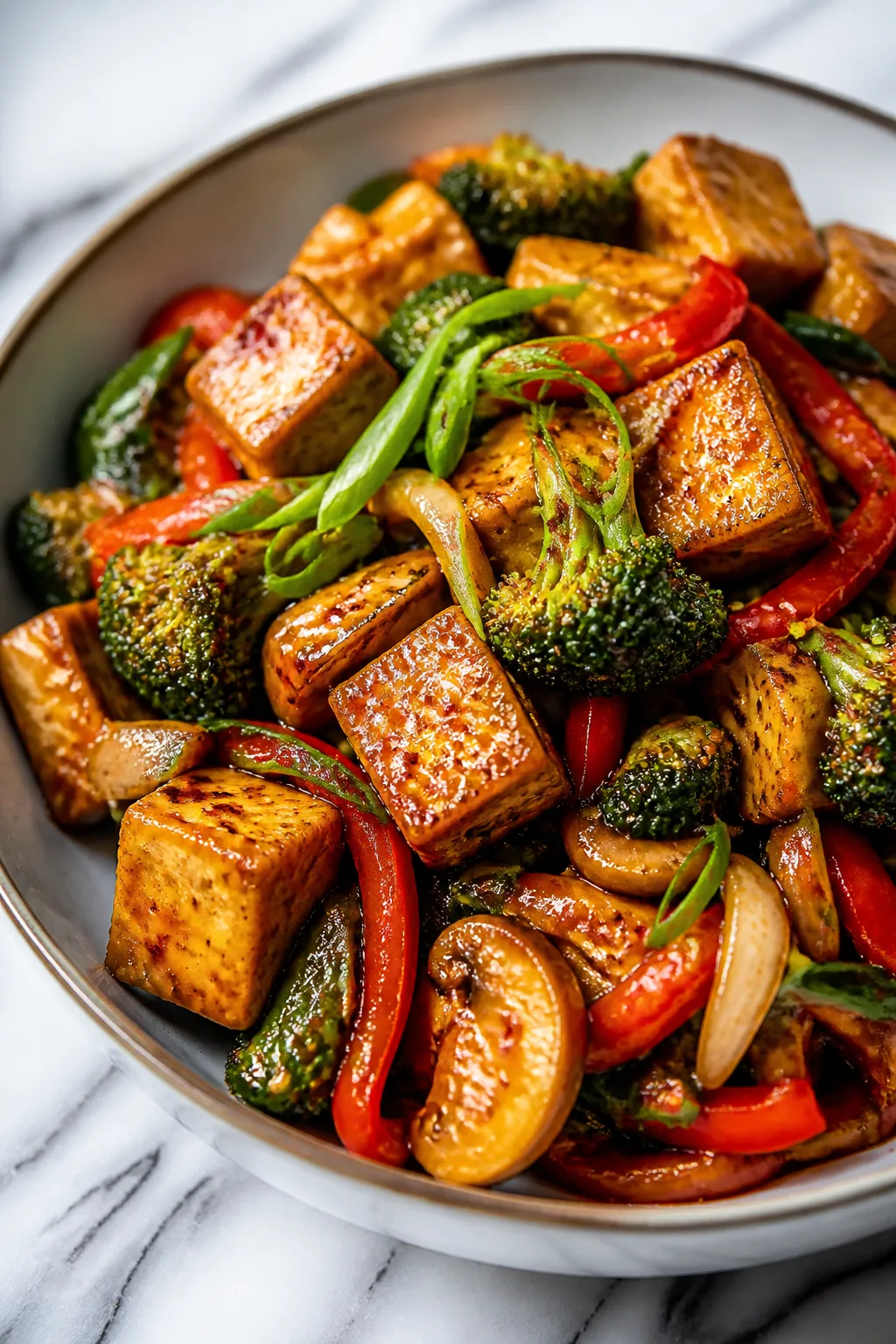
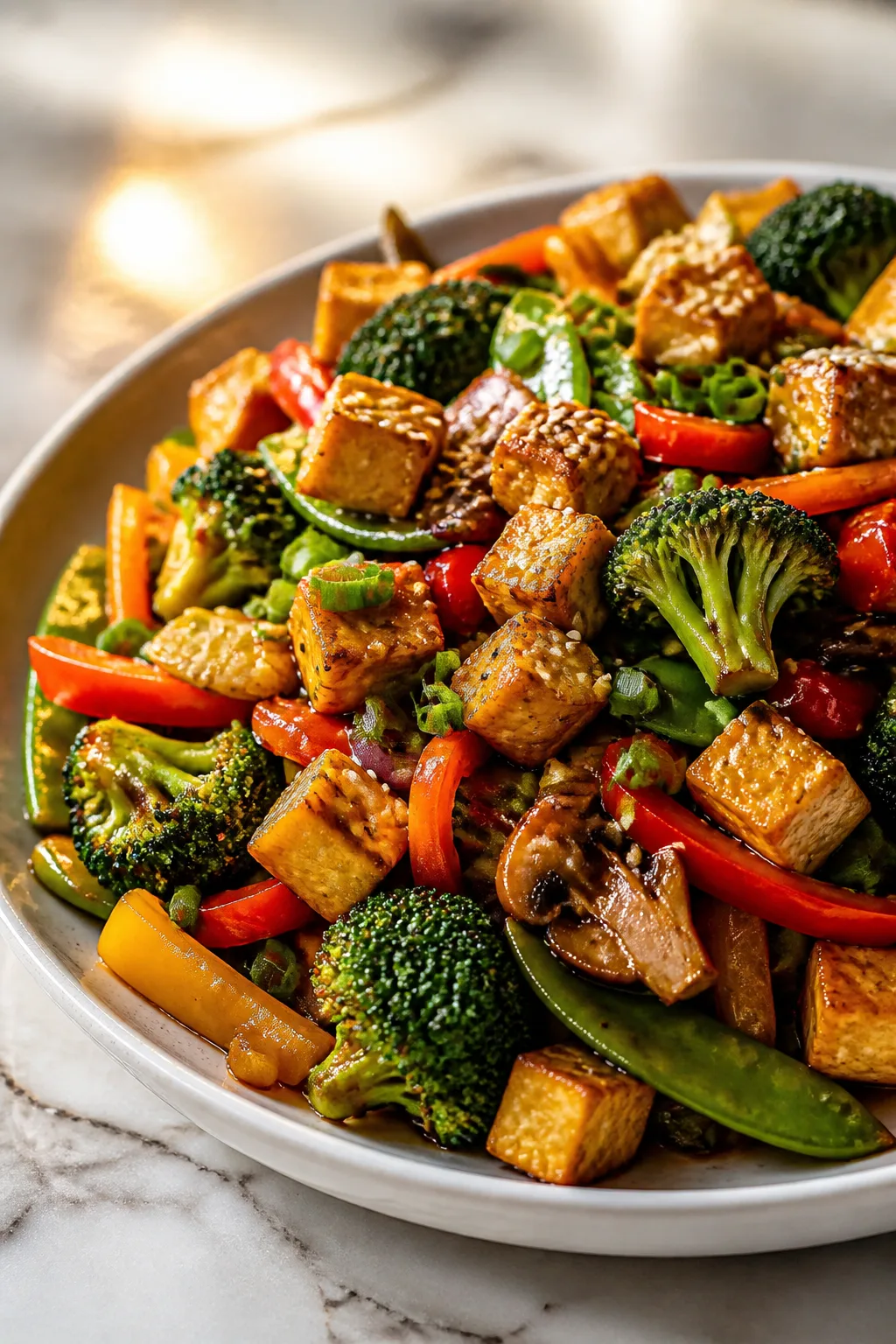
This vegan stir fry with rice is my go-to when I want something quick but satisfying. The secret? Fresh veggies tossed in a savory sauce that makes every bite pop. Perfect for a cozy weeknight meal!
Introduction
I first stumbled upon this vegan stir fry recipe when I wanted a quick, healthy dinner that my whole family would enjoy. What sets this version apart is the balance of fresh, crunchy veggies paired with a simple, flavorful sauce that’s just sweet and salty enough. Over time, I tweaked the sauce to include a touch of maple syrup and toasted sesame oil, which really brings out the depth of flavor. The trick I learned is to cook the rice separately but perfectly fluffy, then toss everything together at the end so the veggies stay crisp and colorful. This dish is not only vibrant and satisfying but also incredibly easy to customize with whatever vegetables you have on hand. I love how it comes together in about 45 minutes, making it perfect for busy weeknights when I want something nourishing without fuss. Plus, it reheats well, so leftovers are a bonus. If you’re looking for a family-friendly vegan dinner that feels homemade and comforting, this recipe is a winner in my book.
How To Do It
Step 1
Start by cooking the jasmine rice. Rinse the rice under cold water until the water runs clear to remove excess starch, which helps keep the grains separate. Combine the rice and 2 cups of water in a medium saucepan, bring to a boil, then reduce heat to low and cover. Let it simmer gently for about 15 minutes without lifting the lid. This gentle steaming method ensures fluffy, tender rice. Avoid stirring or removing the lid too often, as this can cause the rice to become sticky or mushy.
⏱ Time: 15 minutes
✓ Doneness: Rice is tender and water fully absorbed, grains are separate and fluffy
Step 2
While the rice cooks, prep your vegetables by slicing the bell pepper, julienning the carrot, and trimming the broccoli and snap peas. Heat 2 tablespoons of vegetable oil in a large skillet or wok over medium-high heat until shimmering. Add the garlic and ginger first, stirring quickly for about 30 seconds until fragrant but not browned. This step infuses the oil with flavor, which will coat the veggies beautifully.
⏱ Time: 3 minutes
✓ Doneness: Aromatic smell from garlic and ginger, no browning
Step 3
Add the harder vegetables first—carrots and broccoli florets—to the hot skillet. Stir fry them for about 3-4 minutes, tossing frequently to cook evenly but keep them crisp. The goal here is to soften them slightly without losing their vibrant color or crunch. Overcooking will make the veggies soggy, so stay attentive and keep the heat high enough for quick cooking.
⏱ Time: 4 minutes
✓ Doneness: Vegetables are bright in color and slightly tender but still crisp
Step 4
Next, add the snap peas and red bell pepper slices. Continue stir-frying for another 2-3 minutes. These veggies cook faster, so adding them later prevents over-softening. Keep stirring constantly to ensure even cooking and to prevent any sticking or burning. The mixture should look glossy but not wet.
⏱ Time: 3 minutes
✓ Doneness: Veggies are tender-crisp with a slight snap when bitten
Step 5
In a small bowl, whisk together the soy sauce, maple syrup, toasted sesame oil, and crushed red pepper flakes if using. Pour this sauce over the vegetables and toss well to coat evenly. The heat will help the sauce thicken slightly and cling to the veggies. Stir-frying with the sauce at the end prevents the vegetables from becoming soggy and keeps the flavors bright.
⏱ Time: 2 minutes
✓ Doneness: Sauce is evenly distributed and slightly glossy on vegetables
Step 6
Add the cooked rice to the skillet with the vegetables and gently toss everything together. Use a spatula to fold the rice through the veggies without mashing. This step combines all the flavors while maintaining texture. If the mixture seems dry, add a splash of water or extra soy sauce to loosen it up. Heat through for 2-3 minutes until everything is hot.
⏱ Time: 3 minutes
✓ Doneness: Rice is heated through and well mixed with vegetables and sauce
Step 7
Turn off the heat and sprinkle the stir fry with sliced green onions and sesame seeds for a fresh, nutty finish. These toppings add texture and a pop of color. Serve immediately to enjoy the crispness of the vegetables and the warmth of the rice.
⏱ Time: 1 minute
✓ Doneness: Fresh garnish visible and dish looks vibrant
Step 8
If you want to add some protein, consider tossing in cooked tofu cubes or chickpeas at step 6. Make sure to press tofu beforehand to remove excess moisture for a better texture. This addition makes the meal more filling and balanced without compromising the vegan profile.
⏱ Time: Optional, 5 minutes
✓ Doneness: Protein is warmed through and evenly mixed
Step 9
For a bit of extra flavor, drizzle a little more toasted sesame oil or a squeeze of fresh lime juice over the finished dish before serving. This brightens the flavors and adds a subtle complexity that makes the stir fry feel special and homemade.
⏱ Time: Optional, 1 minute
✓ Doneness: Dish has a fresh, zesty aroma and enhanced flavor
Pro Tips
Always rinse your rice before cooking.
Rinsing removes surface starch that can cause rice to clump and become gummy. This simple step is essential for achieving fluffy, separate grains that complement the stir fry rather than turning into a mushy base.
Use a very hot pan for stir frying.
High heat cooks vegetables quickly, preserving their bright color and crisp texture. It also promotes the Maillard reaction, giving the veggies a slight caramelization that adds depth of flavor. Low heat results in soggy, steamed vegetables.
Add vegetables in stages based on cooking time.
Harder vegetables like carrots and broccoli need more time to cook than softer ones like bell peppers. Adding them all at once leads to uneven cooking, with some veggies overdone and others undercooked.
Don’t overcrowd the pan.
If the pan is too crowded, vegetables steam instead of stir fry, losing their crispness. Cook in batches if needed to maintain high heat and proper texture.
Press tofu before adding for extra protein.
Removing excess moisture from tofu helps it brown better and prevents it from becoming soggy in the stir fry. This step improves texture and flavor absorption.
Use fresh garlic and ginger for best flavor.
Fresh aromatics release essential oils and flavors that dried versions can’t match. They infuse the cooking oil, creating a flavorful base for the stir fry.
Finish with fresh garnishes like green onions and sesame seeds.
Garnishes add a fresh crunch and visual appeal, balancing the cooked vegetables and adding layers of flavor and texture.
Common Mistakes to Avoid
Overcooking the vegetables.
Why it happens Many cooks leave vegetables in the pan too long or cook at too low heat, causing them to lose their crunch and become mushy.
Fix Keep your pan hot and stir fry in small batches if necessary. Add vegetables in order of cooking time and remove them as soon as they are tender-crisp.
Not rinsing the rice.
Why it happens Skipping this step is often due to rushing or not knowing its importance, leading to sticky, clumpy rice.
Fix Always rinse rice under cold water until it runs clear. This removes excess starch and ensures fluffy, separate grains.
Using too much sauce.
Why it happens Adding extra sauce to make the dish saucier can make the vegetables soggy and the dish watery.
Fix Measure sauce carefully and add it at the end of cooking. Toss quickly and avoid letting the veggies sit in sauce for too long.
Overcrowding the pan.
Why it happens Trying to cook all the vegetables at once lowers the pan temperature, causing steaming instead of stir frying.
Fix Cook in batches if needed to maintain high heat and proper texture.
Adding delicate vegetables too early.
Why it happens Bell peppers or snap peas added too soon will become limp and lose their fresh flavor.
Fix Add softer vegetables last, cooking them just until tender-crisp.
Variations
Spicy Peanut Stir Fry
Add 2 tablespoons of peanut butter and a splash of sriracha to the sauce for a creamy, spicy twist. Top with crushed peanuts for extra crunch. This variation adds richness and heat, perfect if you like bold flavors.
Note: Peanut butter thickens the sauce, so add a bit of water if needed to keep it saucy.
Tofu and Cashew Stir Fry
Include pressed and pan-fried tofu cubes and toasted cashews for added protein and texture. This makes the dish heartier and more filling, great for a main course.
Note: Cook tofu separately to get a golden crust before adding to the stir fry.
Ginger Lime Stir Fry
Boost the fresh flavors by adding extra grated ginger and finishing with a squeeze of lime juice. This brightens the dish and adds a zesty note that pairs well with the soy sauce base.
Note: Add lime juice right before serving to preserve its freshness.
Brown Rice Vegan Stir Fry
Swap jasmine rice for brown rice for a nuttier flavor and more fiber. Cooking time will be longer, but the result is a more wholesome dish with a chewier texture.
Note: Cook brown rice separately according to package instructions before combining.
Sesame Ginger Noodle Stir Fry
Replace rice with cooked soba or rice noodles and toss with the same vegetable and sauce mixture. This variation offers a comforting noodle bowl with the same vibrant veggies.
Note: Cook noodles just until al dente and rinse under cold water to prevent sticking.
Nutrition
Per Serving:
Nutritional values are estimates and may vary based on specific ingredients used.
Storage & Tips
Room Temperature
This vegan stir fry can safely sit covered at room temperature for up to 2 hours. Beyond that, bacteria can grow, so refrigerate leftovers promptly.
Refrigerator
Store leftovers in an airtight container for up to 3 days. The vegetables may soften slightly but reheating gently in a skillet or microwave restores warmth. Adding a splash of water helps loosen any thickened sauce.
Freezer
Freeze portions in airtight freezer-safe containers for up to 2 months. To prevent freezer burn, wrap containers tightly and remove as much air as possible. Thaw overnight in the refrigerator before reheating.
Reheating
Reheat in a skillet over medium heat, stirring occasionally until heated through. Add a splash of water or soy sauce if the stir fry feels dry. Avoid overheating to prevent sogginess.
Make Ahead
You can cook the rice and chop vegetables a day ahead, storing them separately in the fridge. Assemble and stir fry just before serving to keep vegetables crisp and fresh.
FAQ
Can I use other types of rice for this stir fry?
Absolutely! While jasmine rice is traditional for its fragrance and texture, you can use basmati, brown rice, or even cauliflower rice for a low-carb option. Just adjust cooking times accordingly—brown rice takes longer to cook, and cauliflower rice should be added last to avoid overcooking.
How do I keep my vegetables from getting soggy?
The key is high heat and quick cooking. Stir fry veggies in small batches, add them in order of cooking time, and avoid overcrowding the pan. Also, don’t add sauce too early—wait until veggies are almost done to prevent them from releasing too much water.
Can I make this recipe gluten-free?
Yes! Use tamari or a gluten-free soy sauce alternative instead of regular soy sauce. Also, make sure any other ingredients or sauces you use are labeled gluten-free to avoid cross-contamination.
What can I add for protein in this vegan stir fry?
Tofu, tempeh, chickpeas, or edamame are great plant-based protein options. Press tofu well before cooking to get a nice texture. You can pan-fry or bake tofu separately before adding it to the stir fry.
Is it better to cook the rice separately or in the stir fry?
Cooking rice separately ensures it’s fluffy and prevents it from becoming mushy. Adding pre-cooked rice at the end helps maintain texture and allows the sauce to coat the grains evenly without overcooking them.
How do I store and reheat leftovers without losing texture?
Store leftovers in airtight containers in the fridge. When reheating, use a skillet over medium heat with a splash of water or soy sauce to loosen the sauce and prevent drying. Avoid microwaving too long, which can make veggies mushy.
Can I freeze this vegan stir fry?
Yes, but some vegetables may become softer after freezing and thawing. Freeze in airtight containers for up to 2 months and thaw overnight in the fridge before reheating gently. For best texture, cook fresh when possible.
What’s the best way to add heat or spice?
Add crushed red pepper flakes, sriracha, or a dash of chili garlic sauce to the sauce mixture. Adjust the amount to your heat preference. Adding fresh chili slices at the end also gives a nice kick without overpowering the dish.
Final Thoughts
Give this vegan stir fry with rice a try—it’s simple, satisfying, and packed with flavor. I’d love to hear how it turns out for you, so don’t forget to share your results!