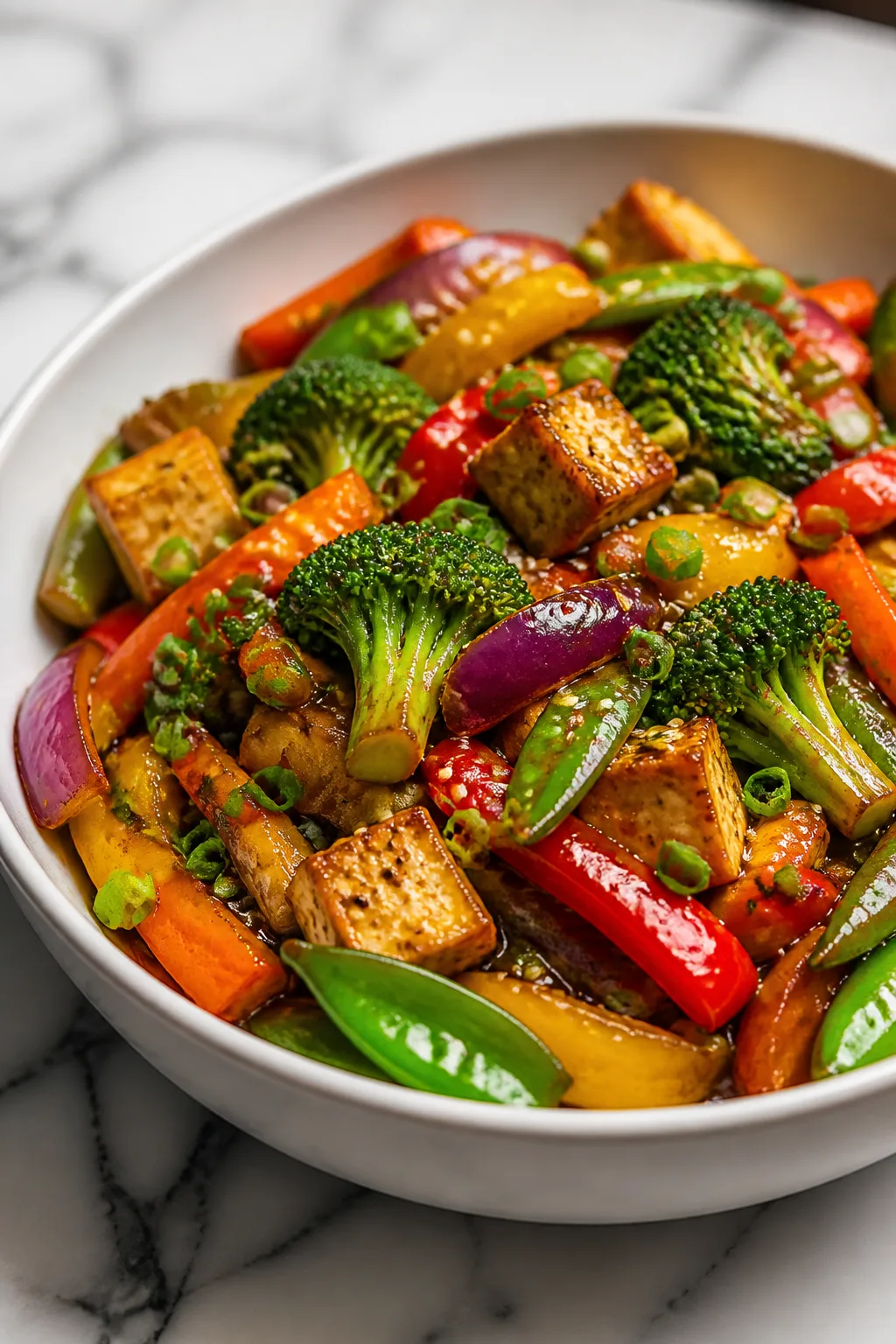
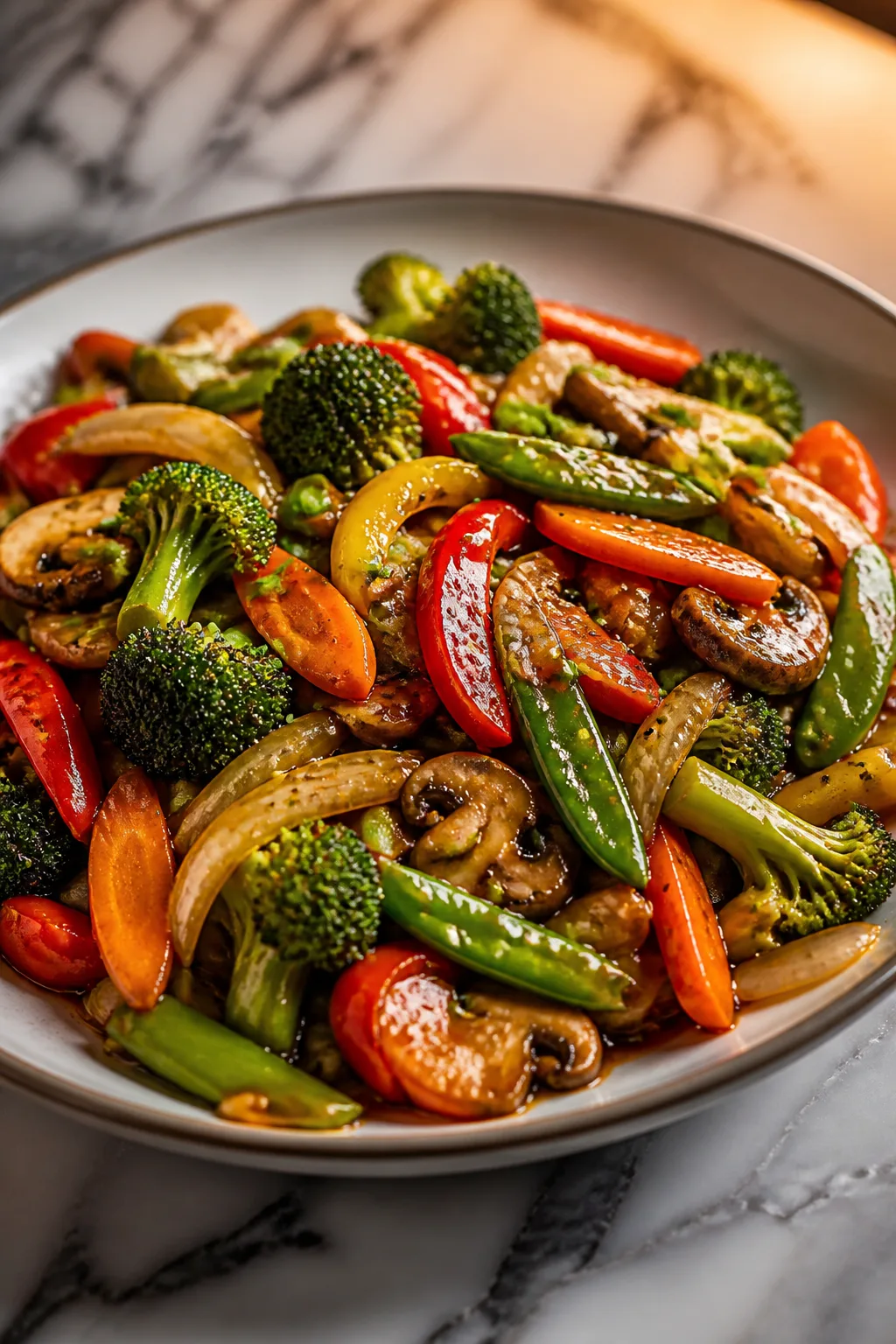
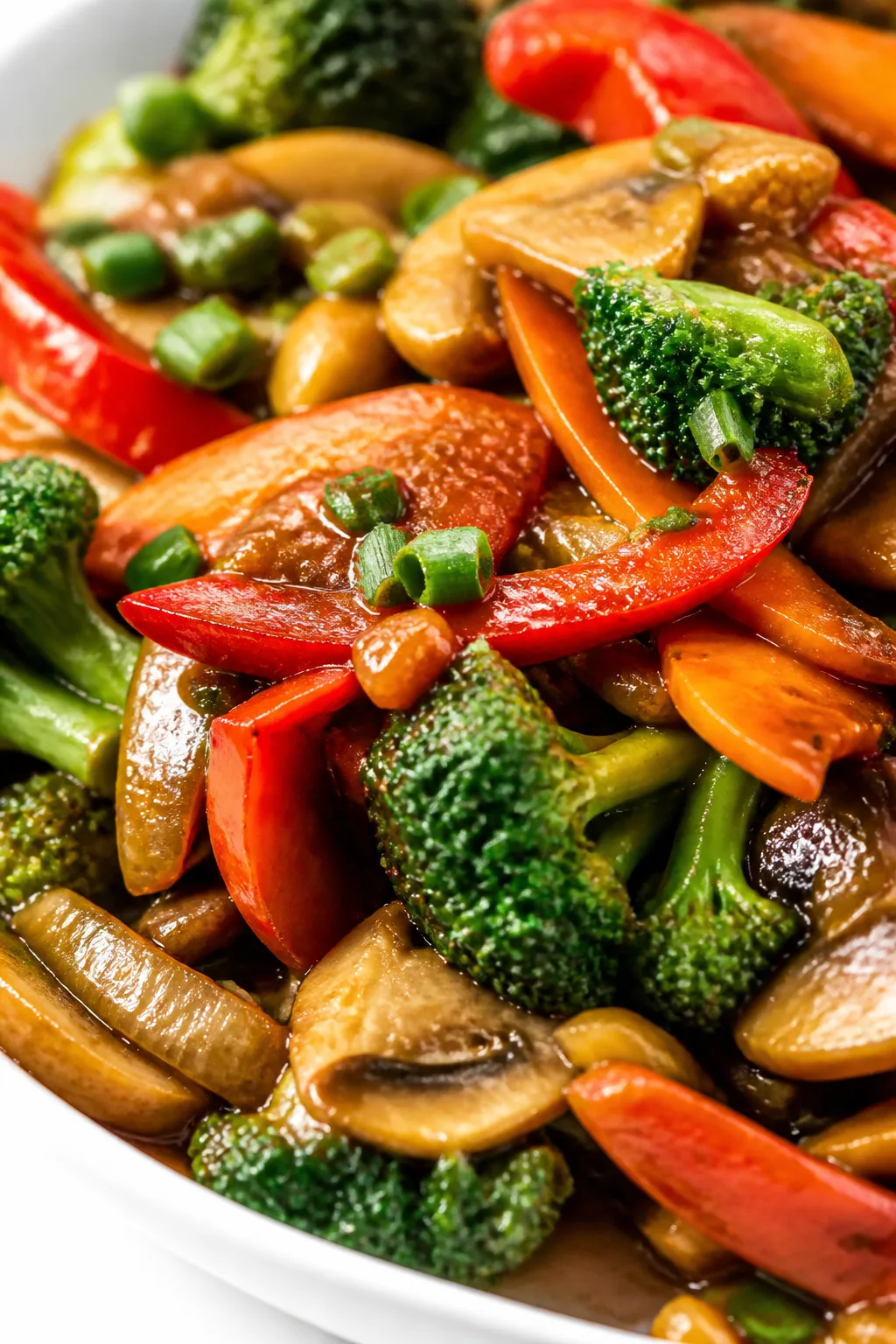
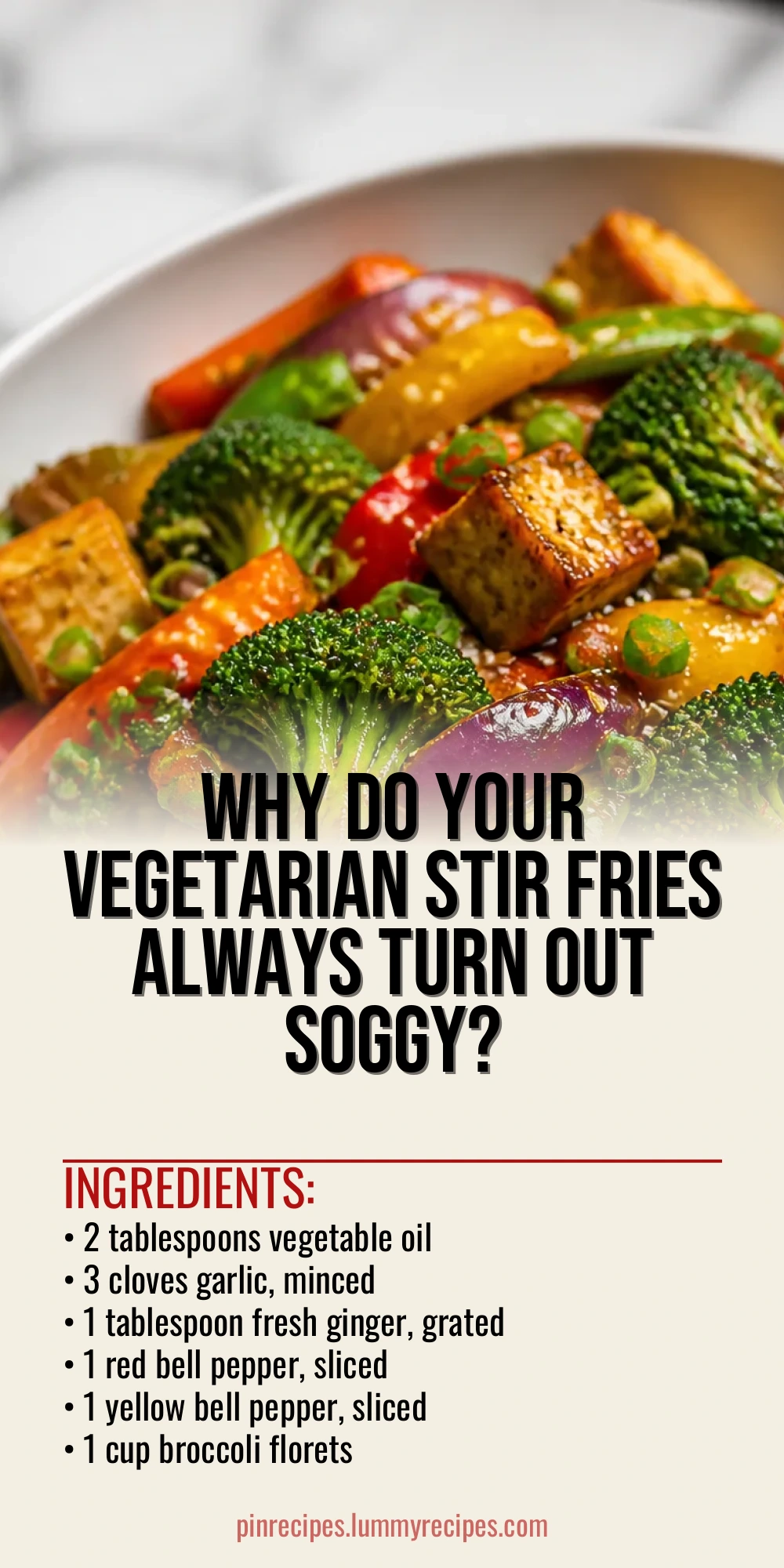
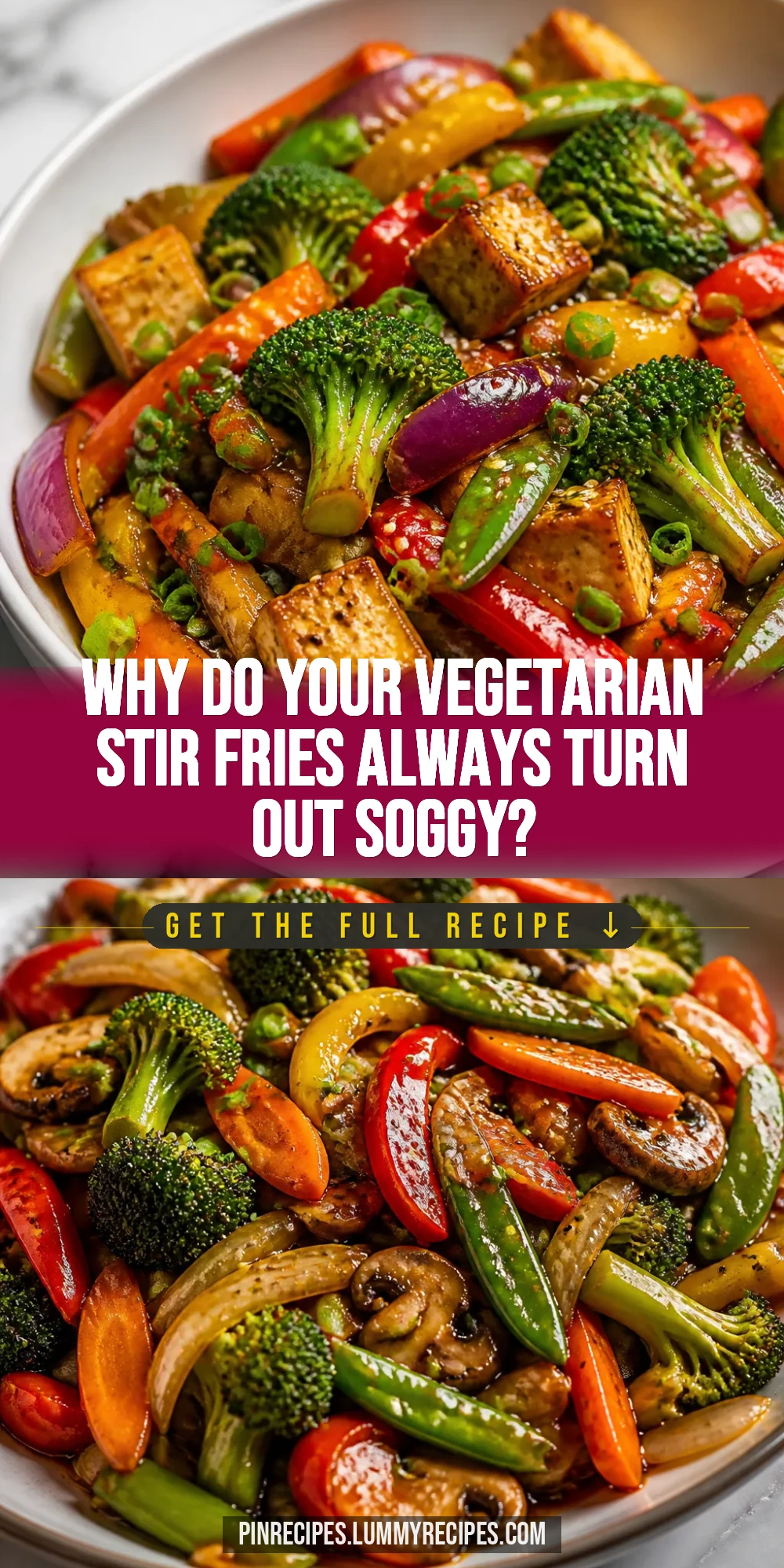
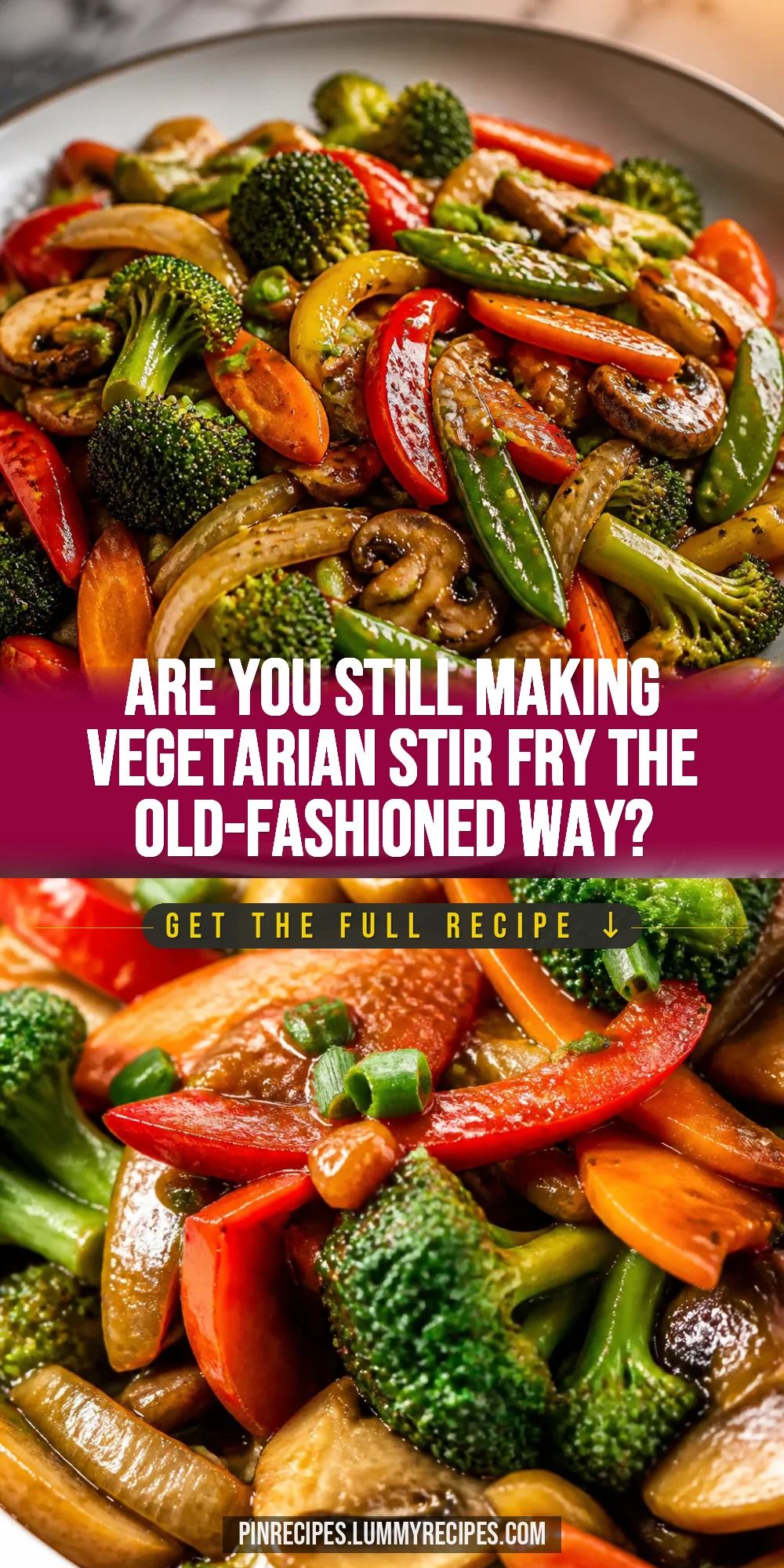
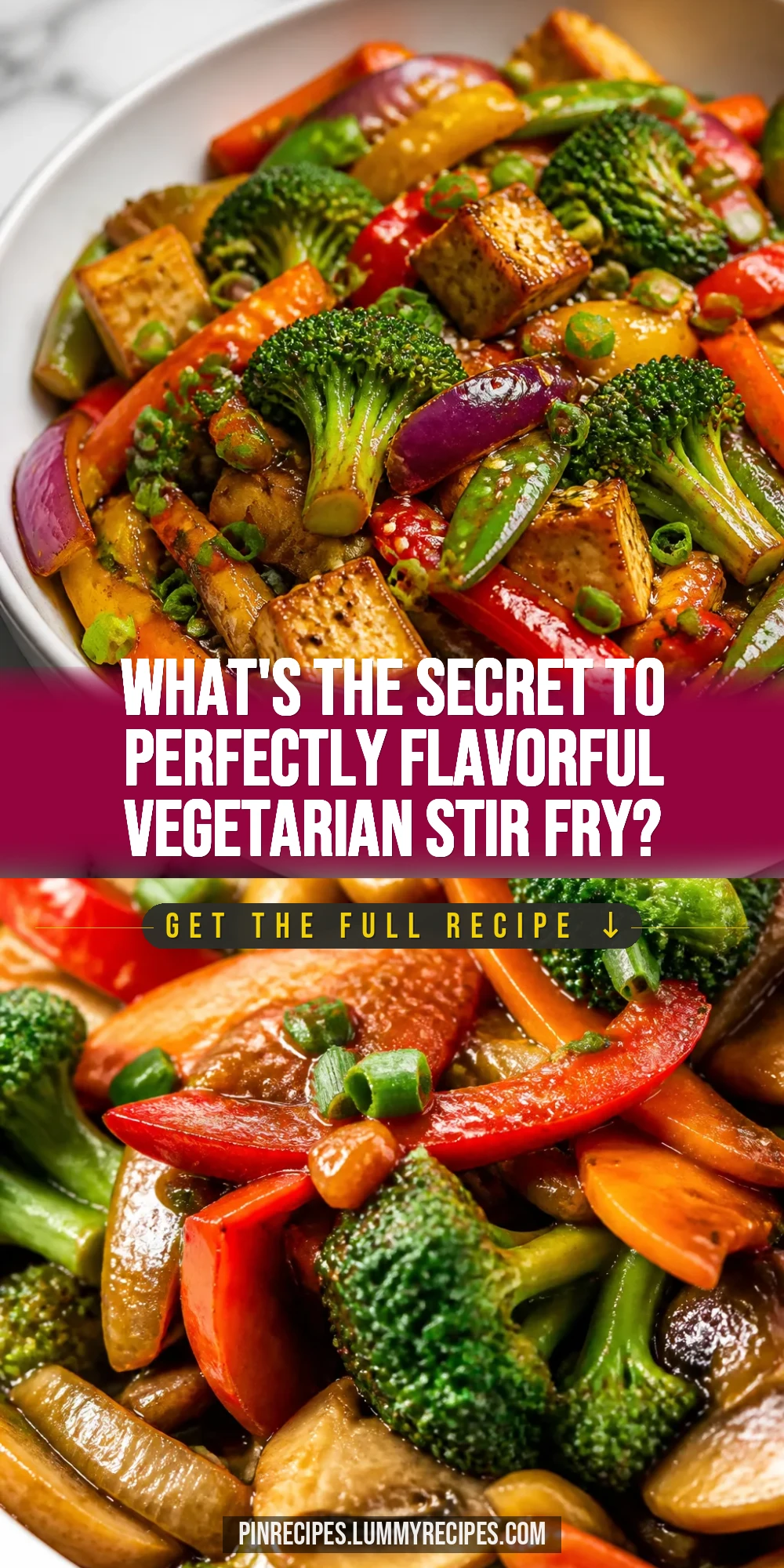
This vegetarian stir fry is a quick, colorful meal loaded with fresh veggies and a savory sauce that’s anything but boring. I love how the crisp-tender veggies keep their texture. Great for a fast weeknight dinner!
Introduction
I first fell in love with vegetarian stir fry when I needed a quick, colorful meal that didn’t require hours in the kitchen. Over time, I tweaked this recipe to balance vibrant veggies with a sauce that’s tangy, slightly sweet, and savory. What sets my version apart is the simple cornstarch slurry that thickens the sauce just right, coating every bite without making things soggy. I also like to keep the veggies crisp-tender by cooking them in batches and tossing them quickly over high heat. It’s a technique I learned after a few failed attempts where everything turned limp and mushy. Now, this stir fry is a staple for busy weeknights when I want something healthy, satisfying, and ready in under 30 minutes. The finished dish looks bright and inviting, with a nice glossy sauce and just the right crunch. Plus, it’s super flexible — you can swap in whatever veggies you have on hand. My family loves it, and I think you will too!
How To Do It
Step 1
Heat 1 tablespoon of vegetable oil in a large wok or skillet over medium-high heat until shimmering. Add the minced garlic and grated ginger, stirring constantly for about 30 seconds to release their fragrant aromas without burning. This step is crucial because garlic and ginger form the flavor base of the sauce. Burnt garlic tastes bitter, so keep an eye on the heat and stir continuously.
⏱ Time: 2
✓ Doneness: Aromatic smell and lightly golden garlic
Step 2
Add the broccoli florets and carrots first, since they take longer to cook. Stir-fry for about 3-4 minutes, tossing frequently to cook evenly but keep them crisp. Avoid overcrowding the pan to prevent steaming. You want the veggies to retain their bright color and slight crunch, which is key to a great stir fry texture.
⏱ Time: 4
✓ Doneness: Veggies bright green and slightly tender but still firm
Step 3
Add the bell peppers, snap peas, and zucchini to the pan. Continue stir-frying for another 3-4 minutes. These veggies cook faster, so add them after the sturdier ones to avoid mushiness. Keep the heat high and toss constantly to achieve that slight char and maintain texture.
⏱ Time: 4
✓ Doneness: Veggies softened but still vibrant and slightly crisp
Step 4
In a small bowl, whisk together soy sauce, rice vinegar, maple syrup, and toasted sesame oil. This sauce balances salty, tangy, and sweet notes, which makes the stir fry flavorful without being overpowering. Set aside while the veggies finish cooking.
⏱ Time: 2
✓ Doneness: Smooth, well-combined sauce
Step 5
Pour the sauce over the vegetables in the pan and stir to coat evenly. Then, add the cornstarch slurry and stir constantly. The slurry will thicken the sauce quickly, so keep stirring to avoid lumps and ensure a glossy finish. This step brings everything together with a silky texture that clings to the veggies.
⏱ Time: 3
✓ Doneness: Sauce thickens to coat vegetables without being runny
Step 6
Taste and adjust seasoning if needed — add a splash more soy sauce for saltiness or a pinch of red pepper flakes for heat. Stir fry is very forgiving, so tweak it to your family’s preference. This final seasoning step is important to balance flavors just before serving.
⏱ Time: 1
✓ Doneness: Balanced, flavorful sauce with no overpowering notes
Step 7
Remove from heat and sprinkle with toasted sesame seeds if you like a little crunch and nutty flavor. These add a nice finishing touch and make the dish look extra inviting.
⏱ Time: 1
✓ Doneness: Seeds evenly distributed on top
Step 8
Serve immediately over steamed rice or your favorite noodles. The contrast of warm, saucy veggies with fluffy rice is comforting and satisfying. Don’t let it sit too long, or the veggies will lose their crispness.
⏱ Time: 1
✓ Doneness: Dish plated with vibrant colors and glossy sauce
Step 9
Clean your wok or skillet while the stir fry cools to prevent any burnt bits sticking. Keeping your cooking surface clean helps maintain the flavor of future dishes and makes cooking easier.
⏱ Time: 2
✓ Doneness: Clean, ready-to-use pan
Pro Tips
Prep all your ingredients before you start cooking.
Stir frying happens quickly, so having everything chopped and ready prevents overcooking. If you try to prep while cooking, the vegetables will overcook or burn.
Don’t overcrowd the pan; cook in batches if needed.
Overcrowding lowers the pan temperature and causes steaming instead of frying, resulting in soggy veggies. Keeping the heat high is essential for crisp-tender texture.
Use a well-seasoned wok or a heavy skillet for even heat.
A good cooking surface distributes heat evenly and helps achieve the Maillard reaction, giving the veggies a nice sear and flavor.
Add the cornstarch slurry gradually while stirring.
This prevents lumps and ensures the sauce thickens evenly, coating the vegetables perfectly without becoming gluey.
Adjust the sauce seasoning at the end to taste.
Sauce flavors can intensify during cooking; tasting before serving lets you balance saltiness, sweetness, or acidity for your preference.
Serve immediately after cooking for best texture.
The vegetables will continue to soften if left sitting, losing their crispness and vibrant color.
Toast sesame seeds before garnishing for extra flavor.
Toasting releases oils and deepens the nutty aroma, adding a lovely final touch to the dish.
Common Mistakes to Avoid
Overcrowding the pan
Why it happens It’s tempting to throw all the veggies in at once to save time, but this lowers the heat and causes steaming.
Fix Cook in batches or use a larger pan to keep the temperature high and veggies crisp.
Adding cornstarch directly without mixing
Why it happens Cornstarch clumps when added dry, leading to uneven sauce texture.
Fix Always mix cornstarch with cold water before adding to the pan for a smooth sauce.
Cooking all vegetables together
Why it happens Different veggies cook at different rates, so adding them all at once results in some being mushy and others undercooked.
Fix Add sturdier vegetables first, then quicker-cooking ones later.
Using low heat
Why it happens Low heat prevents proper searing and browning, making the stir fry bland and soggy.
Fix Use medium-high to high heat and keep stirring to maintain even cooking.
Not tasting and adjusting sauce
Why it happens Assuming the sauce is perfect without tasting can lead to unbalanced flavors.
Fix Always taste at the end and tweak salt, sweetness, or acidity as needed.
Variations
Spicy Vegetarian Stir Fry
Add red pepper flakes, chili garlic sauce, or fresh sliced chilies to the garlic and ginger base for a spicy kick. This variation adds heat without overpowering the fresh vegetable flavors.
Note: Adjust chili amounts gradually to control heat and avoid bitterness.
Tofu and Vegetable Stir Fry
Include firm tofu cubes for added protein. Press the tofu to remove excess moisture, then pan-fry separately until golden before adding to the stir fry for a hearty meal.
Note: Cook tofu on medium-high heat to get a crispy exterior without breaking it apart.
Peanut Sauce Stir Fry
Swap the soy sauce base for a creamy peanut sauce made with peanut butter, soy sauce, lime juice, and a touch of honey. This gives a rich, nutty flavor that pairs well with the vegetables.
Note: Thin the peanut sauce with water or broth to achieve the right consistency for coating veggies.
Cashew Vegetable Stir Fry
Add toasted cashews at the end for crunch and a buttery nutty flavor. Cashews complement the fresh veggies and add texture contrast.
Note: Toast cashews gently in a dry pan until golden to enhance flavor.
Ginger-Sesame Stir Fry
Increase the amount of fresh ginger and sesame oil for a more pronounced aromatic profile. Garnish with sliced green onions for freshness.
Note: Use freshly grated ginger for best aroma and flavor.
Nutrition
Per Serving:
Nutritional values are estimates and may vary based on specific ingredients used.
Storage & Tips
Room Temperature
This stir fry can sit at room temperature for up to 2 hours if covered loosely. Beyond that, bacteria growth increases, so refrigerate promptly.
Refrigerator
Store leftovers in an airtight container for up to 3 days. The veggies may soften slightly when cold; reheat gently to restore texture.
Freezer
Freezing is not recommended as the vegetables lose their crispness and become mushy upon thawing.
Reheating
Reheat in a skillet over medium heat with a splash of water or broth to loosen the sauce and avoid drying out. Avoid microwaving for best texture.
Make Ahead
Chop all vegetables and prepare the sauce 1-2 days ahead. Store separately in airtight containers and stir-fry fresh when ready to serve for optimal texture.
FAQ
Can I use frozen vegetables for this stir fry?
You can, but frozen veggies tend to release more water and may become soggy. If using frozen, thaw and drain them well, then cook quickly over high heat to reduce moisture and preserve texture.
What can I substitute for soy sauce if I have allergies?
Tamari is a great gluten-free alternative with a similar flavor. Coconut aminos is also a good low-sodium, soy-free option, but it’s slightly sweeter, so adjust the sauce accordingly.
How do I keep vegetables crisp in stir fry?
Cook at high heat, avoid overcrowding the pan, and add vegetables in stages based on their cooking time. Stir constantly and remove from heat as soon as they’re tender-crisp.
Can I make this stir fry vegan?
Yes! Just substitute honey with maple syrup or another plant-based sweetener to keep it vegan-friendly.
Is it okay to use olive oil for stir frying?
Olive oil has a lower smoke point and can burn at the high heat needed for stir frying, which may create off-flavors. It’s better to use a neutral oil like vegetable or canola oil.
How do I thicken the sauce without cornstarch?
You can use arrowroot powder as a substitute, mixed with cold water just like cornstarch. Alternatively, reduce the sauce by simmering it longer, but this takes more time.
Can I add protein like chicken or shrimp to this recipe?
Absolutely! Cook the protein separately, then add it back in during the final steps to warm through. This keeps the protein tender and prevents overcooking.
What’s the best way to store leftovers?
Keep leftovers in an airtight container in the fridge for up to 3 days. Reheat gently in a skillet with a splash of water to refresh the sauce and veggies.
Final Thoughts
Give this easy vegetarian stir fry a try for a quick, healthy dinner that’s full of flavor and texture. I’d love to hear how it turns out for you!