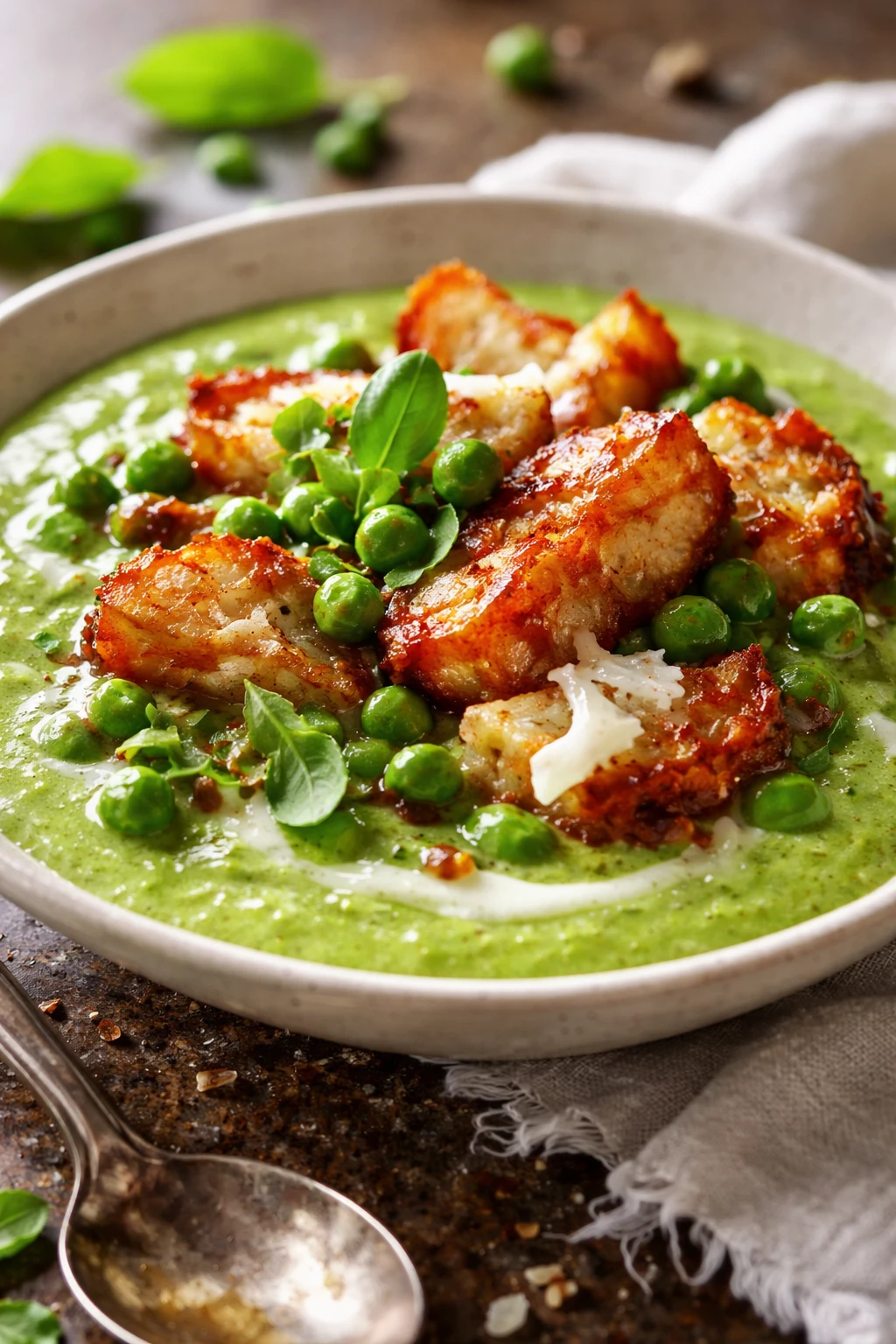
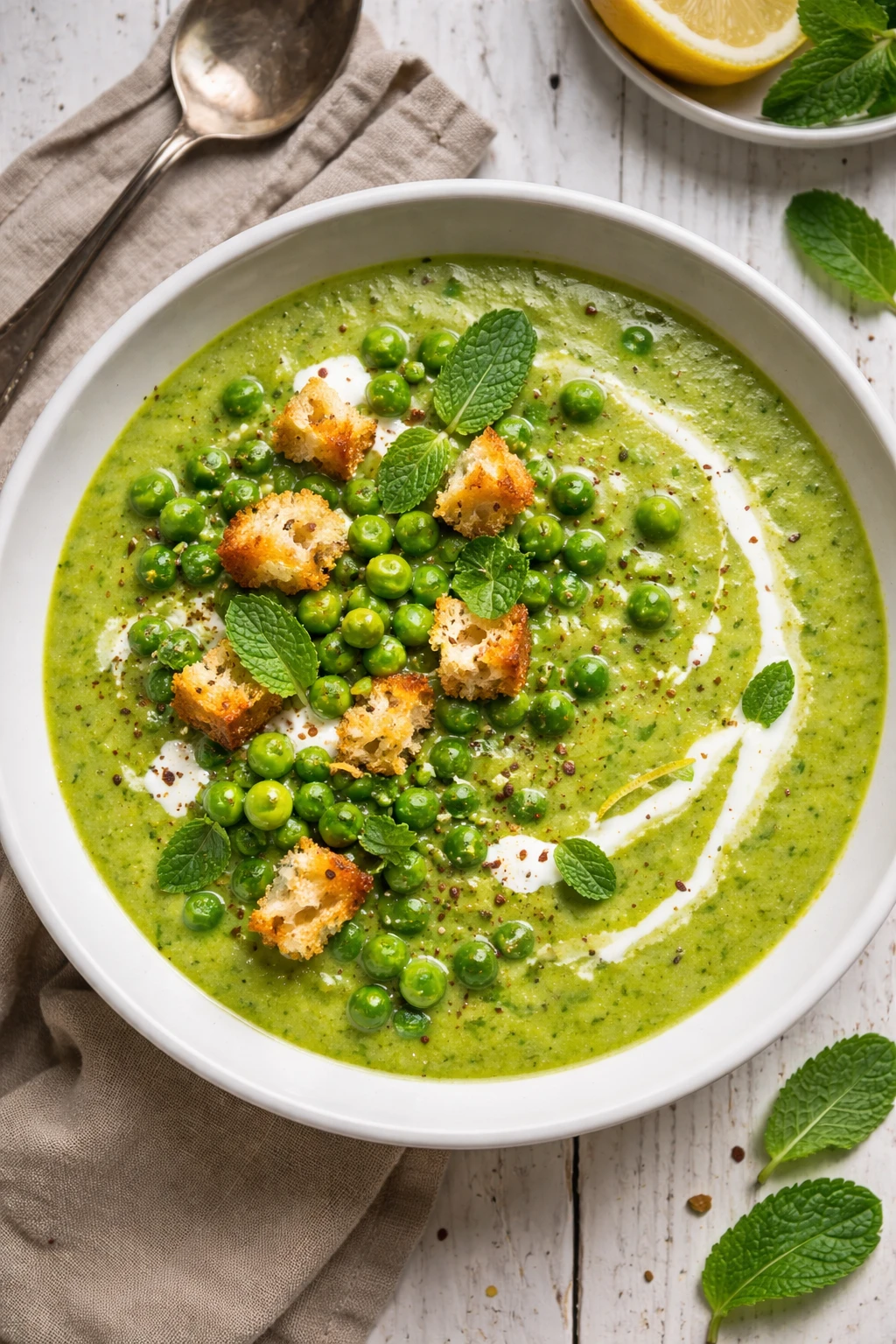
This vibrant vegan pea and mint soup is a fresh burst of spring in a bowl. It’s quick to whip up thanks to frozen peas and fresh mint, making it perfect for a light lunch or a starter on a sunny day.
Introduction
I first stumbled upon this vegan spring pea and mint soup a few years ago when I was craving something light but satisfying after a long winter. What I love about this recipe is how quickly it comes together—using frozen peas means you get that bright green color and fresh flavor without the fuss of shelling fresh peas. The fresh mint adds a cool, herbal note that really elevates the soup, making it feel special without any complicated steps. Over time, I've tweaked the recipe to keep it super simple but still full of flavor. For example, I always sauté the onion and garlic gently to build a subtle base, which makes a huge difference in the final taste. The soup ends up silky and vibrant, perfect for a quick lunch or a starter when friends come over. It’s one of those recipes I keep coming back to because it’s easy, fresh, and just plain delicious. Plus, it’s vegan and dairy-free, so it suits all kinds of diets. If you’re looking for a bright, easy soup that tastes like spring, this one’s a winner.
What You'll Need
Approximately 4 cups, 4 servings
- 1 tablespoon olive oil, extra virgin
- 1 medium onion, finely chopped
- 2 cloves garlic, minced
- 4 cups frozen green peas
- 3 cups vegetable broth, low sodium
- 1/4 cup fresh mint leaves, chopped
- Salt to taste
- Freshly ground black pepper to taste
- Juice of half a lemon
- Optional: coconut cream or plant-based yogurt for garnish
How To Do It
Step 1
Heat the olive oil in a medium pot over medium heat. Add the chopped onion and cook gently for about 5-7 minutes until soft and translucent. This slow cooking releases the onion's natural sweetness, which forms a flavorful base for the soup. Avoid browning the onions as that would add a different, deeper flavor profile that might overpower the freshness of the peas and mint.
⏱ Time: 7 minutes
✓ Doneness: Onions should be soft, translucent, and slightly fragrant without any browning.
Step 2
Add the minced garlic to the pot and cook for another 1-2 minutes until fragrant. Garlic cooks quickly and can burn easily, so stir constantly and watch closely. The garlic adds a subtle depth to the soup without overpowering the fresh pea flavor.
⏱ Time: 2 minutes
✓ Doneness: Garlic should smell aromatic but not browned or bitter.
Step 3
Pour in the vegetable broth and bring the mixture to a gentle boil. This step helps to fully infuse the flavors from the onion and garlic and prepares the peas for cooking. Using low-sodium broth lets you control the saltiness better.
⏱ Time: 5 minutes
✓ Doneness: Broth should simmer gently and be hot enough to cook the peas thoroughly.
Step 4
Add the frozen peas to the pot. Stir and cook for about 5 minutes until the peas are tender but still bright green. Avoid overcooking to preserve their fresh flavor and vibrant color.
⏱ Time: 5 minutes
✓ Doneness: Peas should be tender when pierced with a fork but not mushy.
Step 5
Remove the pot from heat. Add the chopped fresh mint leaves and lemon juice. The mint adds a refreshing herbal note, and the lemon juice brightens the flavors. Stir gently to combine before blending.
⏱ Time: 2 minutes
✓ Doneness: Mint should be evenly distributed and lemon juice blended in without overpowering.
Step 6
Using an immersion blender, puree the soup directly in the pot until smooth and creamy. If you don’t have an immersion blender, carefully transfer the soup in batches to a regular blender. Blending creates a silky texture that makes the soup feel rich despite being dairy-free.
⏱ Time: 5 minutes
✓ Doneness: Soup should be completely smooth with no pea chunks.
Step 7
Season the soup with salt and freshly ground black pepper to taste. Start with a small amount and adjust gradually. Proper seasoning enhances the natural sweetness of the peas and the freshness of the mint.
⏱ Time: 2 minutes
✓ Doneness: Taste is balanced, neither bland nor overly salty.
Step 8
If desired, stir in a splash of coconut cream or plant-based yogurt to add extra creaminess and a subtle richness. This is optional but adds a lovely layer of texture and flavor, especially if serving as a starter for guests.
⏱ Time: 1 minute
✓ Doneness: Soup looks creamy and smooth with a slight sheen.
Step 9
Serve the soup warm, garnished with a few fresh mint leaves or a drizzle of olive oil. It pairs beautifully with crusty bread or a simple salad for a light, refreshing meal.
⏱ Time: Immediate
✓ Doneness: Soup is hot, fresh, and visually vibrant with garnish.
Pro Tips
Don’t overcook the peas; they should stay bright green and tender.
Overcooking peas breaks down their structure, leading to a dull color and mushy texture, which diminishes the fresh flavor and visual appeal of the soup.
Add fresh mint after cooking to preserve its vibrant flavor.
Cooking mint for too long causes the delicate oils to evaporate, leaving a muted taste. Adding it at the end keeps the flavor bright and refreshing.
Use an immersion blender for easy, safe pureeing directly in the pot.
Immersion blenders reduce the risk of hot soup splattering and make it easy to control the texture, resulting in a creamy, smooth soup without extra dishes.
Season gradually and taste often to avoid over-salting.
Salt enhances flavors but too much can overpower the delicate pea and mint notes. Adding it slowly ensures balanced seasoning.
Serve the soup warm, not boiling hot, to enjoy the fresh flavors fully.
Extreme heat can mute flavors and aromas. Serving warm allows the bright pea and mint notes to shine.
Use frozen peas to save time and ensure peak flavor.
Frozen peas are flash-frozen at their freshest point, preserving sweetness and nutrients, plus they save prep time compared to fresh peas.
Add a splash of coconut cream or plant-based yogurt for extra creaminess.
This adds a silky texture and richness without dairy, enhancing mouthfeel and making the soup feel more indulgent.
Common Mistakes to Avoid
Overcooking the peas until they lose color and become mushy.
Why it happens Many cooks assume peas need to be very soft, but overcooking breaks down their structure and dulls their bright green color.
Fix Cook peas just until tender and bright green, about 5 minutes. Remove from heat promptly to preserve texture and color.
Adding mint too early in the cooking process.
Why it happens Some think all herbs should simmer to release flavor, but delicate mint loses its fresh aroma and tastes dull when cooked too long.
Fix Add fresh mint leaves after cooking, just before blending, to keep the flavor vibrant.
Skipping the sauté step for onion and garlic.
Why it happens In a rush, some skip this step, but it’s essential to build a flavorful base for the soup.
Fix Take the time to gently sauté onion and garlic until soft and translucent to develop sweetness and depth.
Using too much salt at the start.
Why it happens It’s easy to oversalt early since broth already contains some salt, leading to an overly salty soup.
Fix Add salt gradually after blending and adjust by tasting to get the perfect balance.
Blending the soup when it’s too hot without caution.
Why it happens Hot soup can splatter and cause burns if blended carelessly.
Fix Use an immersion blender directly in the pot or let soup cool slightly before transferring to a blender in batches.
Variations
Add Potato for Extra Creaminess
Include one peeled and diced potato when sautéing the onion to add natural creaminess and body to the soup. The potato blends smoothly and makes the soup heartier without changing the fresh flavor much.
Note: Cook the potato fully with the peas before blending; this adds thickness and a silky texture.
Spicy Kick with Jalapeño
For a spicy twist, add a small diced jalapeño or a pinch of red pepper flakes when cooking the onion and garlic. It adds warmth that balances the cool mint and sweet peas nicely.
Note: Adjust spice level carefully; cook jalapeño with onions to mellow the heat.
Use Fresh Peas When In Season
If you have access to fresh peas, shell about 2 cups and add them instead of frozen. Fresh peas give a slightly sweeter and more delicate flavor, perfect for springtime.
Note: Fresh peas cook faster; reduce cooking time to avoid mushiness.
Garnish with Toasted Pine Nuts
Top the soup with toasted pine nuts for a crunchy texture contrast and a nutty flavor that complements the pea and mint beautifully.
Note: Toast pine nuts in a dry pan over medium heat until golden, then sprinkle just before serving.
Add Coconut Milk for a Tropical Flavor
Stir in 1/2 cup coconut milk after blending for a creamy, tropical twist. It adds richness and a subtle sweetness that pairs well with the mint.
Note: Add coconut milk last to keep it from curdling and to maintain a smooth texture.
Nutrition
Per Serving:
Nutritional values are estimates and may vary based on specific ingredients used.
Storage & Tips
Room Temperature
This soup can safely sit at room temperature for up to 2 hours. Cover it loosely with a lid or foil to prevent contamination and drying out.
Refrigerator
Store in an airtight container for up to 3 days. The soup may thicken when cold; reheat gently on the stove with a splash of water or broth to loosen it up. Flavor remains fresh but mint aroma may mellow.
Freezer
Freeze in a sealed container for up to 2 months. To prevent freezer burn, leave some headspace and wrap the container in foil or freezer-safe bag. Thaw overnight in the fridge before reheating.
Reheating
Reheat on the stovetop over medium-low heat, stirring occasionally. Add a splash of vegetable broth or water if the soup is too thick. Avoid boiling to preserve fresh flavors and texture.
Make Ahead
You can prepare the soup base (onion, garlic, peas, broth) 1 day ahead and refrigerate. Add fresh mint and lemon juice just before blending and serving to keep flavors bright.
FAQ
Can I use fresh peas instead of frozen?
Yes! Fresh peas work wonderfully when in season and add a sweeter, more delicate flavor. Just shell about 2 cups and reduce cooking time to about 3 minutes to avoid overcooking and losing the bright color and texture.
What can I substitute for fresh mint if I don’t have any?
If you don’t have fresh mint, fresh basil or parsley can be used for a different but still fresh herbal note. Avoid dried herbs here as they won’t provide the same vibrant flavor and can taste dull.
Is this soup suitable for freezing?
Absolutely! Freeze in airtight containers for up to 2 months. Thaw in the fridge overnight and reheat gently on the stove. The texture and flavor hold up well, though fresh mint aroma may be slightly less pronounced after freezing.
Can I make this soup in advance for a dinner party?
Yes, you can make the base a day ahead and refrigerate. Add the fresh mint and lemon juice just before blending and serving to keep the flavors fresh and bright for your guests.
What’s the best way to blend the soup safely?
Using an immersion blender directly in the pot is safest and easiest. If using a regular blender, blend in small batches and vent the lid slightly to avoid hot splatters. Always hold a kitchen towel over the lid for extra safety.
Can I add cream or dairy to this soup?
You can add cream or yogurt if you’re not vegan, but this recipe is designed to be creamy without dairy. Coconut cream or plant-based yogurt are great vegan options that add richness without overpowering the fresh flavors.
How can I adjust the soup if it’s too thick?
Simply stir in a little more vegetable broth or water when reheating or before blending to reach your desired consistency. The soup should be silky but pourable.
Can I add other vegetables to this soup?
Yes, mild-flavored vegetables like zucchini or spinach can be added for extra nutrition. Add them with the peas so they cook together. Avoid strong-flavored veggies that might overpower the pea and mint.
Final Thoughts
I hope you enjoy making this fresh and easy vegan pea and mint soup as much as I do! Don’t forget to share your results and any tweaks you try—I love hearing from you.