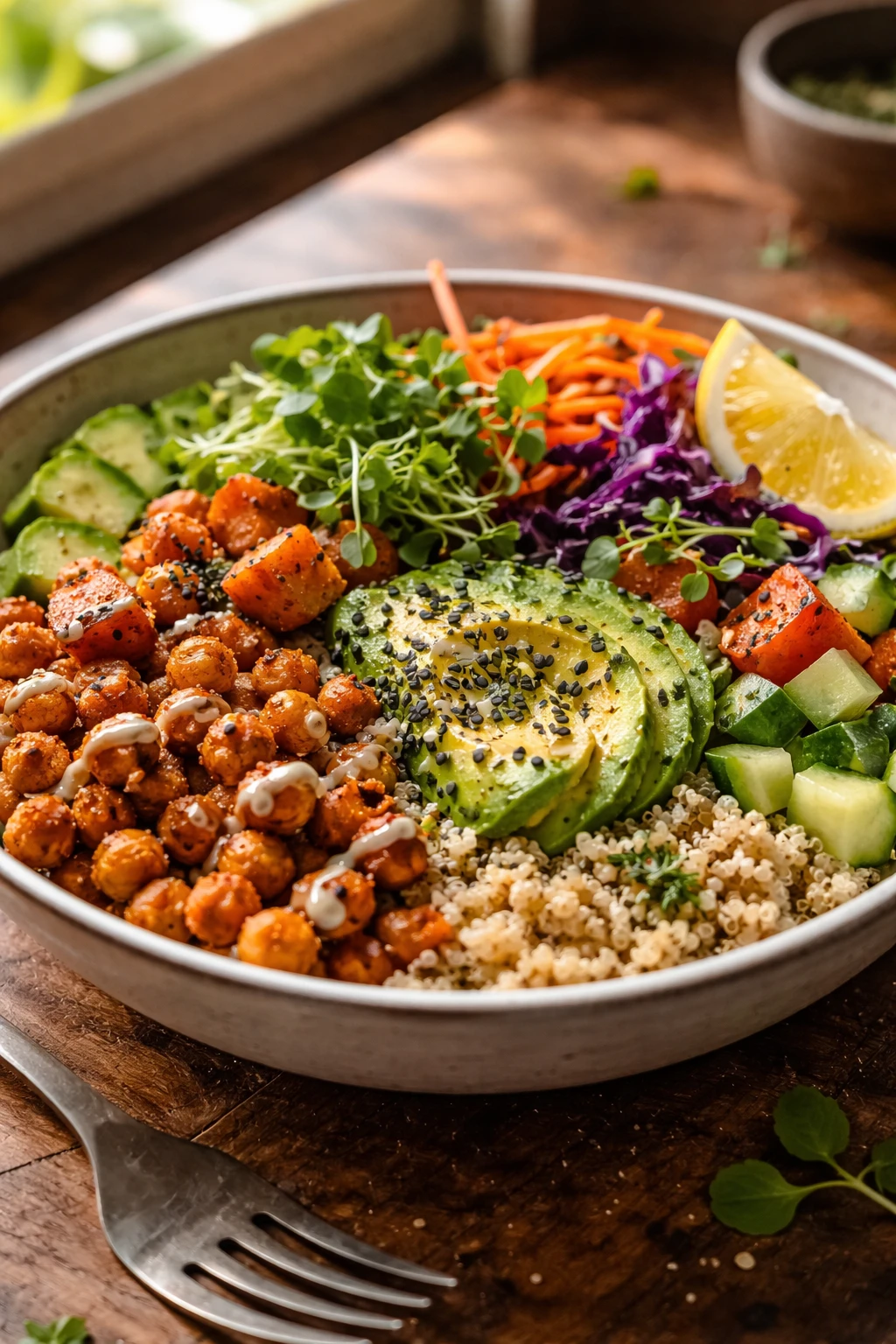
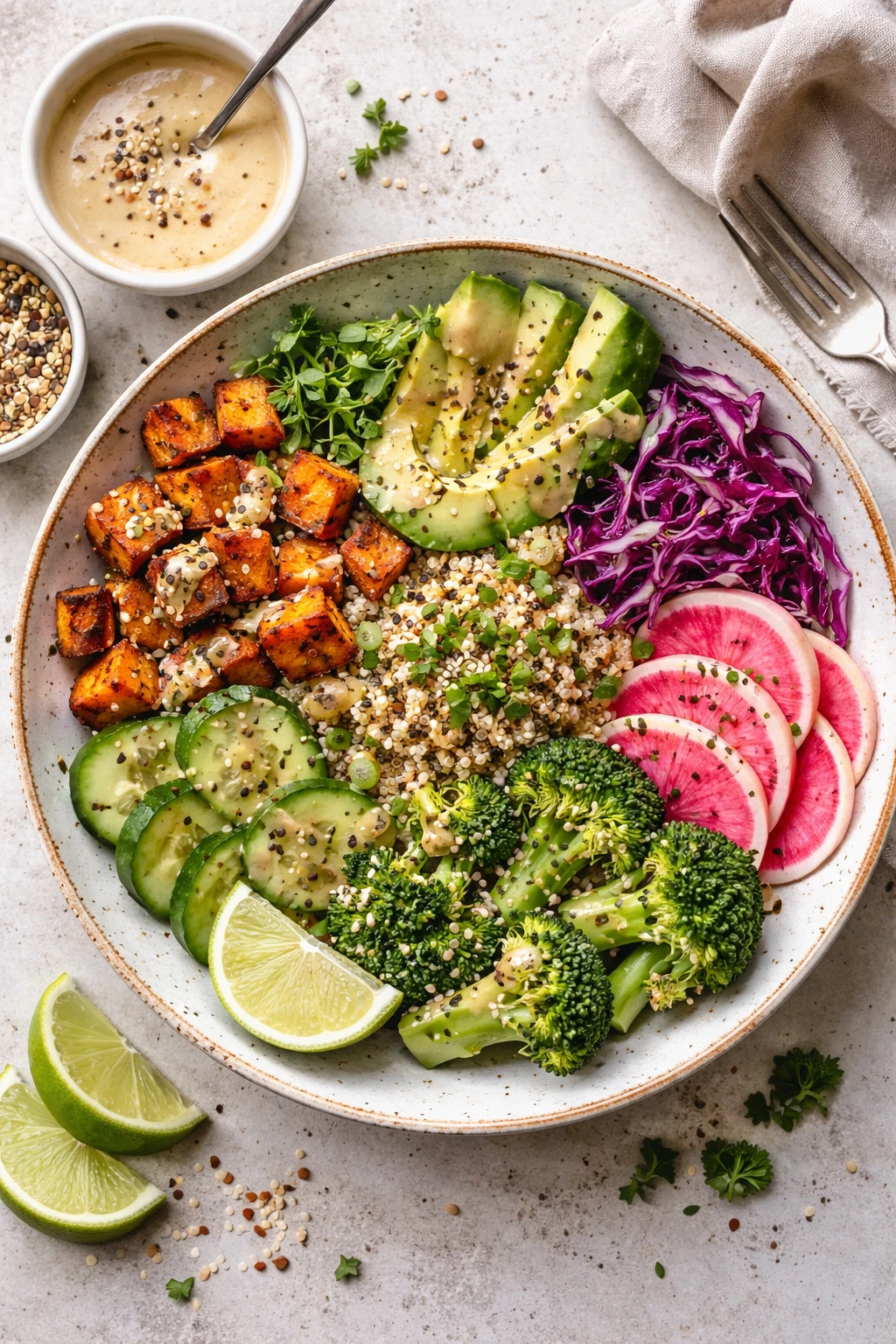
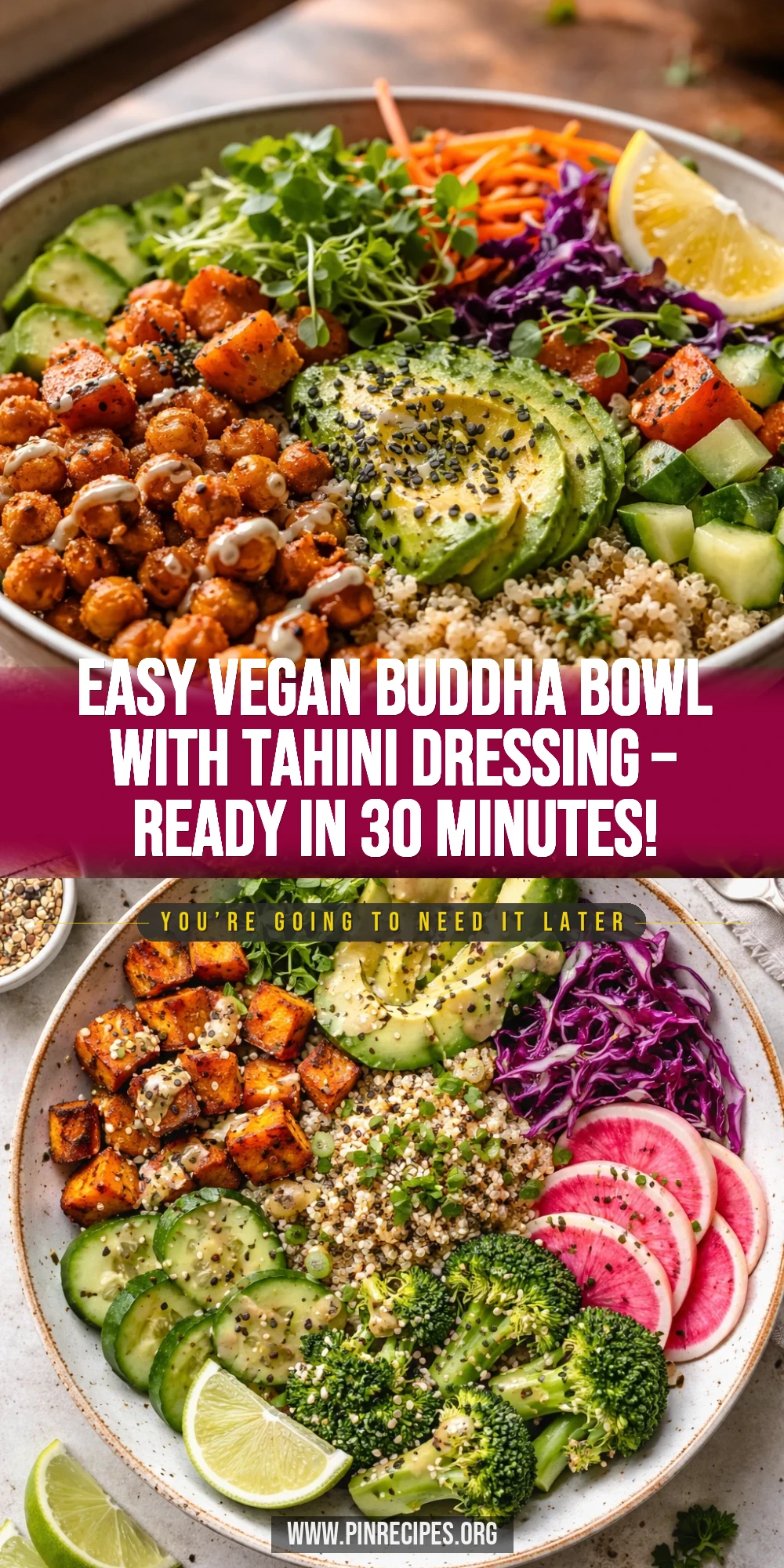
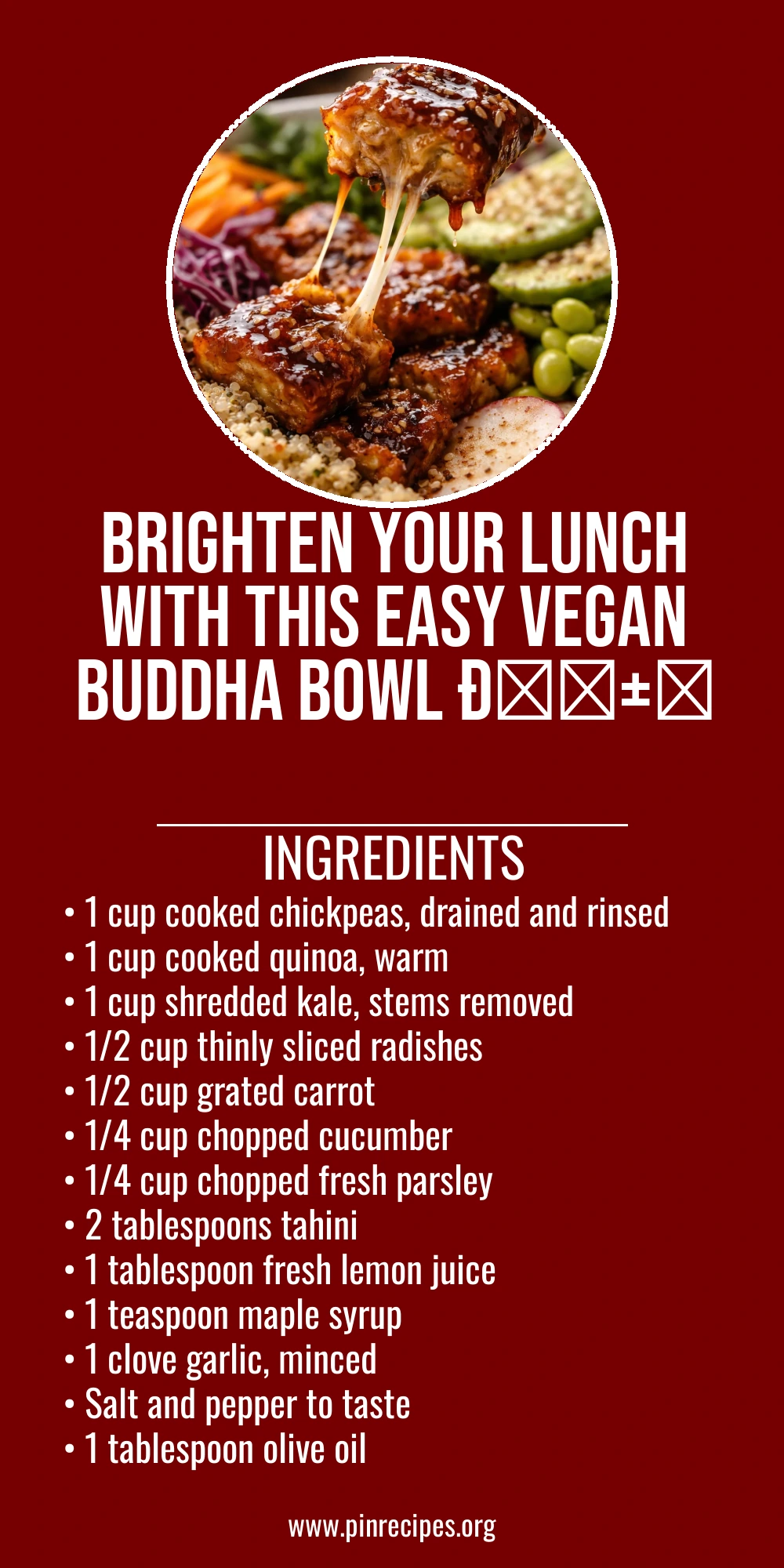
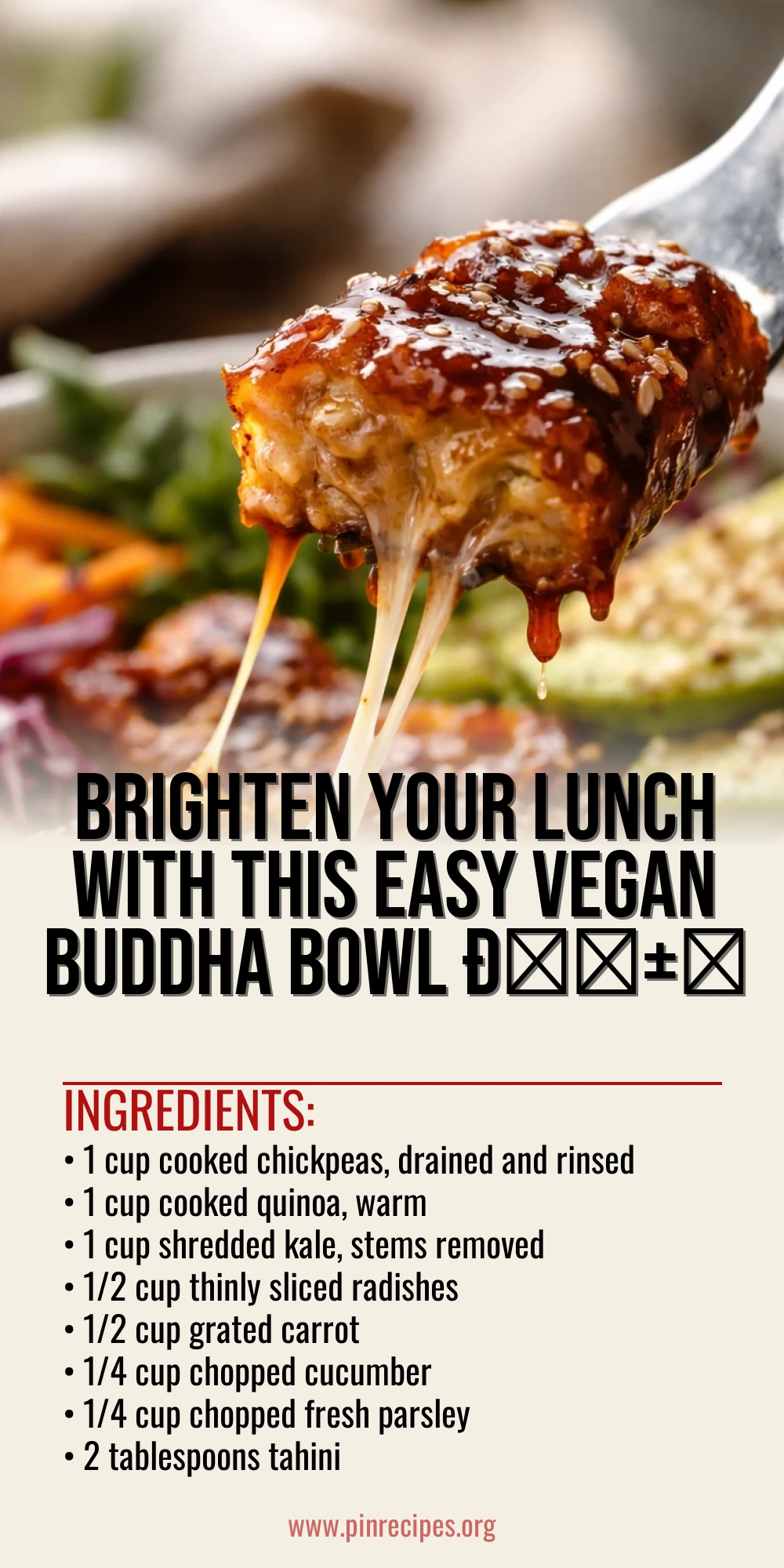
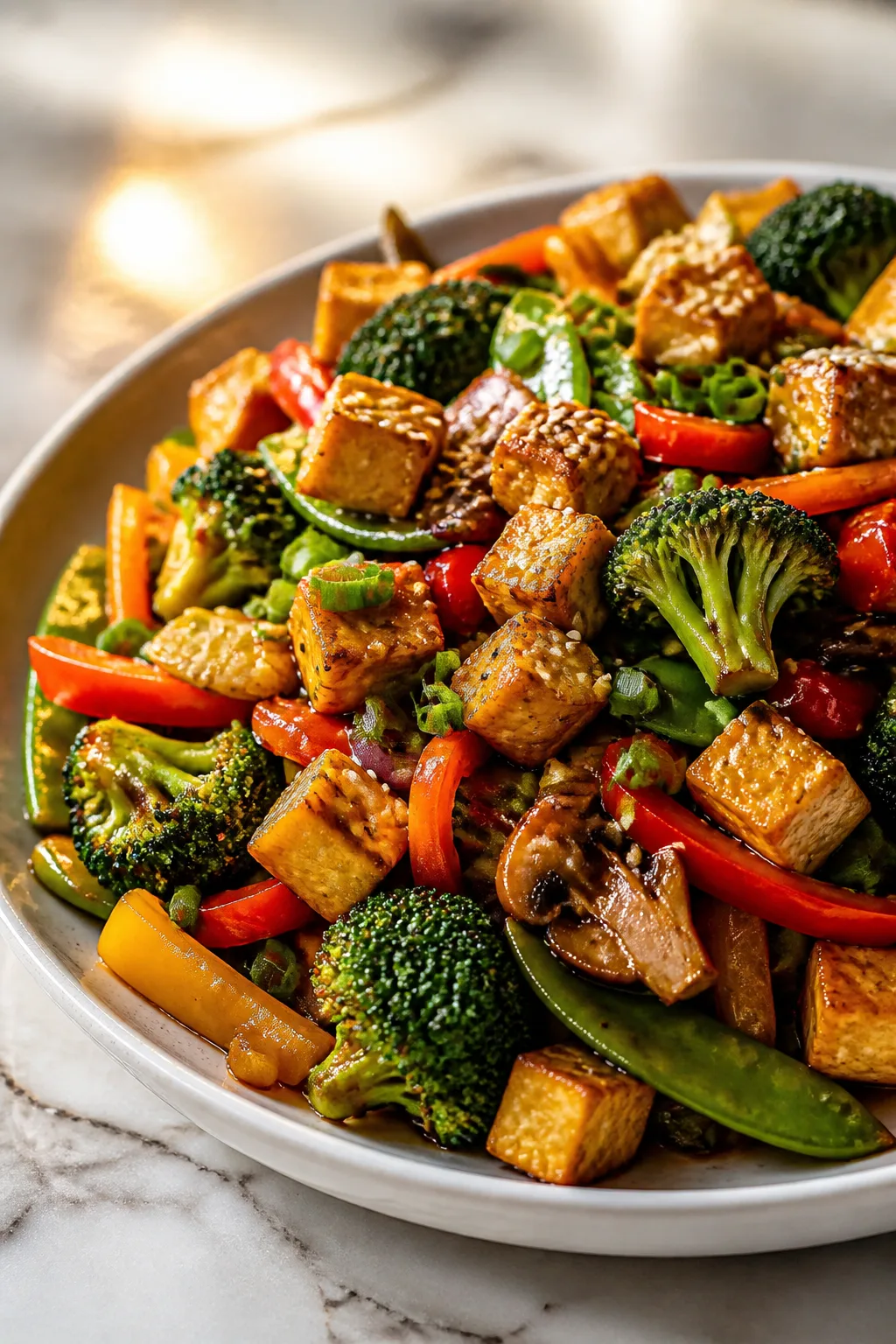
This vibrant vegan Buddha bowl bursts with fresh spring veggies and protein-rich chickpeas, making it a quick, nourishing meal. The tahini lemon dressing is the secret touch that ties all the flavors together perfectly. Great for lunch or a light dinner!
Introduction
I first discovered Buddha bowls during a particularly busy spring when I wanted meals that were both quick and nourishing. This vegan spring Buddha bowl quickly became a favorite because it uses fresh seasonal veggies and a creamy tahini dressing that feels indulgent without being heavy. What sets this version apart is the balance of textures — tender quinoa, crunchy radishes, and silky dressing — plus the bright lemon that wakes everything up. I’ve tried many variations, but this one has the perfect harmony of flavors that keep me coming back. The trick I learned was to warm the quinoa and chickpeas slightly before assembling; it helps the flavors meld better and makes the bowl feel more comforting. Plus, the tahini dressing is easy to whip up and stores well if you want to prep ahead. When finished, the bowl looks colorful and inviting, with each bite offering a fresh, satisfying crunch and a hint of citrusy creaminess. It’s a quick, wholesome meal that’s perfect for lunch or a light dinner, especially when you want something healthy but don’t want to spend ages cooking.
How To Do It
Step 1
Start by preparing the quinoa and chickpeas if you haven't done so already. Cook the quinoa according to package instructions until fluffy, then drain and set aside. If using canned chickpeas, rinse them well under cold water to remove excess sodium and any canned taste. Warming both the quinoa and chickpeas slightly before assembling helps the flavors meld better and gives the bowl a cozy texture. Avoid serving everything cold as it dulls the flavor contrast.
⏱ Time: 15 minutes
✓ Doneness: Quinoa is fluffy with no excess water; chickpeas are warm but not mushy
Step 2
Prepare the vegetables while the quinoa and chickpeas cook. Thinly slice the radishes, grate the carrots, chop the cucumber and parsley, and shred the kale leaves, discarding tough stems. Shredding the kale finely makes it easier to eat raw and helps it absorb the dressing better. Make sure to use fresh, crisp vegetables for the best texture contrast in the bowl.
⏱ Time: 10 minutes
✓ Doneness: Vegetables are fresh, evenly cut, and ready to layer
Step 3
In a small bowl, whisk together the tahini, lemon juice, maple syrup, minced garlic, olive oil, salt, and pepper until smooth and creamy. If the dressing is too thick, add a teaspoon or two of warm water to loosen it. This dressing is the flavor anchor of the bowl, so take your time to balance the acidity and sweetness. Avoid skipping the garlic as it adds a subtle depth.
⏱ Time: 5 minutes
✓ Doneness: Dressing is smooth, creamy, and pourable
Step 4
Start assembling your Buddha bowl by layering the warm quinoa as the base. Then add the chickpeas evenly over the top. Creating layers helps keep the textures distinct until mixed by the eater. This method also ensures each bite has a balance of grains and protein.
⏱ Time: 3 minutes
✓ Doneness: Quinoa base looks fluffy and chickpeas are evenly distributed
Step 5
Add the shredded kale and arrange the sliced radishes, grated carrot, cucumber, and parsley on top in separate sections or mixed, depending on your aesthetic preference. Keeping veggies separate makes the bowl colorful and lets each ingredient shine. Make sure not to overcrowd the bowl to maintain a good balance.
⏱ Time: 5 minutes
✓ Doneness: Bowl is vibrant with fresh vegetable layers visible
Step 6
Drizzle the tahini lemon dressing generously over the assembled bowl. The dressing adds creaminess and a bright tang that ties all the fresh ingredients together. Pouring it last ensures the veggies don’t get soggy if not eating immediately. If you want, serve extra dressing on the side.
⏱ Time: 2 minutes
✓ Doneness: Dressing coats ingredients lightly without pooling
Step 7
Give the bowl a gentle toss if you prefer your ingredients mixed, or leave as is for a pretty presentation. Tossing helps distribute the dressing evenly and blends flavors, but some like to enjoy each component separately for texture contrast.
⏱ Time: 1 minute
✓ Doneness: Ingredients are evenly coated and combined if tossed
Step 8
Taste and adjust seasoning if needed. Sometimes a pinch more salt or a squeeze of lemon can brighten the whole bowl. This step is important because fresh ingredients vary in flavor, and a quick adjustment makes a big difference.
⏱ Time: 1 minute
✓ Doneness: Bowl has balanced flavor with no blandness
Step 9
Serve immediately for the best texture and freshness. If prepping ahead, keep the dressing separate and add just before eating to prevent sogginess. This bowl is best enjoyed fresh but still holds up well for a few hours in the fridge with dressing on the side.
⏱ Time: Immediate serving
✓ Doneness: Bowl looks fresh and vibrant with no wilted veggies
Pro Tips
Warm the quinoa and chickpeas slightly before assembling the bowl.
Warming these ingredients helps meld the flavors better and gives the bowl a comforting texture. Cold quinoa can feel dry and separate, while warm grains absorb the dressing and seasonings more effectively.
Shred the kale finely and consider massaging it with lemon juice or salt.
Kale’s fibrous texture can be tough to eat raw. Shredding and massaging soften it, making it more tender and easier to digest without cooking, which preserves its nutrients.
Whisk the tahini dressing thoroughly and add water gradually to adjust consistency.
Tahini can be thick and sometimes grainy. Adding water slowly while whisking creates a creamy, pourable dressing that coats the bowl evenly without clumping.
Use fresh lemon juice instead of bottled for the dressing.
Fresh lemon juice adds vibrant acidity and brightness that bottled juice lacks. This freshness enhances the overall flavor profile and helps emulsify the tahini dressing.
Rinse canned chickpeas well to remove excess sodium and canned flavor.
Rinsing improves the taste and reduces saltiness, ensuring the chickpeas taste fresh and clean, which is crucial for a light, fresh bowl.
Keep the dressing separate if preparing the bowl ahead of time.
Adding dressing just before eating prevents the veggies from becoming soggy and maintains the bowl’s vibrant texture and appearance.
Balance the bowl with a mix of textures: soft quinoa, crunchy veggies, creamy dressing.
Texture contrast keeps each bite interesting and satisfying, preventing the bowl from feeling one-dimensional or mushy.
Common Mistakes to Avoid
Using cold quinoa and chickpeas straight from the fridge.
Why it happens People often prep ingredients ahead and forget to warm them, assuming cold is fine.
Fix Gently warm quinoa and chickpeas in a pan or microwave before assembling to enhance flavor melding and improve texture.
Not rinsing canned chickpeas properly.
Why it happens Rushing or overlooking the rinsing step due to convenience.
Fix Rinse chickpeas under cold water thoroughly to remove excess salt and canned taste, improving freshness.
Using bottled lemon juice in the dressing.
Why it happens Convenience or lack of fresh lemons on hand.
Fix Always use freshly squeezed lemon juice for brightness and flavor; it also helps emulsify the dressing better.
Skipping the shredding or massaging of kale.
Why it happens Not realizing kale’s tough texture needs softening.
Fix Shred kale finely and massage with lemon juice or salt to tenderize it and make it more palatable raw.
Adding dressing too early and letting the bowl sit.
Why it happens Prepping entire bowl ahead without considering texture changes.
Fix Keep dressing separate and add just before serving to keep veggies crisp and prevent sogginess.
Variations
Spicy Buddha Bowl
Add a pinch of cayenne or drizzle sriracha into the tahini dressing for a spicy kick. You can also toss chickpeas with smoked paprika before warming. This variation gives the bowl a warming depth and exciting heat without overpowering the fresh veggies.
Note: Adjust spice levels gradually and taste as you go to avoid overwhelming the delicate balance of flavors.
Roasted Veggie Buddha Bowl
Swap raw veggies for roasted seasonal vegetables like sweet potatoes, asparagus, or beets. Roasting adds caramelized sweetness and a tender texture contrast to the creamy dressing and quinoa base.
Note: Roast veggies at 400°F until tender and slightly caramelized, about 20-25 minutes, then assemble as usual.
Grain-Free Buddha Bowl
Replace quinoa with cauliflower rice or spiralized zucchini to make this bowl lower in carbs. The cauliflower rice adds a mild, slightly crunchy base that pairs well with the creamy tahini dressing and fresh veggies.
Note: Lightly sauté cauliflower rice for 3-5 minutes to soften before assembling to avoid excess moisture.
Nutty Buddha Bowl
Top the bowl with toasted nuts or seeds like pumpkin seeds, sunflower seeds, or chopped almonds for added crunch and healthy fats. This variation boosts texture and adds a toasty flavor profile.
Note: Toast nuts/seeds in a dry pan over medium heat until fragrant, about 3-5 minutes, stirring frequently to avoid burning.
Asian-Inspired Buddha Bowl
Swap the tahini dressing for a sesame ginger dressing made with soy sauce, rice vinegar, sesame oil, and fresh ginger. Add shredded cabbage and edamame for an Asian flavor twist that’s fresh and vibrant.
Note: Use low-sodium soy sauce to keep the dressing balanced and prevent overpowering saltiness.
Nutrition
Per Serving:
Nutritional values are estimates and may vary based on specific ingredients used.
Storage & Tips
Room Temperature
Keep the assembled bowl at room temperature for no more than 2 hours. Cover with a loose lid or plate to protect from contaminants. For best texture, add dressing just before eating.
Refrigerator
Store components separately in airtight containers for up to 3 days. The quinoa and chickpeas reheat well, but keep fresh veggies and dressing separate to prevent sogginess. Reheat grains gently in microwave or stovetop.
Freezer
Cooked quinoa and chickpeas freeze well for up to 3 months. Store in airtight freezer-safe containers or bags. Thaw overnight in fridge and reheat before assembling the bowl with fresh veggies and dressing.
Reheating
Reheat quinoa and chickpeas in a microwave-safe dish or on the stovetop over low heat until warm. Add a splash of water if dry. Avoid reheating fresh veggies; add them cold after reheating grains.
Make Ahead
Cook quinoa and chickpeas 1-2 days ahead and store separately. Prep and chop veggies the day before but keep them refrigerated. Make dressing in advance and store in a sealed jar. Assemble just before serving for best freshness.
FAQ
Can I use other grains instead of quinoa?
Absolutely! Brown rice, farro, or couscous all work well as a base. Just cook according to package instructions and warm before assembling. Each grain will slightly change the texture and flavor but keep the bowl hearty and satisfying.
How long can I store the Buddha bowl once assembled?
For best texture and flavor, eat within 2 hours if dressed. If you want to store leftovers, keep the dressing separate and refrigerate components in airtight containers for up to 3 days. Add dressing fresh when ready to eat.
Can I make the dressing without tahini?
You can substitute tahini with almond butter or cashew butter for a different flavor and similar creaminess. Keep in mind the taste will vary slightly, and you may need to adjust lemon juice or water to get the right consistency.
Is this recipe suitable for meal prep?
Yes! Cook the grains and chickpeas ahead, chop veggies in advance, and prepare the dressing. Store everything separately and assemble just before eating to maintain freshness and texture.
What if I don’t have fresh lemon juice?
Fresh lemon juice is best for flavor and acidity, but in a pinch, you can use bottled lemon juice. The flavor won’t be as vibrant, so consider adding a bit more to compensate, but avoid overdoing it to prevent bitterness.
Can I add other proteins to this bowl?
Definitely! Tofu, tempeh, or even grilled chicken (if not vegan) can be great additions. For tofu or tempeh, marinate and cook before adding to the bowl for extra flavor.
How can I make the bowl more filling?
Add more grains or chickpeas, or toss in some avocado slices for healthy fats. Nuts and seeds also add crunch and make the bowl more satisfying.
What’s the best way to keep kale from tasting bitter?
Shredding kale finely and massaging it with a bit of lemon juice or salt softens the leaves and reduces bitterness. This makes it more tender and enjoyable raw.
Final Thoughts
I hope you enjoy this fresh and flavorful vegan Buddha bowl as much as I do! Give it a try and let me know how it turns out — I love hearing your twists and tips.