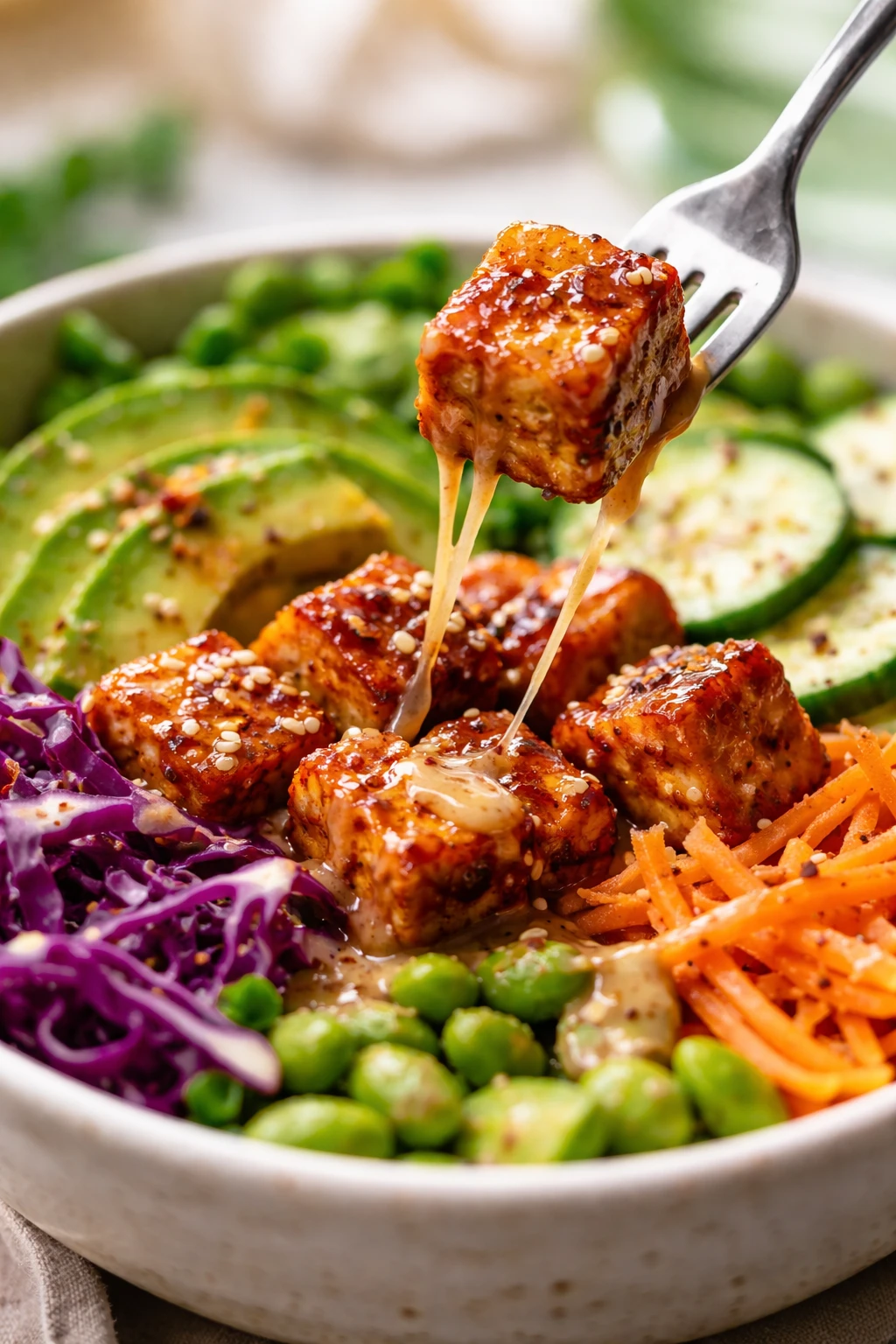
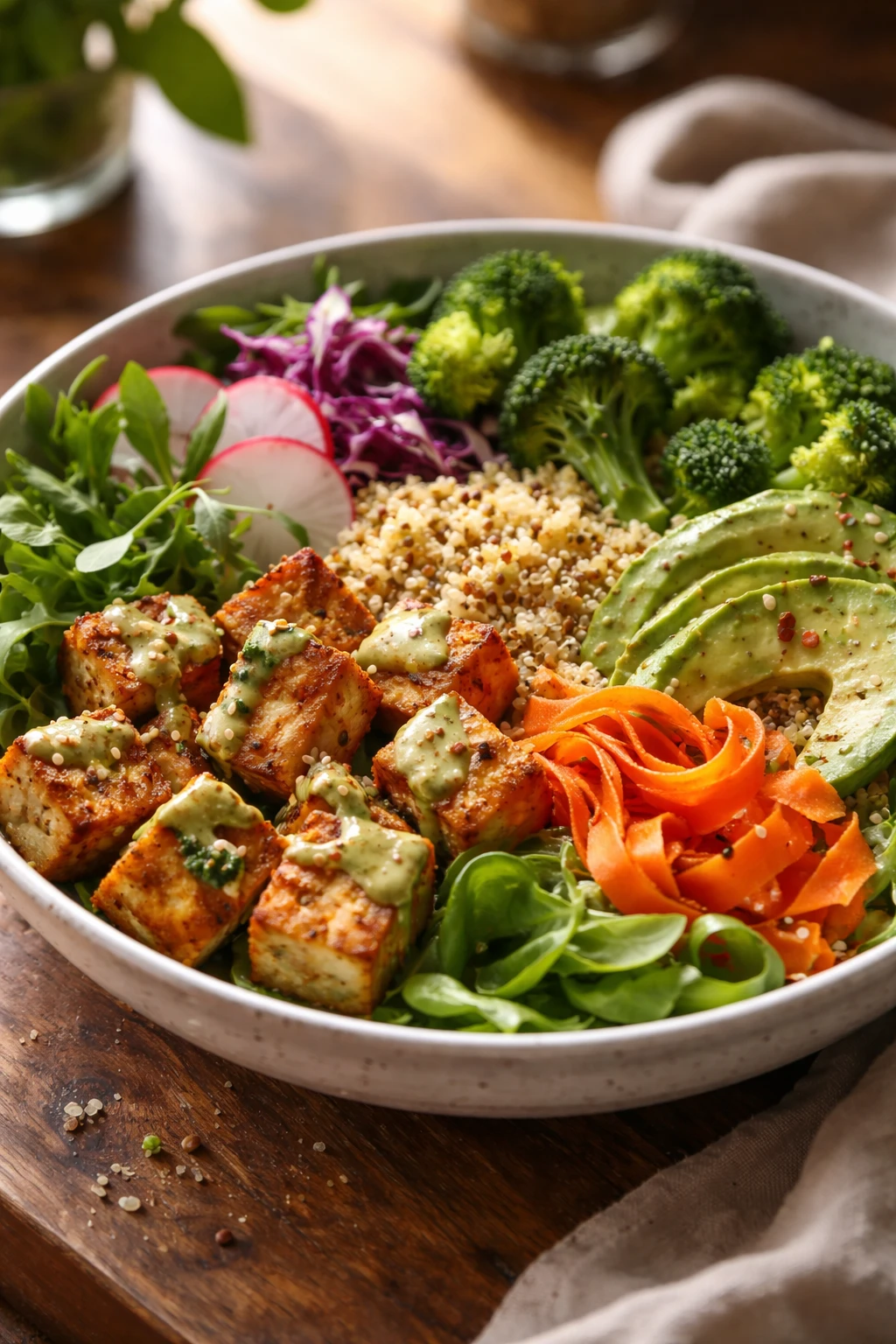
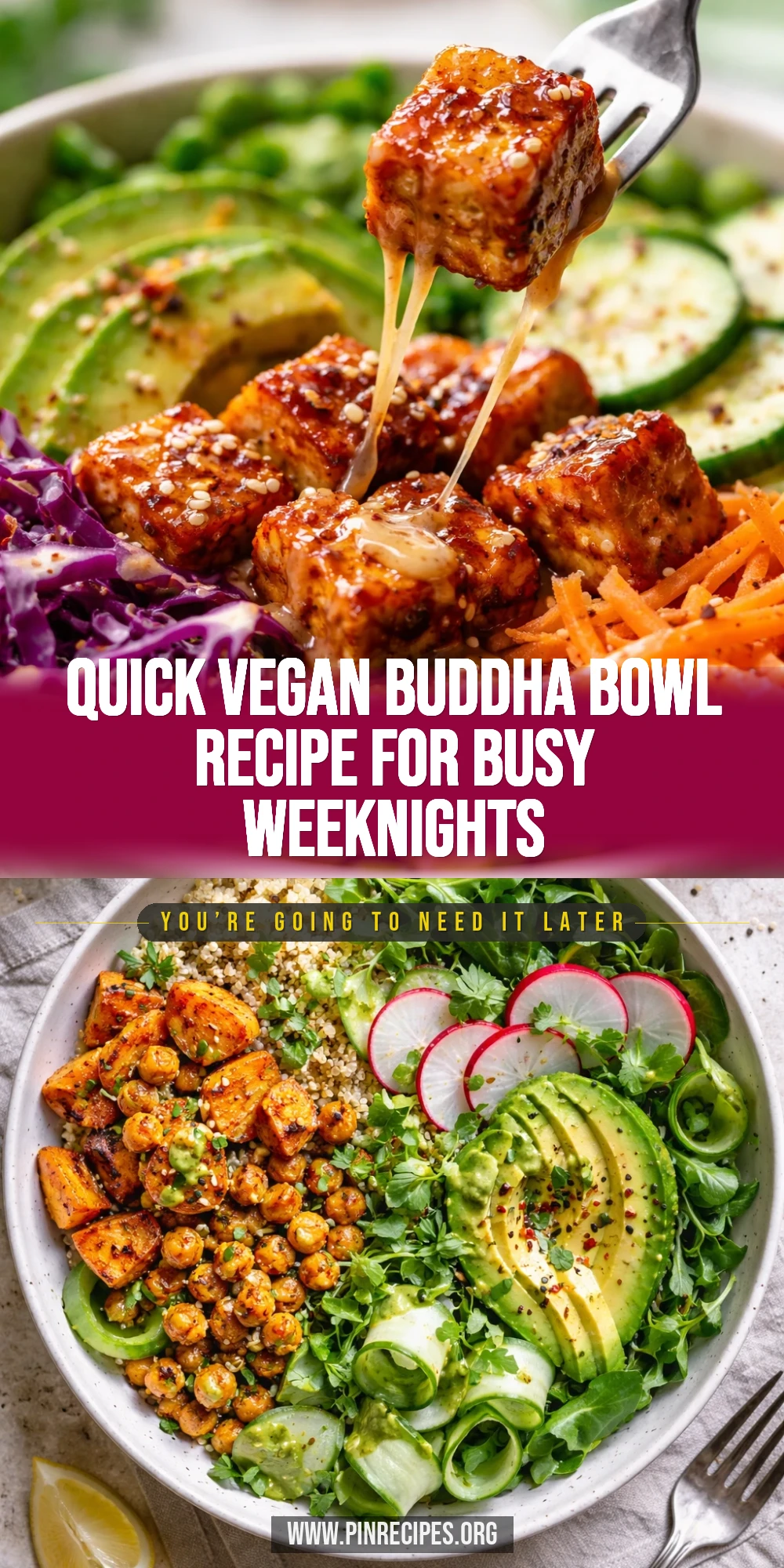
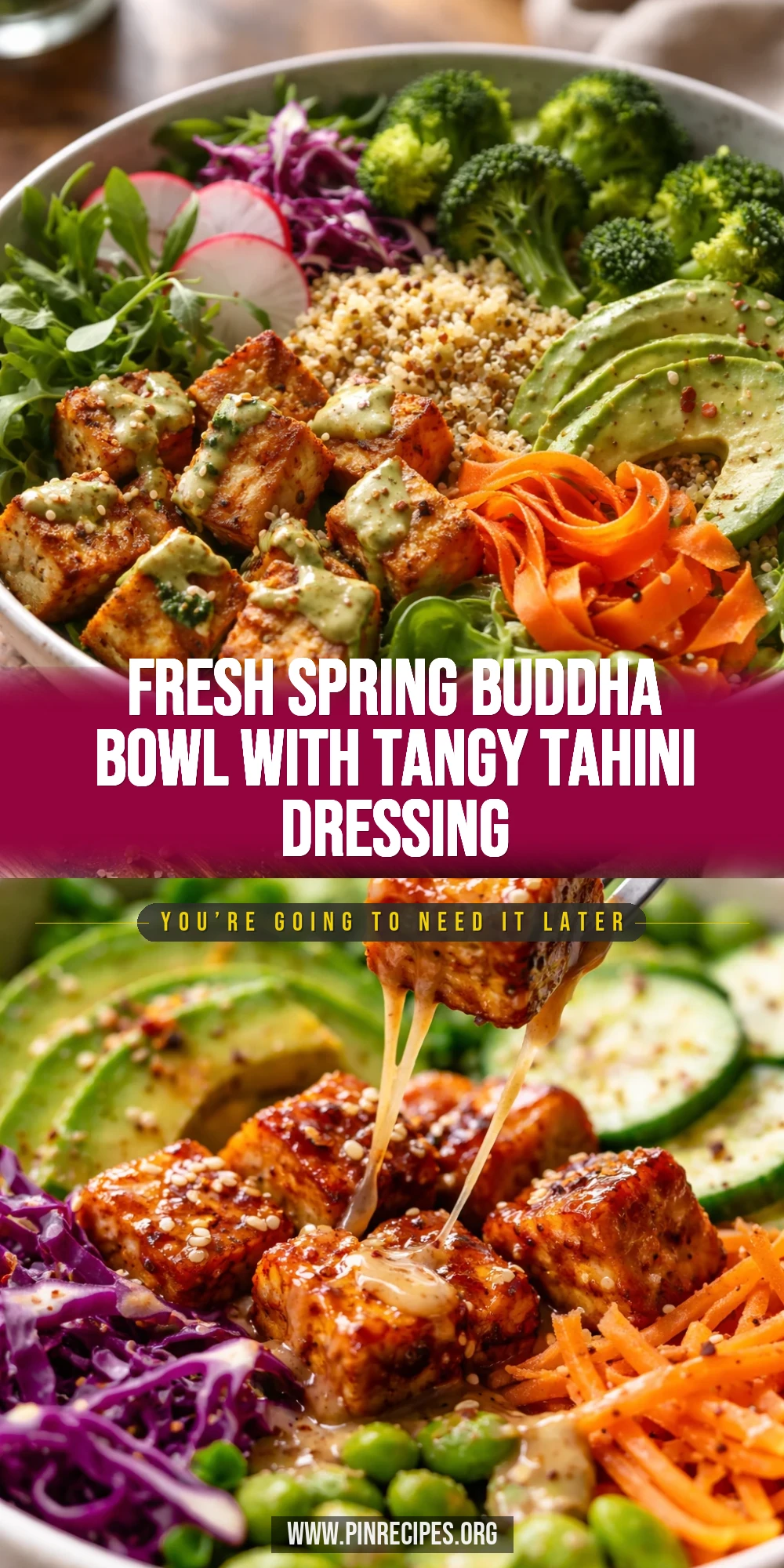
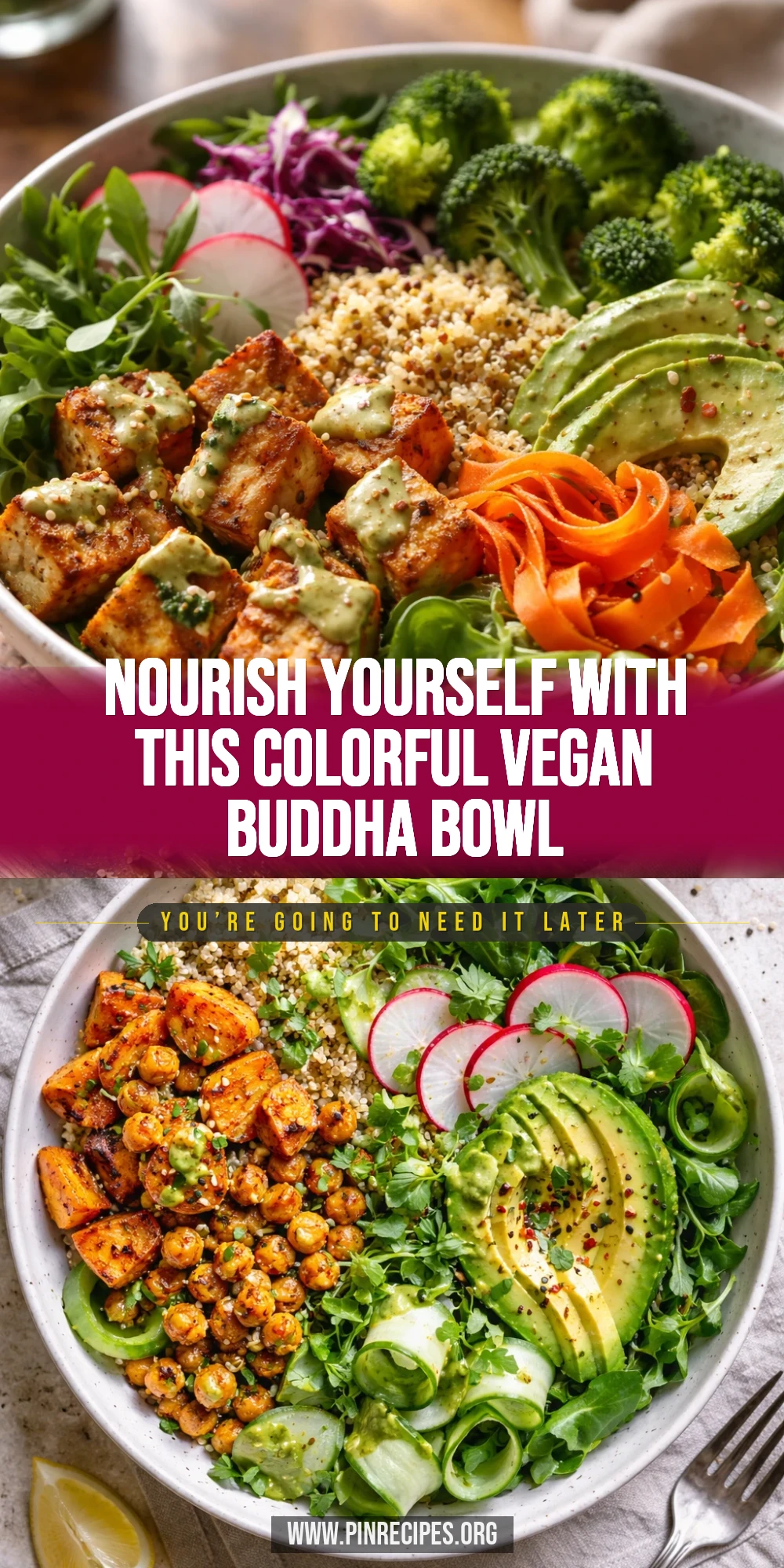
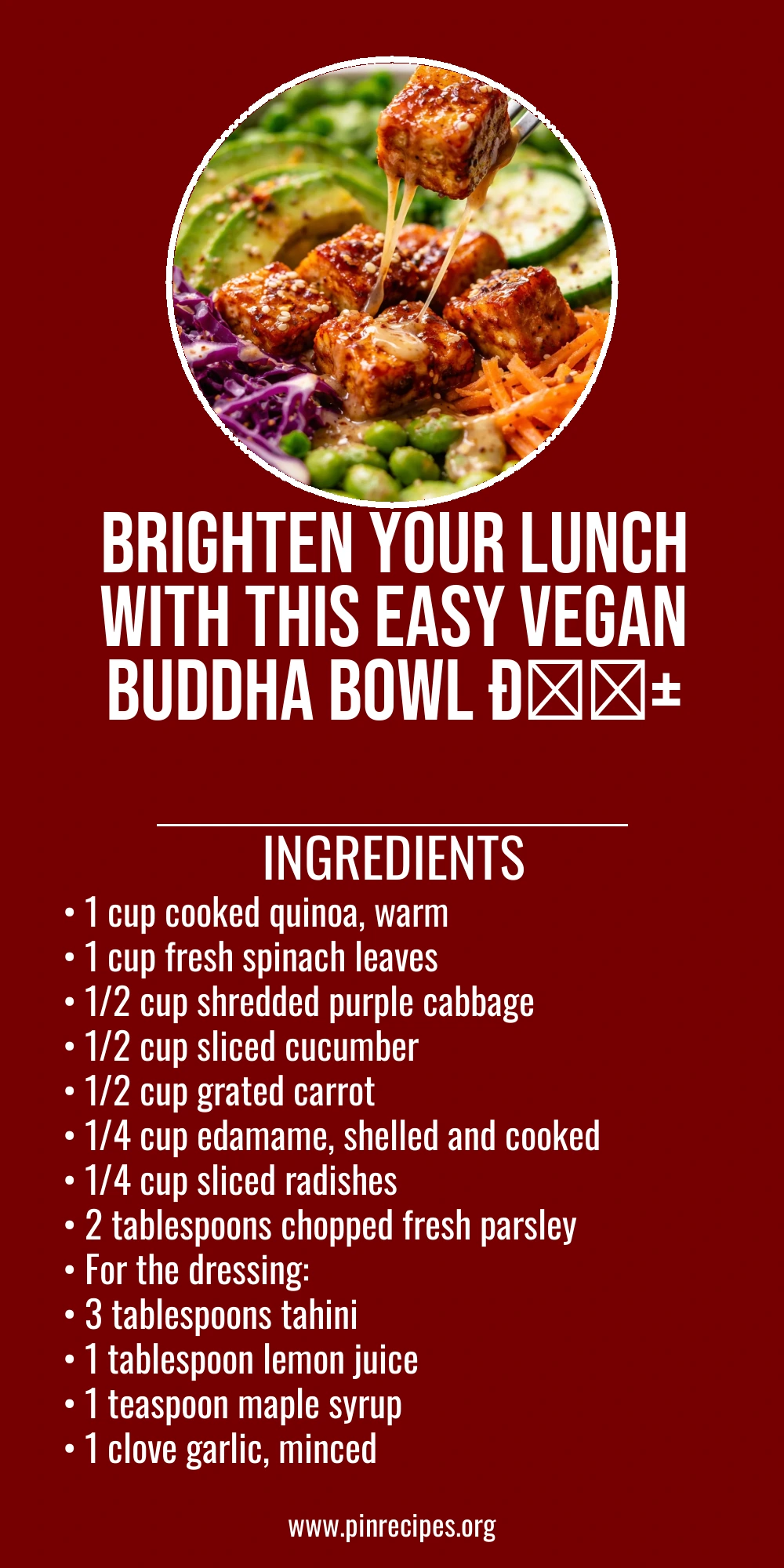
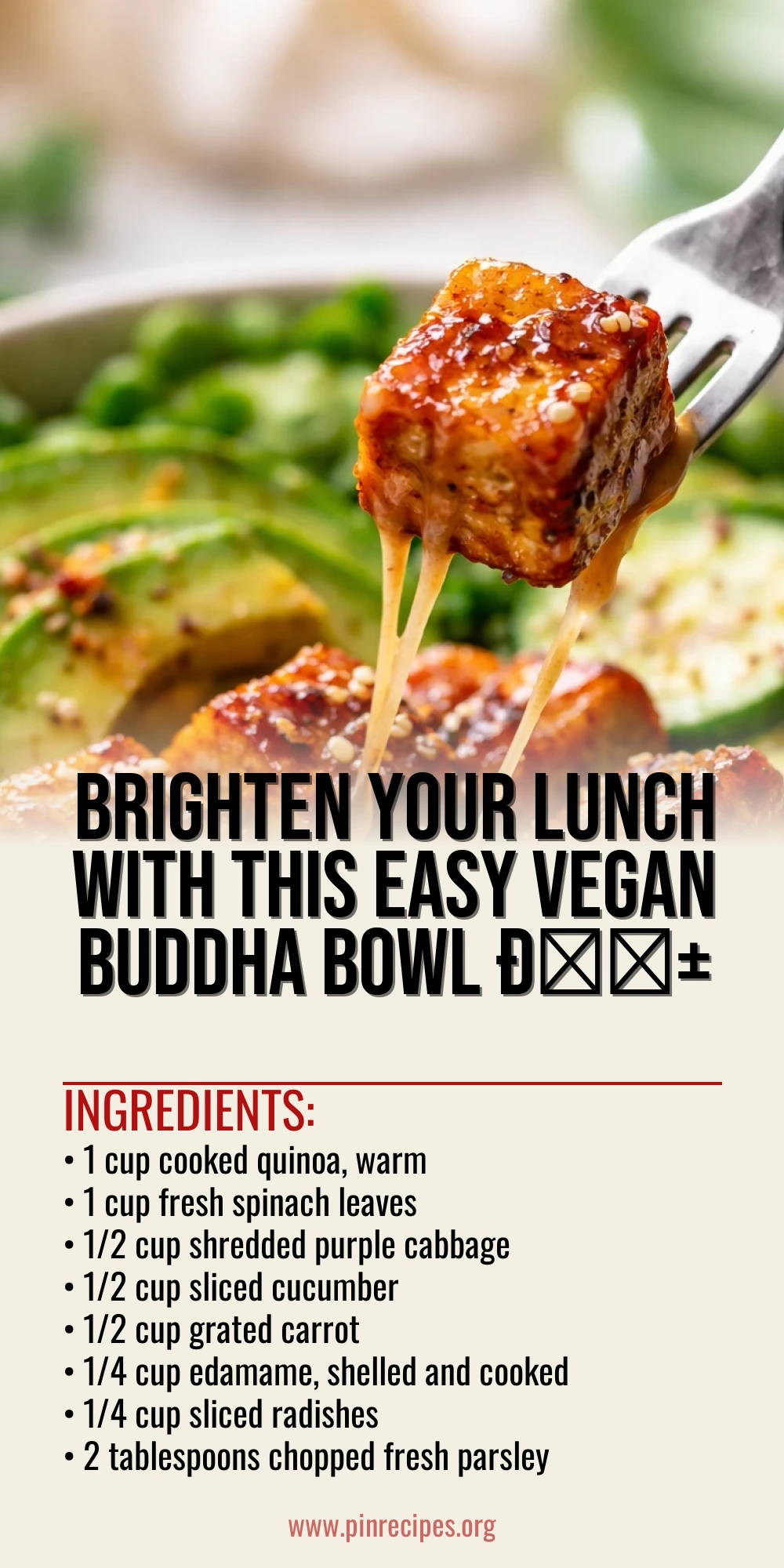
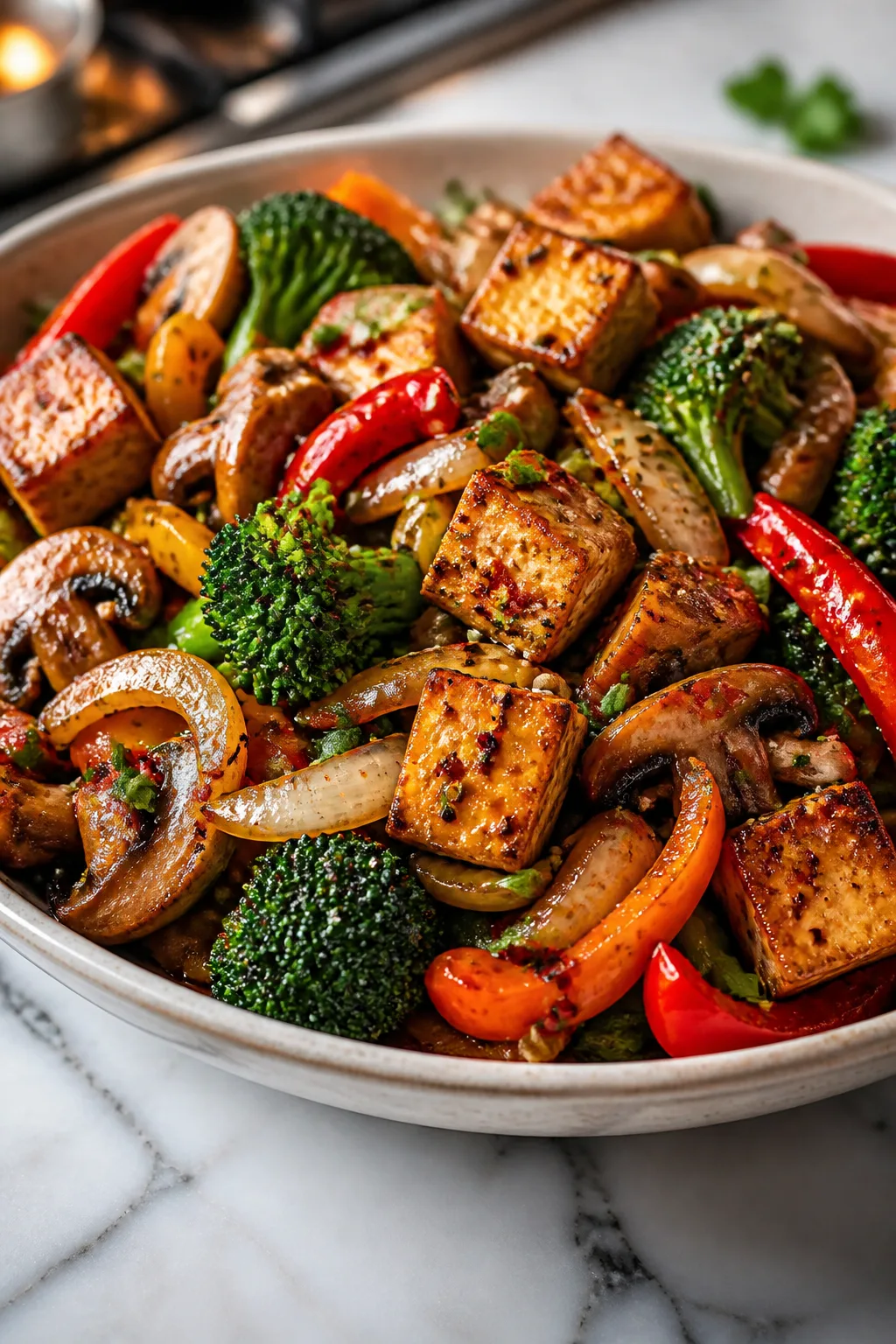
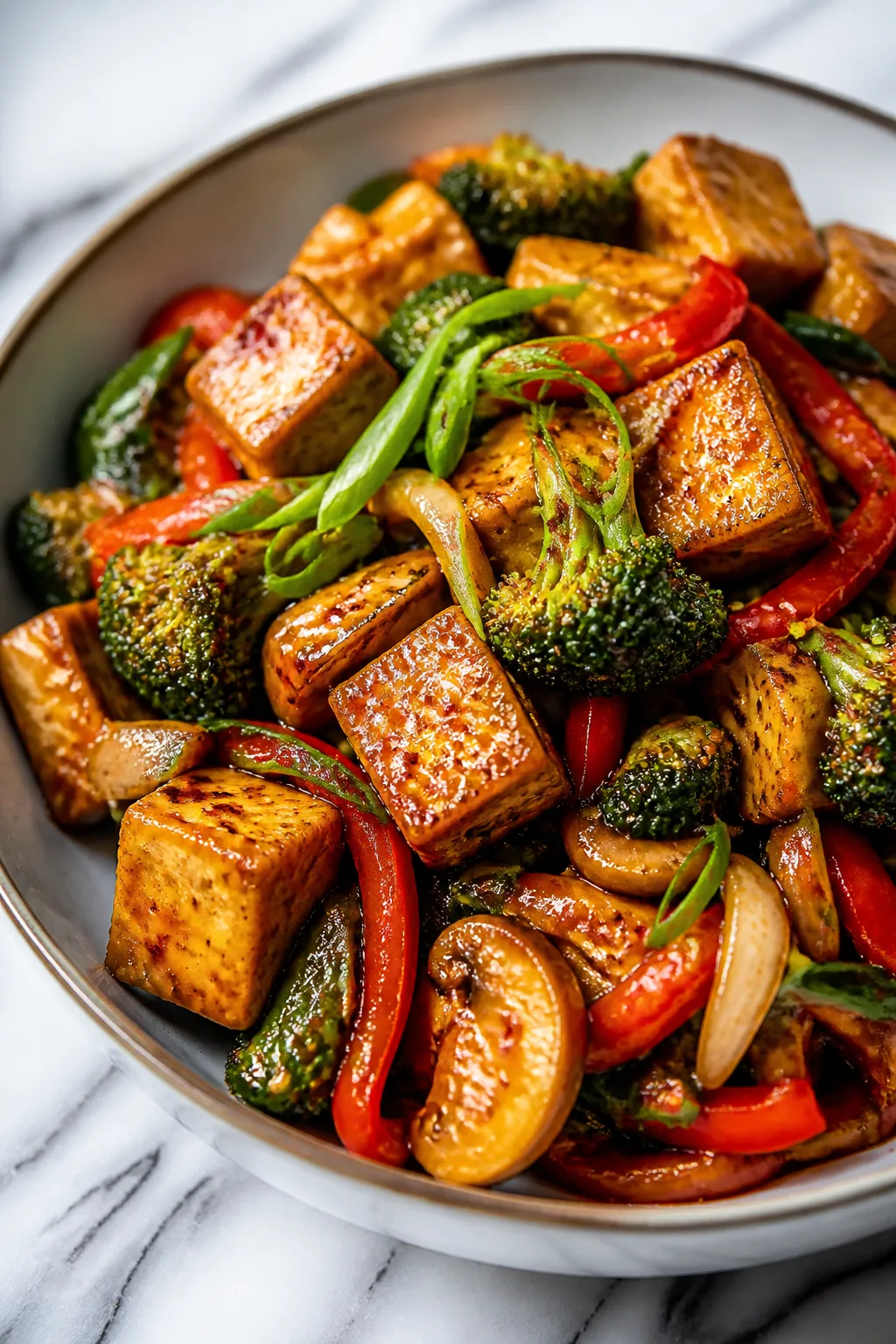
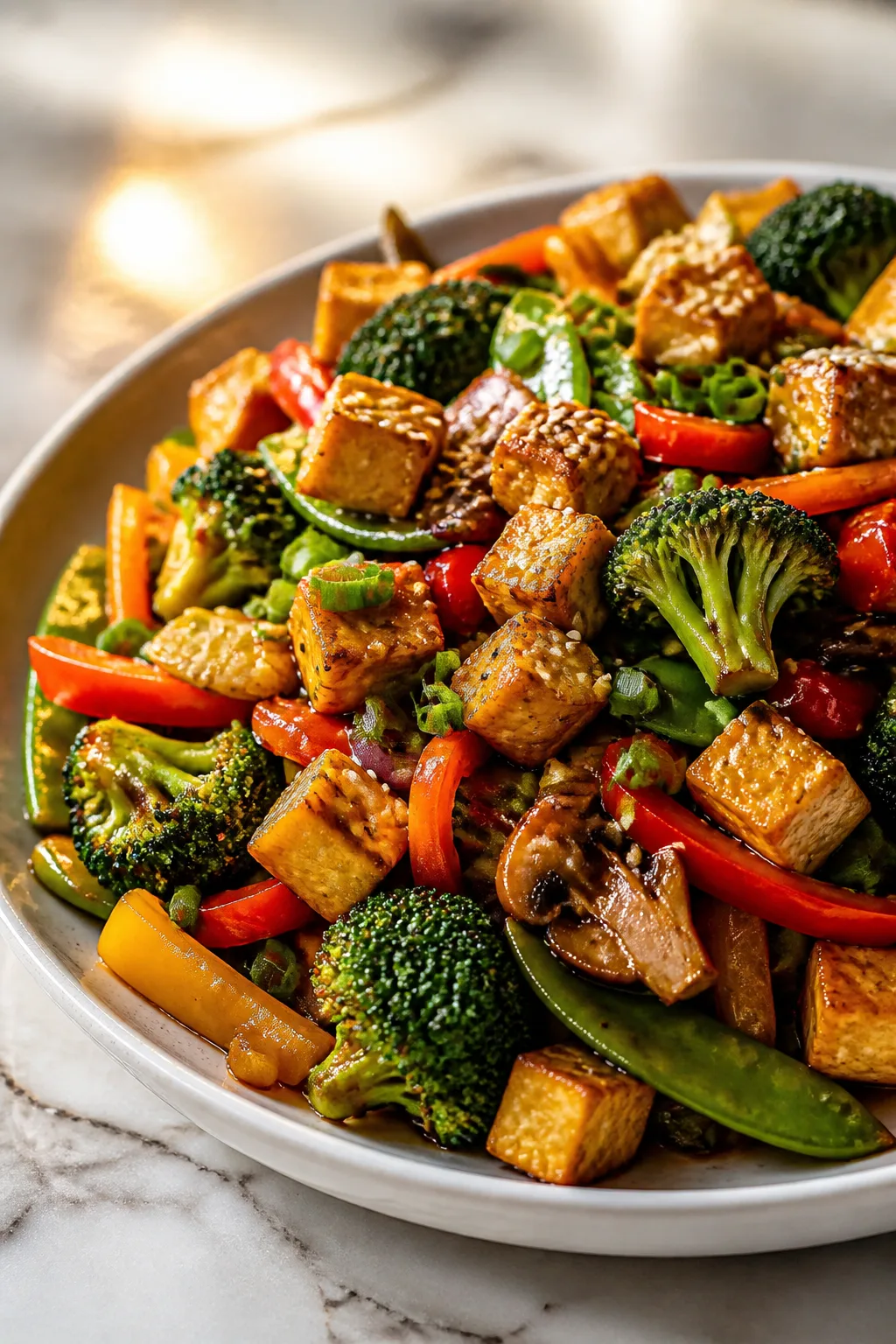
This vibrant vegan Buddha bowl is packed with fresh spring veggies and a zesty tahini dressing. It’s quick to make and perfect for a light lunch or dinner that feels nourishing and bright.
Introduction
I first stumbled upon Buddha bowls during a spring detox phase a few years ago, and they've stuck with me ever since. What I love about this version is how it celebrates fresh, seasonal veggies without any fuss. It’s not just a salad; it’s a full meal that feels light but satisfying. The tahini dressing is my secret weapon here — it adds a creamy, nutty touch that ties everything together beautifully. I’ve played around with different grains and veggies, but quinoa and fresh spring produce like radishes and cabbage give it a nice crunch and vibrant color. Plus, it’s ready in under 30 minutes, which is perfect for busy days when I want something healthy but don’t want to spend hours in the kitchen. The best part? It’s totally customizable, so you can swap in whatever veggies you have on hand. This bowl is perfect for lunch or a light dinner when you want a meal that’s fresh, wholesome, and just downright delicious.
How To Do It
Step 1
Start by cooking the quinoa according to package instructions. Rinse it under cold water before cooking to remove any bitterness and help the grains cook up fluffy and separate. This step is crucial because fluffy quinoa creates the perfect base for the bowl, preventing clumps and sogginess. Once cooked, fluff the quinoa with a fork and set it aside to cool slightly while you prep the veggies.
⏱ Time: 15 minutes
✓ Doneness: Quinoa grains should be tender but still slightly chewy and separate, not mushy.
Step 2
Prepare all your fresh veggies: thinly slice the cucumber and radishes, shred the purple cabbage, grate the carrot, and chop the parsley. Having everything ready and cut uniformly ensures each bite has a good balance of textures and flavors. Uniform slicing also helps the dressing coat everything evenly. Avoid cutting too thickly to keep the bowl light and crisp.
⏱ Time: 10 minutes
✓ Doneness: Veggies should look fresh, vibrant, and crisp, with no signs of wilting.
Step 3
Make the tahini dressing by whisking together tahini, lemon juice, maple syrup, minced garlic, and water until smooth. The water helps thin the dressing to a pourable consistency. Taste and adjust salt and pepper. This dressing is what brings the bowl together with its creamy, tangy, and slightly sweet notes. If it’s too thick, add more water a teaspoon at a time.
⏱ Time: 5 minutes
✓ Doneness: Dressing should be smooth and creamy, easy to drizzle but not too runny.
Step 4
Warm the cooked quinoa slightly if it’s cooled down too much. You want it warm but not hot to keep the bowl fresh and inviting. This contrast between warm quinoa and crisp veggies adds a nice textural balance. Avoid overheating to prevent drying out the quinoa.
⏱ Time: 2 minutes
✓ Doneness: Quinoa should feel warm to the touch but not steaming hot.
Step 5
Assemble the bowls by dividing the quinoa between two bowls. Arrange the prepared veggies and edamame artfully on top in sections or mixed, depending on your mood. Presentation matters here — a colorful, well-arranged bowl makes the meal more enjoyable and inviting.
⏱ Time: 5 minutes
✓ Doneness: Bowls should look vibrant and balanced with a variety of colors and textures.
Step 6
Drizzle the tahini dressing generously over the bowls. The dressing adds moisture and flavor, so don’t be shy. Toss gently if you prefer everything coated, or leave it on top to mix as you eat. Either way, it brings a lovely creaminess that complements the fresh veggies.
⏱ Time: 2 minutes
✓ Doneness: Dressing evenly coats the ingredients without pooling excessively.
Step 7
Sprinkle chopped parsley on top for a fresh herbal note and a pop of green. It also adds a subtle brightness that lifts the whole dish. Fresh herbs make a big difference in flavor complexity, so I never skip this step.
⏱ Time: 1 minute
✓ Doneness: Parsley looks fresh and vibrant, not wilted or dull.
Step 8
Give everything a quick taste and adjust seasoning with a pinch of salt or a squeeze of lemon if needed. Sometimes a little extra acidity or salt can brighten the whole bowl and enhance the flavors. Don’t skip this final tasting step!
⏱ Time: 1 minute
✓ Doneness: Flavors should be balanced — tangy, nutty, fresh, and well-seasoned.
Step 9
Serve immediately to enjoy the contrast of warm quinoa and crisp fresh veggies. If you need to store leftovers, keep the dressing separate to prevent sogginess. This bowl works great for meal prep too, just add the dressing right before eating.
⏱ Time: Immediate
✓ Doneness: Serve fresh for best texture and flavor.
Pro Tips
Rinse quinoa thoroughly before cooking to remove bitterness.
Quinoa naturally has a coating of saponins, which taste bitter and soapy. Rinsing under cold water removes these compounds, ensuring a clean, nutty flavor in the cooked grain. Skipping this step can result in an unpleasant aftertaste that masks the other fresh ingredients.
Use warm quinoa instead of cold for better texture contrast.
Serving quinoa warm while the veggies remain crisp creates a pleasing contrast in temperature and texture. Warm grains feel comforting and help meld the flavors, while cold quinoa can make the bowl feel less fresh and cohesive.
Add water gradually to the tahini dressing to reach perfect consistency.
Tahini can be thick and pasty, so thinning it with water helps create a pourable dressing that coats the ingredients evenly without clumping. Adding water slowly allows control over texture, preventing the dressing from becoming too runny or too thick.
Cut veggies uniformly for even flavor distribution.
Uniform slicing ensures each bite has a balanced mix of textures and flavors. It also helps the dressing coat all pieces evenly and improves the visual appeal of the bowl, making it more appetizing.
Keep the dressing separate if prepping ahead to avoid sogginess.
Dressing can make fresh veggies soggy if added too early. Storing it separately and adding just before serving preserves the crispness and freshness of the bowl, especially important if making meals in advance.
Use fresh lemon juice for the dressing for best brightness.
Fresh lemon juice provides vibrant acidity that brightens the tahini’s richness. Bottled lemon juice often lacks this fresh zing and can taste flat, affecting the overall flavor balance.
Toast sesame seeds lightly to enhance tahini flavor if making homemade.
If preparing tahini from scratch, toasting sesame seeds before grinding enhances their nuttiness and depth of flavor. This step adds complexity to the dressing that really elevates the bowl.
Common Mistakes to Avoid
Not rinsing quinoa before cooking.
Why it happens Many cooks assume quinoa is ready to cook straight from the package and skip rinsing to save time.
Fix Take an extra minute to rinse quinoa thoroughly under cold water in a fine-mesh sieve. This removes bitter saponins and improves the flavor dramatically.
Overcooking quinoa until mushy.
Why it happens Quinoa can easily be overcooked if left boiling too long or if too much water is used.
Fix Follow package instructions carefully, usually simmering for about 15 minutes until water is absorbed. Fluff with a fork immediately to separate grains and prevent clumping.
Adding dressing too early when prepping ahead.
Why it happens To save time, some add dressing before storing, causing veggies to get soggy.
Fix Store dressing separately and add just before eating to keep veggies crisp and fresh.
Using bottled lemon juice instead of fresh.
Why it happens Convenience leads many to use bottled juice, which lacks fresh acidity.
Fix Always use freshly squeezed lemon juice for a brighter, fresher flavor in the dressing.
Cutting veggies unevenly or too thick.
Why it happens Rushing prep or lack of knife skills can cause uneven cuts.
Fix Take time to slice veggies thinly and uniformly to ensure even texture and flavor distribution in each bite.
Variations
Spicy Sriracha Tahini Buddha Bowl
Add a kick to the classic tahini dressing by mixing in a teaspoon of sriracha or your favorite hot sauce. This variation adds heat and depth, perfect if you like your bowls with a little fire. Expect a creamy yet spicy dressing that livens up the fresh veggies.
Note: Adjust the amount of sriracha to your heat tolerance, starting small and tasting as you go to keep balance.
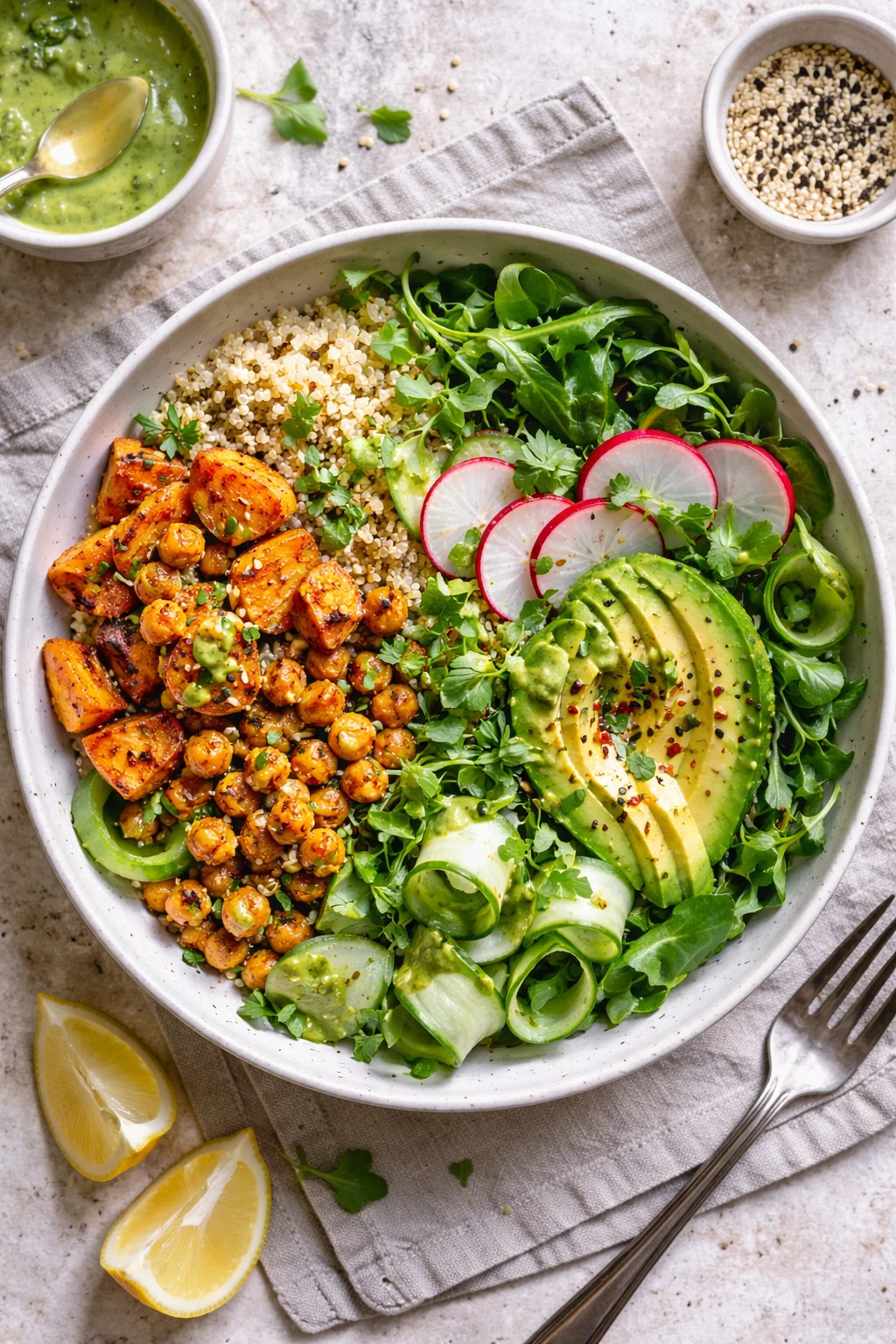
Roasted Sweet Potato and Chickpea Buddha Bowl
Swap some fresh veggies for roasted sweet potatoes and chickpeas for a heartier, warming bowl. Roasting adds caramelized sweetness and a chewy texture that contrasts nicely with fresh elements. This is great for cooler days or when you want more protein and carbs.
Note: Roast sweet potatoes and chickpeas at 400°F for about 25 minutes until golden and tender before adding to the bowl.
Brown Rice and Avocado Buddha Bowl
Use brown rice instead of quinoa for a nuttier, chewier grain base. Add sliced avocado for creaminess and healthy fats. This version feels more substantial and creamy, great for those who want a filling, comforting meal.
Note: Cook brown rice according to package, and add avocado just before serving to avoid browning.
Asian-Inspired Buddha Bowl with Ginger Dressing
Replace the tahini dressing with a ginger-soy vinaigrette made from grated ginger, soy sauce, rice vinegar, and a touch of sesame oil. This variation brings a savory, tangy flavor profile that pairs beautifully with edamame and cabbage.
Note: Use low-sodium soy sauce to control saltiness and whisk dressing well to emulsify.
Mediterranean Buddha Bowl with Hummus and Olives
Add dollops of hummus and a handful of sliced olives to the bowl for a Mediterranean twist. This adds creaminess and briny notes that complement fresh veggies and quinoa. Expect richer flavors and a satisfying texture mix.
Note: Choose high-quality hummus and pitted olives to avoid bitterness and ensure smooth flavor.
Nutrition
Per Serving:
Nutritional values are estimates and may vary based on specific ingredients used.
Storage & Tips
Room Temperature
This Buddha bowl is best eaten fresh but can safely sit at room temperature for up to 2 hours covered. Beyond that, freshness and texture start to decline, especially the crisp veggies.
Refrigerator
Store components separately in airtight containers for up to 3 days. The quinoa and veggies keep well, but add the dressing just before serving to avoid sogginess. Cold bowls are still tasty but slightly less vibrant in texture.
Freezer
Freezing is not recommended for the fresh veggies as they lose crunch and become watery upon thawing. You can freeze cooked quinoa separately for up to 3 months, thawing in the fridge overnight.
Reheating
Reheat quinoa gently in the microwave or on the stovetop with a splash of water to restore moisture. Avoid reheating the whole bowl with fresh veggies and dressing to maintain texture.
Make Ahead
Cook quinoa and prep veggies 1-2 days ahead, storing them separately. Mix the dressing fresh on the day of serving. Assemble bowls just before eating for best freshness and texture.
FAQ
Can I use other grains instead of quinoa?
Absolutely! Brown rice, farro, or bulgur all work well as a base. Just adjust cooking times accordingly. Quinoa is great for its protein content and fluffy texture, but feel free to swap based on preference or what you have on hand.
How long can I store the assembled bowl in the fridge?
If dressed, the bowl is best eaten within 24 hours to avoid soggy veggies. If storing components separately, you can keep them refrigerated for up to 3 days. Always add dressing fresh before serving.
Can I make the tahini dressing ahead of time?
Yes, the tahini dressing can be made 2-3 days ahead and stored in the fridge. It may thicken when cold, so whisk in a bit of water or lemon juice before using to loosen it back up.
What if I don’t have tahini?
You can substitute tahini with almond butter or sunflower seed butter for a different but still creamy dressing. The flavor will change slightly, so adjust lemon and sweetener to taste.
How can I make this bowl more filling?
Add roasted chickpeas, avocado slices, or a handful of nuts or seeds. These add healthy fats and protein, making the bowl more satisfying for longer meals.
Is this recipe gluten-free?
Yes, as long as you use certified gluten-free quinoa and check that your tahini and other ingredients are gluten-free, this bowl is naturally gluten-free.
Can I swap out the fresh veggies for frozen ones?
Frozen veggies tend to release water and lose crunch when thawed, which changes the bowl’s texture. It’s best to use fresh veggies for this recipe to maintain that crisp freshness.
What’s the best way to reheat leftovers?
Reheat just the quinoa portion gently in the microwave or on the stovetop with a splash of water. Keep veggies and dressing cold and add them fresh after reheating.
Final Thoughts
I hope you enjoy making and eating this fresh, flavorful Buddha bowl as much as I do. Don’t forget to share your creations and tweaks—I love hearing how you make it your own!