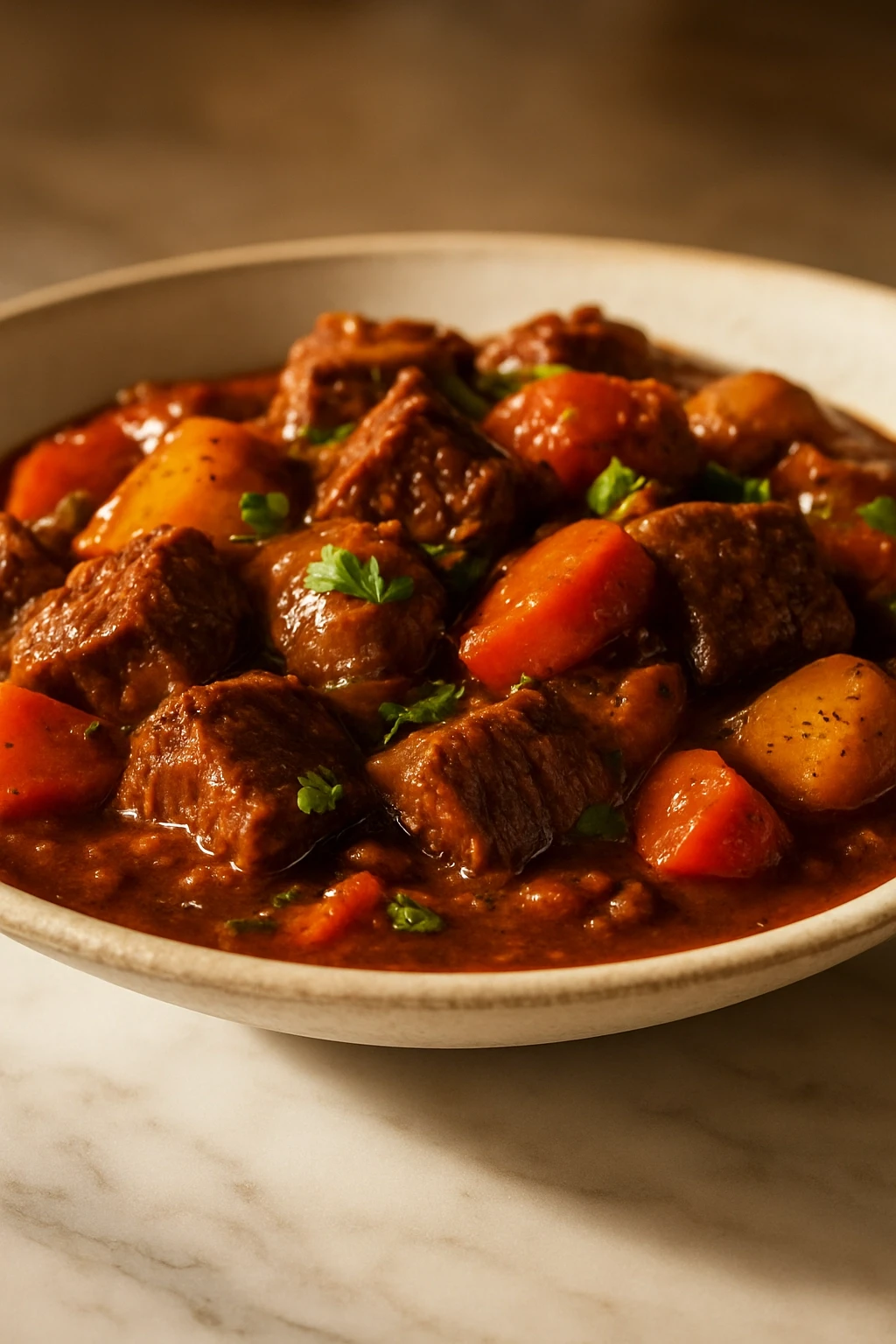
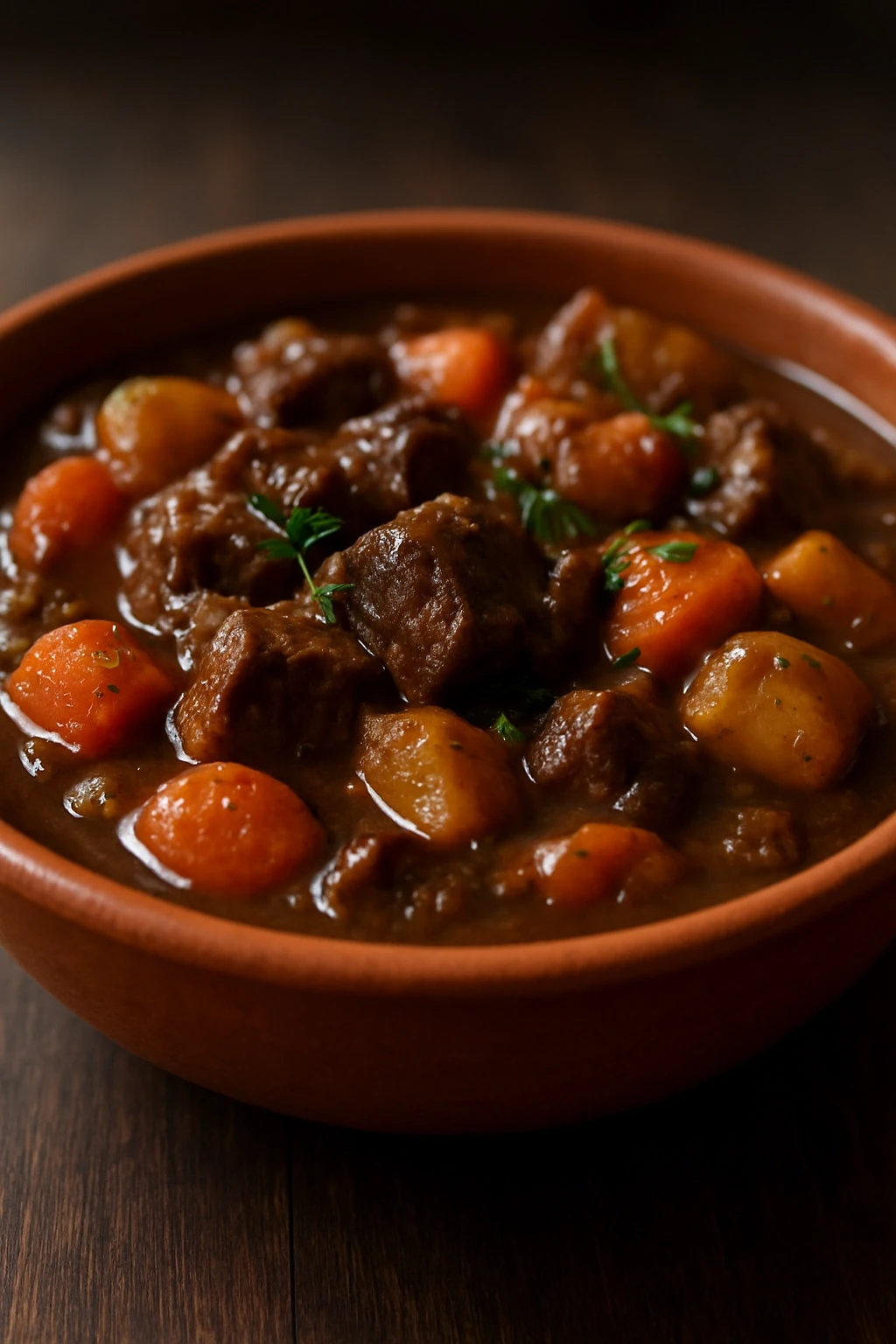
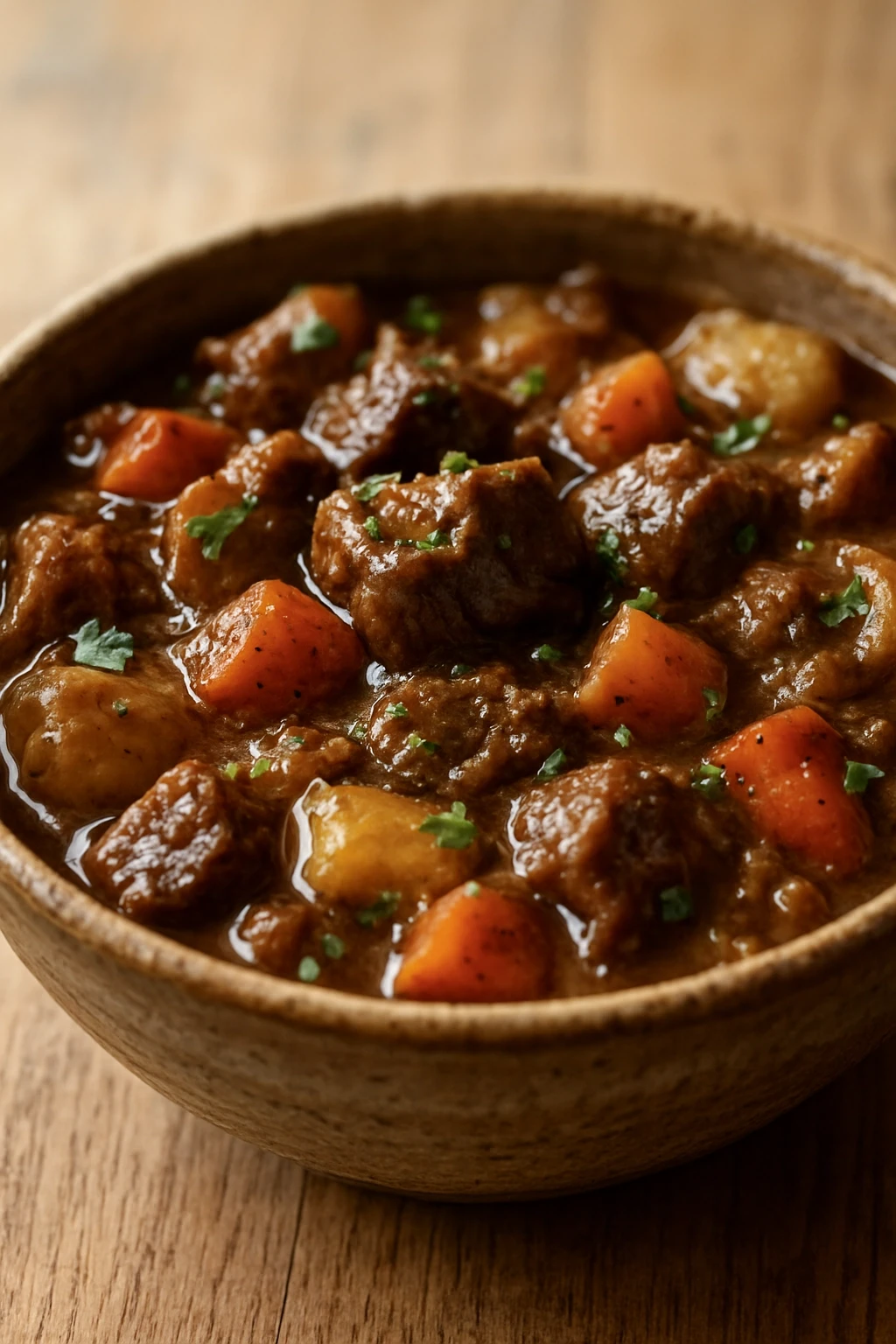
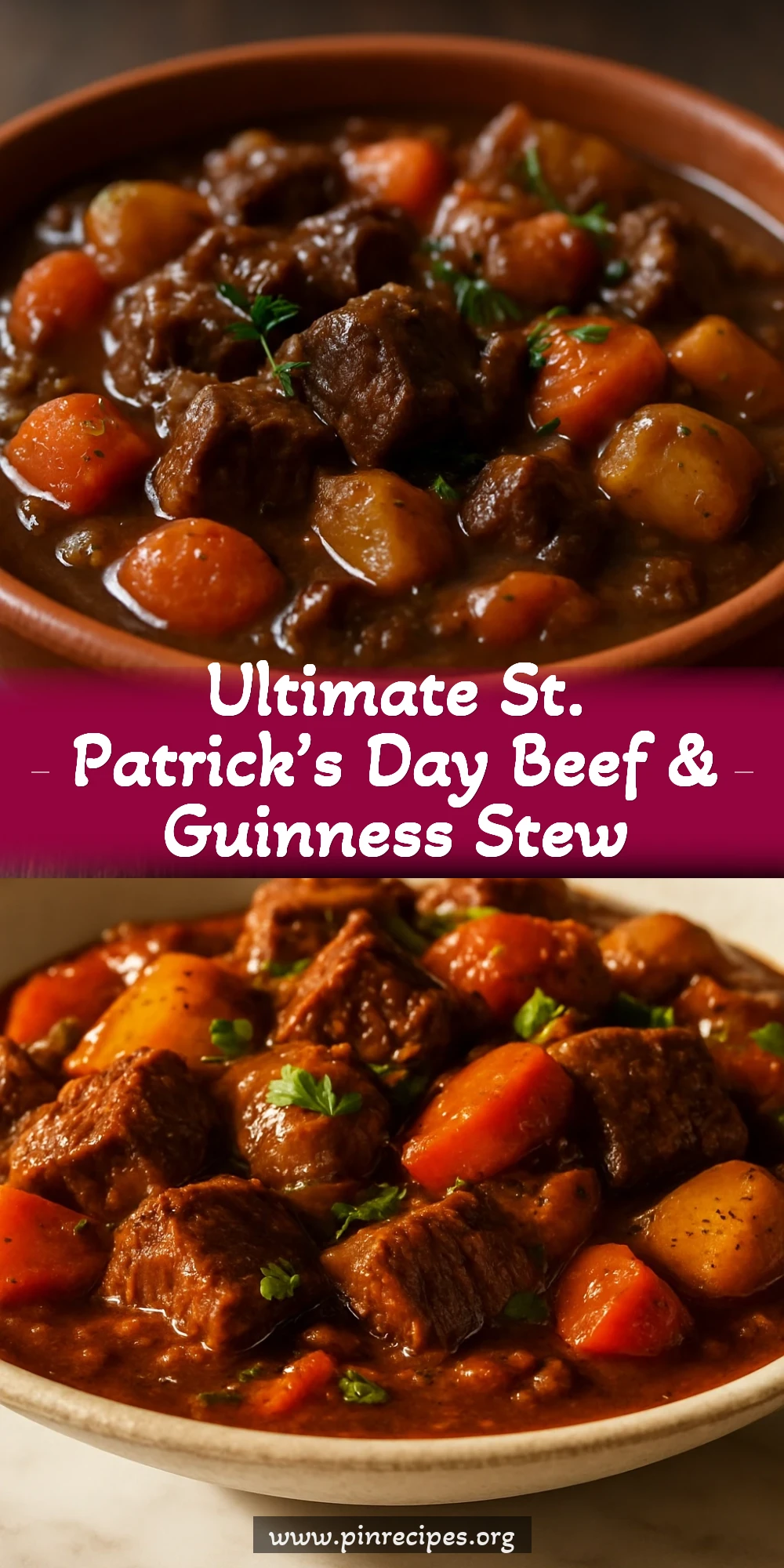
This rich Irish stew is perfect for chilly evenings, slow-cooked with tender beef and a splash of Guinness for depth. The secret? Browning the meat well before simmering. Ideal for St. Patrick’s Day or any comforting dinner.
Introduction
I first made this Irish beef and Guinness stew years ago when I wanted to celebrate St. Patrick’s Day with something truly authentic and comforting. Most recipes call for just beef and veggies, but I love adding a good splash of Guinness stout—it gives the stew a deep, malty richness that you just can’t get from broth alone. The trick I learned early on is to brown the beef in batches; it’s a bit time-consuming but totally worth it because it locks in flavor and creates that beautiful caramelized crust that builds the stew’s character. Also, simmering it low and slow for a few hours makes the meat melt-in-your-mouth tender. When it’s done, you’ll have a thick, hearty stew perfect for warming up on a cold day or impressing guests at a St. Patrick’s celebration. It’s rustic, full of flavor, and just the kind of dish that feels like a warm hug in a bowl. I’ve had my share of stews that turned out watery or bland, but this one always delivers comfort and depth. Plus, it’s great served with crusty bread or creamy mashed potatoes.
What You'll Need
Approximately 6 hearty servings
- 2 lbs beef chuck, cut into 1.5-inch cubes
- Salt and freshly ground black pepper, to taste
- 3 tablespoons vegetable oil
- 1 large onion, chopped
- 3 cloves garlic, minced
- 4 large carrots, peeled and chopped
- 3 stalks celery, chopped
- 2 tablespoons tomato paste
- 2 cups Guinness stout beer
- 4 cups beef broth
- 2 bay leaves
- 1 teaspoon dried thyme
- 4 medium potatoes, peeled and quartered
- Fresh parsley, chopped for garnish
How To Do It
Step 1
Start by patting the beef cubes dry with paper towels—this helps them brown properly instead of steaming. Season them generously with salt and pepper. Heat 2 tablespoons of vegetable oil in a large heavy-bottomed pot over medium-high heat. Brown the beef in batches, making sure not to crowd the pan, which would lower the temperature and prevent caramelization. This step creates a deep, savory flavor through the Maillard reaction, so take your time and get a nice crust on each batch before setting the meat aside.
⏱ Time: 15 minutes
✓ Doneness: Beef cubes should be deeply browned on all sides with a rich crust
Step 2
In the same pot, add the remaining tablespoon of oil if needed, then toss in the chopped onion, carrots, and celery. Cook over medium heat until softened and fragrant, about 8 minutes, stirring occasionally. This step builds the stew’s flavor base by gently caramelizing the vegetables, which adds sweetness and complexity. Avoid rushing this process; if the veggies brown too quickly or burn, the stew can develop bitter notes.
⏱ Time: 8 minutes
✓ Doneness: Vegetables should be tender and lightly golden, with a sweet aroma
Step 3
Stir in the minced garlic and tomato paste, cooking for another 2 minutes to deepen the flavors. The tomato paste adds acidity and richness that balances the stout’s bitterness. Make sure to cook it enough to remove the raw taste but don’t let it burn, which would make the stew bitter.
⏱ Time: 2 minutes
✓ Doneness: Mixture should smell fragrant and slightly sweet, with no raw tomato scent
Step 4
Return the browned beef and any juices to the pot. Pour in the Guinness stout, scraping the bottom to loosen any browned bits—this is where a lot of flavor lives. Let the mixture simmer gently for about 10 minutes to reduce slightly and let the alcohol cook off. This step infuses the stew with the stout’s malty notes and helps tenderize the meat.
⏱ Time: 10 minutes
✓ Doneness: Liquid should reduce a bit and smell rich and malty without alcohol sharpness
Step 5
Add the beef broth, bay leaves, and dried thyme. Bring the stew to a gentle boil, then reduce the heat to low and cover. Let it simmer slowly for about 2 hours, stirring occasionally. Slow cooking breaks down the connective tissue in the beef, making it tender and juicy. Be patient—rushing this step results in tougher meat and less developed flavors.
⏱ Time: 120 minutes
✓ Doneness: Beef should be fork-tender and the broth rich and slightly thickened
Step 6
After 2 hours, add the quartered potatoes to the stew. Continue simmering, uncovered, for another 30 minutes until the potatoes are tender but not falling apart. This final simmer allows the potatoes to soak up the stew’s flavors and slightly thicken the broth as some starches release.
⏱ Time: 30 minutes
✓ Doneness: Potatoes should be easily pierced with a fork but still hold their shape
Step 7
Taste the stew and adjust seasoning with salt and pepper as needed. Remove the bay leaves to avoid any bitter aftertaste. This step is crucial because slow cooking can mellow flavors, so a final seasoning boost ensures the stew is balanced and satisfying.
⏱ Time: 5 minutes
✓ Doneness: Flavors should be well-rounded, savory, and slightly malty
Step 8
Ladle the stew into bowls and garnish with freshly chopped parsley for a pop of color and fresh flavor. The parsley brightens the rich stew and adds a subtle herbaceous note.
⏱ Time: 2 minutes
✓ Doneness: Stew looks inviting with vibrant green garnish
Step 9
Serve the stew hot with crusty bread or creamy mashed potatoes on the side. The bread is perfect for soaking up the rich broth, making every bite indulgent. Enjoy immediately for best texture and flavor.
⏱ Time: Serve immediately
✓ Doneness: Stew should be steaming hot and hearty
Pro Tips
Brown the beef in batches without overcrowding the pan.
Overcrowding lowers the pan’s temperature, causing the beef to steam instead of brown. Proper browning develops the Maillard reaction, which is essential for deep, savory flavors and a rich color.
Use a heavy-bottomed pot for even heat distribution.
A thick pot prevents hot spots and burning during the long simmer, ensuring the stew cooks evenly and the flavors meld without scorching.
Deglaze the pot with Guinness after browning the beef.
Scraping up those browned bits (fond) off the bottom adds intense flavor to the stew’s base. The stout also infuses maltiness and complexity.
Simmer the stew gently, not at a rolling boil.
A low simmer breaks down collagen without toughening the meat or evaporating too much liquid, resulting in tender beef and a rich broth.
Add potatoes later in the cooking process.
Adding potatoes too early causes them to disintegrate, making the stew mushy. Adding them near the end keeps them tender but intact.
Season gradually and taste at the end.
Slow cooking mellows flavors, so seasoning at the start can lead to over-salting. Adjust salt and pepper just before serving for balanced taste.
Garnish with fresh parsley just before serving.
Parsley adds a fresh, bright note that cuts through the stew’s richness and enhances visual appeal.
Common Mistakes to Avoid
Skipping the browning step for the beef.
Why it happens Many cooks want to save time and jump straight to simmering, assuming it won’t affect flavor much.
Fix Take the extra 15 minutes to brown the beef in batches. This step is crucial for flavor development through the Maillard reaction. Without it, the stew will taste flat and lack depth.
Cooking the stew at too high a temperature.
Why it happens Some think a rapid boil will speed up cooking, but it toughens meat and evaporates liquid too fast.
Fix Maintain a gentle simmer to allow collagen to break down slowly, producing tender meat and a rich broth. Use a heavy pot and adjust heat as needed.
Adding potatoes too early.
Why it happens Potatoes are often added with the meat and veggies to save time.
Fix Add potatoes during the last 30 minutes of cooking to keep them intact. Early addition leads to mushy texture and overly thick stew.
Not deglazing the pot after browning beef.
Why it happens Sometimes cooks forget or skip this step, missing out on flavor.
Fix Pour in Guinness and scrape the bottom to lift browned bits. This adds depth and richness to the stew base.
Over-seasoning at the start.
Why it happens Adding all salt and spices upfront can result in an overly salty stew after long cooking.
Fix Season lightly at the beginning and adjust salt and pepper at the end after tasting.
Variations
Lamb and Guinness Stew
Swap beef chuck for lamb shoulder to give the stew a gamier, richer flavor. Lamb pairs beautifully with the maltiness of Guinness and adds a different depth. Use the same technique but expect a slightly more robust taste.
Note: Lamb may cook a bit faster; check tenderness after 90 minutes to avoid overcooking.
Vegetarian Guinness Stew
Replace beef with hearty mushrooms like portobello and cremini, and use vegetable broth. Add lentils or beans for protein. The Guinness still adds depth, making this a satisfying meat-free option.
Note: Simmer time is reduced to about 45 minutes since mushrooms cook faster; add potatoes after 20 minutes.
Spicy Irish Stew
Add a pinch of cayenne pepper and smoked paprika to the tomato paste step for a subtle smoky heat. This variation livens up the classic stew without overpowering it.
Note: Adjust spice levels to taste and add gradually to avoid overwhelming the stew’s balance.
Slow Cooker Version
Brown the beef and sauté veggies as usual, then transfer everything to a slow cooker. Cook on low for 6-8 hours. This hands-off method is perfect for busy days and still yields tender meat and rich flavor.
Note: Add potatoes in the last hour to prevent overcooking.
Irish Stew with Root Vegetables
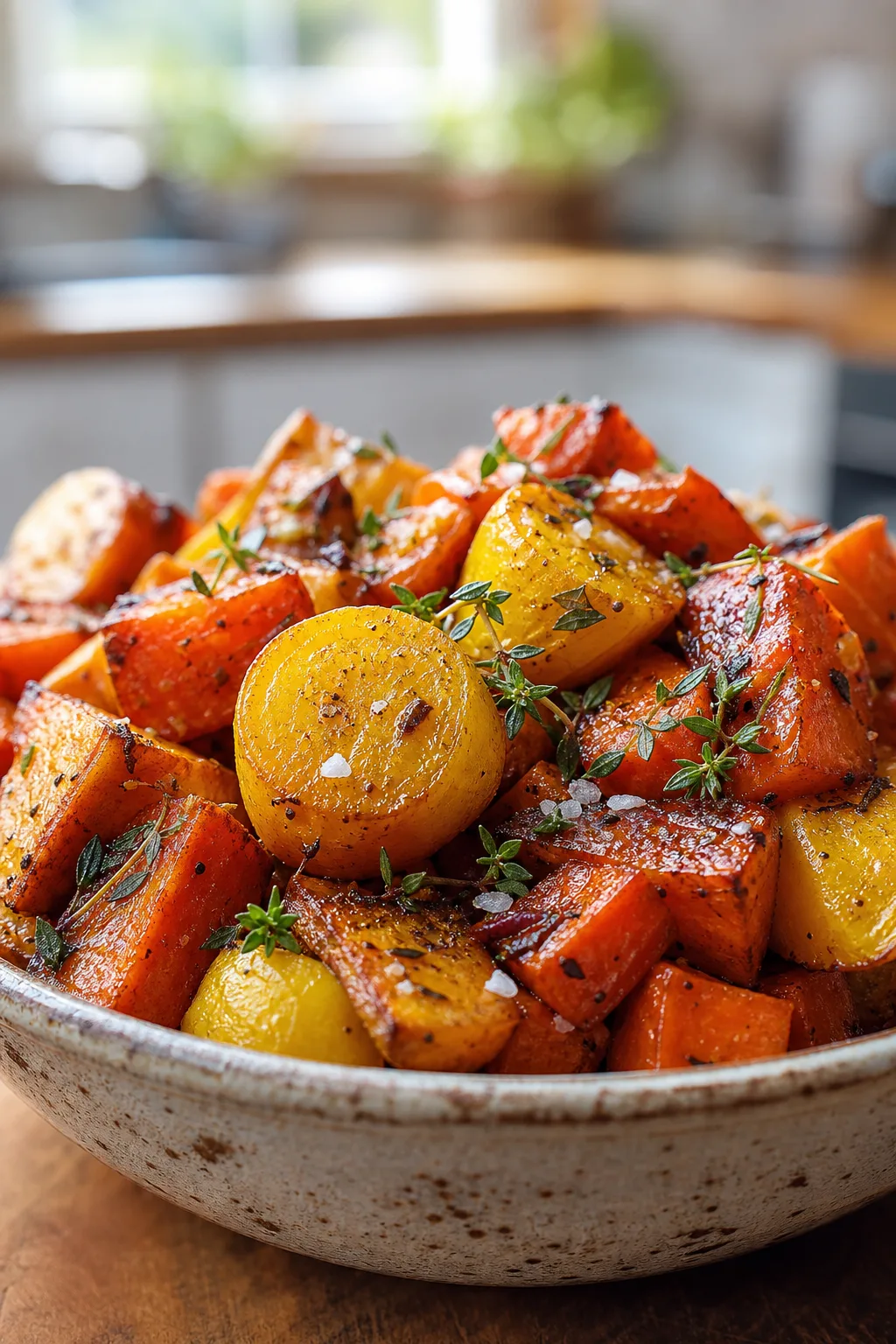
Include parsnips, turnips, or rutabaga along with carrots and potatoes for an earthy twist. These veggies add complexity and a slight sweetness that complements the stout.
Note: Root vegetables may require slightly longer cooking; add them with the beef and broth.
Nutrition
Per Serving:
Nutritional values are estimates and may vary based on specific ingredients used.
Storage & Tips
Room Temperature
This stew can safely sit out for up to 2 hours covered. Beyond that, bacteria growth increases, so refrigerate promptly after serving.
Refrigerator
Store leftovers in an airtight container for up to 4 days. The flavors often deepen overnight. Reheat gently on the stove or microwave; the texture may thicken, so add a splash of broth or water if needed.
Freezer
Freeze in airtight containers for up to 3 months. To prevent freezer burn, cool completely before freezing and use freezer-safe packaging. Thaw overnight in the fridge before reheating.
Reheating
Reheat over low heat on the stovetop, stirring occasionally to prevent sticking. Add a little broth or water if the stew has thickened too much. Avoid boiling to keep meat tender.
Make Ahead
You can brown the meat and sauté veggies 1-2 days ahead, then store separately in the fridge. Combine and simmer the stew on the day of serving for fresh flavor and texture.
FAQ
Can I use a different type of beer instead of Guinness?
You can substitute with other dark beers like porters or stouts that have a similar maltiness. Avoid light lagers or ales as they lack the depth and can make the stew taste flat. The key is the robust flavor that complements the beef.
How do I make the stew thicker if it’s too watery?
Simmer uncovered for a bit longer to reduce the liquid naturally. Alternatively, mash a few potatoes into the broth to thicken it without adding flour or cornstarch, which can alter the flavor.
Can I prepare this stew in a pressure cooker?
Yes, a pressure cooker can reduce cooking time significantly. Brown the beef and sauté veggies first, then cook under pressure for about 35-40 minutes. Add potatoes after releasing pressure and cook until tender.
What’s the best cut of beef for this stew?
Beef chuck is ideal because it has enough fat and connective tissue to become tender and flavorful during slow cooking. Avoid lean cuts like sirloin which can dry out.
Can I make this stew gluten-free?
Standard Guinness contains barley and gluten, so use a gluten-free stout or substitute with beef broth and a splash of balsamic vinegar for acidity. Always check labels to ensure all ingredients are gluten-free.
How do I avoid the stew tasting bitter from the Guinness?
Simmer the stew long enough to cook off the alcohol and mellow the bitterness. Also, cooking the tomato paste well helps balance flavors. Adding a small pinch of sugar can help if it tastes too sharp.
Is it better to use fresh or dried herbs?
Dried thyme works well during the long cooking process, releasing flavor slowly. Use fresh parsley as a garnish at the end for brightness. Fresh thyme can be used but add it later to avoid losing its aroma.
Can I add other vegetables to the stew?
Absolutely! Root vegetables like parsnips, turnips, or rutabaga work well. Add them with the broth so they have time to soften. Avoid quick-cooking veggies like peas; add those just before serving.
Final Thoughts
Give this Irish beef and Guinness stew a try next time you want something hearty and comforting. I’d love to hear how it turns out for you—don’t forget to share your tweaks and photos!