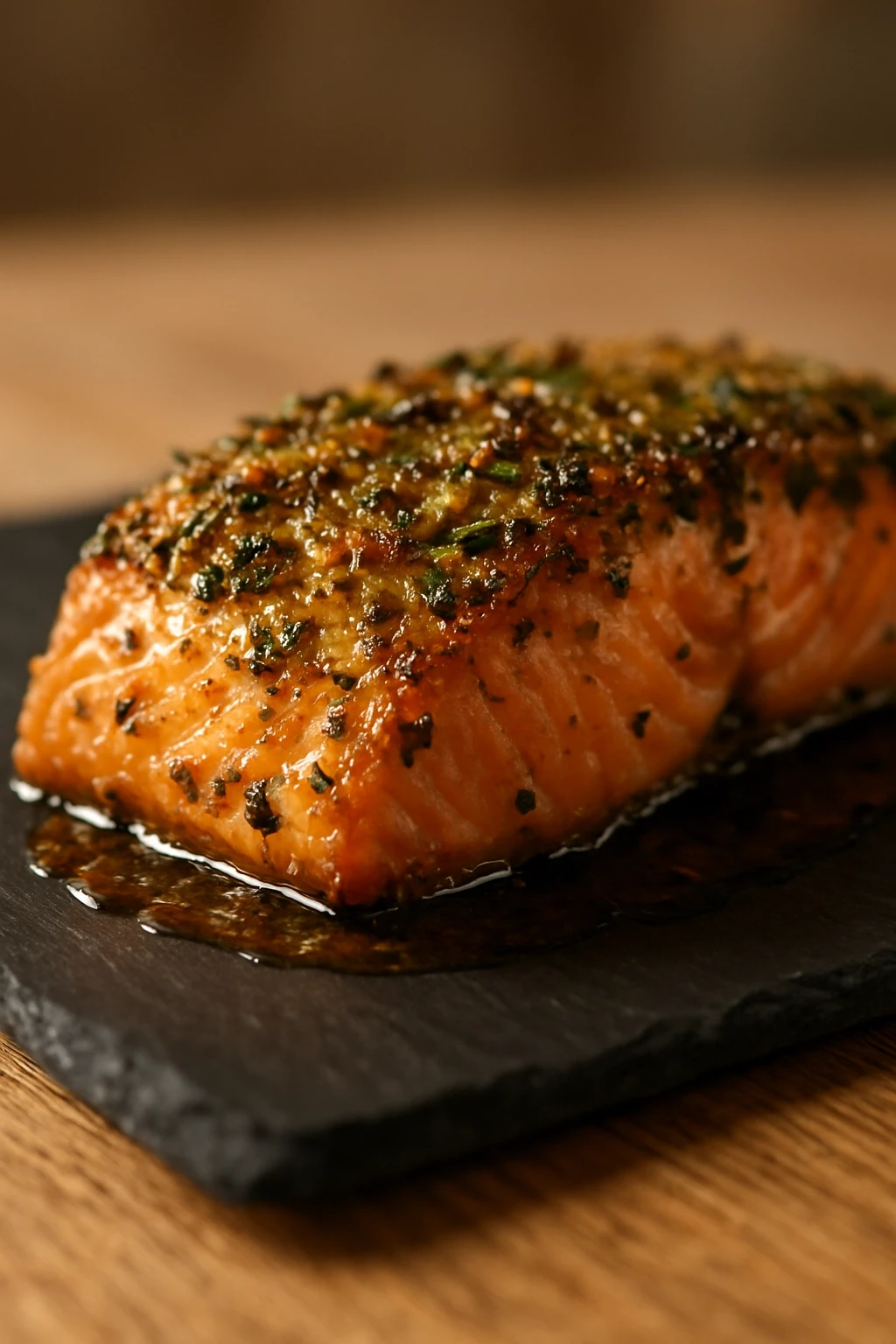
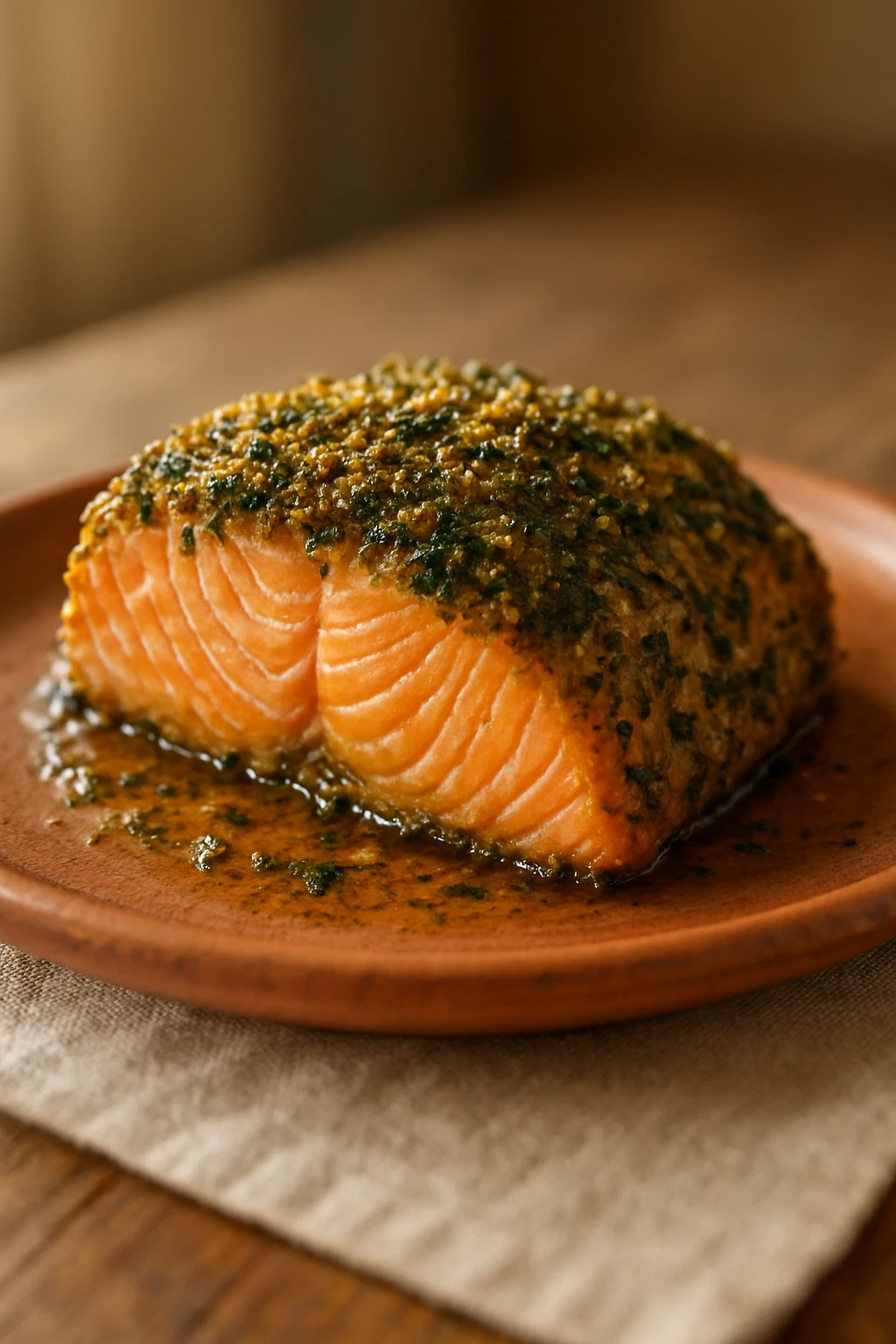
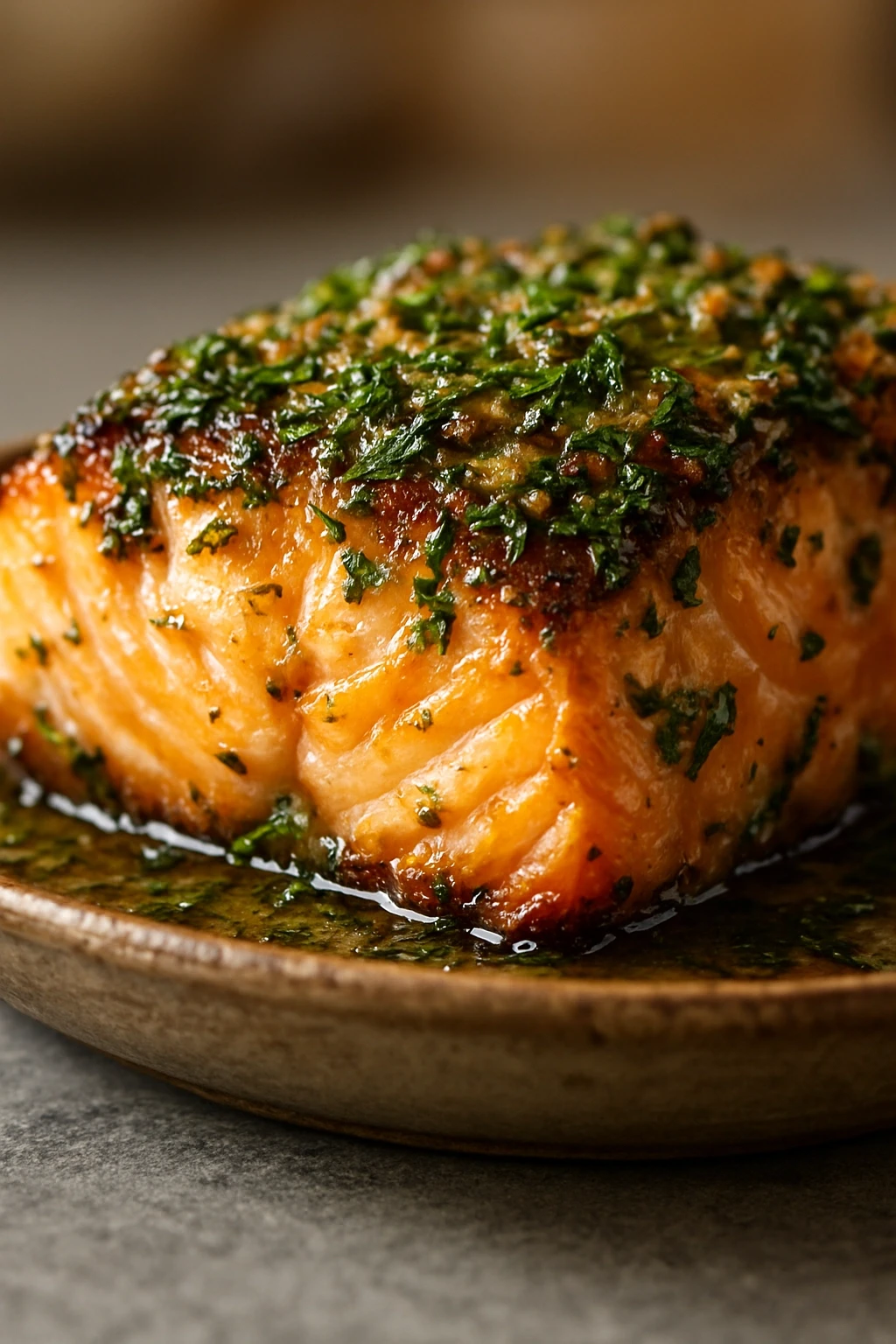
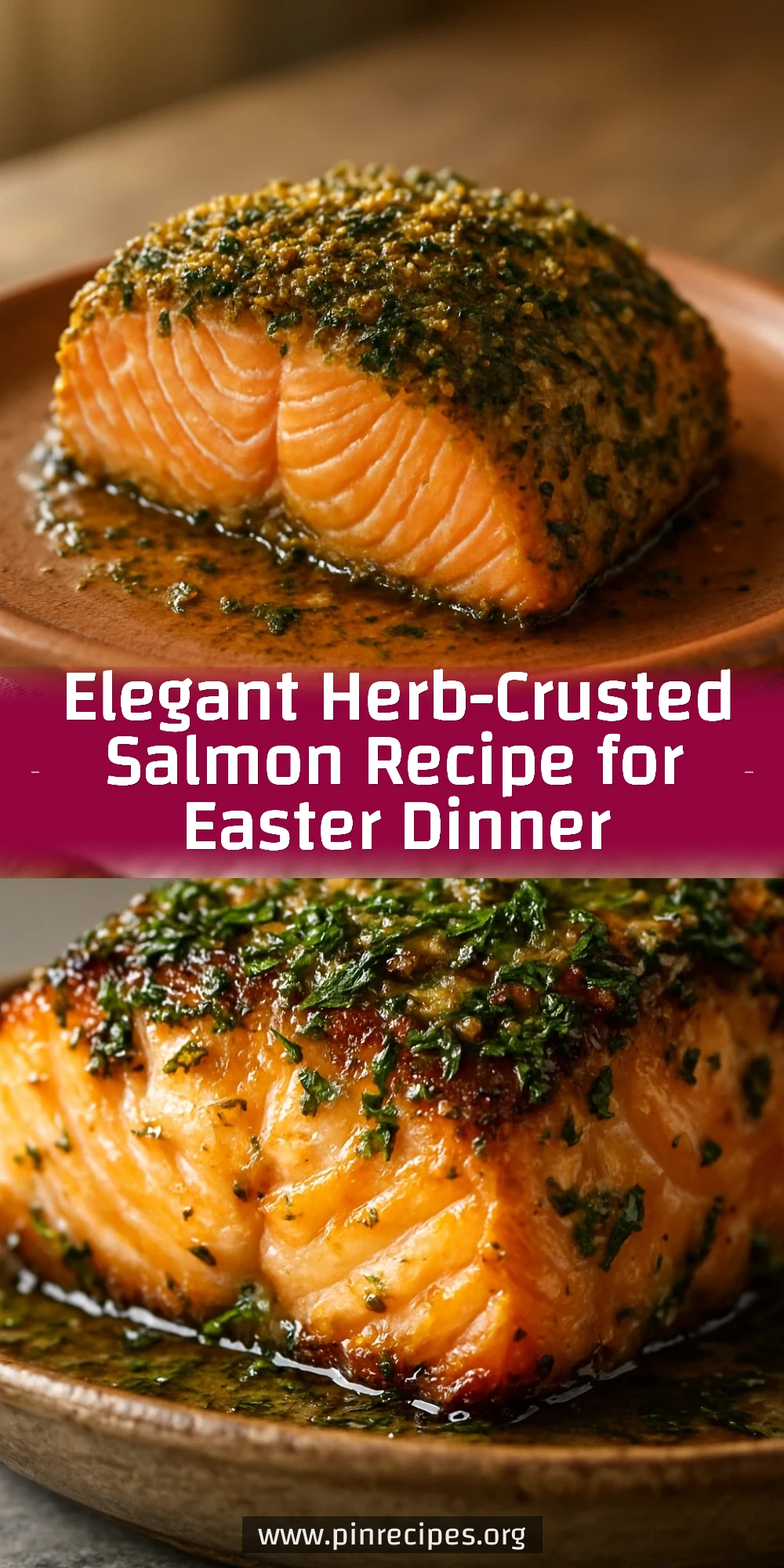
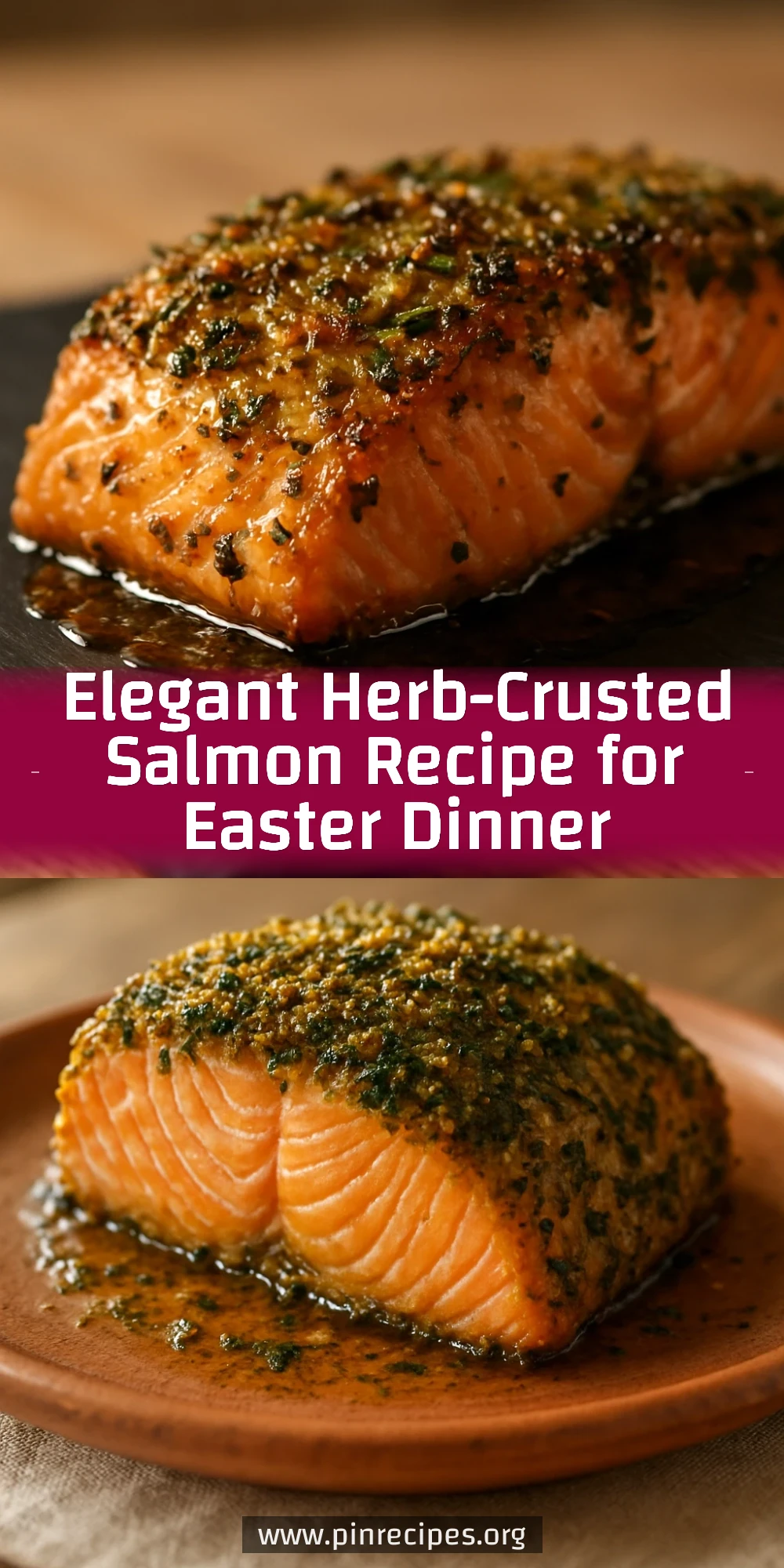
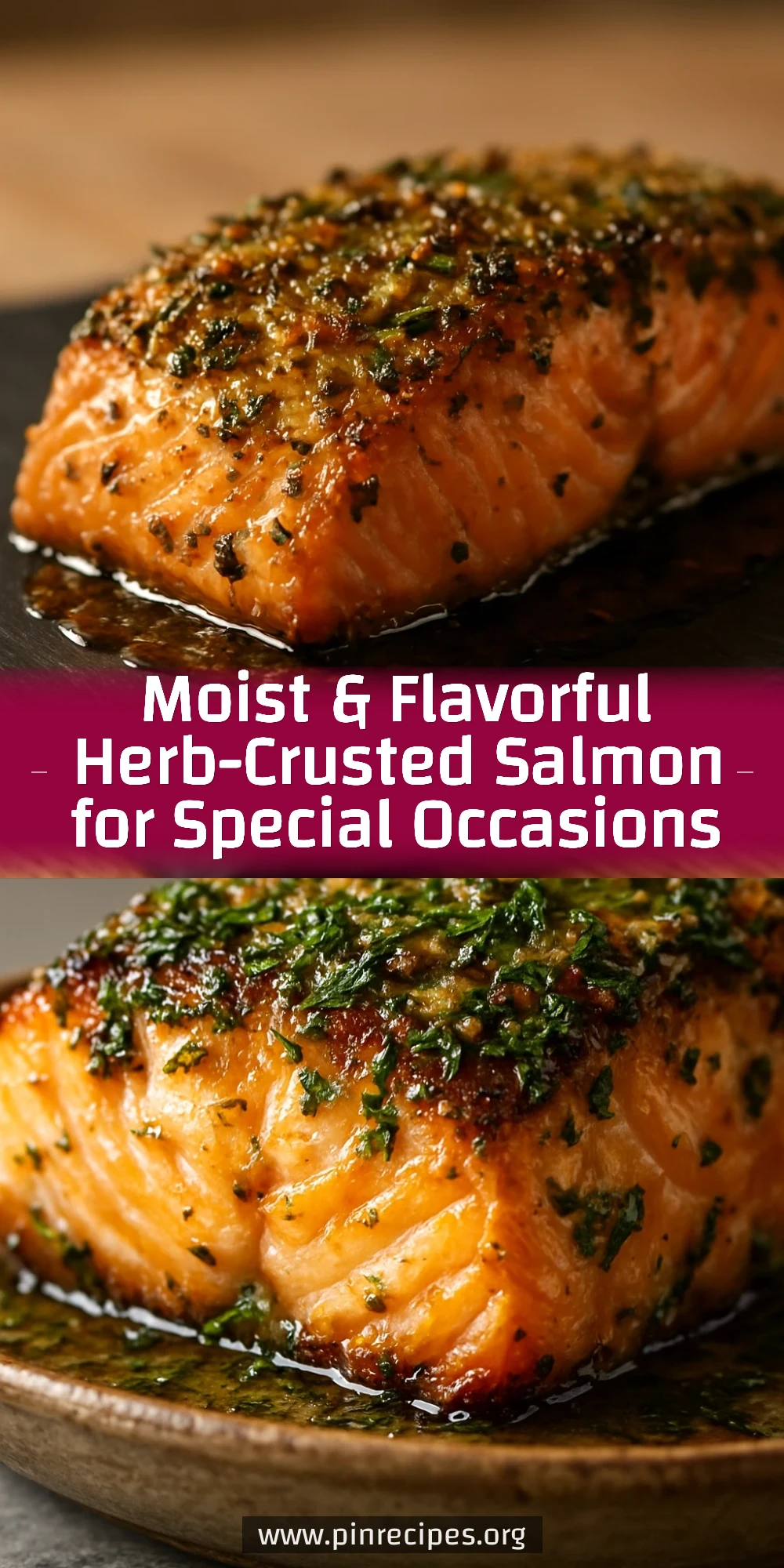
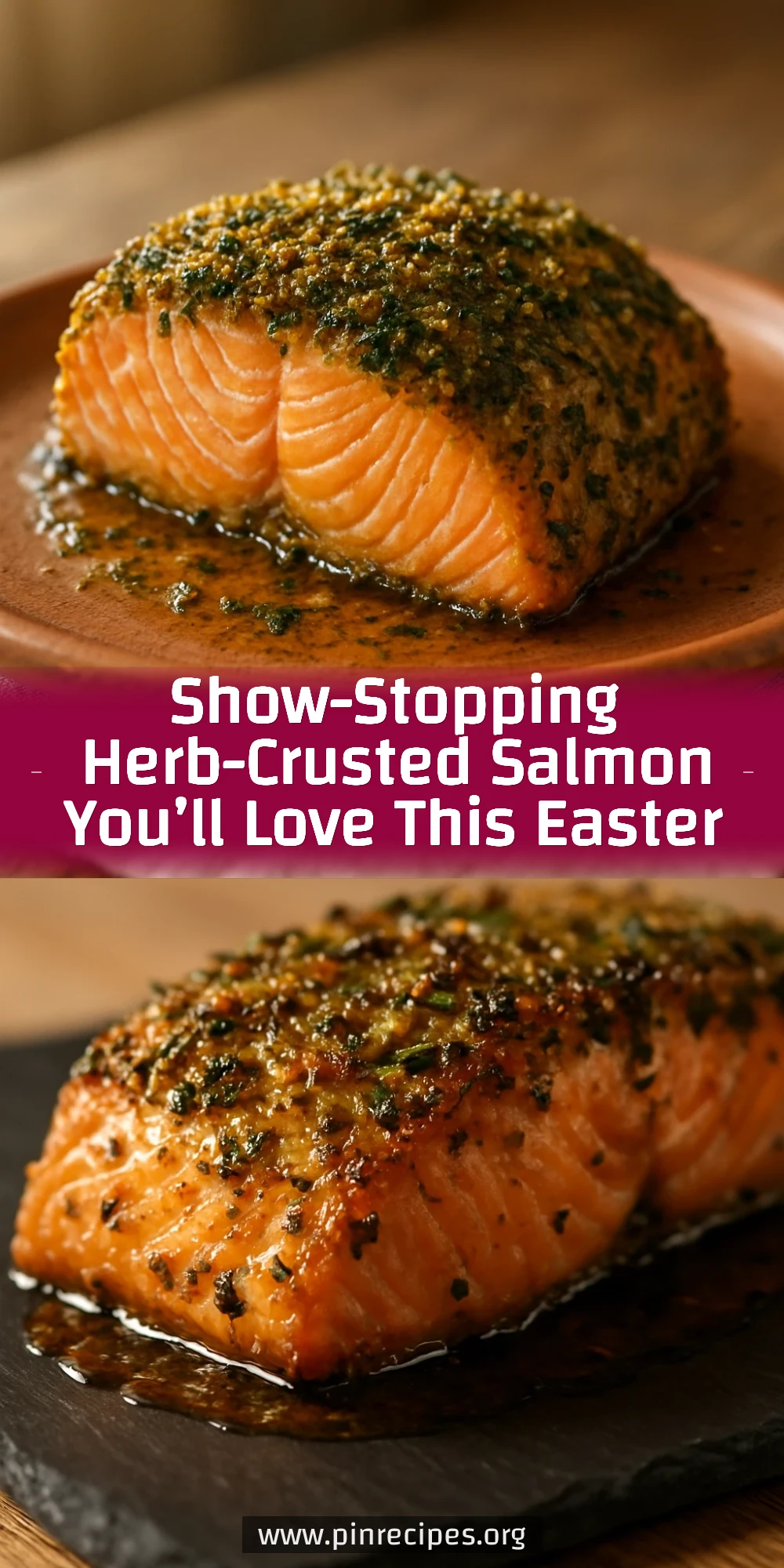
This herb-crusted salmon is a fresh, elegant centerpiece perfect for Easter or any special meal. The crust locks in moisture while herbs add vibrant flavor. Serve with spring veggies for a light, impressive dinner.
Introduction
I remember the first time I made herb-crusted salmon for Easter dinner—it was a bit of an experiment, but it quickly became a favorite in my family. What sets this recipe apart is the vibrant fresh herb crust that adds a pop of flavor and a lovely crunch, which contrasts perfectly with the tender, flaky salmon beneath. I used to shy away from cooking salmon at home because it felt intimidating to get it just right without drying it out. But the trick I learned is to use a mix of fresh herbs and panko breadcrumbs that create a protective layer, locking in moisture and flavor. Plus, the lemon zest in the crust adds a subtle brightness that really wakes up the dish. When you plate it with some steamed spring vegetables or a simple salad, it feels like a fancy restaurant meal but without the fuss. The salmon comes out beautifully golden on top and juicy inside—exactly what I hoped for every time I serve it.
How To Do It
Step 1
Preheat your oven to 400°F (200°C). While it heats, pat the salmon fillet dry with paper towels to remove excess moisture; this helps the herb crust stick better and ensures a crispier topping. Season the salmon lightly with salt and pepper on both sides. Drying the surface is key because moisture can make the crust soggy instead of crisp, which is a common mistake many make when preparing crusted fish.
⏱ Time: 10 minutes
✓ Doneness: Salmon surface feels dry to the touch and is evenly seasoned
Step 2
In a medium bowl, combine the chopped parsley, dill, thyme, lemon zest, minced garlic, and panko breadcrumbs. Drizzle in the olive oil and mix thoroughly until the crumbs are evenly coated and the herbs are well distributed. This oil coats the breadcrumbs, allowing them to brown nicely in the oven without burning, creating that irresistible golden crust.
⏱ Time: 5 minutes
✓ Doneness: Breadcrumb mixture is moist but not soggy, with herbs evenly mixed
Step 3
Place the salmon skin-side down on a baking sheet lined with parchment paper or a lightly greased rack. Press the herb and breadcrumb mixture firmly over the top of the salmon, creating an even layer. Don't be shy here—pressing the crust ensures it adheres during baking and doesn't fall off when serving. A loose crust is a common pitfall that leads to disappointing texture.
⏱ Time: 5 minutes
✓ Doneness: Herb crust is evenly spread and compact on salmon surface
Step 4
Bake the salmon in the preheated oven for 15-20 minutes, depending on thickness. The goal is a crisp, golden crust and flaky salmon inside. Avoid opening the oven frequently to keep the heat consistent. Overcooking will dry out the fish, so start checking at 15 minutes by gently testing if the salmon flakes easily with a fork.
⏱ Time: 15-20 minutes
✓ Doneness: Crust is golden brown and salmon flakes easily but remains moist
Step 5
Once cooked, remove the salmon from the oven and let it rest for 5 minutes. Resting allows the juices to redistribute throughout the fish, making it more tender and flavorful. Cutting into salmon immediately can cause the juices to run out, resulting in dryness.
⏱ Time: 5 minutes
✓ Doneness: Salmon holds its shape and juices are reabsorbed
Step 6
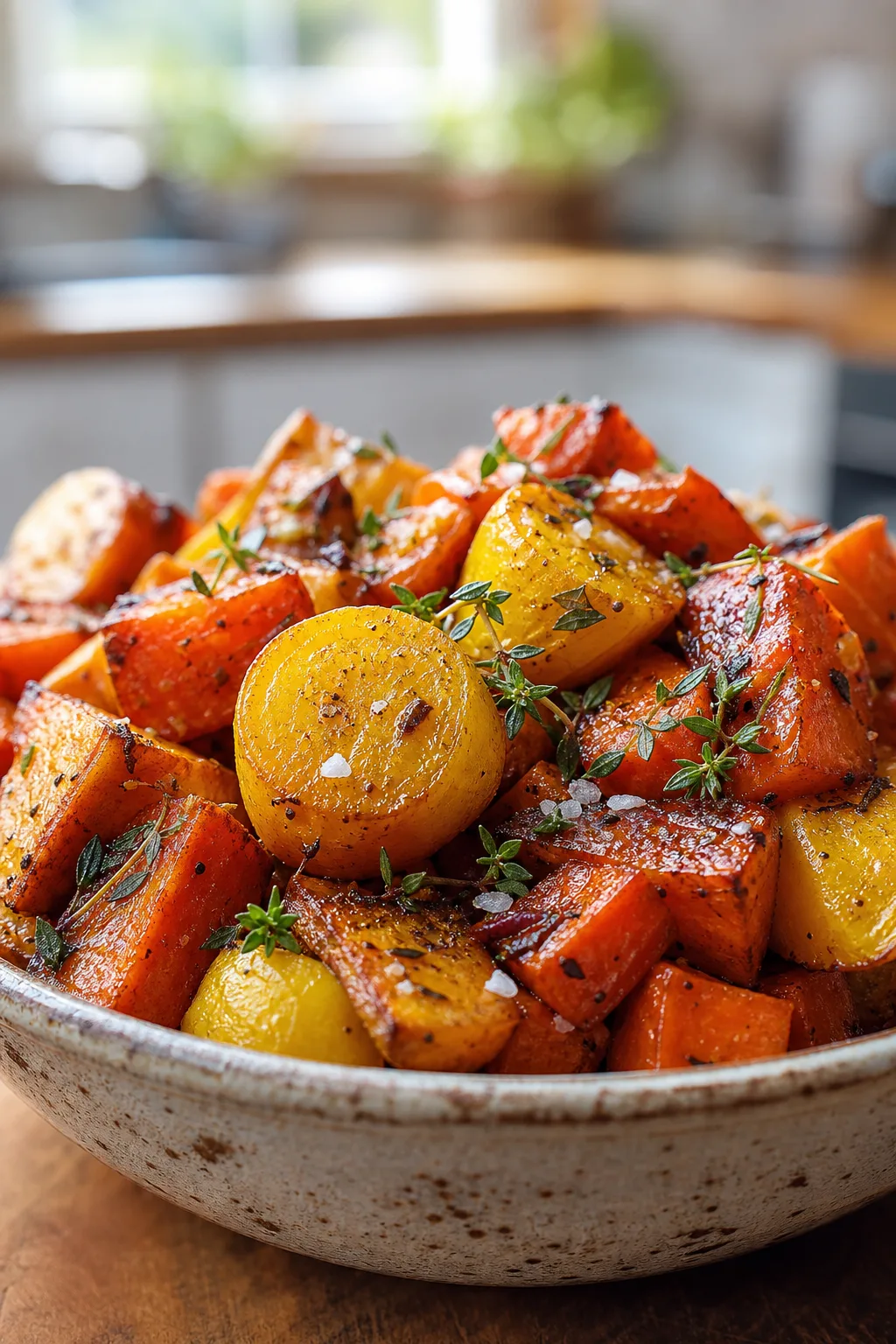
Serve the salmon with lemon wedges on the side for squeezing over. The acidity brightens up the rich flavors and complements the herb crust beautifully. Pair with steamed asparagus, roasted potatoes, or a fresh green salad for a complete meal.
⏱ Time: 5 minutes
✓ Doneness: Dish looks vibrant and inviting on the plate
Step 7
If you want a little extra crispness, you can broil the salmon for the last 1-2 minutes, watching closely to avoid burning. This step is optional but adds a nice finishing touch to the crust's texture.
⏱ Time: 1-2 minutes
✓ Doneness: Crust has a deeper golden color without charring
Step 8
To cleanly remove the salmon from the skin when serving, use a sharp knife to gently separate the flesh near the tail end. The skin should come away easily if cooked properly. This technique helps present neat portions and keeps the crust intact.
⏱ Time: 2 minutes
✓ Doneness: Salmon fillets separate cleanly from skin
Step 9
Garnish with a sprinkle of fresh herbs if desired, and serve immediately while warm. Fresh herbs add a burst of color and reinforce the fresh flavors in the crust.
⏱ Time: 1 minute
✓ Doneness: Final presentation is colorful and fresh
Pro Tips
Dry the salmon thoroughly before applying the crust.
Moisture on the salmon surface prevents the herb crust from sticking and leads to soggy breadcrumbs. Patting the fish dry ensures the crust adheres firmly and crisps up nicely in the oven.
Press the breadcrumb mixture firmly onto the salmon.
A loosely applied crust can fall off during baking or serving. Pressing it ensures it bonds well with the fish, creating a cohesive layer that crisps evenly and stays intact.
Use fresh herbs rather than dried for the crust.
Fresh herbs provide vibrant flavor and moisture that dried herbs lack. They release essential oils during baking, enhancing aroma and taste, while dried herbs can taste flat or bitter.
Let the salmon rest after baking.
Resting allows the juices to redistribute within the fish, preventing them from running out when cut. This keeps the salmon moist and tender instead of dry.
Bake at 400°F for a balance of crisp crust and tender fish.
This temperature is hot enough to brown the crust quickly without overcooking the salmon inside. Lower temps can make crust soggy; higher temps risk drying the fish.
Add lemon zest to the herb mixture instead of lemon juice.
Zest adds bright citrus flavor without adding moisture, which could make the crust soggy or cause the herbs to brown unevenly.
Use a baking rack if possible.
Elevating the salmon allows hot air to circulate around it, promoting even cooking and crisping the skin slightly, which adds texture and flavor.
Common Mistakes to Avoid
Applying the herb crust on wet salmon.
Why it happens Many cooks skip drying the fish to save time, assuming the crust will stick regardless.
Fix Always pat the salmon dry with paper towels before seasoning and crusting. This simple step prevents a soggy crust and ensures it adheres properly.
Overbaking the salmon until dry.
Why it happens It’s tempting to cook salmon until fully firm, fearing undercooking, but this removes moisture.
Fix Start checking the salmon at 15 minutes by gently flaking it with a fork. Remove it when it flakes easily but still looks moist inside.
Using dried herbs instead of fresh.
Why it happens Dried herbs are more convenient and shelf-stable, so cooks often substitute without adjusting quantities.
Fix Use fresh herbs for the crust to get bright flavor and aroma. If using dried, reduce quantity and expect less vibrant taste.
Not pressing the crust firmly onto the salmon.
Why it happens Rushing or being gentle to avoid crushing the fish can lead to a loose topping.
Fix Press the herb and breadcrumb mixture firmly to form a compact layer that stays put during baking and serving.
Skipping the resting period after baking.
Why it happens Impatience to serve immediately leads to cutting into the fish too soon.
Fix Let salmon rest 5 minutes after baking to allow juices to redistribute, resulting in a moist, tender texture.
Variations
Spicy Herb Crust
Add 1/2 teaspoon crushed red pepper flakes and a pinch of smoked paprika to the herb and breadcrumb mixture for a subtle heat and smoky depth. This variation pairs well with a cooling yogurt sauce or cucumber salad.
Note: The spices can brown faster; watch closely during baking to avoid burning the crust.
Parmesan Herb Crust
Mix 1/4 cup grated Parmesan cheese into the herb and breadcrumb mixture for a salty, nutty flavor boost. Parmesan also helps bind the crust and adds extra crispness once baked.
Note: Cheese can brown quickly; adjust oven rack to middle position to prevent over-browning.
Pistachio and Herb Crust
Pulse 1/4 cup shelled pistachios in a food processor until coarse, then combine with herbs and breadcrumbs. This adds a crunchy texture and nutty flavor that complements the salmon beautifully.
Note: Nuts brown faster than breadcrumbs; add them midway through baking if broiling.
Dijon Mustard Base
Spread a thin layer of Dijon mustard on the salmon before applying the herb crust. The mustard adds tang and helps the crust stick better while enhancing flavor complexity.
Note: Mustard adds moisture; be sure to pat the salmon dry first to balance this.
Gluten-Free Herb Crust
Replace panko breadcrumbs with crushed gluten-free crackers or almond flour for a similar crunchy texture suitable for gluten-sensitive eaters. The flavor remains fresh and satisfying.
Note: Almond flour browns faster; reduce baking time slightly to avoid burning.
Nutrition
Per Serving:
Nutritional values are estimates and may vary based on specific ingredients used.
Storage & Tips
Room Temperature
Cooked salmon should not be left at room temperature for more than 2 hours. Cover loosely with foil if serving buffet-style but refrigerate promptly to ensure safety.
Refrigerator
Store leftovers in an airtight container for up to 3 days. The crust may soften in the fridge; reheat gently in the oven to restore crispness or serve cold in salads.
Freezer
Freeze cooked salmon wrapped tightly in plastic wrap and foil for up to 2 months. Thaw overnight in the fridge for best texture. Avoid refreezing.
Reheating
Reheat in a 325°F oven for 10-15 minutes, uncovered, to warm through and crisp the crust again. Avoid microwaving, which makes the crust soggy. Add a splash of olive oil if needed to refresh the crust's texture.
Make Ahead
Prepare the herb crust mixture and season the salmon up to 1 day ahead, storing covered in the fridge. Apply the crust and bake just before serving for optimal freshness and texture.
FAQ
Can I use frozen salmon for this recipe?
Yes, but make sure to thaw it completely and pat dry before applying the herb crust. Frozen salmon tends to release more moisture, so drying well is crucial to get a crisp crust.
What if I don’t have fresh herbs?
You can substitute with dried herbs, but use about one-third the amount since dried herbs are more concentrated. The flavor won’t be as bright, so consider adding a squeeze of fresh lemon juice when serving.
Can I make this recipe dairy-free?
Absolutely! This recipe is naturally dairy-free unless you add Parmesan in a variation. Just stick to olive oil and herbs for the crust.
How do I know when the salmon is fully cooked?
The salmon should flake easily with a fork but still look moist inside. Overcooked salmon is dry and chalky. Start checking at 15 minutes depending on thickness.
Can I use other fish instead of salmon?
Yes, firm fish like cod or halibut work well with this herb crust. Cooking times may vary slightly, so watch for doneness cues like flaking.
Is it necessary to have skin on the salmon?
Skin helps hold the fillet together and adds flavor. If you prefer skinless, handle carefully as the fish is more delicate and may need gentler pressing of the crust.
Can I prepare the crusted salmon ahead of time?
You can prep the salmon and herb crust up to a day ahead but bake just before serving to keep the crust crisp and fresh.
What sides go best with this salmon?
Spring vegetables like asparagus, green beans, or a fresh salad complement the herb flavors perfectly. Roasted potatoes or rice also work well for a heartier meal.
Final Thoughts
Give this herb-crusted salmon a try at your next special dinner—you’ll love how easy it is to impress! I can’t wait to hear how yours turns out.