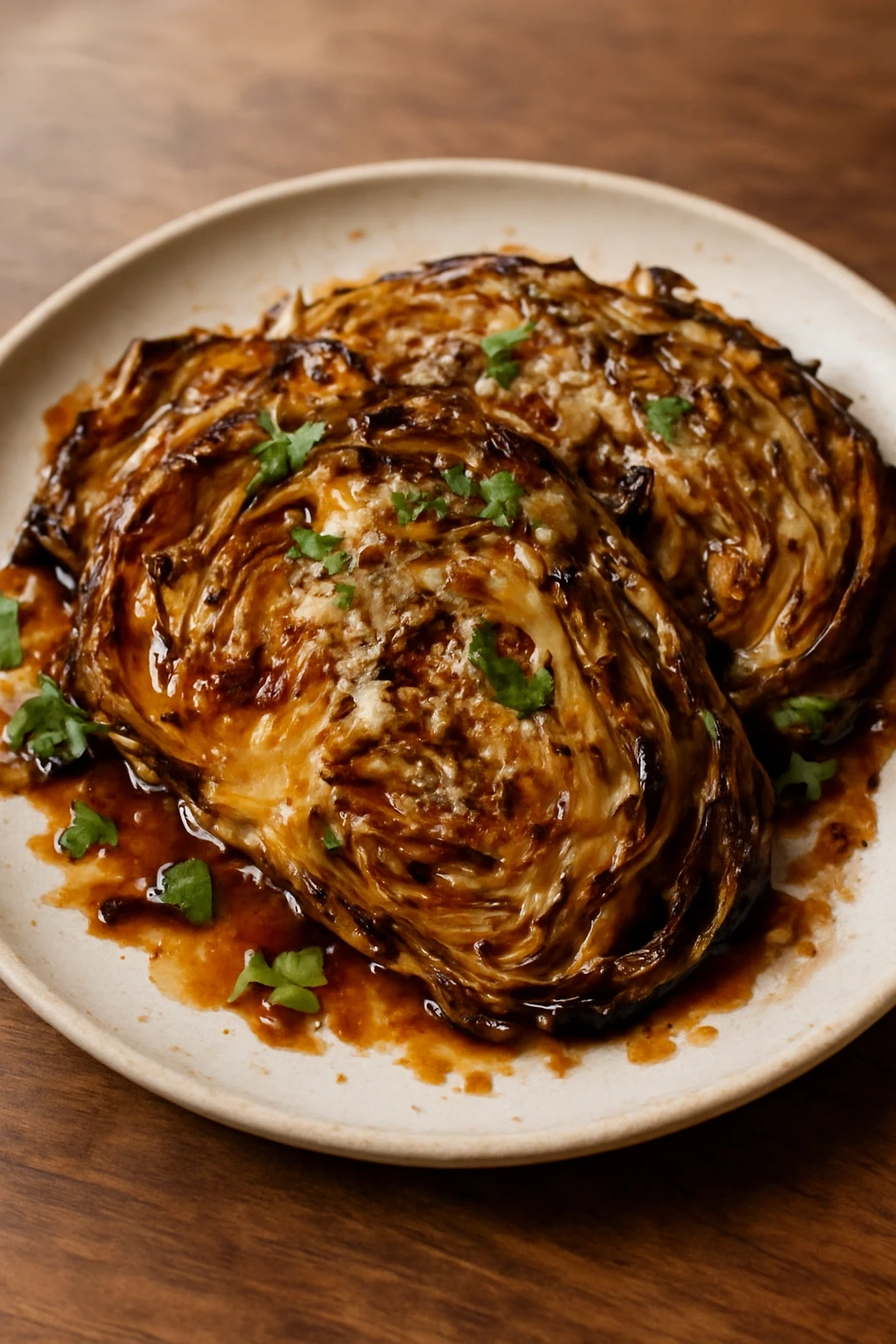
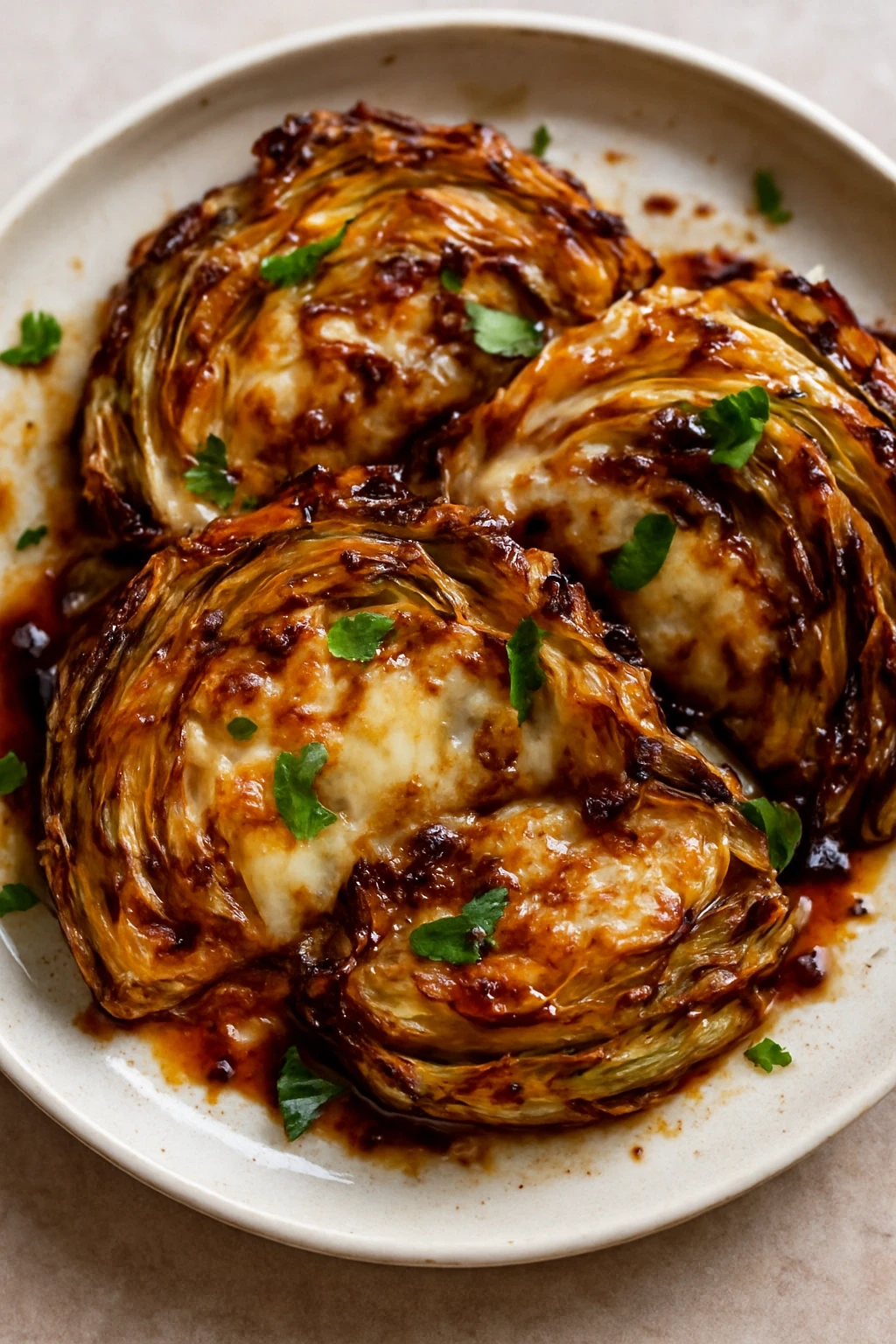
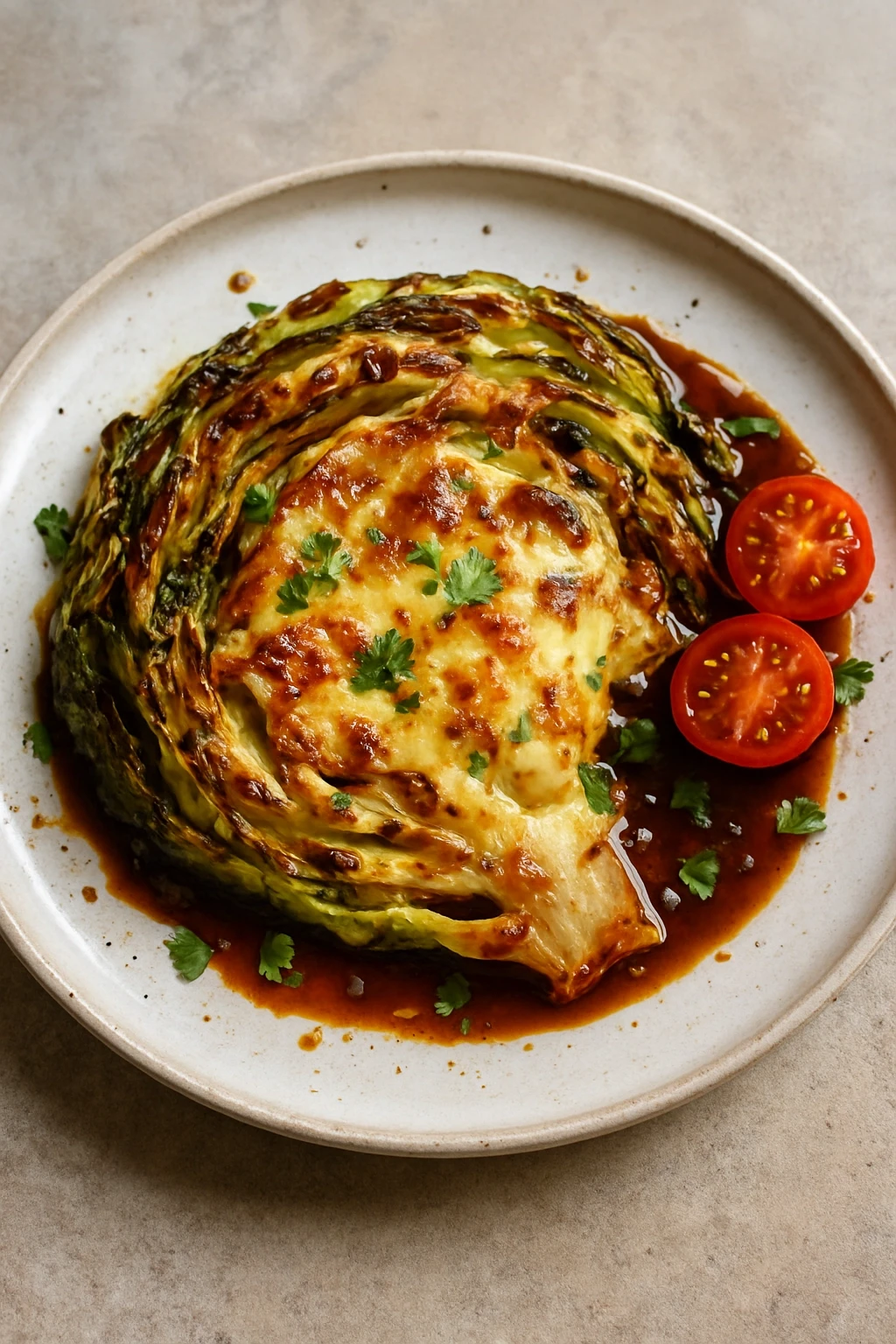
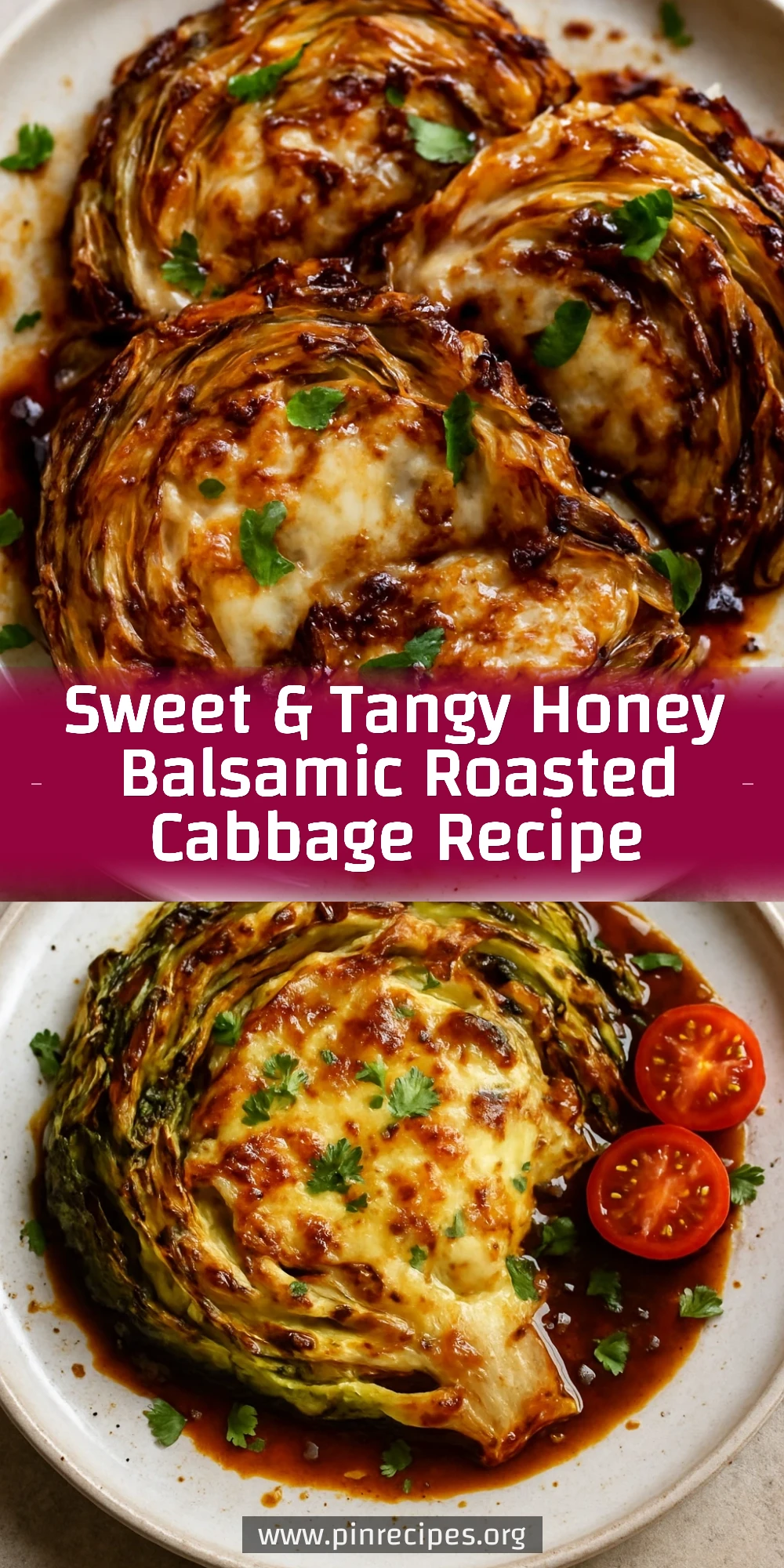
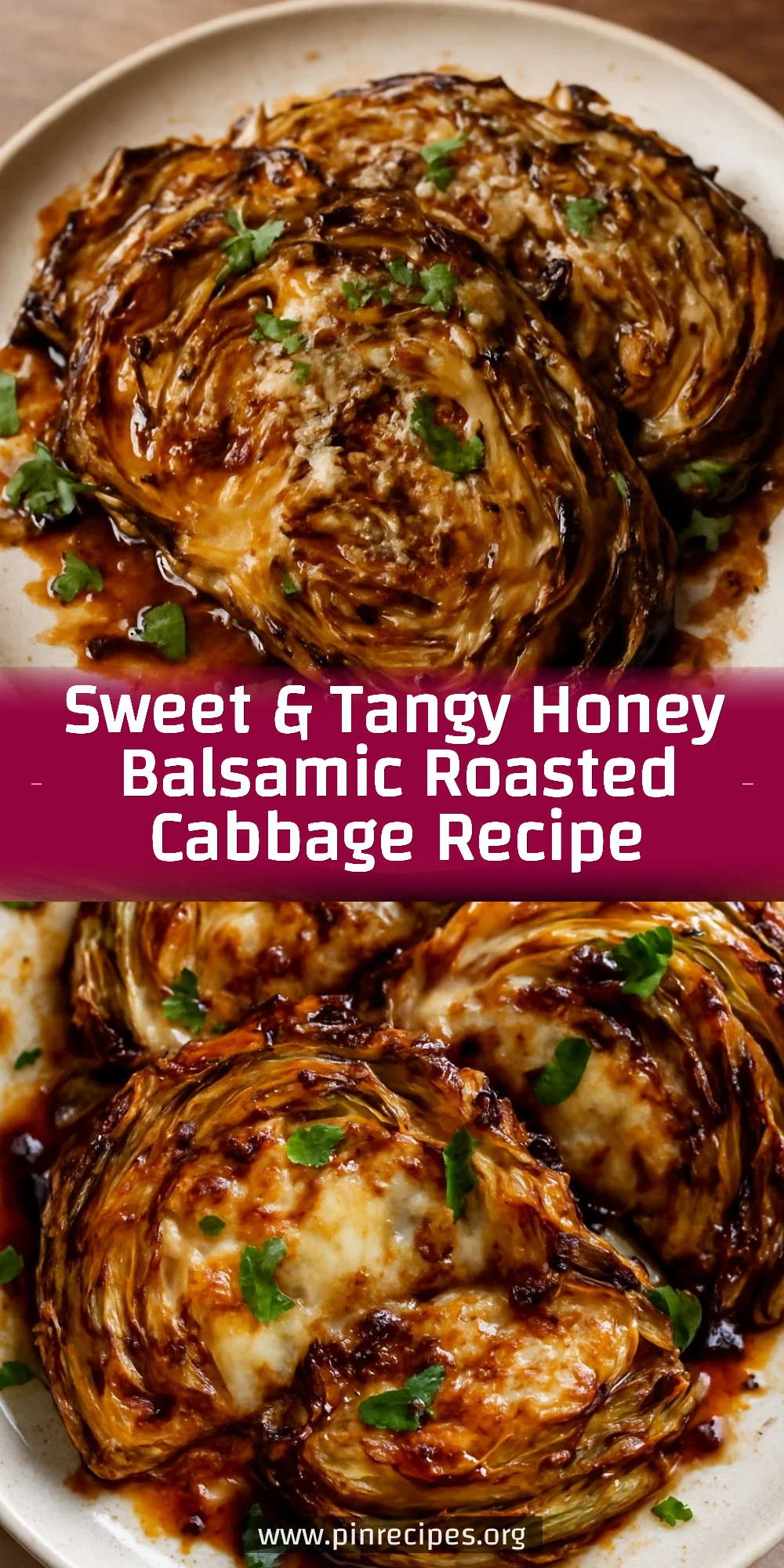
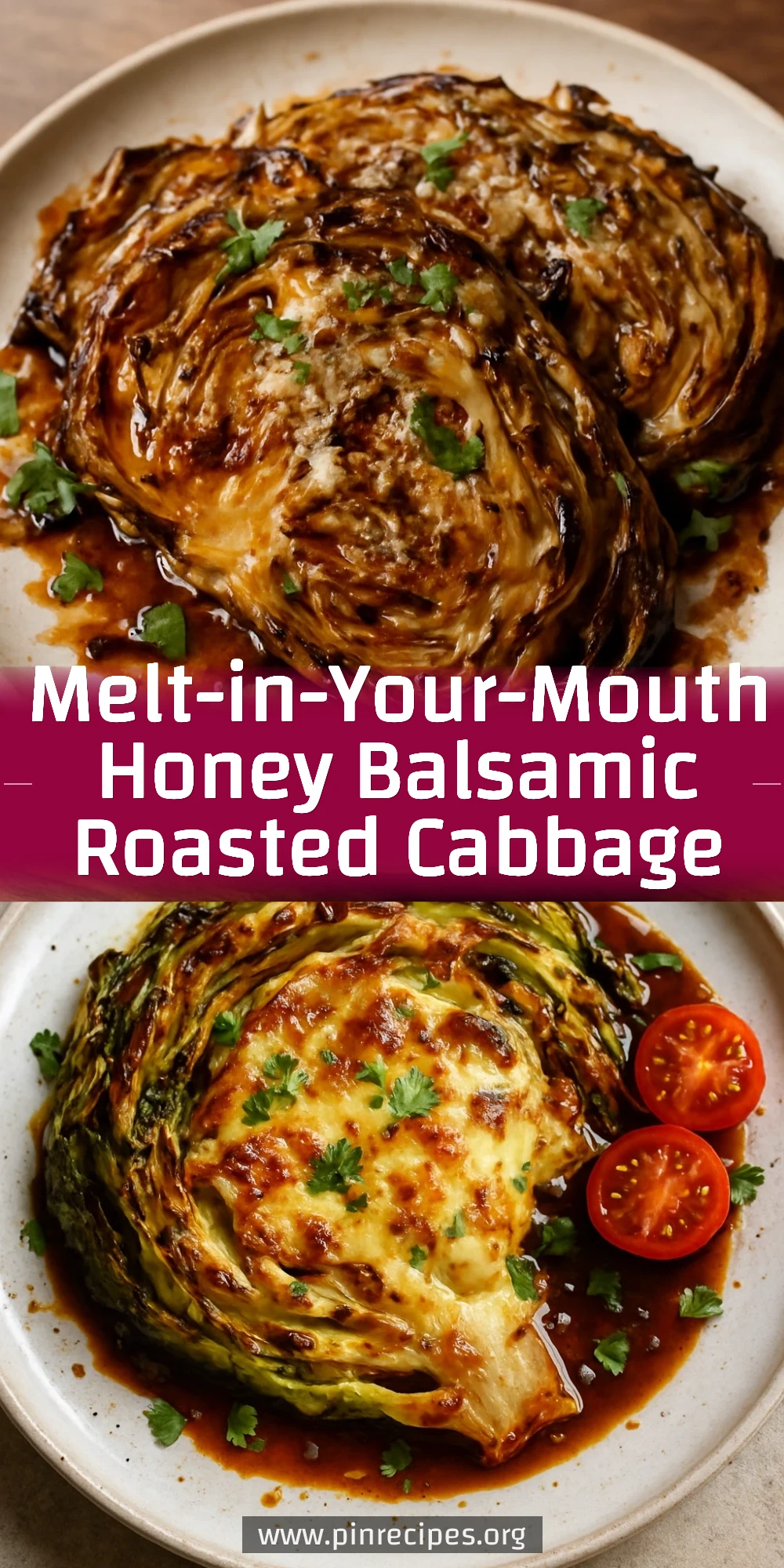
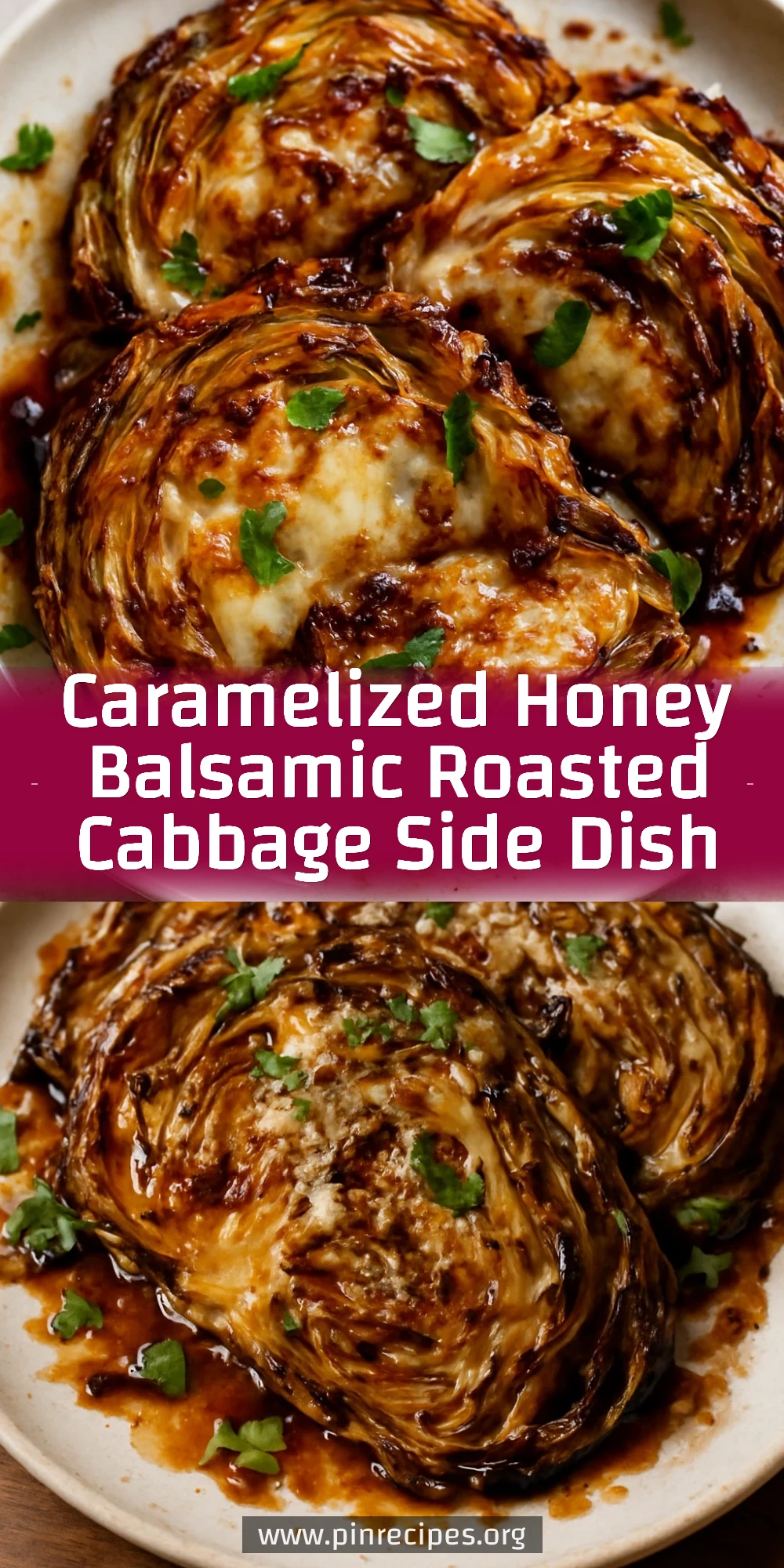
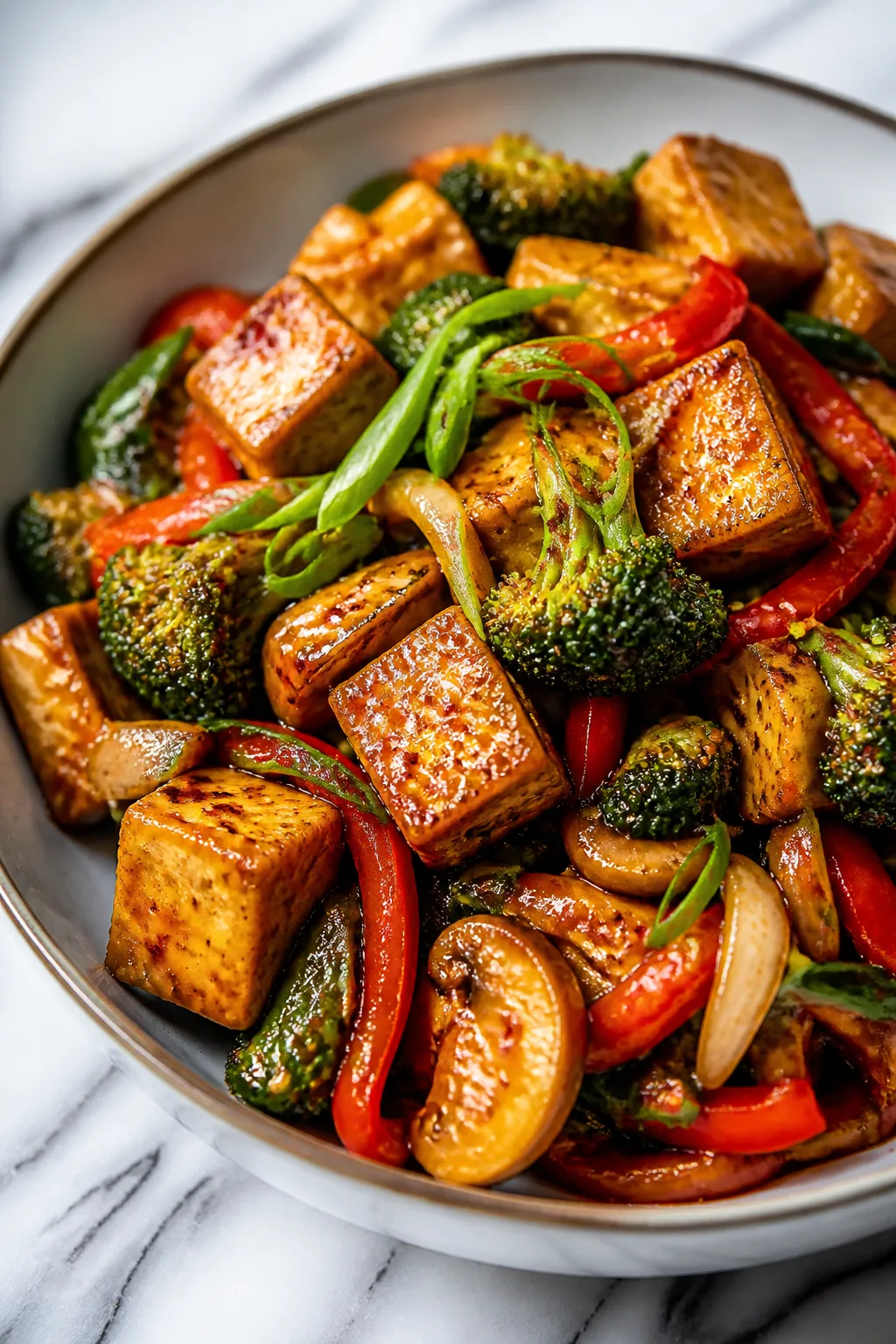
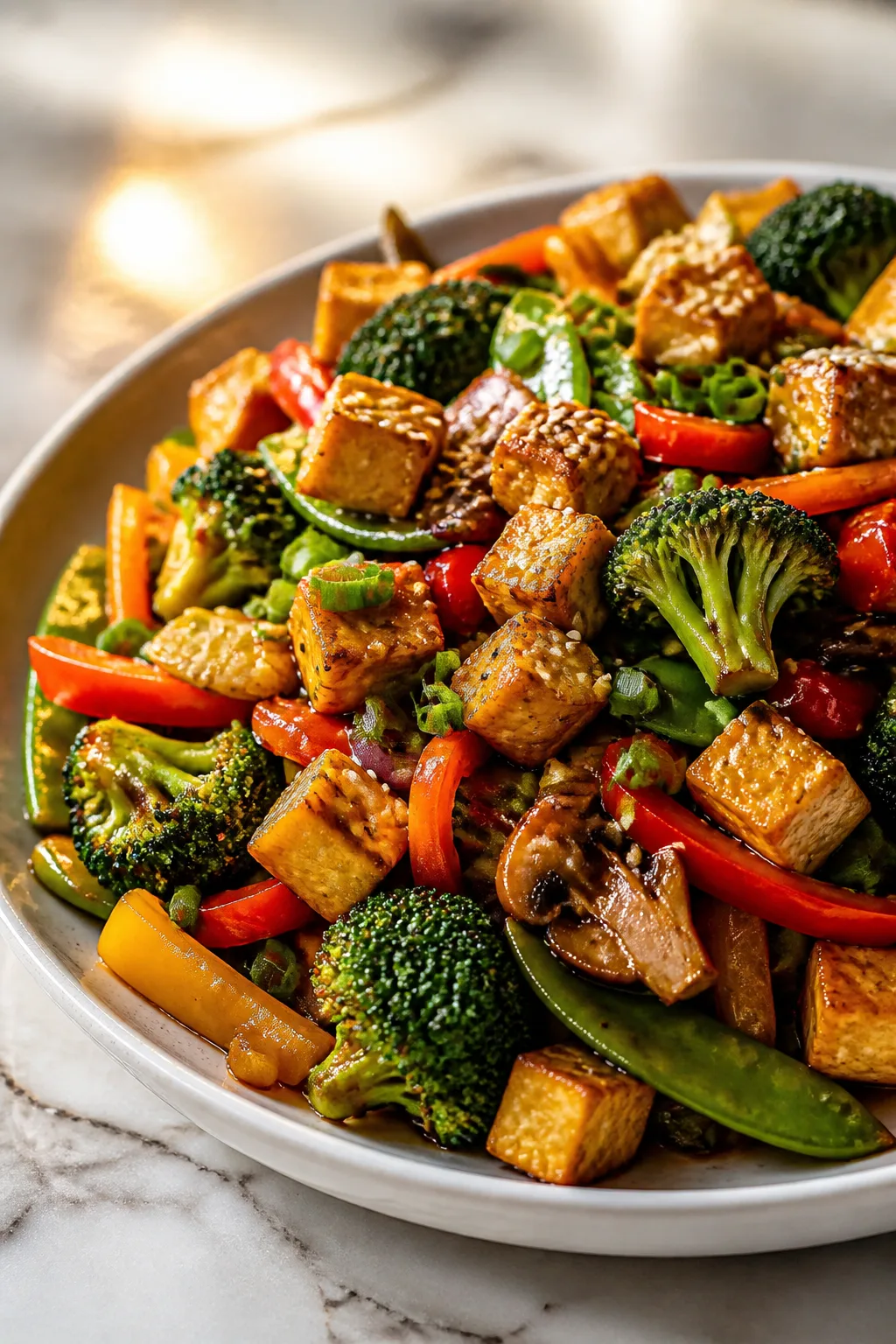
This roasted cabbage is a game changer—sweet honey and tangy balsamic glaze caramelize the edges, making it melt in your mouth. A simple side that feels fancy, perfect alongside any cozy dinner.
Introduction
I stumbled upon this honey balsamic roasted cabbage recipe during a chilly fall week when I was craving something warm but light. Honestly, cabbage often gets overlooked, but roasting it with a sweet and tangy glaze totally changes the game. The trick I learned is cutting the cabbage into thick wedges so it holds together and caramelizes beautifully without falling apart. Plus, roasting brings out a subtle sweetness that pairs so well with the balsamic and honey drizzle. I’ve made it a few times now, and it’s become a go-to side for everything from weeknight dinners to holiday spreads. The edges get crispy and golden, while the inside stays tender and juicy. It’s one of those simple dishes that feels special but is really easy to whip up. If you like veggies with a little bite and a lot of flavor, you’ll love this.
How To Do It
Step 1
Start by preheating your oven to 425°F (220°C). This high temperature is key for caramelizing the cabbage edges nicely. While the oven heats, trim the cabbage by removing any tough outer leaves, then slice it into thick wedges about 1 inch wide. Keeping the core intact helps the wedges hold their shape during roasting. Try to make the wedges uniform so they cook evenly. Avoid cutting them too thin or they might dry out or burn on the edges.
⏱ Time: 10 minutes
✓ Doneness: Cabbage wedges are firm, evenly cut, and ready to roast
Step 2
In a small bowl, whisk together 2 tablespoons of olive oil, balsamic vinegar, honey, salt, pepper, and smoked paprika if using. This mixture will create a glossy glaze that coats the cabbage and infuses it with sweet and tangy flavor. Make sure the honey dissolves well so it doesn’t clump. If your honey is thick, warming it slightly helps. Toss the cabbage wedges gently with this glaze, ensuring each wedge is well coated but not dripping.
⏱ Time: 5 minutes
✓ Doneness: Cabbage wedges are evenly coated with a shiny glaze
Step 3
Arrange the cabbage wedges cut side down on a large baking sheet lined with parchment paper or a silicone mat. Drizzle the remaining tablespoon of olive oil over the top to help crisp the outer leaves. Spacing the wedges apart ensures hot air circulates and they roast evenly rather than steam. Pop the tray into the preheated oven and roast for 20 minutes without moving them. This undisturbed roasting is crucial for developing those beautifully caramelized edges.
⏱ Time: 20 minutes
✓ Doneness: Edges of cabbage wedges turn golden brown and slightly crisp
Step 4
After 20 minutes, carefully flip each wedge over using tongs or a spatula. This helps the other side get that same caramelized texture. Roast for an additional 15-20 minutes, checking occasionally to avoid burning. If the wedges start to brown too fast, reduce the heat slightly or tent with foil. The cabbage is done when it’s tender all the way through and the edges are deeply caramelized but not burnt.
⏱ Time: 15-20 minutes
✓ Doneness: Tender interior with deeply browned, crisp edges
Step 5
Remove the cabbage from the oven and transfer to a serving platter. Drizzle any leftover pan juices over the wedges for extra flavor. Sprinkle chopped fresh parsley on top for a pop of color and freshness. Serve immediately while warm for the best texture and taste. This dish pairs wonderfully with roasted meats, grain bowls, or as a standout vegan side.
⏱ Time: 5 minutes
✓ Doneness: Glossy, caramelized cabbage wedges garnished and ready to eat
Step 6
If you want to add a little heat, sprinkle red pepper flakes over the cabbage before roasting or serve with a drizzle of hot sauce. For a nuttier twist, try finishing with toasted pine nuts or walnuts. These add crunch and complement the sweet balsamic glaze beautifully.
⏱ Time: Optional prep, 5 minutes
✓ Doneness: Additional toppings evenly distributed and ready to serve
Step 7
For a smoky depth, consider adding smoked paprika or a dash of cumin to the glaze. These spices enhance the caramelized flavor and make the dish feel more complex. Just be careful not to overpower the natural sweetness of the cabbage.
⏱ Time: Optional prep, 2 minutes
✓ Doneness: Spices fully incorporated in glaze before tossing cabbage
Step 8
To keep cabbage wedges from sticking to the pan, make sure to line your baking sheet with parchment or use a silicone mat. This also helps with cleanup. If you don’t have either, lightly oil the pan well. Sticking can cause tearing when flipping and uneven roasting.
⏱ Time: Prep step
✓ Doneness: Baking surface prepared to prevent sticking
Step 9
Let any leftovers cool slightly before storing. Reheat gently in the oven or a skillet to revive the caramelized edges. Avoid microwaving if possible, as it can make the cabbage soggy. Leftover cabbage also tastes great cold in salads or wraps.
⏱ Time: Reheating prep
✓ Doneness: Leftovers stored and reheated without losing texture
Pro Tips
Cut cabbage wedges uniformly about 1 inch thick.
Uniform wedges ensure even cooking and caramelization. If pieces vary in size, smaller wedges can dry out or burn while larger ones remain undercooked. Thickness also helps the cabbage stay juicy inside while the edges crisp up.
Use parchment paper or a silicone mat on the baking sheet.
These liners prevent sticking, which can tear delicate cabbage leaves when flipping. They also make cleanup easier and help the cabbage brown evenly by providing a non-stick surface.
Don’t skip flipping the wedges halfway through roasting.
Flipping exposes all sides to direct heat, promoting even browning and caramelization. Without turning, one side may burn while the other stays pale and undercooked, resulting in uneven texture and flavor.
Warm the honey slightly if it’s thick before mixing with vinegar.
Warm honey dissolves more easily, creating a smooth glaze that coats the cabbage evenly. Clumpy honey can cause uneven sweetness and caramelization spots.
Season the cabbage generously with salt before roasting.
Salt draws out moisture and enhances natural flavors. It also helps the cabbage soften during roasting and balances the sweetness of honey and acidity of balsamic.
Serve the cabbage immediately after roasting for best texture.
Roasted cabbage tastes best warm when the edges are crisp and the interior tender. Letting it sit too long can cause it to become soggy as steam softens the caramelized crust.
Add fresh herbs or a squeeze of lemon just before serving.
Fresh herbs brighten the dish and add a pop of color, while lemon juice adds acidity that cuts through the richness, balancing flavors and enhancing freshness.
Common Mistakes to Avoid
Cutting cabbage wedges too thin.
Why it happens Many cooks aim for quicker cooking by slicing thin wedges, assuming it will roast faster. However, thin slices dry out quickly and can burn before the inside softens.
Fix Stick to wedges about 1 inch thick. This thickness allows the cabbage to develop tender interiors while the edges caramelize slowly without burning.
Skipping the flipping step.
Why it happens People often forget or rush this step, thinking one side roasting is enough. This leads to uneven cooking and browning.
Fix Set a timer to remind yourself to flip the wedges halfway through. Use tongs gently to avoid breaking the wedges and roast the other side evenly.
Using too much honey causing burning.
Why it happens Honey contains sugars that burn easily at high heat. Over-applying it or not mixing well with vinegar can cause burnt spots.
Fix Mix honey thoroughly with balsamic vinegar and oil to dilute it. Apply in moderate amounts and monitor closely during roasting to prevent burning.
Not preheating the oven sufficiently.
Why it happens Some skip preheating to save time, but roasting cabbage requires a hot oven to caramelize properly.
Fix Always preheat the oven to 425°F before roasting. A hot oven ensures quick browning and crisp edges.
Overcrowding the baking sheet.
Why it happens Trying to roast too many wedges at once reduces airflow, causing steaming instead of roasting.
Fix Arrange cabbage wedges with space between them. Roast in batches if needed to maintain crispness and even cooking.
Variations
Spicy Roasted Cabbage
Add a teaspoon of chili powder or cayenne pepper to the honey balsamic glaze for a spicy kick. This variation is great if you like a bit of heat balancing the sweetness. Serve with a cooling yogurt dip to mellow the spice.
Note: Spices can intensify during roasting, so adjust quantities carefully to avoid overpowering the cabbage.
Garlic Herb Roasted Cabbage
Mix minced garlic and fresh thyme or rosemary into the glaze before roasting. The garlic adds savory depth while herbs bring freshness. This makes a great side for roasted chicken or beef.
Note: Add garlic early in the glaze to mellow during roasting; fresh herbs can be added after cooking to preserve their aroma.
Maple Balsamic Roasted Cabbage
Swap honey for pure maple syrup for a different sweet note with a hint of caramel. Maple pairs beautifully with balsamic and adds complexity to the glaze.
Note: Maple syrup is thinner than honey, so reduce balsamic slightly to maintain glaze consistency.
Asian-Inspired Roasted Cabbage
Replace balsamic vinegar with rice vinegar and honey with a touch of soy sauce and sesame oil. Sprinkle toasted sesame seeds and green onions before serving for an umami-rich side.
Note: Soy sauce adds saltiness, so reduce added salt in the recipe accordingly.
Vegan Butter Roasted Cabbage
Use melted vegan butter instead of olive oil for a richer, buttery flavor. This variation adds a silky texture and pairs well with hearty vegan mains.
Note: Butter has a lower smoke point than olive oil, so roast at a slightly lower temperature (400°F) to prevent burning.
Nutrition
Per Serving:
Nutritional values are estimates and may vary based on specific ingredients used.
Storage & Tips
Room Temperature
Roasted cabbage can safely sit out covered for up to 2 hours. Keep it loosely covered with foil or a clean kitchen towel to prevent drying out.
Refrigerator
Store leftovers in an airtight container for up to 4 days. The cabbage may lose some crispness but reheating gently in the oven revives the texture. It can also be enjoyed cold in salads.
Freezer
Freeze cooked cabbage in a freezer-safe container or bag for up to 2 months. Wrap tightly to prevent freezer burn. Thaw overnight in the fridge before reheating.
Reheating
Reheat in a 350°F oven for 10-15 minutes to restore crisp edges. Avoid microwaving as it can make the cabbage soggy. Adding a splash of olive oil before reheating helps refresh texture.
Make Ahead
You can prepare the glaze and cut the cabbage wedges 1 day ahead, storing them separately in the fridge. Toss and roast just before serving for best freshness and texture.
FAQ
Can I use red cabbage instead of green cabbage?
Absolutely! Red cabbage works great and adds a beautiful color contrast. The roasting time and technique remain the same, but red cabbage may taste slightly earthier and sweeter after roasting.
Is there a vegan substitute for honey in this recipe?
Yes, maple syrup or agave nectar are excellent vegan alternatives. They provide similar sweetness and help with caramelization. Just be aware the flavor will shift slightly depending on which you choose.
What if I don’t have balsamic vinegar?
You can substitute with red wine vinegar mixed with a pinch of sugar or maple syrup to mimic balsamic’s sweetness and acidity. The flavor won’t be identical but still delicious.
How do I prevent the cabbage from becoming mushy?
Roast at a high temperature and cut thick wedges to keep the inside tender but not soggy. Also, avoid overcrowding the pan to ensure proper caramelization instead of steaming.
Can I prepare this dish ahead of time?
You can prep the cabbage and glaze a day in advance, but roast just before serving. Roasted cabbage is best fresh to maintain crisp edges and vibrant flavor.
What can I serve this roasted cabbage with?
It pairs beautifully with roasted meats, grain bowls, or as a hearty vegan side. I especially love it with roasted chicken or alongside quinoa and lentils for a balanced meal.
How do I reheat leftovers without losing texture?
Reheat in the oven at 350°F for about 10 minutes to crisp up the edges again. Avoid microwaving, which tends to make the cabbage soggy.
Can I add other spices or herbs?
Definitely! Smoked paprika, cumin, garlic powder, or fresh herbs like thyme and parsley all complement the flavors well. Just adjust seasonings to your taste.
Final Thoughts
Give this honey balsamic roasted cabbage a try—it's a surprisingly simple way to elevate your veggie game. Let me know how it turns out!