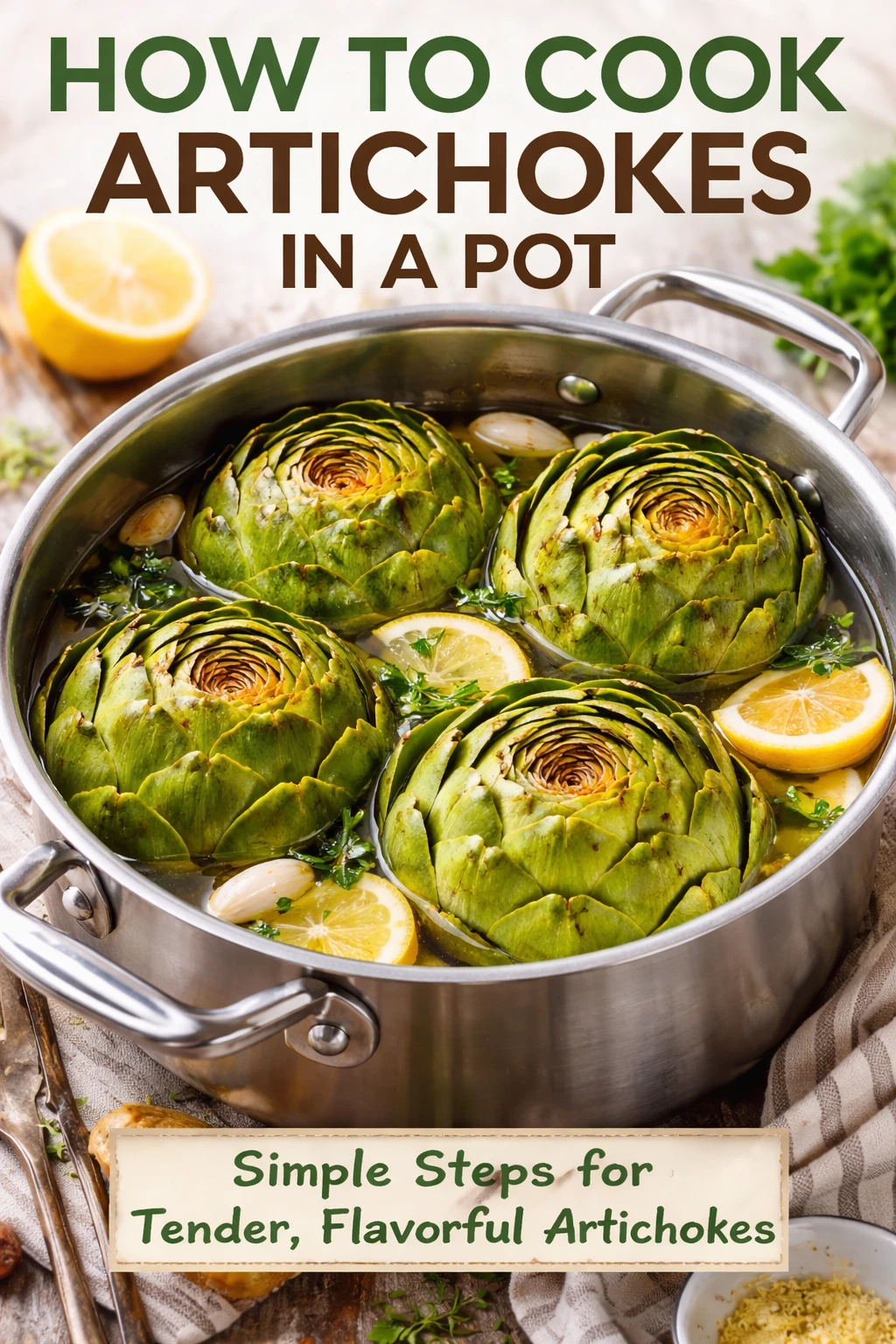
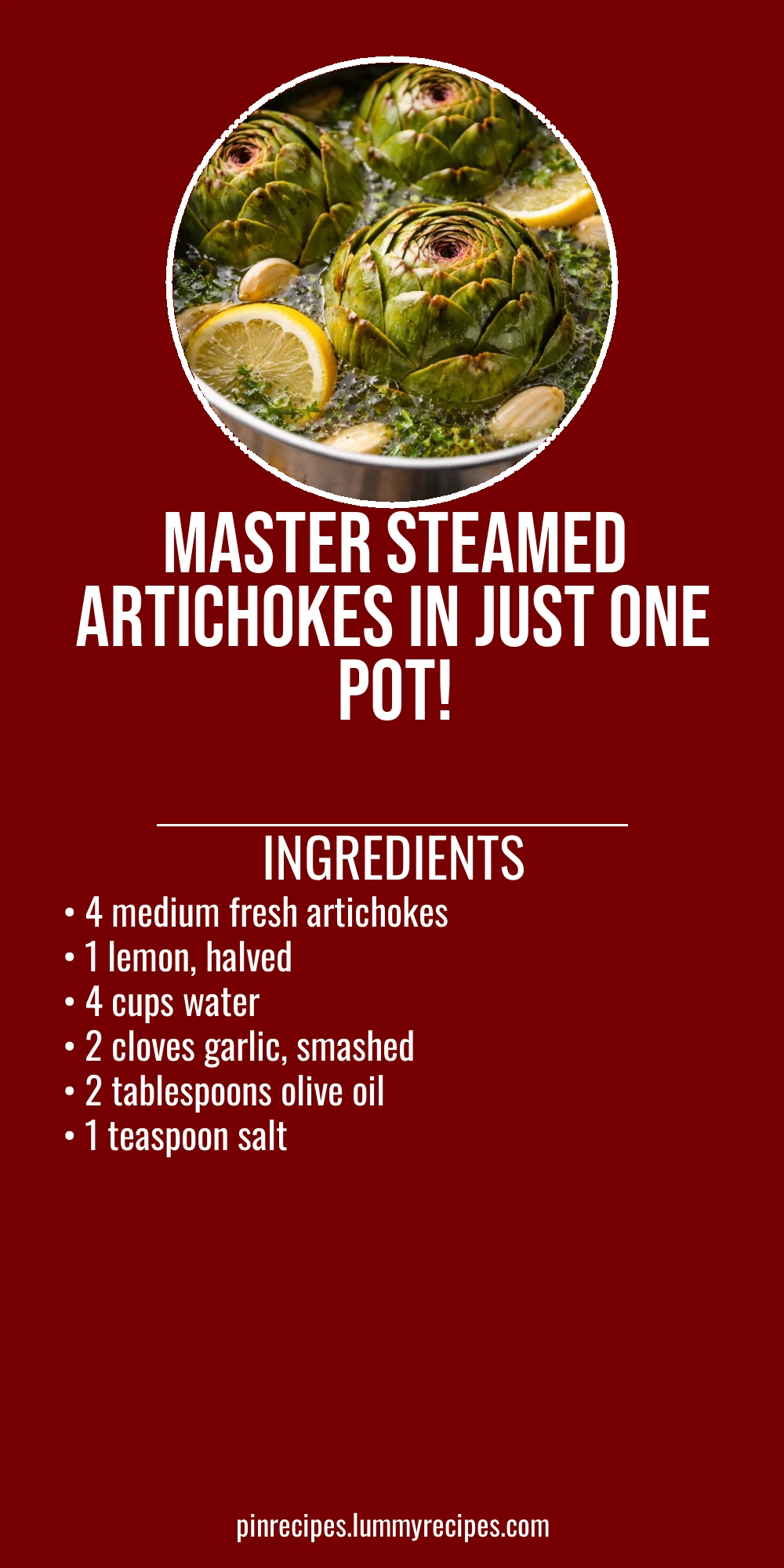
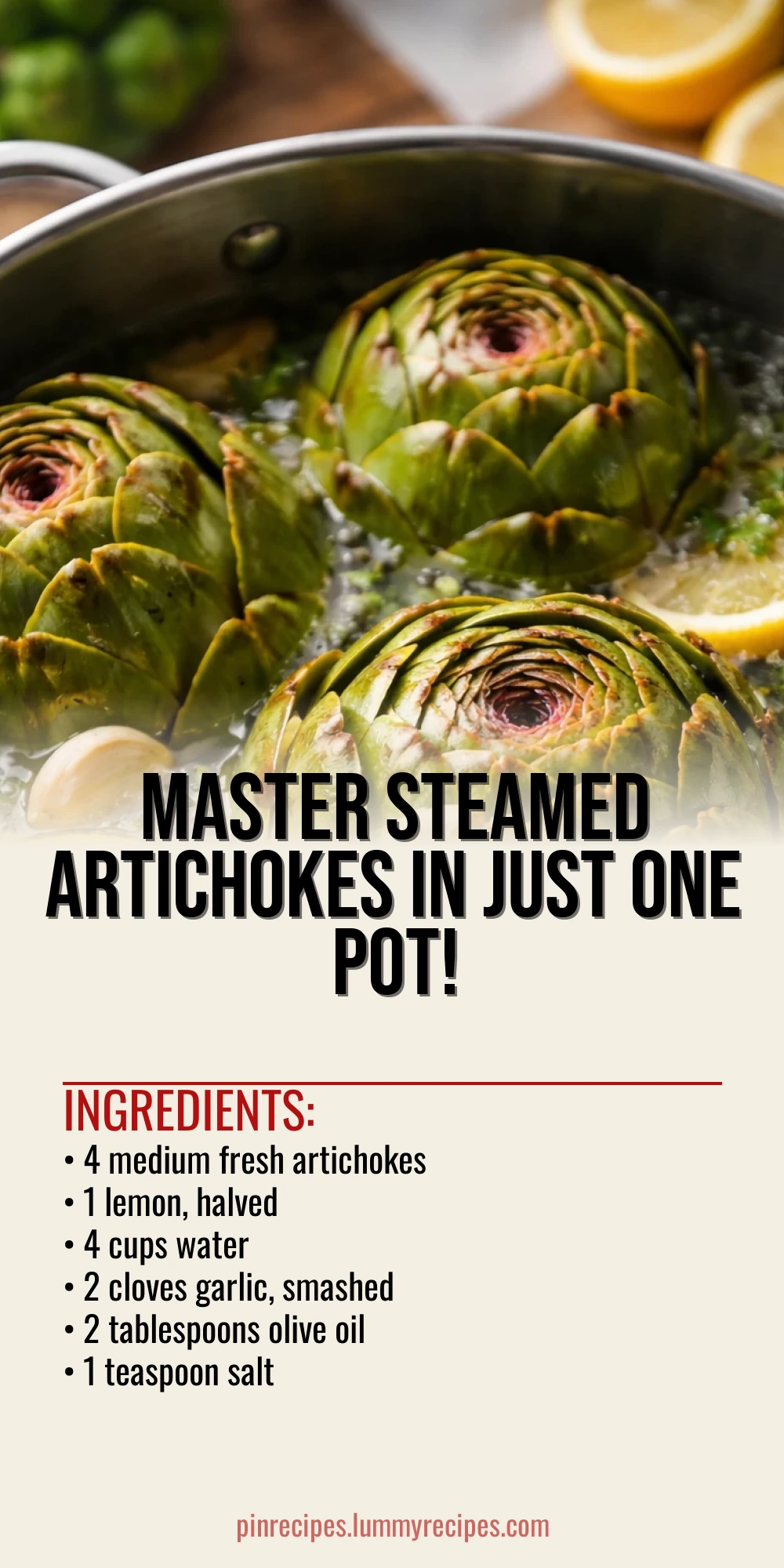
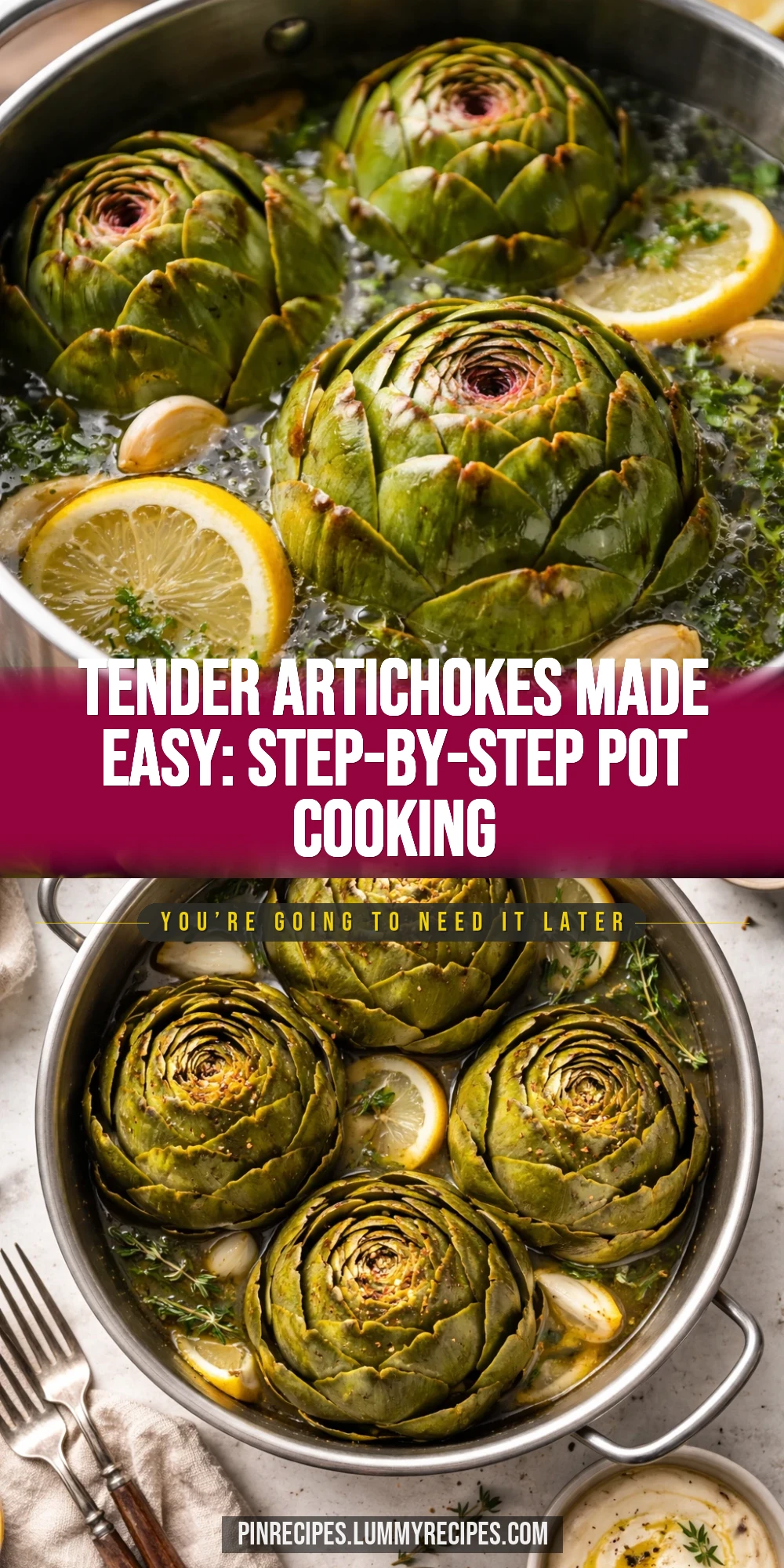
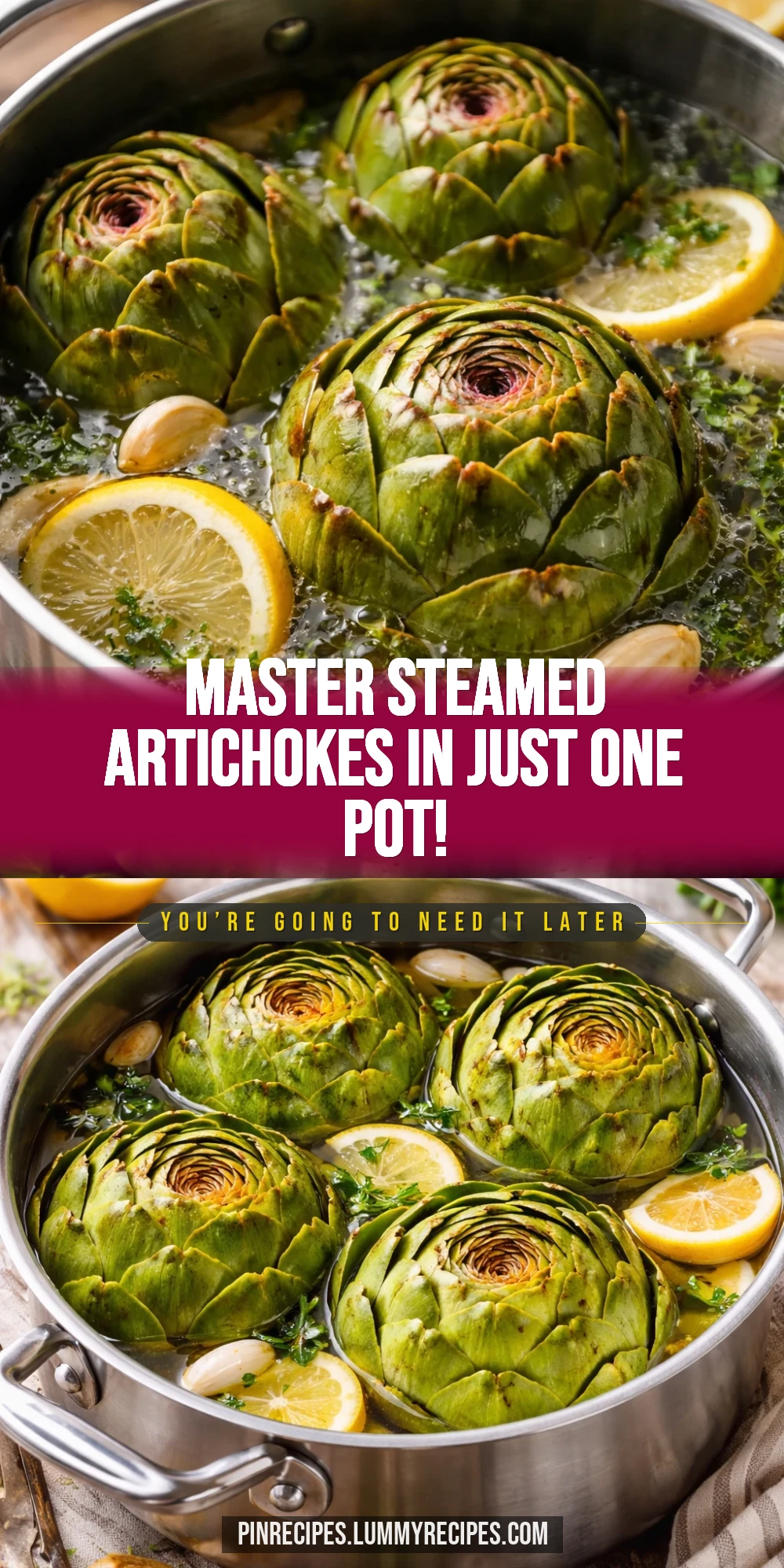
Learning how to cook artichokes in a pot is easier than you think! This method steams them to tender perfection, locking in subtle flavors. Great for a healthy snack or side dish anytime.
Introduction
I remember the first time I tried cooking artichokes; they seemed intimidating with all those prickly leaves and the fuzzy choke in the middle. But once I learned to cook them in a pot, it became one of my favorite ways to enjoy this unique vegetable. This method is straightforward and doesn’t require any fancy equipment—just a pot, some water, and a little patience. What makes this version special is the addition of lemon and garlic in the steaming water, which infuses the artichokes with subtle brightness and aroma. I also trim the leaves carefully to make eating easier and more enjoyable. The end result is tender, flavorful artichokes that are perfect as a healthy snack or a side dish. Plus, they look beautiful on the table, making them great for sharing with friends or family. If you’ve ever felt unsure about cooking artichokes, this recipe will give you the confidence to master them easily and enjoy their delicate flavor.
How To Do It
Step 1
Start by preparing the artichokes. Rinse them under cold water to remove any dirt trapped between the leaves. Then, using a sharp knife, trim about an inch off the top of each artichoke to remove the thorny tips. Snip the leaf tips with kitchen scissors if they’re sharp. Don’t forget to cut off the stem close to the base so the artichokes can sit flat in the pot. This prep helps the artichokes cook evenly and makes eating easier later. It might feel tedious at first, but these small steps make a big difference in tenderness and presentation.
⏱ Time: 15
✓ Doneness: Artichokes feel firm but trimmed edges look neat and ready for cooking
Step 2
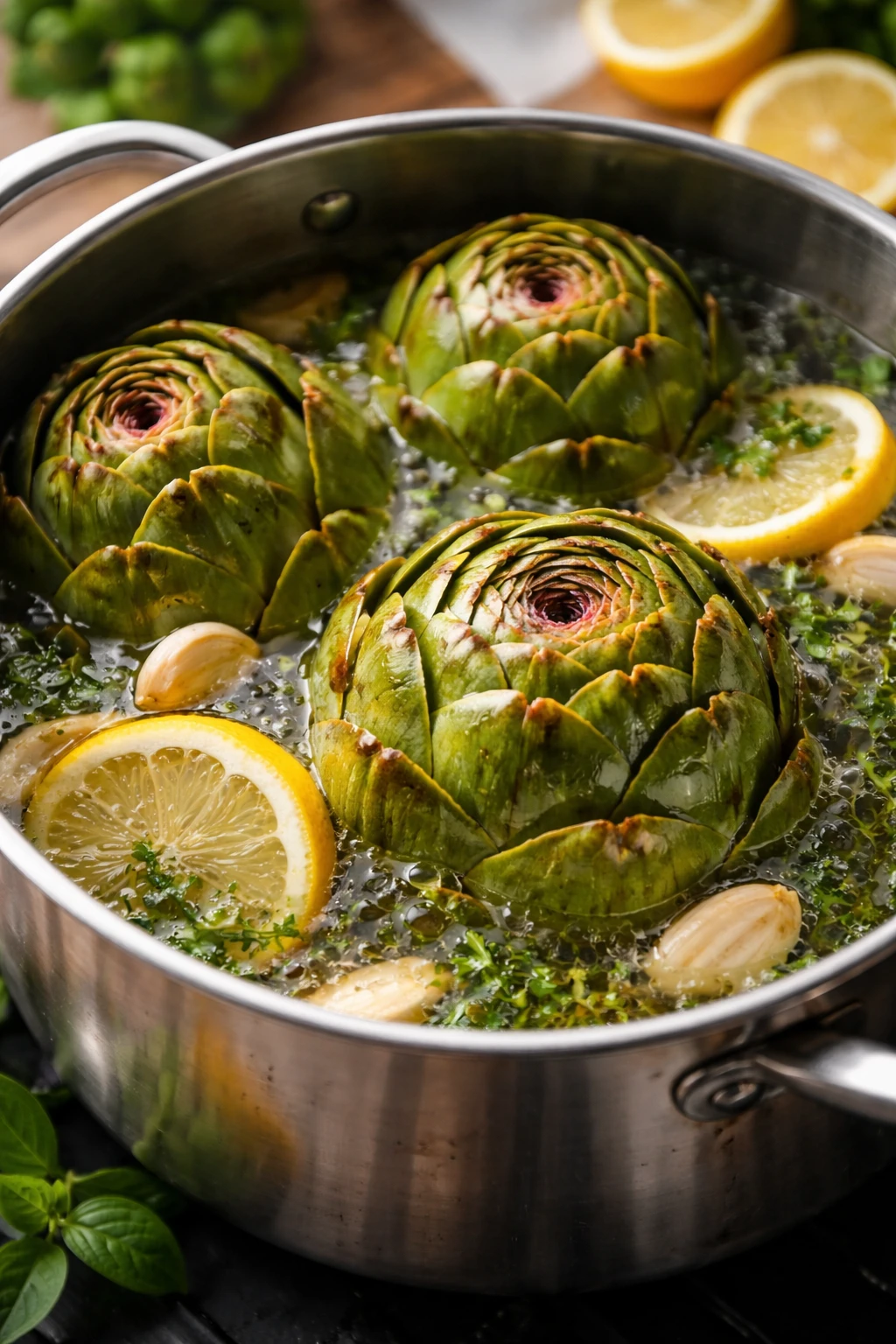
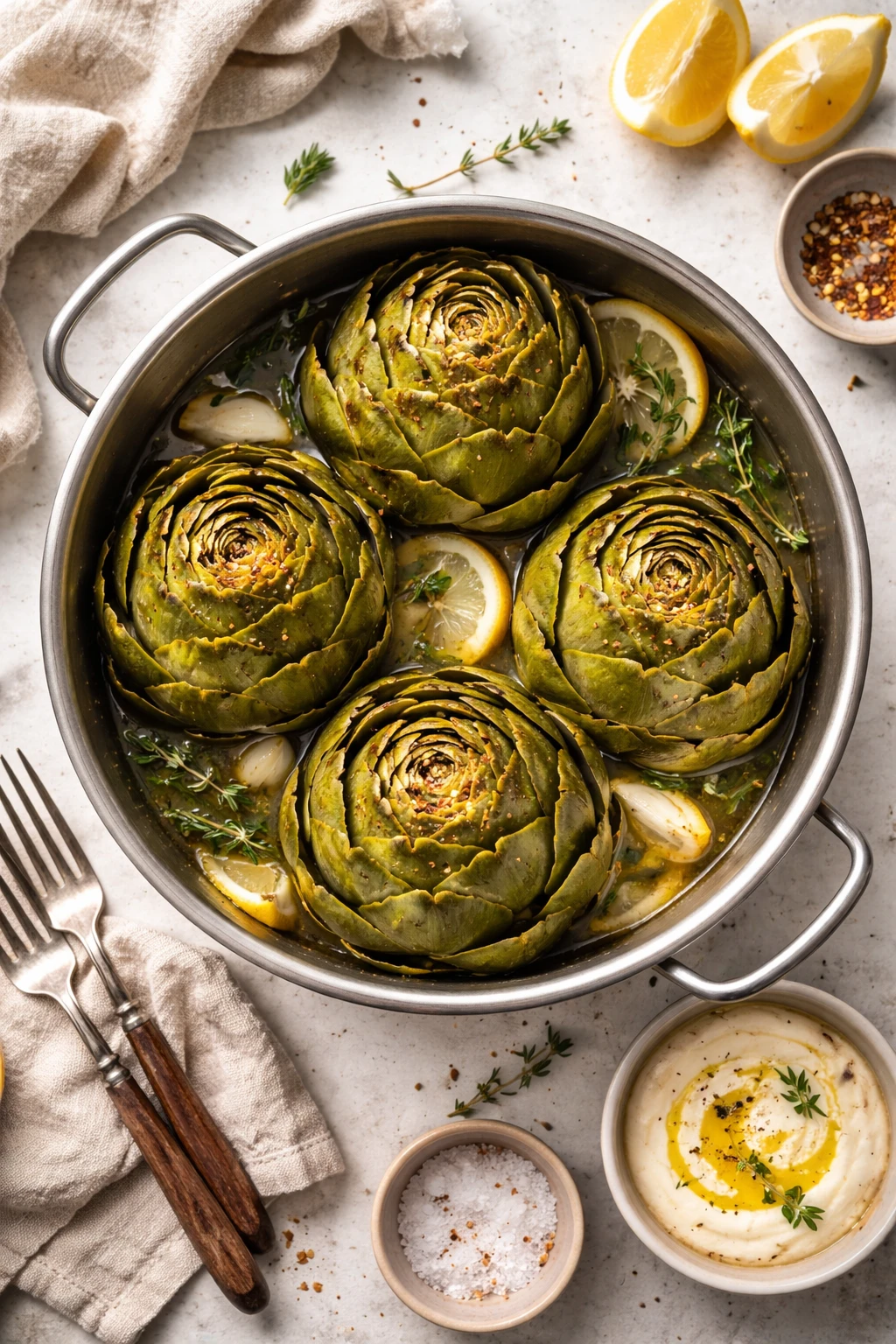
Fill a large pot with about 4 cups of water, enough to cover the bottom by an inch or so. Add the halved lemon, smashed garlic cloves, olive oil, and salt to the water. The lemon prevents the artichokes from browning and adds a fresh citrus note, while garlic and olive oil give subtle flavor. Bring this mixture to a simmer over medium heat. Avoid boiling vigorously as gentle steaming is key to tender artichokes without drying them out.
⏱ Time: 5
✓ Doneness: Water is gently simmering with fragrant lemon and garlic aroma
Step 3
Place the prepared artichokes stem-side down into the simmering water. Cover the pot with a tight-fitting lid to trap steam. The steam cooks the artichokes evenly and keeps them moist. Cooking times vary slightly with size, but generally, they take about 30-40 minutes. Resist the urge to lift the lid too often; each peek releases steam and slows cooking.
⏱ Time: 30
✓ Doneness: Leaves pull away easily when gently tugged and the base is tender when pierced with a knife
Step 4
After about 30 minutes, test the artichokes for doneness. Pull on a leaf near the center; it should come off easily without much resistance. Also, pierce the base (heart) with a paring knife—it should slide in with little effort. If not quite tender, continue cooking and check every 5 minutes. Overcooking can make artichokes mushy, so keep a close eye once they near readiness.
⏱ Time: 5
✓ Doneness: Leaves pull away smoothly and base feels soft but not mushy
Step 5
Once cooked, carefully remove the artichokes from the pot with tongs or a slotted spoon. Let them drain and cool slightly on a plate. The residual heat continues to soften them a bit. Cooling also makes handling easier for eating. Don’t discard the cooking liquid; it can be strained and used as a flavorful broth for soups or risottos.
⏱ Time: 5
✓ Doneness: Artichokes are warm but cool enough to handle safely
Step 6
Serve the artichokes warm or at room temperature. To eat, pull off the outer leaves one by one, dip the base in your favorite sauce (melted butter, aioli, or vinaigrette), and scrape the soft flesh with your teeth. The heart is the prized part—after removing the fuzzy choke with a spoon, slice and enjoy. This simple presentation highlights the natural flavor of the artichokes.
⏱ Time: 0
✓ Doneness: Artichokes are tender, flavorful, and ready to enjoy
Step 7
If you want to add a twist, try sprinkling the cooked artichokes with freshly grated Parmesan or chopped herbs like parsley or thyme before serving. These additions complement the subtle nutty flavor and brighten the dish. It’s a quick way to elevate the experience without complicating the process.
⏱ Time: 0
✓ Doneness: Enhanced aroma and flavor from fresh toppings
Step 8
For leftovers, store cooled artichokes in an airtight container and refrigerate. They reheat well by steaming briefly or warming in a covered pan with a splash of water. Avoid microwaving too long to prevent drying out. Leftover artichokes also make great additions to salads or pasta dishes.
⏱ Time: 0
✓ Doneness: Stored artichokes maintain flavor and texture when reheated properly
Step 9
Enjoy experimenting with dips and sauces alongside your artichokes. Classic melted butter or garlic aioli works beautifully, but try lemony yogurt dips or spicy mustard for variety. The mild flavor of steamed artichokes pairs well with many condiments, so feel free to get creative and find your favorite combo.
⏱ Time: 0
✓ Doneness: Perfect balance of flavors enhances the artichoke experience
Pro Tips
Trim the artichoke leaves carefully to avoid sharp points.
Removing the thorny tips makes the artichokes safer and more enjoyable to eat. Sharp edges can be unpleasant and even cause small cuts. Trimming also helps the leaves cook evenly and improves the final presentation.
Use a tight-fitting lid to trap steam during cooking.
Trapping steam ensures the artichokes cook evenly and stay moist. If the lid is loose or lifted frequently, steam escapes and cooking time increases, resulting in unevenly cooked or dry artichokes.
Test doneness by pulling a leaf and piercing the base.
These simple tests prevent overcooking or undercooking. A leaf that pulls away easily and a tender base mean the artichokes are perfectly cooked—tender but still structured.
Add lemon halves to the steaming water.
Lemon prevents browning and adds brightness. The acid slows oxidation and infuses subtle citrus notes, elevating the overall flavor and appearance.
Don’t rush the cooking time; low and slow is best.
Steaming at a gentle simmer allows the artichokes to cook through without becoming mushy. High heat can toughen leaves and dry out the heart.
Save the cooking liquid for soups or sauces.
The flavorful water infused with lemon and garlic is a great base for other dishes, adding subtle vegetable depth and reducing waste.
Serve with a simple dipping sauce like melted butter or aioli.
A sauce complements the mild flavor and makes eating the leaves more enjoyable. It’s an easy way to elevate the dish without complicating preparation.
Common Mistakes to Avoid
Not trimming the leaf tips
Why it happens Many cooks overlook this step because it seems tedious or unnecessary, but the sharp tips can make eating unpleasant.
Fix Use kitchen scissors to snip off the sharp points before cooking. This makes handling and eating safer and more comfortable.
Boiling instead of steaming
Why it happens Boiling is often faster and seems easier, but it can waterlog the artichokes, diluting flavor and making the texture mushy.
Fix Use just enough water to steam, not cover, and keep at a gentle simmer with a lid on to cook evenly without waterlogging.
Cooking at too high heat
Why it happens Impatience or misunderstanding leads to cranking heat, which cooks unevenly and dries out the artichokes.
Fix Maintain a gentle simmer to allow slow, even cooking that tenderizes without drying.
Skipping the lemon in the water
Why it happens Some think lemon is optional, but without it, artichokes brown and lose visual appeal.
Fix Always add fresh lemon halves to the steaming water to keep artichokes bright and flavorful.
Overcooking
Why it happens Not checking doneness leads to mushy artichokes with less flavor and poor texture.
Fix Test by pulling a leaf and piercing the base starting at 30 minutes, then every 5 minutes until tender.
Variations
Garlic Herb Butter Artichokes
After steaming, brush the artichokes with melted garlic herb butter made from fresh parsley, thyme, and minced garlic. This adds rich flavor and a buttery finish that’s perfect for a special occasion or cozy dinner.
Note: Brush immediately after draining while the artichokes are warm to help the butter absorb better.
Spicy Lemon Aioli Dip
Serve steamed artichokes with a spicy lemon aioli made from mayonnaise, lemon zest, garlic, and a pinch of cayenne pepper. The creamy, zesty dip adds a punch that complements the mild vegetable.
Note: Prepare the aioli ahead and chill so flavors meld well before serving.
Grilled Artichokes After Steaming
After steaming, halve the artichokes and grill them briefly to add smoky char and texture contrast. This variation brings out a deeper, woodsy flavor and a crisp finish.
Note: Brush with oil before grilling and watch carefully to avoid burning.
Stuffed Artichokes
Use this steaming method as a first step, then stuff the artichokes with a mixture of breadcrumbs, Parmesan, herbs, and garlic. Bake until golden for a hearty, flavorful side dish.
Note: Partially cook the artichokes before stuffing to ensure even final cooking.
Vegan Lemon Garlic Dressing
Drizzle steamed artichokes with a simple dressing of lemon juice, minced garlic, olive oil, and fresh herbs for a light vegan option that highlights the artichokes’ natural flavor.
Note: Use fresh ingredients and whisk well to emulsify the dressing.
Nutrition
Per Serving:
Nutritional values are estimates and may vary based on specific ingredients used.
Storage & Tips
Room Temperature
Cooked artichokes can safely sit at room temperature for up to 2 hours if covered to avoid contamination. Leaving them uncovered may dry them out or expose to bacteria.
Refrigerator
Store cooled artichokes in an airtight container in the fridge for up to 3 days. They may lose some texture but reheat nicely by steaming or warming gently in a pan with a splash of water.
Freezer
Freeze cooked artichoke hearts only, wrapped tightly in plastic wrap and placed in a freezer-safe bag for up to 3 months. Whole artichokes don’t freeze well due to texture changes. Thaw overnight in the fridge.
Reheating
Reheat artichokes by steaming briefly or warming in a covered skillet over low heat with a little water to prevent drying. Avoid microwave reheating for long periods as it can make them rubbery.
Make Ahead
You can trim and prepare the artichokes 1 day ahead, storing them in lemon water to prevent browning. Cook them fully on the day you plan to serve for best texture and flavor.
FAQ
Can I cook artichokes without a steamer basket?
Absolutely! This recipe uses water in the pot to create steam directly. Just ensure the water level is low enough not to cover the artichokes but enough to generate steam. Cover the pot tightly to trap steam. This method works well and doesn’t require special equipment.
How do I know when artichokes are fully cooked?
The best test is to pull on a leaf near the center—it should come off easily without resistance. Also, pierce the base with a knife; it should slide in easily without toughness. These signs mean the artichoke is tender and ready to eat.
What if my artichokes turn brown after cooking?
Browning happens due to oxidation. Adding lemon to the steaming water prevents this. If you forgot lemon, quickly rub cut surfaces with lemon juice after cooking. Browning doesn’t affect taste but can look unappetizing.
Can I prepare artichokes in advance?
Yes, you can trim and prep artichokes a day ahead. Store them submerged in water with lemon juice in the fridge to prevent browning. Cook them fresh on the day you plan to serve for best texture and flavor.
Is it necessary to remove the fuzzy choke inside?
Yes, the choke is inedible and should be removed before eating the heart. After cooking, scrape it out gently with a spoon. This step is essential for a pleasant eating experience.
Can I use frozen artichokes for this recipe?
Frozen artichokes are usually pre-cooked and best used in recipes like dips or casseroles. For steaming whole artichokes, fresh is best to achieve the right texture and flavor.
What dipping sauces go well with steamed artichokes?
Classic options include melted butter, garlic aioli, lemon vinaigrette, or even a spicy mustard sauce. Choose something creamy or tangy to complement the mild, nutty flavor of the artichokes.
How long can I store leftover cooked artichokes?
Store leftovers in an airtight container in the fridge for up to 3 days. Reheat gently before serving or enjoy cold in salads. Avoid keeping them longer as they lose texture and flavor.
Final Thoughts
I hope you enjoy making and eating these tender pot-cooked artichokes as much as I do! Give it a try and let me know how yours turn out.