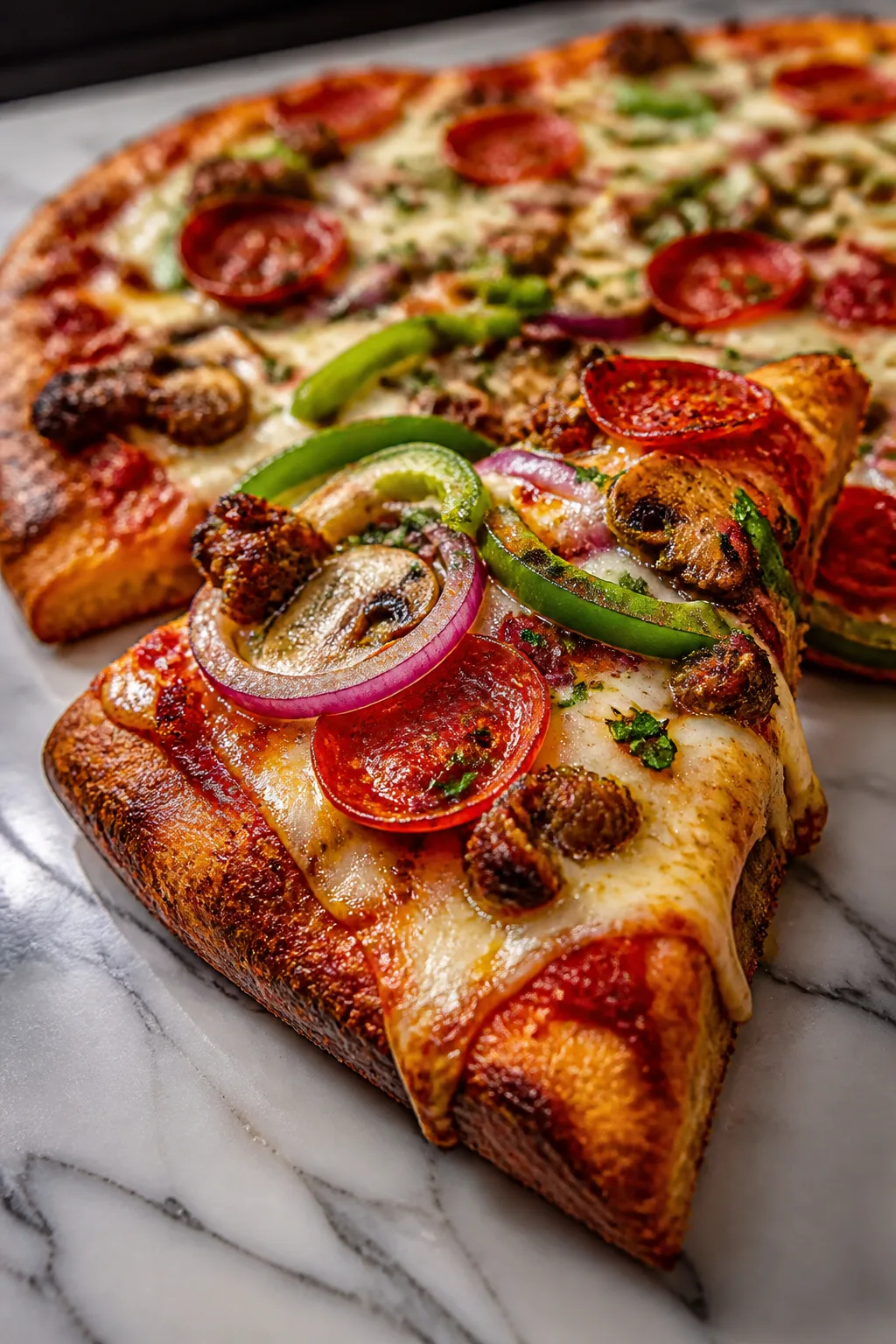
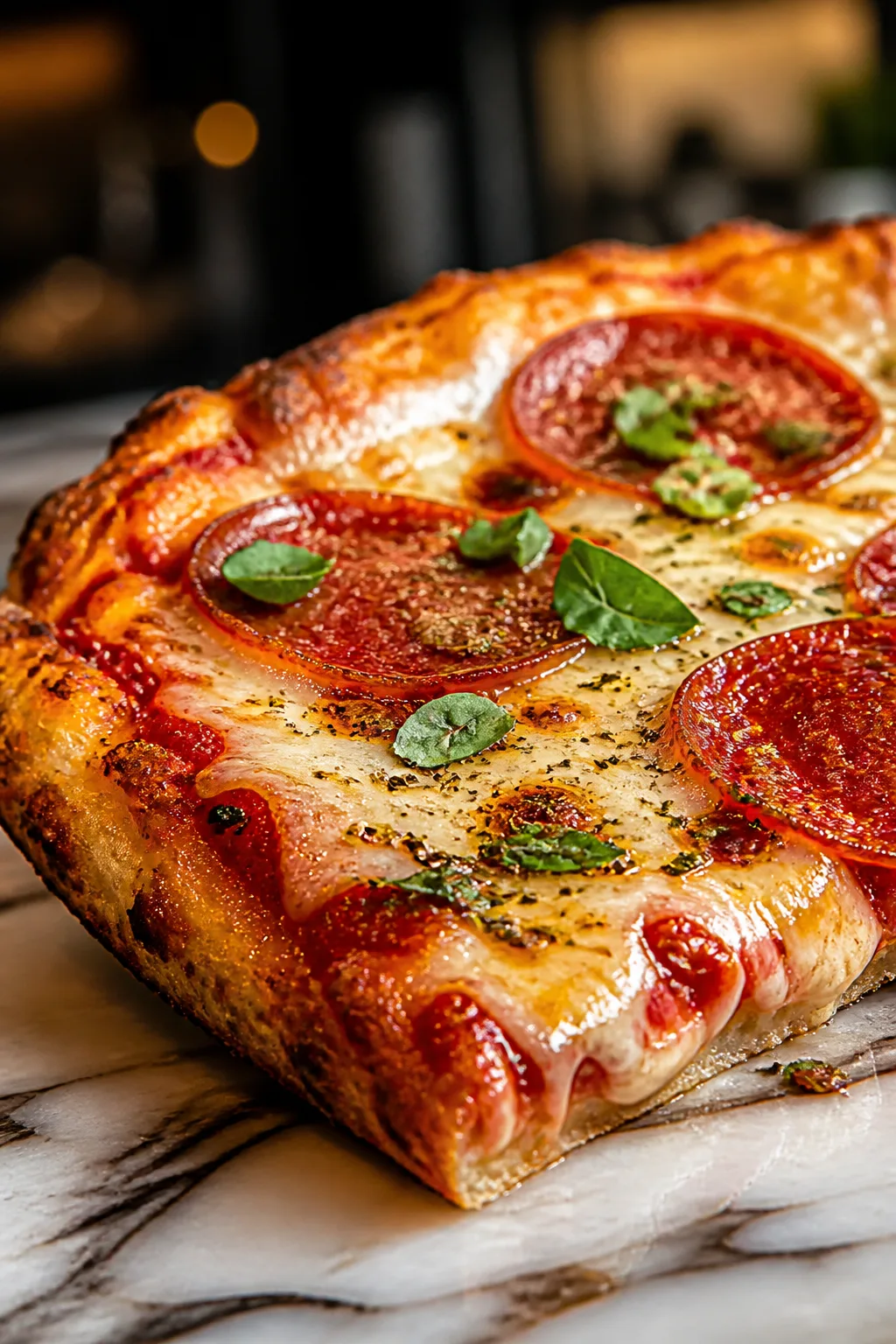
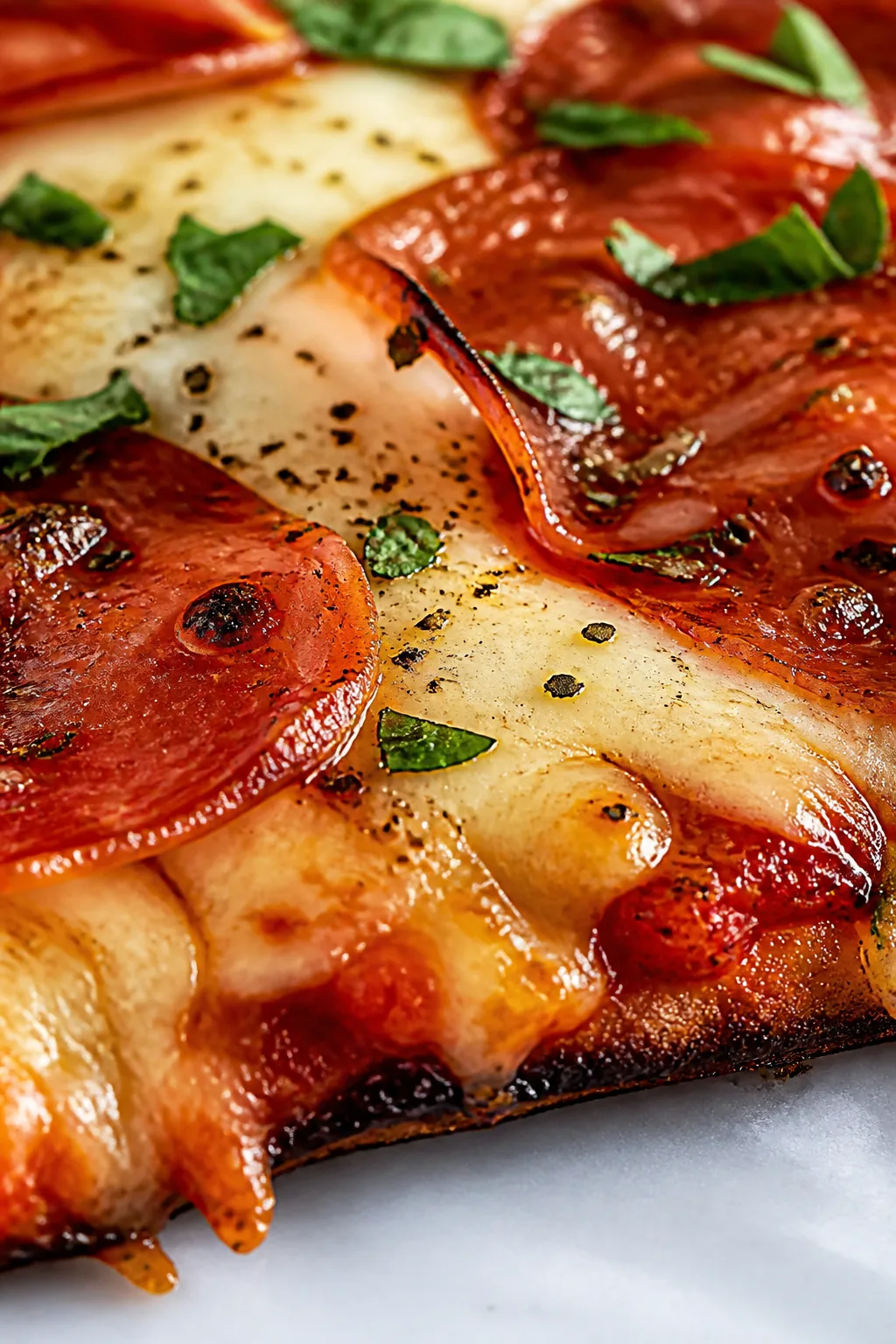
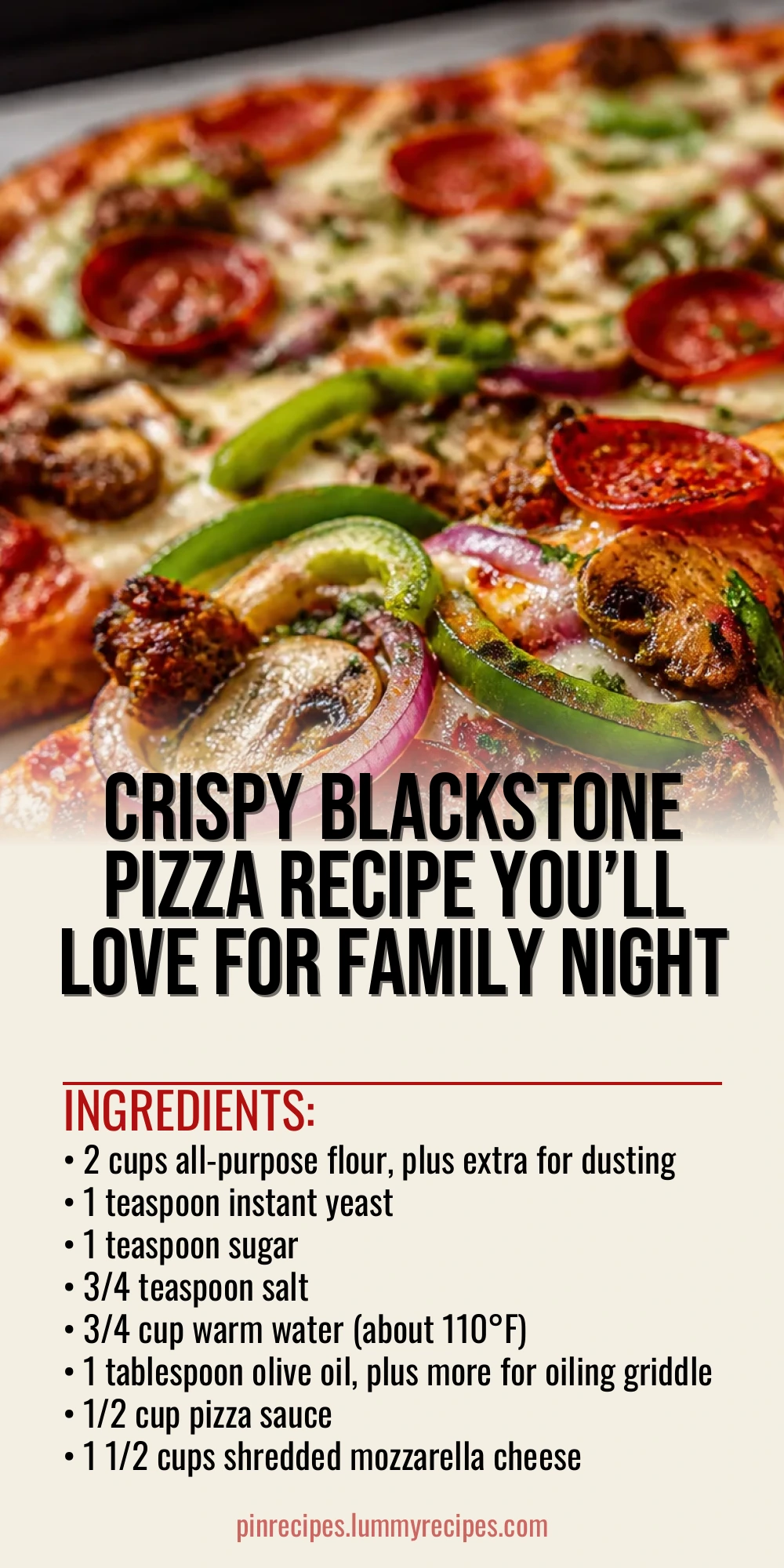
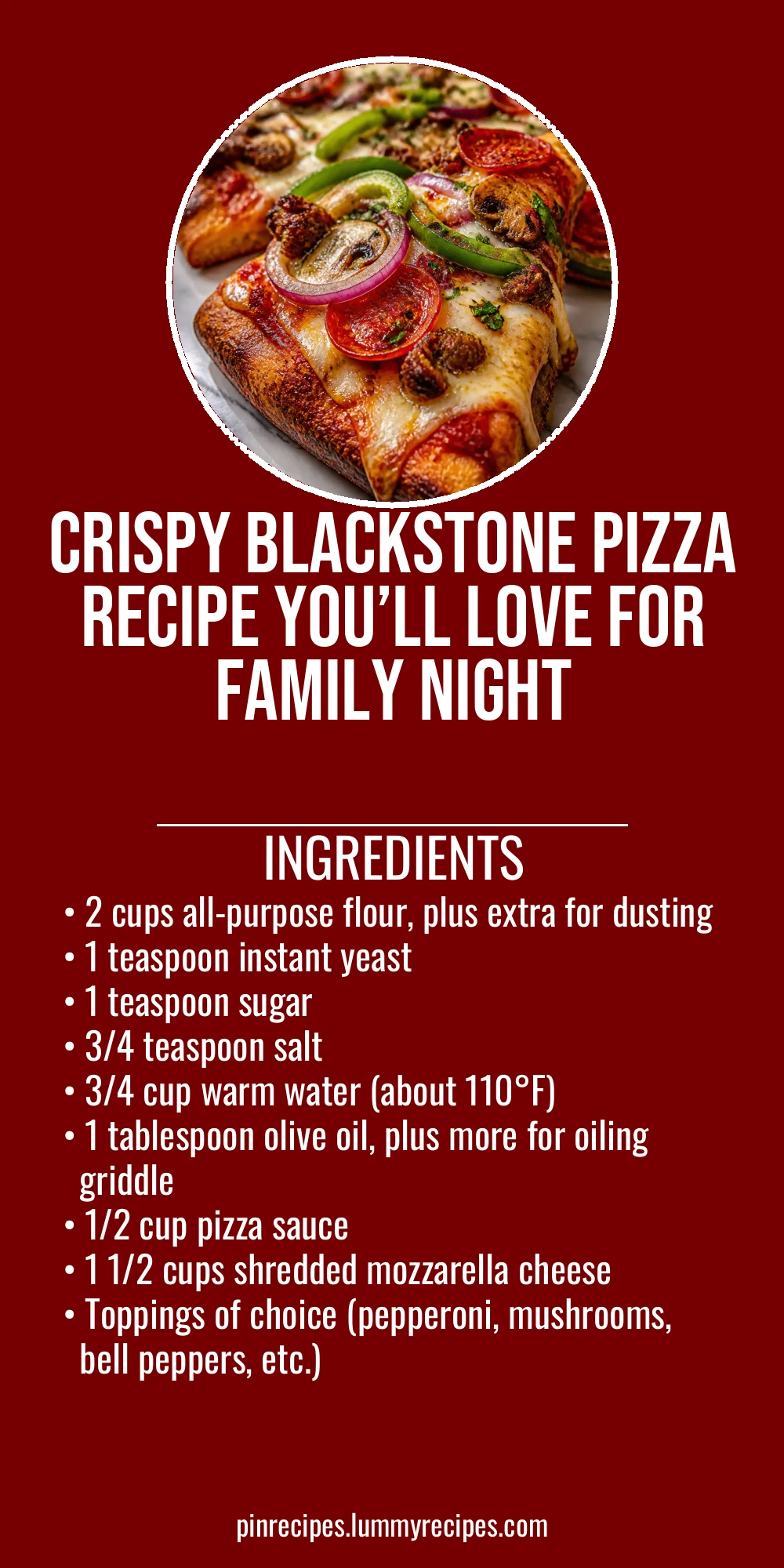
This Blackstone Pizza is my go-to for weekend nights. Crispy crust cooked right on the griddle, gooey cheese, and your favorite toppings. It’s a fun twist that’s easy and perfect for sharing with family.
Introduction
I first tried making pizza on my Blackstone griddle a couple of summers ago, and it quickly became a family favorite. The trick is that cooking the dough directly on the hot griddle gives you this incredible crispy crust that you just don’t get in a regular oven. I love how fast it comes together too—no need to wait for the oven to heat up or deal with pizza stones. What makes this version stand out is using a simple homemade dough that’s easy to mix by hand, plus the technique of cooking the bottom crust first before adding toppings. That way, the crust stays perfectly crisp, and the cheese melts evenly without sogginess. When it’s done, you get a beautifully golden crust with bubbling cheese and your favorite toppings, making it a perfect casual dinner for any night of the week. I’ve made this dozens of times, and it never disappoints—just be sure not to rush the crust cooking step, or you’ll miss out on that signature crunch.
What You'll Need
One 12-inch pizza, 4 servings
- 2 cups all-purpose flour, plus extra for dusting
- 1 teaspoon instant yeast
- 1 teaspoon sugar
- 3/4 teaspoon salt
- 3/4 cup warm water (about 110°F)
- 1 tablespoon olive oil, plus more for oiling griddle
- 1/2 cup pizza sauce
- 1 1/2 cups shredded mozzarella cheese
- Toppings of choice (pepperoni, mushrooms, bell peppers, etc.)
How To Do It
Step 1
In a large bowl, combine the flour, instant yeast, sugar, and salt. Stir well to mix the dry ingredients evenly. Slowly add the warm water and olive oil while stirring with a wooden spoon or your hands until a shaggy dough forms. This step is crucial because the warm water activates the yeast, and mixing thoroughly ensures the dough will rise properly. Avoid adding too much water at once to prevent a sticky mess. The dough should be soft but not overly wet.
⏱ Time: 10 minutes
✓ Doneness: Dough comes together in a cohesive ball, slightly tacky but not sticky
Step 2
Turn the dough out onto a lightly floured surface and knead by hand for about 8-10 minutes. Use the heel of your hand to push the dough away, fold it back, and repeat. Kneading develops the gluten, which gives the crust its chewy texture. If the dough feels too sticky, sprinkle a little more flour, but don’t overdo it or the dough will become tough. Proper kneading will result in a smooth, elastic dough that springs back when pressed.
⏱ Time: 10 minutes
✓ Doneness: Smooth, elastic dough that holds shape and is slightly springy to the touch
Step 3
Place the dough in a lightly oiled bowl, cover with a clean kitchen towel or plastic wrap, and let it rise in a warm spot until doubled in size, about 1 hour. This resting period lets the yeast ferment, producing gas bubbles that make the crust airy and light. Don’t rush this step—if the dough hasn’t doubled, it won’t have the right texture. A warm draft-free area is ideal to encourage rising.
⏱ Time: 60 minutes
✓ Doneness: Dough has visibly doubled in size and feels puffy
Step 4
Once risen, punch down the dough gently to release excess air, then turn it out onto a floured surface. Roll or stretch the dough into a 12-inch circle to fit your Blackstone griddle. Try not to tear the dough; if it resists, let it rest a few more minutes to relax the gluten. The thickness should be about 1/4 inch for a crispy crust that’s not too thick or doughy.
⏱ Time: 5 minutes
✓ Doneness: Evenly stretched dough circle with no holes or tears
Step 5
Preheat your Blackstone griddle to medium-high heat and lightly brush with olive oil to prevent sticking. Place the dough directly onto the hot griddle. This initial cook crisps the bottom and sets the structure so it can hold toppings without getting soggy. Watch closely to avoid burning; adjust heat as needed. Cooking the crust first is key to achieving that perfect crispy base.
⏱ Time: 5-7 minutes
✓ Doneness: Bottom of dough is golden brown and crisp, edges slightly puffed
Step 6
Flip the dough carefully using a spatula. Quickly spread the pizza sauce evenly over the cooked side, then sprinkle with shredded mozzarella and your chosen toppings. Working fast helps keep the dough warm and ensures toppings stick well. Don’t overload the pizza or it may become soggy or difficult to cook through.
⏱ Time: 5 minutes
✓ Doneness: Sauce evenly spread, cheese and toppings arranged neatly
Step 7
Cover the griddle with a large lid or tent with foil to trap heat and help the cheese melt evenly. Cook for another 5-7 minutes on medium heat. This indirect heat melts the cheese without burning the crust. Keep an eye on the cheese bubbling and the crust’s edges to avoid overcooking.
⏱ Time: 7 minutes
✓ Doneness: Cheese fully melted and bubbly, crust golden and crisp
Step 8
Remove the pizza from the griddle and let it rest for a couple of minutes before slicing. Resting lets the cheese set slightly, so it doesn’t slide off when cut. Use a sharp pizza cutter or knife to slice into wedges. Serve immediately for best texture and flavor.
⏱ Time: 2-3 minutes
✓ Doneness: Pizza holds shape when sliced, cheese slightly firm
Step 9
Clean your griddle while it’s still warm by scraping off any leftover bits with a spatula and wiping with a paper towel. This keeps your Blackstone ready for next time and prevents buildup that can affect cooking. Always oil lightly before next use to maintain the seasoning.
⏱ Time: 5 minutes
✓ Doneness: Griddle surface clean and lightly oiled, no burnt residue
Pro Tips
Don’t rush the dough rising; let it double fully.
Proper rising develops flavor and texture through yeast fermentation. If you rush or skip this, the crust will be dense and lack the light, airy crumb that makes pizza enjoyable.
Preheat the griddle thoroughly before placing the dough.
A hot griddle crisps the crust quickly, creating that signature crunch. If it’s not hot enough, the dough will stick and cook unevenly, resulting in a soggy bottom.
Use a spatula to flip the dough carefully.
Flipping dough without tearing requires a thin, wide spatula and a gentle touch. This keeps the crust intact and ensures toppings go on a stable surface.
Cover the pizza while melting cheese.
Trapping heat helps the cheese melt evenly without burning the crust. It mimics a pizza oven dome effect, essential for a perfect finish on a griddle.
Brush the griddle with olive oil before cooking.
This prevents sticking and adds flavor. Using too much oil can cause flare-ups or greasy crust, so a light brush is best.
Let the pizza rest before slicing.
Resting allows cheese to set slightly, preventing it from sliding off and making the pizza easier to cut and eat.
Use fresh toppings and don’t overload the pizza.
Too many toppings add moisture and weight, which can make the crust soggy and harder to cook through evenly.
Common Mistakes to Avoid
Using cold water for the dough
Why it happens Many assume any water temperature works, but cold water slows yeast activation and fermentation.
Fix Always use warm water around 110°F to activate yeast properly. This ensures the dough rises well and develops the right texture.
Skipping kneading or under-kneading
Why it happens Some rush the process or don’t knead enough, leading to weak gluten development.
Fix Take your time kneading until the dough is smooth and elastic. This builds gluten for a chewy, structured crust.
Placing dough on a griddle that’s not hot enough
Why it happens Misjudging heat or rushing the cook leads to sticking and uneven cooking.
Fix Preheat the griddle well and test with a small bit of dough or oil before placing the pizza to ensure proper temperature.
Overloading with toppings
Why it happens It’s tempting to pile on everything, but too many toppings weigh the crust down.
Fix Use moderate toppings to keep the crust crisp and allow even cooking and melting.
Not covering the pizza while melting cheese
Why it happens Skipping this step causes uneven cheese melting and can burn the crust.
Fix Cover with a lid or foil to trap heat and melt cheese gently.
Variations
Vegetarian Blackstone Pizza
Swap out meat toppings for a colorful mix of bell peppers, mushrooms, olives, and spinach. The veggies add freshness and a nice contrast to the crispy crust. You might want to sauté some mushrooms first to avoid excess moisture.
Note: Sauté wet vegetables to reduce moisture, preventing soggy crust.
Spicy Blackstone Pizza
Add sliced jalapeños, red pepper flakes, and a drizzle of hot honey for a spicy-sweet kick. This variation livens up the classic pizza and pairs well with pepperoni or sausage.
Note: Add spicy toppings after cheese to distribute heat evenly.
White Sauce Blackstone Pizza
Use a creamy garlic Alfredo sauce instead of tomato sauce, topped with mozzarella and spinach. This creates a rich, savory pizza with a smooth texture and a different flavor profile.
Note: Cook toppings slightly before adding to prevent sogginess.
BBQ Chicken Blackstone Pizza
Swap tomato sauce for BBQ sauce, add cooked shredded chicken, red onion, and cilantro. This variation is smoky and tangy, perfect for a casual family dinner.
Note: Use cooked chicken to avoid raw meat on pizza.
Four Cheese Blackstone Pizza
Mix mozzarella, parmesan, provolone, and a bit of blue cheese for a decadent cheese lover’s pizza. The blend offers depth in flavor and a creamy texture.
Note: Grate cheeses finely for even melting.
Nutrition
Per Serving:
Nutritional values are estimates and may vary based on specific ingredients used.
Storage & Tips
Room Temperature
Keep leftover pizza covered at room temperature for up to 2 hours. Beyond that, bacteria growth can occur. Use a pizza dome or loosely cover with foil to retain moisture without making the crust soggy.
Refrigerator
Store pizza slices in an airtight container or wrapped tightly in plastic wrap for up to 3 days. The crust may lose some crispness when cold but reheating in a skillet or oven restores texture nicely.
Freezer
Freeze pizza slices wrapped tightly in plastic wrap and foil for up to 2 months. To thaw, place in the fridge overnight. Reheat in an oven or skillet to regain crispiness; avoid microwaving as it makes the crust chewy.
Reheating
Reheat pizza on a skillet over medium heat for 3-5 minutes with a lid to melt cheese, or in a 375°F oven for 8-10 minutes. Adding a splash of water to the pan and covering helps steam cheese without drying crust.
Make Ahead
Prepare dough 1 day ahead and refrigerate after kneading to develop flavor. Bring to room temperature before cooking. Sauce and toppings can be prepped in advance to speed up assembly on cooking day.
FAQ
Can I use store-bought pizza dough for this recipe?
Absolutely! Store-bought dough works well and saves time. Just bring it to room temperature before stretching and follow the same cooking steps. Keep in mind that homemade dough often has better flavor and texture, but the Blackstone method works with either.
What if my dough sticks to the griddle?
Make sure your griddle is well-oiled and preheated before placing the dough. If it sticks, gently loosen the edges with a spatula and add a little more oil next time. Also, don’t try to flip the dough too early—wait until the bottom is golden and releases easily.
How do I know when the crust is cooked through?
Look for a golden-brown bottom with slightly puffed edges. The crust should feel firm and crisp when you lift it. If it’s pale or doughy, let it cook a bit longer before adding toppings.
Can I make this pizza gluten-free?
You can try using a gluten-free pizza dough recipe, but keep in mind the texture will be different. Gluten-free doughs often don’t crisp as well on a griddle, so watch cooking times closely and consider using a pizza stone or oven if needed.
Is it necessary to cover the pizza while melting cheese?
Covering traps heat and helps cheese melt evenly without burning the crust. If you skip this, you risk uneven melting or burning the bottom before the cheese is ready.
How do I prevent soggy pizza crust?
Cook the dough first on the griddle before adding sauce and toppings. Use a thicker sauce and don’t overload with wet toppings. Also, cooking at the right temperature ensures the crust crisps up properly.
Can I cook this pizza indoors on a stove griddle?
Yes, a stovetop griddle or cast iron skillet works similarly. Use medium-high heat and follow the same steps. Just be sure to monitor heat carefully to avoid burning.
What’s the best way to reheat leftover Blackstone Pizza?
Reheat in a skillet over medium heat with a lid for a few minutes to crisp the crust and melt cheese. You can also warm it in a 375°F oven for 8-10 minutes. Avoid microwaving as it tends to make the crust chewy.
Final Thoughts
I hope you give this Blackstone Pizza a try—it's such a fun, easy way to enjoy homemade pizza with a crispy crust. Let me know how it turns out and what toppings you love best!