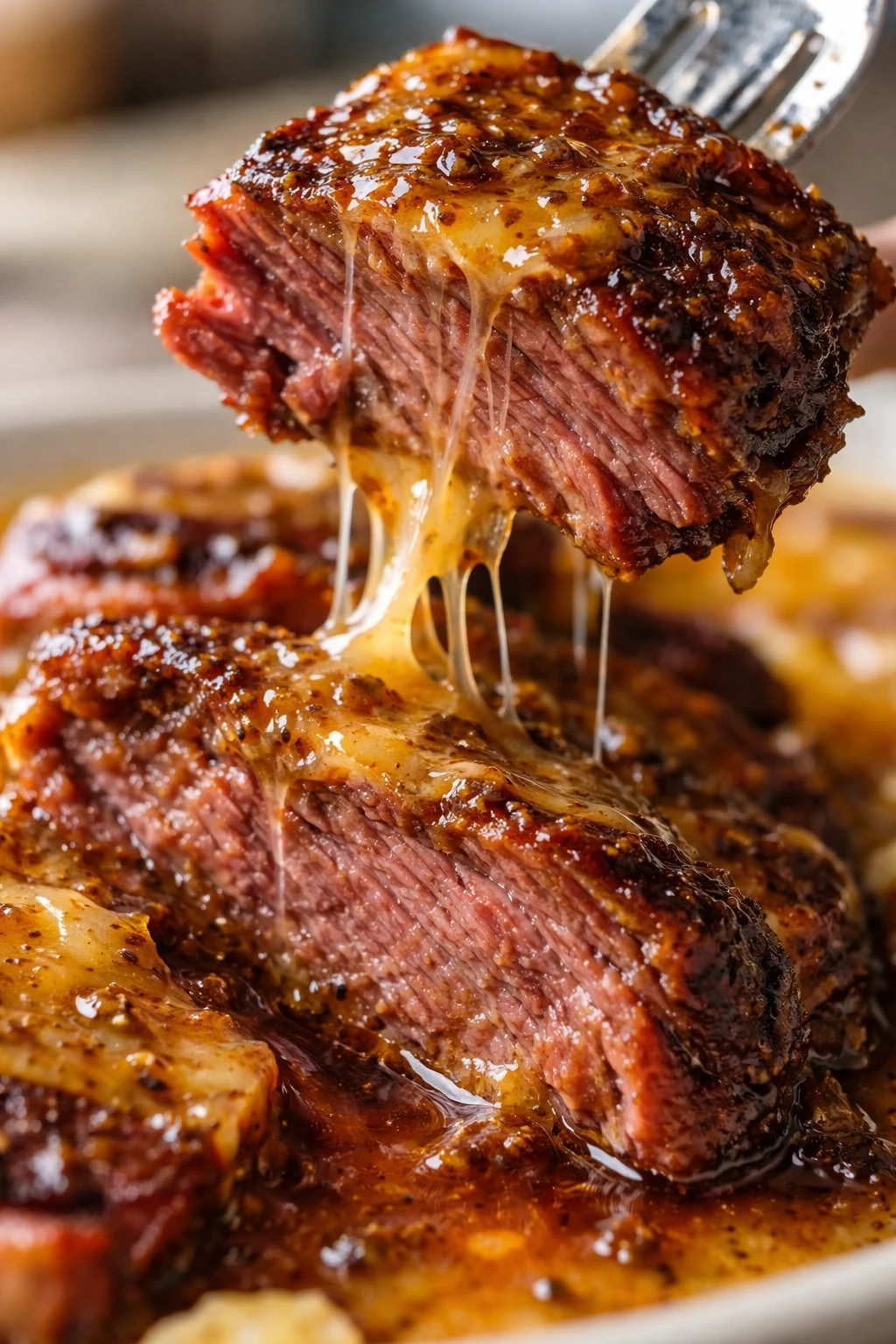
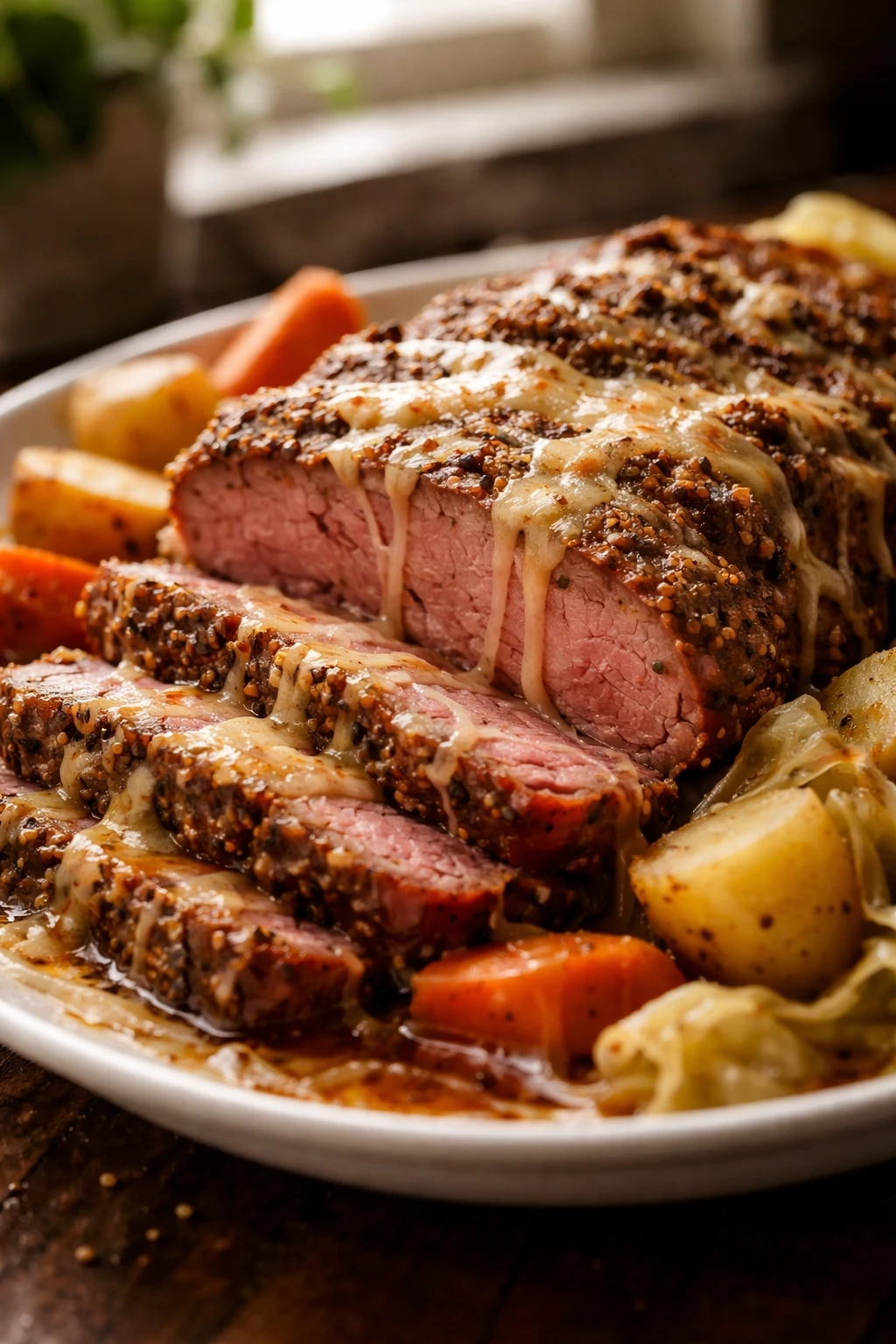
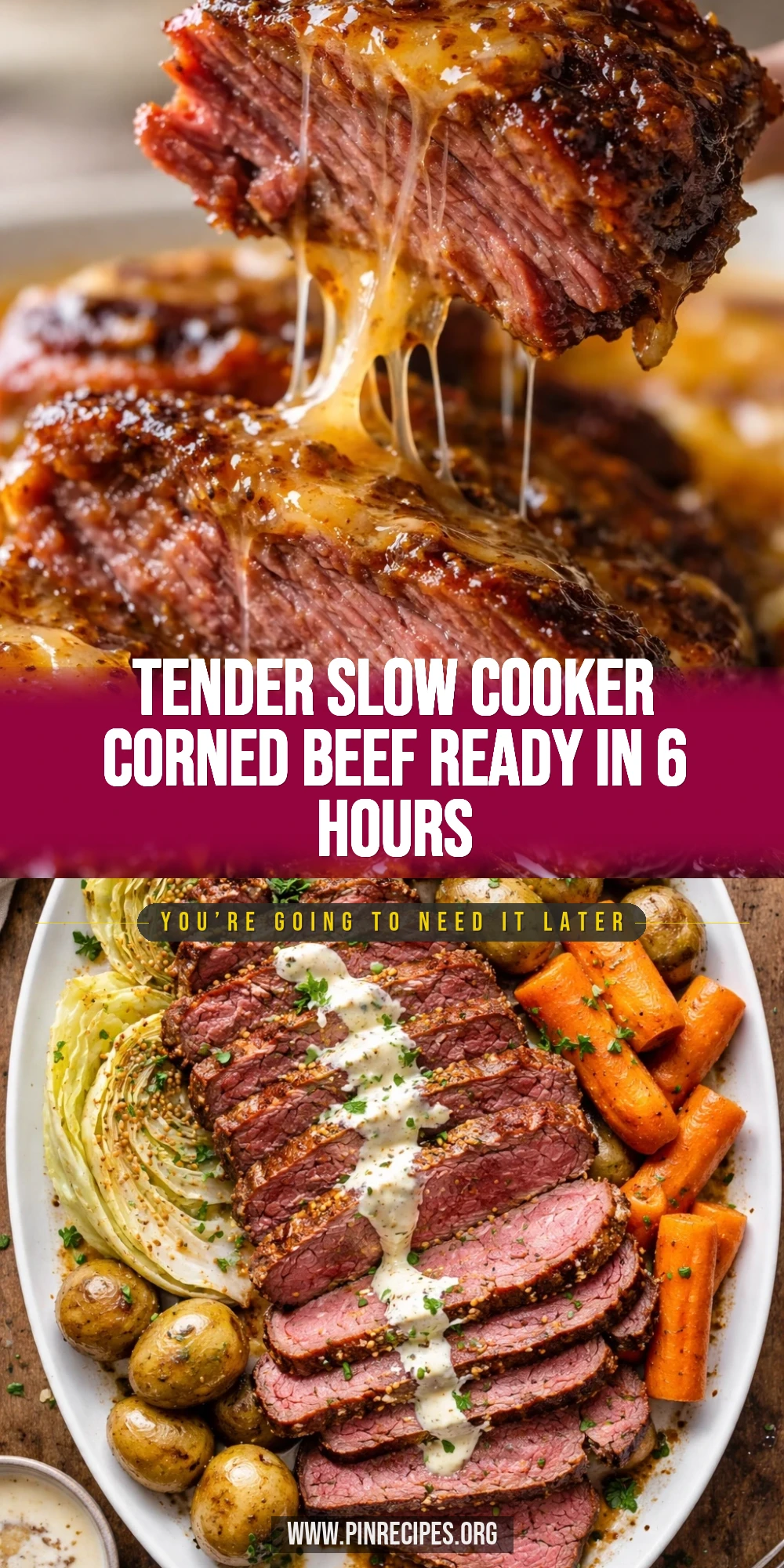
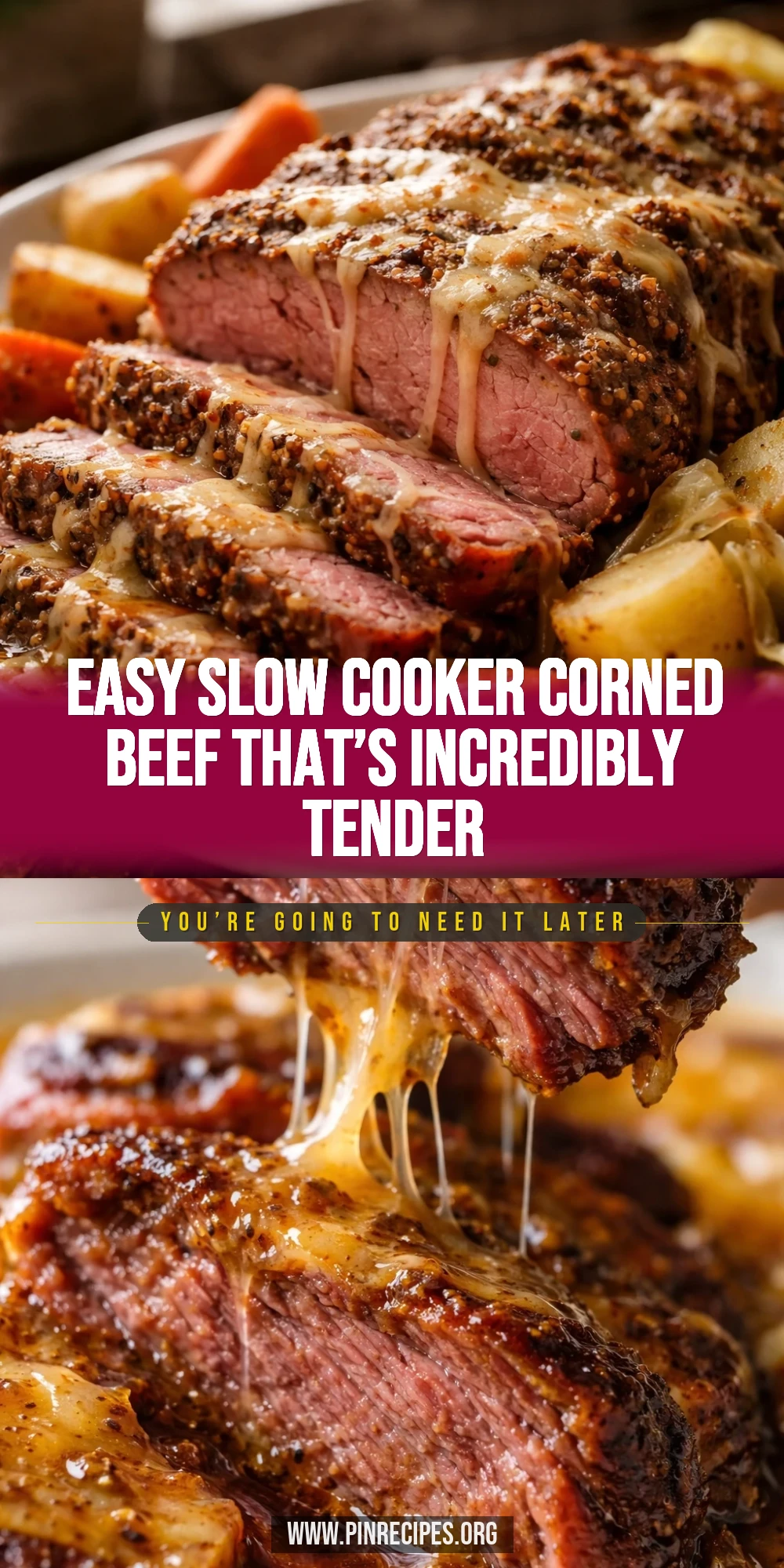
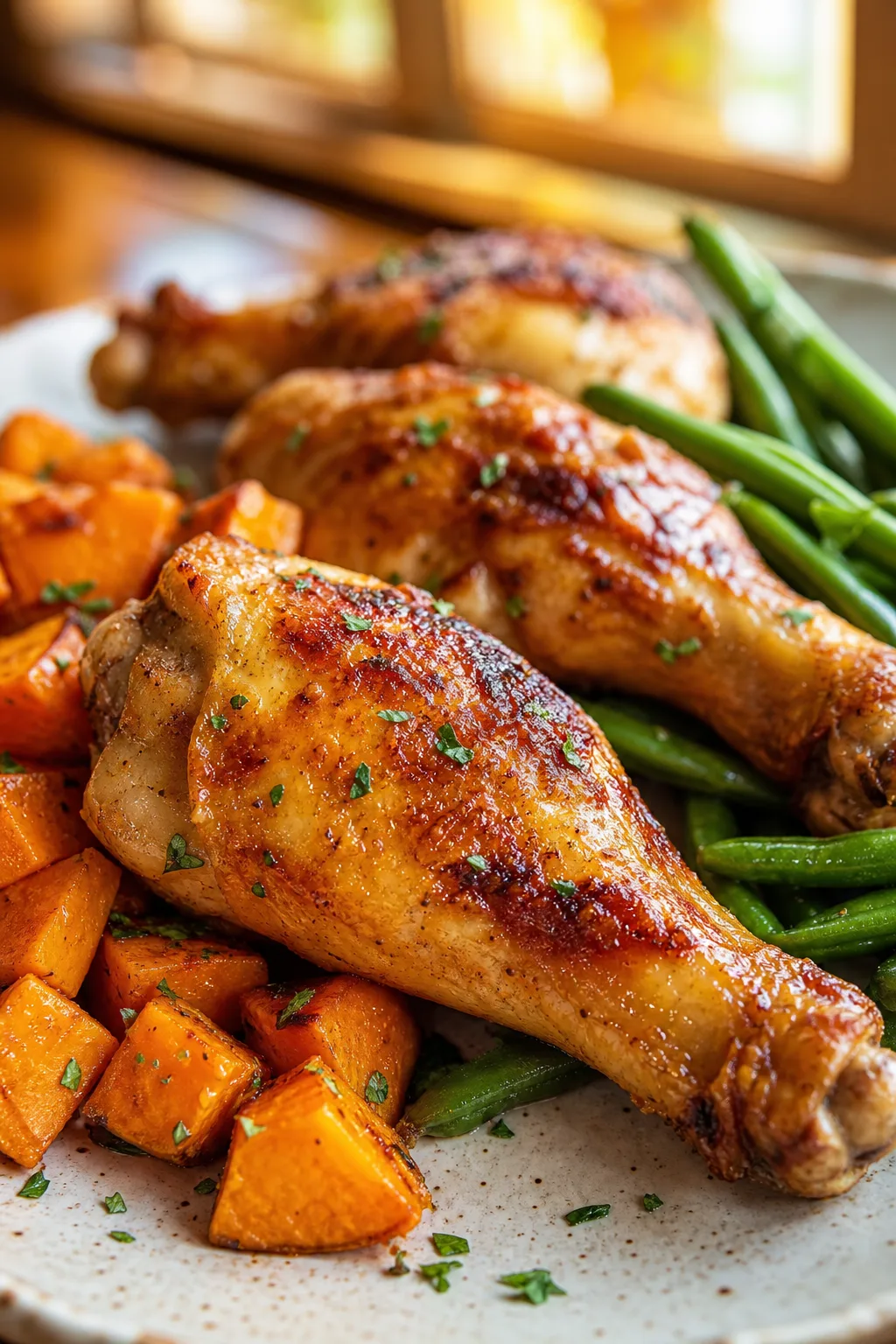
This slow cooker corned beef turns out incredibly tender and flavorful after 6 hours. The secret? Low and slow cooking with simple spices. Perfect for a cozy weekend dinner or St. Patrick’s Day feast!
Introduction
I remember the first time I tried making corned beef in my slow cooker—it was a total game changer. Before that, I always boiled it on the stove, which was fine but often left the meat a bit tough or dry. The trick I learned with the slow cooker is to cook it low and slow with the broth and spices, letting the meat soak up all those flavors while becoming melt-in-your-mouth tender. What makes this version stand out is that I add the veggies right in with the beef for the last couple of hours, so everything finishes perfectly together. The aroma filling the kitchen is incredible, and the beef ends up juicy with a beautiful crust from the spices. It’s a comforting, no-fuss meal that’s perfect for weekends or any time you want a hearty, satisfying dinner without a lot of babysitting. Plus, leftovers make amazing sandwiches the next day!
What You'll Need
Serves approximately 6 hearty portions
- 4 pounds corned beef brisket, with spice packet
- 4 cups beef broth, low sodium
- 1 large onion, peeled and quartered
- 4 cloves garlic, smashed
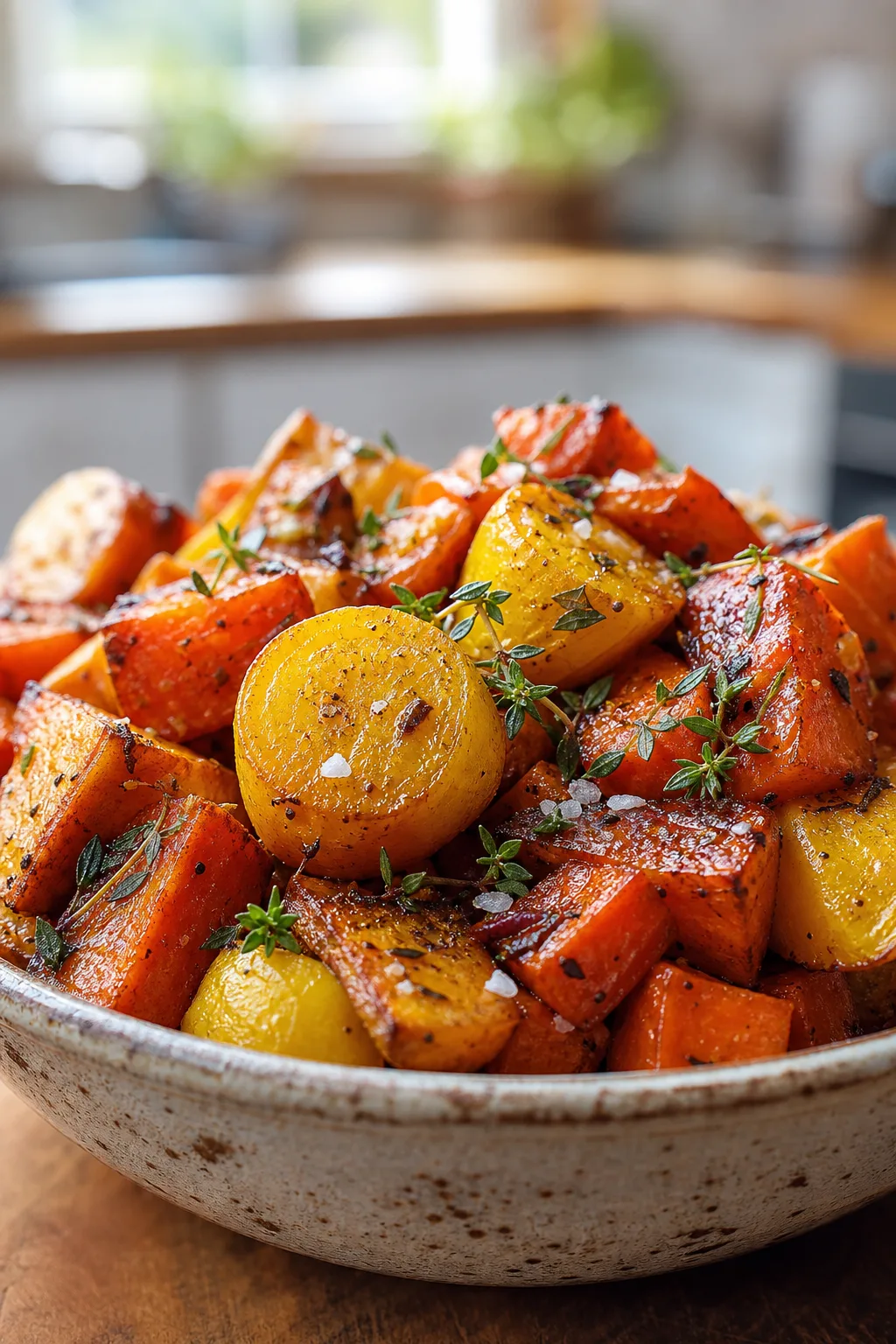
- 3 large carrots, peeled and cut into chunks
- 4 medium potatoes, peeled and quartered
- 2 bay leaves
- 1 teaspoon black peppercorns
- Fresh parsley, chopped (optional, for garnish)
How To Do It
Step 1
Place the corned beef brisket in the slow cooker fat side up. Pour in the beef broth and add the spice packet that came with the brisket. This liquid bath keeps the meat moist and infuses it with flavor as it cooks. Make sure the brisket is mostly submerged to prevent drying out. Avoid lifting the lid too often; every peek lets out precious heat and can extend cooking time.
⏱ Time: 5 minutes
✓ Doneness: Brisket is fully covered by broth and spices are evenly distributed
Step 2
Add the quartered onion, smashed garlic cloves, bay leaves, and peppercorns to the slow cooker around the brisket. These aromatics build layers of flavor during the long cook. The onion softens and sweetens, while the garlic and spices penetrate the meat. Don’t skip these—they’re what turn a simple brisket into a deeply savory dish.
⏱ Time: 5 minutes
✓ Doneness: Aromatic ingredients evenly spread around meat, releasing fragrance
Step 3
Cover and cook on low for 4 hours. Low heat allows the tough fibers in the brisket to break down gently, making the meat tender without drying it out. Resist the urge to switch to high; it cooks too fast and can make the beef stringy. Slow and steady is the key here.
⏱ Time: 4 hours
✓ Doneness: Broth simmers gently, meat starts to become tender
Step 4
After 4 hours, add the carrots and potatoes around the brisket. These root veggies absorb some of the beefy broth and cook until soft but still hold their shape. Adding them later prevents overcooking and mushiness. Stir gently to distribute evenly without tearing the meat.
⏱ Time: 5 minutes
✓ Doneness: Vegetables nestled around brisket, broth covers them partially
Step 5
Continue cooking on low for another 2 hours, or until the meat is fork-tender and the vegetables are cooked through. The total 6-hour cook time ensures the beef is juicy and the veggies are perfectly tender. Check tenderness by piercing the brisket with a fork; it should slide in easily.
⏱ Time: 2 hours
✓ Doneness: Brisket is fork-tender, vegetables are soft but intact
Step 6
Remove the brisket from the slow cooker and let it rest on a cutting board for 10 minutes. Resting redistributes the juices throughout the meat, so it stays moist when sliced. Don’t skip this step or the beef will lose its juiciness on the plate.
⏱ Time: 10 minutes
✓ Doneness: Juices settle, meat surface cools slightly but remains warm
Step 7
Slice the brisket against the grain into ¼-inch thick pieces. Cutting against the grain shortens muscle fibers, making each bite tender and easy to chew. Slicing with the grain results in stringy, tougher meat, so pay attention to the direction of the fibers.
⏱ Time: 5 minutes
✓ Doneness: Slices are uniform and tender, fibers are visibly shortened
Step 8
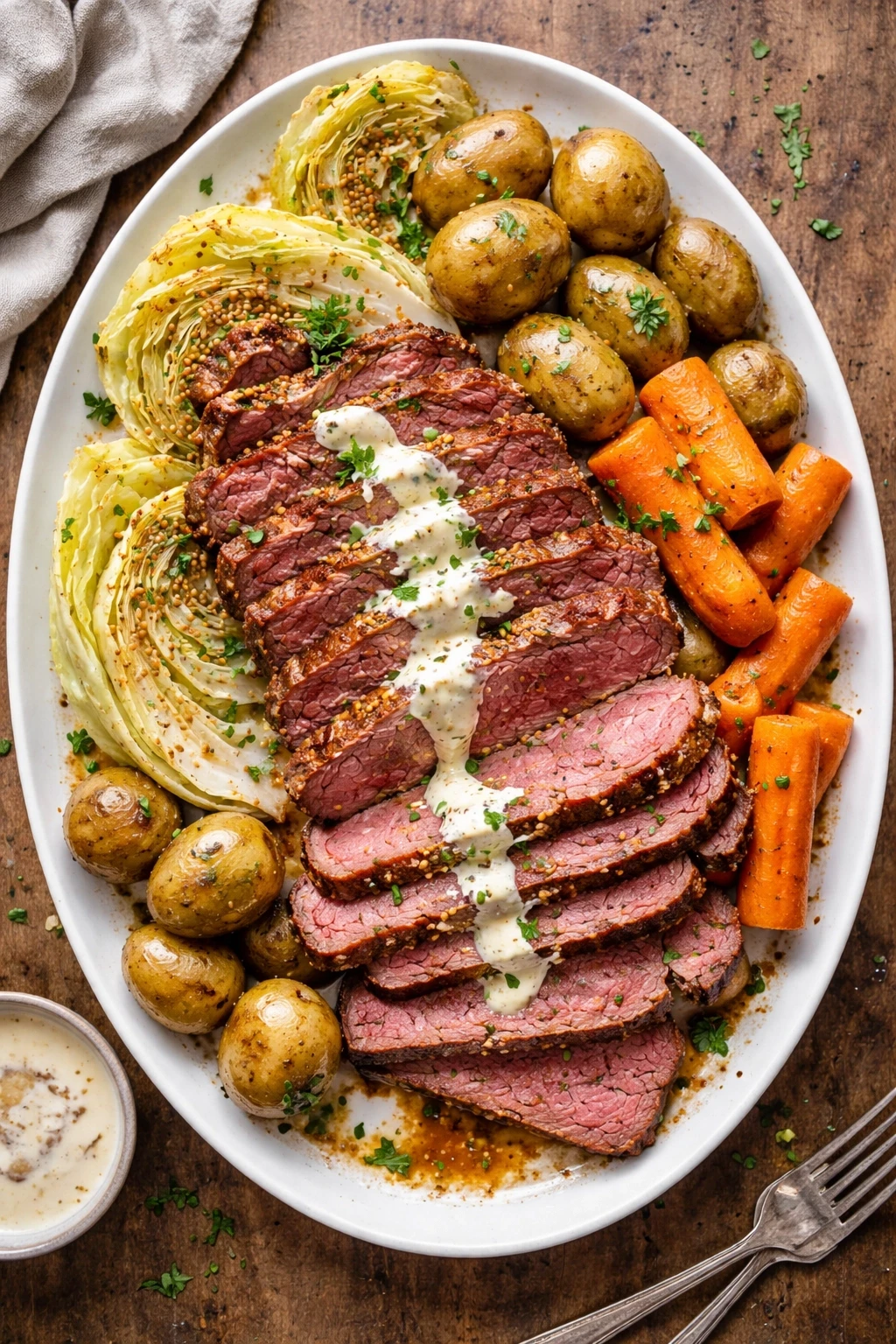
Serve the sliced brisket with the cooked carrots and potatoes, spooning some of the cooking liquid over the top for extra moisture and flavor. Garnish with chopped fresh parsley if desired. This simple plating lets the rich flavors shine through without overpowering them.
⏱ Time: 5 minutes
✓ Doneness: Dish looks vibrant with glossy meat and colorful vegetables
Step 9
Leftovers can be stored in the cooking liquid to keep the meat moist. Reheat gently in the microwave or on the stovetop with a splash of broth to prevent drying out. You can also slice leftover corned beef thinly for sandwiches or hash the next day.
⏱ Time: Varies
✓ Doneness: Reheated meat remains juicy and tender, not dried out
Pro Tips
Always cook corned beef fat side up in the slow cooker.
Cooking fat side up allows the fat to slowly render and baste the meat during cooking, keeping it moist and flavorful. If you flip it, the fat can render too quickly and cause flare-ups or drying out. This orientation also helps develop a nice crust on top.
Don’t rush the cooking by using high heat settings.
High heat can cause the muscle fibers to contract too quickly, squeezing out moisture and making the meat tough. Low and slow cooking breaks down collagen gradually, resulting in tender, juicy beef. Patience here pays off in texture and flavor.
Add vegetables halfway through the cook time.
Root vegetables need less time than beef to cook through without turning mushy. Adding them later ensures they stay tender but intact, soaking up broth flavor without disintegrating into the sauce.
Let the meat rest before slicing.
Resting allows juices to redistribute evenly throughout the brisket. Cutting immediately after cooking causes the juices to run out, leaving the meat dry. A 10-minute rest keeps every bite juicy and tender.
Slice against the grain for tender bites.
Muscle fibers run in one direction; slicing against them shortens the fibers, making the meat easier to chew. Slicing with the grain results in stringy, tougher pieces, which can ruin the eating experience.
Use the cooking liquid as a sauce or for reheating.
The broth is packed with savory flavors and gelatin from the meat. Using it keeps the beef moist and adds richness. Reheating in dry heat will dry out the meat, so always add a splash of broth or water.
Don’t lift the slow cooker lid frequently.
Every time you lift the lid, heat escapes, which slows cooking and can increase total cook time. It also causes temperature fluctuations that affect tenderness. Trust the slow cooker and resist peeking.
Common Mistakes to Avoid
Cooking corned beef on high heat.
Why it happens Many cooks want to speed up the process and use high heat, assuming it will save time without consequence.
Fix Stick to the low setting for at least 6 hours. The slow, gentle heat breaks down tough connective tissue without drying the meat. If you’re short on time, use a pressure cooker instead.
Skipping the resting period after cooking.
Why it happens Impatience or lack of awareness about resting’s importance leads to slicing immediately.
Fix Allow the beef to rest for 10 minutes before slicing to let juices redistribute. Tent loosely with foil to keep warm.
Adding vegetables at the start.
Why it happens Some assume all ingredients should cook together from the beginning for convenience.
Fix Add carrots and potatoes halfway through cooking to prevent them from becoming mushy and losing texture.
Slicing with the grain.
Why it happens Not recognizing the direction of muscle fibers or rushing the slicing step.
Fix Look closely at the meat’s grain and slice perpendicular to it for tender pieces.
Not using broth or seasoning in the slow cooker.
Why it happens Some try to cook corned beef in plain water, thinking it’s simpler.
Fix Use beef broth and the included spice packet to infuse flavor and keep the meat juicy.
Variations
Spicy Mustard Glazed Corned Beef
After slow cooking, brush the sliced brisket with a mixture of Dijon mustard, honey, and a pinch of cayenne. Broil for 5 minutes to caramelize the glaze, adding a sweet-spicy kick and a beautiful crust.
Note: Watch closely under the broiler to avoid burning the glaze; it should bubble and brown lightly.
Corned Beef and Cabbage Combo
Add chopped cabbage wedges to the slow cooker during the last hour of cooking. The cabbage steams in the flavorful broth, softening perfectly and absorbing the savory juices for a classic pairing.
Note: Avoid adding cabbage too early to prevent it from turning to mush.
Slow Cooker Corned Beef Hash
Dice leftover corned beef and mix with cooked potatoes, onions, and bell peppers. Fry in a skillet until crispy for a hearty breakfast or brunch option.
Note: Use day-old cooked beef and potatoes for better texture in the hash.
Irish Whiskey Sauce Corned Beef
Serve sliced corned beef with a sauce made from reduced Irish whiskey, mustard, and cream. This adds a rich, tangy flavor that complements the meat beautifully.
Note: Simmer sauce gently to avoid curdling cream.
Vegetarian Style with Seitan
Replace corned beef with marinated seitan and cook in vegetable broth with the same spices. This provides a plant-based take on the classic flavors, great for vegetarians.
Note: Seitan cooks faster; adjust timing to avoid overcooking.
Nutrition
Per Serving:
Nutritional values are estimates and may vary based on specific ingredients used.
Storage & Tips
Room Temperature
Corned beef should not be left out at room temperature for more than 2 hours to avoid bacterial growth. Cover loosely with foil if serving buffet-style, but refrigerate promptly after the meal.
Refrigerator
Store leftovers in an airtight container with some cooking liquid for up to 4 days. The meat stays moist but may firm up slightly. Reheat gently to avoid drying out.
Freezer
Freeze cooked corned beef wrapped tightly in plastic wrap and foil or in a freezer bag with some broth for up to 3 months. Thaw overnight in the fridge before reheating.
Reheating
Reheat slices gently in a skillet over low heat with a splash of broth or in the microwave covered with a damp paper towel to retain moisture. Avoid high heat or prolonged reheating which dries the meat.
Make Ahead
You can fully cook the corned beef a day ahead and refrigerate it in the broth. Reheat slowly the next day with vegetables added fresh to keep them from overcooking.
FAQ
Can I cook corned beef faster in the slow cooker?
While it’s tempting to speed things up by using the high setting, corned beef needs low and slow cooking to break down tough fibers properly. Cooking on high can make the meat tough and dry. If short on time, a pressure cooker is a better option for speeding up the process without sacrificing tenderness.
Do I need to rinse the corned beef before cooking?
Rinsing corned beef removes excess surface salt and brine, which can help control overall saltiness. However, some prefer to skip rinsing to keep more flavor. If you rinse, just pat dry before placing in the slow cooker and adjust seasoning accordingly.
What’s the best way to slice corned beef?
Always slice corned beef against the grain. This shortens the muscle fibers, making each bite tender and less chewy. Look closely at the direction of the lines in the meat and cut perpendicular to them for best results.
Can I add cabbage to the slow cooker from the start?
It’s best to add cabbage during the last hour of cooking. Adding it too early causes it to break down and become mushy. Adding it later allows it to steam and absorb flavors while retaining some texture.
How do I keep the meat moist when reheating leftovers?
Reheat corned beef gently with a splash of broth or water, either in a covered skillet or microwave. This prevents drying out. Avoid reheating at high temperatures or for too long, which squeezes moisture out of the meat.
What if my corned beef is too salty?
If your corned beef is too salty, try serving it with unsalted sides like boiled potatoes or steamed cabbage to balance flavors. You can also soak the brisket in cold water for a few hours before cooking to draw out some salt, but this may reduce flavor.
Can I use water instead of beef broth?
Water will cook the meat but won’t add flavor. Using beef broth enriches the cooking liquid and imparts a deeper, savory taste to the corned beef and vegetables. If you only have water, consider adding extra spices or bouillon cubes.
Is it necessary to use the spice packet that comes with corned beef?
The spice packet contains essential aromatics like mustard seeds and peppercorns that build the classic corned beef flavor. If you don’t have it, you can substitute with a mix of pickling spices, but don’t skip spices altogether.
Final Thoughts
I hope you give this slow cooker corned beef a try—it’s a simple, satisfying way to enjoy a classic dish with minimal effort. Let me know how it turns out and what your favorite sides are!