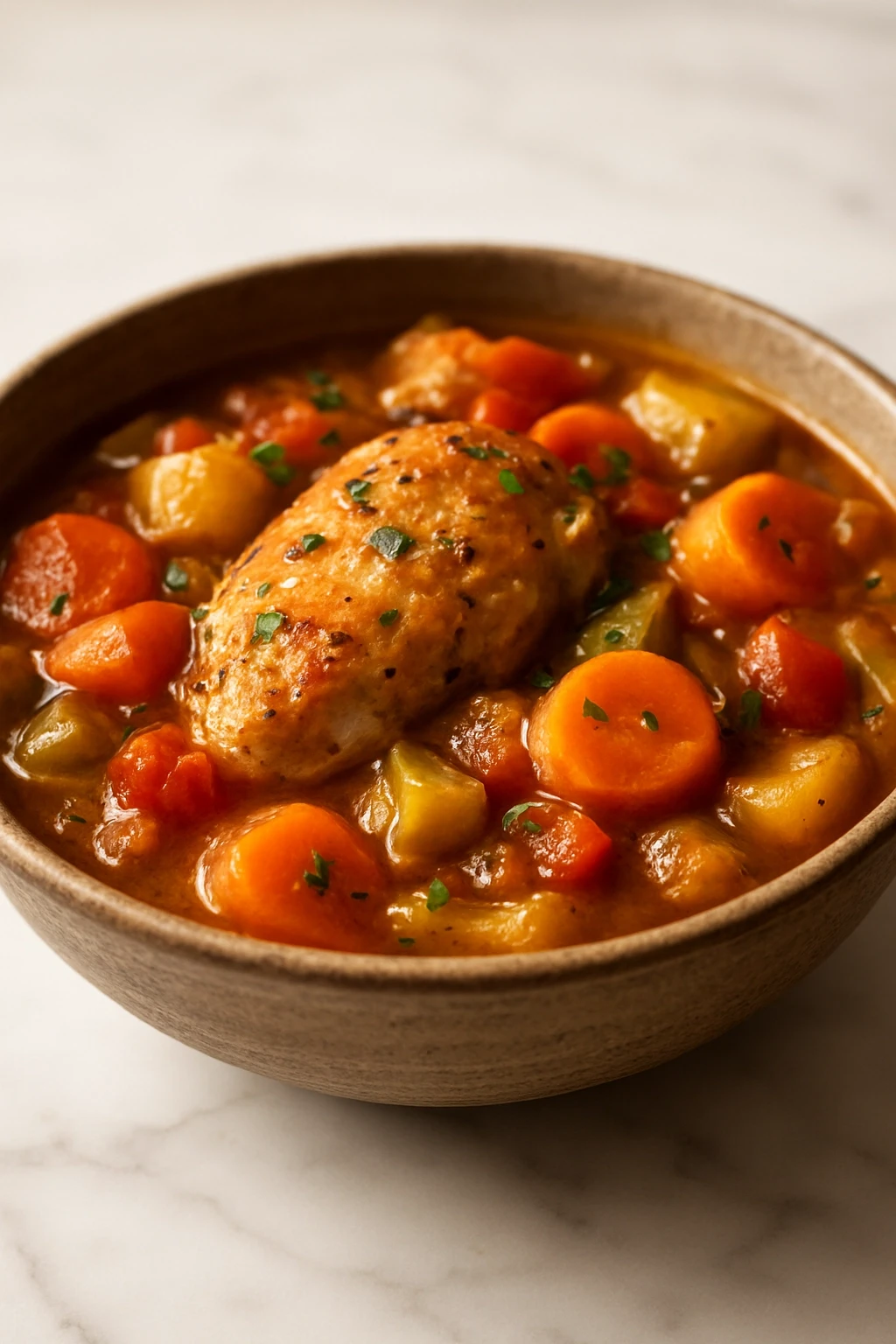
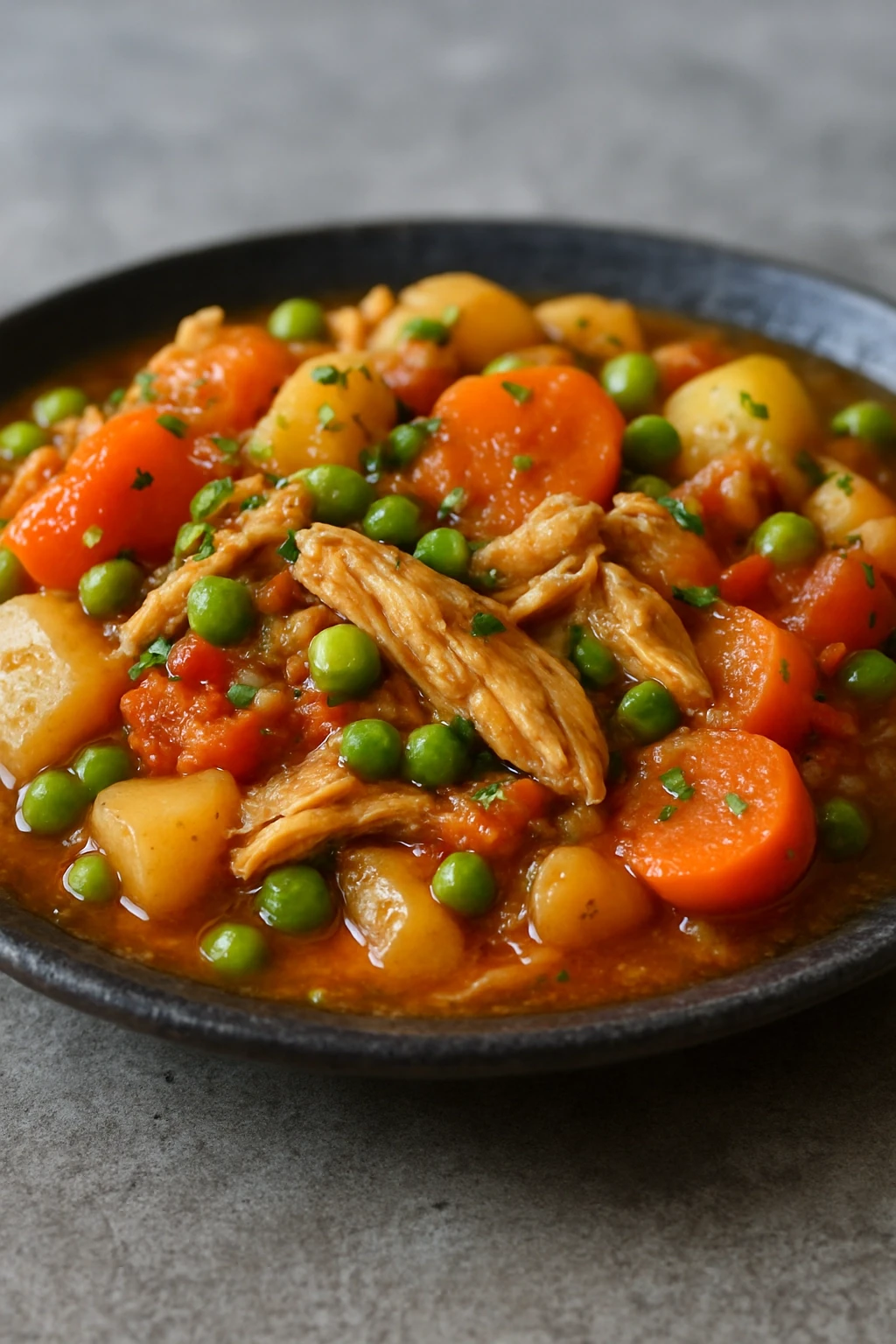
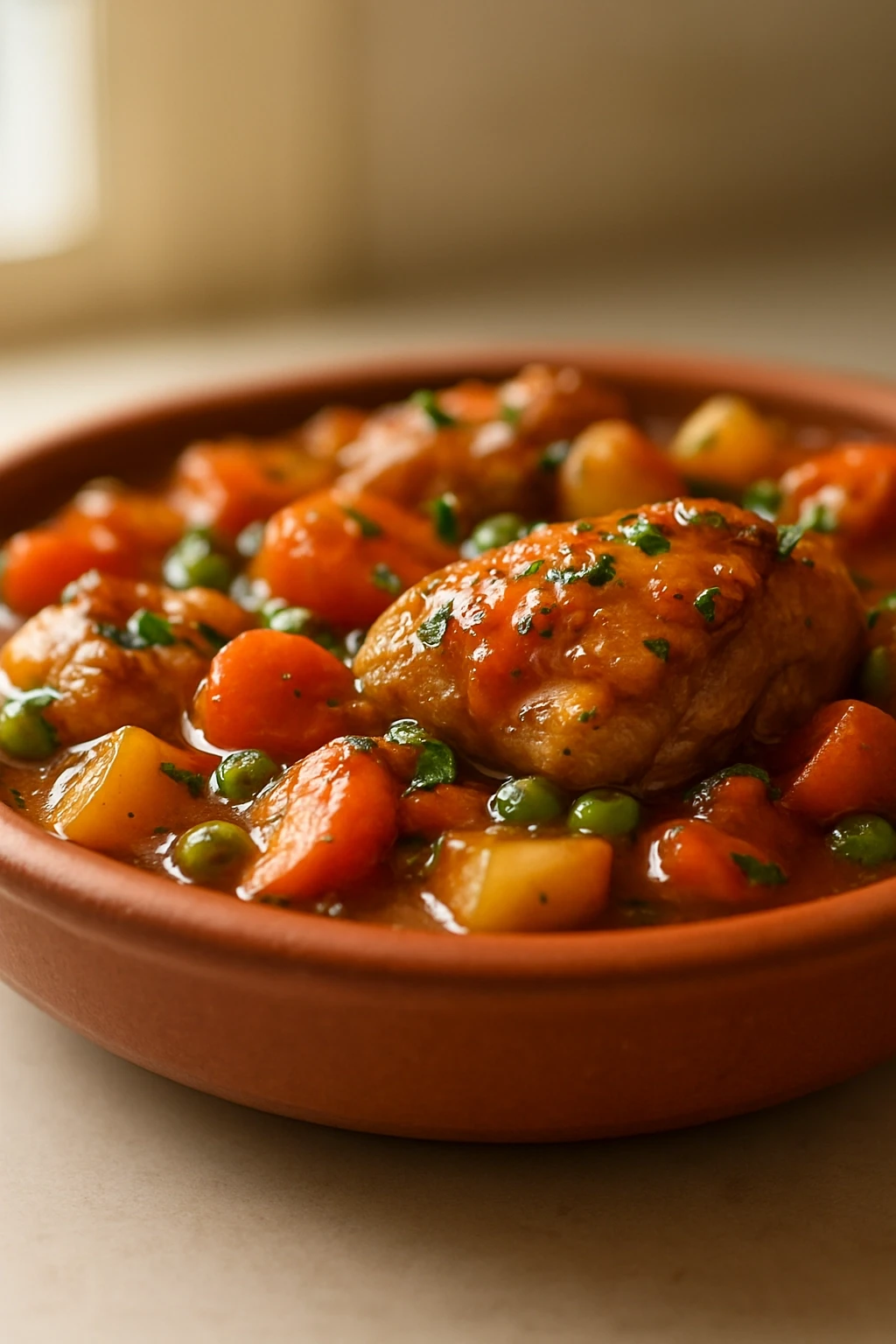
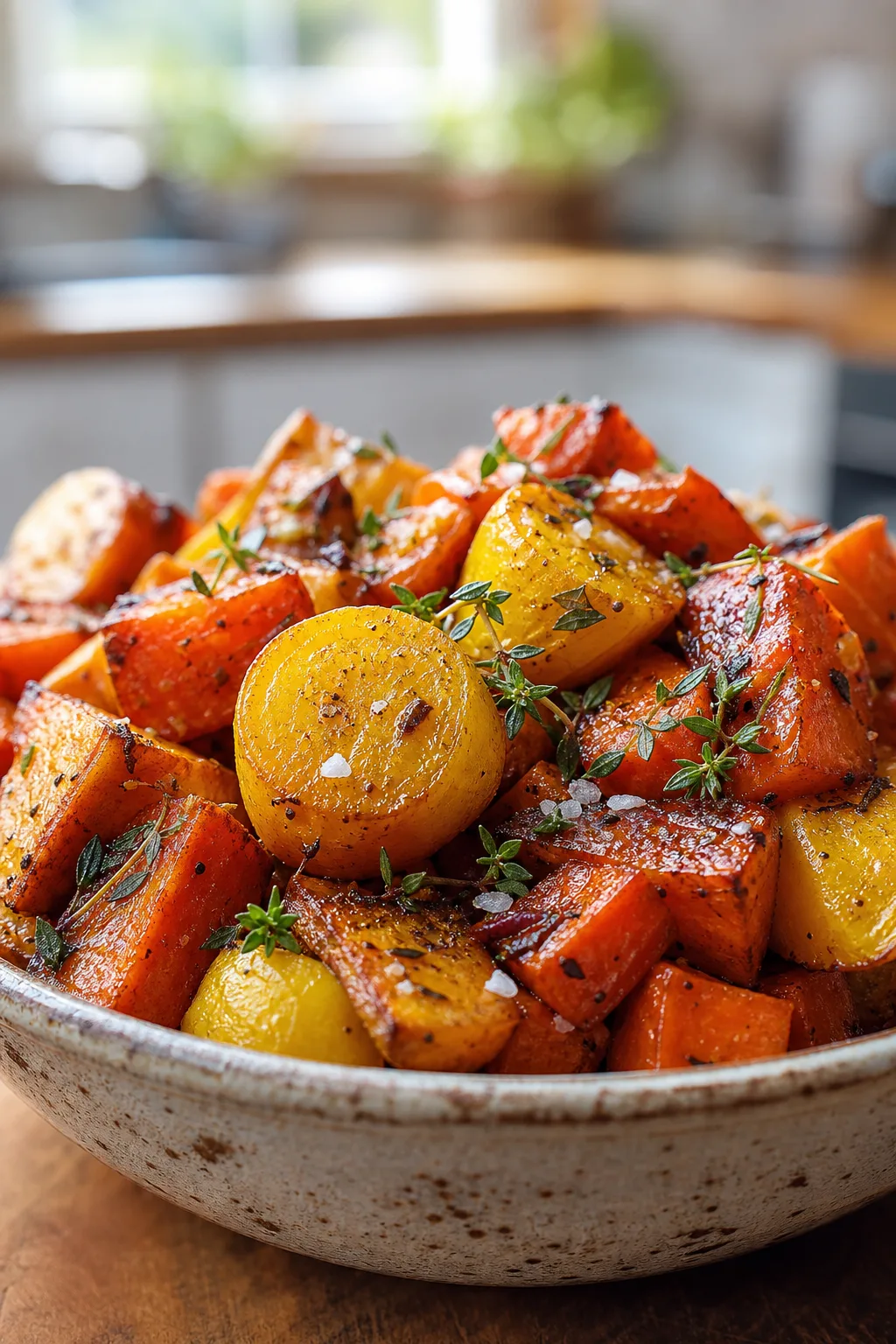
This hearty crockpot chicken stew is the ultimate set-it-and-forget-it dinner. Loaded with fresh veggies and tender chicken, it’s perfect for busy evenings when you want comfort without fuss.
Introduction
I first stumbled upon this crockpot chicken stew on a hectic weeknight when I needed dinner ready with zero babysitting. What I love about this recipe is how forgiving it is — you literally toss everything in and let the slow cooker work its magic. Over time, I tweaked the veggies and seasoning to find the perfect balance of cozy and fresh. The trick I learned is to brown the chicken thighs before adding them; it adds a depth of flavor you don’t get if you just dump raw meat in. Plus, using bone-in chicken thighs gives the broth a richer taste, but boneless works fine if you’re short on time. The stew ends up tender, aromatic, and packed with wholesome veggies. It’s the kind of meal that feels like a warm hug after a long day, and it’s great for leftovers too. I usually serve it with crusty bread or a simple green salad. Honestly, it’s become a staple in my weeknight rotation because it’s just so easy and reliable.
What You'll Need
Approximately 6 hearty servings
- 1.5 pounds boneless skinless chicken thighs, trimmed
- 4 medium carrots, peeled and sliced
- 3 celery stalks, chopped
- 1 large onion, diced
- 3 cloves garlic, minced
- 2 cups baby potatoes, halved
- 1 cup green beans, trimmed and cut
- 4 cups low-sodium chicken broth
- 1 teaspoon dried thyme
- 1 teaspoon dried rosemary
- Salt and black pepper to taste
- 2 tablespoons olive oil
- 1/4 cup fresh parsley, chopped (optional)
How To Do It
Step 1
Start by heating olive oil in a large skillet over medium-high heat. Brown the chicken thighs on both sides until they develop a golden crust, about 3-4 minutes per side. This step is crucial because it locks in flavor and creates those delicious browned bits that deepen the stew’s taste. Don’t rush this part or overcrowd the pan, or the chicken will steam instead of brown. Once browned, transfer the chicken to the crockpot.
⏱ Time: 10 minutes
✓ Doneness: Chicken has a rich golden-brown color on both sides without any pink spots.
Step 2
In the same skillet, toss in the diced onion, carrots, and celery. Sauté them for about 5 minutes until they soften slightly and the onions turn translucent. This step releases their natural sweetness and layers flavor into the stew. If you skip this, the veggies might taste a bit raw or flat. Then add minced garlic and cook for another minute until fragrant—don’t let it burn or it’ll turn bitter. Transfer all the veggies into the crockpot over the chicken.
⏱ Time: 7 minutes
✓ Doneness: Onions are translucent and veggies are slightly softened with a fragrant garlic aroma.
Step 3
Add the halved baby potatoes and green beans into the crockpot. These veggies hold up well during long cooking and add great texture. Pour in the chicken broth, making sure it covers the ingredients. Sprinkle dried thyme, rosemary, salt, and pepper evenly on top. Give everything a gentle stir to combine but avoid breaking up the chicken pieces. This careful layering helps flavors meld while keeping textures intact.
⏱ Time: 5 minutes
✓ Doneness: Ingredients are evenly distributed and broth covers the veggies and chicken.
Step 4
Cover the crockpot and cook on low for 5 to 6 hours or on high for 3 to 4 hours. Slow cooking allows the chicken to become tender and juicy while the vegetables soak up all the savory broth. Resist the urge to lift the lid too often, as this releases heat and prolongs cooking time. The stew is done when the chicken easily shreds with a fork and the potatoes are tender.
⏱ Time: 5-6 hours low or 3-4 hours high
✓ Doneness: Chicken is fork-tender and potatoes are soft but not mushy.
Step 5
Once cooked, taste and adjust seasoning with extra salt or pepper if needed. Stir in fresh chopped parsley for a bright, herbaceous finish that cuts through the richness. This last touch makes the stew feel fresh and homey. Serve hot with crusty bread or over rice for a filling meal.
⏱ Time: 5 minutes
✓ Doneness: Stew smells fragrant with herbs and tastes balanced and comforting.
Pro Tips
Brown the chicken before slow cooking.
Browning triggers the Maillard reaction, creating complex flavors and a richer color. Skipping this step means the stew might taste bland or lack depth. Plus, the browned bits help thicken the broth slightly, enhancing mouthfeel.
Don’t lift the lid during cooking.
Every time you lift the lid, heat escapes and extends cooking time. Slow cookers rely on trapped steam to cook evenly. Constantly checking can result in unevenly cooked meat and veggies, or longer wait times.
Use bone-in chicken thighs if possible.
Bones add collagen and gelatin to the broth, enriching texture and flavor. They also help keep the meat tender and juicy during long cooking. Boneless can work but may yield a less flavorful broth.
Add delicate vegetables like green beans later.
Green beans cook quickly and can become mushy if left in too long. Adding them halfway through or toward the end preserves their texture and fresh flavor, balancing the stew’s heartiness.
Season lightly at first, then adjust at the end.
Slow cooking concentrates flavors, so initial seasoning should be moderate. Adding salt too early risks over-salting. Tasting and adjusting at the end ensures perfect balance.
Use fresh herbs as garnish, not in the cooking pot.
Fresh herbs lose their brightness and turn dull if cooked too long. Adding parsley or cilantro at the end refreshes the dish and adds a pop of color and flavor.
Cut vegetables into uniform sizes.
Uniform pieces cook evenly, preventing some from being mushy while others remain undercooked. This helps achieve consistent texture and appearance.
Common Mistakes to Avoid
Skipping browning the chicken
Why it happens Many assume slow cooking alone builds enough flavor, so they skip this step to save time.
Fix Take the extra 10 minutes to brown the chicken. It creates flavor compounds that slow cooking can’t develop on its own. Use medium-high heat and don’t overcrowd the pan to get a good sear.
Overcooking delicate vegetables
Why it happens Adding all veggies at once seems simpler, but some cook faster than others.
Fix Add quick-cooking veggies like green beans in the last hour of cooking to keep them tender-crisp and vibrant.
Lifting the lid repeatedly
Why it happens It’s tempting to check progress, but it disrupts the cooking environment.
Fix Trust the slow cooker and only check near the end. Use the timer and visual cues instead of peeking.
Using chicken breast instead of thighs without adjusting cook time
Why it happens Breasts cook faster and can dry out if cooked as long as thighs.
Fix If using breasts, add them halfway through cooking or reduce cook time to prevent dryness.
Not seasoning at the end
Why it happens Some season only at the start, missing the chance to balance flavors after cooking.
Fix Always taste and adjust salt, pepper, or herbs after cooking to get the best flavor.
Variations
Spicy Southwest Stew
Swap thyme and rosemary for cumin, smoked paprika, and chili powder. Add diced jalapeños and black beans for a southwestern twist. This version has a smoky, spicy kick and a thicker broth.
Note: Add beans in the last hour to avoid overcooking. Adjust spice levels gradually.
Creamy Coconut Curry Stew
Add a can of coconut milk and curry powder instead of herbs. Include sweet potatoes and bell peppers for sweetness and color. The stew turns creamy and aromatic with a subtle heat.
Note: Add coconut milk in the last hour to prevent curdling and maintain creaminess.
Mediterranean Herb Stew
Use oregano, basil, and lemon zest instead of thyme and rosemary. Add olives and sun-dried tomatoes for briny flavor. Serve with crusty bread or over couscous.
Note: Add olives and sun-dried tomatoes near the end to preserve texture and flavor.
Vegetarian Crockpot Stew
Replace chicken with hearty mushrooms and extra beans or lentils. Use vegetable broth and add more root vegetables like parsnips and turnips for depth.
Note: Increase cooking time slightly to soften beans and root veggies fully.
Hearty Beef and Barley Stew
Swap chicken for cubed beef chuck and add pearl barley for a filling, rustic stew. Brown beef well before slow cooking and add barley in the last 1.5 hours.
Note: Beef requires longer cooking to become tender; adjust time accordingly.
Nutrition
Per Serving:
Nutritional values are estimates and may vary based on specific ingredients used.
Storage & Tips
Room Temperature
You can safely keep the stew at room temperature for up to 2 hours if covered. Beyond that, bacteria growth increases, so refrigerate promptly.
Refrigerator
Store leftovers in an airtight container for up to 4 days. The flavors deepen overnight, but the vegetables may soften further. Reheat gently to avoid drying out the chicken.
Freezer
Freeze the stew for up to 3 months in freezer-safe containers or heavy-duty bags. Cool completely before freezing to prevent ice crystals. Thaw overnight in the fridge before reheating.
Reheating
Reheat on the stovetop over medium-low heat, stirring occasionally. Add a splash of broth or water if it seems too thick. Avoid microwaving at high power to prevent uneven heating and drying.
Make Ahead
Prepare all ingredients and brown the chicken a day ahead. Store everything in the crockpot insert in the fridge overnight, then cook the next day. This saves prep time and enhances flavor melding.
FAQ
Can I use chicken breasts instead of thighs?
Yes, but chicken breasts cook faster and can dry out if cooked too long. To avoid this, add breasts halfway through the cooking time or reduce the total cook time. Thighs are preferred for their juiciness and flavor.
Do I have to brown the chicken first?
Browning isn’t mandatory but highly recommended. It develops flavor through the Maillard reaction and adds a richer color and taste to the stew. Skipping this step will still yield a good stew but less complex in flavor.
Can I add other vegetables?
Absolutely! Root vegetables like parsnips, turnips, or sweet potatoes work well. Just consider their cooking times—add delicate veggies later to avoid mushiness. Experimenting with your favorites is part of the fun.
How thick will the stew be?
This stew is brothy but hearty, with a slightly thickened broth from the chicken and veggies. If you prefer thicker stew, you can mash some potatoes or add a slurry of cornstarch and water near the end and cook until thickened.
Can I use store-bought broth?
Yes, but choose low-sodium broth to control salt levels better. Homemade broth adds more depth and richness but isn’t required. Avoid broth with artificial additives for best flavor.
Can I cook this on high instead of low?
Yes, cooking on high will reduce the time to about 3-4 hours. However, low and slow cooking yields more tender meat and better flavor development. High heat risks drying the chicken if overcooked.
How do I store leftovers safely?
Cool leftovers quickly and store in airtight containers in the fridge for up to 4 days. For longer storage, freeze in portioned containers. Reheat thoroughly before serving to ensure food safety.
Is this recipe gluten-free?
Yes, as written this stew is naturally gluten-free. Just be sure to use gluten-free chicken broth and avoid any added thickeners containing gluten.
Can I add rice or pasta to make it a one-pot meal?
You can add rice or pasta, but it’s best to cook them separately and add just before serving to avoid mushiness. Adding them during slow cooking often results in overcooked grains.
What’s the best way to reheat leftovers?
Reheat gently on the stovetop over low to medium heat, stirring occasionally. Add a splash of broth or water if the stew thickened too much. Avoid high heat or microwave reheating at full power to prevent drying out.
Final Thoughts
I hope you give this crockpot chicken stew a try—it’s a comforting, easy meal that works great any night of the week. Let me know how it turns out!