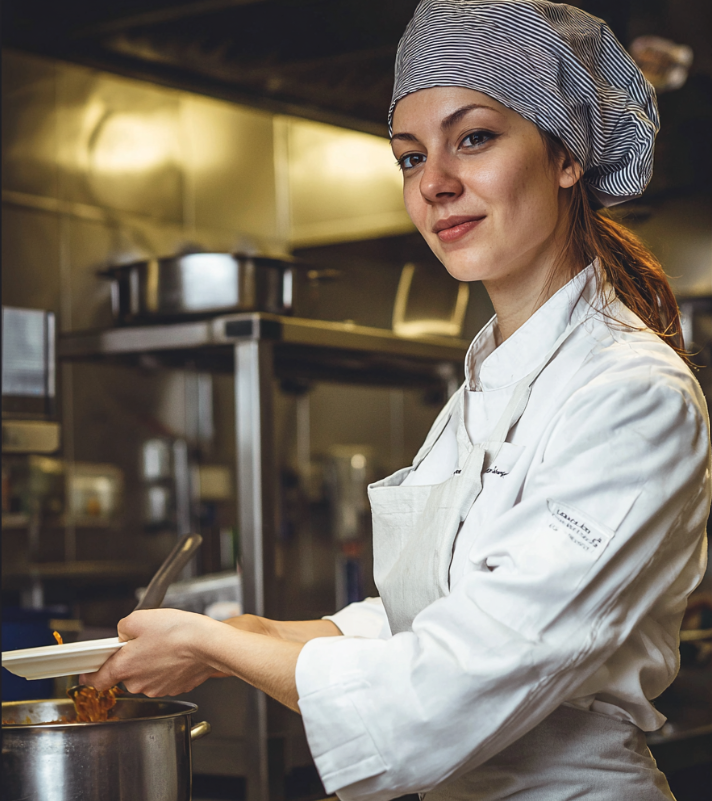
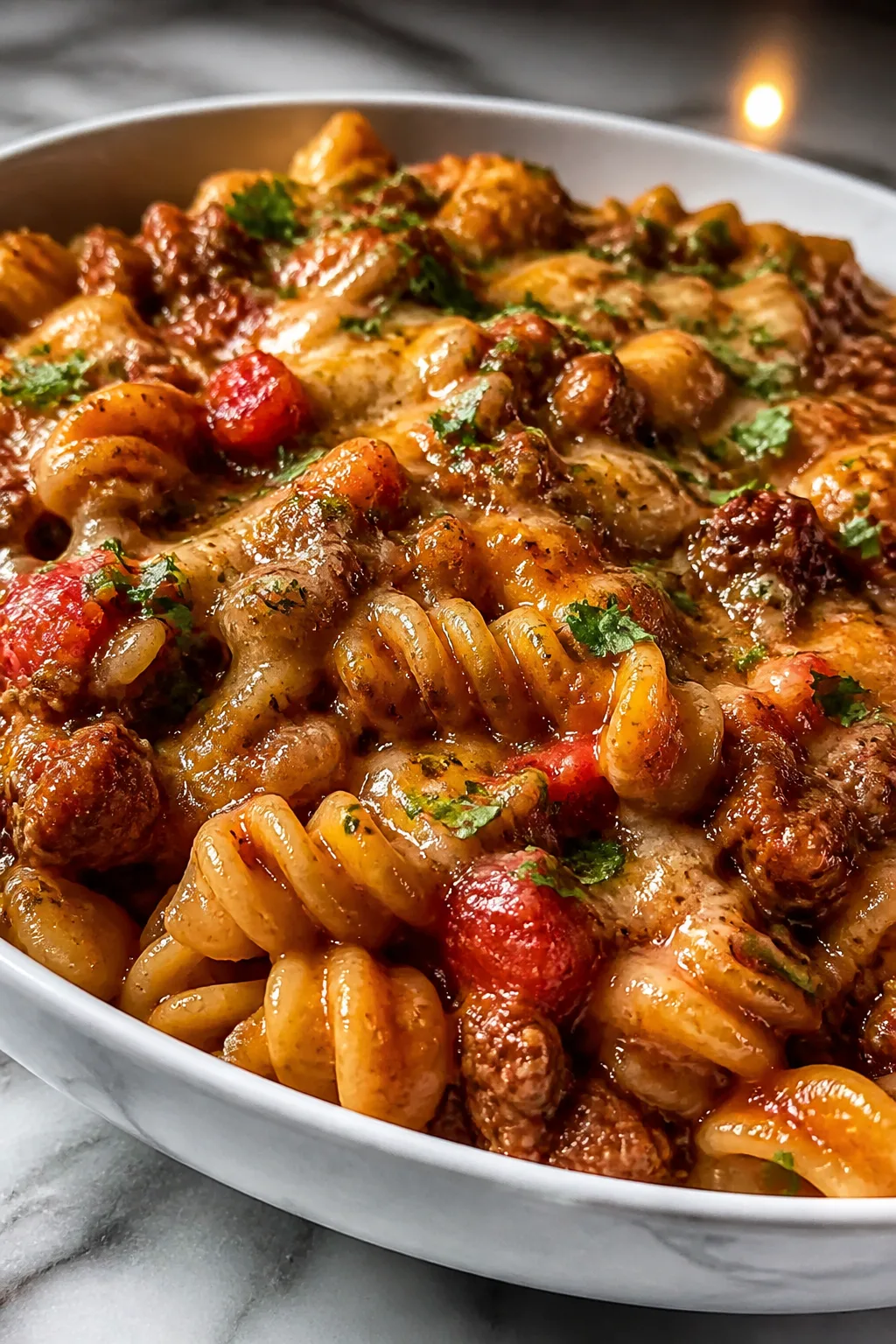
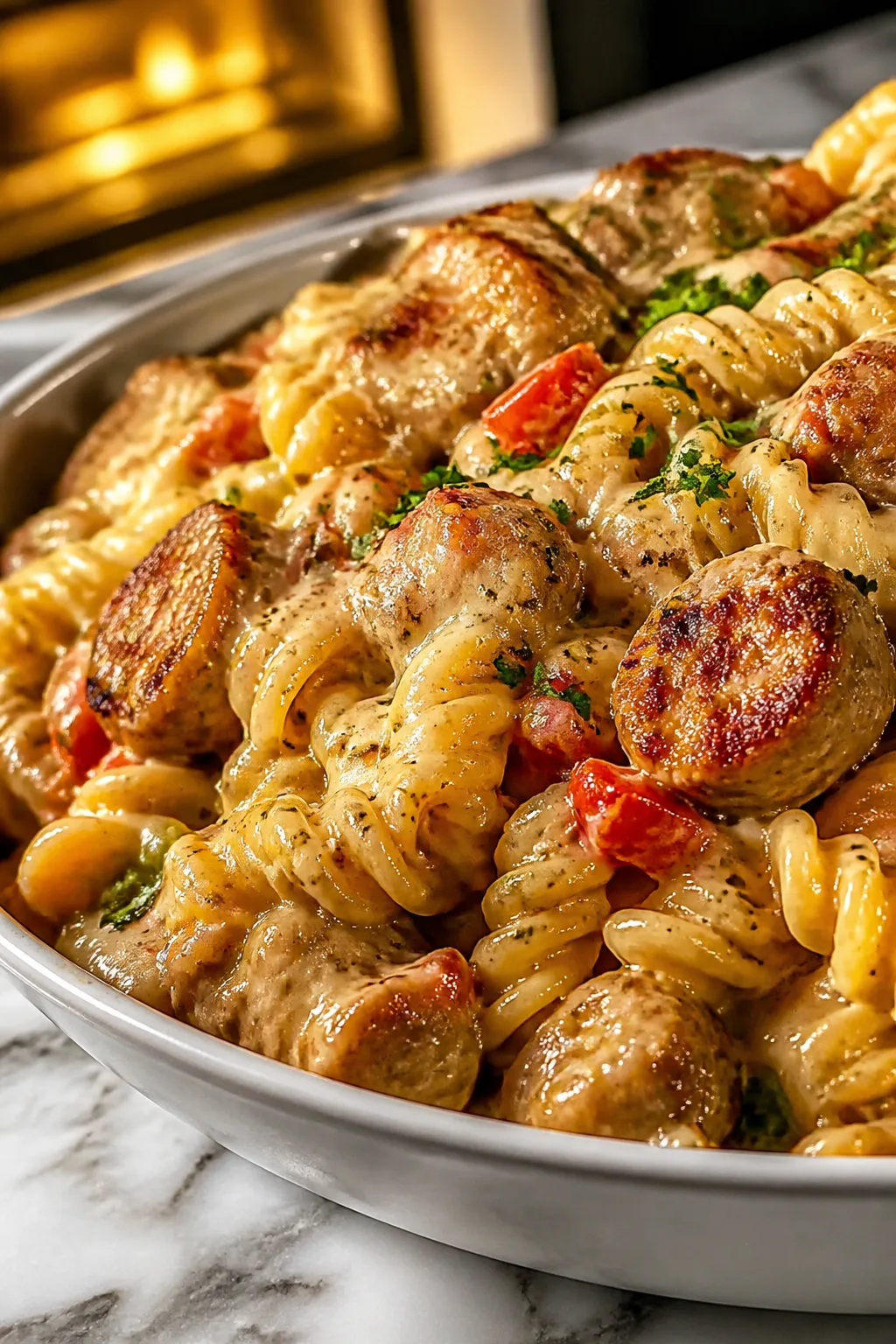
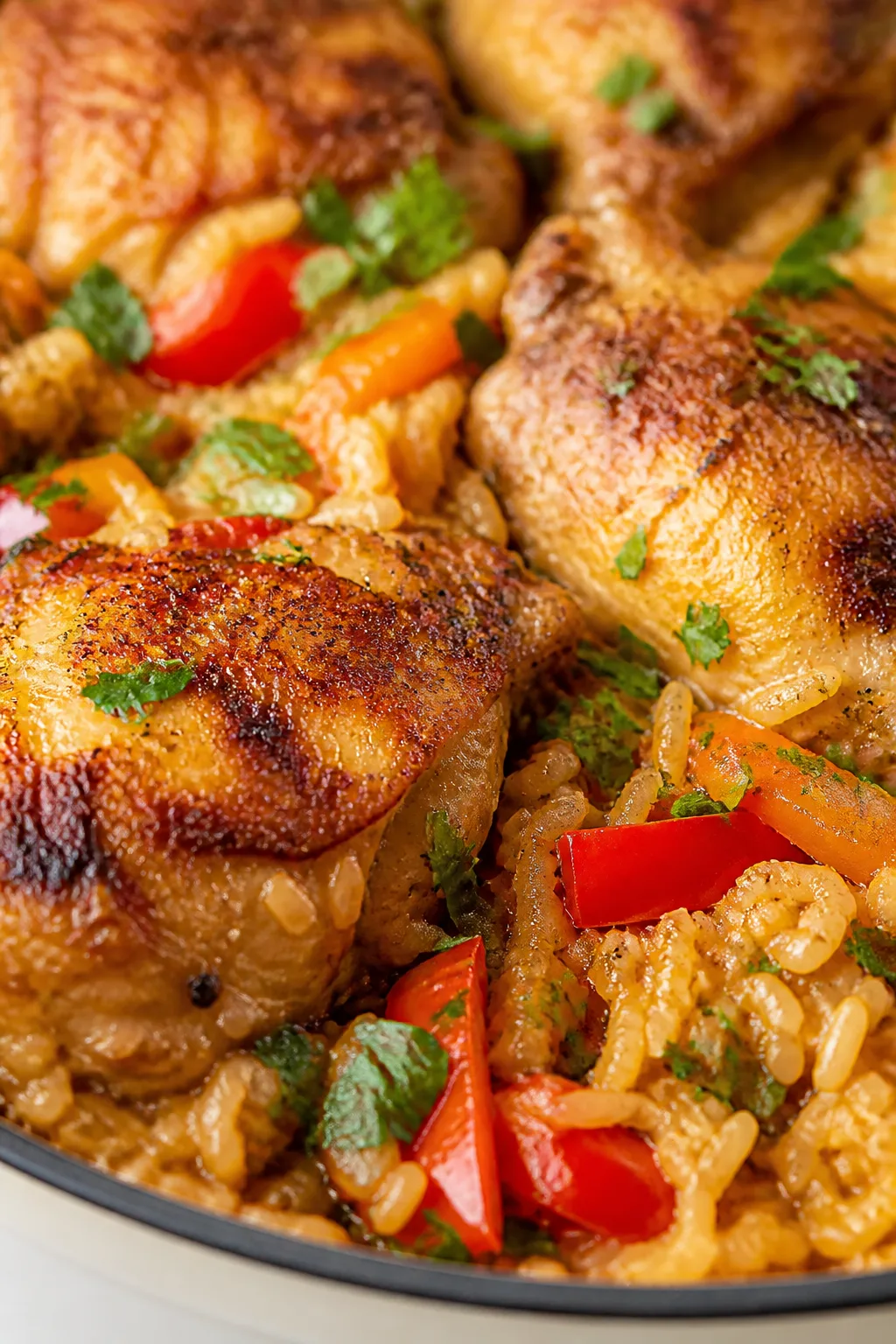
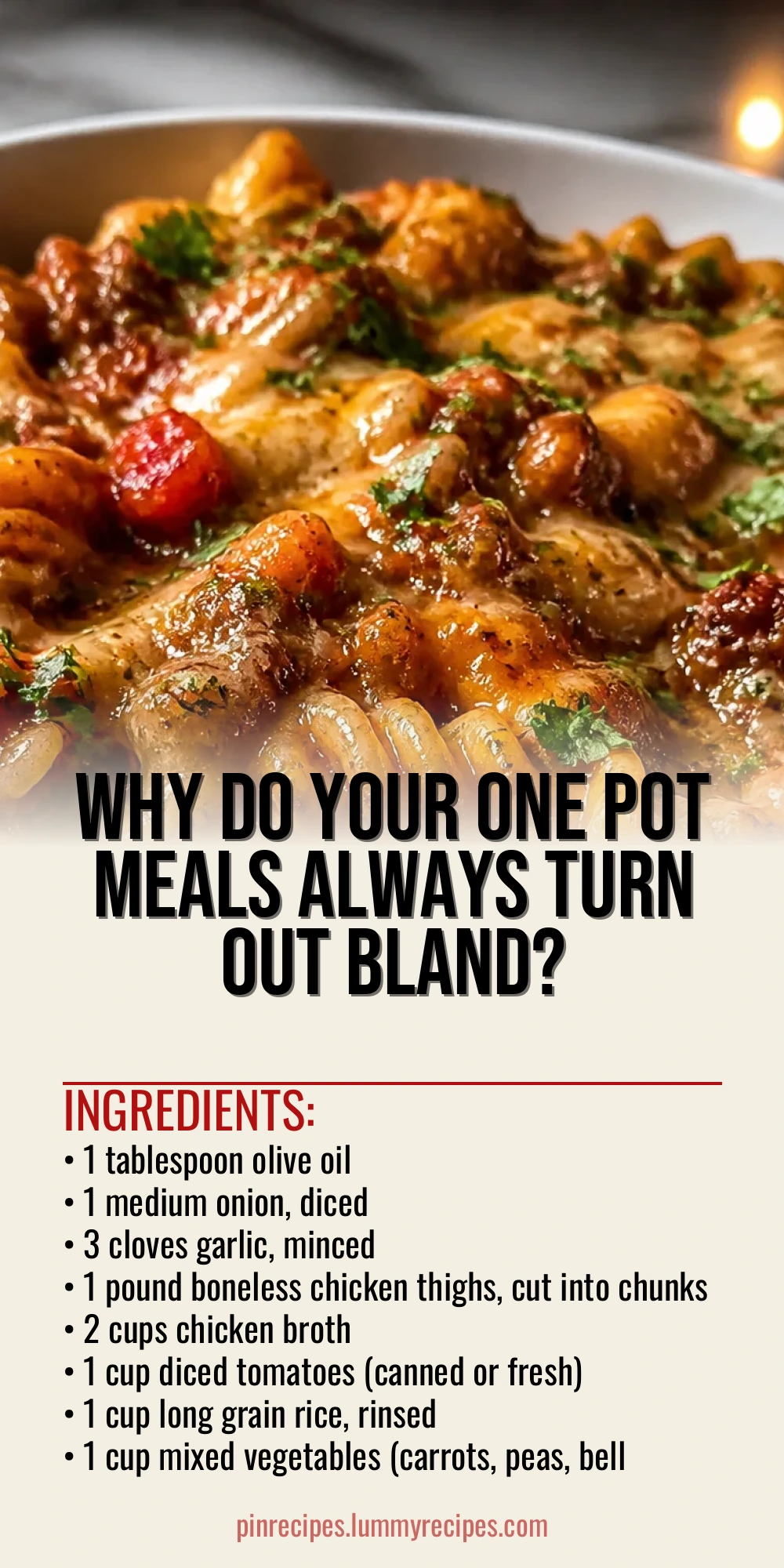
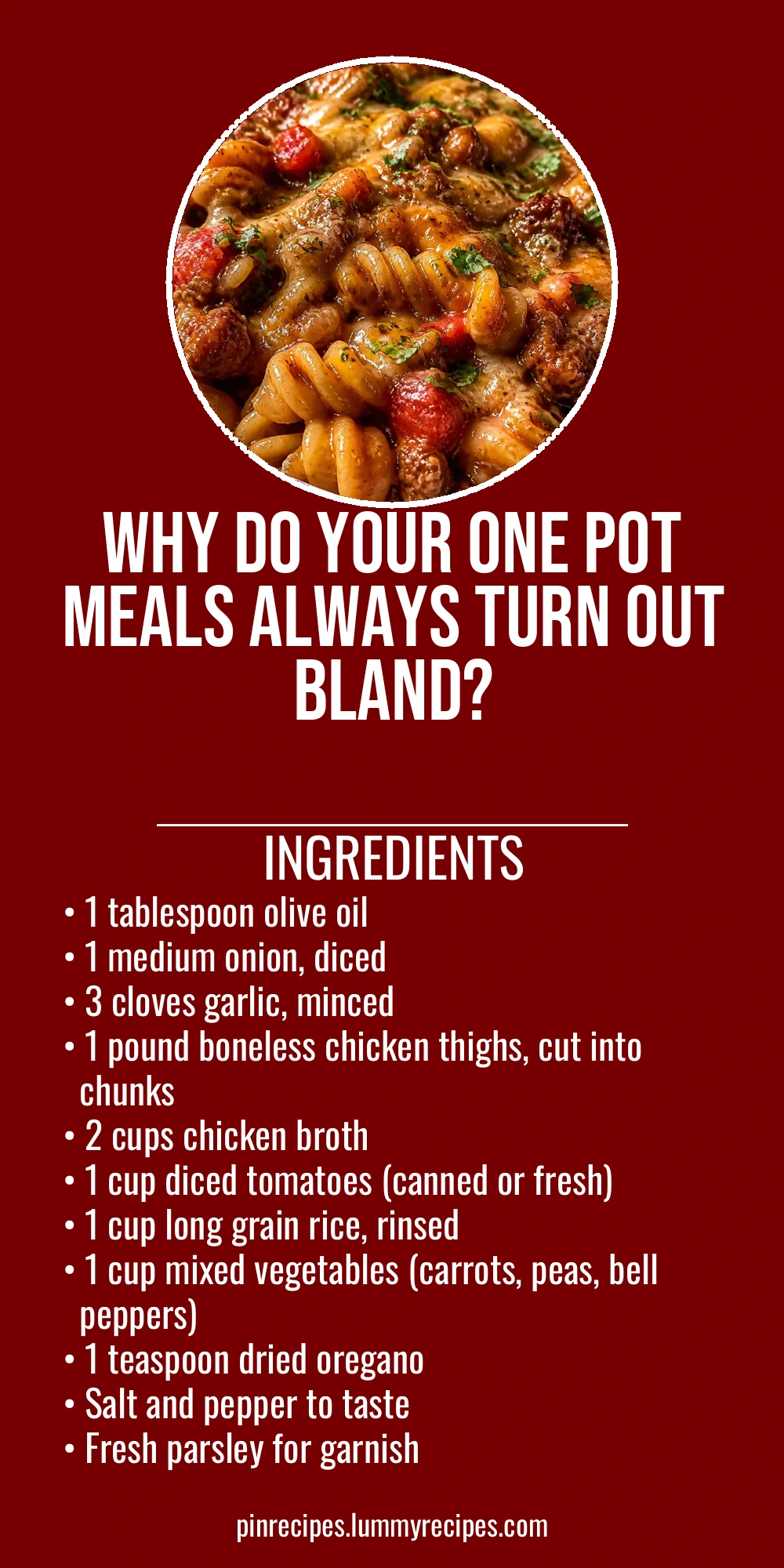
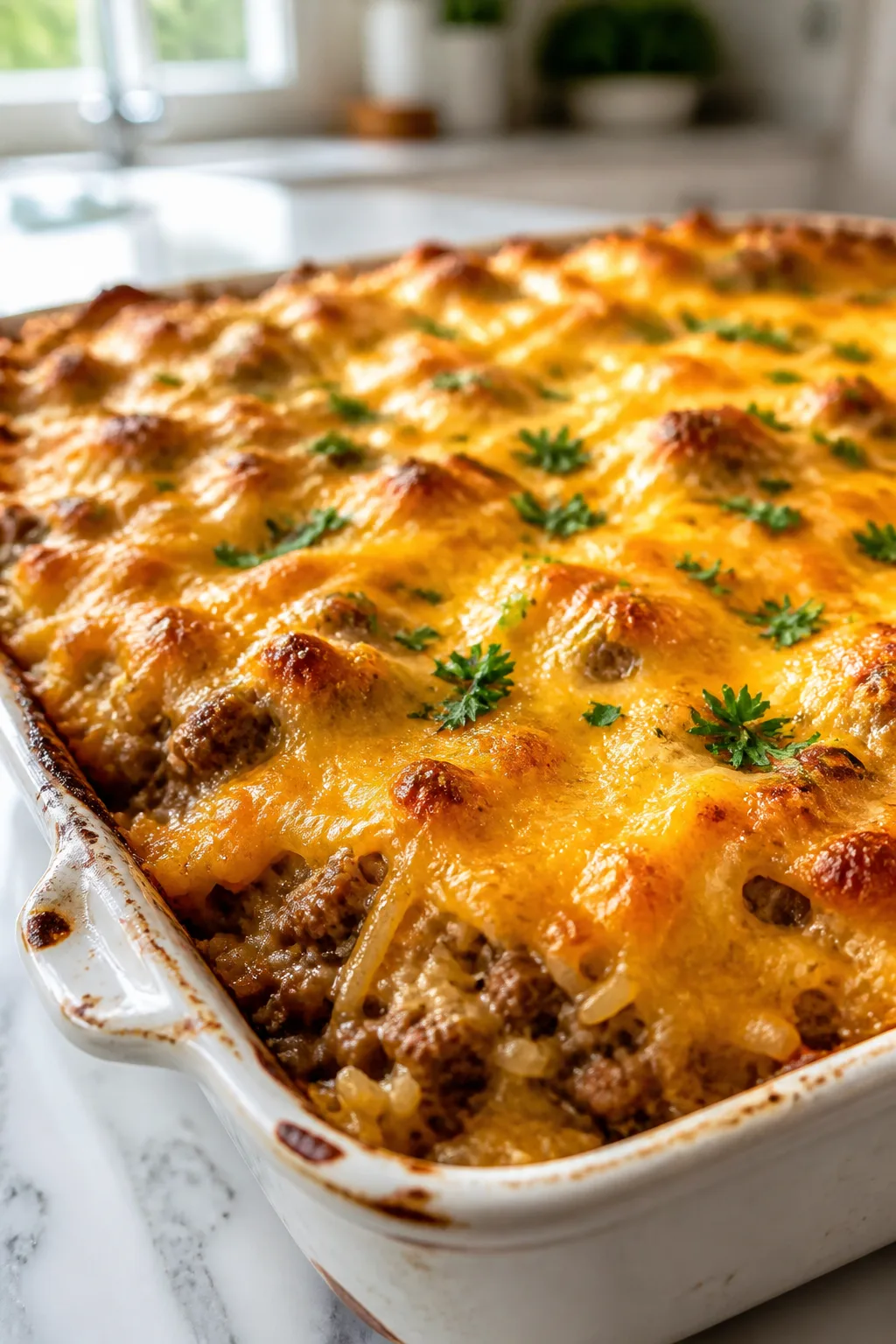
I love this one pot cook recipe because it’s super simple and cuts down on cleanup. The secret is layering flavors with garlic and herbs, making it perfect for busy weeknights when you want a wholesome meal fast.
Introduction
I first tried this one pot cook recipe on a hectic weeknight when I wanted something quick but satisfying. What makes this version stand out is the simple layering of ingredients right in the pot, which means you get deep flavors without fuss. I learned that sautéing the onion and garlic first builds a great base, and adding the rice and broth all at once lets everything cook evenly without stirring constantly. The result is a tender, juicy chicken with perfectly cooked rice and veggies all in one pot—no extra pans to wash, which is a big win in my book. Plus, it’s flexible enough to swap in whatever veggies you have on hand. I love serving this when I want a cozy, homemade meal that doesn’t take hours but still feels special.
How To Do It
Step 1
Heat the olive oil over medium heat in a large pot or deep skillet. Add the diced onion and cook, stirring occasionally, until it’s translucent and soft, about 5 minutes. This step is crucial because it releases the onion’s natural sweetness and forms the flavor base. Avoid rushing this part or turning the heat too high, as burning the onion will add bitterness instead of depth.
⏱ Time: 5
✓ Doneness: Onions are soft, translucent, and slightly golden around the edges
Step 2
Add the minced garlic and cook for about 1 minute until fragrant, stirring constantly to prevent burning. Garlic cooks quickly and can become bitter if overcooked, so watch it closely. This step infuses the oil with flavor, which carries through the entire dish.
⏱ Time: 1
✓ Doneness: Garlic aroma fills the kitchen, and garlic pieces look lightly golden
Step 3
Add the chicken chunks to the pot, seasoning with salt, pepper, and oregano. Cook for about 5-7 minutes, stirring occasionally, until the chicken is lightly browned but not fully cooked through. Browning the chicken adds a rich, savory flavor through the Maillard reaction, which deepens the dish’s taste.
⏱ Time: 7
✓ Doneness: Chicken is golden on the outside but still slightly pink inside
Step 4
Pour in the chicken broth and diced tomatoes, scraping the bottom of the pot to loosen any browned bits. These bits add extra flavor, so don’t skip this step. Bring the mixture to a gentle boil before adding the rice.
⏱ Time: 3
✓ Doneness: Liquid is simmering with visible bubbles
Step 5
Add the rinsed rice and stir to combine, making sure the rice is evenly distributed. This ensures even cooking and prevents clumping. Avoid stirring too much once the rice starts cooking to keep it fluffy.
⏱ Time: 1
✓ Doneness: Rice is submerged and evenly spread throughout the liquid
Step 6
Reduce heat to low, cover the pot, and let everything simmer gently for 15 minutes. Resist the urge to lift the lid or stir, as this lets steam cook the rice properly. If you rush this step, the rice might turn mushy or undercooked.
⏱ Time: 15
✓ Doneness: Rice has absorbed most of the liquid and is tender
Step 7
Add the mixed vegetables on top, cover again, and cook for another 5-7 minutes until the vegetables are tender but still vibrant. Adding veggies later prevents them from overcooking and losing texture and color.
⏱ Time: 7
✓ Doneness: Vegetables are bright in color and fork-tender
Step 8
Turn off the heat and let the pot sit covered for 5 minutes. This resting period allows the flavors to meld and the rice to finish steaming, making the dish more cohesive and flavorful.
⏱ Time: 5
✓ Doneness: Steam escapes when lid is lifted, and dish smells aromatic
Step 9
Fluff the rice gently with a fork, garnish with fresh parsley, and serve warm. Fluffing separates the grains and prevents clumping, giving a light texture. Enjoy your easy, comforting one pot meal!
⏱ Time: 2
✓ Doneness: Rice grains are separated and fluffy, dish looks colorful
Pro Tips
Sauté onions and garlic slowly over medium heat.
Slow cooking releases sugars in onions, creating natural sweetness and depth. High heat can burn them, making the dish bitter and unbalanced.
Brown the chicken before adding liquid.
Browning triggers complex flavor development through the Maillard reaction, enhancing the savory profile and locking in juices for tender meat.
Rinse rice thoroughly before cooking.
Rinsing removes excess surface starch that causes rice to clump or become gummy, ensuring fluffy, separate grains.
Add vegetables towards the end of cooking.
This preserves their texture and color, avoiding mushy or dull veggies that can make the dish less appealing.
Let the dish rest off heat before serving.
Resting allows steam to finish cooking the rice evenly and lets flavors meld, resulting in a more harmonious taste.
Use low-sodium broth to control seasoning.
Broth varies in salt content; starting low lets you adjust seasoning at the end, preventing an overly salty dish.
Avoid stirring rice while it cooks.
Stirring releases starch, making rice sticky and clumpy instead of light and fluffy.
Common Mistakes to Avoid
Skipping the browning step for chicken.
Why it happens Many assume cooking through is enough and rush to add liquid, missing out on flavor development.
Fix Take time to brown chicken pieces until golden. This adds savory depth and seals juices, improving texture and taste.
Not rinsing rice before cooking.
Why it happens People often overlook this step or think it’s unnecessary, leading to sticky rice.
Fix Rinse rice under cold water until water runs clear to remove starch and ensure fluffy grains.
Lifting the lid during simmering.
Why it happens Impatience or curiosity leads to lifting the lid, letting steam escape and affecting cooking.
Fix Keep the lid closed to trap steam and cook rice evenly. Wait until recommended time before checking.
Overcooking vegetables by adding them too early.
Why it happens Adding veggies with rice can make them mushy and dull in color.
Fix Add vegetables in the last 5-7 minutes to keep them tender-crisp and vibrant.
Using chicken breasts without adjusting cooking time.
Why it happens Breasts cook faster and dry out if cooked too long like thighs.
Fix If using breasts, reduce simmer time and check doneness frequently to keep moist.
Variations
Vegetarian One Pot Cook
Swap chicken for firm tofu or chickpeas and use vegetable broth instead. Add hearty veggies like mushrooms and zucchini for a filling plant-based meal with similar comforting flavors.
Note: Cooking time may be slightly shorter; check tofu texture or chickpea softness to avoid overcooking.
Spicy One Pot Cook
Add red pepper flakes or diced jalapeños when sautéing onions for a kick. Finish with a squeeze of lime to brighten the flavors and balance heat.
Note: Adjust spice level to taste; be cautious not to overpower milder ingredients.
Creamy One Pot Cook
Stir in 1/4 cup heavy cream or coconut milk at the end for a richer, creamier texture that adds indulgence without extra steps.
Note: Add cream off heat to prevent curdling and maintain smoothness.
Herb-Infused One Pot Cook
Use fresh herbs like thyme, rosemary, or basil added during cooking for a fragrant, garden-fresh flavor boost that elevates the dish.
Note: Add delicate herbs like basil at the end to preserve aroma; sturdier herbs can go in early.
One Pot Cook with Quinoa
Replace rice with quinoa for a protein-packed twist. Quinoa cooks faster, so reduce simmer time accordingly and add extra broth if needed.
Note: Rinse quinoa well to remove bitterness; monitor liquid absorption closely.
Nutrition
Per Serving:
Nutritional values are estimates and may vary based on specific ingredients used.
Storage & Tips
Room Temperature
This dish can safely sit covered at room temperature for up to 2 hours. Beyond that, bacteria growth increases, so refrigerate promptly. Keep covered to avoid drying out.
Refrigerator
Store leftovers in an airtight container for up to 4 days. The flavors meld further but rice may firm up. Reheat gently to restore moisture, adding a splash of broth or water if needed.
Freezer
Freeze in a sealed container for up to 3 months. Wrap tightly to prevent freezer burn. Thaw overnight in fridge before reheating to maintain texture.
Reheating
Reheat on stovetop over low heat or in microwave. Add a splash of broth or water to loosen rice and cover to trap steam. Avoid overheating which can dry out chicken and veggies.
Make Ahead
You can prep and sauté onions, garlic, and chicken a day ahead and refrigerate. Assemble and cook rice and broth mixture on the day of serving for freshest texture.
FAQ
Can I use brown rice instead of white rice?
Yes, but brown rice takes longer to cook and requires more liquid. Increase simmer time by about 20 minutes and add extra broth to ensure it cooks fully without drying out.
What if I don’t have chicken broth?
You can substitute with water, but the flavor will be less rich. Add extra seasoning like herbs or a bouillon cube to compensate.
Can I make this recipe in a slow cooker?
Yes, but timing and liquid amounts need adjustment. Slow cookers don’t evaporate liquid as much, so reduce broth slightly and cook on low for 3-4 hours.
How do I keep the rice from sticking to the pot?
Use a heavy-bottomed pot and stir briefly when adding rice. Avoid stirring while cooking to prevent starch release. Also, make sure there is enough liquid to cover the rice.
Can I use chicken breasts instead of thighs?
Yes, but breasts cook faster and can dry out. Add them later in the cooking process and monitor closely to keep them juicy.
Is it okay to add frozen vegetables?
Absolutely. Add frozen veggies in the last 5-7 minutes of cooking to thaw and heat through without overcooking.
Can I double this recipe for a larger crowd?
Yes, but cooking time may increase slightly. Use a larger pot and ensure liquid covers the rice and chicken evenly for consistent cooking.
What herbs work best in this recipe?
Dried oregano is classic, but thyme, rosemary, or parsley also complement the flavors well. Add delicate herbs at the end to preserve freshness.
Final Thoughts
Give this one pot cook recipe a try—it’s a simple, tasty way to get dinner on the table with minimal fuss. I’d love to hear how it turns out for you!