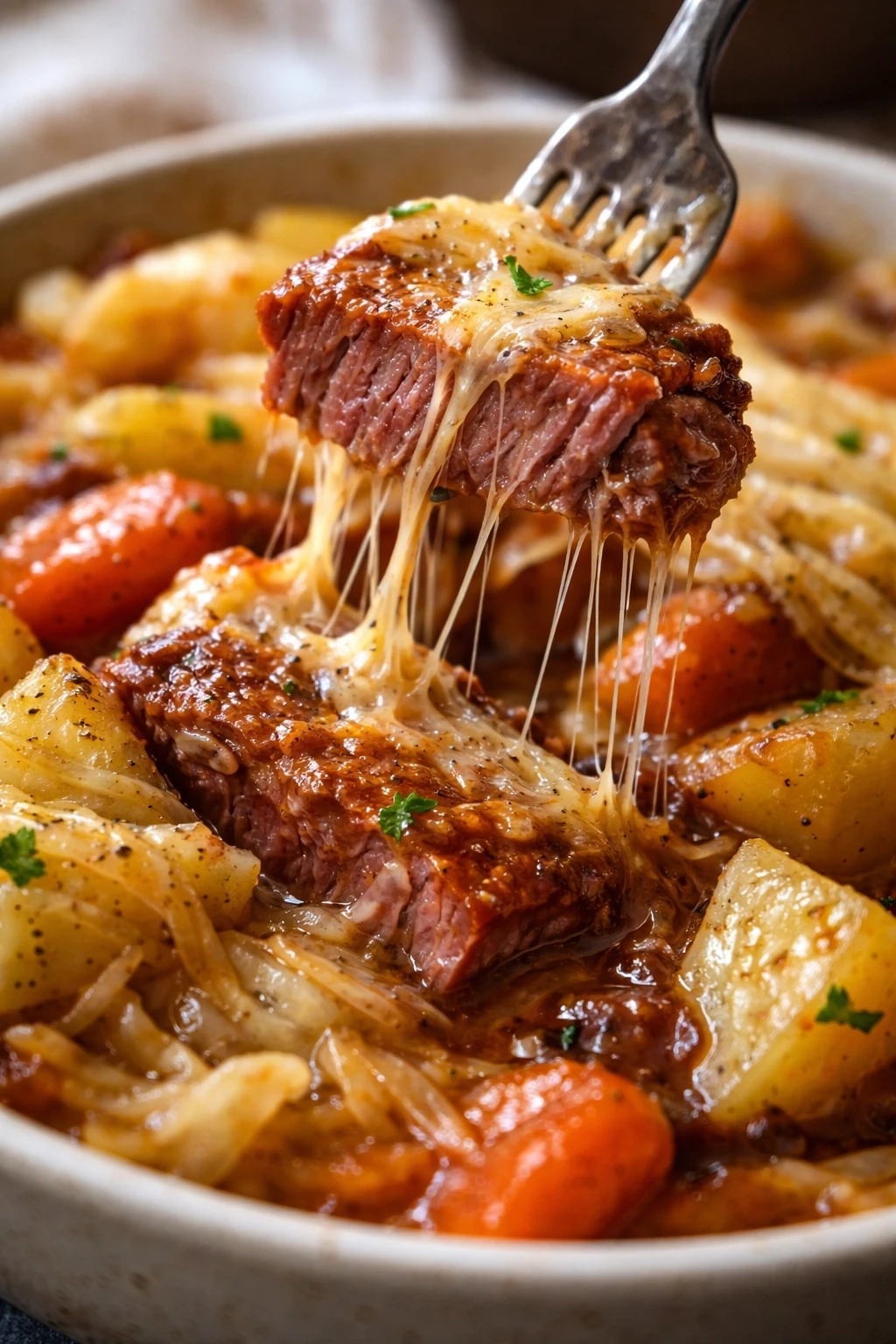
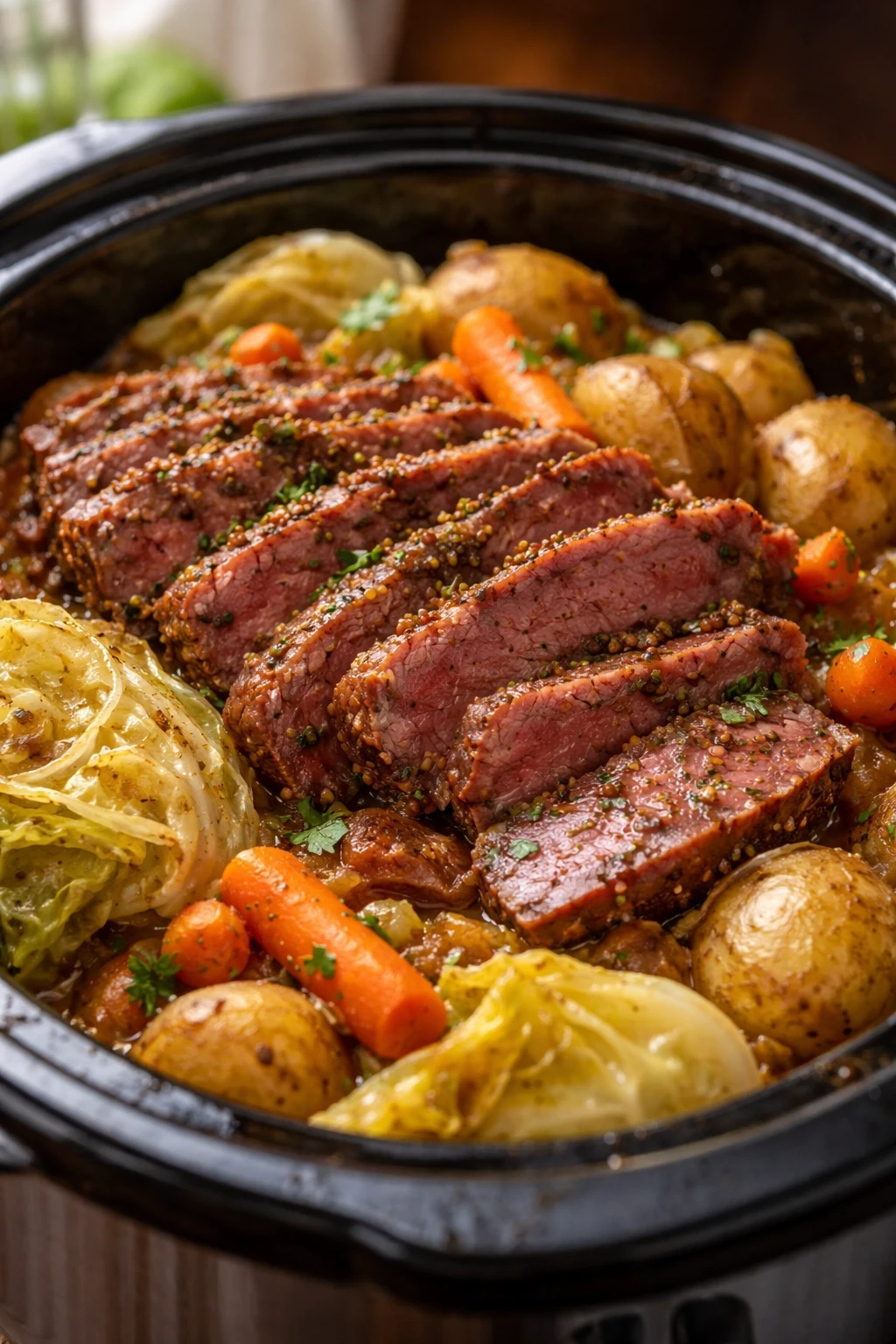
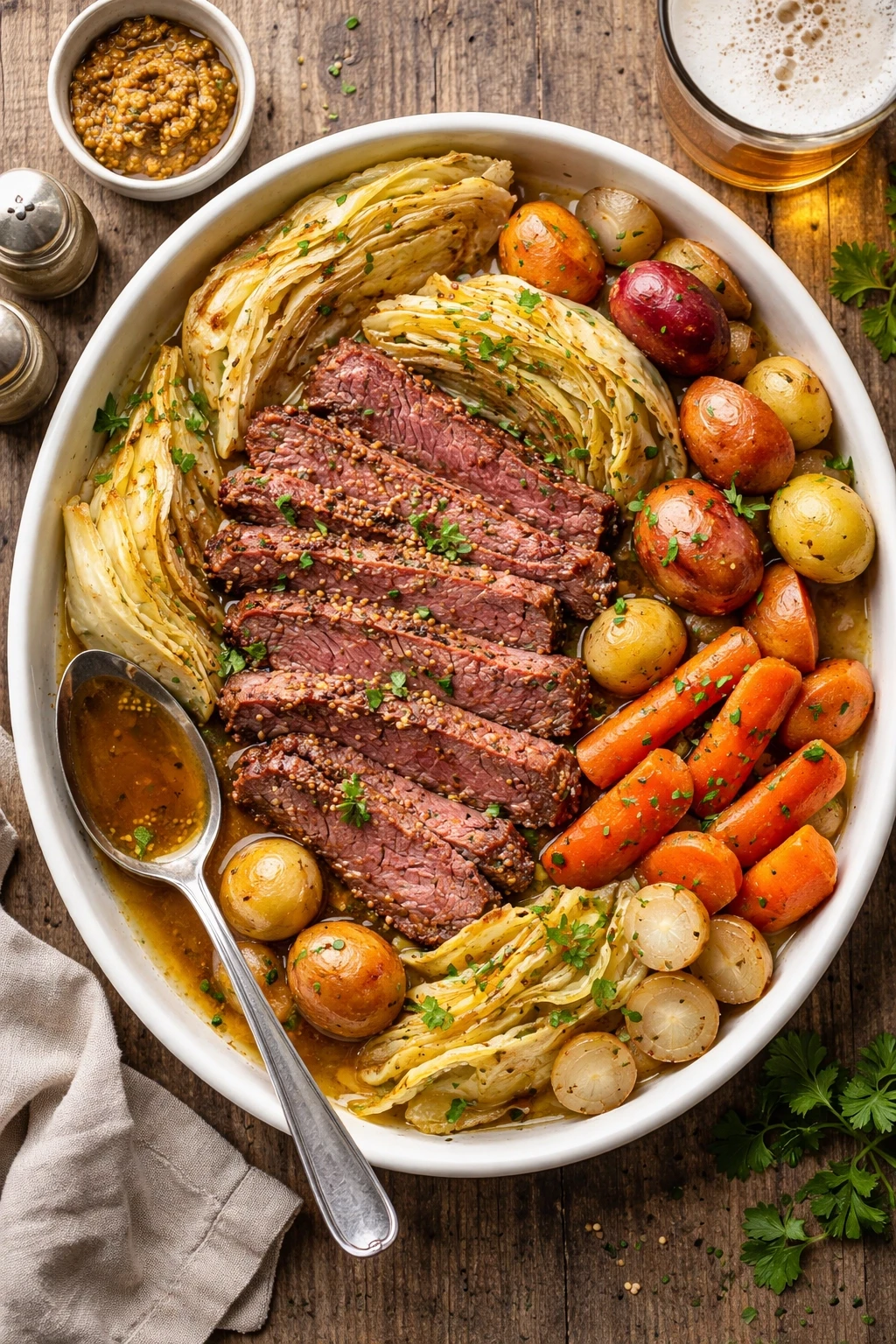
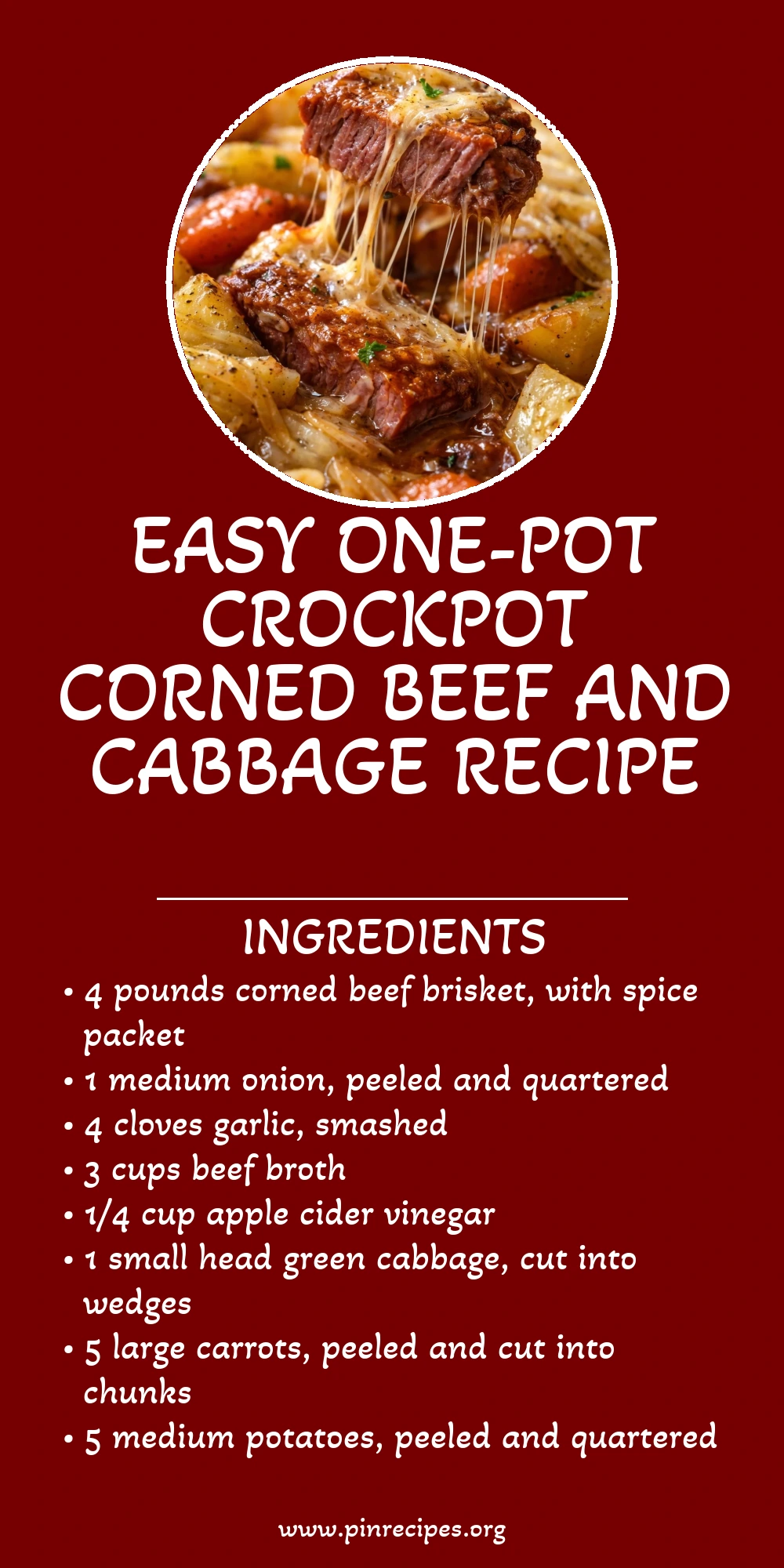
This hearty corned beef and cabbage dinner is my go-to for cozy nights. Slow-cooked in the crockpot, it’s tender and packed with flavor. The secret? A splash of apple cider vinegar that brightens it up. Perfect for a comforting weekend meal!
Introduction
I first tried making corned beef and cabbage in the crockpot a few years back when I wanted a fuss-free St. Patrick’s Day dinner. It was a total hit with my family, especially because it’s hands-off but still feels special. What I love about this version is how the slow cooking melts the beef until it’s fork-tender, and the veggies soak up all those rich flavors. I always toss in apple cider vinegar — it’s my little trick to cut through the richness and add a subtle tang that brightens the whole dish. One time, I rushed the cooking and ended up with tougher beef, so I learned patience really pays off here. When it’s done, you get this beautiful, juicy corned beef with soft, flavorful cabbage and potatoes that feel like a warm hug on a plate. It’s perfect for a lazy weekend or when you want to impress without stress. Plus, the leftovers are even better the next day!
What You'll Need
Serves 6 with generous portions
- 4 pounds corned beef brisket, with spice packet
- 1 medium onion, peeled and quartered
- 4 cloves garlic, smashed
- 3 cups beef broth
- 1/4 cup apple cider vinegar
- 1 small head green cabbage, cut into wedges
- 5 large carrots, peeled and cut into chunks
- 5 medium potatoes, peeled and quartered
- 2 bay leaves
- 1 teaspoon black peppercorns
How To Do It
Step 1
Start by rinsing the corned beef brisket under cold water to remove excess brine, which can be overly salty. This step ensures the final dish isn’t too salty and allows the spices to shine. Place the brisket fat side up in the crockpot. This orientation helps baste the meat as it cooks, keeping it moist and tender.
⏱ Time: 5 minutes
✓ Doneness: Brisket is fully submerged and positioned fat side up
Step 2
Add the quartered onion, smashed garlic cloves, bay leaves, and black peppercorns around the brisket. Pour in beef broth and apple cider vinegar. The broth creates a flavorful cooking liquid, while the vinegar adds a subtle acidity that balances the richness of the meat. Avoid skipping the vinegar; it’s key for brightening the dish.
⏱ Time: 5 minutes
✓ Doneness: Broth covers most of the brisket and aromatics are evenly distributed
Step 3
Cover the crockpot and cook on low for 8 to 10 hours. Slow cooking at low temperature breaks down the collagen in the brisket, making it tender and juicy. Resist the urge to open the lid frequently, as it releases heat and extends cooking time.
⏱ Time: 8-10 hours
✓ Doneness: Beef is fork-tender and easily pierced with a fork
Step 4
About 2 hours before serving, add the carrots and potatoes around the brisket. These vegetables take longer to cook and will absorb the savory broth flavors. Make sure they’re submerged but not crowded to ensure even cooking.
⏱ Time: 2 hours
✓ Doneness: Vegetables are tender but still hold their shape
Step 5
Add cabbage wedges on top of the other ingredients during the last 45 minutes of cooking. Cabbage cooks quickly and can become mushy if overcooked, so timing is important. Placing it on top allows it to steam perfectly.
⏱ Time: 45 minutes
✓ Doneness: Cabbage is tender but not falling apart
Step 6
Once everything is cooked, carefully remove the meat and let it rest for 10 minutes before slicing against the grain. Resting redistributes juices, keeping the meat moist. Slicing against the grain ensures each bite is tender.
⏱ Time: 10 minutes
✓ Doneness: Juices remain in the meat and slices are tender
Step 7
Use a slotted spoon to transfer the vegetables to a serving platter. Discard bay leaves and garlic cloves. Skim any excess fat from the cooking liquid if desired, then ladle some broth over the meat and veggies for extra moisture.
⏱ Time: 5 minutes
✓ Doneness: Vegetables are well coated and broth is clear of excess fat
Step 8
Serve the sliced corned beef with the cabbage, carrots, and potatoes on the side. This dish pairs beautifully with a dollop of mustard or horseradish sauce to add a bit of punch. I like to keep the sides simple to let the meat shine.
⏱ Time: 5 minutes
✓ Doneness: Plated dish looks colorful and inviting
Step 9
Store any leftovers promptly in airtight containers once cooled. The flavors deepen overnight, making it great for next-day meals. When reheating, add a splash of broth or water to keep everything moist and warm gently to avoid drying out the meat.
⏱ Time: Varies
✓ Doneness: Leftovers are steaming hot and juicy after reheating
Pro Tips
Rinse the brisket before cooking to reduce saltiness.
Corned beef comes pre-brined, which can make the dish overly salty if you skip rinsing. Washing the meat removes excess brine and ensures the seasoning is balanced, allowing the spices and broth flavors to shine.
Add cabbage late in the cooking process.
Cabbage cooks quickly and can become mushy if left in the crockpot too long. Adding it in the last 45 minutes preserves its texture and vibrant color, giving the dish a fresh, tender bite.
Cook on low heat for best tenderness.
Low and slow heat breaks down tough collagen into gelatin, making the brisket tender and juicy. High heat can dry out the meat and toughen fibers, ruining the texture.
Let the meat rest before slicing.
Resting allows juices to redistribute throughout the meat, preventing dryness. Slicing immediately causes the juices to run out, leaving the beef less flavorful and drier.
Slice against the grain for tenderness.
Cutting against the grain shortens muscle fibers, making each bite easier to chew and more tender. Slicing with the grain results in stringy, tougher pieces.
Use low-sodium broth to control salt level.
Since the brisket is already salty, using low-sodium broth prevents the dish from becoming too salty overall, allowing for better flavor balance.
Cover the crockpot tightly to retain moisture.
A tight seal traps steam and moisture, preventing the meat from drying out and ensuring the vegetables cook evenly and stay tender.
Common Mistakes to Avoid
Not rinsing the corned beef before cooking
Why it happens Many people assume the brine is part of the flavor and skip rinsing, leading to an overly salty dish.
Fix Rinse the brisket thoroughly under cold water before cooking to remove excess salt. This simple step balances the seasoning and prevents the dish from tasting too salty.
Adding all vegetables at the start
Why it happens It’s easy to want to simplify by tossing everything in at once, but this leads to mushy cabbage and overcooked potatoes.
Fix Add root vegetables like carrots and potatoes halfway through cooking, and add cabbage only during the last 45 minutes to preserve texture.
Cooking on high heat to speed up the process
Why it happens Impatience or time constraints make cooks choose high heat, but it toughens the meat.
Fix Plan ahead and cook on low for 8-10 hours. This slow method breaks down collagen properly and yields tender meat.
Slicing the meat immediately after cooking
Why it happens Excited to serve, people slice right away, causing juices to escape and meat to dry out.
Fix Let the meat rest for 10 minutes before slicing to keep it juicy and flavorful.
Not removing bay leaves before serving
Why it happens Forgetting to remove bay leaves can lead to unpleasant texture and bitterness when eaten accidentally.
Fix Remove bay leaves and garlic cloves before plating to keep the dish enjoyable and avoid surprises.
Variations
Spicy Corned Beef and Cabbage
Add a chopped jalapeño or a pinch of red pepper flakes to the broth for a gentle heat that complements the savory beef. You can also serve with a spicy mustard sauce on the side. This variation adds a lively kick without overpowering the classic flavors.
Note: Monitor the heat level carefully; too much spice can mask the delicate balance of the broth and vegetables.
Beer-Braised Corned Beef
Replace half the beef broth with a good-quality stout or lager beer. The beer adds depth and a malty sweetness that pairs beautifully with the corned beef. It’s a great twist for St. Patrick’s Day celebrations or any cozy dinner.
Note: Use a beer that you enjoy drinking, as its flavor will concentrate during cooking.
Slow Cooker Corned Beef with Root Vegetables Only
Omit the cabbage and add parsnips or turnips along with carrots and potatoes for a root-vegetable-focused meal. This version is hearty and earthy, perfect if you’re not a cabbage fan.
Note: Root vegetables require longer cooking; add them early and adjust timing accordingly.
Corned Beef Hash
Use leftover cooked corned beef and vegetables to make a skillet hash with diced potatoes, onions, and bell peppers. Fry until crispy and top with a fried egg for breakfast or brunch. It’s a delicious way to repurpose leftovers.
Note: Chop ingredients uniformly for even cooking and crispiness.
Vegetarian Cabbage Stew
Skip the corned beef and use vegetable broth with potatoes, carrots, cabbage, and smoked paprika for a smoky, comforting stew. It’s a great meatless alternative that still captures the spirit of the original dish.
Note: Add smoked paprika early to infuse the broth with a rich, smoky flavor.
Nutrition
Per Serving:
Nutritional values are estimates and may vary based on specific ingredients used.
Storage & Tips
Room Temperature
This dish should not be left at room temperature for more than 2 hours to avoid bacterial growth. Cover leftovers loosely if cooling before refrigeration.
Refrigerator
Store leftovers in an airtight container for up to 4 days. Flavors deepen over time, but the cabbage may soften further. Reheat gently to avoid drying out the beef.
Freezer
Freeze cooked corned beef and vegetables for up to 3 months. Wrap tightly in freezer-safe containers or bags to prevent freezer burn. Thaw overnight in the refrigerator before reheating.
Reheating
Reheat gently on the stovetop over low heat with a splash of broth or water to keep moist. Microwave on medium power in short intervals to avoid toughening the meat.
Make Ahead
You can prepare the corned beef and broth base 1-2 days ahead and refrigerate. Add vegetables and cook them on the day of serving for best texture.
FAQ
Can I cook corned beef and cabbage on high in the crockpot?
While it’s tempting to speed things up, cooking on high can make the beef tough and dry. Low and slow cooking for 8-10 hours breaks down collagen properly, yielding tender, juicy meat. If you must use high, cook for 4-5 hours but check tenderness often.
What can I substitute for apple cider vinegar?
You can use white wine vinegar or lemon juice as a substitute. Both provide acidity to balance the richness, but apple cider vinegar adds a subtle fruity note that’s unique. Avoid distilled white vinegar as it’s harsher and less flavorful.
Can I make this recipe in an instant pot instead of a crockpot?
Yes, the instant pot can cook corned beef much faster. Use the pressure cook setting for about 90 minutes, then add vegetables and cook on steam for 5-10 minutes. Be sure to release pressure carefully to avoid overcooking.
Why is my cabbage mushy after cooking?
Cabbage cooks quickly and becomes mushy if cooked too long. Add it during the last 30-45 minutes of cooking to keep it tender but intact. Overcooking breaks down its structure and results in a less appealing texture.
How do I know when the corned beef is done?
The best test is fork tenderness. The meat should be easily pierced and pull apart with little resistance. If it’s still tough, it needs more time to break down the connective tissues.
Can I use frozen vegetables in this recipe?
Frozen vegetables can be used but tend to release more water and become softer. Add them later in the cooking process to prevent them from turning mushy and adjust cooking times accordingly.
Should I trim the fat on the brisket before cooking?
It’s best to leave the fat cap on during cooking as it bastes the meat and adds flavor. You can trim excess fat after cooking if desired.
How salty will this dish be if I use store-bought broth?
Store-bought broth can vary in salt content. Use low-sodium broth to control saltiness, especially since corned beef is already salty. Taste the broth before adding more salt.
Final Thoughts
Give this slow-cooker corned beef and cabbage a try—you'll love how easy and comforting it is. Let me know how your family enjoys it!