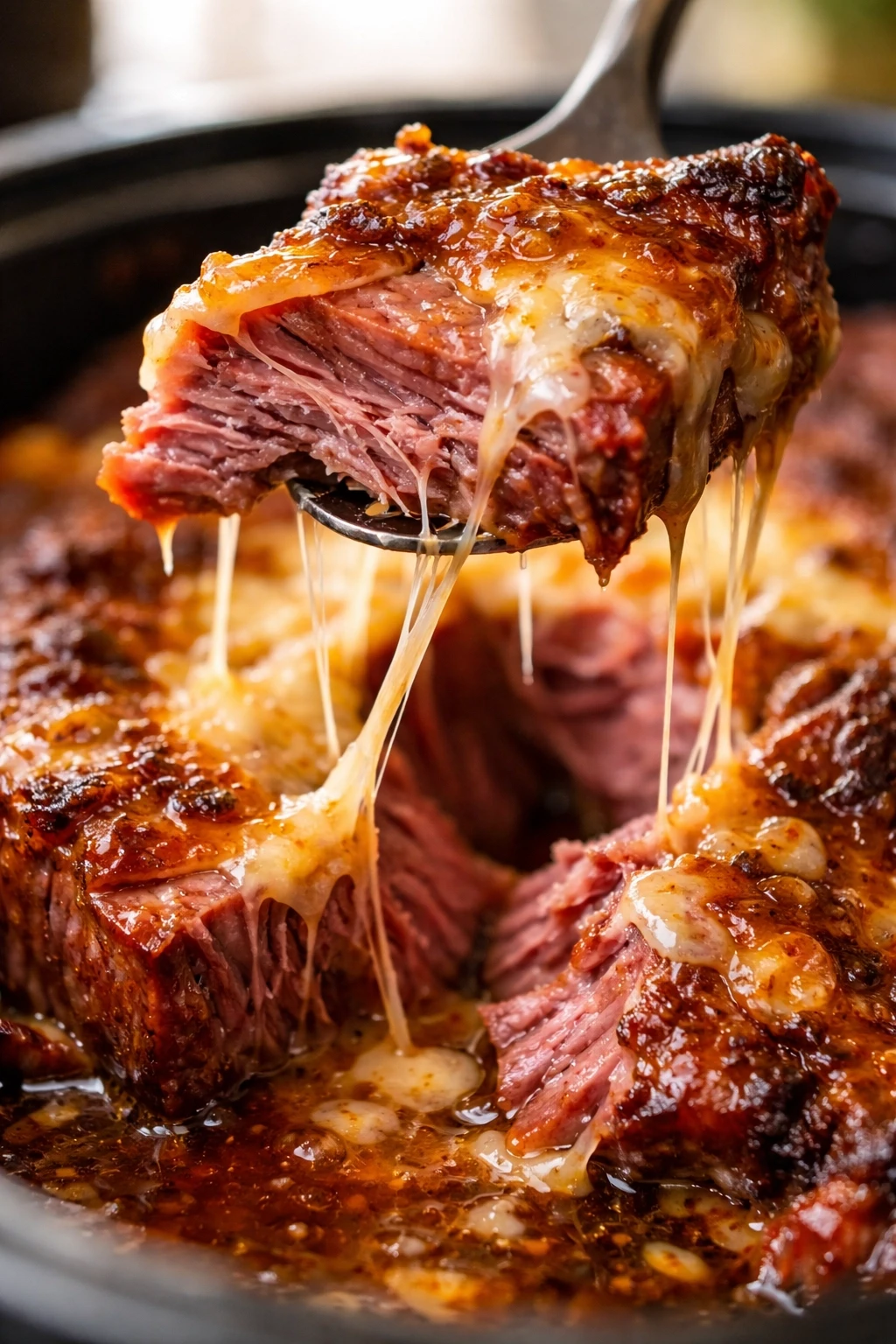
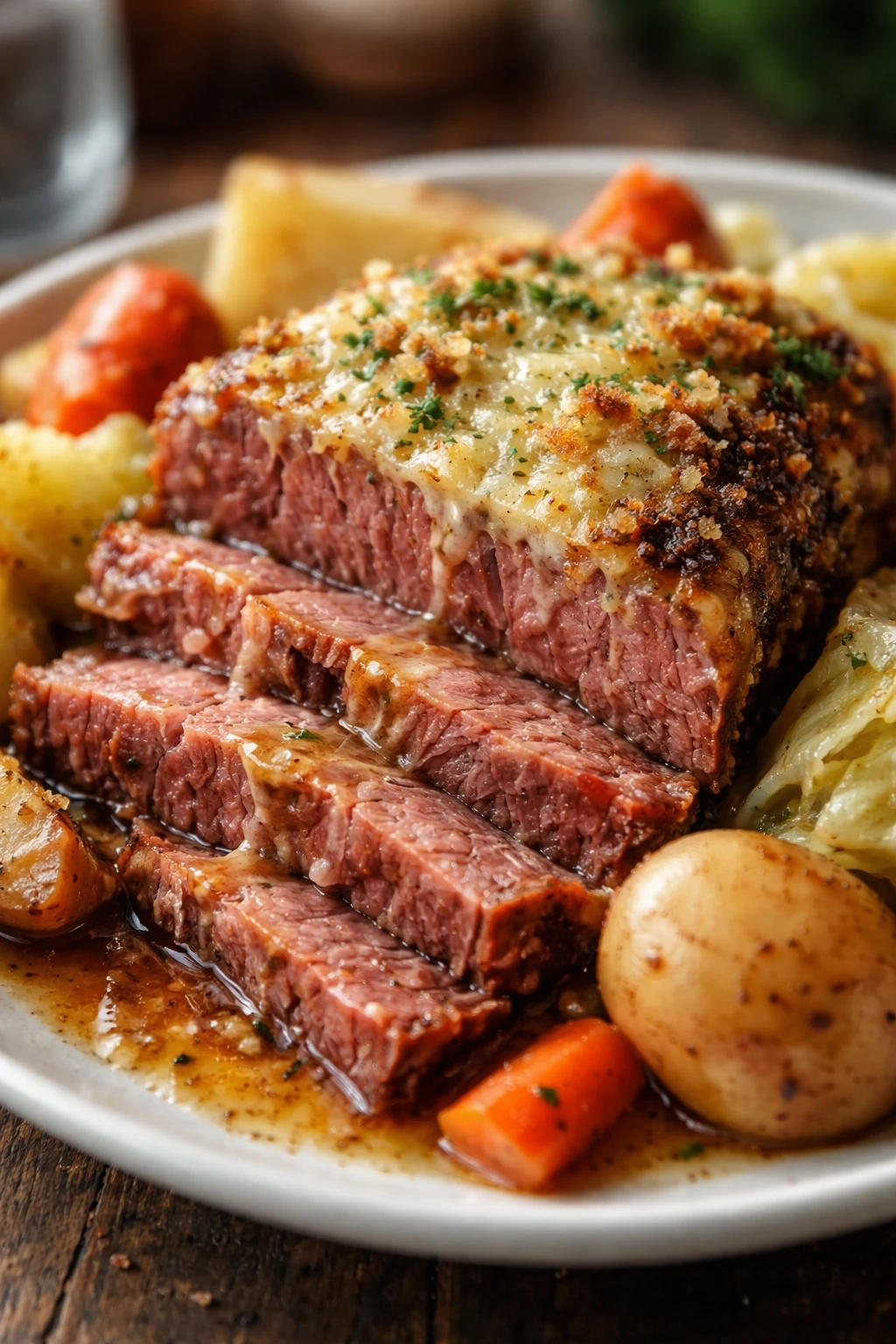
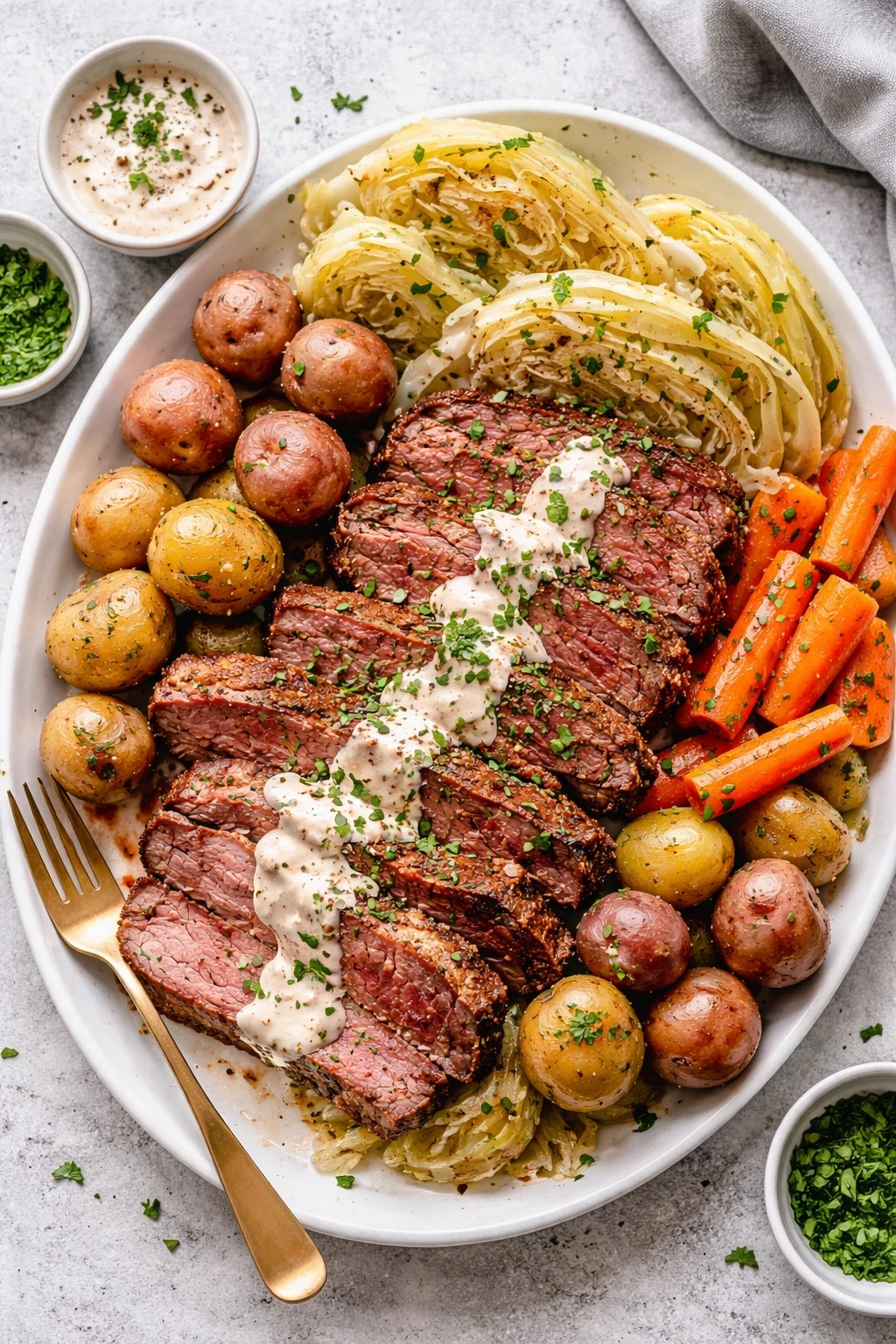
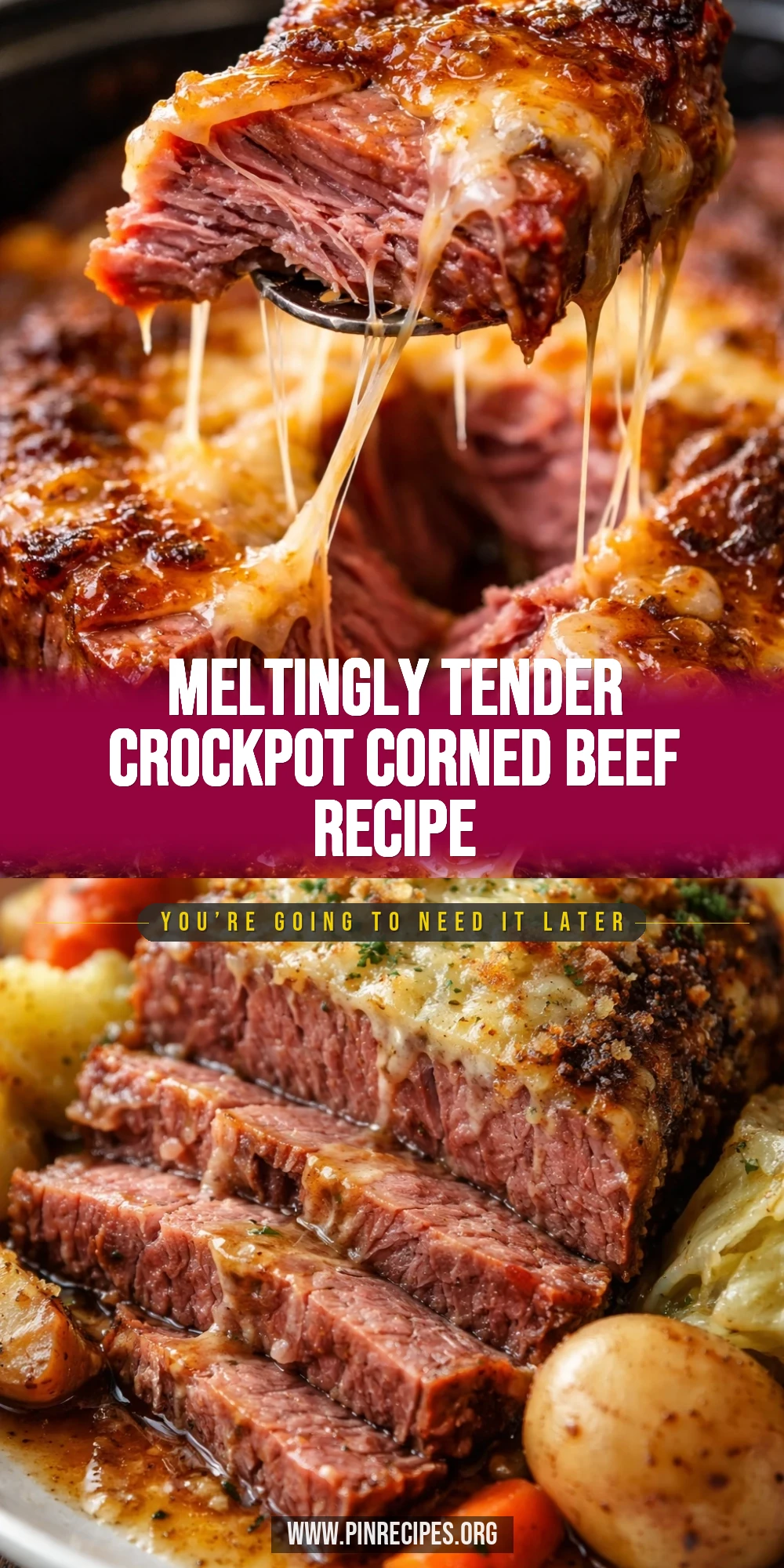
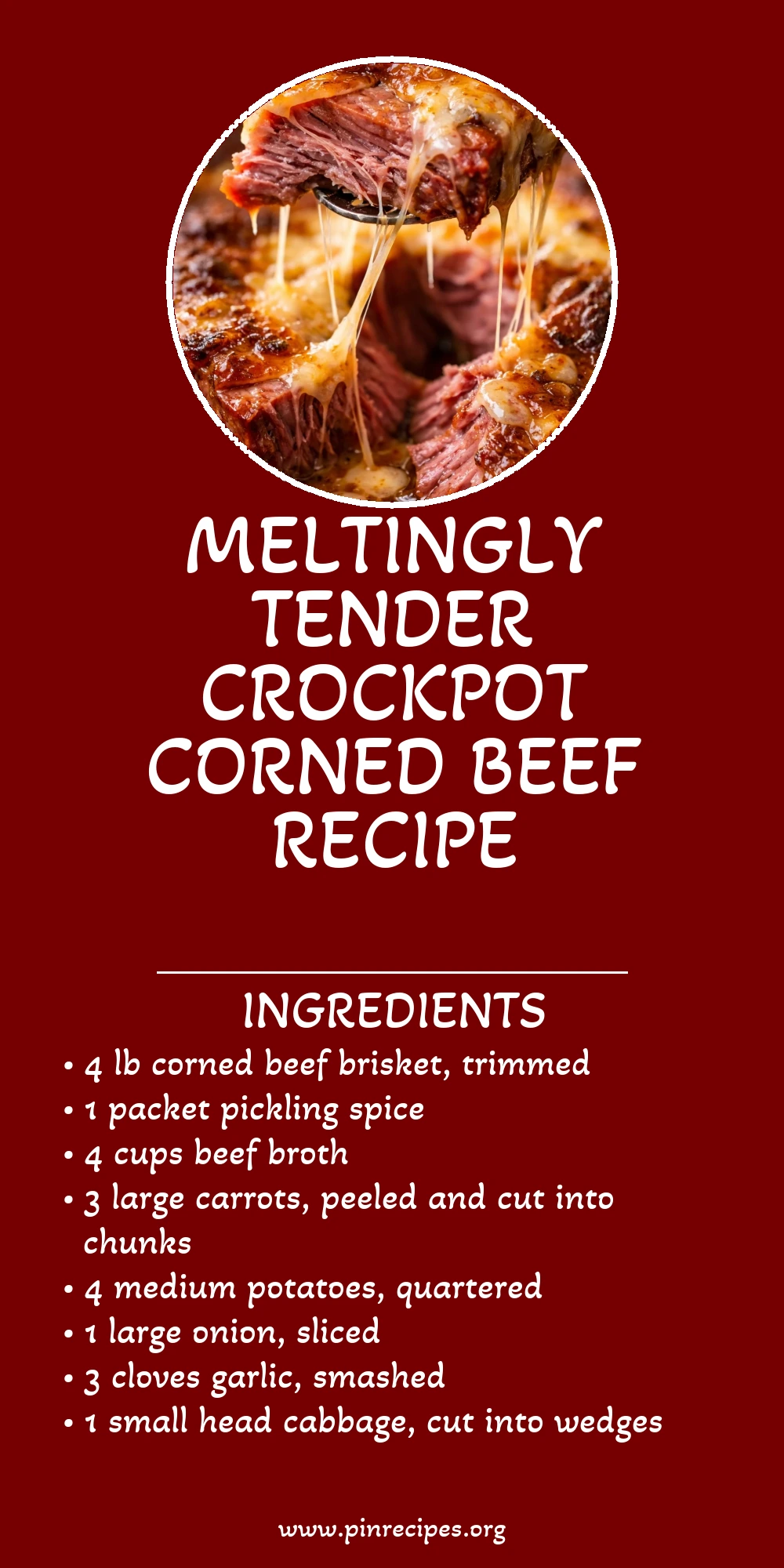
This crockpot corned beef is pure comfort—super tender thanks to slow cooking and infused with classic spices. Just toss everything in and let it work its magic. Ideal for cozy weekend dinners when you want hands-off cooking.
Introduction
I stumbled on this crockpot corned beef recipe a few years ago when I wanted a no-fuss way to make a classic St. Patrick’s Day dinner. Honestly, I was skeptical at first—slow cookers can sometimes dry out meat—but this one changed my mind. The trick is using the beef broth and the pickling spice packet that comes with the brisket, which keeps everything juicy and flavorful. I also add the veggies in stages so the cabbage doesn’t turn to mush. The result? A tender, fall-apart corned beef with perfectly cooked veggies that soak up all those lovely spices. It’s my go-to for busy weekends when I want something hearty without babysitting the stove. Plus, the leftovers taste even better the next day!
How To Do It
Step 1
Start by rinsing the corned beef brisket under cold water to wash away excess brine, which can be overly salty. Pat it dry with paper towels and place it in the crockpot fat side up. This helps keep the meat moist as the fat slowly renders during cooking. Avoid skipping this step as too much salt can overpower the dish.
⏱ Time: 10 minutes
✓ Doneness: Brisket is rinsed and patted dry, ready to layer in the crockpot
Step 2
Pour 4 cups of beef broth over the brisket and sprinkle the pickling spice packet evenly on top. The broth acts as a flavorful cooking liquid, ensuring the meat stays tender while the pickling spices infuse their signature aroma. Using broth instead of water gives a richer depth to the final dish.
⏱ Time: 5 minutes
✓ Doneness: Broth covers brisket partially, spices visible on top
Step 3
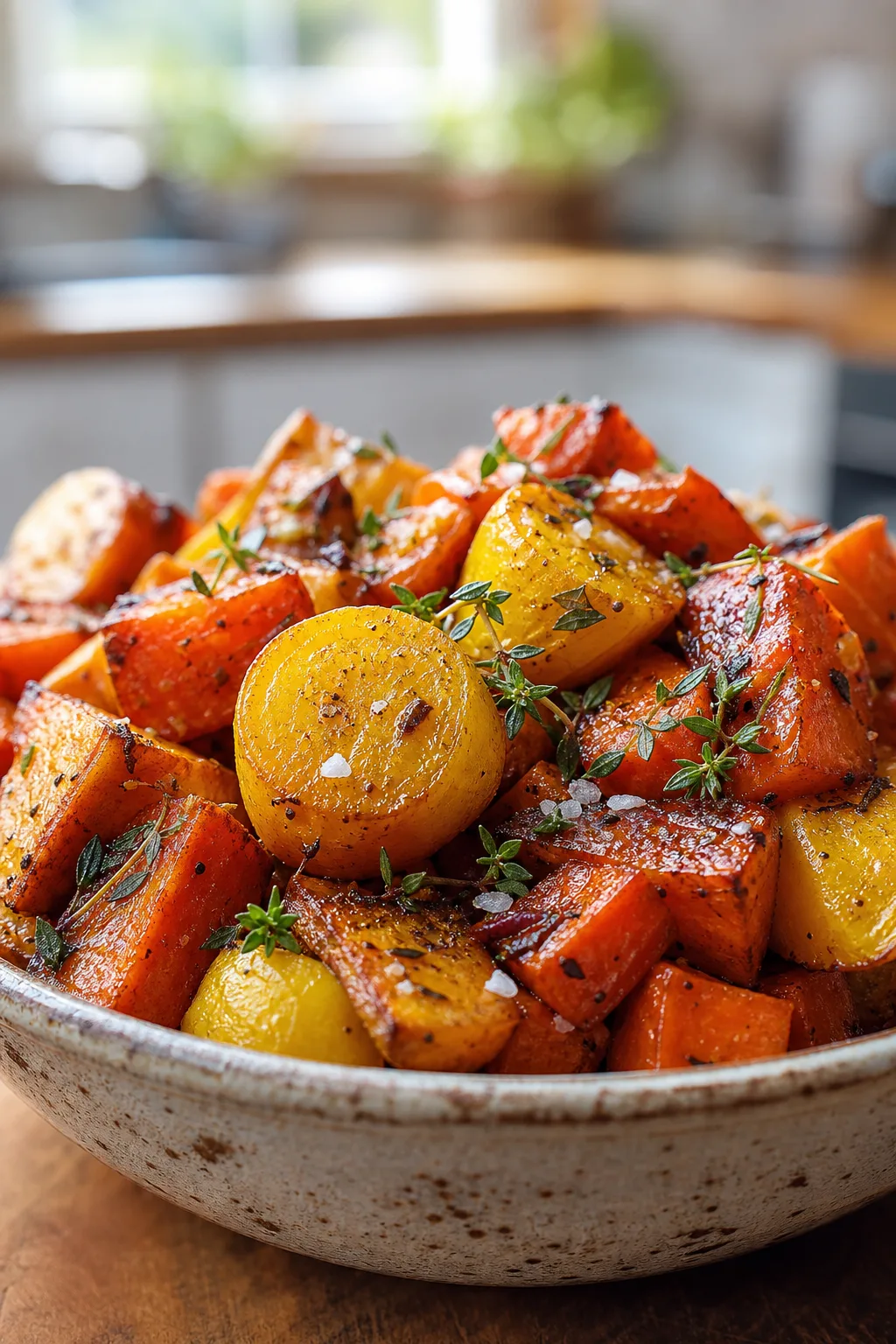
Add the peeled and chunked carrots, quartered potatoes, sliced onion, and smashed garlic cloves around the brisket. These vegetables will slowly cook and absorb the savory flavors from the broth and meat. Distribute them evenly to ensure even cooking and avoid overcrowding the crockpot.
⏱ Time: 5 minutes
✓ Doneness: Vegetables are nestled evenly around the brisket
Step 4
Cover the crockpot and cook on low for 7 to 8 hours. Low and slow is key here—it breaks down the tough connective tissue in the brisket, making it melt-in-your-mouth tender. Resist the urge to lift the lid frequently, as heat escapes and extends cooking time.
⏱ Time: 7-8 hours
✓ Doneness: Aromatic steam rises, meat looks tender and juices bubble gently
Step 5
About 30 minutes before serving, add the cabbage wedges on top of the other ingredients. Cabbage cooks quickly and adding it late keeps it from becoming mushy while still absorbing the delicious broth flavors.
⏱ Time: 30 minutes
✓ Doneness: Cabbage is bright green and tender but still holds shape
Step 6
Once cooking is complete, carefully remove the corned beef and let it rest for 10 minutes before slicing. Resting allows the juices to redistribute, so the meat stays moist when cut. Slice against the grain for the most tender bites.
⏱ Time: 10 minutes
✓ Doneness: Meat is warm and juices settle on cutting board
Step 7
Serve the sliced corned beef with the cooked vegetables arranged on the side. Spoon some of the flavorful broth over the top for extra moisture and taste. This dish pairs perfectly with mustard or horseradish sauce for a bit of zing.
⏱ Time: 5 minutes
✓ Doneness: Plate looks hearty and colorful with moist meat and tender veggies
Step 8
If you want leftovers, store the meat and vegetables in an airtight container with some cooking liquid to keep them moist. Reheat gently to avoid drying out the brisket.
⏱ Time: 5 minutes
✓ Doneness: Leftovers are covered and ready for refrigeration
Step 9
Clean your crockpot promptly after use to prevent any lingering odors or stains from the spices and broth. A quick soak and wipe down with mild detergent works well.
⏱ Time: 10 minutes
✓ Doneness: Crockpot is clean and odor-free
Pro Tips
Rinse your corned beef before cooking to reduce saltiness.
Corned beef is cured in a salty brine, so rinsing removes excess salt that can make the dish overwhelming. Skipping this can lead to a too-salty final product, masking other flavors.
Add cabbage during the last 30 minutes of cooking.
Cabbage cooks quickly and adding it too early makes it mushy and dull in color. Adding it late keeps it tender-crisp and visually appealing.
Cook on low heat for 7-8 hours instead of high for 4-5.
Slow, low heat breaks down collagen better, resulting in tender, juicy meat. High heat can toughen the brisket and dry it out.
Let the meat rest after cooking before slicing.
Resting allows juices to redistribute throughout the brisket, preventing dryness and ensuring moist slices.
Use beef broth instead of water for richer flavor.
Broth adds umami and depth that water lacks, making the whole dish more flavorful and satisfying.
Cut vegetables into large chunks to avoid overcooking.
Large pieces hold their shape during long cooking, preventing mushy textures and maintaining visual appeal.
Don’t lift the crockpot lid during cooking.
Opening the lid releases heat and steam, extending cooking time and potentially drying out the meat.
Common Mistakes to Avoid
Skipping rinsing the corned beef
Why it happens Many cooks assume rinsing isn’t necessary or worry about losing flavor.
Fix Always rinse under cold water to wash away excess brine. This balances saltiness without sacrificing the characteristic corned beef flavor.
Adding cabbage too early
Why it happens People often add all veggies at once for convenience.
Fix Add cabbage only in the last 30 minutes to keep it tender but not mushy.
Cooking on high heat
Why it happens Impatience or misunderstanding slow cooker settings.
Fix Use low heat for 7-8 hours to break down connective tissue fully.
Not resting the meat before slicing
Why it happens Eager to serve quickly.
Fix Rest for 10 minutes to let juices redistribute for moist slices.
Overcrowding the crockpot
Why it happens Trying to fit all ingredients at once.
Fix Arrange ingredients evenly without packing tightly to ensure even cooking.
Variations
Spicy Corned Beef
Add a few crushed red pepper flakes or a diced jalapeño to the broth for a subtle heat twist. This variation adds warmth without overpowering the classic flavors.
Note: Spices infuse slowly in the broth; adding too much early can make the dish too spicy.
Beer-Braised Corned Beef
Replace half the beef broth with a light lager or stout for a malty depth. Beer adds complexity and pairs beautifully with the traditional spices.
Note: Alcohol cooks off during slow cooking but enhances flavor; avoid sweet or overly hoppy beers.
Vegetarian Style
Skip the corned beef and use vegetable broth with extra root vegetables and smoked paprika for a smoky, hearty stew that captures similar flavors.
Note: Cooking times for veggies are shorter; adjust accordingly to avoid overcooking.
Instant Pot Corned Beef
Use an Instant Pot to reduce cooking time drastically. Pressure cook the brisket with broth and spices for about 90 minutes, then add vegetables and cook on sauté mode until tender.
Note: Pressure cooking tenderizes meat quickly but watch for overcooking veggies.
Sweet and Tangy Corned Beef
Add a splash of apple cider vinegar and a tablespoon of brown sugar to the broth for a sweet-tart balance that brightens the dish.
Note: Acidic vinegar helps tenderize meat but too much can overpower flavors.
Nutrition
Per Serving:
Nutritional values are estimates and may vary based on specific ingredients used.
Storage & Tips
Room Temperature
This dish can safely sit covered at room temperature for up to 2 hours. Beyond that, bacteria growth increases, so refrigerate promptly. Cover with a lid or plastic wrap to prevent contamination.
Refrigerator
Store leftovers in an airtight container for up to 4 days. The flavors deepen but the cabbage may soften further. Reheat gently to keep meat tender and avoid drying out.
Freezer
Freeze corned beef and vegetables separately in airtight containers or heavy-duty freezer bags for up to 3 months. Wrap tightly to prevent freezer burn. Thaw overnight in the fridge before reheating.
Reheating
Reheat on the stovetop over low heat with a splash of broth to keep moist, or microwave covered in short bursts. Avoid high heat which can toughen the meat and make vegetables soggy.
Make Ahead
You can prep and start the crockpot in the morning, then add cabbage near serving time. Alternatively, cook fully a day ahead and reheat gently before serving to allow flavors to meld even more.
FAQ
Can I cook corned beef on high in the crockpot to save time?
While you can cook on high, the texture won’t be as tender. Low and slow cooking (7-8 hours on low) breaks down the tough fibers better, resulting in juicier, more tender meat.
What if I don’t have a pickling spice packet?
You can make your own blend with mustard seeds, coriander seeds, bay leaves, peppercorns, and a pinch of cloves. Toasting the spices lightly before adding enhances flavor.
How do I prevent the meat from being too salty?
Rinse the corned beef before cooking to wash away excess brine. Also, use low-sodium broth to control overall saltiness.
Can I add other vegetables like parsnips or turnips?
Yes! Root vegetables like parsnips and turnips work well. Add them with the carrots and potatoes for a hearty mix.
Is it necessary to let the meat rest before slicing?
Definitely. Resting for about 10 minutes lets juices redistribute, so the meat stays moist rather than drying out when cut.
Can I freeze cooked corned beef and vegetables together?
It’s best to freeze meat and vegetables separately to maintain texture. Vegetables can get mushy if frozen with meat.
What’s the best way to slice corned beef?
Slice against the grain in thin slices. This shortens the muscle fibers, making the meat easier to chew.
How do I keep cabbage from turning mushy?
Add cabbage during the last 30 minutes of cooking. Cooking it too long breaks down its structure, resulting in mushiness.
Final Thoughts
Give this crockpot corned beef a try for an effortless, comforting meal that feels like a warm hug. I’d love to hear how it turns out for you!