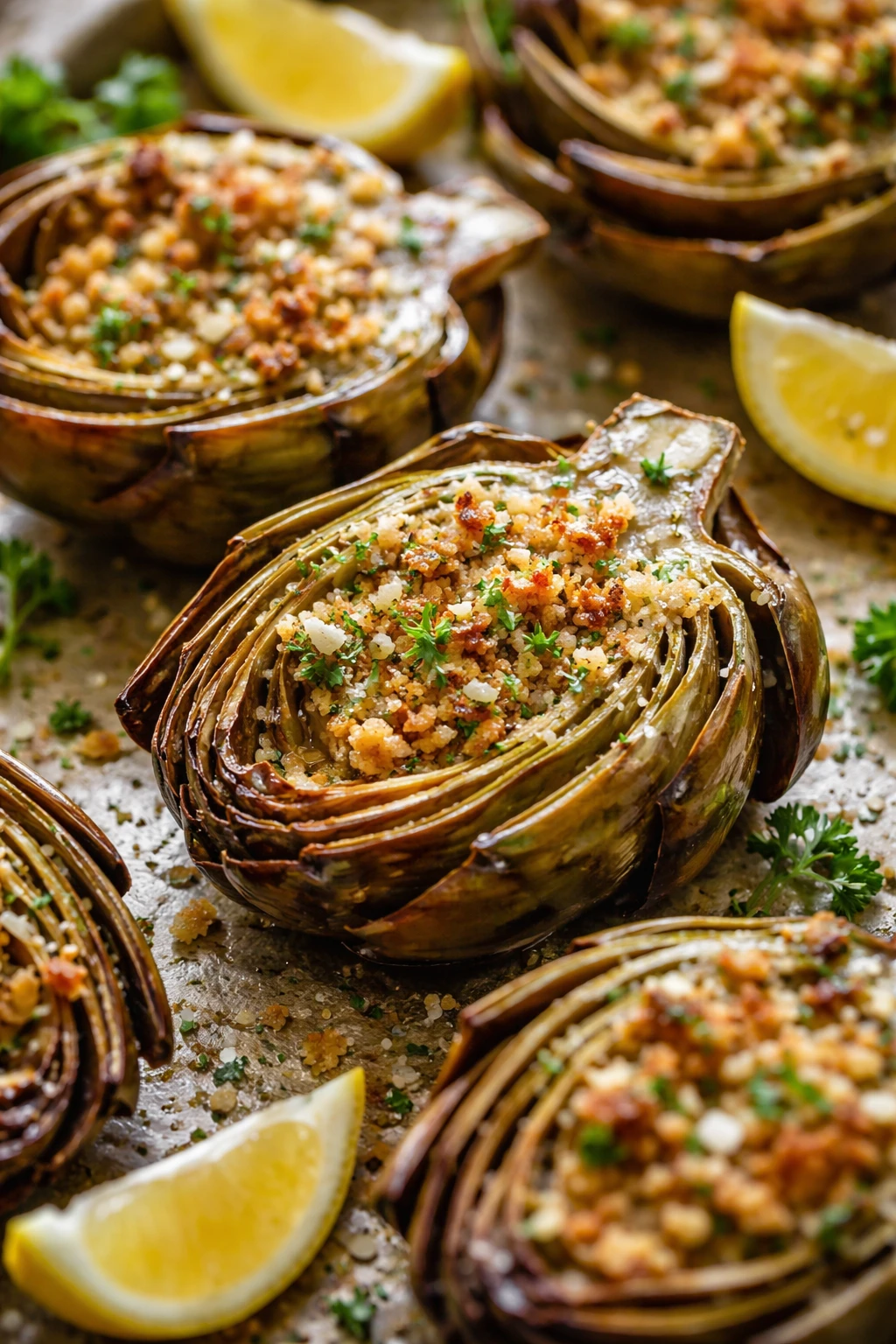
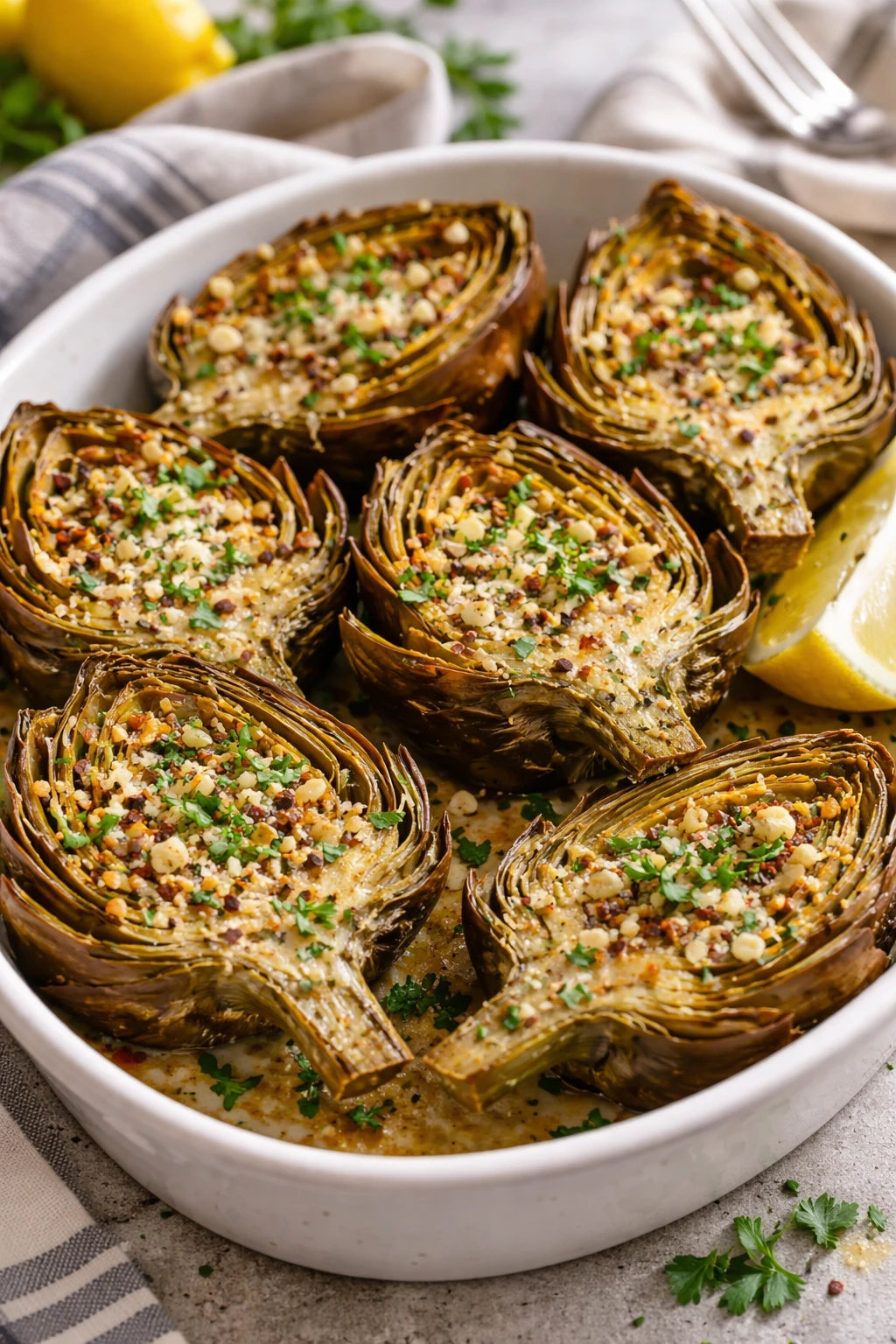
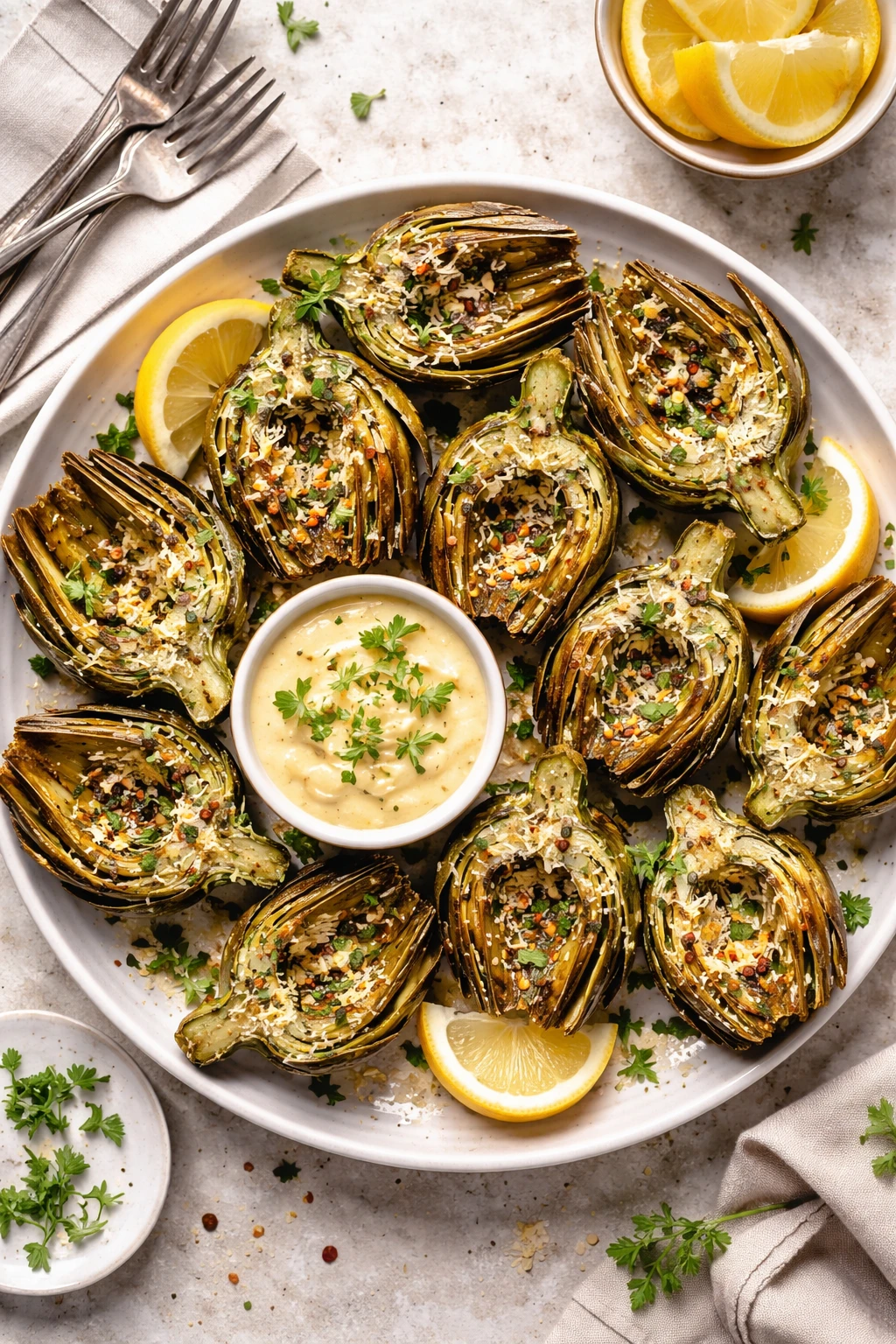
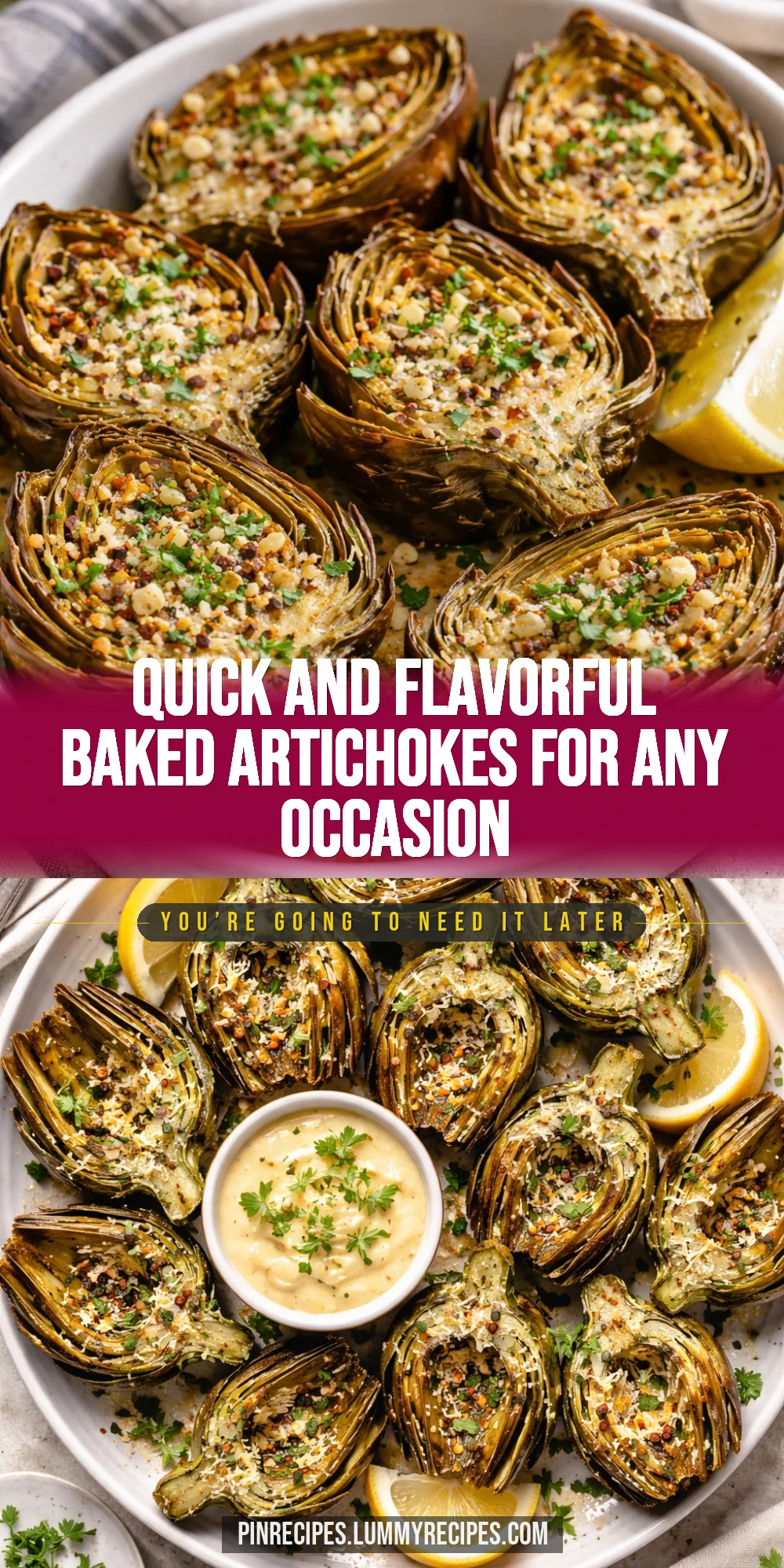
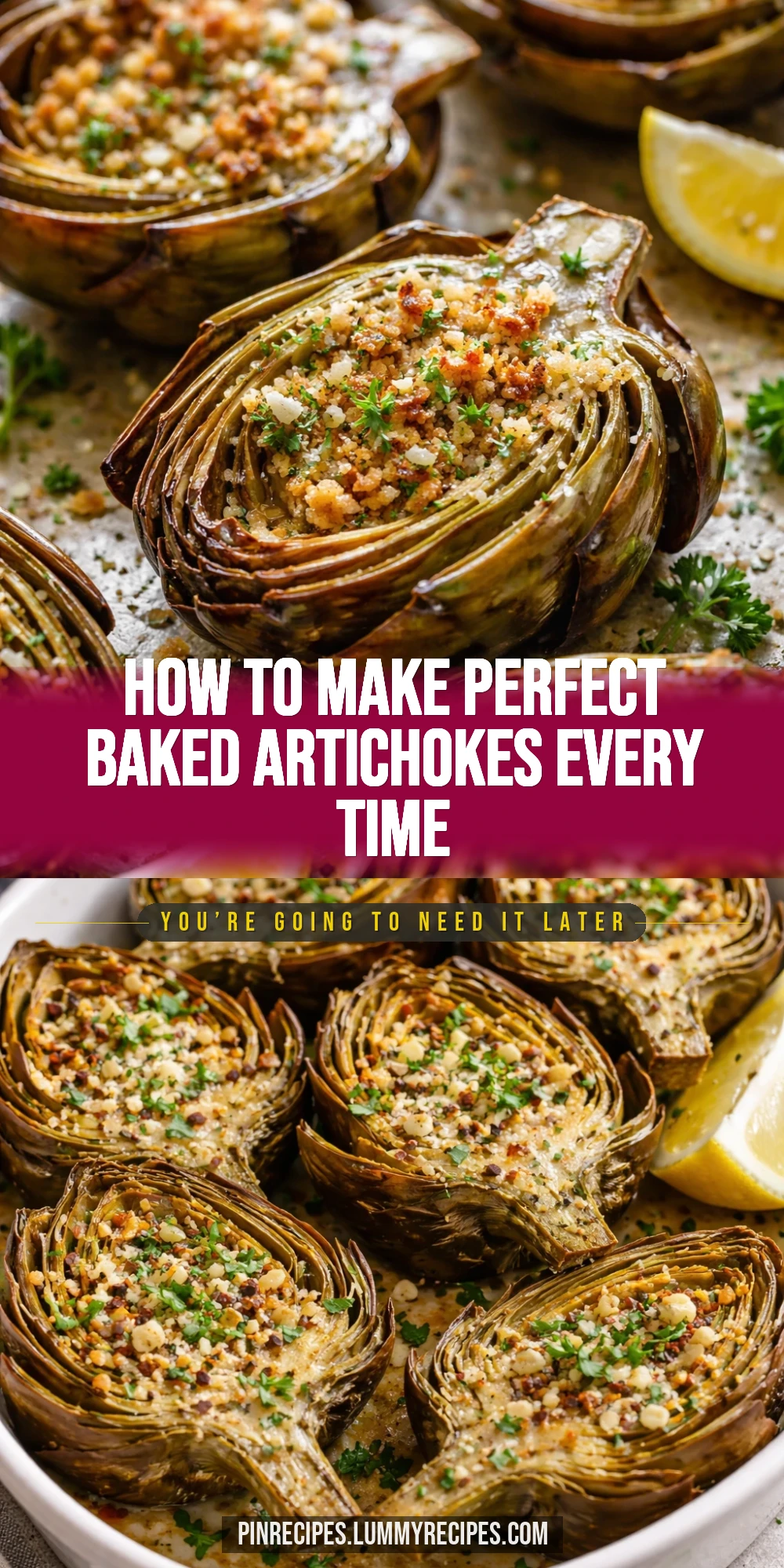
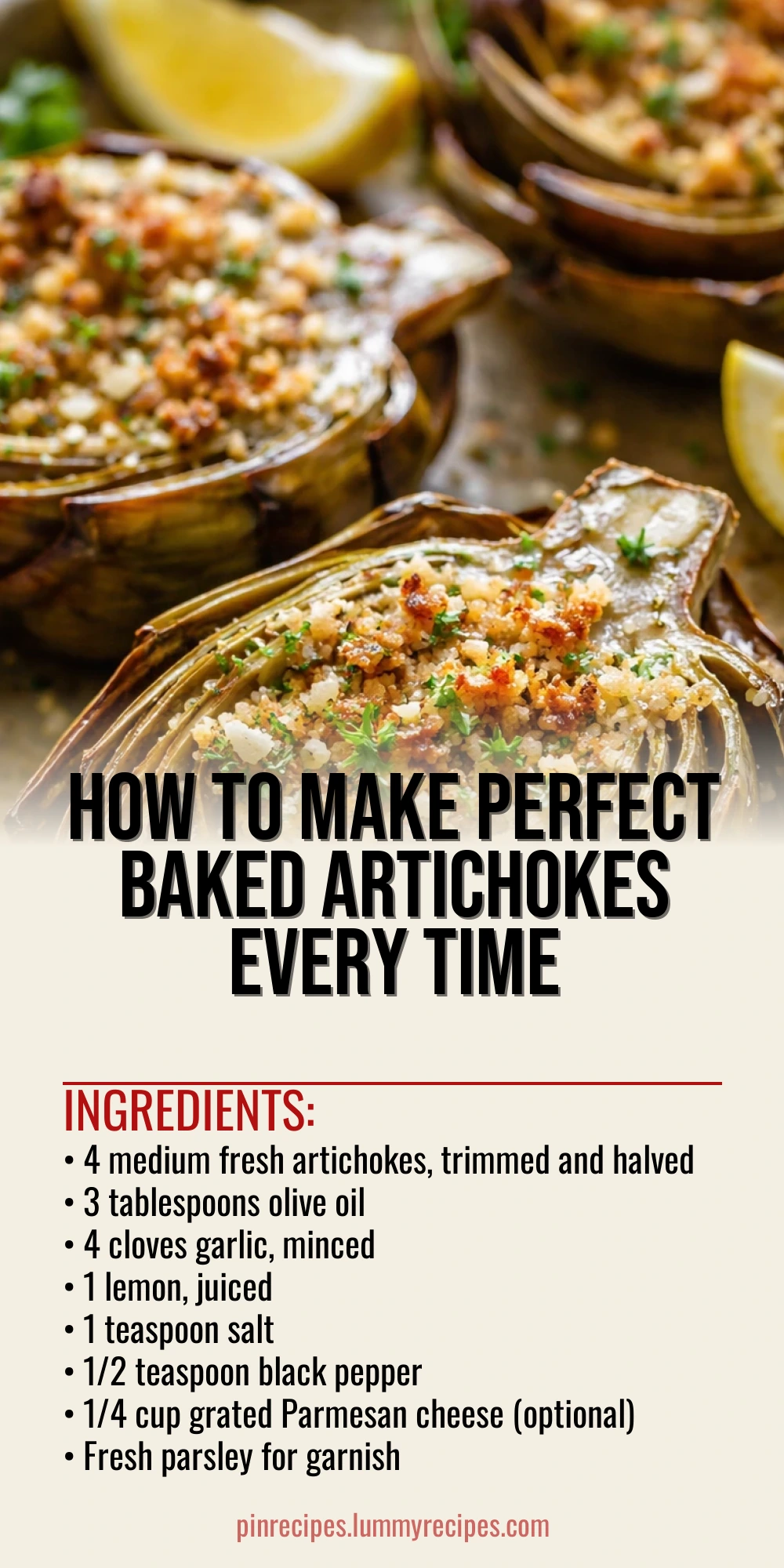
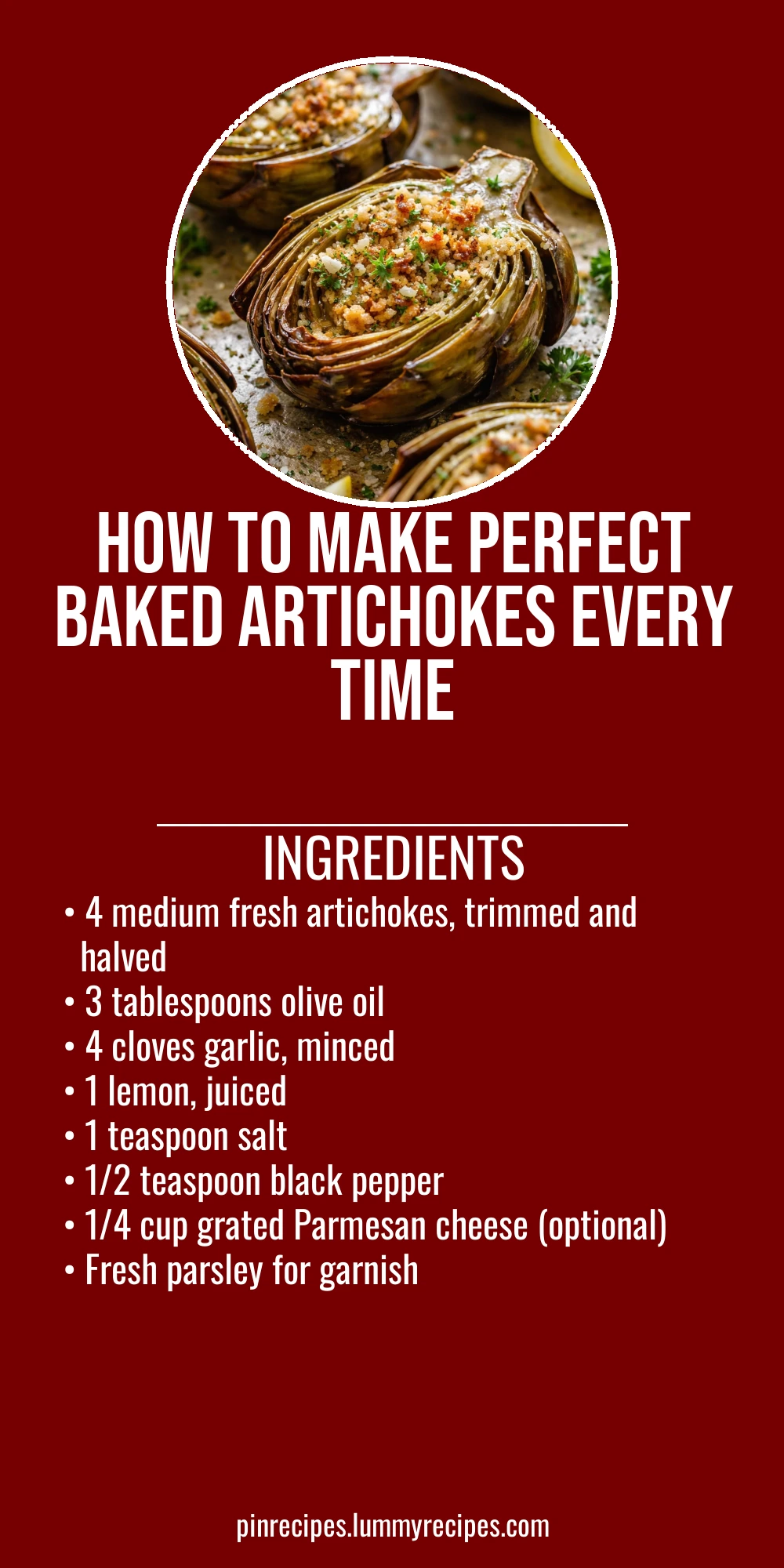
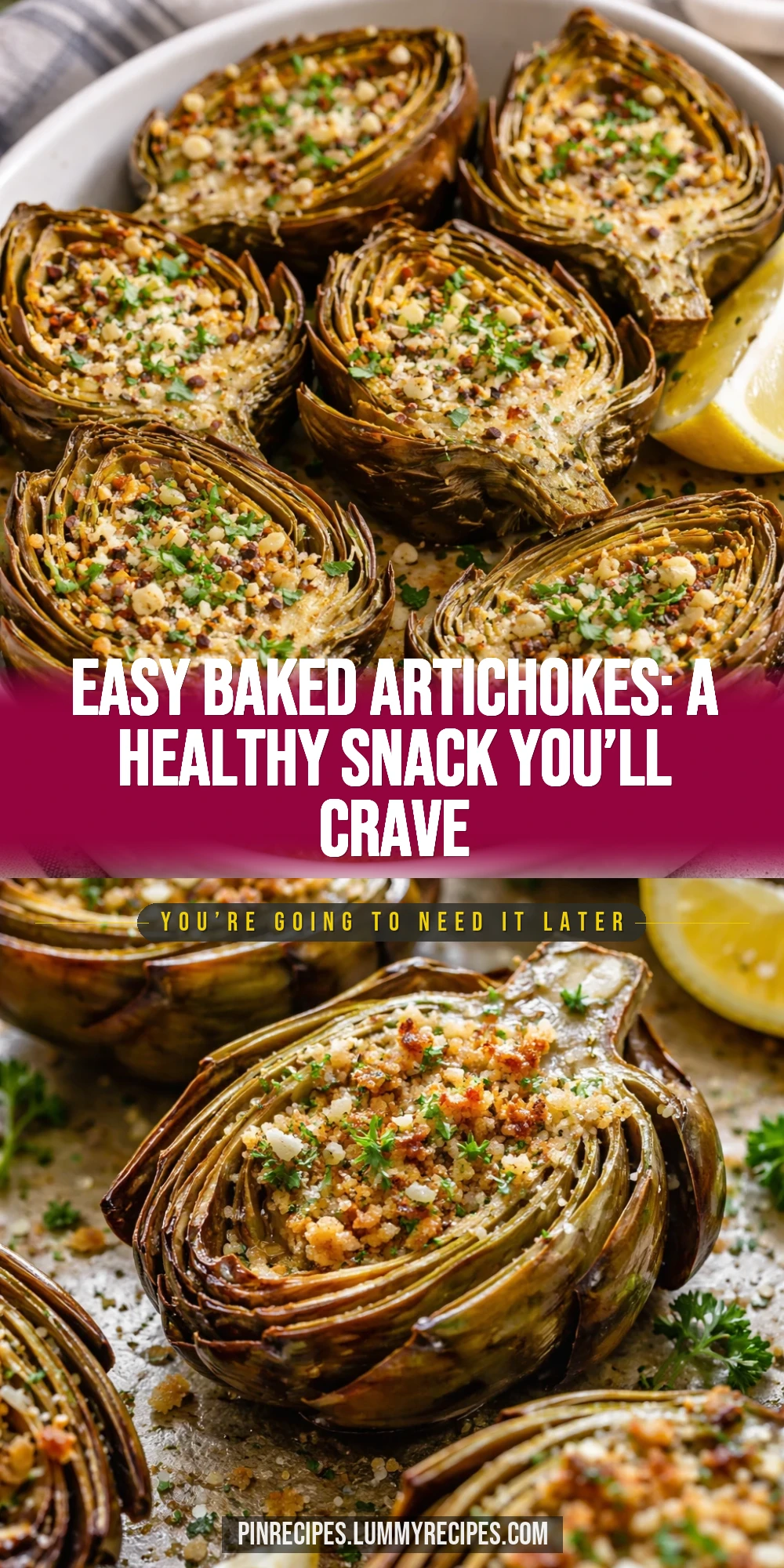
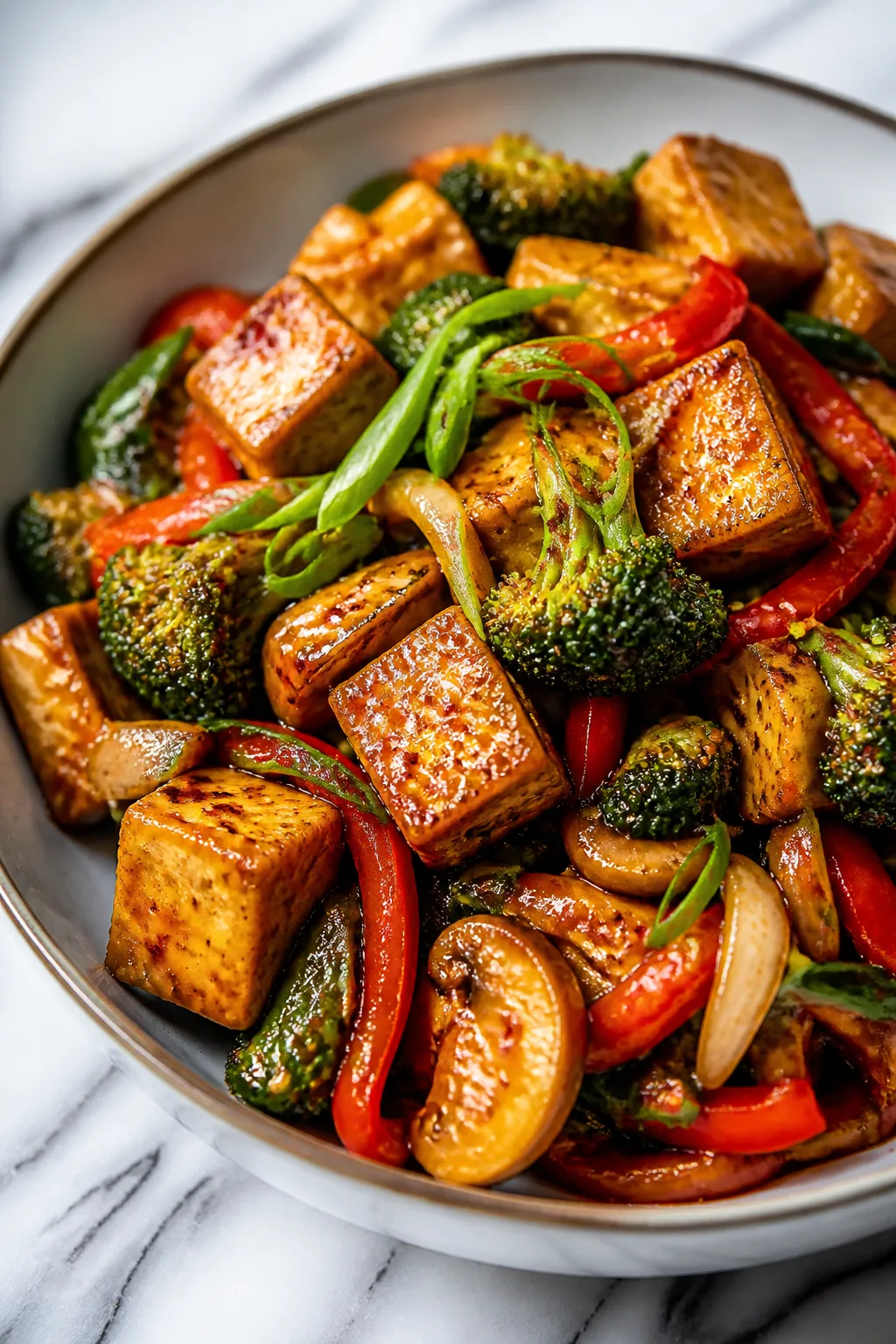
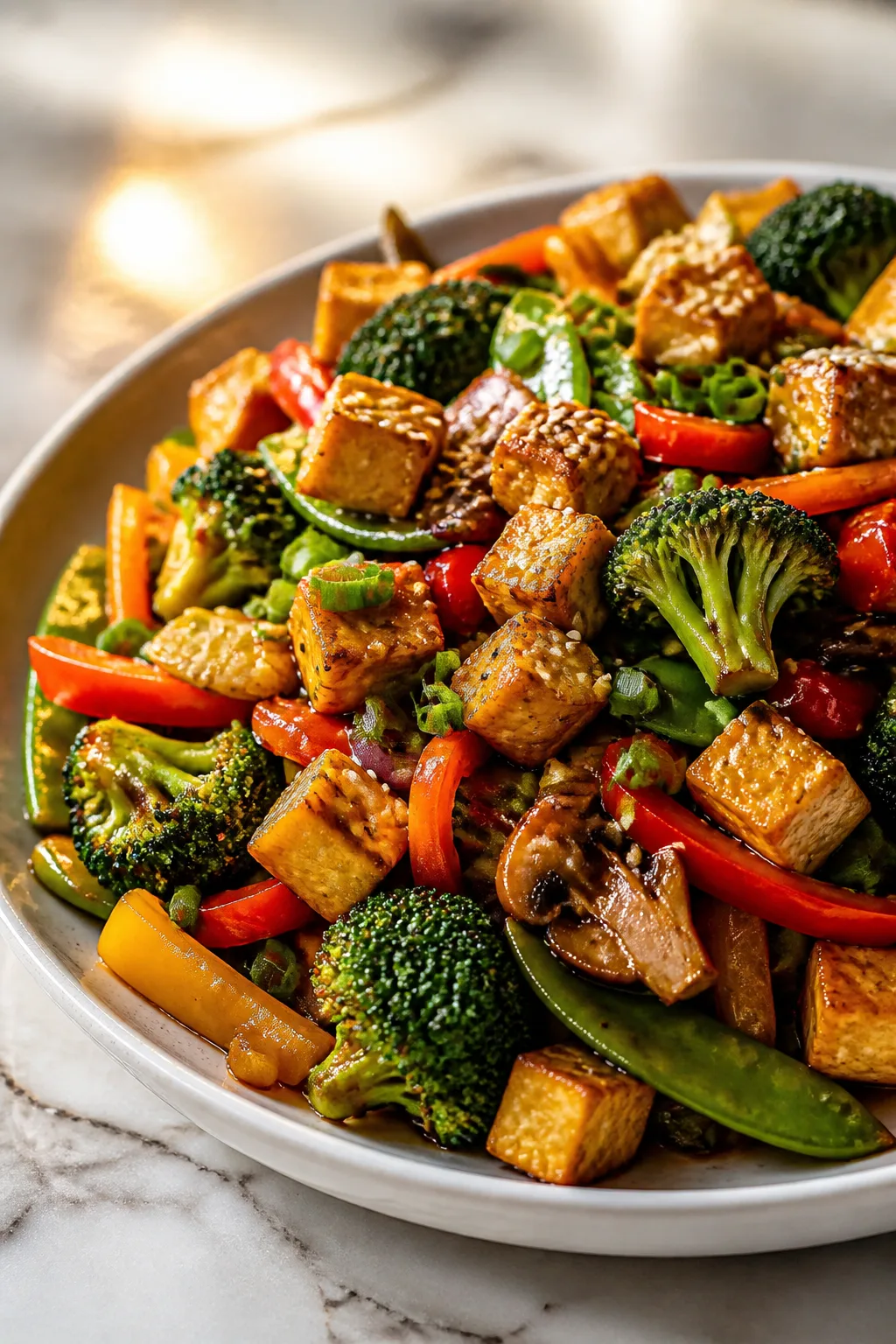
These baked artichokes are a simple, flavorful way to enjoy this veggie. The secret is roasting them with garlic and lemon for a tender, tangy bite. Great as a snack or side dish anytime!
Introduction
I first tried baked artichokes a few years ago at a friend's dinner party, and I was hooked instantly. The way roasting brings out their natural nuttiness and tender texture is just unbeatable. Since then, I've tweaked the recipe to include a simple garlic and lemon marinade that really brightens the flavor without overpowering the artichokes. What makes this version stand out is roasting them cut-side down, which steams the hearts perfectly while crisping the edges. It’s a technique I stumbled upon after a few failed attempts where the artichokes turned out too dry or tough. Now, I always get tender, juicy artichokes with a hint of caramelization. The finished dish is earthy and fresh with a lovely garlicky zing, making it a perfect appetizer or side for any meal. Plus, it’s super easy to put together, so it’s become a staple in my kitchen when I want something healthy but satisfying. I think you’ll love how simple yet flavorful these baked artichokes are!
How To Do It
Step 1
Start by prepping your artichokes. Trim the stem and tough outer leaves, then slice each artichoke in half lengthwise. This exposes the heart and makes it easier for the flavors to penetrate while baking. Removing the fuzzy choke with a spoon is key; if left in, it can be unpleasant to eat. Rinsing the halves under cold water helps wash away any grit. This prep ensures your artichokes cook evenly and taste fresh, so don't rush it or skip these steps.
⏱ Time: 15 minutes
✓ Doneness: Artichoke halves are cleanly cut with no fuzzy choke visible
Step 2
In a bowl, whisk together olive oil, minced garlic, lemon juice, salt, and pepper. This marinade will infuse the artichokes with bright, savory flavor and help keep them moist during baking. Pour the mixture over the artichoke halves, making sure to coat them well, especially the cut sides. Let them sit for 10 minutes to absorb the flavors. Skipping this step or rushing it will result in bland artichokes lacking that garlicky lemon punch.
⏱ Time: 10 minutes
✓ Doneness: Artichokes are evenly coated and slightly glossy from the marinade
Step 3
Preheat your oven to 400°F (200°C). Arrange the artichoke halves cut-side down on a baking sheet lined with parchment paper or a silicone mat. Placing them cut-side down traps steam inside, which tenderizes the hearts while roasting. This technique prevents drying out and encourages a beautiful golden crust on the edges. Avoid overcrowding the pan to ensure even cooking.
⏱ Time: 5 minutes prep
✓ Doneness: Artichokes are snug on the baking sheet with cut sides facing down
Step 4
Bake the artichokes for about 25-30 minutes. The high heat caramelizes the edges and softens the hearts. You'll know they're done when the outer leaves are crisp and slightly browned, and a fork slides easily into the heart. Avoid underbaking, which leaves them tough, or overbaking, which dries them out. If your oven runs hot, check at 20 minutes to prevent burning.
⏱ Time: 25-30 minutes
✓ Doneness: Leaves are browned and crispy; hearts are tender and fork-tender
Step 5
Once out of the oven, sprinkle the artichokes with grated Parmesan cheese if using. The residual heat will melt it slightly, adding a savory richness that complements the lemon and garlic. This step is optional but highly recommended for a cheesy twist. If you prefer vegan, just skip the cheese or use a plant-based alternative.
⏱ Time: 2 minutes
✓ Doneness: Cheese begins to melt and adhere to the artichoke surface
Step 6
Garnish with chopped fresh parsley for a pop of color and fresh herb flavor. This final touch brightens the dish and makes it look inviting. Serve warm with a squeeze of extra lemon juice if you like more tang. The parsley also balances the richness of the olive oil and cheese.
⏱ Time: 1 minute
✓ Doneness: Evenly sprinkled parsley over the artichokes
Step 7
Serve the baked artichokes as a snack, appetizer, or side dish. They pair wonderfully with dips like aioli or a simple yogurt sauce. The texture is tender with a slight crisp, and the flavors are bright and savory. Enjoy them fresh from the oven for the best experience.
⏱ Time: Immediate
✓ Doneness: Artichokes are warm and flavorful, ready to eat
Step 8
If you want to prepare ahead, you can marinate the artichokes up to 24 hours before baking. Keep them covered in the fridge to let the flavors deepen. Just bring them to room temperature before baking for even cooking. This makes the recipe great for entertaining.
⏱ Time: Up to 24 hours marinating
✓ Doneness: Artichokes have absorbed marinade and are chilled
Step 9
For a variation, try adding red pepper flakes or smoked paprika to the marinade for a spicy kick. Or toss in some fresh thyme or rosemary for an herbal note. These tweaks personalize the flavor and keep the recipe exciting.
⏱ Time: Optional
✓ Doneness: Spices evenly distributed in marinade
Pro Tips
Trim artichokes just before cooking to prevent browning.
Artichokes oxidize quickly once cut, turning brown and unappetizing. Trimming right before cooking keeps them fresh and vibrant. If you must prep earlier, toss them in lemon water to slow oxidation.
Marinate artichokes for at least 10 minutes before baking.
Allowing the artichokes to soak in the olive oil, garlic, and lemon mixture helps the flavors penetrate deeply, resulting in a more flavorful and tender final dish. Skipping this can lead to blandness.
Use parchment paper or a silicone mat on your baking sheet.
This prevents sticking and makes cleanup easier, especially since the olive oil can drip and caramelize. It also helps distribute heat evenly, promoting consistent browning.
Check artichokes around 20 minutes to avoid overcooking.
Ovens vary, and overbaking can dry out the artichokes, making them tough. Testing early ensures you catch the perfect tender-crisp texture.
Serve immediately for best texture.
Baked artichokes are best enjoyed warm, when the edges are crisp and the hearts tender. Letting them sit too long can cause sogginess and loss of flavor.
Add fresh herbs like parsley after baking.
Adding herbs post-baking preserves their bright flavor and color, enhancing the dish visually and aromatically without wilting.
Use a fork to test doneness gently.
A fork should slide easily into the heart without resistance. This tactile cue helps avoid under or overcooking, ensuring perfect tenderness.
Common Mistakes to Avoid
Not trimming the choke properly
Why it happens Many assume the fuzzy choke is edible, but it’s actually tough and unpleasant, leading to a poor texture.
Fix Use a small spoon to scoop out all the fuzzy choke before cooking. This ensures a smooth, tender heart that’s enjoyable to eat.
Skipping the marinade step
Why it happens Rushing to bake without marinating results in bland artichokes lacking depth of flavor.
Fix Always marinate the artichokes in olive oil, garlic, and lemon for at least 10 minutes to let flavors soak in.
Baking artichokes cut-side up
Why it happens Some think cut-side up looks prettier or cooks better, but it dries out the hearts and prevents steaming.
Fix Place artichokes cut-side down on the baking sheet to trap steam and keep them moist.
Overbaking until dry
Why it happens Leaving artichokes in too long causes them to dry out and become tough instead of tender.
Fix Check doneness starting at 20 minutes and remove once the hearts are fork-tender and edges browned.
Using old or poor-quality artichokes
Why it happens Older artichokes tend to be fibrous and less flavorful, ruining the dish’s texture and taste.
Fix Choose fresh, heavy artichokes with tight leaves for the best results.
Variations
Spicy Baked Artichokes
Add 1/2 teaspoon red pepper flakes to the marinade for a subtle heat that pairs beautifully with the lemon and garlic. This variation adds a nice kick without overpowering the artichokes’ natural flavor.
Note: Monitor baking closely as spices can darken quickly; reduce oven time slightly if needed.
Herbed Parmesan Artichokes
Mix fresh thyme and rosemary into the marinade and sprinkle extra Parmesan before baking. This creates an aromatic, savory dish with an herbaceous twist that’s perfect for dinner parties.
Note: Fresh herbs can brown quickly; add some halfway through baking to preserve flavor.
Vegan Baked Artichokes
Skip the Parmesan and use nutritional yeast or a sprinkle of toasted breadcrumbs for a cheesy flavor without dairy. This keeps the recipe vegan-friendly while maintaining richness.
Note: Apply breadcrumbs in the last 5 minutes of baking to avoid burning.
Stuffed Baked Artichokes
Fill the artichoke centers with a mixture of garlic, herbs, and breadcrumbs before baking. This adds texture and a delicious stuffing element, turning the dish into a hearty appetizer.
Note: Increase baking time by 5-7 minutes to ensure stuffing is cooked through.
Lemon and Capers Baked Artichokes
Add chopped capers to the marinade for a briny, tangy pop that complements the lemon and garlic. This Mediterranean twist brightens the dish with an extra layer of flavor.
Note: Reduce added salt slightly because capers are naturally salty.
Nutrition
Per Serving:
Nutritional values are estimates and may vary based on specific ingredients used.
Storage & Tips
Room Temperature
Baked artichokes can be left out at room temperature for up to 2 hours if covered loosely with foil. Beyond that, bacteria growth risks increase, so refrigerate promptly.
Refrigerator
Store leftovers in an airtight container for up to 3 days. The artichokes will lose some crispness but remain tasty. Reheat gently to avoid drying out or serve cold in salads.
Freezer
Freeze baked artichokes for up to 1 month. Wrap tightly in plastic wrap and place in a freezer bag to prevent freezer burn. Thaw overnight in the fridge before reheating.
Reheating
Reheat in a 350°F oven for 10-15 minutes until warmed through. Avoid microwaving as it can make artichokes rubbery. Adding a splash of olive oil before reheating helps retain moisture.
Make Ahead
You can trim and marinate the artichokes up to 24 hours ahead, storing them covered in the fridge. Bake them fresh just before serving to maintain best texture and flavor.
FAQ
Can I use frozen artichokes for this recipe?
Frozen artichokes tend to be softer and wetter, which can affect texture and flavor when baked. While you can use them, fresh artichokes yield a better, firmer bite and more robust flavor. If using frozen, thaw and pat dry thoroughly before marinating.
How do I know when the artichokes are done baking?
The best indicator is tenderness: a fork should easily pierce the heart without resistance. The outer leaves should be crisp and slightly browned. If the artichokes feel tough or dry, they need more time, but watch carefully to avoid overbaking.
Is it necessary to remove the choke?
Yes, the fuzzy choke is inedible and can be unpleasant to eat. Removing it ensures the artichoke hearts are smooth and tender. Use a small spoon to scoop it out carefully after halving the artichokes.
Can I prepare the artichokes a day ahead?
Absolutely! Marinate the trimmed artichokes in the olive oil, garlic, and lemon mixture, then cover and refrigerate for up to 24 hours. Bring them to room temperature before baking to ensure even cooking.
What if I don’t have Parmesan cheese?
You can skip the Parmesan or substitute it with nutritional yeast for a vegan option. The cheese adds umami and richness but isn’t essential to the recipe’s success.
How do I prevent the artichokes from turning brown after cutting?
Artichokes oxidize quickly when exposed to air. To prevent browning, toss the cut halves in lemon water or apply the lemon juice marinade immediately after trimming.
Can I use other citrus instead of lemon?
Yes, lime or orange juice can be used, but lemon offers the best balance of acidity and brightness that complements artichokes. Other citrus may alter the flavor profile slightly.
What dipping sauces go well with baked artichokes?
Aioli, garlic mayonnaise, lemon yogurt sauce, or simple melted butter with herbs are all great options. These add moisture and flavor, enhancing the baked artichokes’ taste.
Final Thoughts
I hope you give these baked artichokes a try soon—they’re such a comforting and tasty way to enjoy this unique vegetable. Let me know how they turn out!