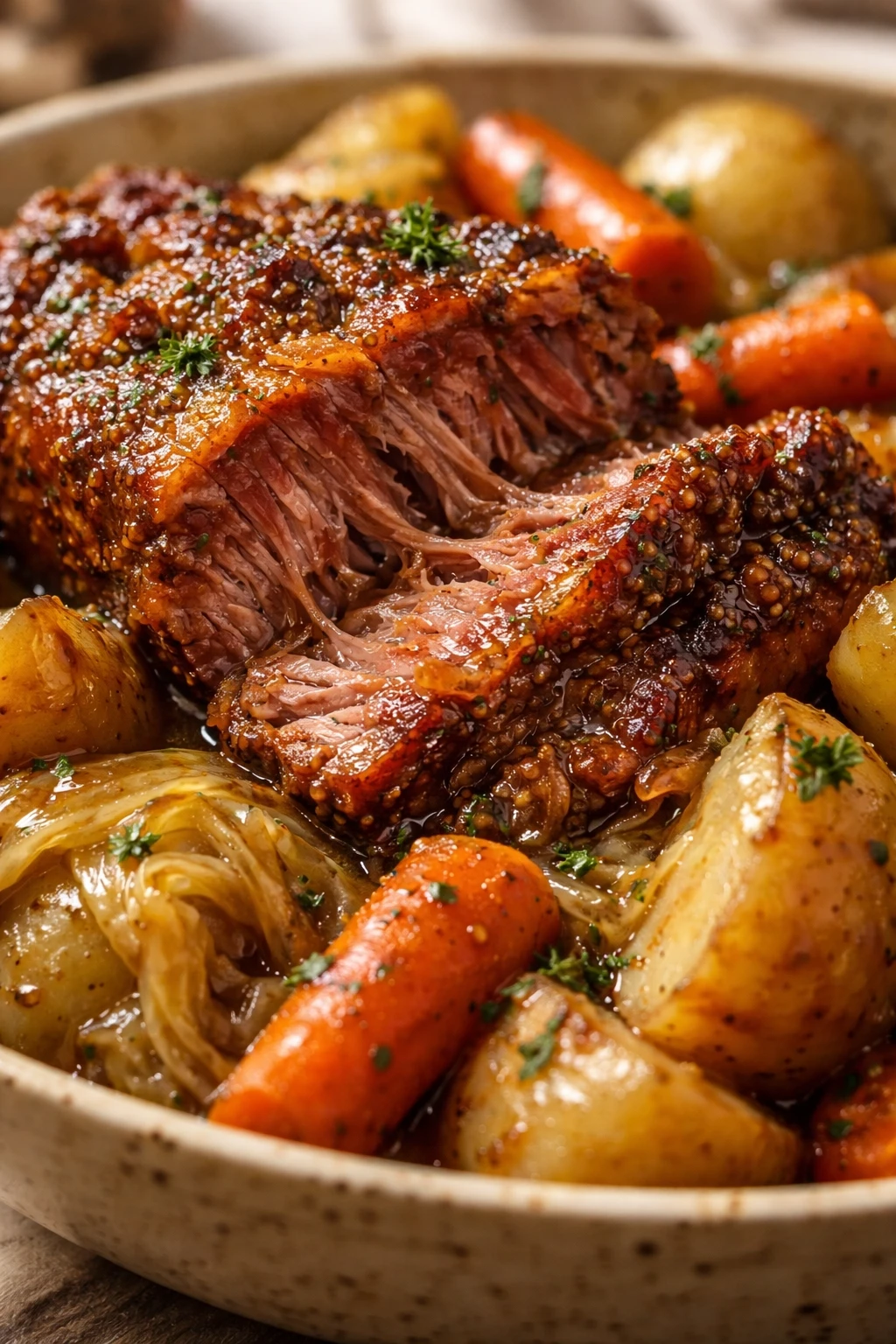
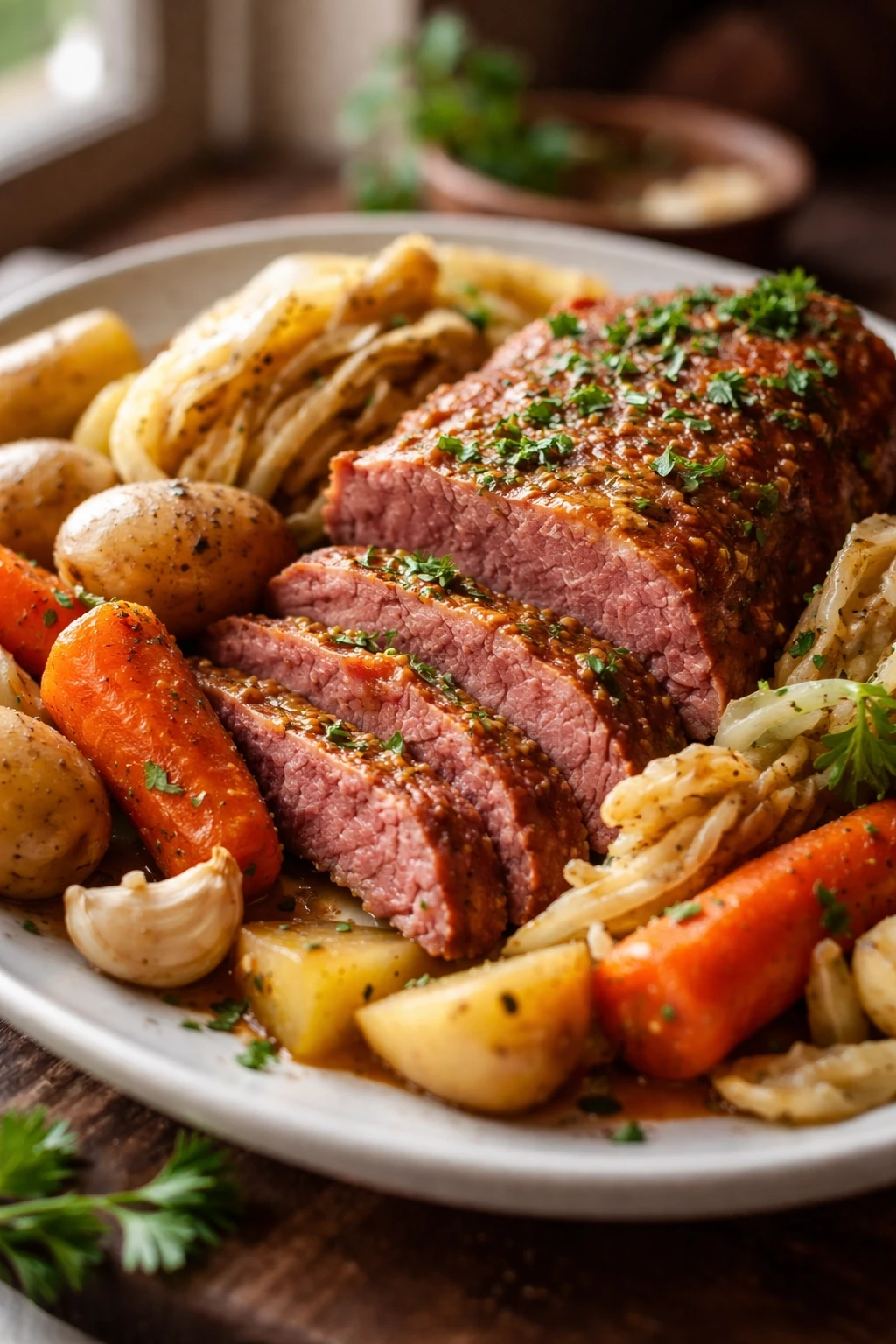
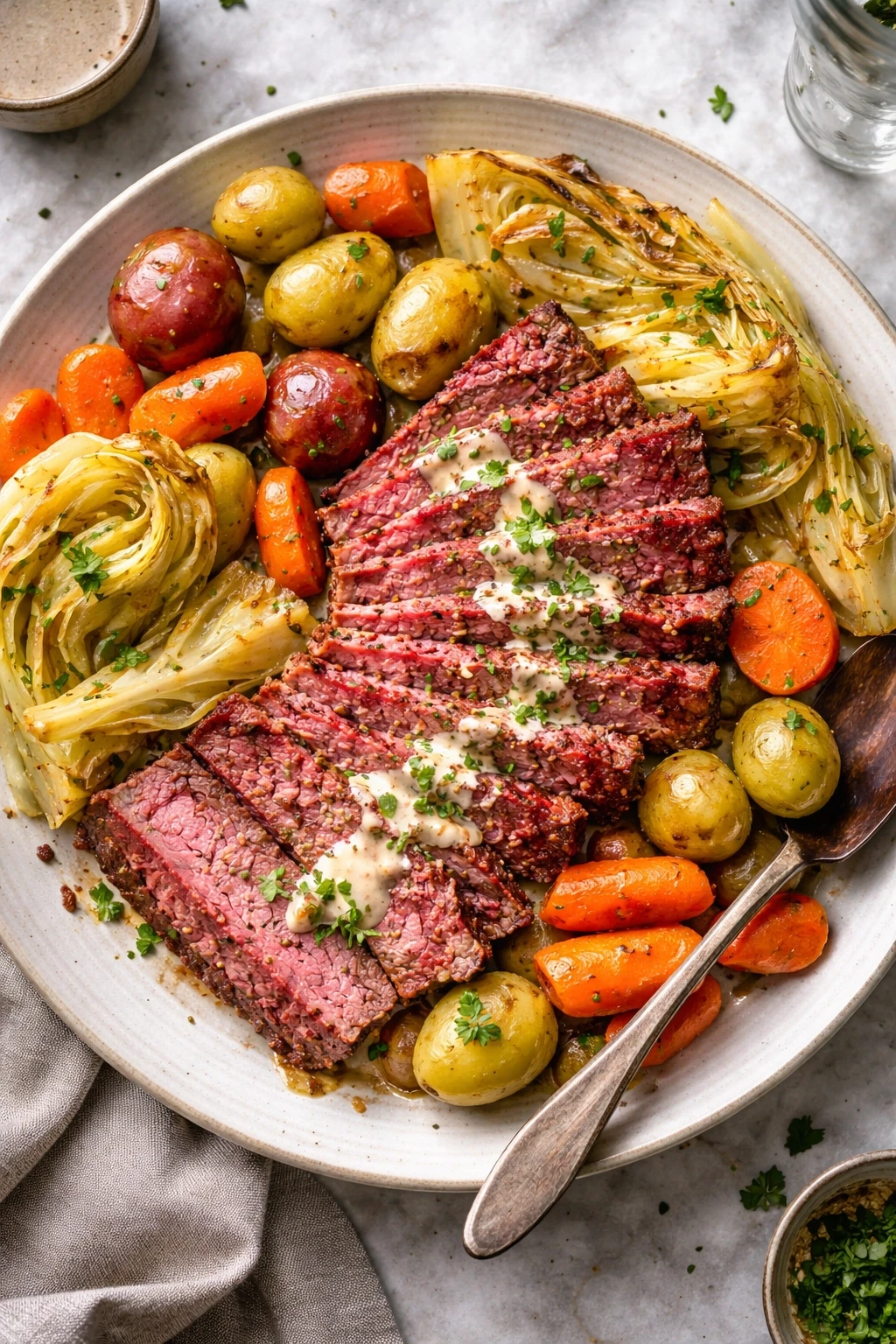
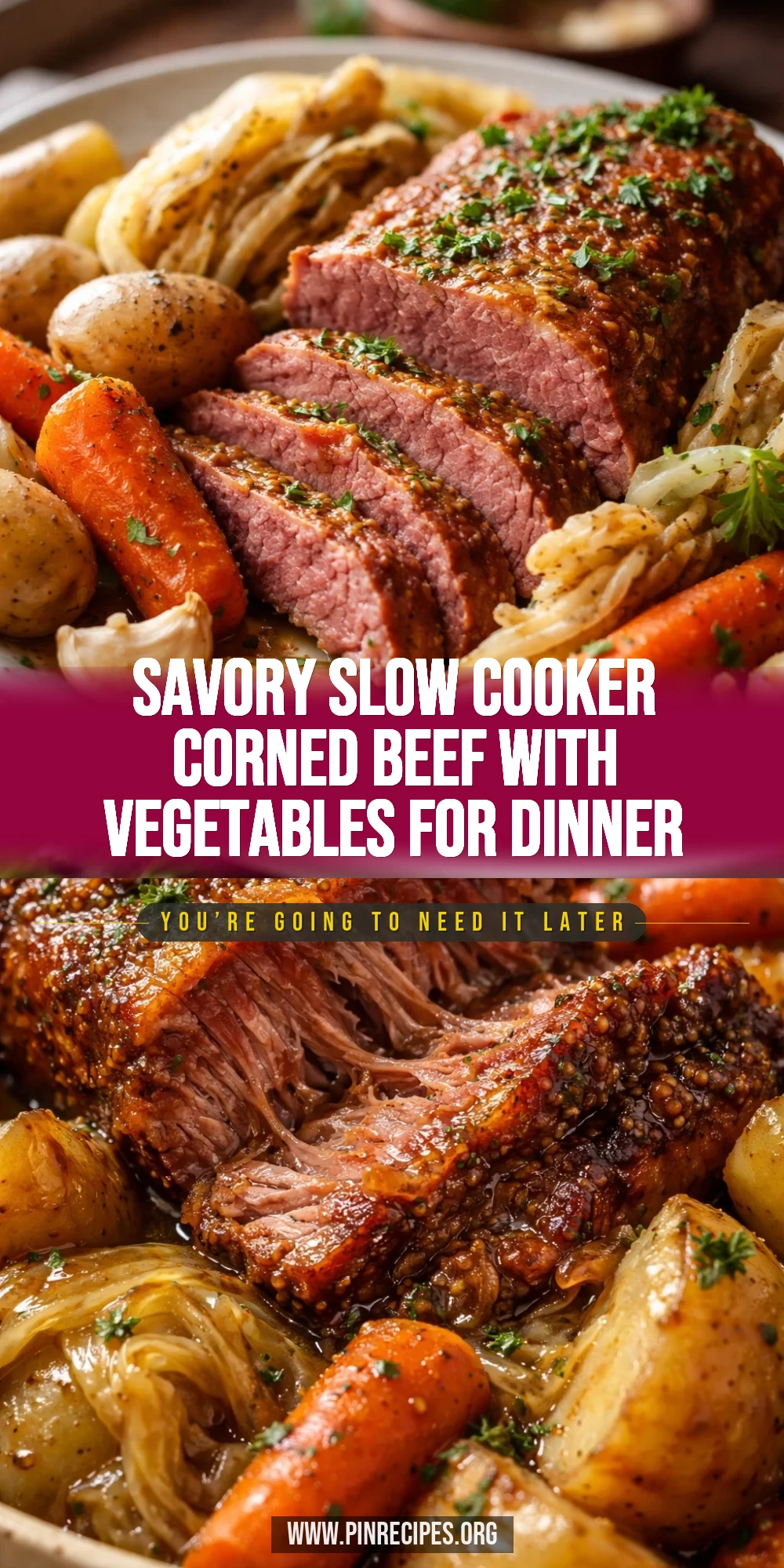
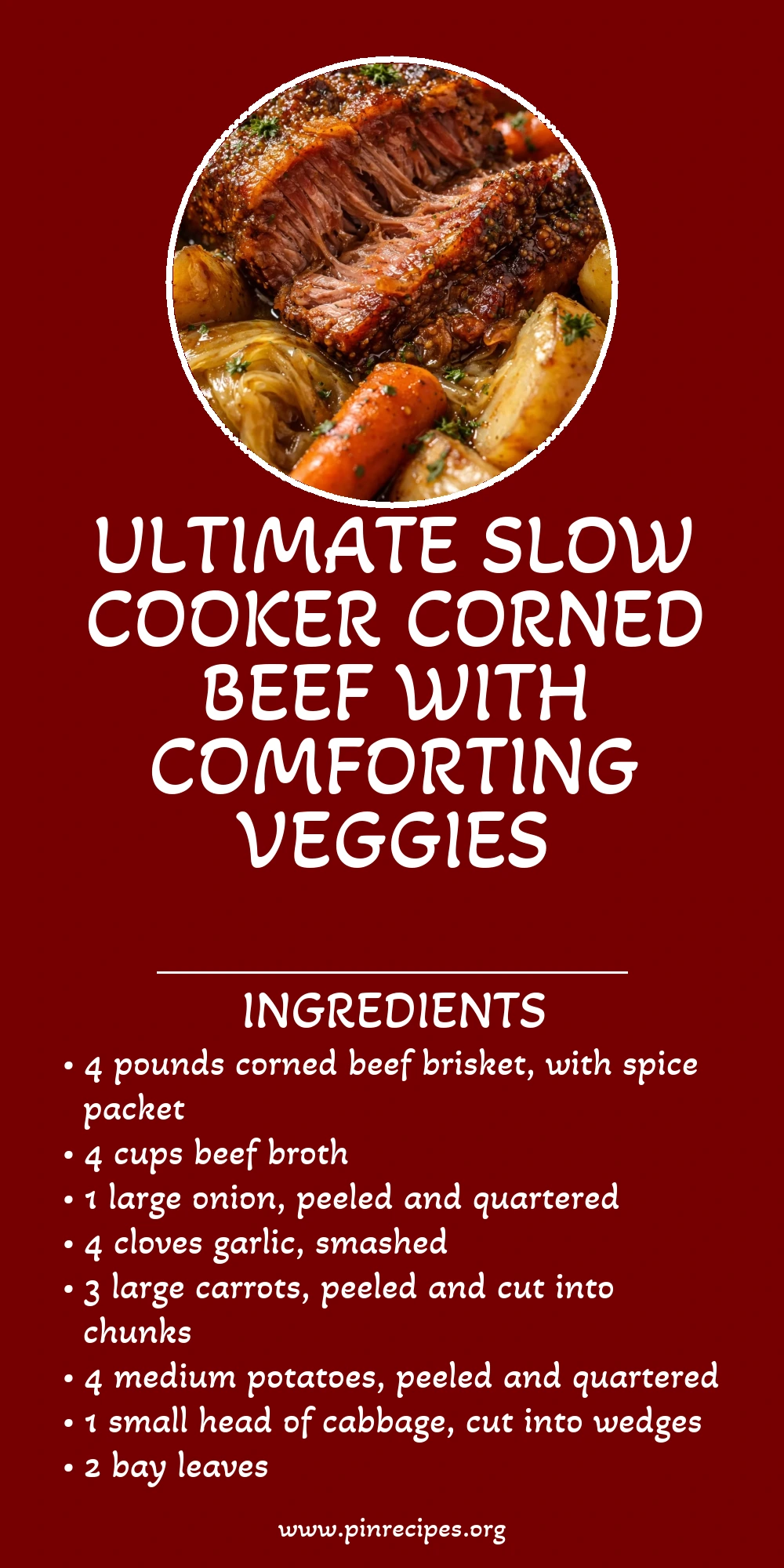
This slow cooker corned beef is fall-apart tender with a rich, savory broth and perfectly cooked veggies. The secret? Low and slow cooking that melts everything together. Great for a comforting weekend meal!
Introduction
I first tried making corned beef in the slow cooker a few years ago when I wanted a hands-off way to enjoy this classic dish without spending hours watching the stove. Honestly, my first attempt was a bit dry and tough, which was disappointing because I love that tender, juicy texture you get from traditional corned beef. Over time, I tweaked the process—adding beef broth, cooking it super low and slow, and layering in plenty of veggies right in the pot. The trick I learned is to resist the urge to rush it and let the meat braise gently for several hours. The end result is this melt-in-your-mouth corned beef with a rich, savory broth that’s soaked up all those spices. The veggies come out tender but still holding their shape, making this a perfect one-pot meal for chilly evenings when you want comfort food without fuss. It’s become a family favorite, especially around holidays or lazy Sundays when I want something hearty and satisfying.
How To Do It
Step 1
Start by rinsing the corned beef brisket under cold water to wash off excess brine and surface salt. This step is important because it prevents the finished dish from being overly salty. Pat the brisket dry with paper towels, then place it fat side up in the slow cooker. This orientation helps the fat baste the meat during cooking, keeping it moist and flavorful. Avoid skipping the rinse, as it can lead to an unbalanced salty taste that masks the spices.
⏱ Time: 10 minutes
✓ Doneness: Brisket is rinsed clean and patted dry with no slimy residue
Step 2
Pour in 4 cups of beef broth to cover about half the brisket. Add the spice packet that came with the corned beef, plus bay leaves and peppercorns. The broth acts as a gentle cooking medium that infuses flavor and keeps the meat moist. Using broth instead of water adds richness and depth. Don’t fill the slow cooker completely; you want the meat partially submerged to allow slow braising and evaporation for concentrated flavor.
⏱ Time: 5 minutes
✓ Doneness: Broth covers about half the brisket and spices are evenly distributed
Step 3
Add the quartered onion and smashed garlic cloves around the brisket. These aromatics slowly release sweet and savory notes as they cook, enhancing the broth’s complexity. Make sure they’re arranged evenly so their flavors permeate all sides of the meat. Avoid chopping the onion too finely here; larger pieces hold up better during the long cook and can be eaten or discarded later.
⏱ Time: 5 minutes
✓ Doneness: Onion and garlic are nestled around the brisket without crowding it
Step 4
Cover the slow cooker with its lid and set it to low heat. Cooking on low for about 8 hours allows the tough connective tissues in the brisket to break down slowly, resulting in tender, juicy meat. Resist the temptation to cook on high, as it can toughen the meat and dry it out. Slow and steady wins here for that perfect texture.
⏱ Time: 8 hours
✓ Doneness: Meat is fork-tender and easily pierced without resistance
Step 5
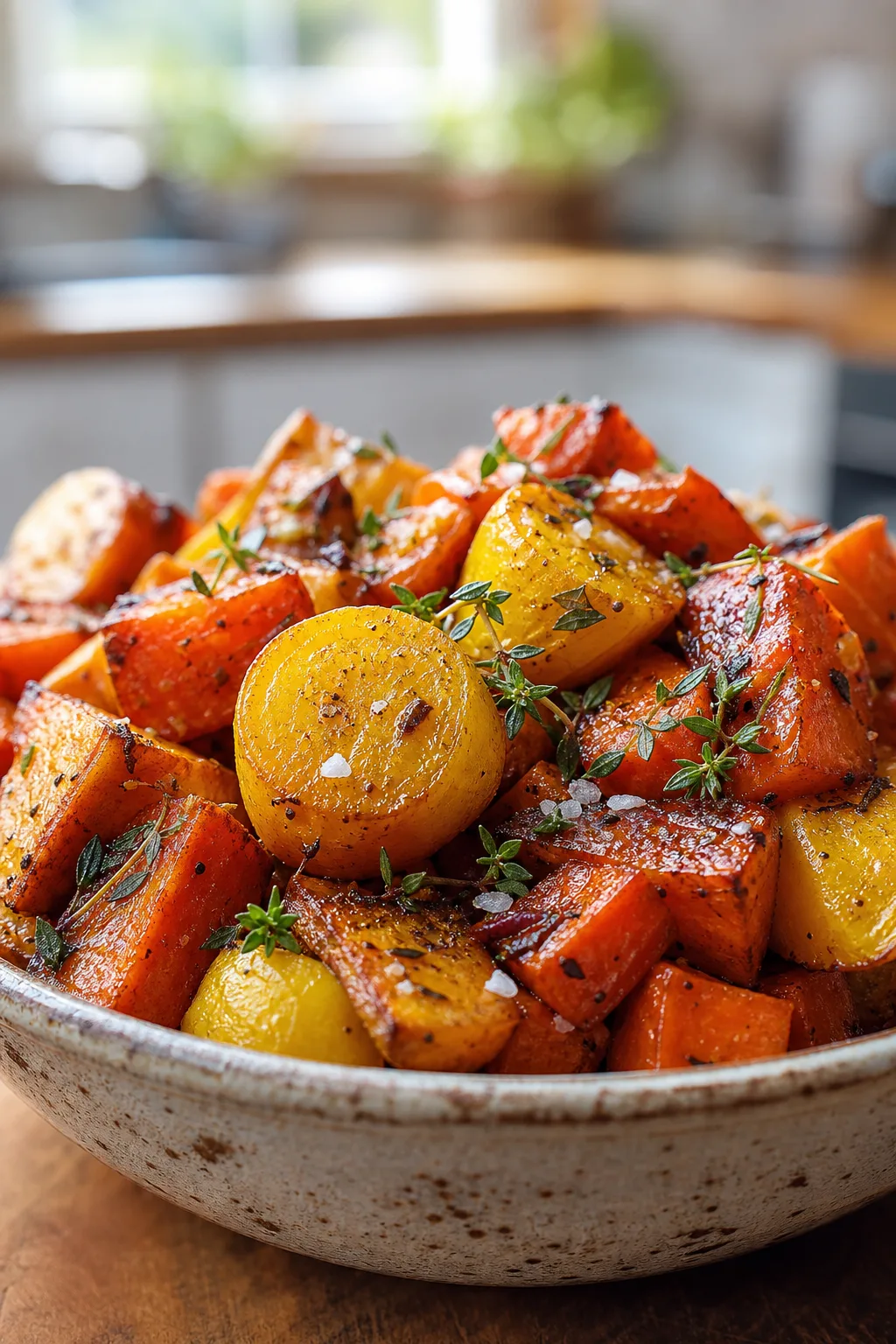
About 2 hours before serving, add the carrots and potatoes to the slow cooker. These root vegetables take a couple of hours to become tender but not mushy. Adding them later prevents overcooking and preserves their texture and flavor. Stir gently to submerge them partially in the broth so they absorb the seasoning.
⏱ Time: 2 hours
✓ Doneness: Carrots and potatoes are fork-tender but still hold shape
Step 6
Add the cabbage wedges during the last 45 minutes of cooking. Cabbage cooks quickly and becomes limp if left too long, so timing is key. Nestle the wedges on top of the other ingredients, allowing steam and broth to wilt them gently. This layering keeps the cabbage from turning to mush while still soaking up flavor.
⏱ Time: 45 minutes
✓ Doneness: Cabbage is tender with a slight bite, vibrant in color
Step 7
Once cooking is complete, carefully lift the brisket out and place it on a cutting board. Let it rest for 10-15 minutes before slicing against the grain. Resting allows juices to redistribute, preventing dryness. Slicing against the grain shortens muscle fibers, making each bite tender. Avoid slicing too early or with the grain, which can cause toughness.
⏱ Time: 15 minutes
✓ Doneness: Juices pool slightly on the cutting board and meat slices cleanly
Step 8
Serve the sliced corned beef with the cooked vegetables arranged on the side, spooning some of the cooking broth over everything for extra moisture and flavor. This simple plating highlights the hearty, rustic nature of the dish. The broth also keeps the meat juicy and the veggies flavorful.
⏱ Time: 5 minutes
✓ Doneness: Dish looks inviting with glossy meat slices and vibrant vegetables
Step 9
Store any leftovers in an airtight container with some cooking liquid to preserve moisture. Reheat gently on the stovetop or in the microwave with a splash of broth to prevent drying out. This dish tastes great reheated and often even better the next day as flavors meld.
⏱ Time: 5 minutes
✓ Doneness: Leftovers remain moist and flavorful when reheated properly
Pro Tips
Rinse the corned beef before cooking to remove excess salt.
Rinsing reduces the brine’s saltiness, preventing the dish from becoming overly salty. This step balances flavors and allows the spices to shine through without being masked by salt.
Cook the brisket fat side up for self-basting.
Positioning the fat cap on top allows the melting fat to drip down and baste the meat, keeping it moist and tender through the long cooking process.
Add vegetables at staggered times based on their cooking needs.
Root vegetables take longer to soften, while cabbage cooks quickly. Timing their addition ensures all components finish perfectly without becoming mushy or undercooked.
Let the meat rest before slicing.
Resting allows juices to redistribute inside the meat, preventing dryness and ensuring each slice is juicy and tender.
Slice against the grain for tenderness.
Cutting across muscle fibers shortens them, making the meat easier to chew and enhancing the eating experience.
Use low and slow heat in the slow cooker.
Slow cooking breaks down tough collagen gently, resulting in tender meat without drying it out or making it stringy.
Save some cooking broth for serving.
Spoon broth over the meat and vegetables when plating to keep everything moist and add extra flavor.
Common Mistakes to Avoid
Skipping the rinsing of the corned beef.
Why it happens Many assume the brine is part of the flavor and skip rinsing, leading to an overly salty final dish.
Fix Always rinse the brisket under cold water before cooking to wash away excess salt. This balances the seasoning and allows the spices to come through without overwhelming saltiness.
Cooking on high heat to save time.
Why it happens Impatience or lack of time can tempt cooks to speed up the process by using high heat, but this toughens the meat.
Fix Use the low setting on your slow cooker and allow 8 hours or more for cooking. The slow, gentle heat breaks down collagen properly, producing tender meat.
Adding all vegetables at the start.
Why it happens Assuming everything should cook together from the beginning can lead to mushy veggies.
Fix Add root vegetables halfway through and cabbage near the end to ensure they retain texture and flavor.
Not resting the meat before slicing.
Why it happens Eager to serve, some slice immediately, causing juices to run out and dry meat.
Fix Let the meat rest for at least 10 minutes after cooking to keep it juicy.
Slicing with the grain.
Why it happens Lack of awareness about meat fibers leads to tougher slices.
Fix Identify the grain direction and slice perpendicular to it for tender bites.
Variations
Spicy Mustard Corned Beef
Add a tablespoon of Dijon mustard and a pinch of red pepper flakes to the cooking broth for a tangy, spicy twist. The mustard adds depth and a slight kick that complements the beef’s richness.
Note: Mix mustard into broth before cooking; red pepper flakes can be added with spices. Monitor spice levels to avoid overpowering the dish.
Beer-Braised Corned Beef
Replace half the beef broth with a good-quality stout or dark beer. This adds malty, roasted flavors that deepen the dish’s complexity and make it extra hearty.
Note: Use a mild beer to avoid bitterness; ensure slow cooker is covered tightly to prevent strong alcohol odors.
Slow Cooker Corned Beef with Parsnips
Swap some potatoes for parsnips for a sweeter, earthier flavor. Parsnips cook similarly to carrots and add a nice contrast to the savory beef.
Note: Add parsnips with carrots at the 2-hour mark; adjust seasoning to balance sweetness.
Corned Beef and Cabbage Soup
After cooking, shred the beef and combine with the broth and vegetables to make a hearty soup. Add barley or lentils for extra body and nutrition.
Note: Simmer soup gently after shredding beef; add grains early enough to cook through.
Instant Pot Corned Beef
Use an Instant Pot to cut cooking time dramatically. Pressure cook the brisket with broth and spices for about 90 minutes, then add vegetables and cook on sauté mode until tender.
Note: Adjust liquid amounts to prevent burning; quick release pressure carefully to avoid tough meat.
Nutrition
Per Serving:
Nutritional values are estimates and may vary based on specific ingredients used.
Storage & Tips
Room Temperature
You can keep cooked corned beef at room temperature for up to 2 hours if covered loosely to avoid contamination. Beyond that, refrigerate promptly to prevent bacterial growth.
Refrigerator
Store leftovers in an airtight container with some cooking liquid for up to 4 days. The meat may firm up when cold but reheats well with added broth to regain moisture. Vegetables can become softer but still tasty.
Freezer
Freeze corned beef and vegetables separately in airtight containers or freezer bags for up to 3 months. Wrap tightly to prevent freezer burn. Thaw overnight in the fridge before reheating gently.
Reheating
Reheat on the stovetop over low heat with a splash of broth to keep meat moist. Microwave works but add liquid and cover to avoid drying. Avoid overheating which can toughen meat.
Make Ahead
You can prepare the brisket and broth up to 2 days ahead and refrigerate. Add vegetables and finish cooking on the day of serving for best texture and flavor.
FAQ
Can I use water instead of beef broth?
Yes, you can substitute water for beef broth, but the flavor will be less rich and savory. Broth adds depth and umami, so if you only have water, consider adding extra spices or a bouillon cube to compensate.
How do I know when the corned beef is done?
The best indicator is tenderness—use a fork to test if the meat easily pierces and pulls apart. It should be fork-tender but not falling apart completely. This usually takes about 8 hours on low in a slow cooker.
Can I cook this recipe without a slow cooker?
Absolutely! You can braise the corned beef in a heavy pot or Dutch oven in the oven at 300°F for about 3-4 hours, covered, adding broth and spices. The slow cooker just makes it more hands-off.
What should I do if my corned beef turns out too salty?
Try serving it with extra potatoes or cabbage which absorb saltiness. Also, rinsing the brisket before cooking helps prevent this. If already cooked, dilute the broth with water or add unsalted vegetables to balance flavors.
Can I freeze leftovers?
Yes, corned beef freezes well. Store meat and vegetables separately in airtight containers or bags. Thaw in the fridge overnight and reheat gently with some broth to keep moist.
Is it okay to add other vegetables?
Definitely! Parsnips, turnips, or rutabagas make great additions. Add them with carrots and potatoes to ensure even cooking. Just adjust cooking time slightly if the vegetables are denser.
Why does my corned beef sometimes come out tough?
Usually from cooking at too high a temperature or not long enough. Slow, low heat breaks down collagen properly. Also, slicing against the grain is important for tenderness.
Can I make this recipe gluten-free?
Yes, just make sure your beef broth and any added seasonings are gluten-free. Most corned beef briskets and basic spices are naturally gluten-free.
Final Thoughts
Give this slow cooker corned beef a try next time you want a comforting, hands-off meal. I’d love to hear how it turns out for you!