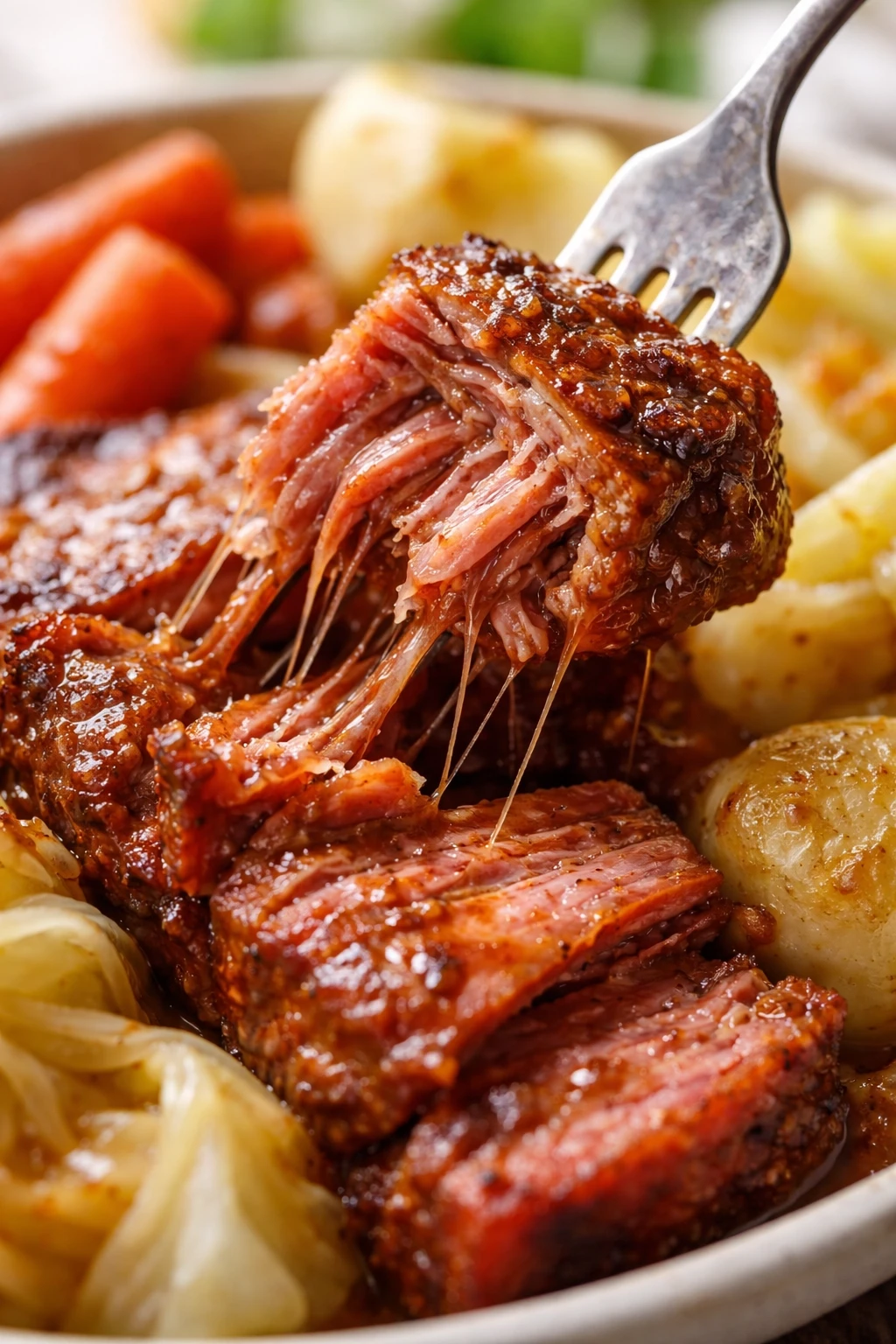
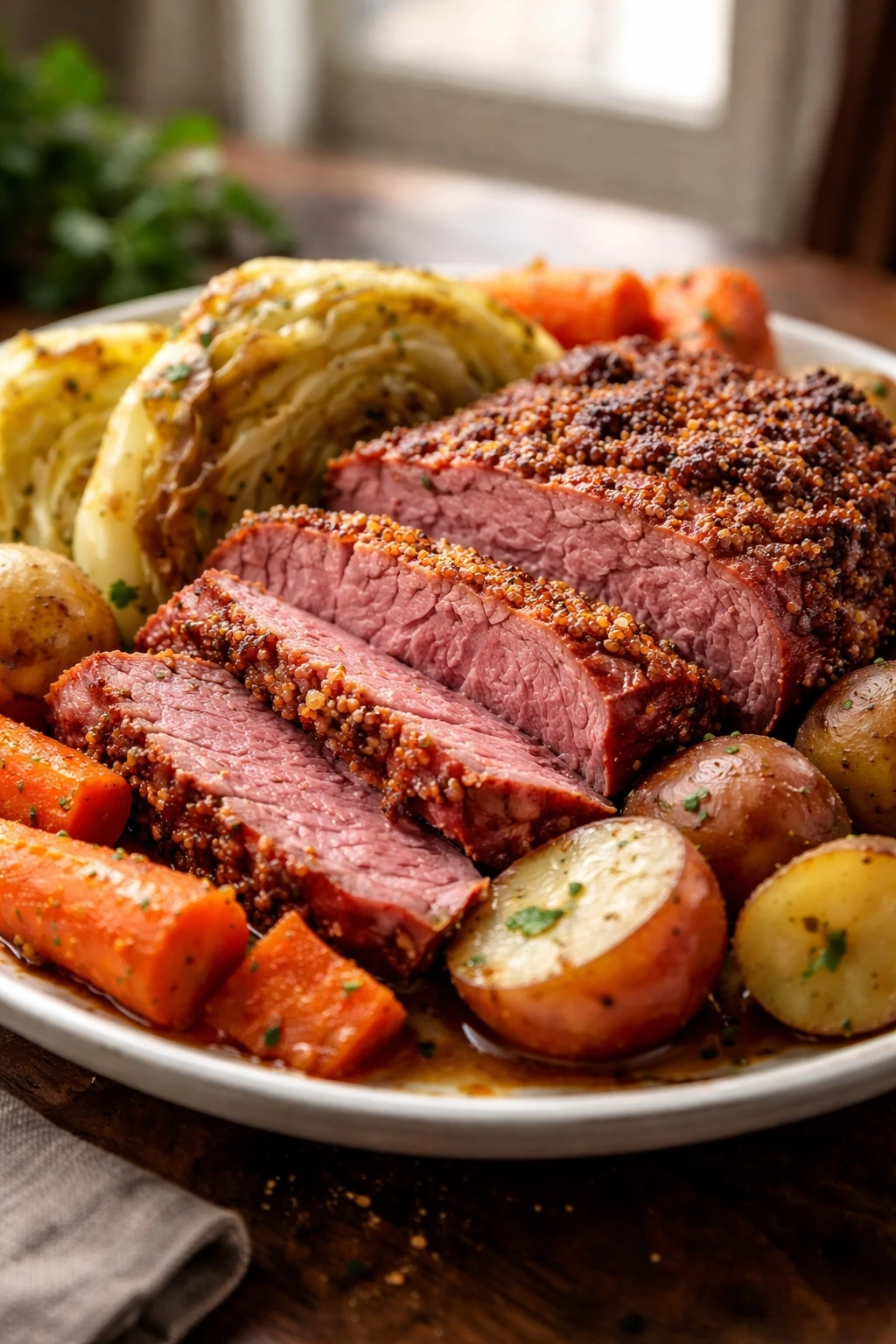
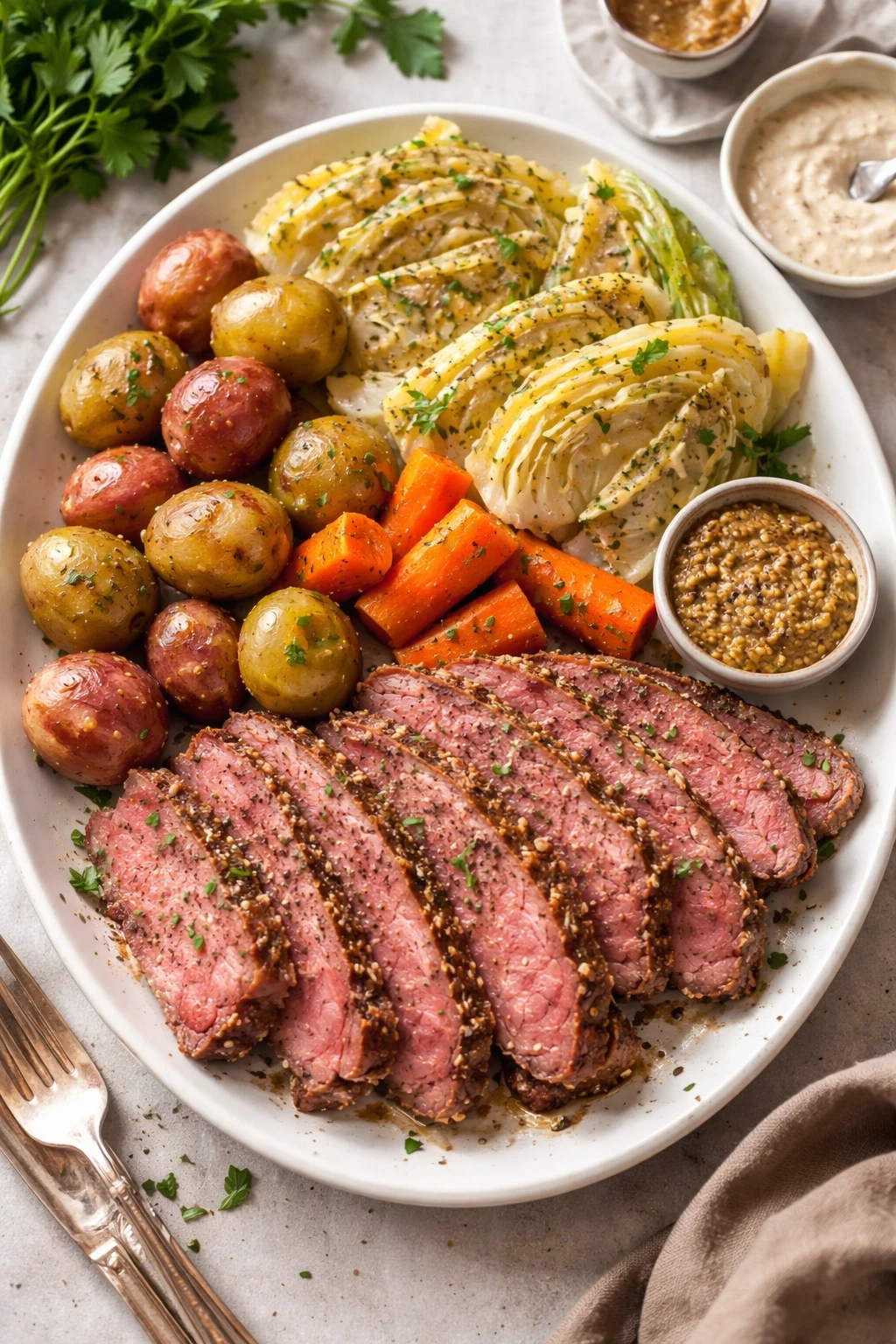
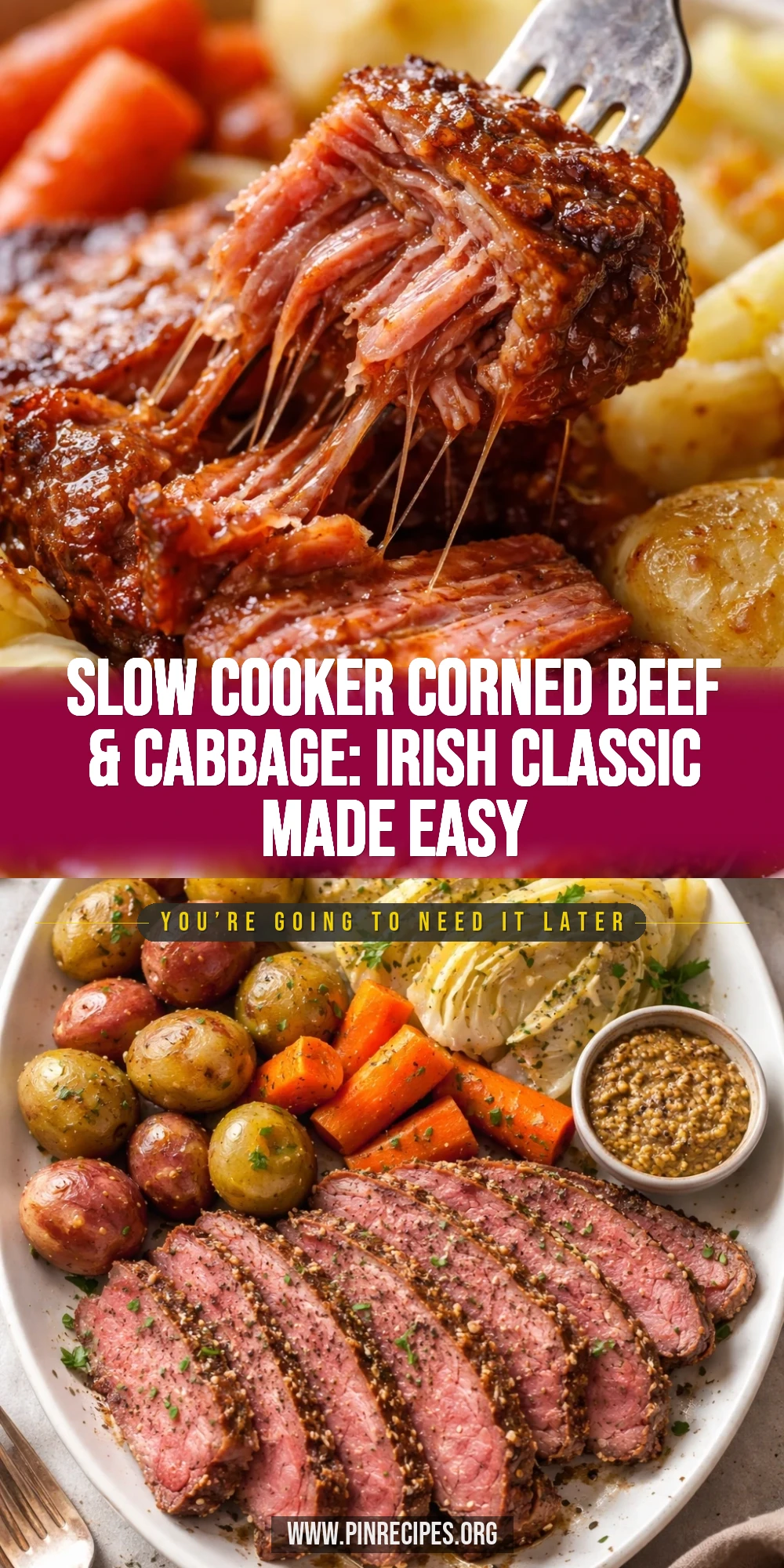
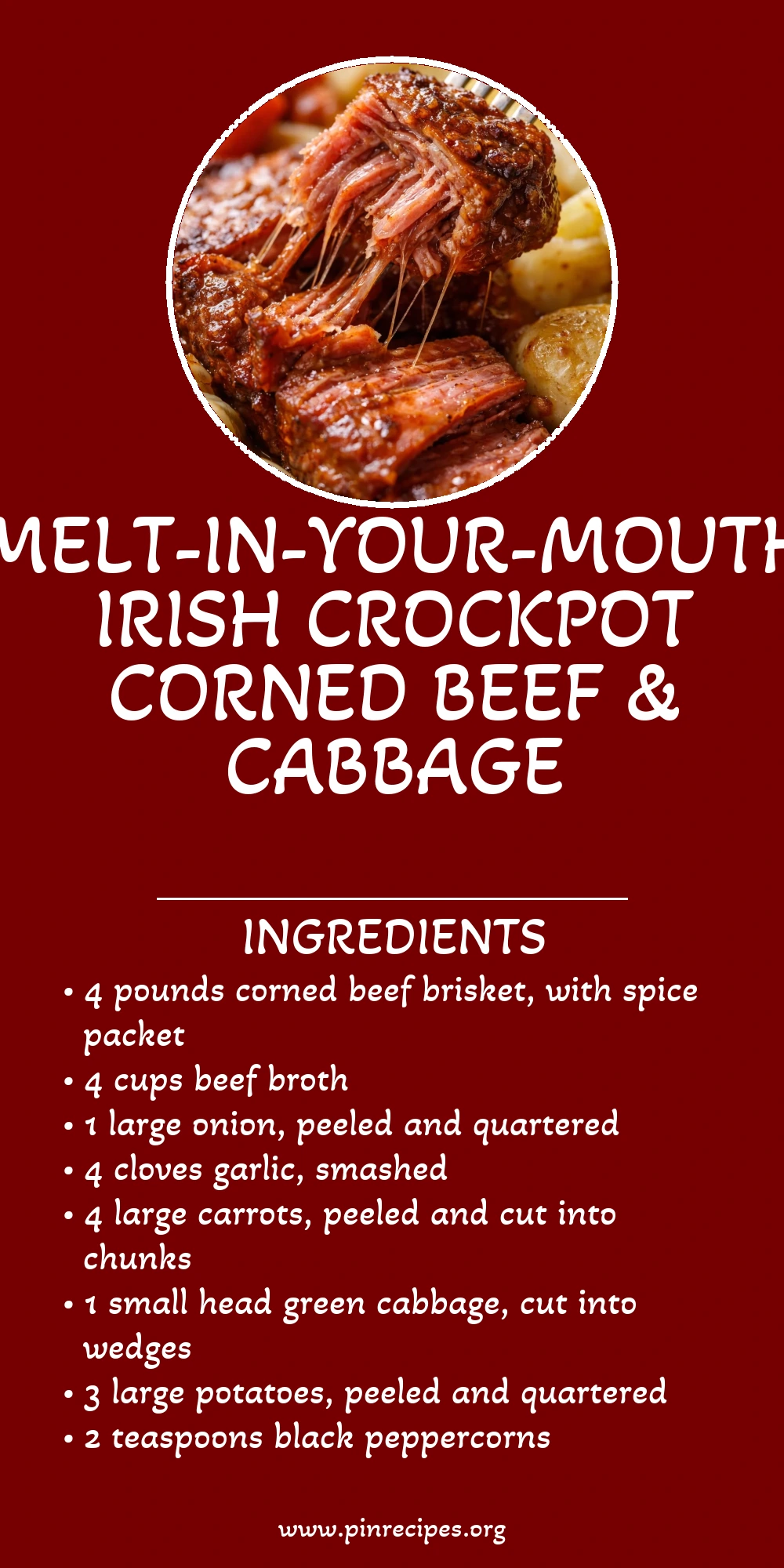
This slow-cooked corned beef with cabbage is a cozy classic that’s all about tender, flavorful meat and perfectly soft veggies. The secret? Low and slow in the crockpot for hours. Great for St. Patrick’s Day or any chilly evening when you want comfort food.
Introduction
I remember the first time I made corned beef and cabbage in my crockpot—it was a bit of a happy accident. I’d always thought the stovetop method was the way to go, but slow cooking it overnight totally changed the game. The meat comes out so tender it practically falls apart, and the cabbage and potatoes soak up all those rich flavors without turning mushy. What sets my version apart is adding the beef broth and the spice packet right into the crockpot, which keeps everything moist and flavorful throughout the long cook. Plus, layering the veggies at the right time is key to avoid overcooking them. This dish is perfect for a relaxed weekend meal or a festive St. Patrick’s Day dinner. It’s hearty, comforting, and honestly, it makes the house smell amazing. Just make sure to carve the beef against the grain for the best texture. I’ve had my share of dry or tough corned beef before I figured that out!
How To Do It
Step 1
Rinse the corned beef brisket under cold water to remove excess brine and pat dry with paper towels. This step is important because it prevents the final dish from being too salty, which can easily happen with pre-brined briskets. Place the brisket fat side up in the bottom of your crockpot. Layer the quartered onion, smashed garlic cloves, black peppercorns, and bay leaves around the meat. Pour in the beef broth, making sure the liquid covers at least half the brisket. Adding liquid helps keep the meat moist and encourages even cooking during the long slow cook.
⏱ Time: 15 minutes
✓ Doneness: Brisket is nestled in broth with aromatics evenly distributed
Step 2
Cover the crockpot and cook the brisket on low for 8 to 10 hours. The low temperature allows the tough connective tissues in the brisket to break down gently, turning the meat tender and juicy. Resist the urge to lift the lid frequently, as this releases heat and can extend cooking time. You’ll know it’s done when a fork slides easily into the meat without resistance and the internal temperature reaches about 190°F for optimal tenderness.
⏱ Time: 8 to 10 hours
✓ Doneness: Meat is fork-tender and easily pulls apart
Step 3
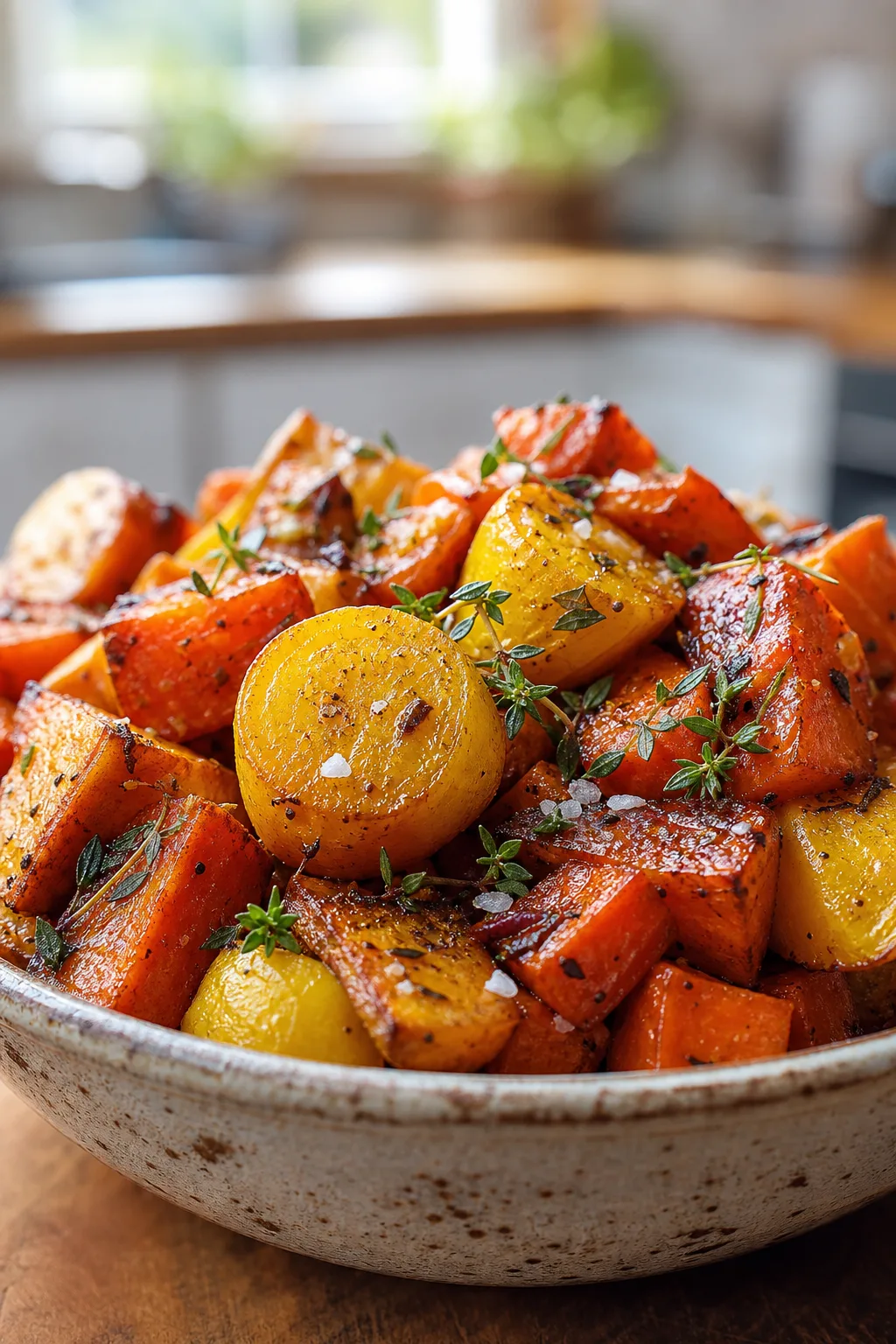
About 2 hours before serving, add the carrots and potatoes to the crockpot, arranging them around the brisket. Cover and continue cooking. Adding the root vegetables later prevents them from turning to mush and allows them to absorb the flavorful broth. Keep the lid closed to maintain temperature and moisture. The veggies should be tender but still hold their shape when done.
⏱ Time: 2 hours
✓ Doneness: Carrots and potatoes are fork-tender but intact
Step 4
About 30 minutes before serving, add the cabbage wedges to the crockpot. Place them on top of the other ingredients and cover. Cabbage cooks quickly and can become soggy if left too long, so timing is key. The steam from the broth will soften the cabbage perfectly while keeping it slightly crisp. Check for doneness by piercing the thickest part of the wedge with a fork; it should slide in easily but still offer a little resistance.
⏱ Time: 30 minutes
✓ Doneness: Cabbage is tender but not mushy
Step 5
Once everything is cooked, carefully remove the corned beef from the crockpot and place it on a cutting board. Let it rest for 10 minutes before slicing against the grain. Resting allows the juices to redistribute, ensuring every slice is juicy and tender. Cutting against the grain shortens the muscle fibers, making the meat easier to chew and enhancing tenderness.
⏱ Time: 10 minutes
✓ Doneness: Meat juices settle and slices are tender
Step 6
Use a slotted spoon to transfer the carrots, potatoes, and cabbage to a serving platter. Spoon some of the cooking liquid over the vegetables for extra flavor and moisture. This broth is rich and savory, so don’t skip this step—it ties the whole dish together. You can strain the liquid if you prefer a clearer sauce or serve it as is for a rustic touch.
⏱ Time: 5 minutes
✓ Doneness: Vegetables glisten with broth and look vibrant
Step 7
Slice the corned beef into 1/4-inch thick slices against the grain and arrange on the platter alongside the vegetables. Garnish with fresh parsley if desired for a pop of color and freshness. The contrast between tender meat and soft veggies makes for a comforting and satisfying meal.
⏱ Time: 5 minutes
✓ Doneness: Even slices with visible grain and moist texture
Step 8
If you want to make a gravy, strain about 1 cup of the cooking liquid into a saucepan and bring to a simmer. Whisk in 1 tablespoon of cornstarch mixed with 2 tablespoons of cold water until thickened. This step adds a luscious sauce that complements the beef and veggies perfectly. Be careful to whisk constantly to avoid lumps and cook until the gravy is glossy and smooth.
⏱ Time: 5 minutes
✓ Doneness: Gravy is thickened and shiny without lumps
Step 9
Serve the corned beef and cabbage hot, drizzled with gravy if using. This meal pairs wonderfully with a side of crusty bread or mustard for dipping. The leftovers also reheat beautifully, making it a great make-ahead dinner. Enjoy the hearty flavors and the cozy feeling it brings to your table.
⏱ Time: Immediate
✓ Doneness: Dish served warm with inviting aroma
Pro Tips
Rinse the brisket before cooking to reduce excess saltiness.
Brined corned beef can be very salty straight from the package. Rinsing removes some of the surface brine, preventing an overly salty final dish while still preserving the cured flavor.
Add vegetables at staggered times to avoid mushiness.
Different veggies have varying cooking times. Adding root vegetables earlier and cabbage later ensures each is perfectly cooked, retaining texture and flavor.
Cook on low heat for the best tenderness.
Low and slow heat breaks down tough connective tissue gradually, resulting in tender, juicy meat without drying it out.
Let the meat rest before slicing.
Resting allows juices to redistribute inside the meat, preventing them from spilling out and drying the slices when cut.
Slice against the grain for tender bites.
Cutting across muscle fibers shortens them, making the meat easier to chew and enhancing tenderness.
Use beef broth instead of water for richer flavor.
Broth adds depth and complexity to the cooking liquid, which infuses the meat and vegetables, elevating the dish.
Keep the crockpot lid closed during cooking.
Lifting the lid releases heat and moisture, increasing cooking time and potentially drying out the meat.
Common Mistakes to Avoid
Overcooking the cabbage
Why it happens Many cooks add cabbage too early, thinking it needs the same time as root vegetables, which leads to mushy, unappetizing cabbage.
Fix Add cabbage only during the last 30 minutes of cooking to keep it tender but not soggy. Keep the lid closed to trap steam and cook evenly.
Not rinsing the corned beef
Why it happens Some assume the seasoning is balanced as is, but the brine can be overly salty if not rinsed off.
Fix Rinse the brisket under cold water before cooking to remove excess salt and prevent an overly salty dish.
Slicing the meat with the grain
Why it happens It’s easy to overlook the grain direction, resulting in tougher slices that are harder to chew.
Fix Identify the grain (muscle fibers) and slice perpendicular to it for tender, easy-to-eat pieces.
Cooking on high heat
Why it happens Impatience or lack of time can lead to using the high setting, which doesn’t break down connective tissue properly.
Fix Use the low setting for 8-10 hours to ensure the meat becomes tender and juicy.
Lifting the crockpot lid too often
Why it happens Curiosity or checking doneness can cause frequent lid removal, disrupting cooking temperature.
Fix Trust the cooking time and only open the lid when necessary to maintain consistent heat and moisture.
Variations
Spiced Mustard Glaze Corned Beef
After slow cooking, brush the sliced corned beef with a mixture of Dijon mustard, brown sugar, and a pinch of ground cloves. Broil for 3-5 minutes until caramelized. This adds a sweet-spicy crust that contrasts beautifully with the tender meat.
Note: Watch closely under the broiler to avoid burning; the glaze caramelizes quickly.
Guinness Braised Corned Beef
Replace half the beef broth with Guinness stout for a richer, deeper flavor. The beer’s malty notes complement the spices and add complexity to the broth and meat.
Note: Use a sturdy crockpot-safe liquid measuring cup to pour the beer carefully and avoid foam overflow.
Slow Cooker Corned Beef Hash
Use leftover corned beef and vegetables to make a hash by chopping everything finely and frying in a skillet with onions and peppers. Top with a fried egg for a hearty breakfast or brunch.
Note: Leftover vegetables should be firm enough to hold shape when chopped; avoid mushy leftovers for best texture.
Vegetarian Irish Stew
Skip the meat and use vegetable broth with hearty root vegetables, mushrooms, and cabbage. Add barley for extra texture and protein. This version offers all the comforting flavors without the beef.
Note: Increase cooking time slightly to soften barley and mushrooms fully.
Slow Cooker Corned Beef Tacos
Shred the cooked corned beef and serve in warm tortillas with pickled cabbage slaw and a drizzle of horseradish sauce for a fun twist on a classic.
Note: Keep the beef moist by tossing with a bit of reserved cooking liquid before assembling tacos.
Nutrition
Per Serving:
Nutritional values are estimates and may vary based on specific ingredients used.
Storage & Tips
Room Temperature
Corned beef and vegetables can safely sit out covered for up to 2 hours. Beyond that, bacteria growth increases. Always cover with foil or a clean cloth to prevent contamination.
Refrigerator
Store leftovers in an airtight container for up to 4 days. The flavors often deepen overnight. Reheat gently to avoid drying the meat—microwave with a splash of broth or warm in a covered skillet.
Freezer
Freeze cooked corned beef and vegetables in airtight containers or heavy-duty freezer bags for up to 3 months. Wrap tightly to prevent freezer burn. Thaw overnight in the refrigerator before reheating.
Reheating
Reheat leftovers in a skillet over medium-low heat with a splash of broth to keep moist, or microwave covered in short intervals. Avoid high heat to prevent drying out the beef and veggies.
Make Ahead
Prepare the corned beef and broth base a day ahead. Store in the crockpot insert refrigerated overnight. Add vegetables and cook the next day to ensure they retain texture and freshness.
FAQ
Can I cook corned beef faster than 8 hours?
While it’s tempting to speed things up, cooking corned beef on high heat for less time often results in tougher meat. The slow, low heat breaks down collagen gradually, making the brisket tender. If short on time, use the high setting for 4-5 hours, but expect a firmer texture.
Is it necessary to rinse the corned beef before cooking?
Yes, rinsing removes excess salt and brine from the surface, preventing the dish from becoming overly salty. Just a quick rinse under cold water is enough before placing it in the crockpot.
Can I use frozen corned beef in the crockpot?
It’s best to thaw corned beef fully before cooking to ensure even cooking and food safety. Cooking from frozen can lead to unevenly cooked meat and longer cook times.
What’s the best way to store leftovers?
Keep leftovers in airtight containers in the fridge for up to 4 days. Separate meat and vegetables if possible to maintain texture. For longer storage, freeze in portioned containers for up to 3 months.
Can I add other vegetables to this recipe?
Absolutely! Parsnips, turnips, or leeks make great additions. Just add root vegetables earlier in the cooking process and delicate ones like cabbage last to avoid overcooking.
How do I avoid mushy vegetables?
Add vegetables based on their cooking times—roots earlier, cabbage last. Also, avoid overcooking by monitoring the crockpot and removing veggies as soon as tender.
What if I don’t have a crockpot?
You can simmer corned beef on the stovetop in a heavy pot with broth and spices for about 3 hours, then add vegetables accordingly. Oven braising at low heat also works well.
Can I make this recipe gluten-free?
Yes! Corned beef and vegetables are naturally gluten-free. Just check your beef broth and spice packet labels to ensure they contain no gluten additives.
Final Thoughts
Give this slow-cooked corned beef and cabbage a try—you’ll love how easy it is and how tender the meat turns out. Let me know how it goes!