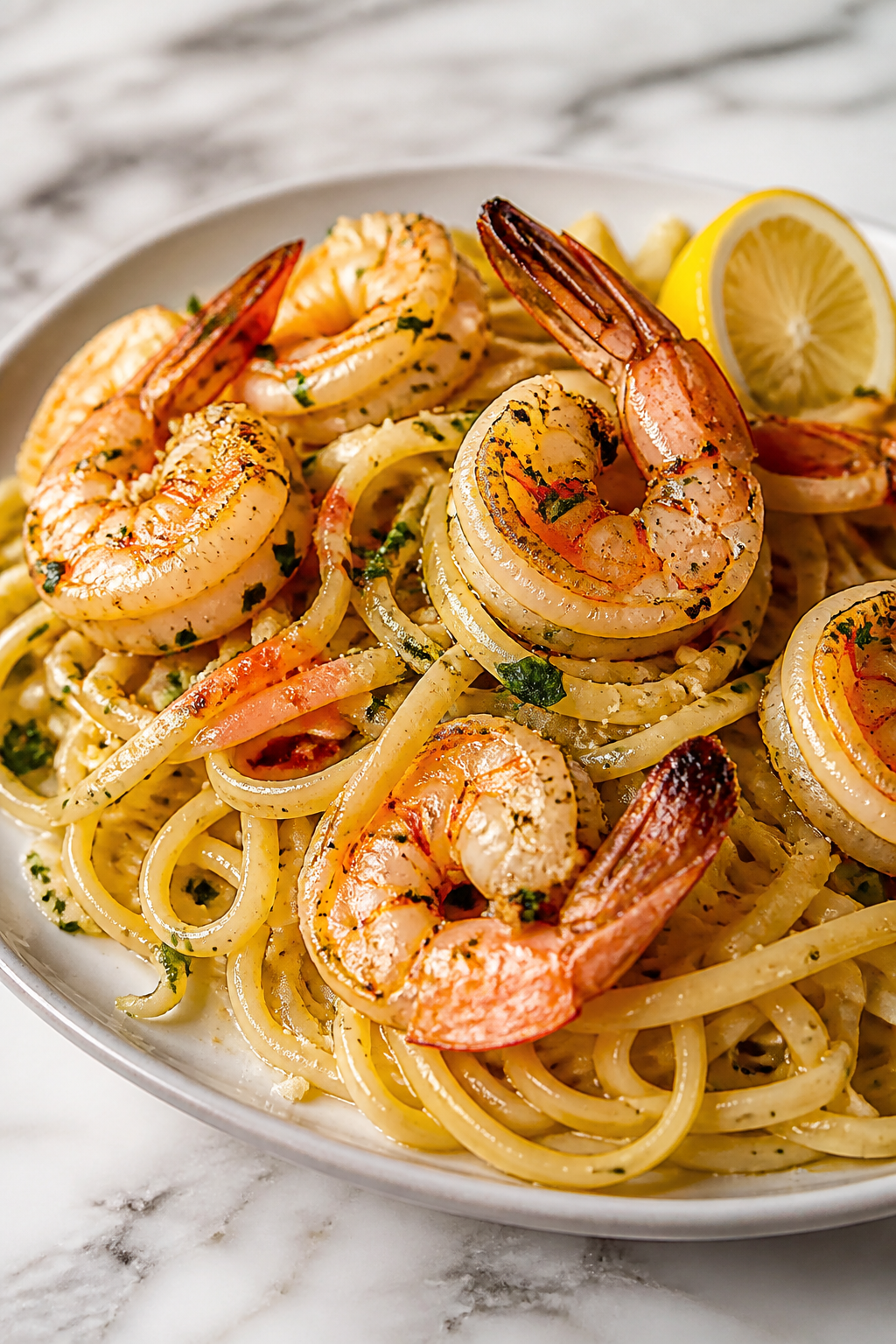
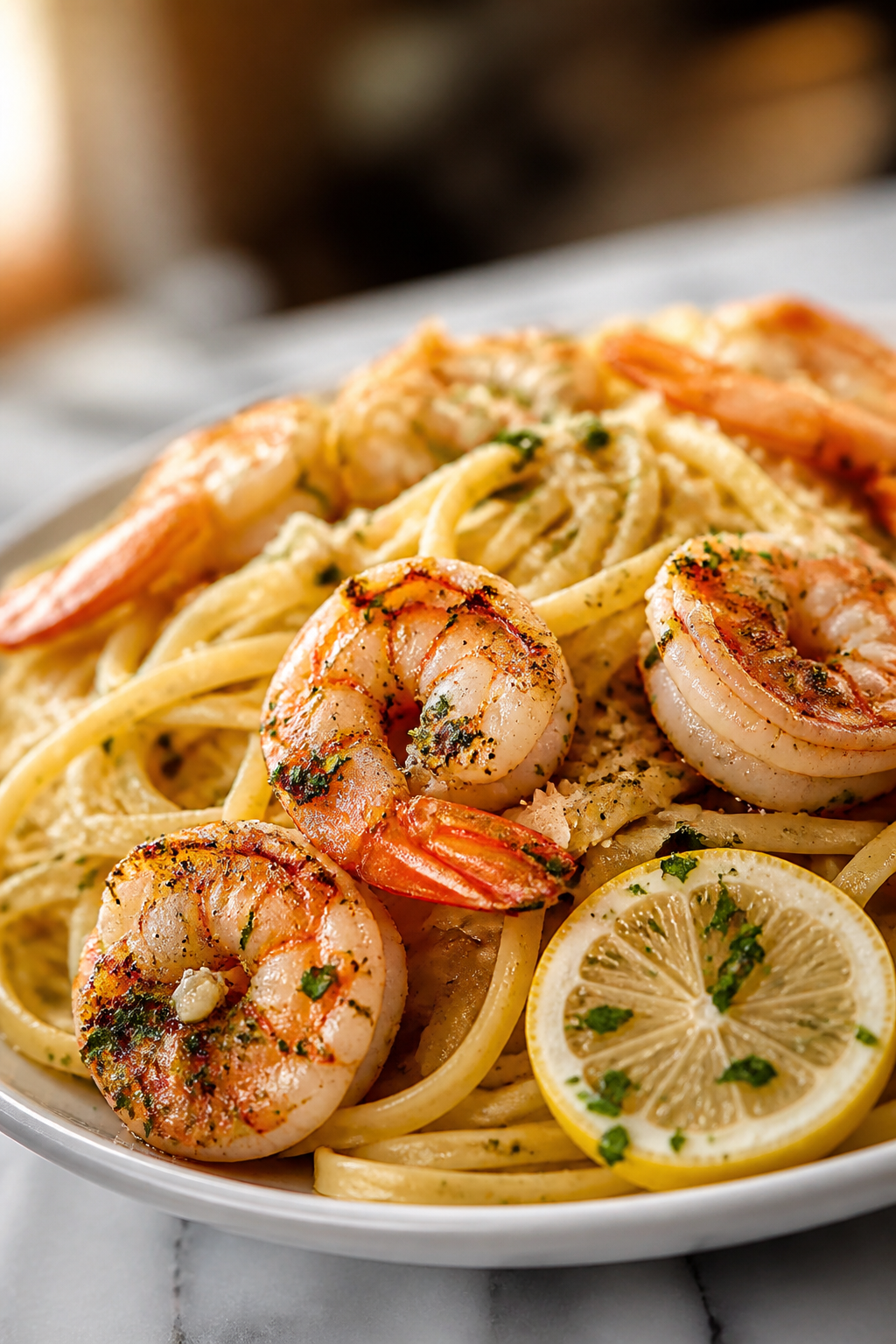
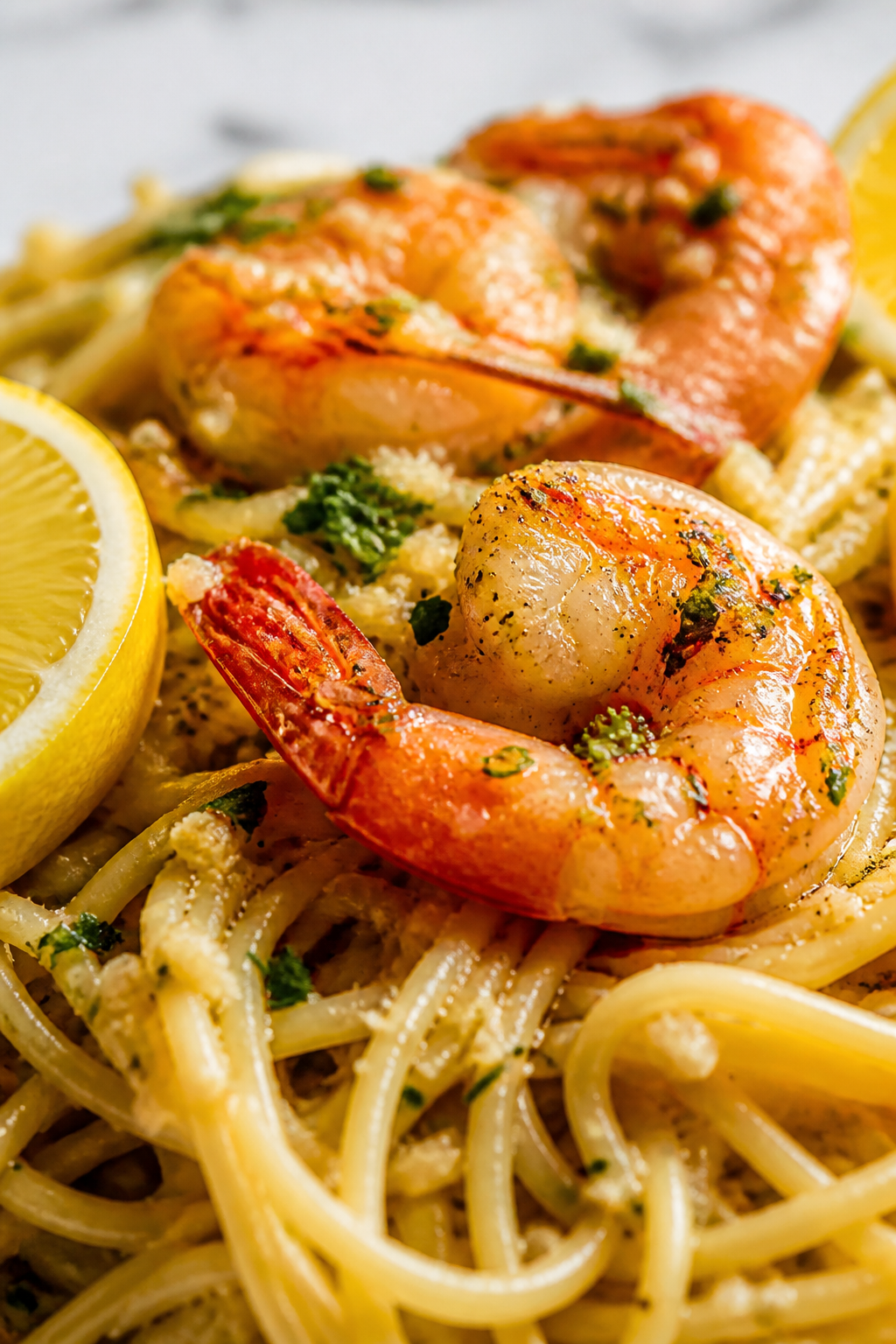
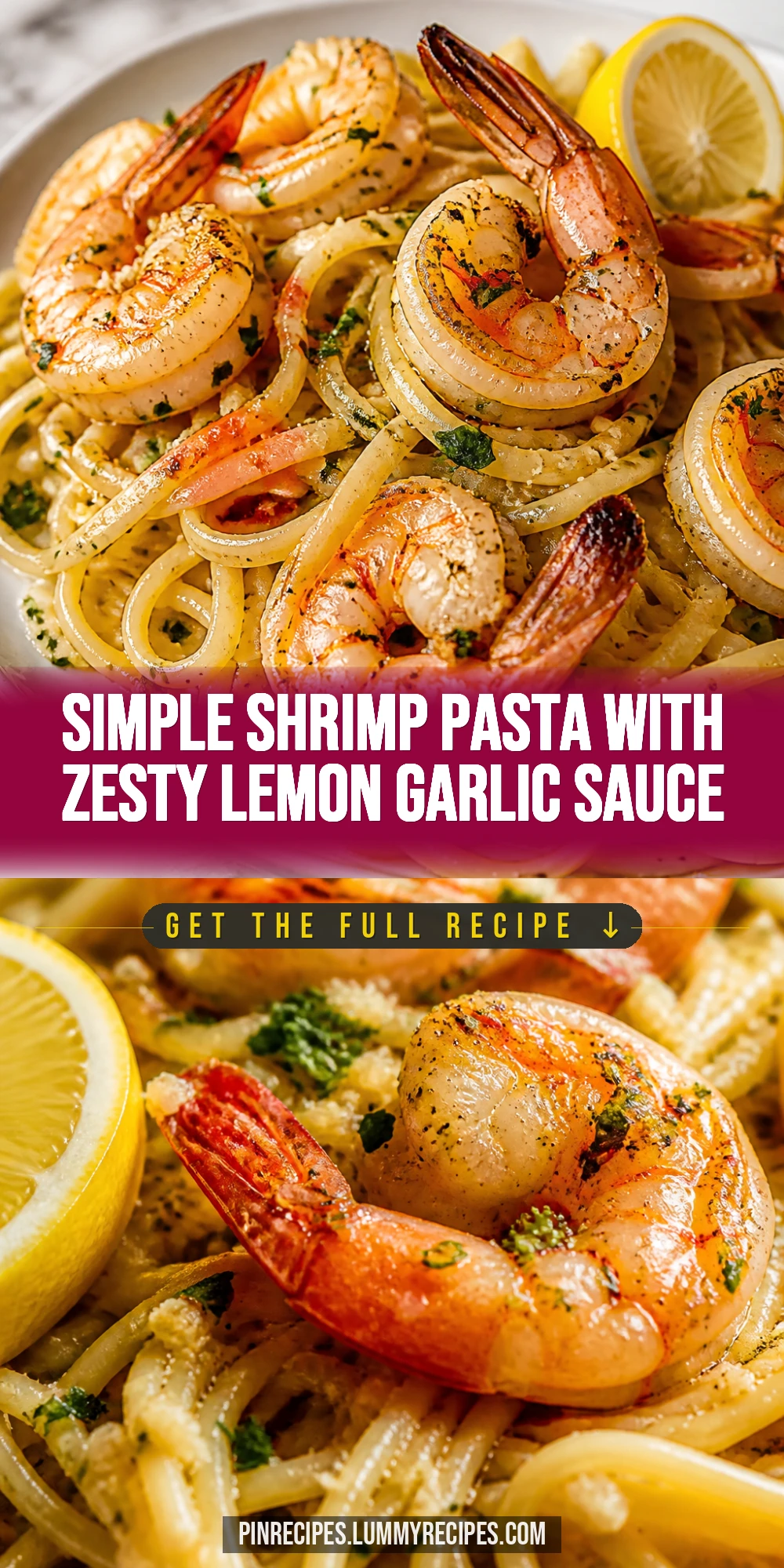
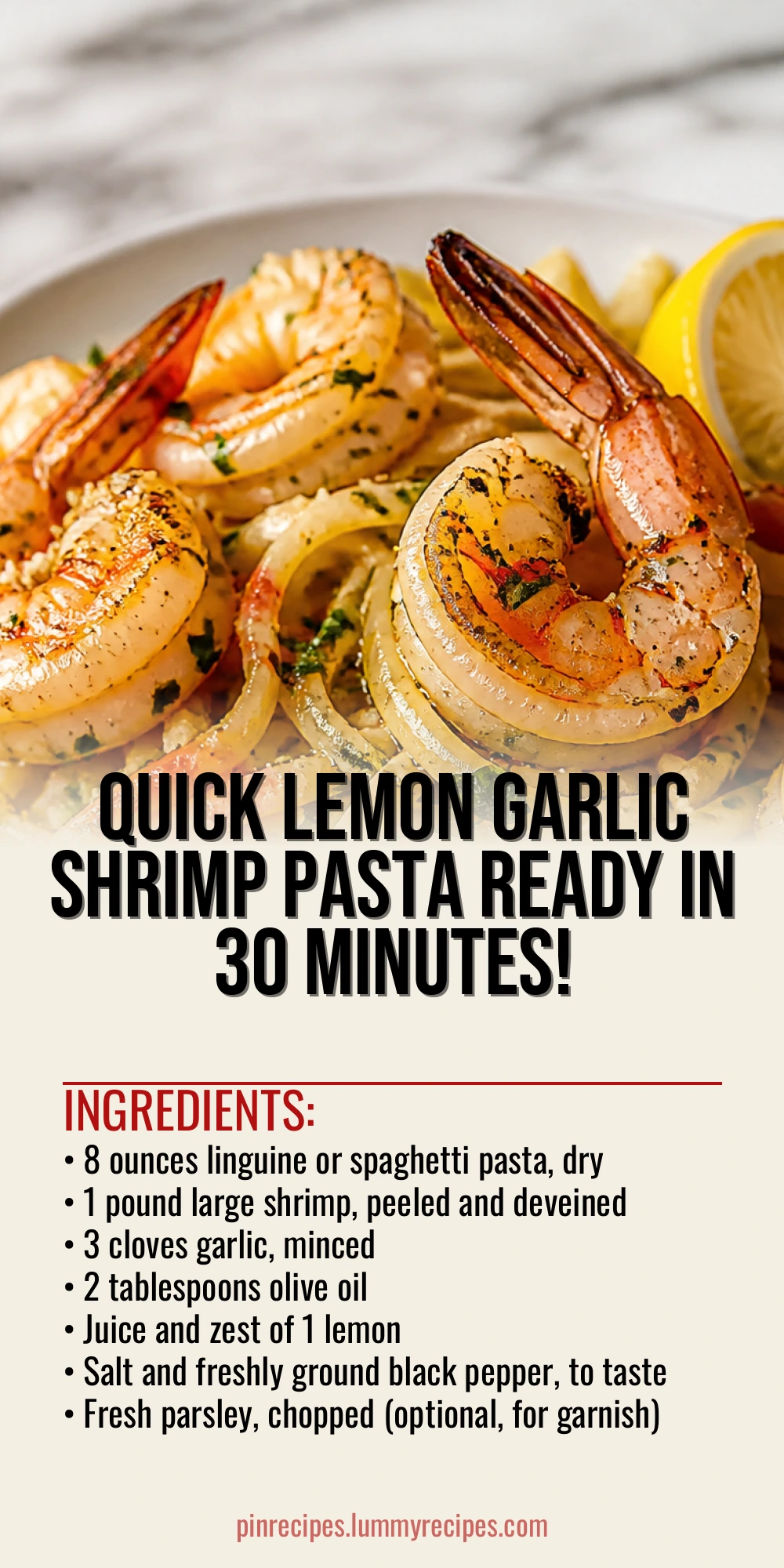
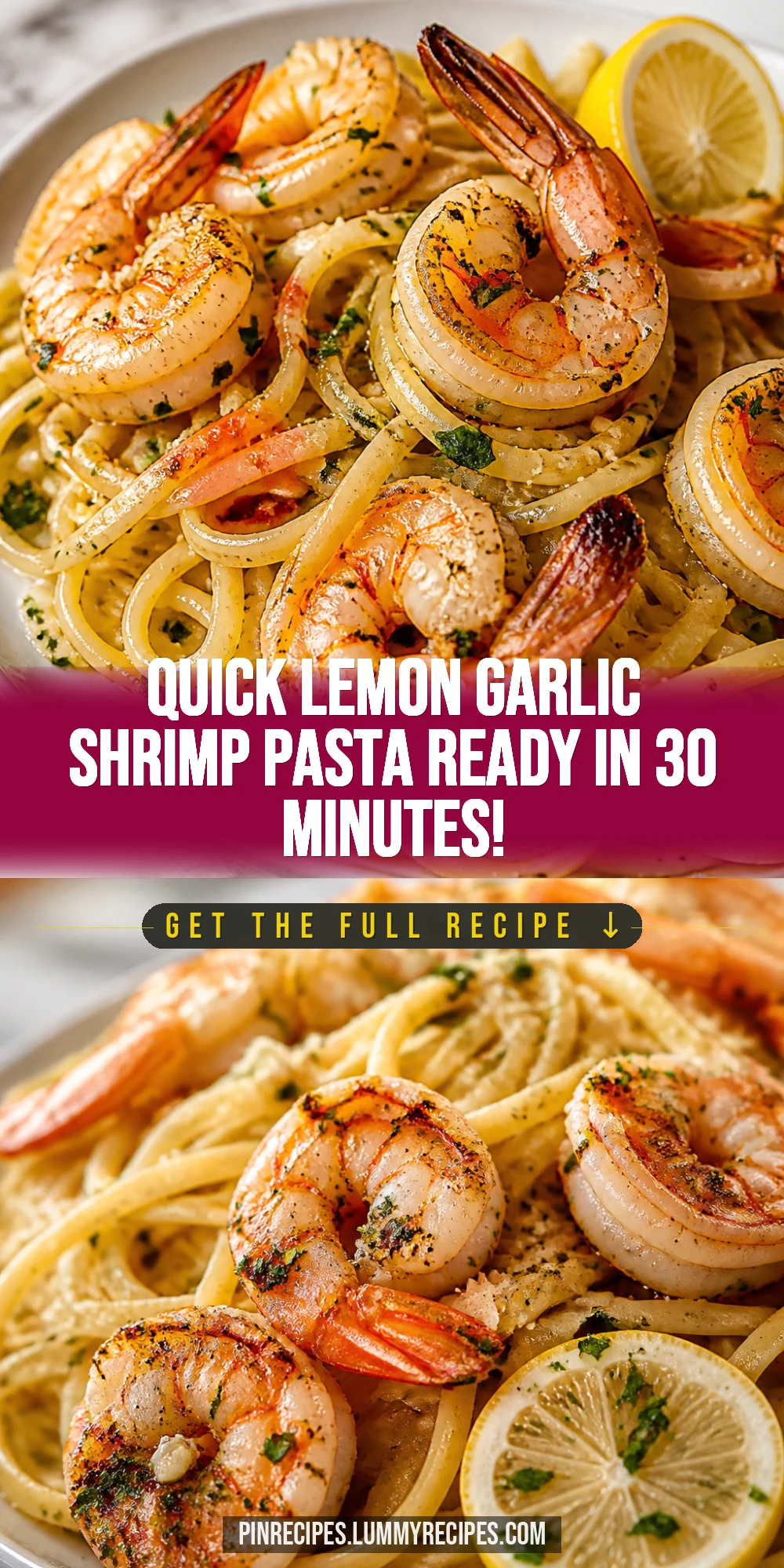
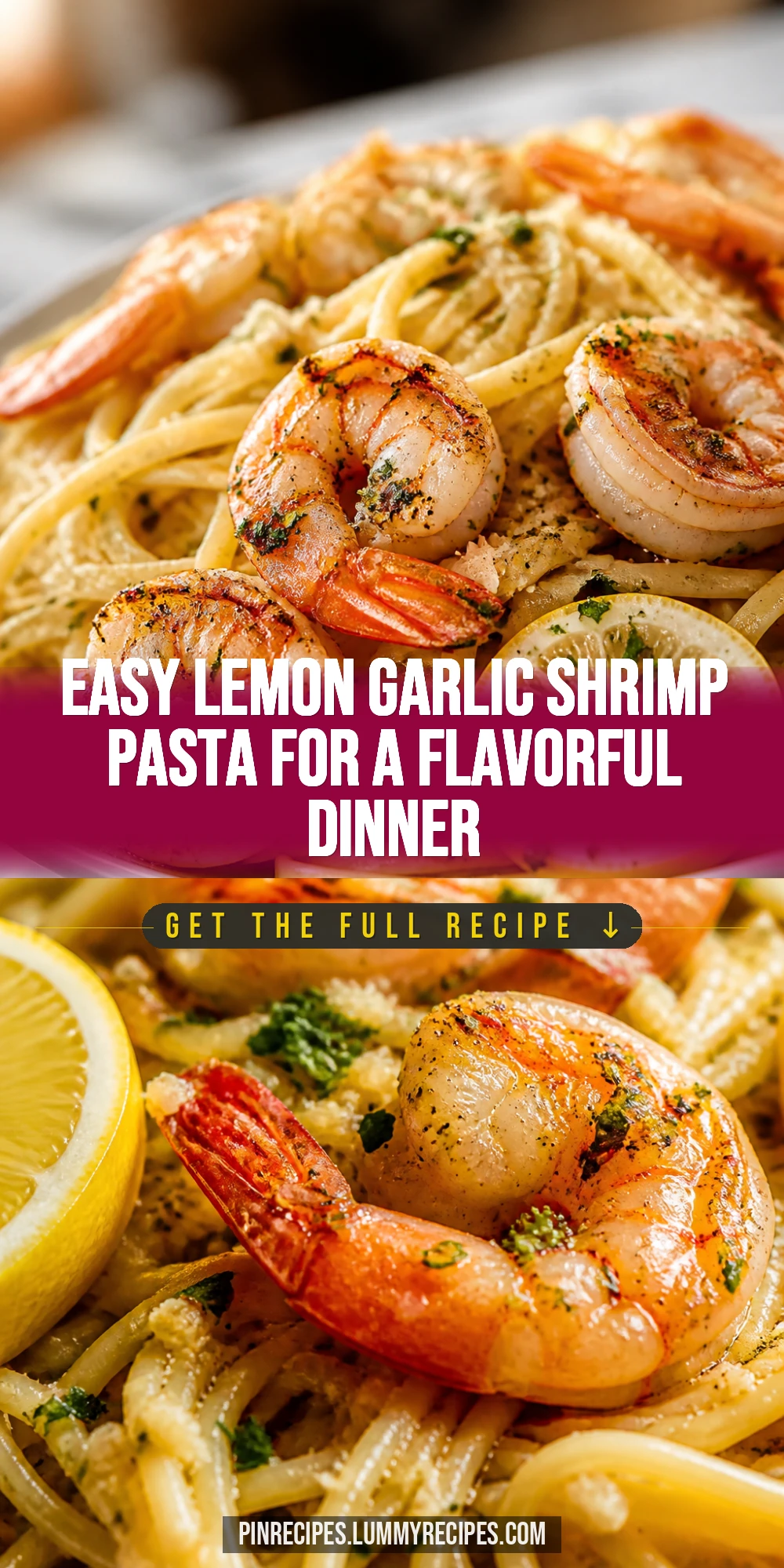
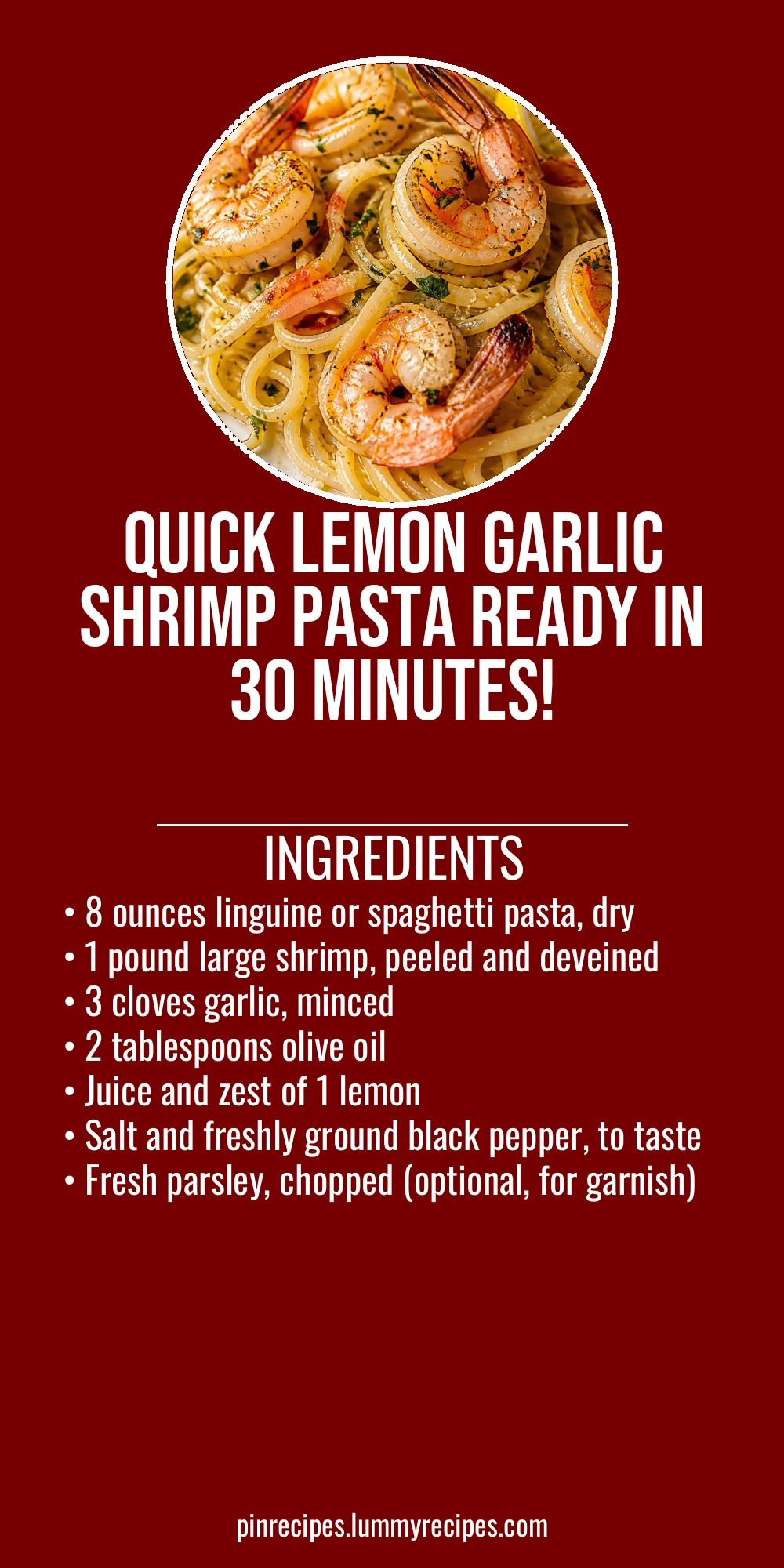
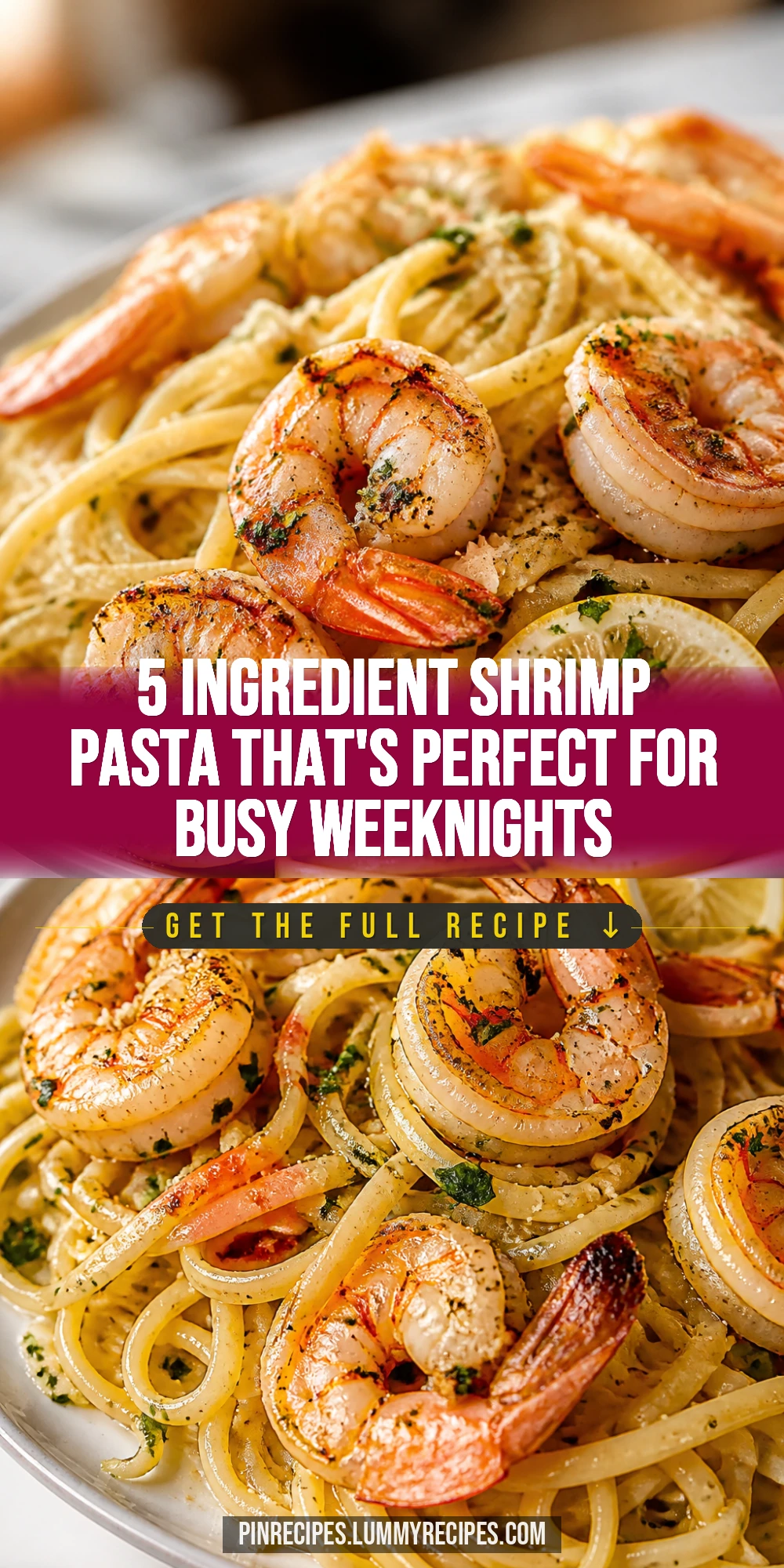
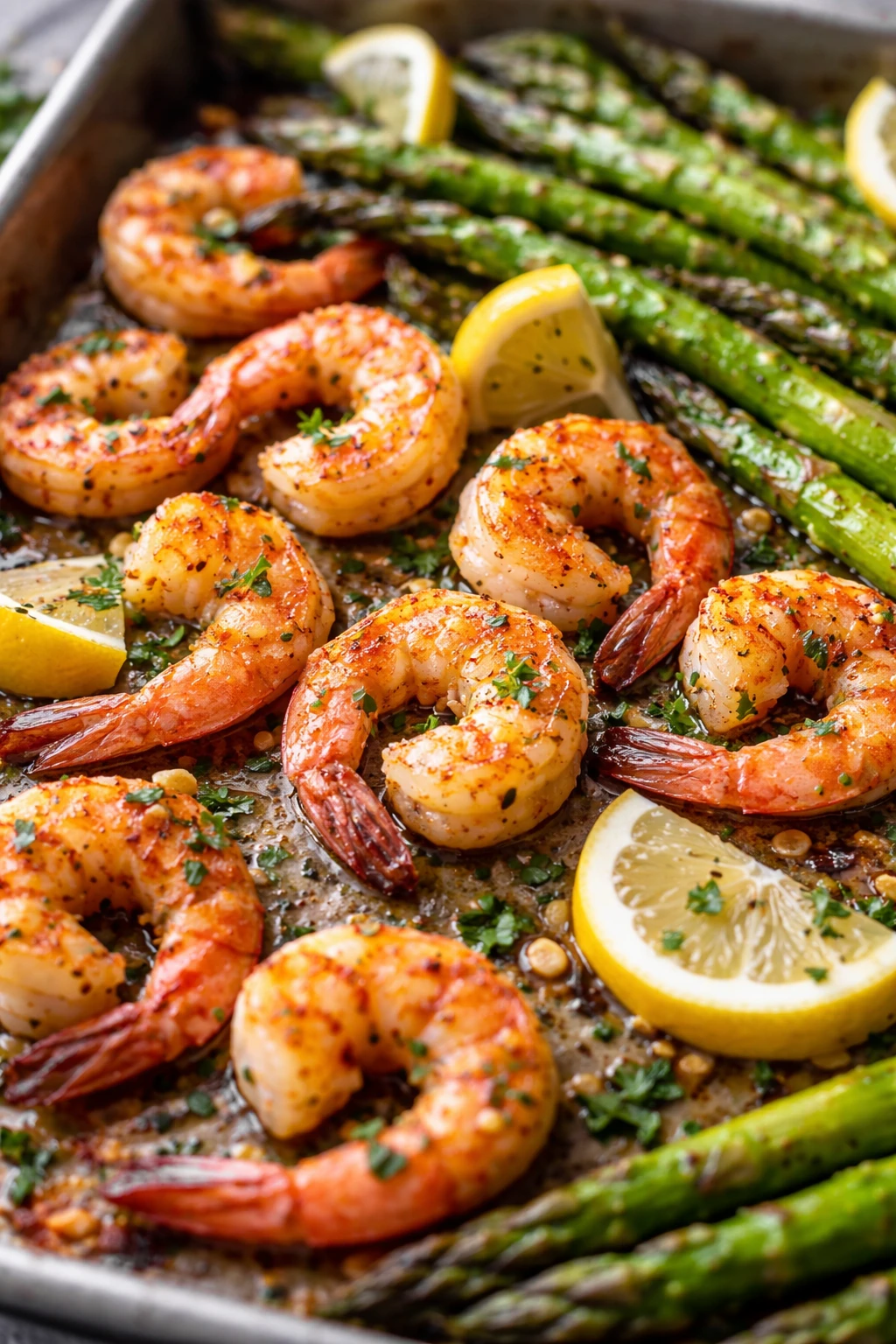
This shrimp pasta is my go-to when I want something quick but still feels special. Just five simple ingredients, with fresh lemon juice giving it a bright kick. Perfect for a busy weeknight dinner that doesn’t skimp on flavor!
Introduction
I stumbled upon this 5 ingredient lemon garlic shrimp pasta recipe one hectic weeknight when I had almost no time but really wanted something tasty and satisfying. What I love most is how just a few simple ingredients come together to make a dish that feels fresh and special. The lemon juice and zest add a bright zing that cuts through the richness of the shrimp and olive oil, making it light but flavorful. Over time, I tweaked the cooking times to get the shrimp perfectly tender without overcooking, and the pasta al dente — that balance is key! This recipe is a lifesaver when you want dinner on the table fast but don’t want to sacrifice taste. Plus, it’s easy enough to whip up even if you’re new to cooking seafood. The finished dish looks vibrant with the lemon zest and parsley sprinkled on top, and it smells incredible. It’s become a favorite in my family, especially on those busy nights when you want something comforting but quick.
How To Do It
Step 1
Start by bringing a large pot of salted water to a boil. Adding enough salt to the water is important because it seasons the pasta from the inside out, enhancing the overall flavor. Cook the pasta according to package directions until al dente, usually about 8-10 minutes. Be careful not to overcook it, as the pasta will continue cooking slightly when mixed with the shrimp later. Drain the pasta, reserving about half a cup of the pasta water to use in the sauce. This starchy water helps bind the sauce to the pasta for a silky finish.
⏱ Time: 10 minutes
✓ Doneness: Pasta should be tender but still firm to the bite (al dente)
Step 2
While the pasta cooks, heat the olive oil in a large skillet over medium heat. Add the minced garlic and sauté for about 1 minute until fragrant but not browned. Garlic burns quickly and turns bitter, so watch closely and stir frequently. This step infuses the oil with garlic flavor, which is the base of your sauce. Once fragrant, add the shrimp in a single layer. Cooking shrimp quickly over medium heat ensures they stay juicy and tender. Cook for 2-3 minutes per side until they turn pink and opaque — avoid overcooking, which makes shrimp rubbery.
⏱ Time: 6 minutes
✓ Doneness: Shrimp should be pink, opaque, and slightly firm but not tough
Step 3
Add the lemon juice and zest to the skillet with the shrimp and garlic. Stir to combine, letting the lemon juice simmer for a minute to meld flavors. The fresh lemon zest adds a bright citrus aroma that elevates the dish beyond just garlic shrimp. Season with salt and freshly ground black pepper to taste. If the sauce feels too dry, add a splash of the reserved pasta water to loosen it up and help coat the pasta evenly.
⏱ Time: 2 minutes
✓ Doneness: Sauce should be glossy and lightly coating the shrimp
Step 4
Add the drained pasta directly into the skillet with the shrimp and lemon sauce. Toss everything together gently but thoroughly to combine. The residual heat will help the pasta absorb the flavors of the sauce. If needed, add more reserved pasta water a tablespoon at a time to get the desired consistency. This tossing step is crucial — it ensures every strand of pasta is coated with the flavorful sauce, making each bite delicious.
⏱ Time: 2 minutes
✓ Doneness: Pasta should be evenly coated and glossy, not dry or clumpy
Step 5
Taste and adjust seasoning with more salt, pepper, or lemon juice if desired. Fresh parsley sprinkled on top adds a pop of color and a fresh herbal note that complements the lemon and garlic beautifully. Serve immediately while hot for the best flavor and texture. This dish doesn’t hold well once cooled because the pasta can absorb too much sauce and become mushy.
⏱ Time: 1 minute
✓ Doneness: Dish is vibrant, aromatic, and perfectly seasoned
Pro Tips
Reserve pasta water before draining
The starchy pasta water acts as a natural thickener and helps the sauce cling to the pasta better. Without it, the sauce might feel thin or separate. Adding a splash while tossing creates a silky, cohesive sauce.
Don’t overcook the shrimp
Shrimp cook very quickly and become rubbery if overdone. Remove them from heat as soon as they turn pink and opaque to keep them tender and juicy.
Use fresh lemon zest along with juice
Lemon zest contains essential oils that add bright, intense citrus flavor without extra liquid. It elevates the dish's aroma and balances richness better than juice alone.
Cook garlic gently over medium heat
Garlic burns easily and turns bitter. Cooking it slowly until fragrant without browning ensures a mellow, aromatic base for the sauce.
Season pasta water generously
Salting the pasta water seasons the noodles internally, improving overall flavor. Under-seasoned water leads to bland pasta that dulls the dish.
Toss pasta and shrimp in skillet off heat
Tossing off direct heat prevents overcooking shrimp and helps sauce coat pasta evenly without drying out.
Add fresh parsley at the end
Fresh parsley adds a pop of color and a mild herbal freshness that complements lemon and garlic, finishing the dish beautifully.
Common Mistakes to Avoid
Overcooking shrimp
Why it happens Many cooks leave shrimp in the pan too long thinking it needs thorough cooking, but shrimp cooks very fast and can become rubbery.
Fix Cook shrimp just until pink and opaque, about 2-3 minutes per side. Remove from heat immediately to keep them tender.
Not salting pasta water enough
Why it happens People often forget that pasta water should taste like the sea to season the noodles properly.
Fix Add at least 1 tablespoon of salt to a large pot of boiling water before cooking pasta to enhance flavor.
Burning garlic
Why it happens Garlic cooks quickly and can burn if the heat is too high or it’s left unattended.
Fix Cook garlic over medium or medium-low heat, stirring constantly until fragrant but not browned.
Skipping reserved pasta water
Why it happens Some skip saving pasta water and the sauce ends up dry or doesn’t cling well.
Fix Always save a bit of pasta water before draining and add a splash when tossing pasta with sauce for better texture.
Using bottled lemon juice
Why it happens Convenience leads cooks to use bottled lemon juice which lacks fresh brightness and zest oils.
Fix Use fresh lemon juice and zest for best flavor; it makes a noticeable difference in brightness and aroma.
Variations
Add a touch of heat with red pepper flakes
If you like a little spice, sprinkle in some red pepper flakes when sautéing the garlic. It adds a subtle warmth that pairs beautifully with the lemon and shrimp without overpowering the dish.
Note: Add red pepper flakes early with garlic to infuse the oil, but watch carefully to avoid burning.
Swap linguine for gluten-free pasta
For gluten-free diets, substitute linguine with your favorite gluten-free pasta. The cooking time might vary slightly, so keep an eye on the texture to keep it al dente.
Note: Gluten-free pasta can be more delicate; toss gently to avoid breaking the noodles.
Use butter instead of olive oil for a richer sauce
Replace olive oil with unsalted butter for a creamier, richer sauce. This variation adds a comforting, silky mouthfeel but pairs just as well with the lemon and shrimp flavors.
Note: Melt butter gently and add garlic to avoid browning; butter burns faster than olive oil.
Add fresh spinach or arugula for greens
Toss in a couple of handfuls of fresh spinach or arugula at the end of cooking for some added color and nutrition. The greens wilt quickly and add a nice peppery bite.
Note: Add greens off heat or in the last minute to avoid overcooking and losing vibrant color.
Top with grated Parmesan cheese
For extra richness and umami, sprinkle freshly grated Parmesan cheese over the finished dish. It melts slightly into the warm pasta, adding a savory depth without overpowering the lemon.
Note: Add cheese just before serving to keep its texture and flavor intact.
Nutrition
Per Serving:
Nutritional values are estimates and may vary based on specific ingredients used.
Storage & Tips
Room Temperature
This pasta is best served fresh and should not be left at room temperature for more than 2 hours. Cover loosely if you need to keep it out briefly, but it’s best eaten right away.
Refrigerator
Store leftovers in an airtight container in the fridge for up to 2 days. The pasta may absorb more sauce and become softer. Reheat gently to avoid overcooking the shrimp, which can get rubbery when reheated too long.
Freezer
Freezing is not recommended for this dish because shrimp and pasta textures degrade significantly after freezing and thawing. For best quality, enjoy fresh or refrigerated leftovers.
Reheating
Reheat gently in a skillet over low heat with a splash of water or olive oil to loosen the sauce. Avoid microwave reheating at high power to prevent toughening the shrimp.
Make Ahead
You can cook the pasta and shrimp separately up to a day ahead. Store them in airtight containers and combine with lemon and garlic sauce just before serving to keep textures fresh.
FAQ
Can I use frozen shrimp for this recipe?
Yes, frozen shrimp works well if fully thawed before cooking. Thaw in the fridge overnight or under cold running water for quicker defrosting. Make sure to pat them dry to avoid excess water in the pan, which can steam the shrimp instead of sautéing.
What if I don’t have fresh lemons?
Fresh lemon juice and zest are key for the bright flavor in this dish. If you don’t have fresh lemons, bottled lemon juice can be a last resort but the flavor won’t be as vibrant. Skip the zest if using bottled juice, since it lacks the oils that add aroma.
Can I prepare this recipe vegetarian?
To make it vegetarian, you can swap shrimp for sautéed mushrooms or firm tofu. The cooking method stays the same, but the flavor will be different since shrimp adds a natural briny taste.
How do I know when the shrimp is perfectly cooked?
Shrimp turns from translucent gray to opaque pink when cooked. It should be firm but still tender. Overcooked shrimp curls tightly and becomes rubbery, so watch closely and remove from heat as soon as it changes color.
Can I double this recipe for more servings?
Absolutely! Just double the ingredients and use a larger pan to cook the shrimp evenly. Cooking time remains about the same, but you may need to do the shrimp in batches to avoid overcrowding the pan.
What pasta works best for this dish?
Long, thin pasta like linguine or spaghetti is ideal because it twirls nicely and holds the sauce well. You can also use fettuccine or angel hair, but adjust cooking times accordingly.
Is this recipe gluten-free friendly?
Not as written, but you can use gluten-free pasta to make it gluten-free. Just watch the cooking time since gluten-free pasta can cook faster and be more delicate.
How can I make this dish spicier?
Add red pepper flakes or a pinch of cayenne pepper when sautéing the garlic. This adds a gentle heat that complements the lemon and garlic flavors without overpowering them.
Final Thoughts
I hope you enjoy making this easy, flavorful lemon garlic shrimp pasta as much as my family does. Give it a try and let me know how it turns out!