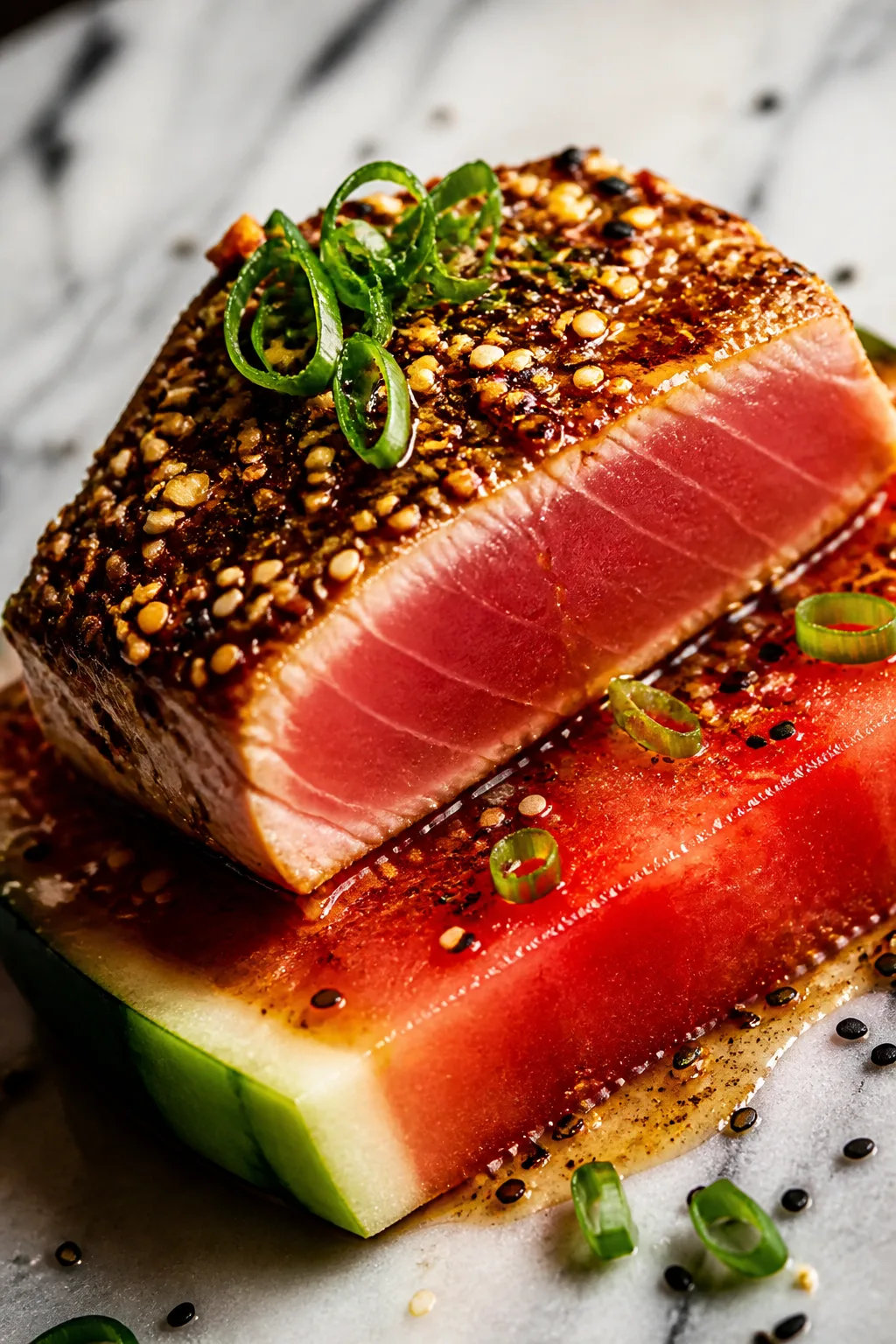
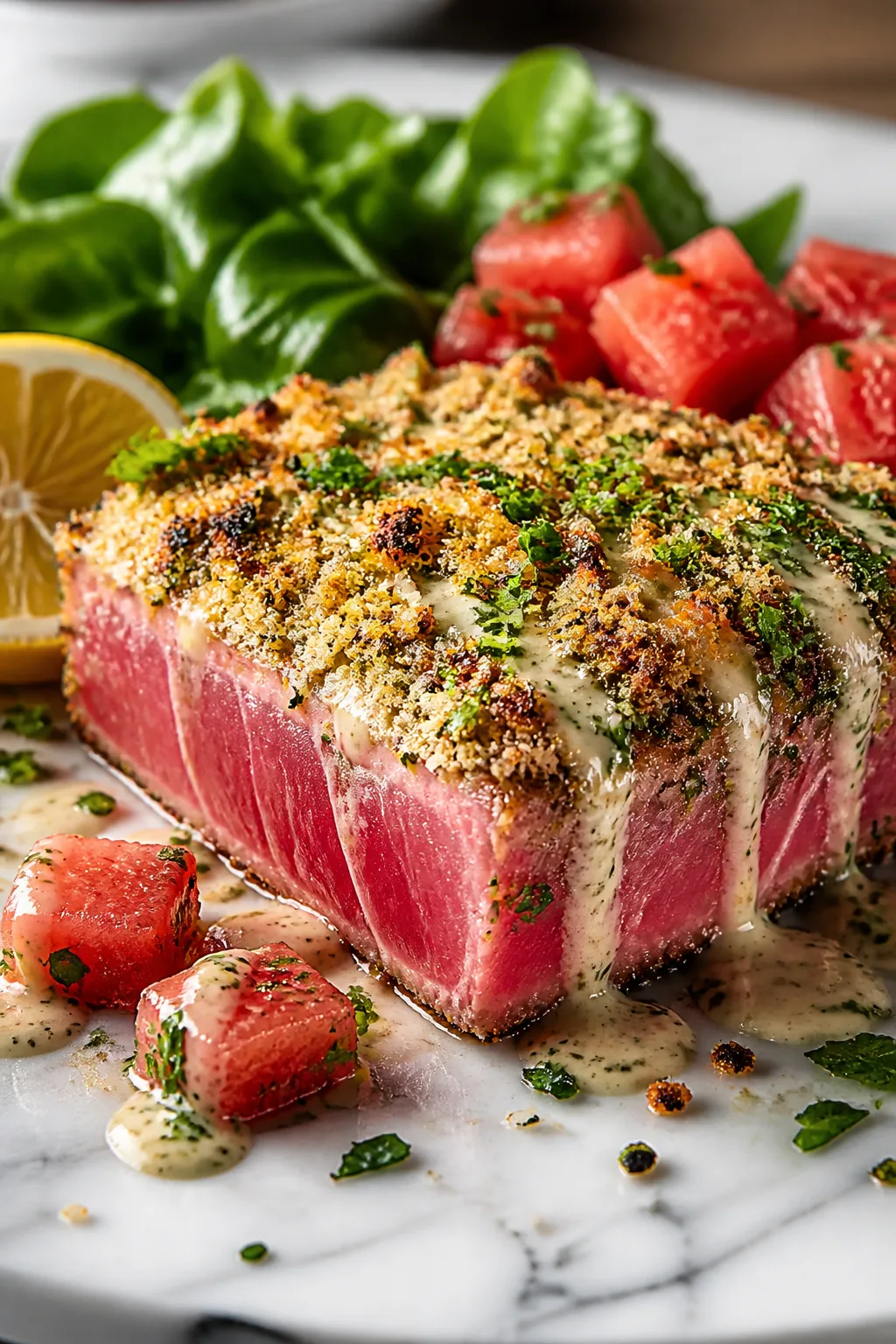
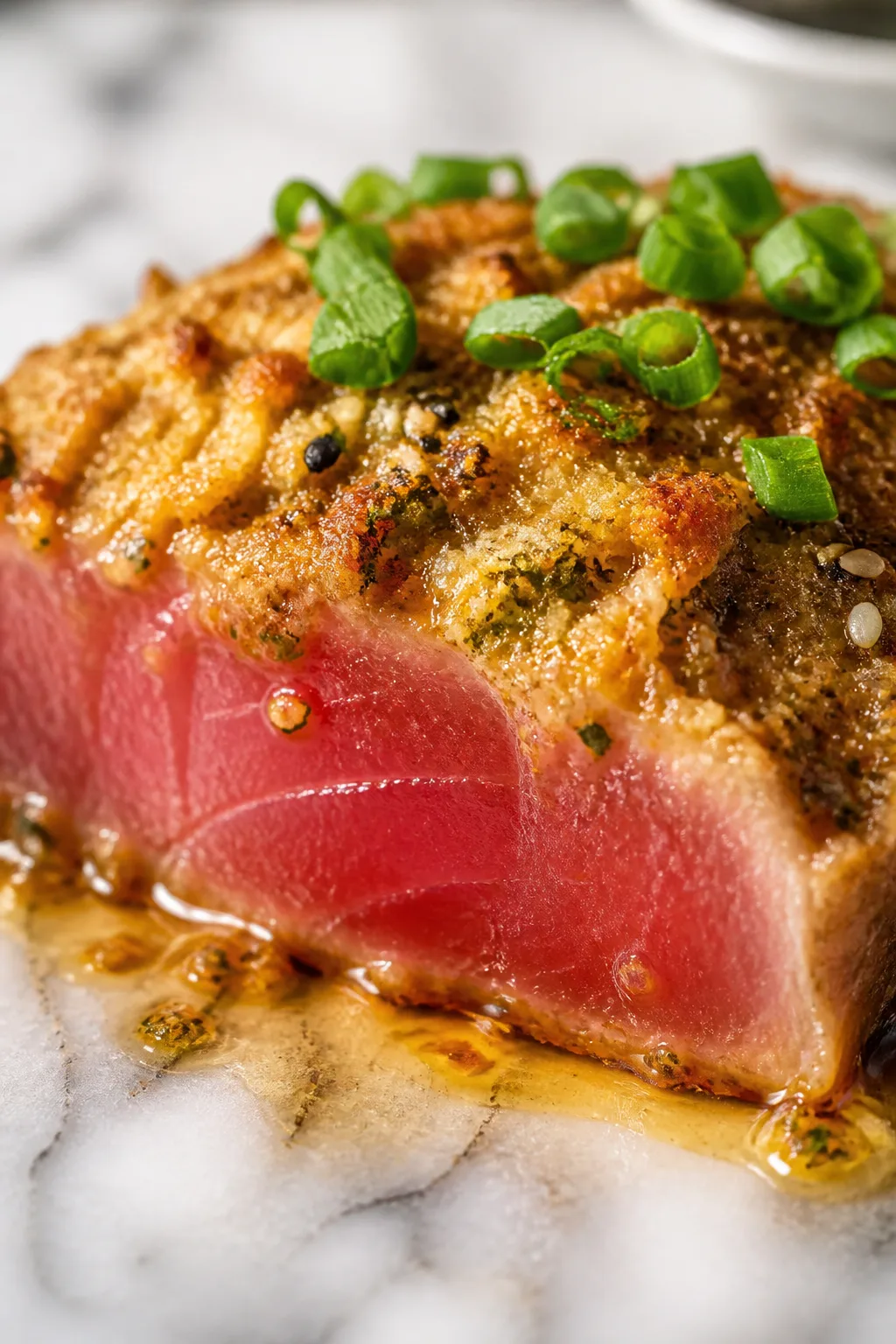
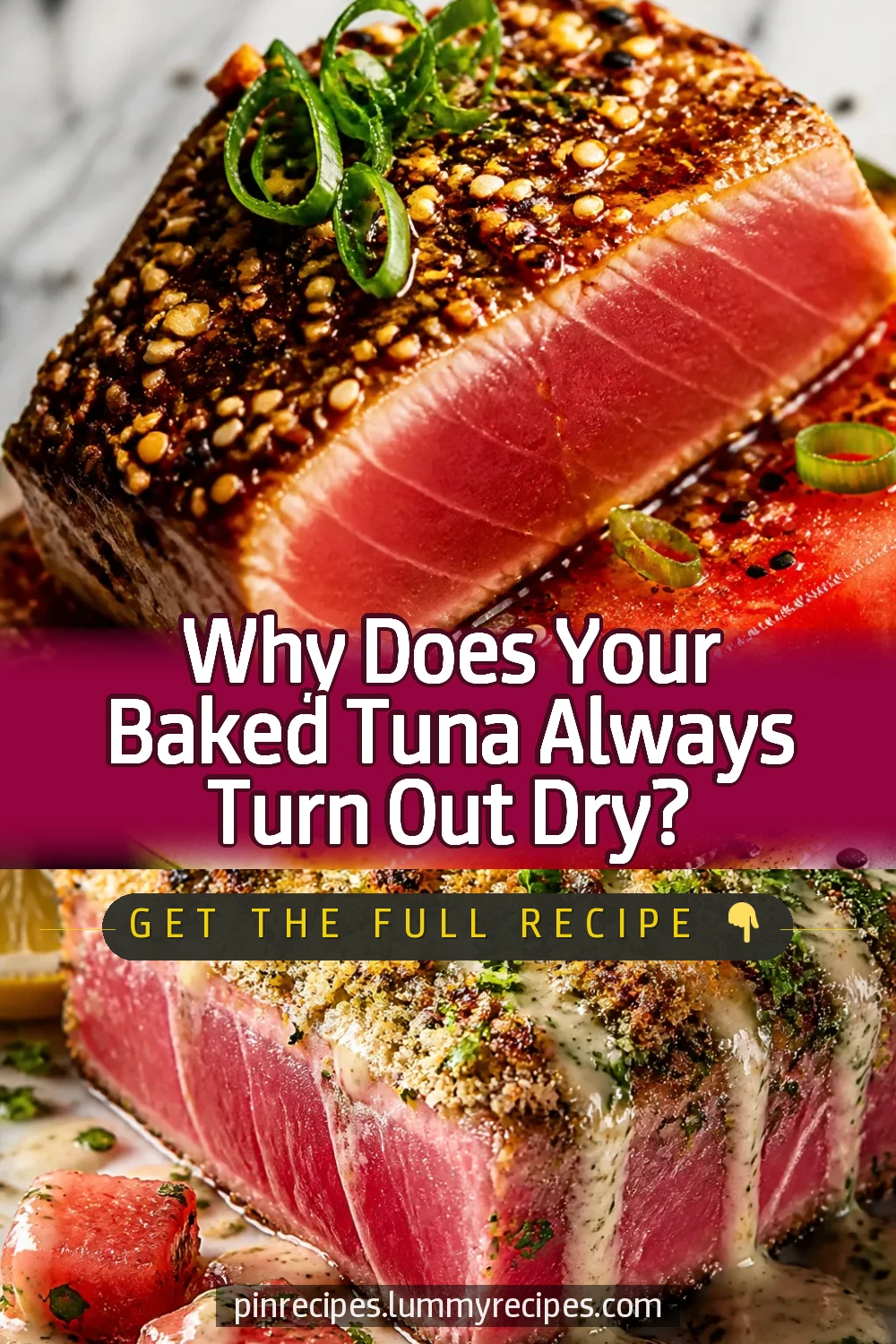
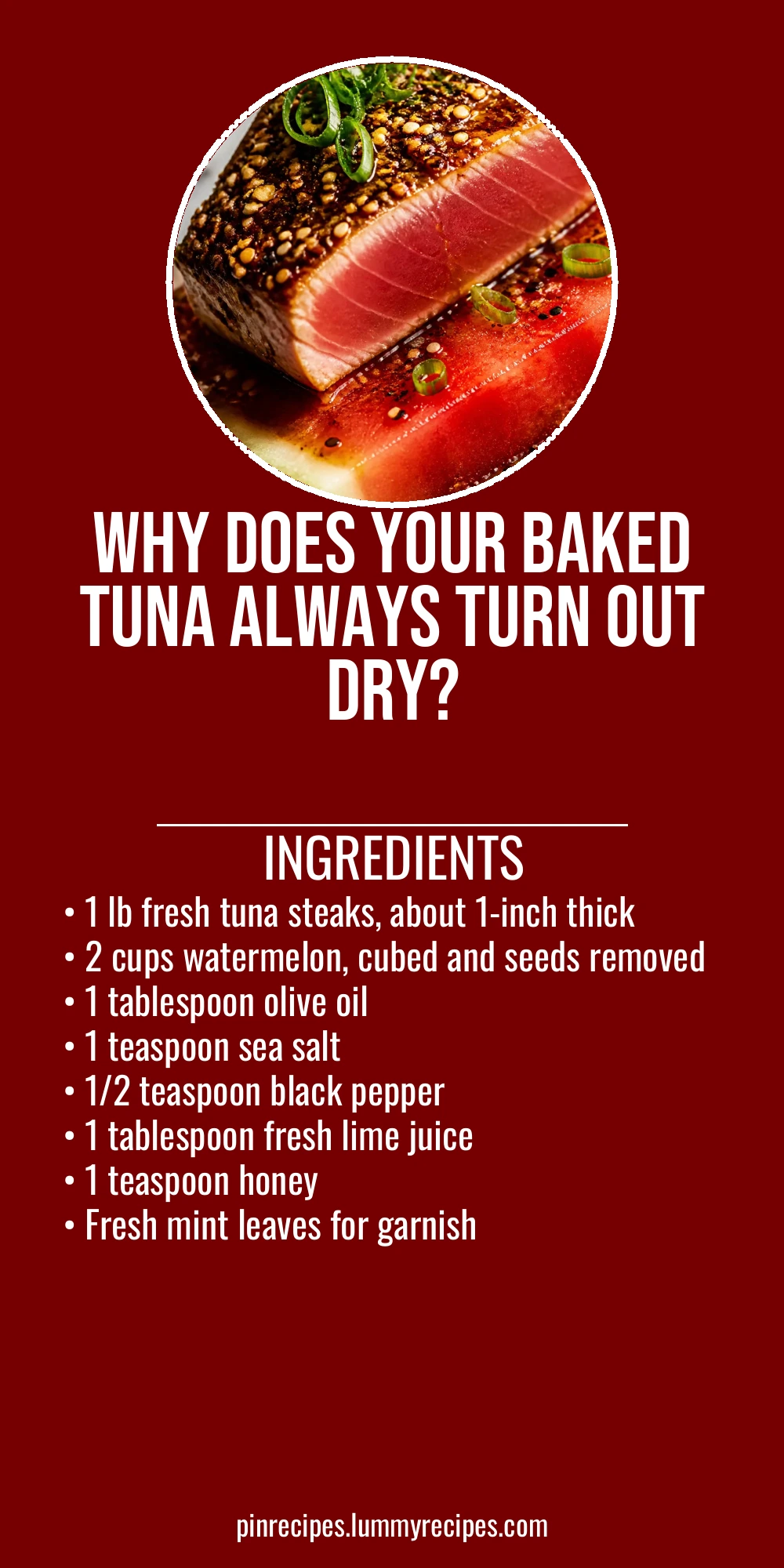
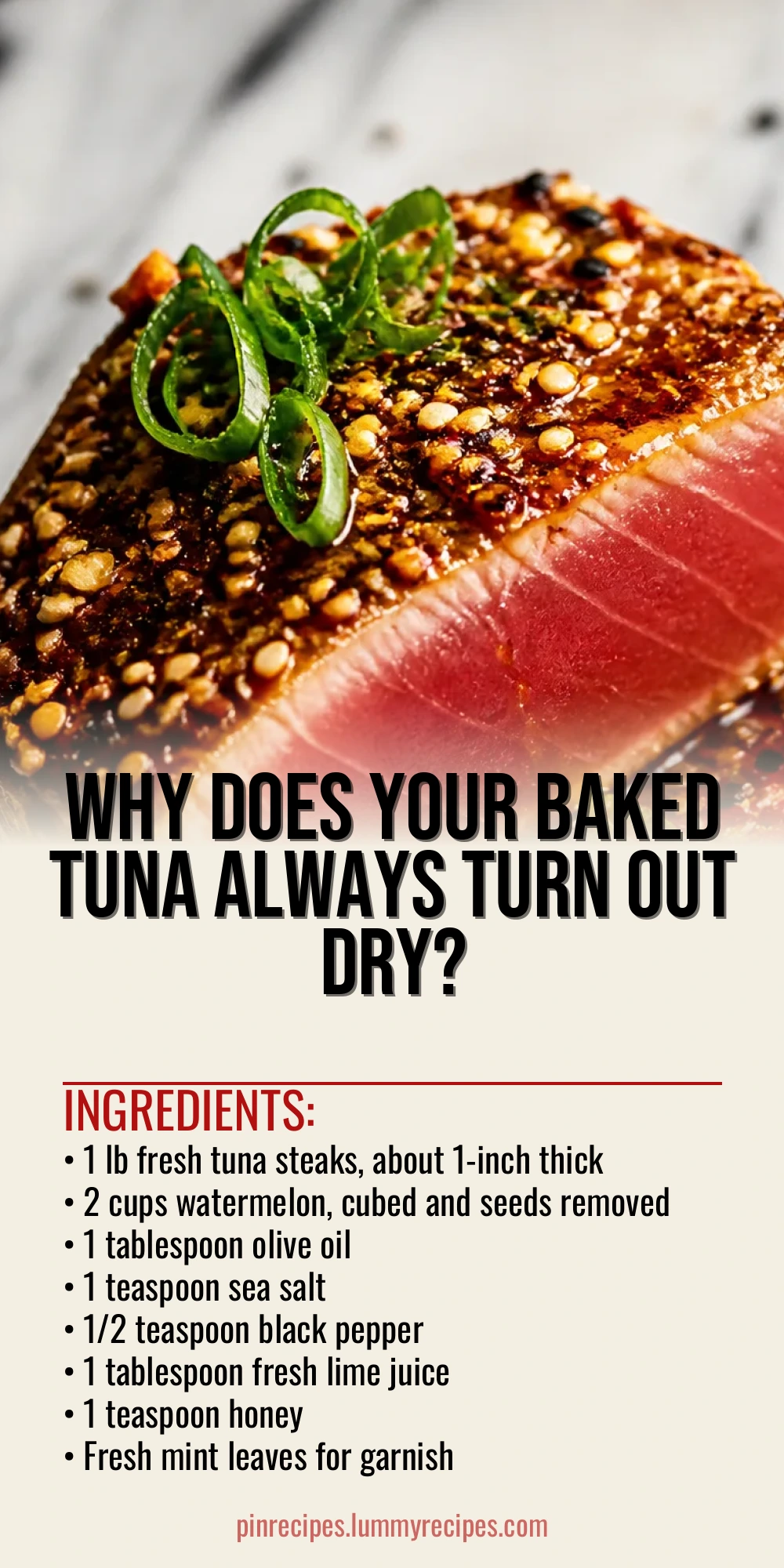
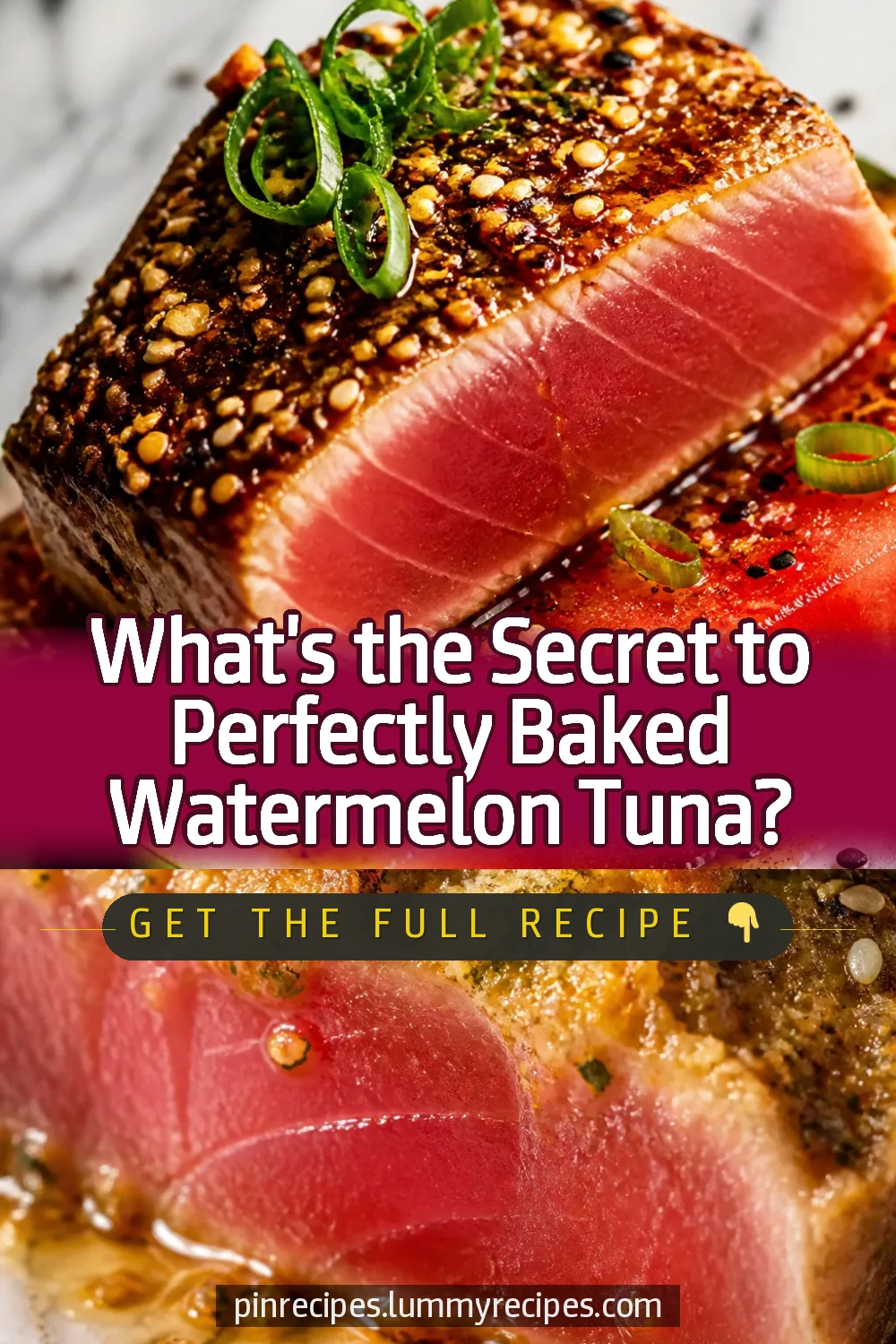
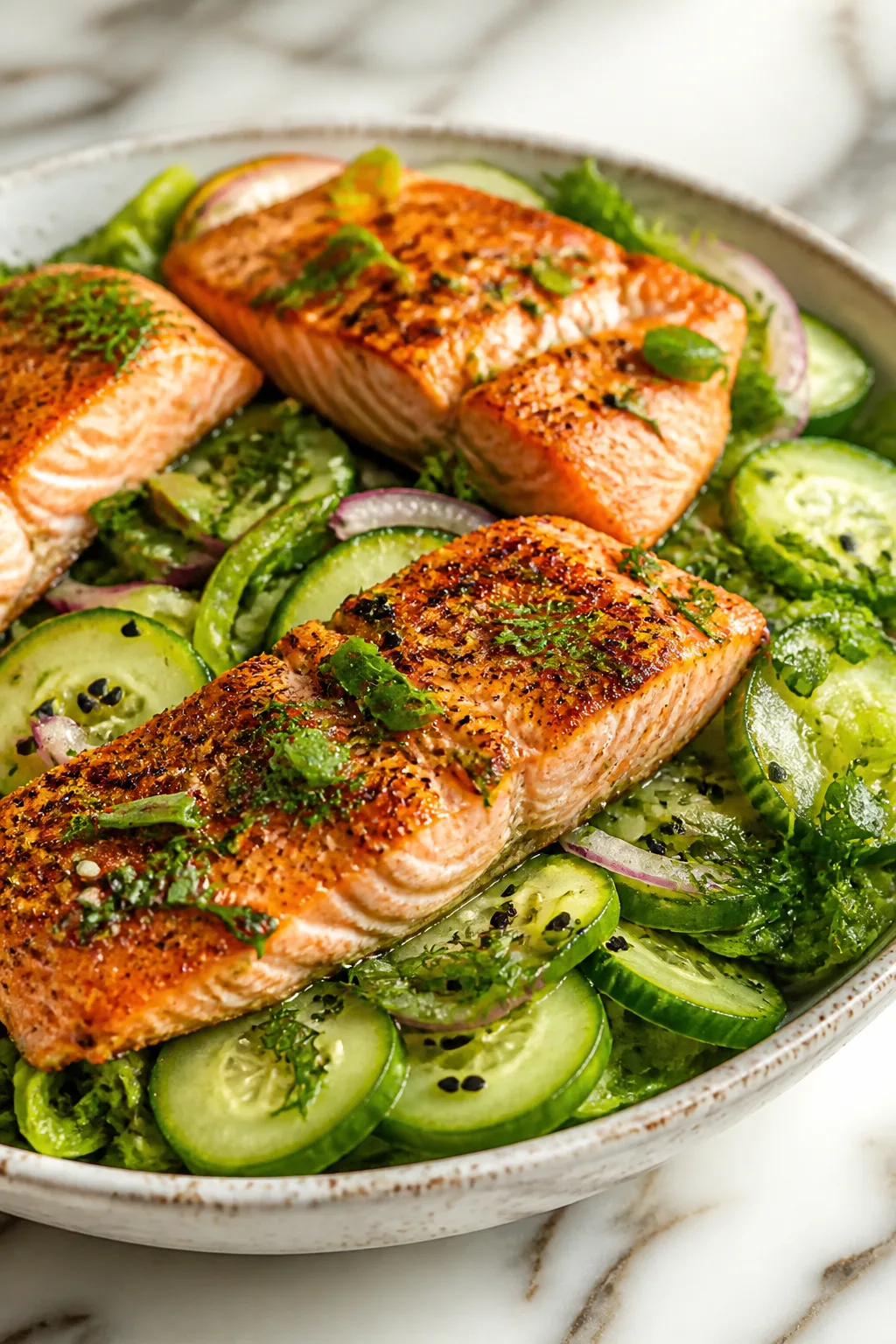
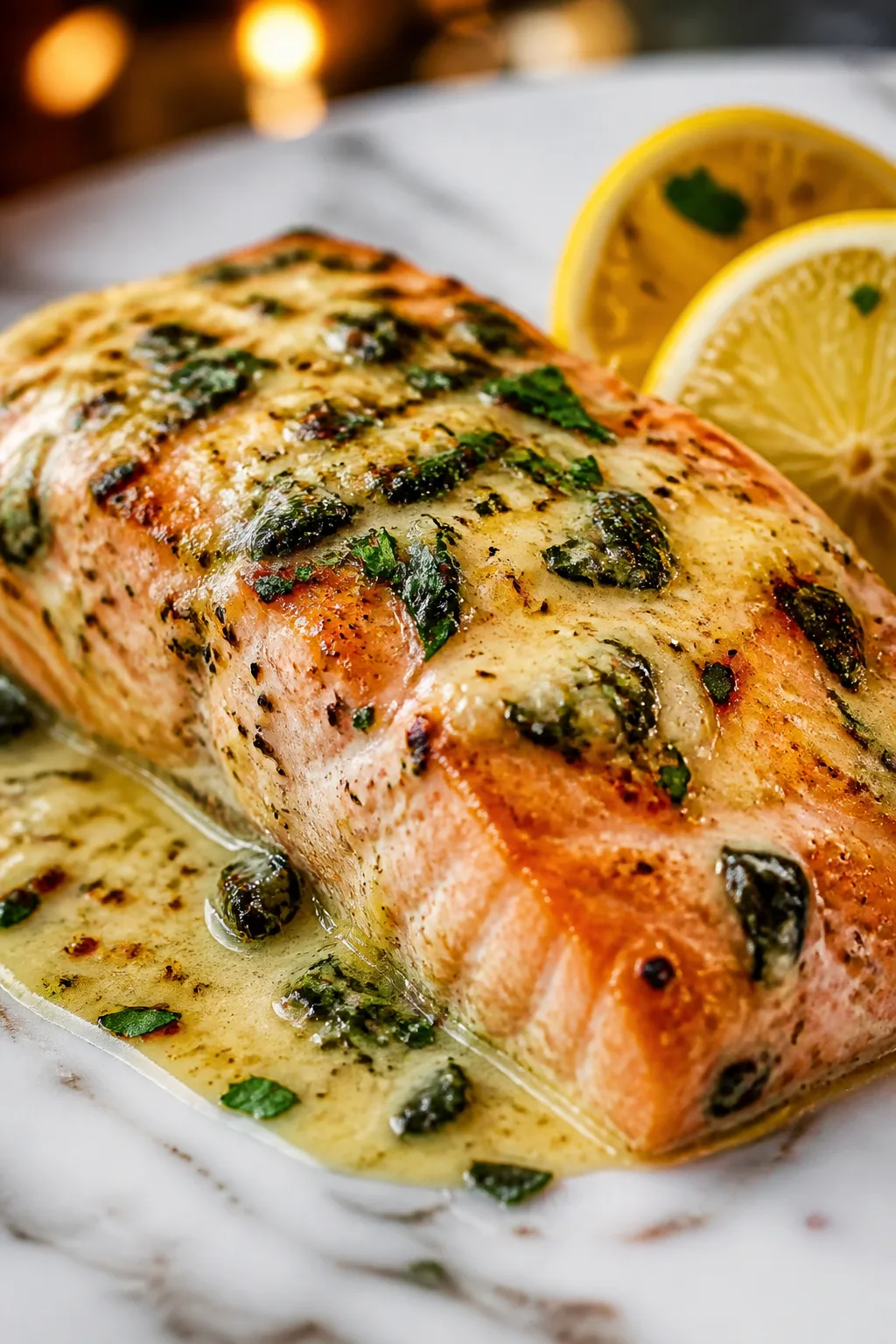
This baked watermelon tuna is a surprisingly refreshing twist on classic tuna dishes. The juicy watermelon adds a subtle sweetness that balances perfectly with the savory tuna. Great for a light family dinner or summer meal!
Introduction
I first stumbled upon this baked watermelon tuna recipe during a summer cookout when I wanted something light but satisfying. The idea of pairing juicy watermelon with tuna seemed unusual, but it turned out to be a delightful combo. What sets this version apart is the simple honey-lime glaze that enhances the natural sweetness of the watermelon while complementing the savory tuna. I love how the baking method gently cooks the tuna, keeping it tender without drying it out. Plus, the watermelon cubes soften just enough to add a refreshing burst of flavor in every bite. It’s perfect for those warm evenings when you want a dish that feels both comforting and a little adventurous. My family was pleasantly surprised, and I think you’ll enjoy this easy twist on seafood too!
How To Do It
Step 1
Preheat your oven to 375°F (190°C). Lightly grease a baking dish with olive oil to prevent sticking. This step ensures even cooking and makes cleanup easier. Avoid skipping the greasing, as tuna can stick to the dish, making it hard to serve.
⏱ Time: 10
✓ Doneness: Oven preheated and dish lightly coated with oil
Step 2
In a small bowl, whisk together lime juice, honey, salt, and pepper to create a glaze. This mixture balances sweet and tangy flavors that enhance both the tuna and watermelon. Take your time to mix well so the honey dissolves completely, ensuring an even coating.
⏱ Time: 5
✓ Doneness: Glaze is smooth and well combined
Step 3
Place the tuna steaks in the prepared baking dish. Brush both sides generously with the honey-lime glaze. This step helps seal in moisture and infuses flavor directly into the fish. Make sure to coat evenly to avoid dry spots.
⏱ Time: 5
✓ Doneness: Tuna steaks are evenly coated with glaze
Step 4
Scatter the watermelon cubes around and on top of the tuna. The watermelon will bake alongside the fish, softening slightly and releasing juices that mingle with the glaze. This adds a refreshing sweetness and prevents the tuna from drying out.
⏱ Time: 3
✓ Doneness: Watermelon cubes are evenly distributed around tuna
Step 5
Bake in the preheated oven for about 15-20 minutes, depending on thickness. You want the tuna to be just cooked through but still moist inside. Overbaking will make it dry and tough. Check for a slight pink center if you prefer it medium rare.
⏱ Time: 20
✓ Doneness: Tuna is opaque on the outside with slight translucency in the center
Step 6
Remove from oven and let the tuna rest for 5 minutes. Resting allows the juices to redistribute, making the fish juicier and more flavorful. Don’t skip this step or the tuna will lose moisture when cut.
⏱ Time: 5
✓ Doneness: Tuna feels slightly firm but juicy to the touch
Step 7
Garnish with fresh mint leaves for a bright, herbal note that complements the sweetness of the watermelon and the richness of the tuna. Mint also adds a pop of color, making the dish look as good as it tastes.
⏱ Time: 2
✓ Doneness: Fresh mint leaves are evenly scattered on top
Step 8
Serve immediately with your favorite side, like a light salad or steamed vegetables. The combination of warm baked tuna and cool watermelon is best enjoyed fresh to appreciate the contrast in textures and flavors.
⏱ Time: 0
✓ Doneness: Dish plated and ready to eat
Step 9
Clean up any leftover glaze or juices from the baking dish promptly to prevent sticking and make washing easier. This keeps your kitchen tidy and your cookware in good shape.
⏱ Time: 5
✓ Doneness: Baking dish cleaned and stored
Pro Tips
Pat the tuna steaks dry before glazing to ensure the glaze sticks well.
Moisture on the surface of the tuna can prevent the glaze from adhering properly, resulting in uneven flavor and less caramelization. Drying the fish helps the glaze form a nice coating that locks in moisture during baking.
Use a thermometer to check tuna doneness for perfect results every time.
Tuna cooks quickly and can easily become overdone. Using an instant-read thermometer ensures you pull the fish from the oven at the right moment—about 125°F for medium-rare or 140°F for medium—keeping it juicy and tender.
Let the tuna rest after baking to redistribute juices.
Cutting into tuna immediately after baking causes the juices to run out, drying the fish. Resting allows the juices to settle back into the meat, making each bite moist and flavorful.
Don’t skip the watermelon—it adds moisture and a sweet contrast.
The watermelon’s natural sugars soften and mingle with the glaze during baking, creating a refreshing counterbalance to the savory tuna. Leaving it out would make the dish less interesting and potentially drier.
Garnish with fresh mint for a burst of color and flavor.
Mint adds a bright, herbal note that complements the sweet and savory flavors. It also enhances the dish’s presentation, making it more inviting.
Use a shallow baking dish for even cooking.
A shallow dish allows heat to circulate evenly around the tuna and watermelon, preventing overcooking on one side and ensuring consistent texture.
Brush the glaze generously on both sides of the tuna.
This ensures every bite is flavorful and the glaze forms a slight caramelized crust, enhancing texture and taste.
Common Mistakes to Avoid
Overcooking the tuna until it’s dry and tough.
Why it happens Many cooks leave the tuna in the oven too long, thinking it needs to be fully opaque to be safe or tasty.
Fix Use a meat thermometer to pull the tuna at medium-rare or medium doneness. Rest the fish after baking to let juices redistribute. This keeps the tuna moist and tender.
Skipping the glaze or not applying it evenly.
Why it happens Some assume the tuna and watermelon are flavorful enough on their own or don’t take time to coat the fish well.
Fix Mix the honey-lime glaze thoroughly and brush it generously on both sides of the tuna. This seals in moisture and adds balanced sweetness.
Using watery or overripe watermelon that becomes mushy.
Why it happens Choosing a watermelon that’s too ripe or not firm enough leads to a soggy texture after baking.
Fix Select a firm, ripe watermelon and cut into cubes that hold shape. This keeps the dish’s texture balanced.
Not preheating the oven properly.
Why it happens Rushing to bake without preheating causes uneven cooking and longer bake times.
Fix Always preheat the oven to 375°F before placing the fish inside to ensure even cooking and proper glaze caramelization.
Forgetting to rest the tuna after baking.
Why it happens Eager to serve, some skip resting, leading to juices leaking out when cut.
Fix Let the tuna rest 5 minutes after baking to retain moisture and improve texture.
Variations
Grilled Watermelon Tuna
Try grilling the tuna steaks and watermelon cubes instead of baking for a smoky flavor. Brush with the honey-lime glaze before grilling and cook over medium heat until just done. Expect a slightly firmer texture with charred notes.
Note: Grilling requires close attention to avoid overcooking; turn frequently and monitor temperature.
Spicy Baked Watermelon Tuna
Add a pinch of cayenne pepper or chili flakes to the glaze for a spicy kick. This variation adds warmth that contrasts nicely with the sweet watermelon and tuna. Perfect if you like a bit of heat.
Note: Adjust spice level carefully to balance without overpowering the other flavors.
Watermelon Tuna Salad
Chop the baked tuna and watermelon into bite-sized pieces and toss with mixed greens, cucumber, and a light vinaigrette. This turns the dish into a refreshing summer salad with a satisfying protein boost.
Note: Cool the tuna completely before chopping to maintain texture.
Honey-Lime Glazed Salmon with Watermelon
Swap tuna for salmon for a richer flavor. The honey-lime glaze and watermelon work equally well with salmon’s fattier texture, creating a luscious baked dish.
Note: Adjust baking time slightly as salmon cooks faster than tuna.
Watermelon Tuna Skewers
Thread cubes of tuna and watermelon onto skewers, brush with glaze, and bake or grill. This makes for a fun presentation and easy serving at parties or family dinners.
Note: Use even-sized cubes to ensure uniform cooking.
Nutrition
Per Serving:
Nutritional values are estimates and may vary based on specific ingredients used.
Storage & Tips
Room Temperature
This dish should not be left out at room temperature for more than 2 hours to avoid bacterial growth. Cover loosely if serving buffet-style but refrigerate leftovers promptly.
Refrigerator
Store leftovers in an airtight container in the refrigerator for up to 2 days. The tuna may become firmer and less juicy when cold, so gently reheat or serve chilled as a salad component.
Freezer
Freezing is not recommended as the texture of tuna and watermelon will degrade significantly, becoming mushy and watery upon thawing.
Reheating
Reheat gently in a low oven (about 275°F) for 10-15 minutes to avoid overcooking. Alternatively, warm briefly in the microwave at 50% power, adding a splash of water or olive oil to retain moisture. Avoid high heat or prolonged reheating to prevent dryness.
Make Ahead
Prepare the honey-lime glaze and cut the watermelon a day ahead. Keep tuna steaks covered in the fridge and assemble just before baking to keep ingredients fresh and textures optimal.
FAQ
Can I use canned tuna for this baked watermelon tuna recipe?
Canned tuna isn’t suitable for this recipe because it lacks the firm texture of fresh tuna steaks needed for baking. Fresh tuna holds together during cooking and delivers the best flavor and mouthfeel. For a similar but different dish, try a tuna salad with canned tuna.
What if I don’t have fresh lime juice? Can I use bottled?
While bottled lime juice can work in a pinch, fresh lime juice provides brighter, fresher acidity and better flavor balance. Bottled juice often has preservatives and a muted taste that may affect the glaze’s brightness.
How do I know when the tuna is done baking?
Tuna is best when it’s still slightly pink in the center for a tender texture. Use an instant-read thermometer aiming for around 125°F for medium-rare or 140°F for medium. The fish should be opaque on the outside but moist inside.
Can I prepare this recipe ahead of time?
You can prepare the glaze and cut the watermelon a day ahead. Keep tuna steaks refrigerated and assemble just before baking. Baking fresh ensures the best texture and flavor.
Is there a vegetarian alternative to this recipe?
For a vegetarian version, try baking thick slices of firm tofu or eggplant with the honey-lime glaze and watermelon. The glaze and watermelon will add a similar sweet-savory contrast, though texture will differ.
What sides pair well with baked watermelon tuna?
Light, fresh sides like a green salad, steamed asparagus, or quinoa work well. Avoid heavy starches to keep the meal balanced and highlight the tuna’s flavors.
Can I use watermelon rind in this recipe?
Watermelon rind is tough and not suitable for baking in this dish. Stick to the flesh for its sweetness and tender texture that complements the tuna.
How do I store leftovers safely?
Store leftovers in an airtight container in the fridge within two hours of cooking. Consume within 2 days for best quality. Reheat gently or enjoy cold in salads.
Final Thoughts
Give this baked watermelon tuna a try for a fresh, easy dinner that’s a little different but totally delicious. I’d love to hear how it turns out for you!