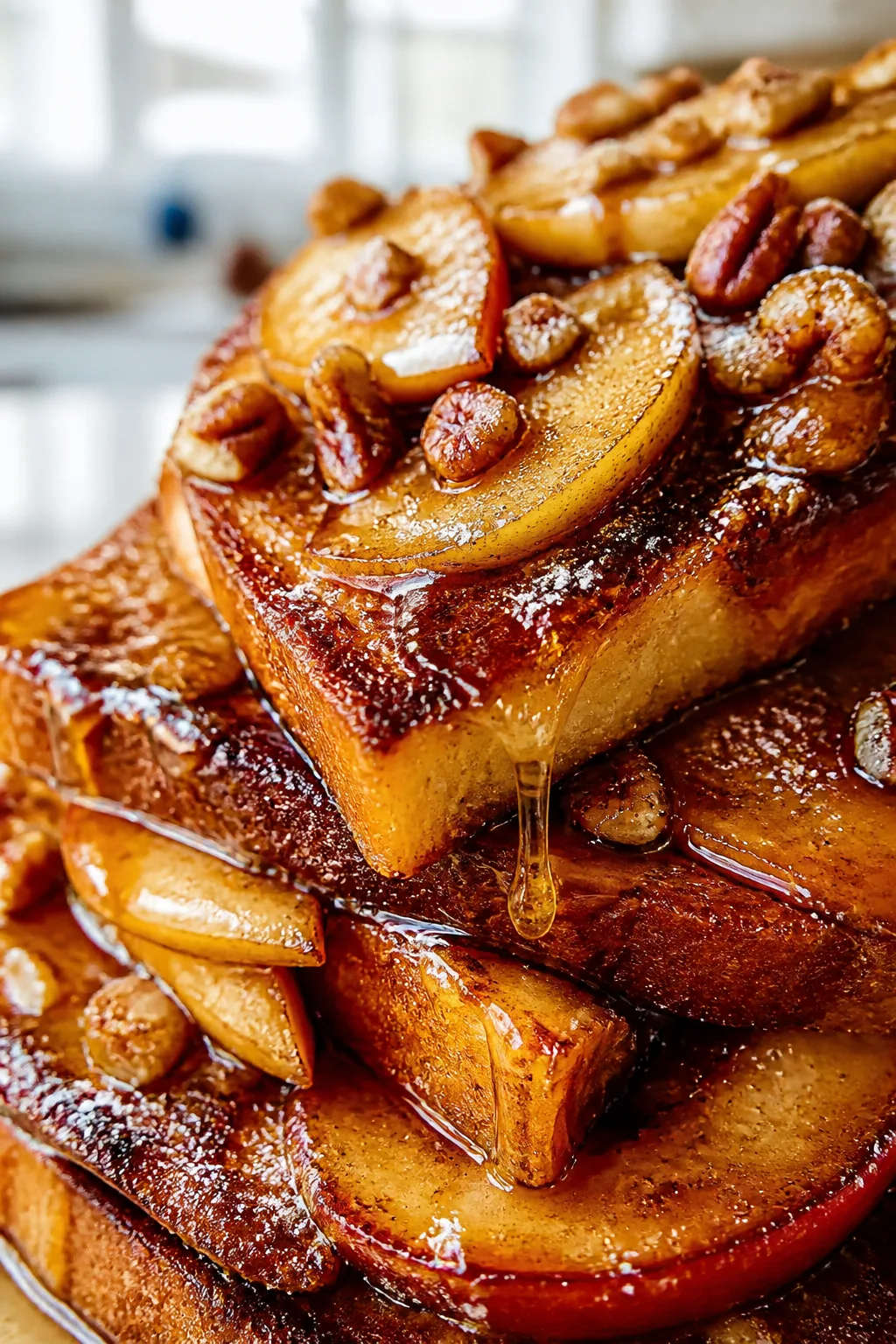
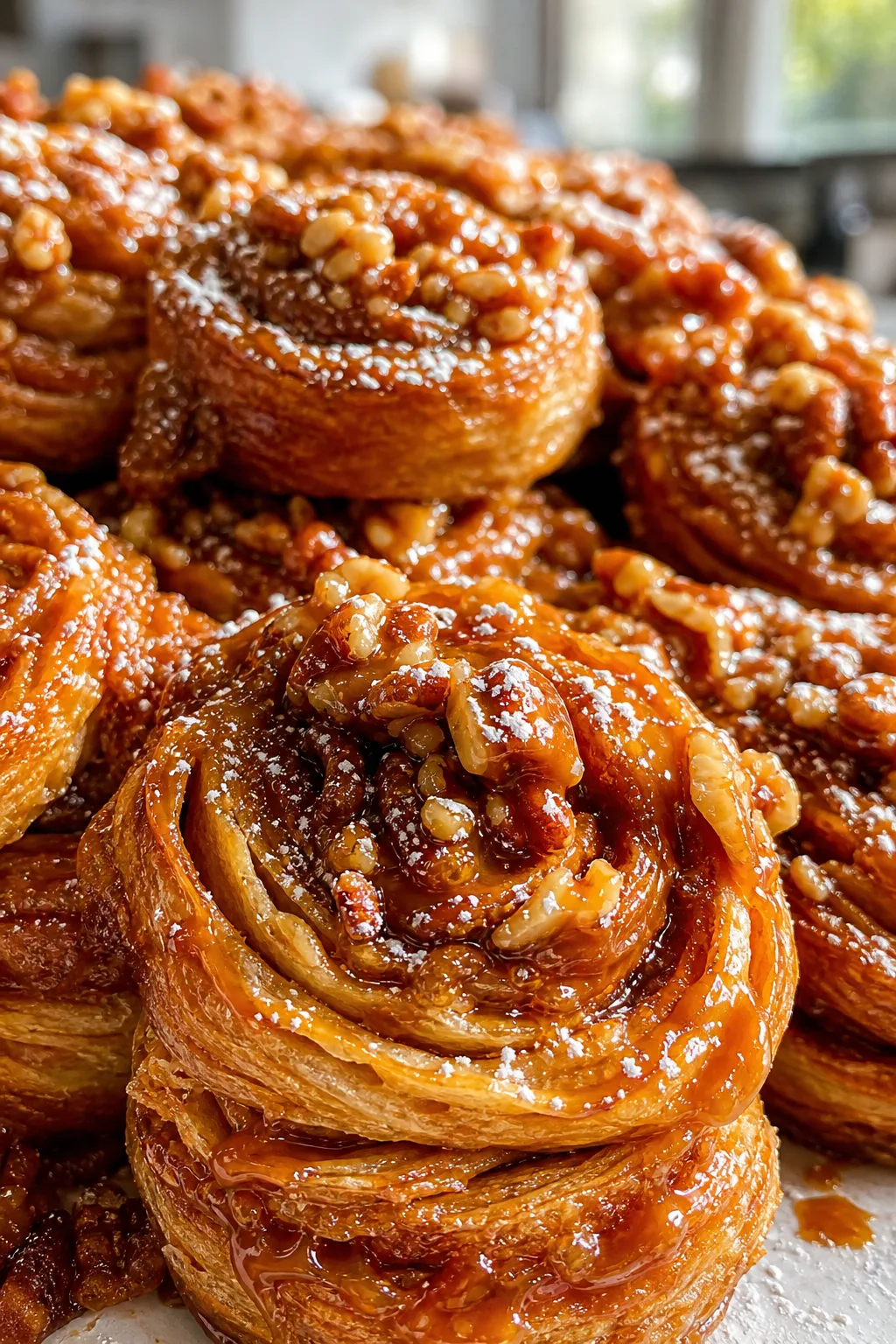
These cheesy cookies are a surprising blend of savory and sweet that totally won me over. The sharp cheddar adds a unique depth, making them perfect for afternoon snacks or party appetizers.
Introduction
I stumbled upon this cheesy cookie recipe during a casual baking experiment when I wanted something a little different from my usual sweet treats. At first, the idea of mixing cheddar cheese into cookie dough sounded odd, but the result was surprisingly delightful. What makes this recipe stand out is the balance between the sharpness of the cheddar and the subtle sweetness in the dough. I also found that grating the cheese finely helps it blend perfectly into the batter, ensuring each bite has that lovely cheesy flavor without being overpowering. The cookies come out golden and slightly crisp on the edges, with a soft, cheesy center. They’re fantastic for an afternoon snack or even as a unique addition to a party platter. Honestly, I’ve made these a few times now, and they always get rave reviews. Plus, they’re pretty quick to whip up, which is a win when I’m craving something homemade but don’t want to spend hours in the kitchen. If you’re curious about savory baking, this recipe is a great place to start!
How To Do It
Step 1
Start by preheating your oven to 350°F (175°C) and lining a baking sheet with parchment paper. This step is crucial because a properly heated oven ensures even baking, and parchment prevents the cookies from sticking or burning on the bottom. While the oven warms, sift together the flour, baking powder, and salt in a medium bowl. Sifting helps aerate the flour and evenly distributes the baking powder and salt, which will give your cookies a light texture and balanced flavor. Mixing these dry ingredients first also prevents clumps and ensures a smooth dough later on. Avoid skipping this step to keep your cookies tender and well-risen.
⏱ Time: 10
✓ Doneness: Dry ingredients are well combined with no lumps visible
Step 2
In a large bowl, cream the softened butter and sugar together using a hand mixer or stand mixer on medium speed until the mixture is light and fluffy, about 3-4 minutes. This creaming process incorporates air into the dough, which helps the cookies rise and gives them a tender crumb. If you rush this step or don’t beat enough, your cookies may turn out dense or flat. Once creamed, beat in the egg and vanilla extract until fully combined, scraping down the sides of the bowl to ensure everything is mixed evenly. This will provide moisture and flavor, binding the dough together.
⏱ Time: 7
✓ Doneness: Mixture is pale, fluffy, and smooth with no streaks of butter or sugar
Step 3
Gradually add the sifted dry ingredients to the wet ingredients, mixing on low speed just until combined. Overmixing here can develop gluten in the flour, leading to tougher cookies, so mix gently and stop as soon as the flour disappears. The dough should be soft but hold together nicely. If it feels too sticky, chill it for 10 minutes before scooping. This step ensures your cookies have the perfect texture — tender but not crumbly.
⏱ Time: 5
✓ Doneness: Dough comes together in a soft ball without dry patches or excessive stickiness
Step 4
Fold in the shredded sharp cheddar cheese by hand using a spatula. This gentle folding keeps the cheese evenly distributed without breaking down the dough’s structure. The sharpness of the cheddar will shine through in every bite, so make sure you use good quality cheese for the best flavor. Avoid mixing the cheese with the mixer as it can overwork the dough and melt the cheese prematurely.
⏱ Time: 3
✓ Doneness: Cheese is evenly dispersed throughout the dough with visible shreds
Step 5
Using a tablespoon or cookie scoop, drop dough balls spaced about 2 inches apart onto the prepared baking sheet. This spacing allows the cookies to spread slightly without merging into each other. If the dough is too soft to scoop, chill it for another 10 minutes. The size of the dough balls will affect baking time, so try to keep them uniform for even cooking.
⏱ Time: 5
✓ Doneness: Dough balls are evenly sized and spaced on the baking sheet
Step 6
Bake the cookies in the preheated oven for about 15-20 minutes, or until the edges turn a light golden brown and the centers look set but still soft. Baking time can vary depending on your oven, so start checking at 15 minutes. The Maillard reaction during baking creates that lovely golden crust and deepens the cheese flavor. Avoid overbaking to keep the cookies tender inside.
⏱ Time: 20
✓ Doneness: Edges are golden and centers look firm but not dry
Step 7
Remove the baking sheet from the oven and let the cookies cool on the sheet for 5 minutes before transferring them to a wire rack to cool completely. This resting time lets the cookies firm up and finish cooking gently from residual heat. Moving them too soon can cause them to break apart, while leaving them too long on the hot sheet can overcook the bottoms.
⏱ Time: 10
✓ Doneness: Cookies hold their shape when lifted and feel slightly firm to the touch
Step 8
Once fully cooled, store the cookies in an airtight container at room temperature for up to 3 days. Proper storage keeps the cookies fresh and prevents the cheese from drying out. If you want to keep them longer, refrigeration or freezing are better options.
⏱ Time: 2
✓ Doneness: Cookies are completely cool and dry before storing
Step 9
For serving, these cookies are delicious on their own or paired with a mild jam or honey for a sweet-savory combination. They also work great alongside soups or salads as a crunchy snack. Experiment with toppings like a sprinkle of herbs or a dash of paprika before baking to add extra flavor layers.
⏱ Time: 1
✓ Doneness: Cookies taste balanced with a pleasant cheesy aroma and slight sweetness
Pro Tips
Grate the cheese finely for even distribution.
Finely grated cheese melts and incorporates evenly, preventing clumps and ensuring every bite has balanced cheesy flavor. Larger chunks might melt unevenly or create greasy spots.
Chill the dough before baking if it feels too soft.
Chilling firms up the dough, preventing excessive spreading in the oven. This keeps cookies thick and chewy rather than thin and crispy.
Don’t overmix the dough once flour is added.
Overmixing develops gluten, which can make cookies tough. Mixing just until combined keeps them tender and soft.
Use parchment paper or silicone mats for baking.
These surfaces prevent sticking and promote even baking without burning the cookie bottoms, ensuring perfect texture.
Measure flour properly by spooning it into the cup and leveling.
Scooping flour directly can compact it, leading to dense cookies. Accurate measurement keeps dough consistency right.
Let cookies cool on the baking sheet briefly before moving.
This allows them to set and firm up, preventing breakage or crumbling when transferring to racks.
Use room temperature ingredients for easier mixing.
Ingredients at room temp combine more smoothly, ensuring better texture and consistent baking results.
Common Mistakes to Avoid
Using cold butter instead of softened.
Why it happens Many assume cold butter is fine, but it doesn’t cream well with sugar, leading to dense dough.
Fix Let butter sit at room temperature until soft but not melted. This traps air during creaming for light, tender cookies.
Overmixing after adding flour.
Why it happens Eager to finish, some mix dough too long, developing gluten.
Fix Mix just until flour disappears. Stop immediately to keep cookies tender.
Skipping chilling the dough when too soft.
Why it happens Impatience leads to baking soft dough that spreads too much.
Fix Chill dough 10-15 minutes to firm up for thicker cookies.
Using pre-shredded cheese with additives.
Why it happens Convenience leads people to use pre-shredded cheese, which can affect melting.
Fix Grate fresh cheese yourself for better melt and flavor.
Baking at incorrect temperature.
Why it happens Oven temp not verified can cause under or overbaking.
Fix Use an oven thermometer to ensure 350°F and adjust baking time accordingly.
Variations
Herb and Garlic Cheesy Cookies
Add 1 teaspoon of dried Italian herbs and 1 minced garlic clove to the dough for a savory herbaceous twist. These make a great appetizer or accompaniment to soups.
Note: Incorporate herbs and garlic during the creaming step for even flavor distribution.
Spicy Cheesy Cookies
Mix in 1/2 teaspoon of cayenne pepper or smoked paprika to the dough for a subtle heat that pairs wonderfully with the sharp cheddar. Great for those who like a bit of spice.
Note: Add spices with dry ingredients to ensure even mixing.
Cheddar and Chive Cookies
Fold in 2 tablespoons of finely chopped fresh chives with the cheese for a fresh oniony flavor. These are perfect for brunch or tea time.
Note: Use fresh chives and fold gently to avoid bruising.
Parmesan and Black Pepper Cookies
Substitute half the cheddar with grated Parmesan and add cracked black pepper for a sharper, more complex flavor profile. These cookies are a sophisticated snack option.
Note: Adjust salt slightly as Parmesan is salty.
Gluten-Free Cheesy Cookies
Use a 1:1 gluten-free baking flour blend in place of all-purpose flour. The texture will be slightly different but still delicious and cheesy.
Note: Add 1/4 teaspoon xanthan gum if your blend doesn’t contain it to improve structure.
Nutrition
Per Serving:
Nutritional values are estimates and may vary based on specific ingredients used.
Storage & Tips
Room Temperature
Store cookies in an airtight container at room temperature for up to 3 days. Keep away from direct sunlight or heat to prevent the cheese from drying out or becoming greasy.
Refrigerator
Cookies can be stored in an airtight container in the refrigerator for up to 7 days. They may firm up and lose some softness, so bring to room temperature before serving or warm slightly in the oven.
Freezer
Freeze cookies in a single layer on a baking sheet, then transfer to a freezer-safe bag for up to 3 months. Thaw at room temperature and warm in a low oven to restore texture.
Reheating
Reheat cookies in a 300°F oven for 5-7 minutes to crisp edges and warm through. Avoid microwaving as it can make them rubbery or greasy.
Make Ahead
Prepare the dough up to 24 hours ahead and keep refrigerated. Scoop and bake fresh when ready to serve for best texture and flavor.
FAQ
Can I use a different type of cheese?
Yes, but choose cheeses with a firm texture and good melting properties like Gruyère or Monterey Jack. Softer cheeses can make the dough too wet or greasy. Adjust salt accordingly since some cheeses are saltier.
Why are my cookies spreading too much?
This usually happens if the dough is too warm or soft. Chill the dough for 10-15 minutes before baking to help cookies hold their shape and prevent excessive spreading.
Can I make these cookies dairy-free?
You can try using dairy-free butter and vegan cheese alternatives, but the texture and flavor will differ. Use a firm vegan cheese that melts well and be aware the cookies may be less rich.
How do I store leftover cookies?
Store them in an airtight container at room temperature for up to 3 days or freeze for longer storage. Avoid refrigeration if possible as it can dry them out.
Can I add herbs or spices?
Absolutely! Herbs like chives or thyme and spices like paprika add great flavor. Add them during mixing with dry ingredients for best distribution.
What’s the best way to measure flour?
Spoon flour into your measuring cup and level with a knife rather than scooping directly. This prevents packing and ensures accurate measurement for tender cookies.
Why do my cookies come out tough?
Overmixing after adding flour or using cold butter can cause toughness. Mix gently and use softened butter for tender results.
Can I make the dough ahead of time?
Yes, the dough can be refrigerated for up to 24 hours. This actually helps develop flavor and improves texture. Just bring it back to room temperature before scooping.
Final Thoughts
I hope you give these cheesy cookies a try—they’re a fun, tasty twist on traditional baking. Let me know how yours turn out and what variations you love!